
How to Implement Redundancy in Fixed Satellite Networks
MAR 18, 202610 MIN READ
Generate Your Research Report Instantly with AI Agent
Patsnap Eureka helps you evaluate technical feasibility & market potential.
Satellite Network Redundancy Background and Objectives
Fixed satellite networks have evolved from simple point-to-point communication systems to complex, multi-layered infrastructures supporting critical applications across telecommunications, broadcasting, navigation, and defense sectors. The historical development began with early geostationary satellites in the 1960s, progressing through multiple generations of increasingly sophisticated platforms that now form the backbone of global communications infrastructure.
The evolution of satellite technology has consistently emphasized reliability and continuous service availability, driven by the mission-critical nature of satellite communications. Early satellite systems relied on basic backup mechanisms, but modern networks require sophisticated redundancy strategies to meet stringent availability requirements often exceeding 99.9% uptime. This evolution reflects the growing dependence on satellite services for essential functions including emergency communications, financial transactions, and military operations.
Current technological trends indicate a shift toward more distributed and resilient satellite architectures. The integration of software-defined networking principles, advanced signal processing capabilities, and artificial intelligence-driven network management systems has created new opportunities for implementing dynamic redundancy mechanisms. These developments enable real-time adaptation to changing network conditions and automated failover procedures that minimize service disruption.
The primary objective of implementing redundancy in fixed satellite networks centers on achieving seamless service continuity despite component failures, environmental interference, or deliberate attacks. This encompasses multiple layers of protection including satellite platform redundancy, ground segment backup systems, and diverse routing capabilities that collectively ensure uninterrupted service delivery to end users.
Technical objectives include developing robust failover mechanisms that can detect and respond to failures within milliseconds, implementing diverse signal paths that prevent single points of failure, and establishing automated recovery procedures that restore full operational capacity without human intervention. These objectives must be balanced against cost considerations, complexity management, and performance optimization requirements.
Strategic goals extend beyond basic fault tolerance to encompass enhanced network resilience, improved quality of service guarantees, and increased operational flexibility. The implementation of redundancy mechanisms should enable satellite operators to provide differentiated service levels, support mission-critical applications with guaranteed availability, and maintain competitive advantages in an increasingly crowded satellite services market.
The evolution of satellite technology has consistently emphasized reliability and continuous service availability, driven by the mission-critical nature of satellite communications. Early satellite systems relied on basic backup mechanisms, but modern networks require sophisticated redundancy strategies to meet stringent availability requirements often exceeding 99.9% uptime. This evolution reflects the growing dependence on satellite services for essential functions including emergency communications, financial transactions, and military operations.
Current technological trends indicate a shift toward more distributed and resilient satellite architectures. The integration of software-defined networking principles, advanced signal processing capabilities, and artificial intelligence-driven network management systems has created new opportunities for implementing dynamic redundancy mechanisms. These developments enable real-time adaptation to changing network conditions and automated failover procedures that minimize service disruption.
The primary objective of implementing redundancy in fixed satellite networks centers on achieving seamless service continuity despite component failures, environmental interference, or deliberate attacks. This encompasses multiple layers of protection including satellite platform redundancy, ground segment backup systems, and diverse routing capabilities that collectively ensure uninterrupted service delivery to end users.
Technical objectives include developing robust failover mechanisms that can detect and respond to failures within milliseconds, implementing diverse signal paths that prevent single points of failure, and establishing automated recovery procedures that restore full operational capacity without human intervention. These objectives must be balanced against cost considerations, complexity management, and performance optimization requirements.
Strategic goals extend beyond basic fault tolerance to encompass enhanced network resilience, improved quality of service guarantees, and increased operational flexibility. The implementation of redundancy mechanisms should enable satellite operators to provide differentiated service levels, support mission-critical applications with guaranteed availability, and maintain competitive advantages in an increasingly crowded satellite services market.
Market Demand for Reliable Fixed Satellite Communications
The global satellite communications market has experienced unprecedented growth driven by increasing demand for reliable connectivity across diverse sectors. Enterprise customers, government agencies, and service providers require continuous, uninterrupted communication capabilities that can withstand equipment failures, natural disasters, and other disruptions. This demand has intensified as organizations become increasingly dependent on satellite networks for critical operations, remote connectivity, and backup communications infrastructure.
Maritime and aviation industries represent significant market segments demanding highly reliable satellite communications. Ships operating in remote ocean areas and aircraft flying over vast territories require redundant satellite connections to ensure passenger safety, operational efficiency, and regulatory compliance. The inability to maintain consistent communication links in these environments can result in substantial financial losses and safety risks, driving operators to invest heavily in redundant satellite network solutions.
Government and military applications constitute another major demand driver for reliable fixed satellite communications. Defense organizations require secure, resilient communication networks that can operate under adverse conditions and potential interference. Critical infrastructure protection, emergency response coordination, and national security communications all depend on satellite networks with built-in redundancy capabilities. These applications often justify premium pricing for enhanced reliability features.
The enterprise sector increasingly relies on satellite communications for business continuity and disaster recovery planning. Financial institutions, healthcare organizations, and multinational corporations require guaranteed communication availability to maintain operations during terrestrial network outages. Remote facilities, mining operations, and oil platforms depend entirely on satellite connectivity, making redundancy not just desirable but essential for operational viability.
Emerging applications in Internet of Things deployments, smart agriculture, and remote monitoring systems are creating new market segments that value reliability over cost optimization. These applications often involve critical infrastructure monitoring or safety systems where communication failures can have severe consequences. The growing adoption of satellite-based solutions in these sectors reflects increasing recognition that redundancy investments provide substantial risk mitigation benefits.
Market growth is further accelerated by regulatory requirements in various industries mandating backup communication systems. Aviation authorities, maritime organizations, and emergency services increasingly require redundant communication capabilities as part of safety and operational standards. This regulatory environment creates sustained demand for reliable satellite communication solutions regardless of economic cycles.
Maritime and aviation industries represent significant market segments demanding highly reliable satellite communications. Ships operating in remote ocean areas and aircraft flying over vast territories require redundant satellite connections to ensure passenger safety, operational efficiency, and regulatory compliance. The inability to maintain consistent communication links in these environments can result in substantial financial losses and safety risks, driving operators to invest heavily in redundant satellite network solutions.
Government and military applications constitute another major demand driver for reliable fixed satellite communications. Defense organizations require secure, resilient communication networks that can operate under adverse conditions and potential interference. Critical infrastructure protection, emergency response coordination, and national security communications all depend on satellite networks with built-in redundancy capabilities. These applications often justify premium pricing for enhanced reliability features.
The enterprise sector increasingly relies on satellite communications for business continuity and disaster recovery planning. Financial institutions, healthcare organizations, and multinational corporations require guaranteed communication availability to maintain operations during terrestrial network outages. Remote facilities, mining operations, and oil platforms depend entirely on satellite connectivity, making redundancy not just desirable but essential for operational viability.
Emerging applications in Internet of Things deployments, smart agriculture, and remote monitoring systems are creating new market segments that value reliability over cost optimization. These applications often involve critical infrastructure monitoring or safety systems where communication failures can have severe consequences. The growing adoption of satellite-based solutions in these sectors reflects increasing recognition that redundancy investments provide substantial risk mitigation benefits.
Market growth is further accelerated by regulatory requirements in various industries mandating backup communication systems. Aviation authorities, maritime organizations, and emergency services increasingly require redundant communication capabilities as part of safety and operational standards. This regulatory environment creates sustained demand for reliable satellite communication solutions regardless of economic cycles.
Current Redundancy Challenges in Fixed Satellite Networks
Fixed satellite networks face numerous redundancy implementation challenges that significantly impact system reliability and operational continuity. The inherent complexity of satellite communication systems, combined with the harsh space environment and limited physical access for maintenance, creates unique obstacles that terrestrial networks rarely encounter.
Signal path redundancy represents one of the most critical challenges in fixed satellite networks. Traditional terrestrial redundancy approaches cannot be directly applied due to the vast distances involved and the limited number of available satellites in specific orbital positions. When primary communication paths fail, alternative routing options are often constrained by satellite coverage patterns, beam footprints, and inter-satellite link capabilities. The challenge intensifies when considering the need for seamless handover between redundant paths without service interruption.
Ground infrastructure redundancy poses significant technical and economic barriers. Establishing multiple ground stations with identical capabilities requires substantial capital investment and ongoing operational costs. The challenge extends beyond simple duplication, as redundant ground stations must maintain precise synchronization, identical configuration management, and coordinated switching mechanisms. Geographic diversity requirements further complicate implementation, as backup facilities must be positioned to avoid common failure modes such as natural disasters or regional infrastructure outages.
Satellite hardware redundancy faces fundamental constraints imposed by space-based deployment limitations. Unlike terrestrial equipment that can be easily replaced or upgraded, satellite components must incorporate redundancy at the design stage. This includes redundant transponders, power systems, attitude control mechanisms, and communication subsystems. However, each redundant component adds weight, complexity, and cost to the satellite platform while consuming limited power and thermal budgets.
Network topology redundancy challenges emerge from the fixed nature of geostationary satellite positions and the limited flexibility in reconfiguring network architectures. When satellite failures occur, traffic rerouting options are constrained by the remaining satellites' capacity and coverage capabilities. The challenge becomes more pronounced in regional networks where alternative satellite resources may not provide equivalent coverage or service quality.
Protocol-level redundancy implementation faces unique timing and synchronization challenges in satellite environments. The inherent propagation delays in satellite communications, typically 250-280 milliseconds for geostationary satellites, complicate traditional redundancy protocols designed for terrestrial networks. Implementing effective failover mechanisms requires careful consideration of these delays to prevent false failure detection and unnecessary switching events.
Interference and frequency coordination present additional redundancy challenges, particularly when multiple satellites or ground stations operate in close proximity. Redundant systems must coexist without creating harmful interference while maintaining the ability to activate backup resources rapidly when needed. This requires sophisticated frequency planning and coordination mechanisms that can adapt to changing operational conditions.
Signal path redundancy represents one of the most critical challenges in fixed satellite networks. Traditional terrestrial redundancy approaches cannot be directly applied due to the vast distances involved and the limited number of available satellites in specific orbital positions. When primary communication paths fail, alternative routing options are often constrained by satellite coverage patterns, beam footprints, and inter-satellite link capabilities. The challenge intensifies when considering the need for seamless handover between redundant paths without service interruption.
Ground infrastructure redundancy poses significant technical and economic barriers. Establishing multiple ground stations with identical capabilities requires substantial capital investment and ongoing operational costs. The challenge extends beyond simple duplication, as redundant ground stations must maintain precise synchronization, identical configuration management, and coordinated switching mechanisms. Geographic diversity requirements further complicate implementation, as backup facilities must be positioned to avoid common failure modes such as natural disasters or regional infrastructure outages.
Satellite hardware redundancy faces fundamental constraints imposed by space-based deployment limitations. Unlike terrestrial equipment that can be easily replaced or upgraded, satellite components must incorporate redundancy at the design stage. This includes redundant transponders, power systems, attitude control mechanisms, and communication subsystems. However, each redundant component adds weight, complexity, and cost to the satellite platform while consuming limited power and thermal budgets.
Network topology redundancy challenges emerge from the fixed nature of geostationary satellite positions and the limited flexibility in reconfiguring network architectures. When satellite failures occur, traffic rerouting options are constrained by the remaining satellites' capacity and coverage capabilities. The challenge becomes more pronounced in regional networks where alternative satellite resources may not provide equivalent coverage or service quality.
Protocol-level redundancy implementation faces unique timing and synchronization challenges in satellite environments. The inherent propagation delays in satellite communications, typically 250-280 milliseconds for geostationary satellites, complicate traditional redundancy protocols designed for terrestrial networks. Implementing effective failover mechanisms requires careful consideration of these delays to prevent false failure detection and unnecessary switching events.
Interference and frequency coordination present additional redundancy challenges, particularly when multiple satellites or ground stations operate in close proximity. Redundant systems must coexist without creating harmful interference while maintaining the ability to activate backup resources rapidly when needed. This requires sophisticated frequency planning and coordination mechanisms that can adapt to changing operational conditions.
Existing Redundancy Implementation Solutions
01 Backup satellite and transponder switching mechanisms
Redundancy in fixed satellite networks can be achieved through the implementation of backup satellites and automatic transponder switching systems. When a primary satellite or transponder fails, the system automatically switches to a backup unit to maintain continuous service. This approach includes hot standby configurations where backup equipment is ready for immediate activation, and cold standby systems that require initialization time. The switching mechanisms employ monitoring systems to detect failures and trigger failover procedures, ensuring minimal service interruption.- Backup satellite and transponder switching mechanisms: Redundancy in fixed satellite networks can be achieved through the implementation of backup satellites and automatic transponder switching systems. When a primary satellite or transponder fails, the system automatically switches to a backup unit to maintain continuous service. This approach ensures network reliability by providing alternative signal paths and minimizing service interruptions. The switching mechanism can be controlled through ground stations or onboard processors that monitor system health and performance.
- Diversity routing and path redundancy: Network redundancy can be enhanced through the use of multiple communication paths and diversity routing techniques. This involves establishing alternative signal routes through different satellites, ground stations, or frequency bands. When one path experiences degradation or failure, traffic is automatically rerouted through alternative paths. This method improves network resilience and ensures continuous connectivity even during adverse conditions or equipment failures.
- Redundant ground station infrastructure: Implementing redundant ground station equipment and facilities provides additional layers of protection for satellite network operations. This includes duplicate teleport facilities, backup power systems, redundant uplink and downlink equipment, and geographically distributed control centers. The redundant infrastructure ensures that ground segment failures do not compromise overall network availability and allows for seamless failover operations.
- Hot standby and active-active configurations: Redundancy architectures utilizing hot standby or active-active configurations enable immediate failover capabilities. In hot standby mode, backup systems remain powered and synchronized, ready to take over instantly upon primary system failure. Active-active configurations distribute traffic across multiple systems simultaneously, providing both redundancy and load balancing. These approaches minimize recovery time and ensure high availability for critical satellite communication services.
- Monitoring and automatic failover control systems: Advanced monitoring systems and automatic failover control mechanisms are essential for managing redundancy in satellite networks. These systems continuously monitor network performance, signal quality, and equipment status to detect anomalies or failures. Upon detection of issues, automated control systems initiate failover procedures, switching to backup resources without manual intervention. This ensures rapid response to failures and maintains service continuity with minimal downtime.
02 Diverse ground station and gateway redundancy
Ground segment redundancy involves deploying multiple ground stations and gateways in geographically diverse locations to prevent single points of failure. This architecture ensures that if one ground station experiences outages due to weather, equipment failure, or other issues, traffic can be rerouted through alternative stations. The redundancy design includes synchronized databases, redundant control systems, and automatic routing protocols that enable seamless handover between ground facilities without service degradation.Expand Specific Solutions03 Path diversity and multi-beam coverage
Implementing path diversity through multi-beam satellite configurations provides redundancy at the signal transmission level. This technique utilizes multiple beams operating at different frequencies or polarizations to cover the same service area, allowing the system to maintain connectivity even when one beam is compromised. Advanced beam-forming technologies and adaptive coding and modulation schemes enable dynamic resource allocation and automatic compensation for degraded links, enhancing overall network resilience.Expand Specific Solutions04 Network management and monitoring systems
Comprehensive network management systems provide real-time monitoring and control capabilities essential for maintaining redundancy in satellite networks. These systems continuously track performance metrics, detect anomalies, and execute automated recovery procedures. They incorporate predictive analytics to identify potential failures before they occur, enabling proactive maintenance and resource reallocation. The management infrastructure includes redundant control centers with synchronized operational data to ensure continuous oversight even during facility-level failures.Expand Specific Solutions05 Protocol-level redundancy and error correction
Redundancy at the protocol and data transmission level involves implementing advanced error correction codes, packet duplication, and multi-path routing strategies. These techniques ensure data integrity and availability even when portions of the satellite network experience degradation. Forward error correction algorithms, automatic repeat request mechanisms, and diversity combining methods work together to maintain reliable communications. Protocol-level redundancy also includes the use of multiple communication standards and adaptive transmission parameters that adjust to changing link conditions.Expand Specific Solutions
Major Players in Satellite Network Infrastructure Industry
The fixed satellite network redundancy implementation field represents a mature technology sector experiencing steady growth, driven by increasing demand for reliable satellite communications across military, commercial, and civilian applications. The market demonstrates significant scale with established players spanning academic institutions, state-owned enterprises, and private companies. Technology maturity varies across different implementation approaches, with leading Chinese institutions like Beijing University of Posts & Telecommunications, Tsinghua University, and Northwestern Polytechnical University driving theoretical research, while companies such as China Academy of Space Technology, DFH Satellite Co., and Space Star Technology Co. focus on practical deployment solutions. Major telecommunications operators including China Mobile Communications Group and China Telecom Corp. are integrating redundancy mechanisms into their satellite network infrastructures. International players like Nokia Technologies and Cisco Technology contribute advanced networking solutions, while specialized firms such as Genew Technologies and Beijing Fibrlink Communications provide targeted redundancy implementations for specific market segments.
Beijing University of Posts & Telecommunications
Technical Solution: Beijing University of Posts & Telecommunications focuses on research-based approaches to satellite network redundancy, developing innovative algorithms and protocols for fault-tolerant satellite communications. Their technical solution emphasizes adaptive redundancy mechanisms that can dynamically adjust protection levels based on network conditions and traffic requirements. The research includes development of distributed routing algorithms that can maintain network connectivity even with multiple satellite or ground station failures. Their approach incorporates cognitive radio techniques that enable satellites to autonomously select optimal frequency bands and communication parameters to maintain service quality. The university's redundancy implementation research covers both physical layer diversity techniques and higher-layer protocol adaptations specifically designed for the unique characteristics of satellite communication channels, including long propagation delays and varying link quality conditions.
Strengths: Cutting-edge research capabilities with innovative adaptive redundancy approaches. Weaknesses: Limited commercial implementation experience and focus primarily on theoretical solutions.
DFH Satellite Co., Ltd.
Technical Solution: DFH Satellite Co., Ltd. focuses on implementing redundancy through advanced satellite platform design and manufacturing. Their approach emphasizes hardware-level redundancy with dual-string configurations for critical subsystems including power, propulsion, and communication payloads. The company develops satellites with redundant onboard processors and memory systems that can seamlessly switch between primary and backup modes. Their redundancy implementation includes cross-strapped configurations where backup systems can support multiple primary functions, maximizing resource utilization while maintaining reliability. The technical solution incorporates real-time health monitoring systems that continuously assess component performance and predict potential failures before they occur. Additionally, they implement software-based redundancy through diverse programming approaches and error correction algorithms to enhance system resilience against both hardware failures and software anomalies.
Strengths: Strong hardware redundancy expertise with proven satellite manufacturing capabilities. Weaknesses: Limited ground segment integration and higher satellite manufacturing complexity.
Core Patents in Satellite Network Fault Tolerance
Core-based satellite network architecture
PatentActiveUS20100265957A1
Innovation
- A satellite network system with core nodes interconnected at layer-2, allowing for redundancy and service continuity across gateways, enabling end-to-end layer-2 connectivity for seamless service provision and resource sharing among nodes.
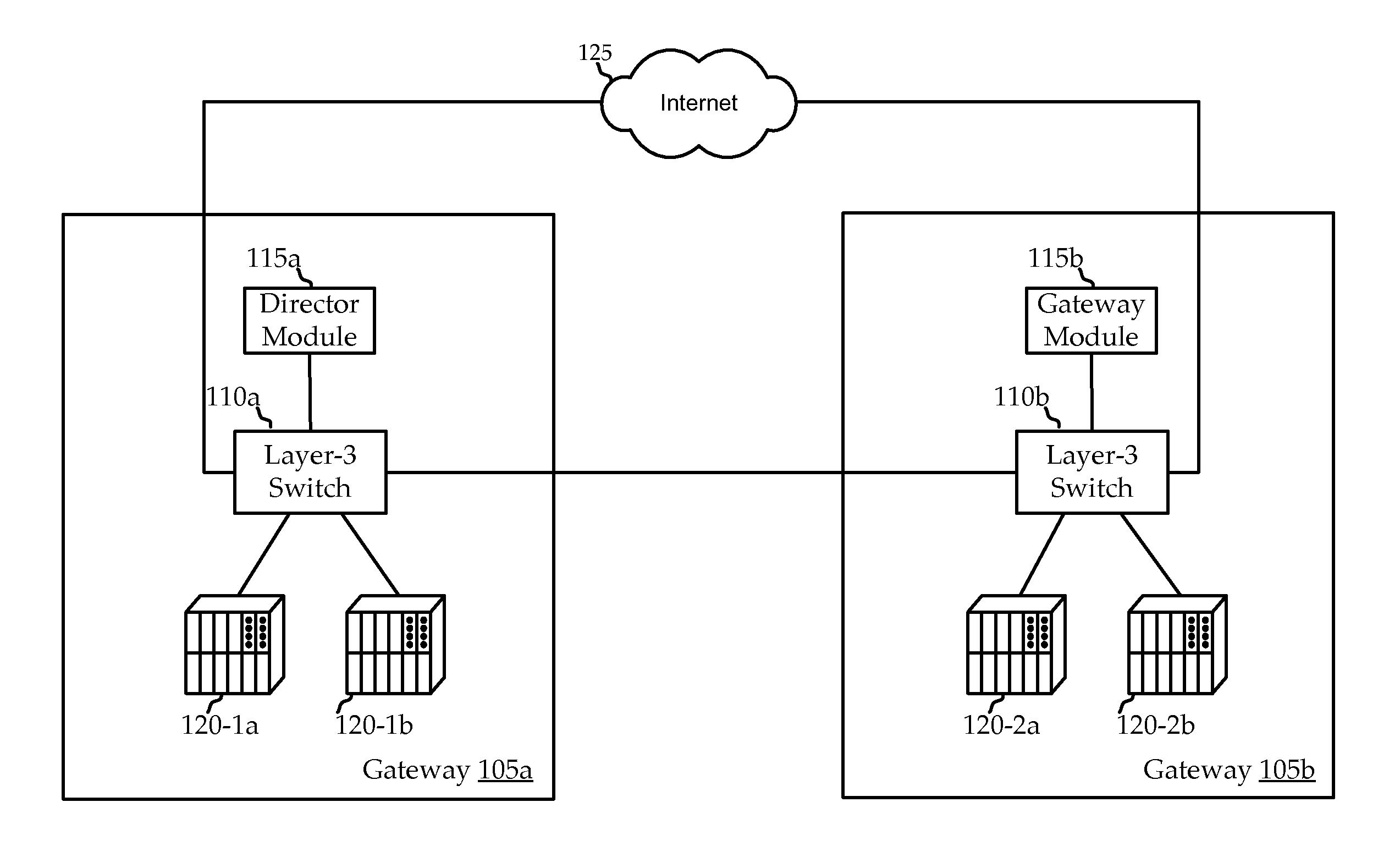
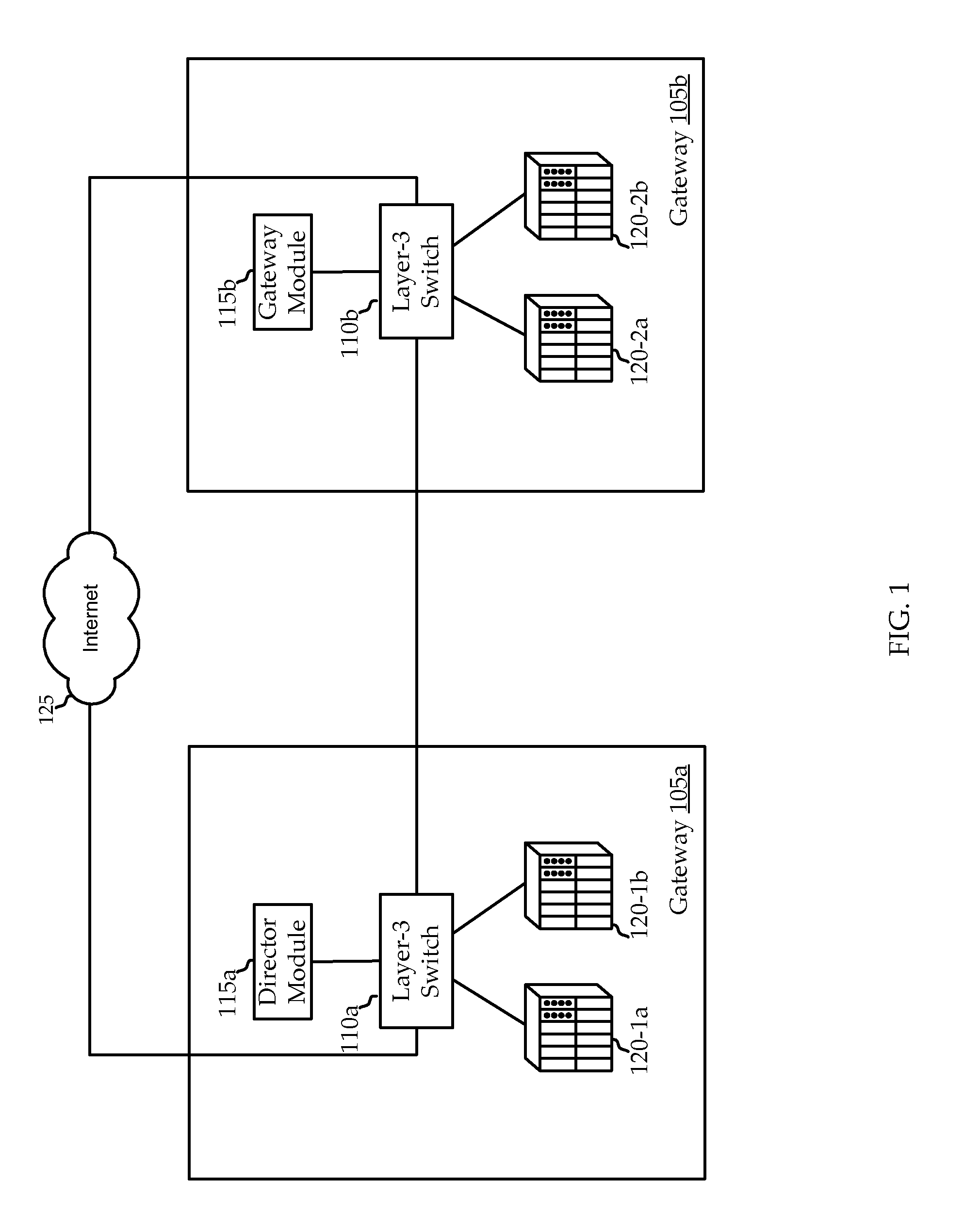
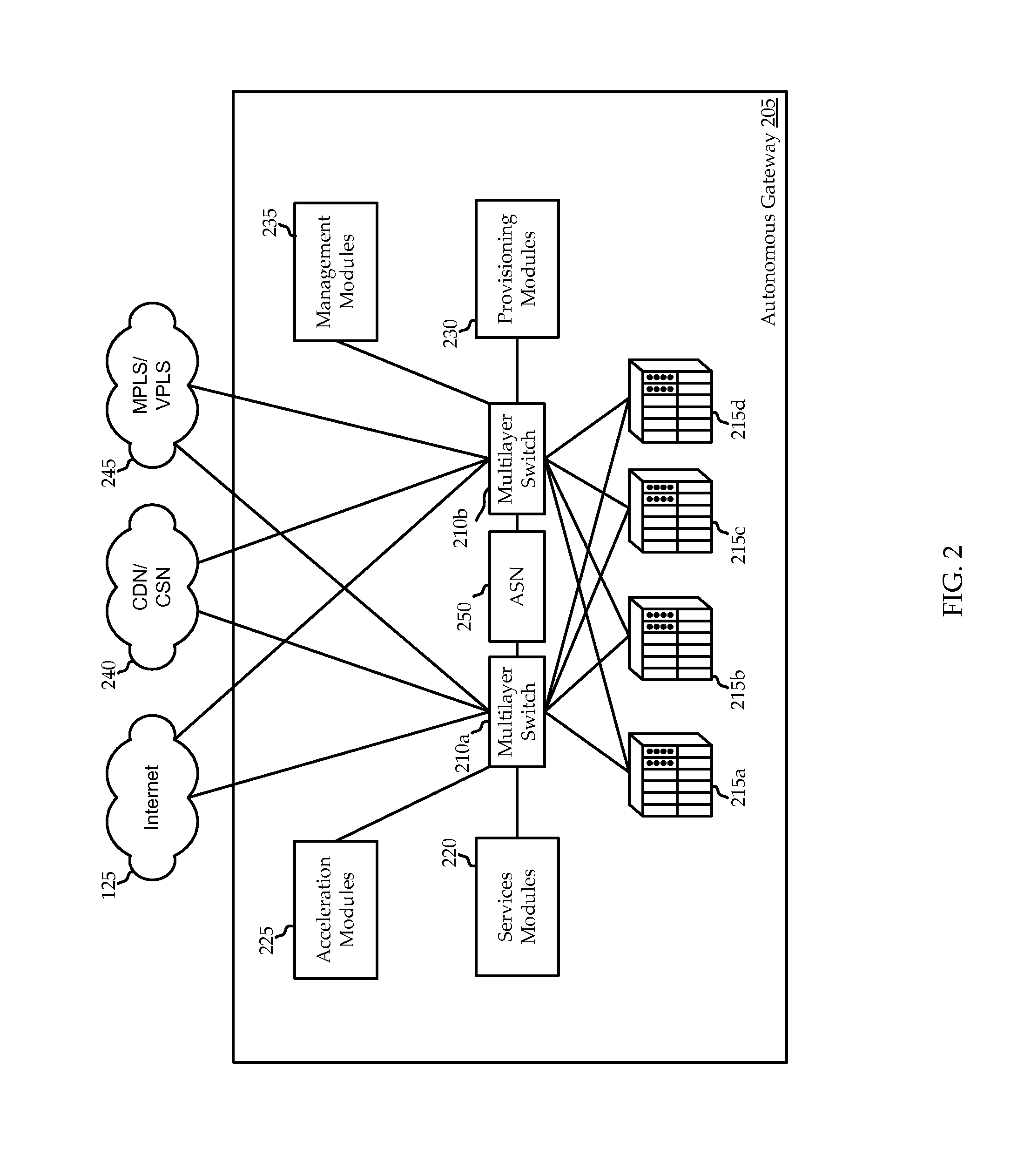

Radio-frequency (RF) gateway redundancy schemes for satellite communication networks
PatentWO2025054052A1
Innovation
- Implementing a hybrid rolling RF gateway backup scheme where primary and backup RF gateways are continuously switched, with backup RF gateways being activated only when a primary RF gateway fails, reducing the number of switchover operations and switching time.


Spectrum Regulation for Satellite Network Operations
Spectrum regulation forms the cornerstone of satellite network operations, particularly when implementing redundancy mechanisms in fixed satellite systems. The International Telecommunication Union (ITU) establishes the primary regulatory framework through its Radio Regulations, which govern frequency allocation, orbital slot assignments, and coordination procedures for satellite networks. These regulations become increasingly complex when redundancy implementations require additional spectrum resources or alternative frequency bands to ensure seamless failover capabilities.
The regulatory landscape for redundant satellite networks involves multiple layers of compliance requirements. National telecommunications authorities must approve spectrum usage plans that incorporate backup systems and alternative communication paths. This includes securing primary and secondary frequency allocations, obtaining licenses for ground station operations, and ensuring compliance with power flux density limitations. The coordination process becomes particularly intricate when redundant systems operate across multiple ITU regions or involve cross-border satellite coverage.
Frequency coordination presents significant challenges for redundant satellite architectures. When implementing space segment redundancy, operators must secure orbital slots for backup satellites while maintaining interference protection criteria with adjacent satellite systems. The ITU's advance publication and coordination procedures require detailed technical characteristics of both primary and backup satellite systems, including antenna patterns, power levels, and coverage areas. This process can extend over several years, necessitating long-term planning for redundancy implementations.
Spectrum sharing mechanisms play a crucial role in enabling cost-effective redundancy solutions. Dynamic spectrum access technologies allow satellite networks to utilize temporarily available frequencies during emergency situations or system failures. However, these approaches require sophisticated coordination protocols and real-time spectrum monitoring capabilities to ensure compliance with regulatory constraints and avoid harmful interference to other spectrum users.
Regulatory harmonization across different jurisdictions remains a persistent challenge for global satellite network operators implementing redundancy systems. Variations in national spectrum policies, licensing procedures, and technical standards can complicate the deployment of seamless backup systems. The emergence of mega-constellation projects has intensified regulatory scrutiny, leading to more stringent requirements for interference mitigation and spectrum efficiency in redundant system designs.
Future regulatory developments are likely to address the growing complexity of satellite network redundancy through more flexible spectrum management approaches. Proposed regulatory frameworks include dynamic spectrum allocation mechanisms, automated coordination procedures, and enhanced interference protection standards specifically designed for resilient satellite communication systems.
The regulatory landscape for redundant satellite networks involves multiple layers of compliance requirements. National telecommunications authorities must approve spectrum usage plans that incorporate backup systems and alternative communication paths. This includes securing primary and secondary frequency allocations, obtaining licenses for ground station operations, and ensuring compliance with power flux density limitations. The coordination process becomes particularly intricate when redundant systems operate across multiple ITU regions or involve cross-border satellite coverage.
Frequency coordination presents significant challenges for redundant satellite architectures. When implementing space segment redundancy, operators must secure orbital slots for backup satellites while maintaining interference protection criteria with adjacent satellite systems. The ITU's advance publication and coordination procedures require detailed technical characteristics of both primary and backup satellite systems, including antenna patterns, power levels, and coverage areas. This process can extend over several years, necessitating long-term planning for redundancy implementations.
Spectrum sharing mechanisms play a crucial role in enabling cost-effective redundancy solutions. Dynamic spectrum access technologies allow satellite networks to utilize temporarily available frequencies during emergency situations or system failures. However, these approaches require sophisticated coordination protocols and real-time spectrum monitoring capabilities to ensure compliance with regulatory constraints and avoid harmful interference to other spectrum users.
Regulatory harmonization across different jurisdictions remains a persistent challenge for global satellite network operators implementing redundancy systems. Variations in national spectrum policies, licensing procedures, and technical standards can complicate the deployment of seamless backup systems. The emergence of mega-constellation projects has intensified regulatory scrutiny, leading to more stringent requirements for interference mitigation and spectrum efficiency in redundant system designs.
Future regulatory developments are likely to address the growing complexity of satellite network redundancy through more flexible spectrum management approaches. Proposed regulatory frameworks include dynamic spectrum allocation mechanisms, automated coordination procedures, and enhanced interference protection standards specifically designed for resilient satellite communication systems.
Security Considerations in Redundant Satellite Systems
Security considerations in redundant satellite systems represent a critical dimension that extends beyond traditional reliability concerns, encompassing unique vulnerabilities introduced by distributed architectures and multiple communication pathways. The implementation of redundancy mechanisms inherently expands the attack surface, creating additional entry points that malicious actors could potentially exploit to compromise network integrity.
Authentication and access control become significantly more complex in redundant satellite networks due to the need for seamless failover capabilities while maintaining strict security protocols. Each redundant component must possess appropriate credentials and authorization levels, yet the system must prevent unauthorized access through compromised backup channels. Multi-factor authentication schemes specifically designed for satellite environments must account for signal latency and potential communication disruptions during security handshakes.
Encryption key management presents substantial challenges when implementing redundancy across geographically distributed satellite assets. Synchronization of cryptographic keys across primary and backup systems requires secure distribution mechanisms that can operate effectively despite varying signal conditions and potential component failures. The system must ensure that encryption remains uncompromised during failover events while preventing key exposure through redundant communication channels.
Intrusion detection and monitoring capabilities must be enhanced to accommodate the increased complexity of redundant architectures. Security monitoring systems need to distinguish between legitimate failover activities and potential security breaches, requiring sophisticated behavioral analysis algorithms that understand normal redundancy operations. Real-time threat assessment becomes more challenging when multiple systems operate simultaneously, necessitating coordinated security intelligence across all redundant components.
Data integrity verification assumes heightened importance in redundant satellite systems, where information must be consistently protected across multiple transmission paths and storage locations. Implementing robust checksums, digital signatures, and blockchain-based verification mechanisms helps ensure that data remains unaltered during redundant operations. The system must detect and respond to data corruption or tampering attempts that could exploit redundancy mechanisms to inject malicious content into the network infrastructure.
Authentication and access control become significantly more complex in redundant satellite networks due to the need for seamless failover capabilities while maintaining strict security protocols. Each redundant component must possess appropriate credentials and authorization levels, yet the system must prevent unauthorized access through compromised backup channels. Multi-factor authentication schemes specifically designed for satellite environments must account for signal latency and potential communication disruptions during security handshakes.
Encryption key management presents substantial challenges when implementing redundancy across geographically distributed satellite assets. Synchronization of cryptographic keys across primary and backup systems requires secure distribution mechanisms that can operate effectively despite varying signal conditions and potential component failures. The system must ensure that encryption remains uncompromised during failover events while preventing key exposure through redundant communication channels.
Intrusion detection and monitoring capabilities must be enhanced to accommodate the increased complexity of redundant architectures. Security monitoring systems need to distinguish between legitimate failover activities and potential security breaches, requiring sophisticated behavioral analysis algorithms that understand normal redundancy operations. Real-time threat assessment becomes more challenging when multiple systems operate simultaneously, necessitating coordinated security intelligence across all redundant components.
Data integrity verification assumes heightened importance in redundant satellite systems, where information must be consistently protected across multiple transmission paths and storage locations. Implementing robust checksums, digital signatures, and blockchain-based verification mechanisms helps ensure that data remains unaltered during redundant operations. The system must detect and respond to data corruption or tampering attempts that could exploit redundancy mechanisms to inject malicious content into the network infrastructure.
Unlock deeper insights with Patsnap Eureka Quick Research — get a full tech report to explore trends and direct your research. Try now!
Generate Your Research Report Instantly with AI Agent
Supercharge your innovation with Patsnap Eureka AI Agent Platform!