How to Leverage Thermite for Efficient Energy Utilization?
JUN 24, 20259 MIN READ
Generate Your Research Report Instantly with AI Agent
PatSnap Eureka helps you evaluate technical feasibility & market potential.
Thermite Energy Tech Evolution
The evolution of thermite energy technology has been marked by significant advancements in harnessing the exothermic reaction between metal fuel and metal oxide. Initially developed in the late 19th century, thermite reactions were primarily used for welding and incendiary devices. However, the potential for energy utilization has driven research and development efforts in recent decades.
In the 1980s, researchers began exploring thermite reactions as a potential energy source for propulsion systems. This led to the development of metastable intermolecular composites (MICs), which offered improved control over reaction rates and energy release. The 1990s saw a shift towards nanoscale thermite materials, significantly enhancing reaction kinetics and energy density.
The early 2000s marked a turning point in thermite energy technology with the advent of sol-gel synthesis methods. This approach allowed for precise control over particle size and distribution, resulting in more efficient and controllable thermite reactions. Concurrently, researchers began investigating thermite reactions for thermal energy storage applications, recognizing their potential for high-temperature heat release.
By the mid-2000s, the focus shifted towards optimizing thermite compositions for specific energy applications. Researchers explored various metal fuel and oxide combinations, seeking to maximize energy output while minimizing environmental impact. This period also saw the emergence of thermite-based self-propagating high-temperature synthesis (SHS) for materials production.
The 2010s witnessed a surge in research on thermite-based microthrusters for small satellite propulsion systems. These miniaturized devices leveraged the high energy density of thermite reactions to provide precise attitude control in space applications. Simultaneously, efforts to integrate thermite reactions into waste heat recovery systems gained momentum, aiming to improve overall energy efficiency in industrial processes.
Recent years have seen a growing interest in thermite-based thermal batteries for grid-scale energy storage. These systems utilize the high-temperature heat generated by thermite reactions to store and release energy on demand, addressing the intermittency challenges of renewable energy sources. Additionally, researchers have begun exploring thermite reactions for hydrogen production, offering a potential pathway for clean energy generation.
Looking ahead, the evolution of thermite energy technology is likely to focus on enhancing reaction controllability, improving energy conversion efficiency, and expanding applications in sustainable energy systems. Advances in nanotechnology and materials science are expected to play a crucial role in unlocking new possibilities for thermite-based energy solutions, paving the way for more efficient and environmentally friendly energy utilization strategies.
In the 1980s, researchers began exploring thermite reactions as a potential energy source for propulsion systems. This led to the development of metastable intermolecular composites (MICs), which offered improved control over reaction rates and energy release. The 1990s saw a shift towards nanoscale thermite materials, significantly enhancing reaction kinetics and energy density.
The early 2000s marked a turning point in thermite energy technology with the advent of sol-gel synthesis methods. This approach allowed for precise control over particle size and distribution, resulting in more efficient and controllable thermite reactions. Concurrently, researchers began investigating thermite reactions for thermal energy storage applications, recognizing their potential for high-temperature heat release.
By the mid-2000s, the focus shifted towards optimizing thermite compositions for specific energy applications. Researchers explored various metal fuel and oxide combinations, seeking to maximize energy output while minimizing environmental impact. This period also saw the emergence of thermite-based self-propagating high-temperature synthesis (SHS) for materials production.
The 2010s witnessed a surge in research on thermite-based microthrusters for small satellite propulsion systems. These miniaturized devices leveraged the high energy density of thermite reactions to provide precise attitude control in space applications. Simultaneously, efforts to integrate thermite reactions into waste heat recovery systems gained momentum, aiming to improve overall energy efficiency in industrial processes.
Recent years have seen a growing interest in thermite-based thermal batteries for grid-scale energy storage. These systems utilize the high-temperature heat generated by thermite reactions to store and release energy on demand, addressing the intermittency challenges of renewable energy sources. Additionally, researchers have begun exploring thermite reactions for hydrogen production, offering a potential pathway for clean energy generation.
Looking ahead, the evolution of thermite energy technology is likely to focus on enhancing reaction controllability, improving energy conversion efficiency, and expanding applications in sustainable energy systems. Advances in nanotechnology and materials science are expected to play a crucial role in unlocking new possibilities for thermite-based energy solutions, paving the way for more efficient and environmentally friendly energy utilization strategies.
Market Demand Analysis
The market demand for efficient energy utilization technologies, particularly those leveraging thermite reactions, has been steadily growing across various industrial sectors. This demand is primarily driven by the increasing need for sustainable and cost-effective energy solutions in manufacturing, construction, and resource extraction industries.
In the manufacturing sector, there is a significant interest in thermite-based technologies for metal purification and welding processes. The ability of thermite reactions to generate high temperatures quickly and efficiently makes them attractive for applications such as rail welding, where rapid, on-site joining of metal components is crucial. The global rail industry, valued at over $500 billion, presents a substantial market for thermite-based welding solutions.
The construction industry also shows promising demand for thermite-based energy utilization. Thermite reactions can be employed in demolition processes, offering a controlled and efficient method for structural dismantling. As urban renewal projects increase worldwide, the market for innovative demolition techniques is expected to expand, creating opportunities for thermite-based solutions.
In the resource extraction sector, particularly in mining and oil drilling, thermite reactions hold potential for improving operational efficiency. The intense heat generated by thermite can be harnessed for cutting through rock or metal structures, potentially reducing energy consumption in these energy-intensive industries. With the global mining market projected to reach $2.4 trillion by 2025, even a small percentage of adoption could represent a significant market opportunity.
The aerospace and defense industries are exploring thermite-based technologies for specialized applications such as emergency destruction of sensitive equipment or as a component in advanced propulsion systems. While niche, these high-value applications contribute to the overall market demand for thermite-based energy solutions.
Environmental concerns and stringent regulations on energy efficiency are also driving the demand for innovative energy utilization methods. Thermite reactions, when properly controlled and optimized, can offer energy-efficient alternatives to traditional heating and metal processing techniques, aligning with global efforts to reduce carbon emissions in industrial processes.
However, it's important to note that the market for thermite-based energy utilization technologies is still emerging. Safety considerations and the need for precise control mechanisms present both challenges and opportunities for innovation. As research progresses and new applications are developed, the market demand is expected to evolve, potentially opening up new sectors for thermite-based energy solutions.
In the manufacturing sector, there is a significant interest in thermite-based technologies for metal purification and welding processes. The ability of thermite reactions to generate high temperatures quickly and efficiently makes them attractive for applications such as rail welding, where rapid, on-site joining of metal components is crucial. The global rail industry, valued at over $500 billion, presents a substantial market for thermite-based welding solutions.
The construction industry also shows promising demand for thermite-based energy utilization. Thermite reactions can be employed in demolition processes, offering a controlled and efficient method for structural dismantling. As urban renewal projects increase worldwide, the market for innovative demolition techniques is expected to expand, creating opportunities for thermite-based solutions.
In the resource extraction sector, particularly in mining and oil drilling, thermite reactions hold potential for improving operational efficiency. The intense heat generated by thermite can be harnessed for cutting through rock or metal structures, potentially reducing energy consumption in these energy-intensive industries. With the global mining market projected to reach $2.4 trillion by 2025, even a small percentage of adoption could represent a significant market opportunity.
The aerospace and defense industries are exploring thermite-based technologies for specialized applications such as emergency destruction of sensitive equipment or as a component in advanced propulsion systems. While niche, these high-value applications contribute to the overall market demand for thermite-based energy solutions.
Environmental concerns and stringent regulations on energy efficiency are also driving the demand for innovative energy utilization methods. Thermite reactions, when properly controlled and optimized, can offer energy-efficient alternatives to traditional heating and metal processing techniques, aligning with global efforts to reduce carbon emissions in industrial processes.
However, it's important to note that the market for thermite-based energy utilization technologies is still emerging. Safety considerations and the need for precise control mechanisms present both challenges and opportunities for innovation. As research progresses and new applications are developed, the market demand is expected to evolve, potentially opening up new sectors for thermite-based energy solutions.
Current Challenges
The utilization of thermite for efficient energy production faces several significant challenges that hinder its widespread adoption and practical implementation. One of the primary obstacles is the control and containment of the highly exothermic reaction. Thermite reactions generate extremely high temperatures, often exceeding 2500°C, which poses safety risks and material constraints in designing suitable reaction vessels and energy capture systems.
Another critical challenge lies in the efficient conversion of the thermal energy produced by thermite reactions into usable forms of energy, such as electricity or mechanical work. Current technologies for heat-to-electricity conversion, such as thermoelectric generators or steam turbines, struggle to operate effectively at the extreme temperatures produced by thermite reactions, leading to substantial energy losses and reduced overall efficiency.
The rapid nature of thermite reactions also presents difficulties in achieving sustained and controlled energy release. Most thermite reactions occur almost instantaneously, making it challenging to harness the energy output over extended periods. This characteristic limits the applicability of thermite-based systems in scenarios requiring continuous or on-demand energy production.
Material selection and preparation pose additional challenges. The reactants used in thermite reactions, typically metal oxides and more reactive metals, must be carefully chosen and processed to ensure optimal reaction efficiency and energy output. Factors such as particle size, purity, and mixing ratios significantly impact the reaction's performance and energy yield. Furthermore, the availability and cost of high-quality reactants can be a limiting factor in large-scale applications.
Environmental and safety concerns also present significant hurdles. The byproducts of thermite reactions, including metal oxides and potentially toxic fumes, require careful management and disposal. Additionally, the extreme heat and potential for uncontrolled reactions necessitate robust safety protocols and containment measures, which can increase operational complexity and costs.
Scaling up thermite-based energy systems from laboratory demonstrations to industrial applications remains a formidable challenge. Issues related to heat management, reaction control, and energy extraction become more pronounced at larger scales, requiring innovative engineering solutions and advanced materials to overcome these limitations.
Lastly, the integration of thermite-based energy systems with existing infrastructure and energy grids presents logistical and technical challenges. Developing efficient interfaces between thermite reactors and conventional power generation or distribution systems requires significant research and development efforts to ensure compatibility and optimal energy utilization.
Another critical challenge lies in the efficient conversion of the thermal energy produced by thermite reactions into usable forms of energy, such as electricity or mechanical work. Current technologies for heat-to-electricity conversion, such as thermoelectric generators or steam turbines, struggle to operate effectively at the extreme temperatures produced by thermite reactions, leading to substantial energy losses and reduced overall efficiency.
The rapid nature of thermite reactions also presents difficulties in achieving sustained and controlled energy release. Most thermite reactions occur almost instantaneously, making it challenging to harness the energy output over extended periods. This characteristic limits the applicability of thermite-based systems in scenarios requiring continuous or on-demand energy production.
Material selection and preparation pose additional challenges. The reactants used in thermite reactions, typically metal oxides and more reactive metals, must be carefully chosen and processed to ensure optimal reaction efficiency and energy output. Factors such as particle size, purity, and mixing ratios significantly impact the reaction's performance and energy yield. Furthermore, the availability and cost of high-quality reactants can be a limiting factor in large-scale applications.
Environmental and safety concerns also present significant hurdles. The byproducts of thermite reactions, including metal oxides and potentially toxic fumes, require careful management and disposal. Additionally, the extreme heat and potential for uncontrolled reactions necessitate robust safety protocols and containment measures, which can increase operational complexity and costs.
Scaling up thermite-based energy systems from laboratory demonstrations to industrial applications remains a formidable challenge. Issues related to heat management, reaction control, and energy extraction become more pronounced at larger scales, requiring innovative engineering solutions and advanced materials to overcome these limitations.
Lastly, the integration of thermite-based energy systems with existing infrastructure and energy grids presents logistical and technical challenges. Developing efficient interfaces between thermite reactors and conventional power generation or distribution systems requires significant research and development efforts to ensure compatibility and optimal energy utilization.
Existing Thermite Solutions
01 Optimization of thermite reaction efficiency
Improving the efficiency of thermite reactions involves optimizing the composition and particle size of reactants, as well as controlling the reaction environment. This can lead to better energy utilization and increased heat output, making thermite reactions more effective for various applications.- Optimization of thermite reaction efficiency: Improving the efficiency of thermite reactions involves optimizing the composition and particle size of reactants, as well as controlling the reaction conditions. This can lead to better energy utilization and increased heat output, making thermite reactions more effective for various applications such as welding, incendiary devices, and heat sources.
- Energy harvesting from thermite reactions: Developing systems to capture and convert the heat energy released during thermite reactions into usable forms of energy, such as electricity or mechanical work. This approach aims to increase the overall energy utilization efficiency of thermite reactions, potentially for use in power generation or propulsion systems.
- Control systems for thermite energy utilization: Implementing advanced control systems and algorithms to manage thermite reactions and energy output. These systems can optimize reaction rates, monitor temperature and pressure, and adjust parameters in real-time to maximize energy efficiency and safety in various applications.
- Novel thermite compositions for enhanced efficiency: Developing new thermite compositions or additives that can improve reaction efficiency, energy density, or controllability. This may include nano-scale materials, catalysts, or alternative fuel components to enhance the overall energy utilization of thermite reactions.
- Thermite energy storage and transfer systems: Designing systems to effectively store the energy produced by thermite reactions and transfer it to where it's needed. This could involve heat exchangers, thermal storage materials, or innovative containment designs to minimize energy losses and improve overall utilization efficiency.
02 Energy harvesting from thermite reactions
Developing systems to capture and convert the heat energy released during thermite reactions into usable forms of energy, such as electricity or mechanical work. This approach aims to maximize the utilization of the intense heat produced by thermite reactions for practical purposes.Expand Specific Solutions03 Control systems for thermite energy utilization
Implementing advanced control systems and algorithms to regulate thermite reactions, ensuring optimal energy release and utilization. These systems can adjust reaction parameters in real-time, improving overall efficiency and safety of thermite-based energy applications.Expand Specific Solutions04 Novel thermite compositions for enhanced energy output
Developing new thermite compositions or additives that increase energy density, reaction rate, or overall energy output. These innovations aim to improve the efficiency of thermite reactions by maximizing the energy released per unit of reactants.Expand Specific Solutions05 Thermite energy storage and transfer systems
Designing efficient systems for storing the energy produced by thermite reactions and transferring it to where it's needed. This includes developing heat exchangers, insulation materials, and energy transfer mechanisms tailored for the high temperatures associated with thermite reactions.Expand Specific Solutions
Key Industry Players
The thermite energy utilization market is in its early growth stage, with increasing interest in its potential for efficient energy applications. The market size is expanding as research and development efforts intensify across various industries. Technologically, thermite utilization is progressing from experimental to practical applications, with companies like ConocoPhillips, Toshiba, and Siemens leading industrial implementations. Academic institutions such as Nanjing University of Science & Technology, Xi'an Jiaotong University, and Massachusetts Institute of Technology are advancing fundamental research. Emerging players like BiSN Oil Tools and Heatgen LLC are developing specialized applications, indicating a diversifying market with opportunities for both established corporations and innovative startups. The technology's maturity varies across sectors, with some areas nearing commercialization while others remain in early research phases.
Battelle Memorial Institute
Technical Solution: Battelle Memorial Institute has developed an innovative thermite-based energy utilization system that combines the high energy density of thermite reactions with advanced heat transfer mechanisms. Their approach involves creating a controlled, sustained thermite reaction within a specially designed reactor. The heat generated is then efficiently captured and converted into usable energy through a series of heat exchangers and power generation systems. This technology also incorporates smart control systems to optimize the reaction rate and energy output based on demand.
Strengths: High energy density, rapid energy release, and potential for on-demand power generation. Weaknesses: Safety concerns due to the highly exothermic nature of thermite reactions and potential material degradation issues.
Toshiba Corp.
Technical Solution: Toshiba has developed a thermite-based energy storage and conversion system that leverages the high energy density of thermite reactions for efficient energy utilization. Their approach involves encapsulating thermite mixtures in specially designed containers that can be safely stored and activated when energy is needed. The system includes a controlled ignition mechanism and a sophisticated heat exchange network that captures the thermal energy released during the thermite reaction. This captured heat is then converted into electrical energy using advanced thermoelectric materials or used directly for industrial heating applications.
Strengths: Long-term energy storage capability and rapid energy release on demand. Weaknesses: Limited reusability of thermite materials after reaction and potential safety concerns in large-scale applications.
Core Thermite Innovations
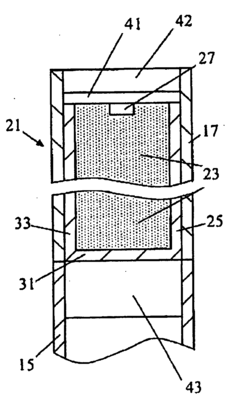
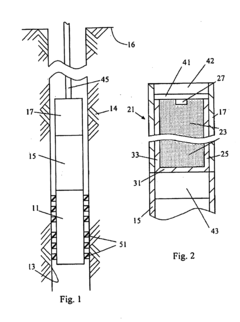
Non-explosive power source for actuating a subsurface tool
PatentActiveUS20140137761A1
Innovation
- A thermite-based power source that uses non-explosive, reactive components with a polymer to generate continuous pressure, avoiding explosive shockwaves and excessive heat, and providing pressure sufficient for tool actuation and alignment.
Thermite reaction charge, method for forming a threephased rock-to-rock well barrier, and a well barrier formed thereof
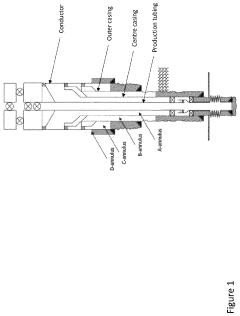
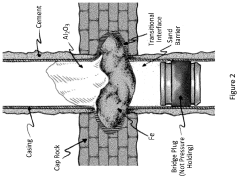
PatentActiveUS20230258052A1
Innovation
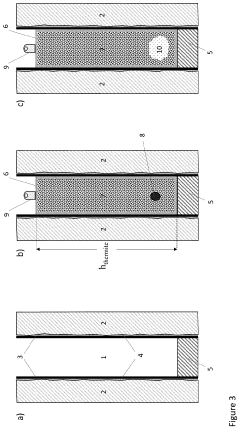
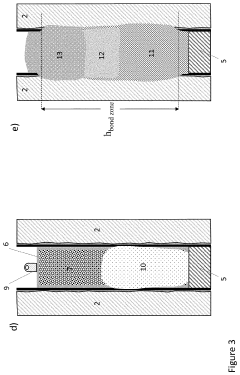
- A rigless method employing a bismuth oxide and fuel metal thermite reaction charge, adapted to produce sufficient heat and react slowly enough to melt downhole completion and form a three-phase rock-to-rock well barrier with bismuth, steel, and slag phases, providing a resilient bonding with the rock formation.
Safety Regulations
The utilization of thermite for efficient energy production necessitates stringent safety regulations due to its highly exothermic nature and potential hazards. Regulatory bodies worldwide have established comprehensive guidelines to ensure the safe handling, storage, and application of thermite in industrial settings. These regulations typically cover various aspects, including material composition, storage conditions, transportation protocols, and operational procedures.
One of the primary safety concerns addressed by regulations is the proper storage of thermite components. Aluminum powder and metal oxides must be stored separately in cool, dry environments to prevent accidental ignition. Strict inventory control measures are mandated to track the quantities of these materials and limit access to authorized personnel only. Transportation of thermite materials is subject to specific packaging and labeling requirements, often classified under dangerous goods regulations.
Operational safety is a critical focus of thermite-related regulations. Mandatory personal protective equipment (PPE) for workers handling thermite includes fire-resistant clothing, face shields, and respiratory protection. Workplace safety protocols often require the presence of specialized fire suppression systems and emergency response plans tailored to thermite-related incidents. Regular safety training and certification programs for personnel involved in thermite operations are typically mandated by regulatory authorities.
Environmental considerations also play a significant role in thermite safety regulations. Emissions control measures are required to mitigate the release of potentially harmful byproducts during thermite reactions. Waste disposal protocols for spent thermite materials and reaction residues must adhere to strict environmental guidelines to prevent contamination of soil and water resources.
The application of thermite in energy production systems is subject to specific design and operational standards. These standards often dictate the use of fail-safe mechanisms, remote ignition systems, and robust containment structures to minimize the risk of uncontrolled reactions. Regular inspections and maintenance schedules for thermite-based energy systems are typically mandated to ensure ongoing compliance with safety regulations.
Regulatory frameworks also address the need for comprehensive risk assessment and management strategies in facilities utilizing thermite for energy production. This includes the development of detailed emergency response plans, regular safety drills, and the establishment of clear communication channels with local emergency services. Continuous monitoring and reporting of safety metrics are often required to maintain regulatory compliance and identify potential areas for improvement in safety protocols.
As research into thermite-based energy systems advances, safety regulations are expected to evolve to address new applications and emerging risks. Regulatory bodies are likely to focus on developing standards for novel thermite compositions and reaction control mechanisms, ensuring that safety measures keep pace with technological innovations in this field.
One of the primary safety concerns addressed by regulations is the proper storage of thermite components. Aluminum powder and metal oxides must be stored separately in cool, dry environments to prevent accidental ignition. Strict inventory control measures are mandated to track the quantities of these materials and limit access to authorized personnel only. Transportation of thermite materials is subject to specific packaging and labeling requirements, often classified under dangerous goods regulations.
Operational safety is a critical focus of thermite-related regulations. Mandatory personal protective equipment (PPE) for workers handling thermite includes fire-resistant clothing, face shields, and respiratory protection. Workplace safety protocols often require the presence of specialized fire suppression systems and emergency response plans tailored to thermite-related incidents. Regular safety training and certification programs for personnel involved in thermite operations are typically mandated by regulatory authorities.
Environmental considerations also play a significant role in thermite safety regulations. Emissions control measures are required to mitigate the release of potentially harmful byproducts during thermite reactions. Waste disposal protocols for spent thermite materials and reaction residues must adhere to strict environmental guidelines to prevent contamination of soil and water resources.
The application of thermite in energy production systems is subject to specific design and operational standards. These standards often dictate the use of fail-safe mechanisms, remote ignition systems, and robust containment structures to minimize the risk of uncontrolled reactions. Regular inspections and maintenance schedules for thermite-based energy systems are typically mandated to ensure ongoing compliance with safety regulations.
Regulatory frameworks also address the need for comprehensive risk assessment and management strategies in facilities utilizing thermite for energy production. This includes the development of detailed emergency response plans, regular safety drills, and the establishment of clear communication channels with local emergency services. Continuous monitoring and reporting of safety metrics are often required to maintain regulatory compliance and identify potential areas for improvement in safety protocols.
As research into thermite-based energy systems advances, safety regulations are expected to evolve to address new applications and emerging risks. Regulatory bodies are likely to focus on developing standards for novel thermite compositions and reaction control mechanisms, ensuring that safety measures keep pace with technological innovations in this field.
Environmental Impact
The environmental impact of leveraging thermite for efficient energy utilization is a critical consideration that requires thorough examination. Thermite reactions, known for their high-temperature exothermic nature, can potentially offer significant energy benefits. However, these advantages must be weighed against their environmental consequences.
One of the primary environmental concerns associated with thermite use is the emission of particulate matter and potentially harmful gases. The intense heat generated during thermite reactions can lead to the release of fine particles and various oxides, which may contribute to air pollution if not properly managed. These emissions could have adverse effects on local air quality and potentially impact human health in surrounding areas.
Furthermore, the production and disposal of thermite materials present additional environmental challenges. The mining and processing of raw materials required for thermite production, such as aluminum and metal oxides, can lead to habitat disruption and resource depletion. Proper disposal of thermite residues is also crucial to prevent soil and water contamination.
On the positive side, the high energy efficiency of thermite reactions could potentially reduce overall energy consumption in certain industrial processes. This efficiency might translate to lower greenhouse gas emissions compared to traditional energy sources, provided that the thermite production and utilization processes are optimized for environmental sustainability.
The use of thermite in energy applications could also lead to reduced reliance on fossil fuels in specific sectors. By harnessing the intense heat generated from thermite reactions, industries might decrease their dependence on conventional energy sources, thereby indirectly contributing to a reduction in carbon emissions and other pollutants associated with fossil fuel combustion.
However, the long-term environmental impacts of widespread thermite use for energy purposes remain uncertain. Potential ecological effects on local ecosystems, particularly in areas where thermite reactions are frequently conducted, need to be carefully studied. This includes assessing the impact on soil chemistry, groundwater quality, and local biodiversity.
To mitigate environmental risks, stringent safety protocols and emission control measures must be implemented. Advanced filtration systems and closed-loop processes could help minimize the release of harmful substances into the environment. Additionally, research into more environmentally friendly thermite compositions and reaction control methods could further reduce the ecological footprint of this technology.
In conclusion, while thermite offers promising energy utilization potential, its environmental impact is complex and multifaceted. Balancing the energy benefits with ecological considerations is crucial for sustainable implementation. Ongoing research and development efforts should focus on maximizing energy efficiency while minimizing environmental harm, ensuring that the leveraging of thermite aligns with broader sustainability goals.
One of the primary environmental concerns associated with thermite use is the emission of particulate matter and potentially harmful gases. The intense heat generated during thermite reactions can lead to the release of fine particles and various oxides, which may contribute to air pollution if not properly managed. These emissions could have adverse effects on local air quality and potentially impact human health in surrounding areas.
Furthermore, the production and disposal of thermite materials present additional environmental challenges. The mining and processing of raw materials required for thermite production, such as aluminum and metal oxides, can lead to habitat disruption and resource depletion. Proper disposal of thermite residues is also crucial to prevent soil and water contamination.
On the positive side, the high energy efficiency of thermite reactions could potentially reduce overall energy consumption in certain industrial processes. This efficiency might translate to lower greenhouse gas emissions compared to traditional energy sources, provided that the thermite production and utilization processes are optimized for environmental sustainability.
The use of thermite in energy applications could also lead to reduced reliance on fossil fuels in specific sectors. By harnessing the intense heat generated from thermite reactions, industries might decrease their dependence on conventional energy sources, thereby indirectly contributing to a reduction in carbon emissions and other pollutants associated with fossil fuel combustion.
However, the long-term environmental impacts of widespread thermite use for energy purposes remain uncertain. Potential ecological effects on local ecosystems, particularly in areas where thermite reactions are frequently conducted, need to be carefully studied. This includes assessing the impact on soil chemistry, groundwater quality, and local biodiversity.
To mitigate environmental risks, stringent safety protocols and emission control measures must be implemented. Advanced filtration systems and closed-loop processes could help minimize the release of harmful substances into the environment. Additionally, research into more environmentally friendly thermite compositions and reaction control methods could further reduce the ecological footprint of this technology.
In conclusion, while thermite offers promising energy utilization potential, its environmental impact is complex and multifaceted. Balancing the energy benefits with ecological considerations is crucial for sustainable implementation. Ongoing research and development efforts should focus on maximizing energy efficiency while minimizing environmental harm, ensuring that the leveraging of thermite aligns with broader sustainability goals.
Unlock deeper insights with PatSnap Eureka Quick Research — get a full tech report to explore trends and direct your research. Try now!
Generate Your Research Report Instantly with AI Agent
Supercharge your innovation with PatSnap Eureka AI Agent Platform!