How to Optimize Load Balancing in Three Phase Electric Power
MAR 18, 20269 MIN READ
Generate Your Research Report Instantly with AI Agent
Patsnap Eureka helps you evaluate technical feasibility & market potential.
Three Phase Power Load Balancing Background and Objectives
Three-phase electric power systems have been the backbone of global electrical infrastructure since their widespread adoption in the late 19th century. The concept, pioneered by Nikola Tesla and further developed by engineers like Mikhail Dolivo-Dobrovolsky, revolutionized power transmission and distribution by providing more efficient and stable electrical energy delivery compared to single-phase systems. However, as electrical grids have evolved to accommodate increasingly complex loads, renewable energy integration, and smart grid technologies, the challenge of maintaining optimal load balance across all three phases has become more critical than ever.
The fundamental principle of three-phase power systems relies on three alternating current waveforms, each displaced by 120 degrees, working in harmony to deliver consistent power. When perfectly balanced, these systems operate at maximum efficiency with minimal neutral current and reduced power losses. However, real-world applications rarely achieve this ideal state due to varying load characteristics, asymmetrical distribution patterns, and dynamic consumption behaviors across residential, commercial, and industrial sectors.
Current technological evolution in this field is driven by the integration of smart grid infrastructure, advanced metering systems, and real-time monitoring capabilities. The proliferation of distributed energy resources, including solar photovoltaic systems, wind turbines, and energy storage solutions, has introduced new complexities in load balancing. Additionally, the growing adoption of electric vehicles, heat pumps, and other high-power electrical appliances has created more dynamic and unpredictable load patterns that traditional balancing methods struggle to accommodate effectively.
The primary objective of optimizing load balancing in three-phase electric power systems encompasses multiple technical goals. First, minimizing phase imbalance to reduce neutral current flow and associated power losses, which can account for 2-5% of total system losses in poorly balanced networks. Second, improving voltage stability across all phases to ensure consistent power quality for end-users and prevent equipment damage or malfunction. Third, enhancing overall system efficiency by reducing harmonic distortion and improving power factor across the distribution network.
Furthermore, advanced load balancing optimization aims to enable better integration of renewable energy sources by managing their intermittent nature and ensuring grid stability. This includes developing predictive algorithms that can anticipate load changes and automatically adjust phase distribution accordingly. The ultimate goal extends beyond mere technical optimization to encompass economic benefits through reduced energy waste, improved equipment lifespan, and enhanced grid reliability, supporting the transition toward more sustainable and resilient electrical infrastructure.
The fundamental principle of three-phase power systems relies on three alternating current waveforms, each displaced by 120 degrees, working in harmony to deliver consistent power. When perfectly balanced, these systems operate at maximum efficiency with minimal neutral current and reduced power losses. However, real-world applications rarely achieve this ideal state due to varying load characteristics, asymmetrical distribution patterns, and dynamic consumption behaviors across residential, commercial, and industrial sectors.
Current technological evolution in this field is driven by the integration of smart grid infrastructure, advanced metering systems, and real-time monitoring capabilities. The proliferation of distributed energy resources, including solar photovoltaic systems, wind turbines, and energy storage solutions, has introduced new complexities in load balancing. Additionally, the growing adoption of electric vehicles, heat pumps, and other high-power electrical appliances has created more dynamic and unpredictable load patterns that traditional balancing methods struggle to accommodate effectively.
The primary objective of optimizing load balancing in three-phase electric power systems encompasses multiple technical goals. First, minimizing phase imbalance to reduce neutral current flow and associated power losses, which can account for 2-5% of total system losses in poorly balanced networks. Second, improving voltage stability across all phases to ensure consistent power quality for end-users and prevent equipment damage or malfunction. Third, enhancing overall system efficiency by reducing harmonic distortion and improving power factor across the distribution network.
Furthermore, advanced load balancing optimization aims to enable better integration of renewable energy sources by managing their intermittent nature and ensuring grid stability. This includes developing predictive algorithms that can anticipate load changes and automatically adjust phase distribution accordingly. The ultimate goal extends beyond mere technical optimization to encompass economic benefits through reduced energy waste, improved equipment lifespan, and enhanced grid reliability, supporting the transition toward more sustainable and resilient electrical infrastructure.
Market Demand for Efficient Three Phase Load Distribution
The global electrical power distribution market is experiencing unprecedented growth driven by rapid industrialization, urbanization, and the increasing adoption of renewable energy sources. Three-phase power systems form the backbone of industrial and commercial electrical infrastructure, making efficient load distribution a critical requirement across multiple sectors.
Industrial manufacturing facilities represent the largest demand segment for optimized three-phase load balancing solutions. Heavy machinery, motor drives, and automated production lines require stable power distribution to maintain operational efficiency and prevent costly equipment failures. Unbalanced loads in manufacturing environments can lead to increased energy consumption, reduced equipment lifespan, and production downtime, creating substantial economic incentives for implementing advanced load balancing technologies.
The renewable energy sector presents a rapidly expanding market opportunity for three-phase load optimization solutions. Solar farms, wind installations, and energy storage systems require sophisticated load management to handle variable power generation and maintain grid stability. As renewable energy penetration increases globally, the demand for intelligent load balancing systems that can adapt to fluctuating power sources continues to grow exponentially.
Commercial buildings and data centers constitute another significant market segment driving demand for efficient three-phase distribution systems. Modern facilities with high-density computing equipment, HVAC systems, and LED lighting installations require precise load management to optimize energy efficiency and reduce operational costs. The growing emphasis on green building certifications and energy management standards further amplifies market demand.
Emerging markets in developing economies are experiencing substantial infrastructure development, creating new opportunities for three-phase load balancing solutions. Power grid modernization projects, industrial zone development, and smart city initiatives in these regions require reliable and efficient electrical distribution systems capable of handling diverse load profiles.
The integration of Internet of Things technologies and smart grid infrastructure is creating demand for intelligent load balancing systems that can provide real-time monitoring, predictive maintenance, and automated optimization capabilities. Utilities and industrial customers increasingly seek solutions that combine traditional load balancing with advanced analytics and remote management features.
Market drivers include stringent energy efficiency regulations, rising electricity costs, and growing awareness of power quality issues. The increasing complexity of electrical loads, particularly with the proliferation of non-linear loads and variable frequency drives, necessitates more sophisticated load balancing approaches than traditional passive solutions can provide.
Industrial manufacturing facilities represent the largest demand segment for optimized three-phase load balancing solutions. Heavy machinery, motor drives, and automated production lines require stable power distribution to maintain operational efficiency and prevent costly equipment failures. Unbalanced loads in manufacturing environments can lead to increased energy consumption, reduced equipment lifespan, and production downtime, creating substantial economic incentives for implementing advanced load balancing technologies.
The renewable energy sector presents a rapidly expanding market opportunity for three-phase load optimization solutions. Solar farms, wind installations, and energy storage systems require sophisticated load management to handle variable power generation and maintain grid stability. As renewable energy penetration increases globally, the demand for intelligent load balancing systems that can adapt to fluctuating power sources continues to grow exponentially.
Commercial buildings and data centers constitute another significant market segment driving demand for efficient three-phase distribution systems. Modern facilities with high-density computing equipment, HVAC systems, and LED lighting installations require precise load management to optimize energy efficiency and reduce operational costs. The growing emphasis on green building certifications and energy management standards further amplifies market demand.
Emerging markets in developing economies are experiencing substantial infrastructure development, creating new opportunities for three-phase load balancing solutions. Power grid modernization projects, industrial zone development, and smart city initiatives in these regions require reliable and efficient electrical distribution systems capable of handling diverse load profiles.
The integration of Internet of Things technologies and smart grid infrastructure is creating demand for intelligent load balancing systems that can provide real-time monitoring, predictive maintenance, and automated optimization capabilities. Utilities and industrial customers increasingly seek solutions that combine traditional load balancing with advanced analytics and remote management features.
Market drivers include stringent energy efficiency regulations, rising electricity costs, and growing awareness of power quality issues. The increasing complexity of electrical loads, particularly with the proliferation of non-linear loads and variable frequency drives, necessitates more sophisticated load balancing approaches than traditional passive solutions can provide.
Current State and Challenges in Three Phase Load Balancing
Three-phase electrical power systems currently face significant load imbalance challenges that compromise system efficiency and reliability. Modern power grids experience uneven load distribution across phases due to varying consumer demands, single-phase loads, and inadequate load management strategies. This imbalance results in increased neutral current, higher system losses, and reduced transformer utilization efficiency.
The predominant approach to load balancing relies on static phase allocation during installation, where loads are manually distributed across three phases based on estimated consumption patterns. However, this method fails to account for dynamic load variations throughout different time periods, seasonal changes, and evolving consumption behaviors. Many existing systems lack real-time monitoring capabilities, making it difficult to detect and respond to emerging imbalances promptly.
Current automatic load balancing solutions primarily utilize electromechanical switching devices and basic control algorithms. These systems often suffer from slow response times, limited switching cycles, and mechanical wear issues. The switching mechanisms typically require several seconds to minutes for load transfer, which may be insufficient for rapidly changing load conditions. Additionally, the control logic in many implementations lacks sophistication to predict load patterns or optimize switching decisions.
Geographical distribution of advanced load balancing technologies shows significant disparities. Developed regions in North America and Europe have implemented more sophisticated solutions, including smart grid technologies and advanced metering infrastructure. However, developing countries and rural areas still rely heavily on manual load management practices, creating substantial opportunities for technological advancement.
The integration of renewable energy sources introduces additional complexity to three-phase load balancing. Solar panels and wind turbines often connect to single phases, creating inherent imbalances that traditional balancing methods struggle to address. The intermittent nature of renewable generation requires more dynamic and responsive load balancing solutions.
Key technical constraints include limited communication infrastructure in existing power systems, high costs associated with retrofitting legacy equipment, and regulatory barriers that slow technology adoption. Many utilities face budget constraints that limit their ability to invest in advanced load balancing technologies, particularly in developing markets where the need is often greatest.
The predominant approach to load balancing relies on static phase allocation during installation, where loads are manually distributed across three phases based on estimated consumption patterns. However, this method fails to account for dynamic load variations throughout different time periods, seasonal changes, and evolving consumption behaviors. Many existing systems lack real-time monitoring capabilities, making it difficult to detect and respond to emerging imbalances promptly.
Current automatic load balancing solutions primarily utilize electromechanical switching devices and basic control algorithms. These systems often suffer from slow response times, limited switching cycles, and mechanical wear issues. The switching mechanisms typically require several seconds to minutes for load transfer, which may be insufficient for rapidly changing load conditions. Additionally, the control logic in many implementations lacks sophistication to predict load patterns or optimize switching decisions.
Geographical distribution of advanced load balancing technologies shows significant disparities. Developed regions in North America and Europe have implemented more sophisticated solutions, including smart grid technologies and advanced metering infrastructure. However, developing countries and rural areas still rely heavily on manual load management practices, creating substantial opportunities for technological advancement.
The integration of renewable energy sources introduces additional complexity to three-phase load balancing. Solar panels and wind turbines often connect to single phases, creating inherent imbalances that traditional balancing methods struggle to address. The intermittent nature of renewable generation requires more dynamic and responsive load balancing solutions.
Key technical constraints include limited communication infrastructure in existing power systems, high costs associated with retrofitting legacy equipment, and regulatory barriers that slow technology adoption. Many utilities face budget constraints that limit their ability to invest in advanced load balancing technologies, particularly in developing markets where the need is often greatest.
Existing Three Phase Load Balancing Solutions
01 Dynamic load distribution algorithms
Load balancing systems employ dynamic algorithms to distribute incoming traffic or workload across multiple servers or resources. These algorithms monitor real-time server performance metrics such as CPU usage, memory consumption, and response times to make intelligent routing decisions. The system continuously adjusts the distribution pattern based on current load conditions to optimize resource utilization and prevent server overload.- Dynamic load distribution algorithms: Load balancing systems employ dynamic algorithms to distribute incoming traffic or workload across multiple servers or resources. These algorithms monitor real-time server performance metrics such as CPU usage, memory availability, and response times to make intelligent routing decisions. The system continuously adjusts the distribution pattern based on current load conditions to optimize resource utilization and prevent any single server from becoming overwhelmed.
- Health monitoring and failover mechanisms: Load balancing solutions incorporate health check mechanisms that continuously monitor the availability and performance of backend servers. When a server fails or becomes unresponsive, the system automatically redirects traffic to healthy servers to maintain service availability. This failover capability ensures high availability and reliability by detecting failures quickly and rerouting requests without service interruption.
- Session persistence and affinity management: Advanced load balancing systems provide session persistence features that maintain user sessions with specific servers throughout a transaction or interaction period. This ensures that subsequent requests from the same client are directed to the same backend server, which is critical for applications that maintain session state. Various methods including cookie-based, IP-based, and application-level session tracking are employed to achieve this affinity.
- Geographic and content-based routing: Load balancing architectures implement intelligent routing strategies based on geographic location, content type, or application requirements. The system can direct users to the nearest data center or server to minimize latency and improve response times. Content-aware load balancing analyzes request characteristics and routes traffic to servers optimized for specific content types or application functions, enhancing overall system performance.
- Scalable architecture and cloud integration: Modern load balancing solutions are designed with scalable architectures that can automatically adjust capacity based on traffic demands. These systems integrate seamlessly with cloud infrastructure and support elastic scaling, allowing organizations to add or remove resources dynamically. The architecture supports both horizontal and vertical scaling approaches, enabling efficient resource management across distributed computing environments.
02 Health monitoring and failover mechanisms
Load balancing solutions incorporate health check mechanisms that continuously monitor the availability and performance of backend servers. When a server becomes unresponsive or fails to meet performance thresholds, the system automatically redirects traffic to healthy servers. This failover capability ensures high availability and minimizes service disruption by maintaining service continuity even when individual components fail.Expand Specific Solutions03 Session persistence and affinity management
Advanced load balancing systems provide session persistence features that maintain user session continuity by directing subsequent requests from the same client to the same server. This is achieved through various techniques including cookie-based tracking, IP address mapping, or session identifiers. Session affinity is particularly important for applications that maintain stateful connections or store session data locally on servers.Expand Specific Solutions04 Geographic and network-based load distribution
Load balancing architectures implement geographic distribution strategies to route user requests to the nearest or most appropriate data center or server location. This approach considers factors such as network latency, geographic proximity, and regional server capacity to optimize response times and user experience. The system may also incorporate content delivery network integration to further enhance performance across distributed locations.Expand Specific Solutions05 Scalable architecture and resource optimization
Modern load balancing solutions are designed with scalable architectures that can automatically adjust to varying traffic demands. These systems support horizontal scaling by seamlessly adding or removing server instances based on workload requirements. Resource optimization techniques include intelligent caching, connection pooling, and bandwidth management to maximize throughput while minimizing infrastructure costs and energy consumption.Expand Specific Solutions
Key Players in Power Distribution and Load Management
The three-phase electric power load balancing sector represents a mature yet evolving market driven by increasing grid complexity and renewable energy integration. The industry is experiencing steady growth with significant market opportunities, particularly in smart grid infrastructure and automation technologies. Key players demonstrate varying levels of technological maturity, with established giants like Siemens AG and Schneider Electric leading in advanced automation solutions, while State Grid Corp. of China dominates through extensive infrastructure deployment. Technology companies such as IBM contribute through AI-driven optimization platforms, and specialized firms like XJ Electric Co. and Shijiazhuang Kelin Electric focus on intelligent protection and monitoring systems. The competitive landscape shows a blend of traditional electrical equipment manufacturers, utility operators, and emerging tech companies developing sophisticated load balancing algorithms and real-time control systems, indicating a market transitioning toward digitalization and intelligent power management solutions.
State Grid Corp. of China
Technical Solution: State Grid implements advanced three-phase load balancing through intelligent distribution automation systems and real-time monitoring networks. Their approach utilizes smart grid technologies including automated switching devices, phase balancing transformers, and AI-driven load forecasting algorithms to optimize power distribution across all three phases. The system continuously monitors voltage levels, current flows, and power factors to automatically redistribute loads and minimize phase imbalances, achieving typical unbalance rates below 2% in urban networks.
Strengths: Extensive grid infrastructure and operational experience, advanced automation capabilities. Weaknesses: High implementation costs for legacy system upgrades, complexity in rural area deployment.
Siemens AG
Technical Solution: Siemens offers comprehensive three-phase load balancing solutions through their SICAM and SPECTRUM Power portfolio, featuring dynamic load balancing controllers and phase switching equipment. Their technology employs real-time power quality monitoring, predictive analytics, and automated phase selection algorithms to maintain optimal load distribution. The system integrates with existing SCADA networks and provides continuous voltage regulation, reactive power compensation, and harmonic filtering to ensure balanced three-phase operation across industrial and utility applications.
Strengths: Proven industrial automation expertise, comprehensive product portfolio, global support network. Weaknesses: Higher initial investment costs, requires specialized technical expertise for implementation.
Core Innovations in Automated Load Balancing Systems
Method and system for dynamic intelligent load balancing
PatentActiveUS20170093161A1
Innovation
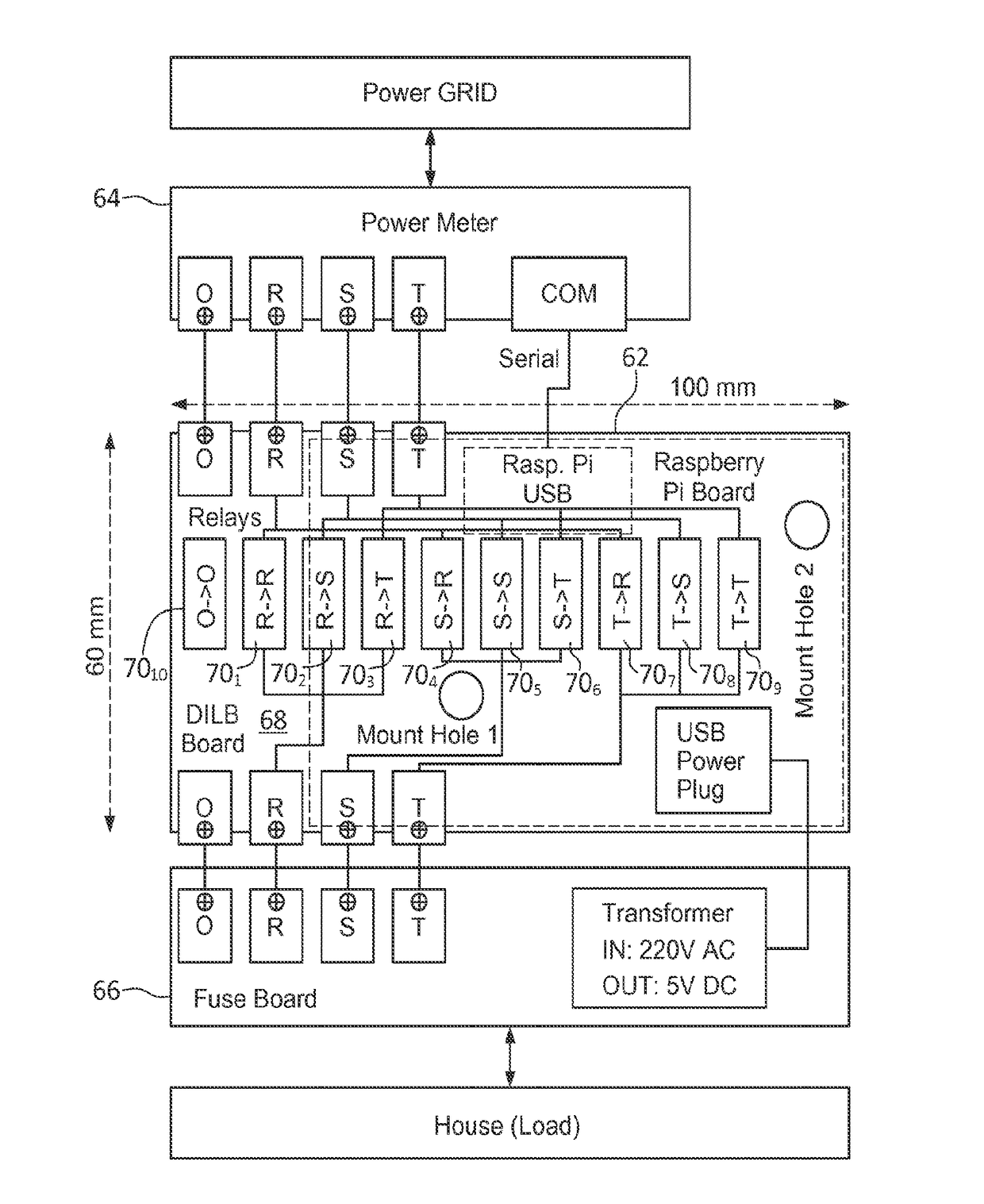
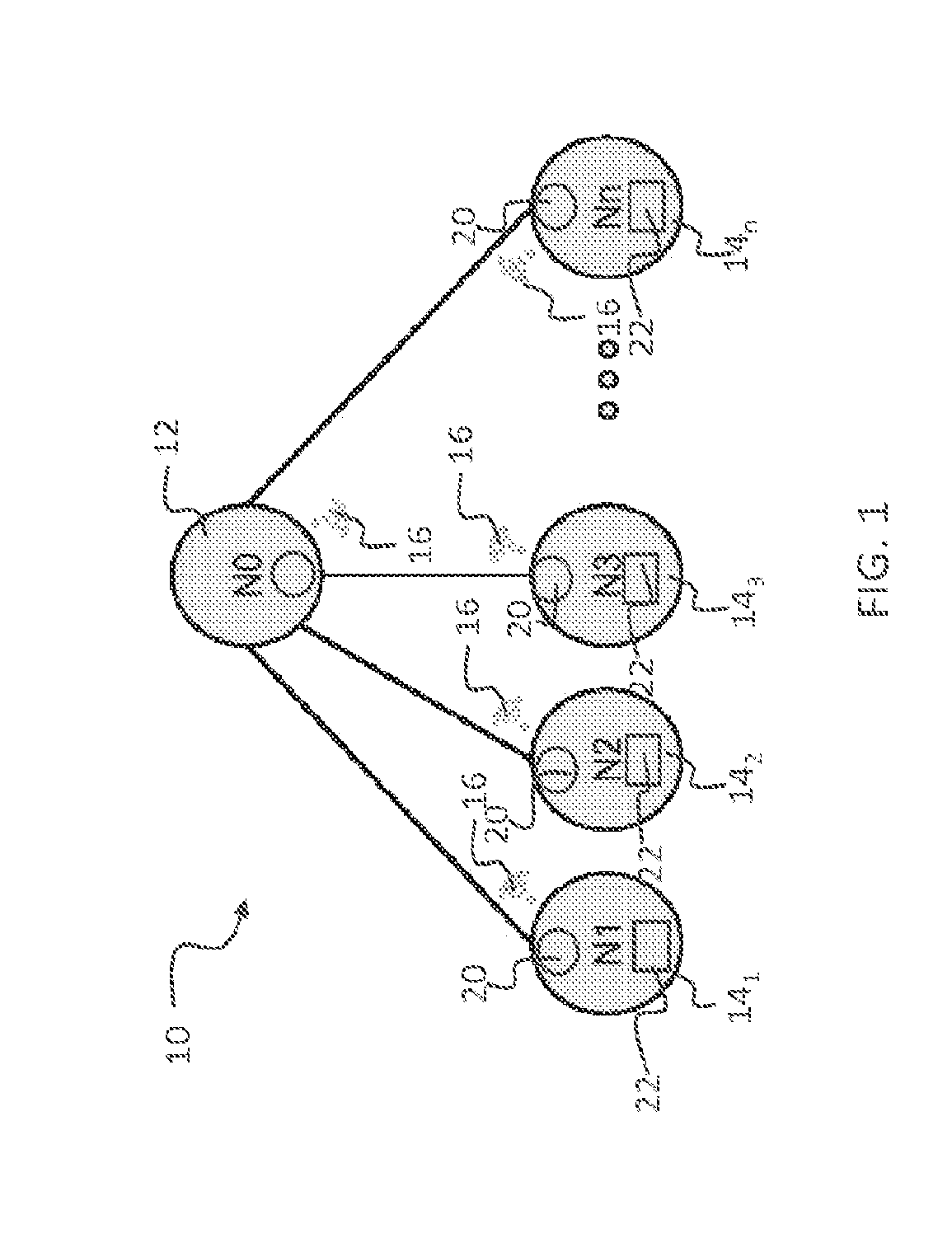
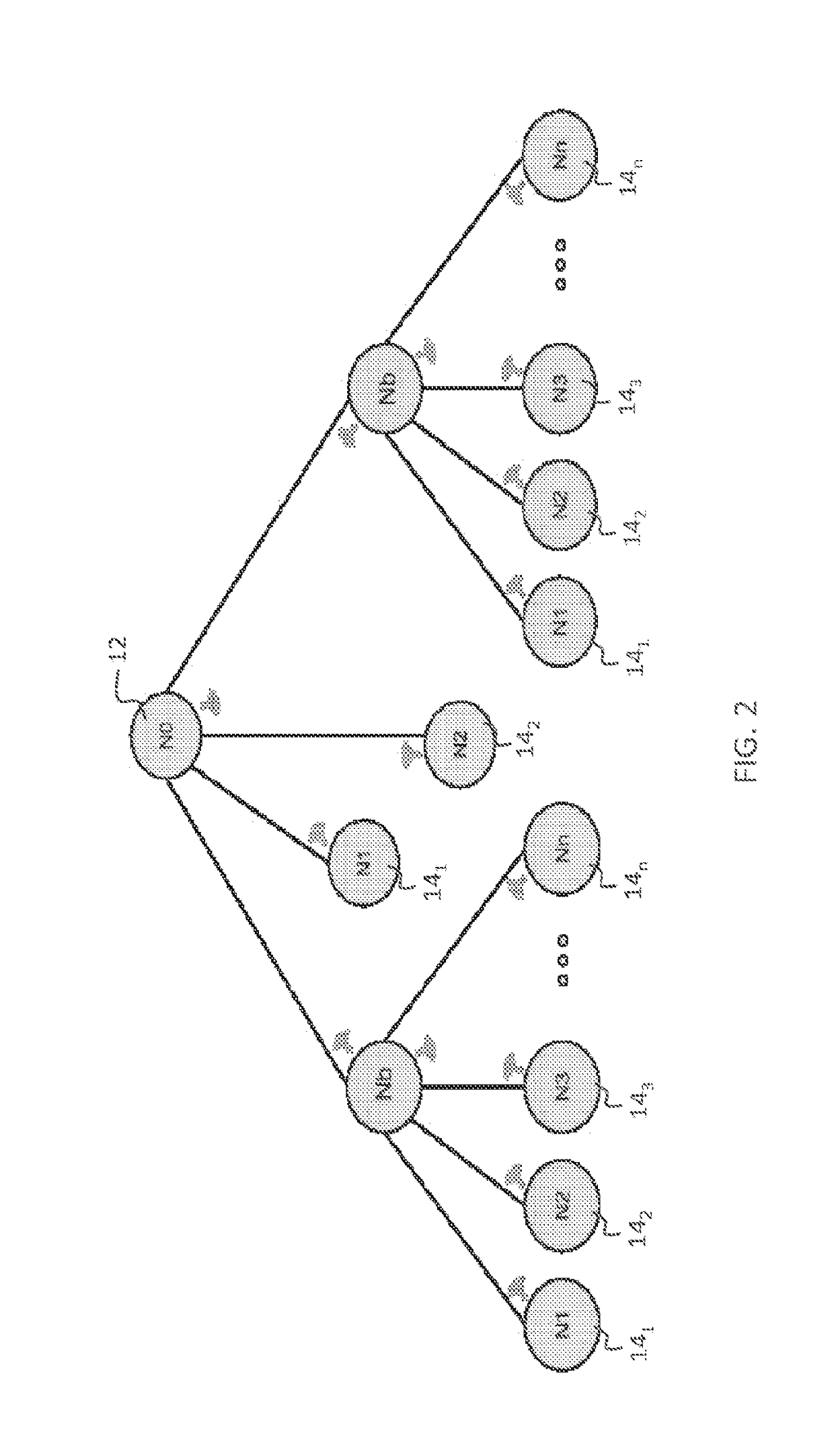
- A dynamic load balancing method using a hierarchical client-server approach with phase switches and smart power meters that monitor and adjust phase rotations to balance load distribution among phases in a power distribution network, minimizing differences in loads without altering phase order.

Balancing system for a three-phase grid
PatentWO2025248148A1
Innovation
- A method and system that equalizes current between phases by monitoring voltage, calculating balancing coefficients, and using AC/DC and DC/AC converters to absorb and inject power with phase shifts, allowing active and reactive power control, and remote configuration of thresholds.


Grid Code Compliance and Power Quality Standards
Grid code compliance represents a fundamental requirement for three-phase electric power systems, establishing mandatory technical standards that govern how electrical equipment and systems must operate within the power grid. These codes define specific parameters for voltage levels, frequency stability, harmonic distortion limits, and power factor requirements that directly impact load balancing optimization strategies.
Power quality standards encompass a comprehensive framework of electrical characteristics that must be maintained to ensure reliable system operation. Key parameters include voltage regulation within ±5% of nominal values, total harmonic distortion below 5% for voltage and 8% for current, and power factor maintenance above 0.95 lagging. These standards create constraints that load balancing algorithms must respect while optimizing system performance.
Regulatory compliance frameworks vary significantly across different jurisdictions, with IEEE 519, IEC 61000 series, and regional grid codes establishing distinct requirements. North American systems typically follow IEEE standards emphasizing individual harmonic limits, while European systems adhere to IEC standards focusing on cumulative distortion effects. These variations necessitate adaptive load balancing strategies that can accommodate different regulatory environments.
Voltage unbalance standards typically limit negative sequence voltage to 2% of positive sequence voltage under normal operating conditions. This requirement directly influences load balancing optimization, as uneven load distribution across phases can violate these limits. Advanced load balancing systems must continuously monitor voltage unbalance and redistribute loads accordingly to maintain compliance.
Frequency regulation requirements mandate system frequency to remain within narrow bands, typically ±0.5Hz from nominal frequency. Load balancing systems contribute to frequency stability by managing reactive power flow and coordinating with grid-connected resources. This coordination becomes particularly critical during peak demand periods when load imbalances can exacerbate frequency deviations.
Power quality monitoring and reporting obligations require continuous measurement and documentation of electrical parameters. Modern load balancing systems integrate sophisticated monitoring capabilities that not only ensure real-time compliance but also generate comprehensive reports for regulatory authorities, creating a closed-loop system that maintains both operational efficiency and regulatory adherence.
Power quality standards encompass a comprehensive framework of electrical characteristics that must be maintained to ensure reliable system operation. Key parameters include voltage regulation within ±5% of nominal values, total harmonic distortion below 5% for voltage and 8% for current, and power factor maintenance above 0.95 lagging. These standards create constraints that load balancing algorithms must respect while optimizing system performance.
Regulatory compliance frameworks vary significantly across different jurisdictions, with IEEE 519, IEC 61000 series, and regional grid codes establishing distinct requirements. North American systems typically follow IEEE standards emphasizing individual harmonic limits, while European systems adhere to IEC standards focusing on cumulative distortion effects. These variations necessitate adaptive load balancing strategies that can accommodate different regulatory environments.
Voltage unbalance standards typically limit negative sequence voltage to 2% of positive sequence voltage under normal operating conditions. This requirement directly influences load balancing optimization, as uneven load distribution across phases can violate these limits. Advanced load balancing systems must continuously monitor voltage unbalance and redistribute loads accordingly to maintain compliance.
Frequency regulation requirements mandate system frequency to remain within narrow bands, typically ±0.5Hz from nominal frequency. Load balancing systems contribute to frequency stability by managing reactive power flow and coordinating with grid-connected resources. This coordination becomes particularly critical during peak demand periods when load imbalances can exacerbate frequency deviations.
Power quality monitoring and reporting obligations require continuous measurement and documentation of electrical parameters. Modern load balancing systems integrate sophisticated monitoring capabilities that not only ensure real-time compliance but also generate comprehensive reports for regulatory authorities, creating a closed-loop system that maintains both operational efficiency and regulatory adherence.
Environmental Impact of Optimized Power Distribution
Optimized load balancing in three-phase electric power systems delivers substantial environmental benefits through enhanced energy efficiency and reduced carbon emissions. When power distribution is properly balanced across all three phases, transmission losses decrease significantly, typically by 15-25% compared to unbalanced systems. This reduction directly translates to lower fuel consumption at power generation facilities and decreased greenhouse gas emissions per unit of delivered electricity.
The environmental impact extends beyond immediate efficiency gains. Balanced three-phase systems reduce harmonic distortion and voltage fluctuations, which minimizes the need for power quality correction equipment and associated energy consumption. This optimization also extends the operational lifespan of electrical infrastructure, reducing the frequency of equipment replacement and the associated environmental costs of manufacturing, transportation, and disposal of electrical components.
Smart load balancing technologies contribute to grid stability, enabling higher penetration of renewable energy sources. By maintaining optimal phase balance, these systems can better accommodate the variable nature of solar and wind power generation, reducing reliance on fossil fuel-based backup power systems. The improved grid stability also facilitates the integration of distributed energy resources, supporting the transition toward cleaner energy portfolios.
The reduction in peak demand through optimized load distribution has cascading environmental benefits. Lower peak loads reduce the need for peaking power plants, which typically operate at lower efficiency rates and higher emission levels. This optimization can defer or eliminate the need for new power plant construction, preserving natural habitats and reducing the environmental impact of energy infrastructure expansion.
Furthermore, optimized power distribution reduces electromagnetic interference and electrical noise pollution, contributing to improved environmental quality in both urban and rural settings. The enhanced efficiency also supports electrification initiatives in transportation and industrial processes, accelerating the transition away from direct fossil fuel consumption toward cleaner electric alternatives.
The environmental impact extends beyond immediate efficiency gains. Balanced three-phase systems reduce harmonic distortion and voltage fluctuations, which minimizes the need for power quality correction equipment and associated energy consumption. This optimization also extends the operational lifespan of electrical infrastructure, reducing the frequency of equipment replacement and the associated environmental costs of manufacturing, transportation, and disposal of electrical components.
Smart load balancing technologies contribute to grid stability, enabling higher penetration of renewable energy sources. By maintaining optimal phase balance, these systems can better accommodate the variable nature of solar and wind power generation, reducing reliance on fossil fuel-based backup power systems. The improved grid stability also facilitates the integration of distributed energy resources, supporting the transition toward cleaner energy portfolios.
The reduction in peak demand through optimized load distribution has cascading environmental benefits. Lower peak loads reduce the need for peaking power plants, which typically operate at lower efficiency rates and higher emission levels. This optimization can defer or eliminate the need for new power plant construction, preserving natural habitats and reducing the environmental impact of energy infrastructure expansion.
Furthermore, optimized power distribution reduces electromagnetic interference and electrical noise pollution, contributing to improved environmental quality in both urban and rural settings. The enhanced efficiency also supports electrification initiatives in transportation and industrial processes, accelerating the transition away from direct fossil fuel consumption toward cleaner electric alternatives.
Unlock deeper insights with Patsnap Eureka Quick Research — get a full tech report to explore trends and direct your research. Try now!
Generate Your Research Report Instantly with AI Agent
Supercharge your innovation with Patsnap Eureka AI Agent Platform!