How to Perform Fixed Satellite Latency Diagnostics
MAR 18, 20269 MIN READ
Generate Your Research Report Instantly with AI Agent
PatSnap Eureka helps you evaluate technical feasibility & market potential.
Satellite Communication Latency Background and Objectives
Satellite communication systems have evolved from experimental military applications in the 1960s to become critical infrastructure supporting global telecommunications, internet connectivity, broadcasting, and navigation services. The journey began with early geostationary satellites like Syncom and Intelsat, which established the foundation for long-distance communication beyond terrestrial limitations. Over subsequent decades, technological advances in satellite design, signal processing, and ground station equipment have dramatically improved communication quality and reliability.
The evolution of satellite communication has been marked by significant milestones including the transition from analog to digital transmission, the development of high-throughput satellites (HTS), and the emergence of low Earth orbit (LEO) constellation systems. These advances have progressively reduced communication latency while increasing bandwidth capacity and service availability across diverse geographical regions.
Modern satellite communication networks face unprecedented demands for real-time applications including financial trading, telemedicine, autonomous vehicle coordination, and industrial IoT systems. These applications require predictable and minimal latency characteristics that challenge traditional satellite communication paradigms. The inherent physics of satellite communication, particularly the signal propagation delay across vast distances, creates fundamental latency constraints that must be carefully managed and optimized.
Fixed satellite latency diagnostics has emerged as a critical discipline addressing the need for precise measurement, analysis, and optimization of communication delays in satellite networks. This field encompasses the development of specialized measurement techniques, diagnostic protocols, and analytical frameworks designed to characterize latency behavior under various operational conditions.
The primary objective of fixed satellite latency diagnostics is to establish comprehensive methodologies for accurately measuring end-to-end communication delays in satellite systems. This includes developing standardized measurement protocols that can consistently quantify latency across different satellite architectures, frequency bands, and operational scenarios. The diagnostic framework aims to identify latency sources, distinguish between fixed and variable delay components, and provide actionable insights for network optimization.
Secondary objectives focus on creating predictive models for latency behavior under varying atmospheric conditions, satellite positioning, and traffic loading scenarios. The diagnostic approach seeks to enable proactive network management by identifying potential latency anomalies before they impact service quality, ultimately supporting the deployment of latency-sensitive applications across satellite communication infrastructure.
The evolution of satellite communication has been marked by significant milestones including the transition from analog to digital transmission, the development of high-throughput satellites (HTS), and the emergence of low Earth orbit (LEO) constellation systems. These advances have progressively reduced communication latency while increasing bandwidth capacity and service availability across diverse geographical regions.
Modern satellite communication networks face unprecedented demands for real-time applications including financial trading, telemedicine, autonomous vehicle coordination, and industrial IoT systems. These applications require predictable and minimal latency characteristics that challenge traditional satellite communication paradigms. The inherent physics of satellite communication, particularly the signal propagation delay across vast distances, creates fundamental latency constraints that must be carefully managed and optimized.
Fixed satellite latency diagnostics has emerged as a critical discipline addressing the need for precise measurement, analysis, and optimization of communication delays in satellite networks. This field encompasses the development of specialized measurement techniques, diagnostic protocols, and analytical frameworks designed to characterize latency behavior under various operational conditions.
The primary objective of fixed satellite latency diagnostics is to establish comprehensive methodologies for accurately measuring end-to-end communication delays in satellite systems. This includes developing standardized measurement protocols that can consistently quantify latency across different satellite architectures, frequency bands, and operational scenarios. The diagnostic framework aims to identify latency sources, distinguish between fixed and variable delay components, and provide actionable insights for network optimization.
Secondary objectives focus on creating predictive models for latency behavior under varying atmospheric conditions, satellite positioning, and traffic loading scenarios. The diagnostic approach seeks to enable proactive network management by identifying potential latency anomalies before they impact service quality, ultimately supporting the deployment of latency-sensitive applications across satellite communication infrastructure.
Market Demand for Satellite Latency Diagnostic Solutions
The global satellite communications market is experiencing unprecedented growth, driven by the proliferation of Low Earth Orbit (LEO) satellite constellations and increasing demand for high-speed internet connectivity in remote areas. This expansion has created a critical need for sophisticated latency diagnostic solutions to ensure optimal network performance and service quality.
Enterprise customers represent the largest segment demanding satellite latency diagnostic capabilities. Telecommunications providers, cloud service operators, and multinational corporations require real-time monitoring tools to maintain service level agreements and optimize their satellite-based communications infrastructure. These organizations face increasing pressure to deliver consistent performance across geographically distributed networks.
The financial services sector has emerged as a particularly demanding market segment, where microsecond-level latency variations can impact high-frequency trading operations and real-time financial transactions. Banks and trading firms are investing heavily in satellite latency monitoring systems to ensure competitive advantage and regulatory compliance.
Government and defense applications constitute another significant market driver. Military communications, emergency response systems, and critical infrastructure monitoring require robust latency diagnostic capabilities to maintain operational readiness. These applications often demand specialized solutions with enhanced security features and ruggedized hardware components.
The maritime and aviation industries are experiencing growing demand for satellite latency diagnostics as they increasingly rely on satellite communications for operational efficiency and safety. Shipping companies, airlines, and offshore operations require continuous monitoring of communication links to ensure reliable connectivity for navigation, cargo tracking, and passenger services.
Emerging applications in Internet of Things (IoT) deployments and smart city initiatives are creating new market opportunities. These applications require precise latency measurements to ensure proper functioning of distributed sensor networks and real-time data processing systems that depend on satellite connectivity.
The market demand is further amplified by regulatory requirements in various industries that mandate network performance monitoring and reporting. Compliance with telecommunications standards and quality assurance protocols drives organizations to invest in comprehensive latency diagnostic solutions.
Regional market variations show strong demand in North America and Europe, where established telecommunications infrastructure coexists with expanding satellite services. Asia-Pacific markets demonstrate rapid growth potential, particularly in countries with challenging terrestrial connectivity where satellite solutions are becoming primary communication channels.
Enterprise customers represent the largest segment demanding satellite latency diagnostic capabilities. Telecommunications providers, cloud service operators, and multinational corporations require real-time monitoring tools to maintain service level agreements and optimize their satellite-based communications infrastructure. These organizations face increasing pressure to deliver consistent performance across geographically distributed networks.
The financial services sector has emerged as a particularly demanding market segment, where microsecond-level latency variations can impact high-frequency trading operations and real-time financial transactions. Banks and trading firms are investing heavily in satellite latency monitoring systems to ensure competitive advantage and regulatory compliance.
Government and defense applications constitute another significant market driver. Military communications, emergency response systems, and critical infrastructure monitoring require robust latency diagnostic capabilities to maintain operational readiness. These applications often demand specialized solutions with enhanced security features and ruggedized hardware components.
The maritime and aviation industries are experiencing growing demand for satellite latency diagnostics as they increasingly rely on satellite communications for operational efficiency and safety. Shipping companies, airlines, and offshore operations require continuous monitoring of communication links to ensure reliable connectivity for navigation, cargo tracking, and passenger services.
Emerging applications in Internet of Things (IoT) deployments and smart city initiatives are creating new market opportunities. These applications require precise latency measurements to ensure proper functioning of distributed sensor networks and real-time data processing systems that depend on satellite connectivity.
The market demand is further amplified by regulatory requirements in various industries that mandate network performance monitoring and reporting. Compliance with telecommunications standards and quality assurance protocols drives organizations to invest in comprehensive latency diagnostic solutions.
Regional market variations show strong demand in North America and Europe, where established telecommunications infrastructure coexists with expanding satellite services. Asia-Pacific markets demonstrate rapid growth potential, particularly in countries with challenging terrestrial connectivity where satellite solutions are becoming primary communication channels.
Current State and Challenges in Satellite Latency Measurement
The current landscape of satellite latency measurement presents a complex array of technological capabilities and persistent challenges that vary significantly across different satellite constellation architectures. Geostationary Earth Orbit (GEO) satellites, positioned approximately 35,786 kilometers above Earth, inherently exhibit round-trip latencies of 500-600 milliseconds due to the fundamental physics of signal propagation. In contrast, Low Earth Orbit (LEO) constellations operating at altitudes between 500-2,000 kilometers achieve substantially lower latencies of 20-40 milliseconds, while Medium Earth Orbit (MEO) systems typically demonstrate intermediate performance ranges of 100-150 milliseconds.
Contemporary measurement methodologies predominantly rely on Internet Control Message Protocol (ICMP) ping tests, Network Time Protocol (NTP) synchronization, and specialized satellite network monitoring tools. However, these conventional approaches often struggle with the dynamic nature of satellite networks, where handoffs between satellites, atmospheric interference, and orbital mechanics introduce significant measurement variability.
The primary technical challenge lies in distinguishing between various latency components within the satellite communication chain. Ground-to-satellite uplink delays, satellite processing time, inter-satellite link propagation in constellation networks, downlink transmission delays, and terrestrial network segments each contribute distinct latency characteristics that are difficult to isolate and measure independently using standard diagnostic tools.
Atmospheric conditions present another substantial obstacle, as ionospheric and tropospheric variations can introduce measurement errors ranging from several milliseconds to tens of milliseconds. Rain fade, scintillation effects, and seasonal atmospheric changes create temporal measurement inconsistencies that complicate accurate latency characterization and trend analysis.
Network topology complexity in modern satellite systems further compounds diagnostic challenges. Multi-hop routing through satellite constellations, dynamic beam switching, and adaptive coding and modulation schemes create variable latency profiles that traditional fixed-network diagnostic approaches cannot adequately capture or predict.
Current measurement infrastructure also faces limitations in temporal resolution and geographic coverage. Many existing diagnostic tools lack the precision required to detect sub-millisecond latency variations that can significantly impact real-time applications such as financial trading, autonomous vehicle communications, and industrial control systems.
The integration of terrestrial and satellite network segments introduces additional measurement complexity, as distinguishing satellite-specific latency contributions from overall end-to-end performance requires sophisticated traffic analysis and network segmentation capabilities that are not universally available across different satellite service providers and network operators.
Contemporary measurement methodologies predominantly rely on Internet Control Message Protocol (ICMP) ping tests, Network Time Protocol (NTP) synchronization, and specialized satellite network monitoring tools. However, these conventional approaches often struggle with the dynamic nature of satellite networks, where handoffs between satellites, atmospheric interference, and orbital mechanics introduce significant measurement variability.
The primary technical challenge lies in distinguishing between various latency components within the satellite communication chain. Ground-to-satellite uplink delays, satellite processing time, inter-satellite link propagation in constellation networks, downlink transmission delays, and terrestrial network segments each contribute distinct latency characteristics that are difficult to isolate and measure independently using standard diagnostic tools.
Atmospheric conditions present another substantial obstacle, as ionospheric and tropospheric variations can introduce measurement errors ranging from several milliseconds to tens of milliseconds. Rain fade, scintillation effects, and seasonal atmospheric changes create temporal measurement inconsistencies that complicate accurate latency characterization and trend analysis.
Network topology complexity in modern satellite systems further compounds diagnostic challenges. Multi-hop routing through satellite constellations, dynamic beam switching, and adaptive coding and modulation schemes create variable latency profiles that traditional fixed-network diagnostic approaches cannot adequately capture or predict.
Current measurement infrastructure also faces limitations in temporal resolution and geographic coverage. Many existing diagnostic tools lack the precision required to detect sub-millisecond latency variations that can significantly impact real-time applications such as financial trading, autonomous vehicle communications, and industrial control systems.
The integration of terrestrial and satellite network segments introduces additional measurement complexity, as distinguishing satellite-specific latency contributions from overall end-to-end performance requires sophisticated traffic analysis and network segmentation capabilities that are not universally available across different satellite service providers and network operators.
Existing Solutions for Fixed Satellite Latency Testing
01 Latency measurement and monitoring in satellite communication systems
Methods and systems for measuring and monitoring latency in satellite communication networks involve implementing diagnostic tools that can accurately detect and quantify transmission delays. These techniques enable real-time assessment of signal propagation time between ground stations and satellites, allowing operators to identify performance bottlenecks and maintain quality of service standards.- Latency measurement and monitoring in satellite communication systems: Methods and systems for measuring and monitoring latency in satellite communication networks involve implementing diagnostic tools that can accurately detect and quantify transmission delays. These techniques enable real-time assessment of signal propagation time between ground stations and satellites, allowing operators to identify performance bottlenecks and maintain quality of service standards.
- Latency compensation and correction mechanisms: Techniques for compensating latency in fixed satellite systems include implementing predictive algorithms and buffering strategies to mitigate the effects of signal delay. These mechanisms adjust timing parameters and synchronization protocols to ensure seamless data transmission despite inherent propagation delays in satellite links.
- Network performance diagnostics and troubleshooting: Diagnostic systems for satellite networks provide comprehensive analysis of network performance metrics including latency, jitter, and packet loss. These tools employ automated testing procedures and analytical frameworks to identify root causes of performance degradation and facilitate rapid troubleshooting of communication issues.
- Quality of service management in satellite communications: Systems for managing quality of service in satellite networks incorporate latency monitoring as a key performance indicator. These solutions implement dynamic resource allocation and traffic prioritization based on latency requirements, ensuring that critical applications receive appropriate bandwidth and minimal delay.
- Latency optimization through routing and protocol enhancements: Advanced routing algorithms and protocol optimizations reduce end-to-end latency in satellite communication systems. These approaches include intelligent path selection, protocol stack modifications, and hybrid network architectures that combine satellite and terrestrial links to minimize overall transmission delay.
02 Latency compensation and correction mechanisms
Techniques for compensating and correcting latency issues in fixed satellite systems include implementing adaptive algorithms and buffering strategies. These mechanisms adjust transmission parameters dynamically to minimize the impact of propagation delays, ensuring consistent data delivery and improved user experience in satellite-based communications.Expand Specific Solutions03 Network performance diagnostics and troubleshooting
Diagnostic systems for identifying and resolving latency-related issues in satellite networks employ comprehensive testing protocols and analytical tools. These solutions enable systematic identification of delay sources, whether from atmospheric conditions, equipment malfunctions, or network congestion, facilitating rapid problem resolution and network optimization.Expand Specific Solutions04 Quality of service management for latency-sensitive applications
Systems for managing quality of service in satellite communications prioritize latency-sensitive traffic and implement scheduling algorithms to ensure optimal performance. These approaches involve traffic classification, bandwidth allocation, and priority queuing mechanisms specifically designed to handle the unique challenges of satellite link delays.Expand Specific Solutions05 Predictive latency analysis and optimization
Advanced predictive models and optimization techniques analyze historical latency patterns and environmental factors to forecast potential delays in satellite communications. These systems utilize machine learning algorithms and statistical methods to proactively adjust network parameters, enabling preemptive measures to maintain consistent performance levels.Expand Specific Solutions
Key Players in Satellite Communication and Diagnostic Industry
The fixed satellite latency diagnostics field is experiencing rapid growth driven by increasing demand for reliable satellite communications across telecommunications, aerospace, and IoT applications. The market demonstrates significant expansion potential as satellite constellations proliferate globally. Technology maturity varies considerably among key players, with established companies like Huawei Technologies and Deere & Co. leveraging advanced diagnostic capabilities, while specialized firms such as Qianxun Spatial Intelligence and spaceopal GmbH focus on precision positioning and navigation services. Research institutions including Beihang University, Southeast University, and Beijing Institute of Technology contribute foundational research, while government entities like CENTRE NATIONAL D'ETUDES Spatiales provide regulatory frameworks. The competitive landscape shows a mix of mature commercial solutions and emerging technologies, indicating the field is transitioning from early development to mainstream adoption phases.
The 54th Research Institute of China Electronics Technology Group Corporation
Technical Solution: The institute specializes in satellite communication testing and measurement technologies, developing sophisticated latency diagnostic systems for military and civilian satellite applications. Their technical approach focuses on precision timing measurement using atomic clock synchronization and advanced signal processing techniques. They have created specialized hardware and software solutions for measuring propagation delays, processing delays, and queuing delays in satellite communication systems. Their diagnostic tools can identify latency sources including atmospheric effects, satellite orbital variations, and ground station processing delays.
Strengths: Military-grade precision, specialized hardware development, extensive testing capabilities. Weaknesses: Limited commercial market presence, focus primarily on domestic applications.
Huawei Technologies Co., Ltd.
Technical Solution: Huawei has developed comprehensive satellite communication solutions including advanced latency measurement and diagnostic capabilities for their satellite network infrastructure. Their approach integrates AI-powered network analytics with real-time monitoring systems to detect and diagnose latency issues across satellite links. The company employs machine learning algorithms to predict potential latency bottlenecks and implements automated compensation mechanisms. Their diagnostic framework includes end-to-end latency measurement tools, signal quality analyzers, and network topology optimization algorithms specifically designed for LEO and GEO satellite constellations.
Strengths: Advanced AI integration, comprehensive end-to-end solutions, strong R&D capabilities. Weaknesses: Limited satellite constellation ownership, dependency on third-party satellite operators.
Core Technologies in Satellite Latency Measurement Methods
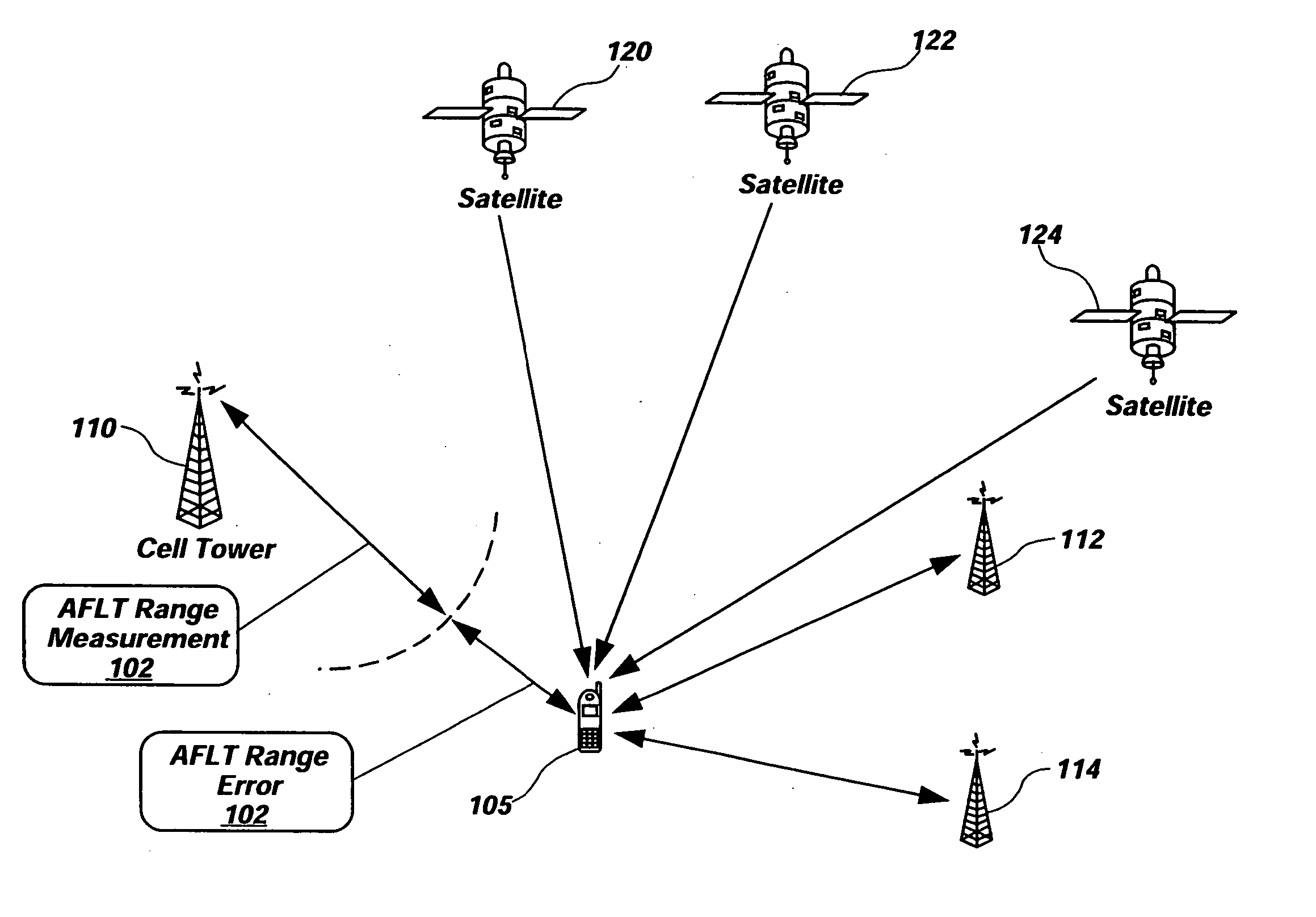
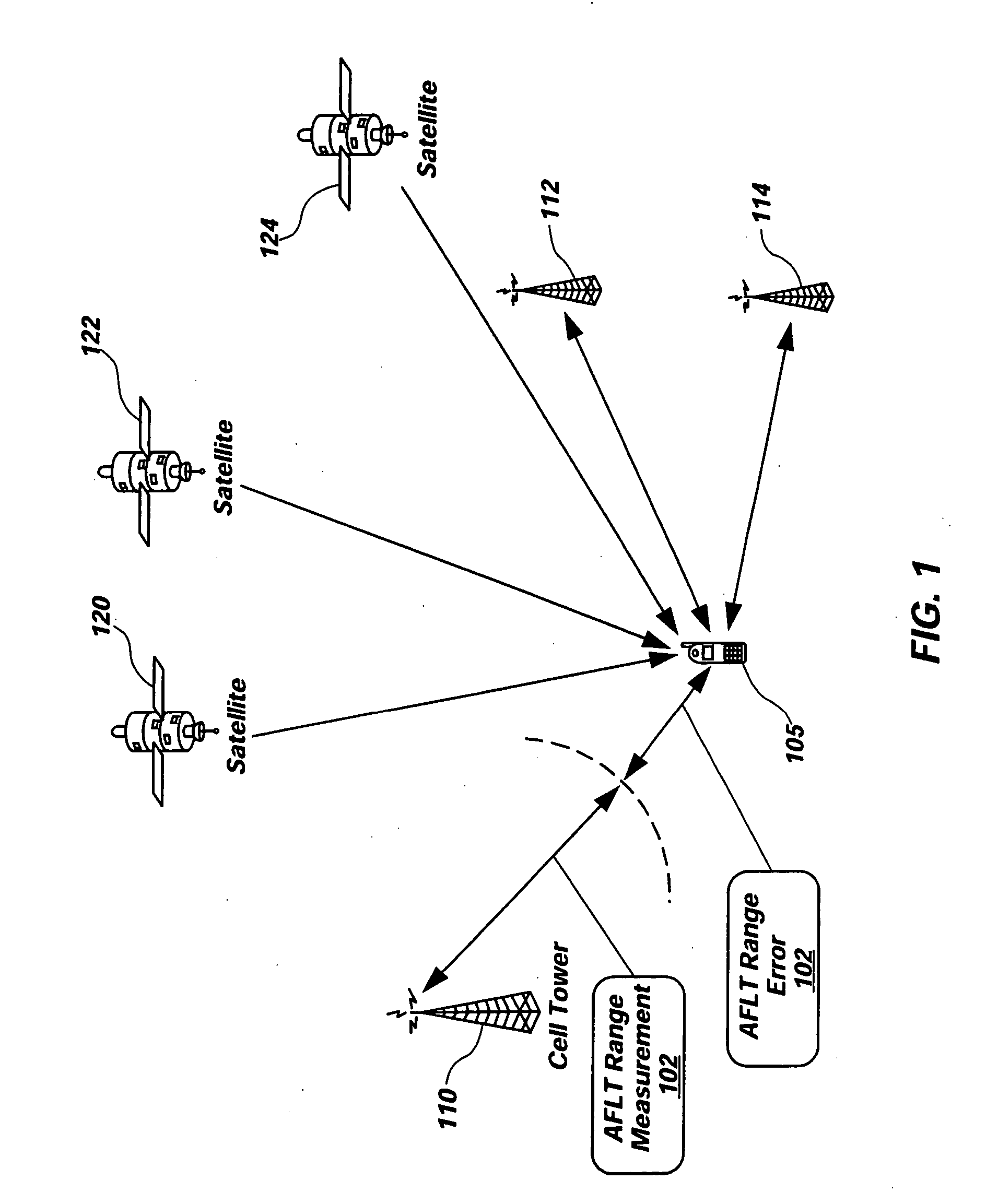
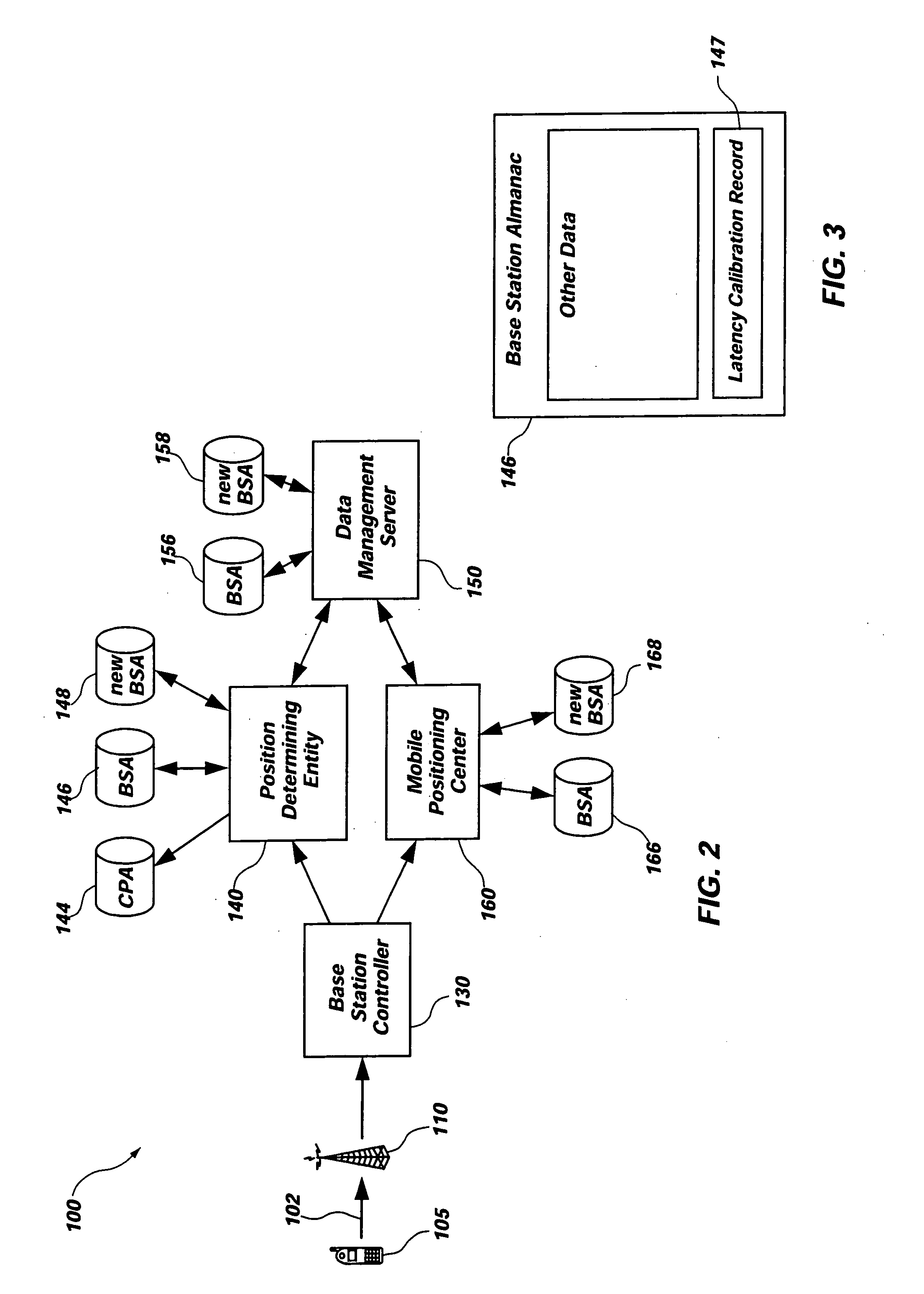
Method and apparatus for automatic calibration of positioning system base stations
PatentInactiveUS20050227689A1
Innovation
- An automated method for calibrating wireless positioning system base stations by maintaining a latency calibration record, analyzing position assertions, and refining the record to develop a new base station latency estimate, which is then used to correct range errors in location estimates.

Method for reducing latency periods during interactive data communication between a terminal server and a terminal server client in a geostationay satellite network
PatentInactiveUS20060168106A1
Innovation
- A method where data and command transfers from the client computer to the server computer occur without acknowledgments of receipt, using a client-server connection via a geostationary satellite network, with an independent program routine on the client computer processing and updating the screen display based on parameters received from the server, allowing for local alteration of the screen display to reduce latency.


Regulatory Framework for Satellite Communication Standards
The regulatory framework governing satellite communication standards plays a crucial role in establishing the foundation for fixed satellite latency diagnostics. International regulatory bodies, primarily the International Telecommunication Union (ITU), have developed comprehensive standards that define acceptable latency parameters for different satellite communication services. These standards establish baseline requirements for geostationary, medium Earth orbit, and low Earth orbit satellite systems, with specific latency thresholds that operators must maintain to ensure service quality compliance.
Regional regulatory authorities, including the Federal Communications Commission (FCC) in the United States, the European Communications Committee (ECC), and similar bodies worldwide, have implemented complementary frameworks that address latency measurement methodologies. These regulations mandate specific diagnostic procedures and reporting requirements for satellite operators, ensuring consistent measurement approaches across different jurisdictions. The frameworks typically specify minimum measurement frequencies, acceptable diagnostic tools, and standardized reporting formats for latency performance data.
Current regulatory standards emphasize the importance of real-time latency monitoring capabilities, particularly for critical applications such as emergency communications and financial services. The frameworks require satellite operators to implement continuous diagnostic systems that can detect latency anomalies and provide automated alerts when performance degrades below specified thresholds. These requirements have driven the development of sophisticated diagnostic protocols that integrate with existing network management systems.
Compliance frameworks also address the technical specifications for latency measurement equipment and methodologies. Regulations specify calibration requirements for diagnostic instruments, acceptable measurement tolerances, and standardized test procedures that ensure consistency across different operators and satellite systems. These technical standards provide the regulatory foundation that enables accurate and comparable latency diagnostic results across the global satellite communication industry.
The evolving regulatory landscape continues to adapt to emerging satellite technologies, with recent updates addressing the unique diagnostic challenges presented by mega-constellation systems and next-generation satellite networks. These regulatory developments ensure that latency diagnostic procedures remain effective and relevant as satellite communication technologies advance.
Regional regulatory authorities, including the Federal Communications Commission (FCC) in the United States, the European Communications Committee (ECC), and similar bodies worldwide, have implemented complementary frameworks that address latency measurement methodologies. These regulations mandate specific diagnostic procedures and reporting requirements for satellite operators, ensuring consistent measurement approaches across different jurisdictions. The frameworks typically specify minimum measurement frequencies, acceptable diagnostic tools, and standardized reporting formats for latency performance data.
Current regulatory standards emphasize the importance of real-time latency monitoring capabilities, particularly for critical applications such as emergency communications and financial services. The frameworks require satellite operators to implement continuous diagnostic systems that can detect latency anomalies and provide automated alerts when performance degrades below specified thresholds. These requirements have driven the development of sophisticated diagnostic protocols that integrate with existing network management systems.
Compliance frameworks also address the technical specifications for latency measurement equipment and methodologies. Regulations specify calibration requirements for diagnostic instruments, acceptable measurement tolerances, and standardized test procedures that ensure consistency across different operators and satellite systems. These technical standards provide the regulatory foundation that enables accurate and comparable latency diagnostic results across the global satellite communication industry.
The evolving regulatory landscape continues to adapt to emerging satellite technologies, with recent updates addressing the unique diagnostic challenges presented by mega-constellation systems and next-generation satellite networks. These regulatory developments ensure that latency diagnostic procedures remain effective and relevant as satellite communication technologies advance.
Ground Station Infrastructure Requirements Analysis
Ground station infrastructure serves as the critical foundation for accurate fixed satellite latency diagnostics, requiring sophisticated hardware and software components to ensure precise measurement capabilities. The infrastructure must support high-resolution timing systems, typically incorporating atomic clocks or GPS-disciplined oscillators to achieve nanosecond-level accuracy in latency measurements. These timing references are essential for correlating transmitted and received signals across the satellite communication link.
The physical infrastructure demands robust antenna systems capable of maintaining stable pointing accuracy and minimal signal degradation. Primary antennas should feature precision tracking mechanisms with sub-degree pointing accuracy to minimize signal variations that could introduce measurement errors. Additionally, redundant antenna configurations are recommended to ensure continuous diagnostic capabilities during maintenance periods or equipment failures.
Signal processing equipment represents another cornerstone of the diagnostic infrastructure. High-speed digital signal processors and software-defined radio platforms must be deployed to capture and analyze communication signals in real-time. These systems require sufficient bandwidth and processing power to handle multiple frequency bands simultaneously while maintaining measurement precision across varying traffic loads.
Network connectivity infrastructure must support both operational communications and diagnostic data collection. Dedicated monitoring channels should be established separate from primary communication paths to avoid interference with operational traffic. High-speed data links are necessary to transmit diagnostic results to centralized analysis centers for comprehensive latency trend analysis.
Environmental monitoring systems are crucial for correlating atmospheric conditions with latency variations. Weather stations, atmospheric profilers, and ionospheric monitoring equipment should be integrated into the ground station infrastructure to provide contextual data for diagnostic interpretation. This environmental data enables operators to distinguish between satellite system issues and propagation-related latency variations.
Power infrastructure must ensure uninterrupted operation of diagnostic systems through redundant power supplies and backup generators. Clean, stable power delivery is particularly critical for timing systems and sensitive measurement equipment. Proper grounding and electromagnetic interference shielding are essential to maintain measurement accuracy in the presence of high-power transmission equipment.
The physical infrastructure demands robust antenna systems capable of maintaining stable pointing accuracy and minimal signal degradation. Primary antennas should feature precision tracking mechanisms with sub-degree pointing accuracy to minimize signal variations that could introduce measurement errors. Additionally, redundant antenna configurations are recommended to ensure continuous diagnostic capabilities during maintenance periods or equipment failures.
Signal processing equipment represents another cornerstone of the diagnostic infrastructure. High-speed digital signal processors and software-defined radio platforms must be deployed to capture and analyze communication signals in real-time. These systems require sufficient bandwidth and processing power to handle multiple frequency bands simultaneously while maintaining measurement precision across varying traffic loads.
Network connectivity infrastructure must support both operational communications and diagnostic data collection. Dedicated monitoring channels should be established separate from primary communication paths to avoid interference with operational traffic. High-speed data links are necessary to transmit diagnostic results to centralized analysis centers for comprehensive latency trend analysis.
Environmental monitoring systems are crucial for correlating atmospheric conditions with latency variations. Weather stations, atmospheric profilers, and ionospheric monitoring equipment should be integrated into the ground station infrastructure to provide contextual data for diagnostic interpretation. This environmental data enables operators to distinguish between satellite system issues and propagation-related latency variations.
Power infrastructure must ensure uninterrupted operation of diagnostic systems through redundant power supplies and backup generators. Clean, stable power delivery is particularly critical for timing systems and sensitive measurement equipment. Proper grounding and electromagnetic interference shielding are essential to maintain measurement accuracy in the presence of high-power transmission equipment.
Unlock deeper insights with PatSnap Eureka Quick Research — get a full tech report to explore trends and direct your research. Try now!
Generate Your Research Report Instantly with AI Agent
Supercharge your innovation with PatSnap Eureka AI Agent Platform!