

How to Quantify Fixed Satellite Reception Performance
MAR 18, 202610 MIN READ
Generate Your Research Report Instantly with AI Agent
PatSnap Eureka helps you evaluate technical feasibility & market potential.
Satellite Communication Performance Background and Objectives
Satellite communication systems have evolved from experimental concepts in the 1960s to critical infrastructure supporting global telecommunications, broadcasting, navigation, and data services. The journey began with early geostationary satellites like Syncom and has progressed through multiple generations of increasingly sophisticated platforms. Today's satellite networks encompass various orbital configurations including geostationary (GEO), medium Earth orbit (MEO), and low Earth orbit (LEO) constellations, each serving distinct communication requirements and coverage patterns.
The quantification of fixed satellite reception performance has become increasingly crucial as satellite services expand into mission-critical applications. Traditional broadcasting and telephony services have been joined by high-speed internet, emergency communications, financial transactions, and Internet of Things connectivity. This diversification demands precise performance metrics to ensure service quality, regulatory compliance, and customer satisfaction across varied operational environments.
Current technological trends are driving the need for more sophisticated performance measurement methodologies. The deployment of high-throughput satellites (HTS) with spot beam technology, the emergence of software-defined satellites, and the integration of artificial intelligence in satellite operations require advanced quantification techniques. These developments enable dynamic resource allocation and adaptive signal processing, but also introduce new variables that must be accurately measured and characterized.
The primary objective of quantifying fixed satellite reception performance centers on establishing standardized metrics that accurately reflect real-world operational conditions. This includes developing measurement frameworks for signal quality parameters such as carrier-to-noise ratio, bit error rates, packet loss, latency, and availability under various atmospheric and interference conditions. The goal extends beyond simple signal strength measurements to encompass end-to-end system performance evaluation.
Another critical objective involves creating predictive models that can forecast performance degradation due to weather phenomena, particularly rain fade, atmospheric scintillation, and ionospheric effects. These models must integrate real-time environmental data with historical performance patterns to enable proactive system optimization and maintenance scheduling.
The quantification framework must also address the growing complexity of multi-beam and multi-frequency satellite systems. Modern satellites employ frequency reuse patterns and adaptive coding and modulation schemes that require sophisticated analysis techniques to properly characterize performance across different coverage areas and user terminals.
Furthermore, the objectives include establishing performance benchmarks that support service level agreements, regulatory reporting requirements, and network planning activities. This involves developing automated measurement systems capable of continuous monitoring and generating actionable intelligence for network operators and service providers.
The quantification of fixed satellite reception performance has become increasingly crucial as satellite services expand into mission-critical applications. Traditional broadcasting and telephony services have been joined by high-speed internet, emergency communications, financial transactions, and Internet of Things connectivity. This diversification demands precise performance metrics to ensure service quality, regulatory compliance, and customer satisfaction across varied operational environments.
Current technological trends are driving the need for more sophisticated performance measurement methodologies. The deployment of high-throughput satellites (HTS) with spot beam technology, the emergence of software-defined satellites, and the integration of artificial intelligence in satellite operations require advanced quantification techniques. These developments enable dynamic resource allocation and adaptive signal processing, but also introduce new variables that must be accurately measured and characterized.
The primary objective of quantifying fixed satellite reception performance centers on establishing standardized metrics that accurately reflect real-world operational conditions. This includes developing measurement frameworks for signal quality parameters such as carrier-to-noise ratio, bit error rates, packet loss, latency, and availability under various atmospheric and interference conditions. The goal extends beyond simple signal strength measurements to encompass end-to-end system performance evaluation.
Another critical objective involves creating predictive models that can forecast performance degradation due to weather phenomena, particularly rain fade, atmospheric scintillation, and ionospheric effects. These models must integrate real-time environmental data with historical performance patterns to enable proactive system optimization and maintenance scheduling.
The quantification framework must also address the growing complexity of multi-beam and multi-frequency satellite systems. Modern satellites employ frequency reuse patterns and adaptive coding and modulation schemes that require sophisticated analysis techniques to properly characterize performance across different coverage areas and user terminals.
Furthermore, the objectives include establishing performance benchmarks that support service level agreements, regulatory reporting requirements, and network planning activities. This involves developing automated measurement systems capable of continuous monitoring and generating actionable intelligence for network operators and service providers.
Market Demand for Reliable Satellite Reception Systems
The global satellite communication market has experienced unprecedented growth driven by increasing demand for reliable connectivity across diverse sectors. Traditional terrestrial communication infrastructure faces limitations in remote areas, maritime environments, and regions with challenging geographical conditions, creating substantial market opportunities for satellite-based solutions. The proliferation of Internet of Things devices, autonomous vehicles, and smart city initiatives has further amplified the need for consistent satellite reception performance.
Commercial aviation represents a significant market segment demanding quantifiable satellite reception standards. Airlines require guaranteed communication links for passenger services, flight operations, and safety systems. The maritime industry similarly depends on reliable satellite connections for navigation, weather monitoring, and crew communications during extended voyages. These sectors prioritize measurable performance metrics to ensure operational continuity and regulatory compliance.
Government and defense applications constitute another critical market driver. Military operations, emergency response systems, and national security communications require precise performance quantification to maintain mission-critical capabilities. The ability to measure and predict satellite reception quality becomes essential for strategic planning and resource allocation in these high-stakes environments.
The broadcasting and media industry has embraced satellite technology for content distribution, creating demand for standardized performance measurement methodologies. Television networks, streaming services, and news organizations require consistent signal quality metrics to maintain service level agreements and customer satisfaction. This sector's growth has intensified focus on developing comprehensive reception performance evaluation frameworks.
Emerging markets in developing regions present substantial opportunities for satellite communication systems. These areas often lack robust terrestrial infrastructure, making satellite solutions attractive alternatives. However, cost-sensitive customers in these markets demand transparent performance guarantees and measurable service quality indicators before making significant investments.
The integration of satellite systems with 5G networks and edge computing platforms has created new market dynamics. Hybrid communication architectures require sophisticated performance monitoring capabilities to optimize traffic routing and maintain seamless connectivity. This technological convergence has expanded the addressable market for quantifiable satellite reception solutions.
Enterprise customers increasingly demand service level agreements backed by quantitative performance metrics. Cloud service providers, financial institutions, and multinational corporations require predictable satellite communication performance to support business-critical applications. The market has responded by developing standardized measurement protocols and performance benchmarking tools to meet these sophisticated customer requirements.
Commercial aviation represents a significant market segment demanding quantifiable satellite reception standards. Airlines require guaranteed communication links for passenger services, flight operations, and safety systems. The maritime industry similarly depends on reliable satellite connections for navigation, weather monitoring, and crew communications during extended voyages. These sectors prioritize measurable performance metrics to ensure operational continuity and regulatory compliance.
Government and defense applications constitute another critical market driver. Military operations, emergency response systems, and national security communications require precise performance quantification to maintain mission-critical capabilities. The ability to measure and predict satellite reception quality becomes essential for strategic planning and resource allocation in these high-stakes environments.
The broadcasting and media industry has embraced satellite technology for content distribution, creating demand for standardized performance measurement methodologies. Television networks, streaming services, and news organizations require consistent signal quality metrics to maintain service level agreements and customer satisfaction. This sector's growth has intensified focus on developing comprehensive reception performance evaluation frameworks.
Emerging markets in developing regions present substantial opportunities for satellite communication systems. These areas often lack robust terrestrial infrastructure, making satellite solutions attractive alternatives. However, cost-sensitive customers in these markets demand transparent performance guarantees and measurable service quality indicators before making significant investments.
The integration of satellite systems with 5G networks and edge computing platforms has created new market dynamics. Hybrid communication architectures require sophisticated performance monitoring capabilities to optimize traffic routing and maintain seamless connectivity. This technological convergence has expanded the addressable market for quantifiable satellite reception solutions.
Enterprise customers increasingly demand service level agreements backed by quantitative performance metrics. Cloud service providers, financial institutions, and multinational corporations require predictable satellite communication performance to support business-critical applications. The market has responded by developing standardized measurement protocols and performance benchmarking tools to meet these sophisticated customer requirements.
Current State and Challenges in Satellite Signal Quantification
The quantification of fixed satellite reception performance represents a critical yet complex domain within satellite communications, where traditional measurement approaches often fall short of providing comprehensive assessment frameworks. Current methodologies primarily rely on basic signal strength indicators such as Received Signal Strength Indicator (RSSI) and Signal-to-Noise Ratio (SNR), which offer limited insight into the multifaceted nature of satellite communication quality.
Existing quantification systems predominantly focus on physical layer parameters, including carrier-to-noise ratio (C/N), bit error rate (BER), and packet error rate (PER). However, these metrics fail to capture the dynamic nature of satellite links, particularly the impact of atmospheric conditions, multipath interference, and temporal variations in signal quality. The lack of standardized measurement protocols across different satellite systems further complicates performance assessment efforts.
One of the most significant challenges lies in the integration of multiple performance indicators into a unified quantification framework. Current approaches often treat individual metrics in isolation, failing to account for their interdependencies and cumulative effects on overall system performance. This fragmented methodology results in incomplete performance characterization and suboptimal system optimization strategies.
The geographical distribution of satellite reception performance quantification capabilities reveals substantial disparities between developed and developing regions. Advanced satellite communication hubs in North America and Europe have implemented sophisticated monitoring systems, while emerging markets often rely on rudimentary measurement techniques. This technological gap hampers global standardization efforts and creates inconsistencies in performance benchmarking.
Technical constraints in real-time performance monitoring present another major obstacle. Traditional measurement systems struggle with the computational complexity required for continuous performance assessment, particularly in scenarios involving multiple satellite constellations and frequency bands. The latency inherent in current quantification methods limits their effectiveness for adaptive system optimization and dynamic resource allocation.
Interference characterization remains a persistent challenge, as conventional quantification methods inadequately address the impact of terrestrial interference sources, adjacent satellite interference, and atmospheric scintillation effects. The inability to accurately model and quantify these interference patterns significantly undermines the reliability of performance assessments and predictive modeling capabilities.
The emergence of new satellite technologies, including Low Earth Orbit (LEO) constellations and high-throughput satellites, has exposed the limitations of legacy quantification approaches. These advanced systems require more sophisticated performance metrics that can account for rapid satellite movement, beam switching, and variable link conditions, necessitating fundamental revisions to existing measurement paradigms.
Existing quantification systems predominantly focus on physical layer parameters, including carrier-to-noise ratio (C/N), bit error rate (BER), and packet error rate (PER). However, these metrics fail to capture the dynamic nature of satellite links, particularly the impact of atmospheric conditions, multipath interference, and temporal variations in signal quality. The lack of standardized measurement protocols across different satellite systems further complicates performance assessment efforts.
One of the most significant challenges lies in the integration of multiple performance indicators into a unified quantification framework. Current approaches often treat individual metrics in isolation, failing to account for their interdependencies and cumulative effects on overall system performance. This fragmented methodology results in incomplete performance characterization and suboptimal system optimization strategies.
The geographical distribution of satellite reception performance quantification capabilities reveals substantial disparities between developed and developing regions. Advanced satellite communication hubs in North America and Europe have implemented sophisticated monitoring systems, while emerging markets often rely on rudimentary measurement techniques. This technological gap hampers global standardization efforts and creates inconsistencies in performance benchmarking.
Technical constraints in real-time performance monitoring present another major obstacle. Traditional measurement systems struggle with the computational complexity required for continuous performance assessment, particularly in scenarios involving multiple satellite constellations and frequency bands. The latency inherent in current quantification methods limits their effectiveness for adaptive system optimization and dynamic resource allocation.
Interference characterization remains a persistent challenge, as conventional quantification methods inadequately address the impact of terrestrial interference sources, adjacent satellite interference, and atmospheric scintillation effects. The inability to accurately model and quantify these interference patterns significantly undermines the reliability of performance assessments and predictive modeling capabilities.
The emergence of new satellite technologies, including Low Earth Orbit (LEO) constellations and high-throughput satellites, has exposed the limitations of legacy quantification approaches. These advanced systems require more sophisticated performance metrics that can account for rapid satellite movement, beam switching, and variable link conditions, necessitating fundamental revisions to existing measurement paradigms.
Existing Methods for Satellite Reception Performance Assessment
01 Antenna design and configuration for improved signal reception
Advanced antenna designs including phased array antennas, multi-beam antennas, and optimized reflector configurations can significantly enhance satellite signal reception performance. These designs focus on improving gain, directivity, and beam-forming capabilities to maximize signal strength and minimize interference. Antenna positioning systems and tracking mechanisms ensure optimal alignment with satellite signals for consistent reception quality.- Antenna design and configuration for improved signal reception: Advanced antenna designs including phased array antennas, multi-beam antennas, and optimized reflector configurations can significantly enhance satellite signal reception performance. These designs focus on improving gain, directivity, and beam-forming capabilities to maximize signal strength and minimize interference. Antenna positioning systems and tracking mechanisms ensure optimal alignment with satellite signals for consistent reception quality.
- Signal processing and interference mitigation techniques: Implementation of advanced signal processing algorithms and interference cancellation methods improves reception quality in challenging environments. These techniques include adaptive filtering, noise reduction, multi-path interference suppression, and error correction coding. Digital signal processing units analyze incoming signals to optimize demodulation and decoding processes, ensuring reliable data recovery even under adverse conditions.
- Low noise block converter and receiver optimization: Enhanced low noise block converters and receiver front-end designs minimize signal degradation and improve sensitivity. Optimization includes reducing noise figure, improving frequency stability, and enhancing dynamic range. Advanced filtering techniques and amplification stages ensure that weak satellite signals are properly captured and converted while maintaining signal integrity throughout the reception chain.
- Multi-satellite and multi-frequency reception systems: Systems capable of receiving signals from multiple satellites simultaneously or across different frequency bands provide improved reliability and bandwidth. These systems incorporate switching mechanisms, frequency conversion circuits, and multiplexing capabilities to handle diverse signal sources. Integration of multiple reception paths allows for redundancy and seamless transition between different satellite sources to maintain continuous service.
- Environmental adaptation and performance monitoring: Adaptive systems that compensate for environmental factors such as weather conditions, atmospheric interference, and physical obstructions enhance reception reliability. Performance monitoring systems continuously assess signal quality parameters and automatically adjust reception parameters. These systems may include rain fade compensation, automatic gain control, and real-time quality metrics to maintain optimal performance under varying conditions.
02 Signal processing and interference mitigation techniques
Implementation of advanced signal processing algorithms and interference cancellation methods improves reception quality in fixed satellite systems. These techniques include adaptive filtering, noise reduction, multi-path interference suppression, and error correction coding. Digital signal processing methods enable better extraction of desired signals from noisy environments and compensation for atmospheric disturbances and signal degradation.Expand Specific Solutions03 Low noise block converter and receiver optimization
Enhanced low noise block converters and receiver front-end designs minimize noise figure and improve signal-to-noise ratio in satellite reception systems. Optimization of frequency conversion stages, local oscillator stability, and amplification circuits contributes to better overall system performance. Temperature compensation and automatic gain control mechanisms maintain consistent reception quality across varying environmental conditions.Expand Specific Solutions04 Multi-satellite and multi-band reception systems
Systems capable of receiving signals from multiple satellites simultaneously or across different frequency bands enhance service availability and reliability. These configurations utilize switching networks, multiple feed horns, or wideband components to access various satellite services. Integration of different frequency bands such as C-band, Ku-band, and Ka-band in a single reception system provides flexibility and expanded service options.Expand Specific Solutions05 Environmental adaptation and performance monitoring
Adaptive systems that compensate for environmental factors such as rain fade, atmospheric attenuation, and temperature variations maintain consistent reception performance. Real-time monitoring and diagnostic capabilities enable automatic adjustment of system parameters to optimize signal quality. Weather-resistant hardware designs and protective enclosures ensure reliable operation under diverse climatic conditions while maintaining signal integrity.Expand Specific Solutions
Key Players in Satellite Communication Industry
The fixed satellite reception performance quantification field represents a mature yet evolving technology sector driven by increasing demand for reliable satellite communications across defense, telecommunications, and commercial applications. The market demonstrates steady growth with significant investment in next-generation satellite systems and ground infrastructure modernization. Technology maturity varies considerably among key players, with established giants like Sony Group Corp., NEC Corp., and Fujitsu Ltd. leading in advanced signal processing and hardware integration, while specialized firms such as Shanghai Huace Navigation Technology Ltd. and Shenzhen Broadgnss Technology Co., Ltd. focus on precision GNSS solutions. Chinese research institutions including The 54th Research Institute of China Electronics Technology Group Corporation and University of Electronic Science & Technology of China contribute significant R&D capabilities, particularly in military and aerospace applications. The competitive landscape shows convergence between traditional electronics manufacturers and emerging satellite technology specialists, with companies like ZTE Corp. and MediaTek Inc. expanding into satellite communication chipsets, indicating strong market consolidation potential.
The 54th Research Institute of China Electronics Technology Group Corporation
Technical Solution: Develops comprehensive satellite reception performance quantification systems using multi-parameter assessment frameworks. Their approach integrates signal-to-noise ratio (SNR) measurements, bit error rate (BER) analysis, and carrier-to-interference ratio (C/I) evaluations to provide holistic performance metrics. The institute employs advanced digital signal processing algorithms for real-time performance monitoring and implements adaptive threshold mechanisms to account for varying atmospheric conditions and satellite positioning dynamics.
Strengths: Strong government backing and extensive research resources in satellite communications. Weaknesses: Limited commercial market presence and slower technology transfer to industry applications.
MediaTek, Inc.
Technical Solution: Focuses on chipset-level satellite reception performance quantification through integrated measurement capabilities embedded in their semiconductor solutions. Their approach provides real-time performance metrics directly from the receiver hardware, including phase noise measurements, frequency stability analysis, and power consumption efficiency assessments. The solution enables cost-effective performance monitoring for consumer satellite devices by integrating measurement functions into the baseband processing chips, reducing the need for external test equipment while maintaining measurement accuracy.
Strengths: Cost-effective semiconductor solutions with high integration capabilities and strong consumer market presence. Weaknesses: Limited experience in professional satellite communication systems and high-end performance requirements.
Core Technologies in Signal Quality Measurement
Evaluation method for efficiency of satellite data receiving system
PatentActiveCN104598759A
Innovation
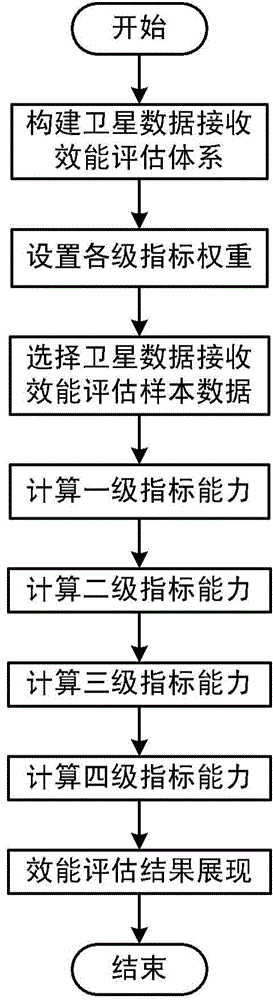
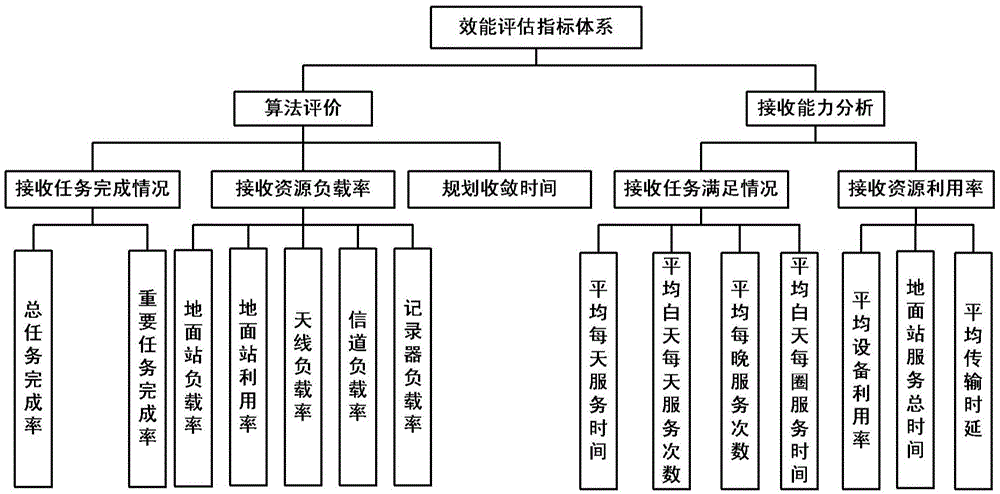
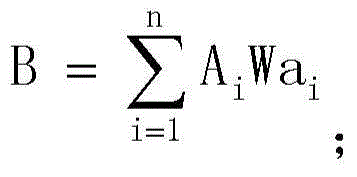
- A systematic efficiency evaluation method for satellite data receiving systems is designed. By constructing a four-level indicator system, the arithmetic weighted average method is used to calculate indicators at all levels, including first-level indicators, second-level indicators, third-level indicators and overall indicators, covering reception Planning algorithm evaluation and reception capability analysis.

Satellite terminal receiver and modem performance evaluation method using same
PatentPendingUS20240039624A1
Innovation
- A satellite receiver equipped with a variable attenuator that generates artificial noise before the low-noise block, allowing self-adjustment of the SNR without external devices, enabling modem performance evaluation.

Regulatory Standards for Satellite Communication Systems
The regulatory landscape for satellite communication systems plays a crucial role in establishing standardized methodologies for quantifying fixed satellite reception performance. International regulatory bodies, primarily the International Telecommunication Union (ITU), have developed comprehensive frameworks that define measurement protocols, performance thresholds, and compliance requirements for satellite operators worldwide.
The ITU Radio Regulations serve as the foundational regulatory document, establishing specific technical standards for satellite communication systems. These regulations mandate precise measurement methodologies for key performance indicators including carrier-to-noise ratio, bit error rates, and signal availability percentages. Regulatory compliance requires operators to demonstrate that their systems meet minimum performance thresholds across various operational conditions and geographic coverage areas.
Regional regulatory authorities, such as the Federal Communications Commission in the United States and the European Communications Committee in Europe, have implemented additional standards that complement ITU requirements. These regional frameworks often incorporate more stringent performance metrics and require detailed documentation of reception quality measurements during both normal and adverse weather conditions.
The regulatory standards specifically address interference mitigation requirements, establishing protocols for measuring and reporting adjacent satellite interference, terrestrial interference, and cross-polarization discrimination. Operators must demonstrate compliance through standardized testing procedures that quantify reception performance under various interference scenarios, ensuring reliable service delivery across their coverage footprint.
Recent regulatory developments have introduced enhanced requirements for Ka-band and higher frequency satellite systems, recognizing the unique propagation challenges these frequencies face. New standards mandate more sophisticated measurement techniques for rain fade mitigation effectiveness and adaptive coding and modulation performance, reflecting the evolving technological landscape of modern satellite communication systems.
Compliance verification processes require operators to submit detailed performance reports demonstrating adherence to regulatory standards, with periodic audits ensuring ongoing compliance throughout the satellite system's operational lifetime.
The ITU Radio Regulations serve as the foundational regulatory document, establishing specific technical standards for satellite communication systems. These regulations mandate precise measurement methodologies for key performance indicators including carrier-to-noise ratio, bit error rates, and signal availability percentages. Regulatory compliance requires operators to demonstrate that their systems meet minimum performance thresholds across various operational conditions and geographic coverage areas.
Regional regulatory authorities, such as the Federal Communications Commission in the United States and the European Communications Committee in Europe, have implemented additional standards that complement ITU requirements. These regional frameworks often incorporate more stringent performance metrics and require detailed documentation of reception quality measurements during both normal and adverse weather conditions.
The regulatory standards specifically address interference mitigation requirements, establishing protocols for measuring and reporting adjacent satellite interference, terrestrial interference, and cross-polarization discrimination. Operators must demonstrate compliance through standardized testing procedures that quantify reception performance under various interference scenarios, ensuring reliable service delivery across their coverage footprint.
Recent regulatory developments have introduced enhanced requirements for Ka-band and higher frequency satellite systems, recognizing the unique propagation challenges these frequencies face. New standards mandate more sophisticated measurement techniques for rain fade mitigation effectiveness and adaptive coding and modulation performance, reflecting the evolving technological landscape of modern satellite communication systems.
Compliance verification processes require operators to submit detailed performance reports demonstrating adherence to regulatory standards, with periodic audits ensuring ongoing compliance throughout the satellite system's operational lifetime.
Environmental Impact on Fixed Satellite Reception
Environmental factors significantly influence fixed satellite reception performance, creating complex challenges for maintaining consistent signal quality and system reliability. These impacts vary considerably across different geographical locations, seasonal patterns, and local atmospheric conditions, making environmental assessment a critical component of satellite communication system design and deployment.
Atmospheric conditions represent the primary environmental challenge affecting satellite signal propagation. Rain attenuation poses the most severe threat, particularly for higher frequency bands such as Ku and Ka bands, where signal degradation can exceed 10-15 dB during heavy precipitation events. Snow and ice accumulation on antenna surfaces create additional signal blockage and reflection issues, while atmospheric moisture content affects signal absorption rates across different frequency spectrums.
Temperature variations introduce multiple performance impacts through thermal expansion and contraction of antenna structures, affecting pointing accuracy and mechanical stability. Extreme temperature fluctuations can cause receiver electronics to drift from optimal operating parameters, leading to degraded noise figures and reduced sensitivity. Additionally, temperature gradients in the atmosphere create refractive index variations that can cause signal scintillation and beam wandering effects.
Wind loading presents mechanical challenges that directly impact antenna pointing stability and tracking accuracy. High wind conditions can cause antenna structure vibration and displacement, resulting in signal fading and intermittent reception quality. The severity of wind impact depends on antenna size, mounting configuration, and local topographical features that influence wind patterns and turbulence characteristics.
Geographical and topographical factors create unique environmental signatures that affect reception performance predictability. Urban environments introduce multipath interference from building reflections and electromagnetic interference from various electronic sources. Mountainous terrain can create shadowing effects and atmospheric ducting conditions, while coastal locations experience specific propagation anomalies due to marine atmospheric layers and salt spray corrosion concerns.
Solar activity and space weather phenomena introduce additional environmental variables that affect satellite signal propagation through ionospheric disturbances. Solar flares and geomagnetic storms can cause signal scintillation, phase variations, and temporary signal degradation, particularly affecting lower frequency bands and polar region installations.
Seasonal variations compound these environmental impacts through predictable patterns of weather conditions, atmospheric density changes, and solar elevation angles. Understanding these cyclical patterns enables better system design margins and operational planning strategies to maintain acceptable performance levels throughout annual environmental cycles.
Atmospheric conditions represent the primary environmental challenge affecting satellite signal propagation. Rain attenuation poses the most severe threat, particularly for higher frequency bands such as Ku and Ka bands, where signal degradation can exceed 10-15 dB during heavy precipitation events. Snow and ice accumulation on antenna surfaces create additional signal blockage and reflection issues, while atmospheric moisture content affects signal absorption rates across different frequency spectrums.
Temperature variations introduce multiple performance impacts through thermal expansion and contraction of antenna structures, affecting pointing accuracy and mechanical stability. Extreme temperature fluctuations can cause receiver electronics to drift from optimal operating parameters, leading to degraded noise figures and reduced sensitivity. Additionally, temperature gradients in the atmosphere create refractive index variations that can cause signal scintillation and beam wandering effects.
Wind loading presents mechanical challenges that directly impact antenna pointing stability and tracking accuracy. High wind conditions can cause antenna structure vibration and displacement, resulting in signal fading and intermittent reception quality. The severity of wind impact depends on antenna size, mounting configuration, and local topographical features that influence wind patterns and turbulence characteristics.
Geographical and topographical factors create unique environmental signatures that affect reception performance predictability. Urban environments introduce multipath interference from building reflections and electromagnetic interference from various electronic sources. Mountainous terrain can create shadowing effects and atmospheric ducting conditions, while coastal locations experience specific propagation anomalies due to marine atmospheric layers and salt spray corrosion concerns.
Solar activity and space weather phenomena introduce additional environmental variables that affect satellite signal propagation through ionospheric disturbances. Solar flares and geomagnetic storms can cause signal scintillation, phase variations, and temporary signal degradation, particularly affecting lower frequency bands and polar region installations.
Seasonal variations compound these environmental impacts through predictable patterns of weather conditions, atmospheric density changes, and solar elevation angles. Understanding these cyclical patterns enables better system design margins and operational planning strategies to maintain acceptable performance levels throughout annual environmental cycles.
Unlock deeper insights with PatSnap Eureka Quick Research — get a full tech report to explore trends and direct your research. Try now!
Generate Your Research Report Instantly with AI Agent
Supercharge your innovation with PatSnap Eureka AI Agent Platform!