

How to Safely Implement Multi Point Constraint Strategies
MAR 13, 20269 MIN READ
Generate Your Research Report Instantly with AI Agent
Patsnap Eureka helps you evaluate technical feasibility & market potential.
Multi Point Constraint Implementation Background and Objectives
Multi-point constraint strategies have emerged as a critical component in modern engineering systems, particularly in robotics, mechanical design, and control systems where multiple simultaneous constraints must be satisfied to ensure safe and reliable operation. These strategies involve the coordinated management of multiple constraint conditions that operate concurrently within a system, requiring sophisticated algorithms and methodologies to prevent conflicts and ensure system stability.
The evolution of multi-point constraint implementation can be traced back to early mechanical engineering applications where simple linkage systems required basic constraint management. However, the complexity has exponentially increased with the advent of advanced robotics, autonomous systems, and multi-degree-of-freedom mechanisms. Traditional single-constraint approaches proved inadequate when dealing with systems requiring simultaneous satisfaction of position, velocity, force, and safety constraints across multiple operational points.
Current technological trends indicate a shift toward more intelligent and adaptive constraint management systems. The integration of artificial intelligence and machine learning algorithms has enabled real-time constraint optimization and conflict resolution. Modern systems now incorporate predictive constraint analysis, allowing for proactive adjustment of operational parameters before constraint violations occur. This evolution has been driven by increasing demands for precision, safety, and efficiency in industrial automation and robotic applications.
The primary objective of safe multi-point constraint implementation is to develop robust methodologies that can simultaneously manage multiple constraint conditions without compromising system performance or safety. This involves creating algorithms capable of real-time constraint monitoring, conflict detection, and resolution strategies that maintain system stability under varying operational conditions.
Key technical goals include establishing hierarchical constraint prioritization systems that can dynamically adjust constraint importance based on operational context. Additionally, the development of fail-safe mechanisms ensures that constraint violations trigger appropriate system responses, preventing catastrophic failures or unsafe operational states.
The ultimate aim is to achieve seamless integration of multiple constraint strategies that enhance system reliability while maintaining operational flexibility. This requires balancing computational efficiency with constraint satisfaction accuracy, ensuring that real-time performance requirements are met without sacrificing safety or precision standards.
The evolution of multi-point constraint implementation can be traced back to early mechanical engineering applications where simple linkage systems required basic constraint management. However, the complexity has exponentially increased with the advent of advanced robotics, autonomous systems, and multi-degree-of-freedom mechanisms. Traditional single-constraint approaches proved inadequate when dealing with systems requiring simultaneous satisfaction of position, velocity, force, and safety constraints across multiple operational points.
Current technological trends indicate a shift toward more intelligent and adaptive constraint management systems. The integration of artificial intelligence and machine learning algorithms has enabled real-time constraint optimization and conflict resolution. Modern systems now incorporate predictive constraint analysis, allowing for proactive adjustment of operational parameters before constraint violations occur. This evolution has been driven by increasing demands for precision, safety, and efficiency in industrial automation and robotic applications.
The primary objective of safe multi-point constraint implementation is to develop robust methodologies that can simultaneously manage multiple constraint conditions without compromising system performance or safety. This involves creating algorithms capable of real-time constraint monitoring, conflict detection, and resolution strategies that maintain system stability under varying operational conditions.
Key technical goals include establishing hierarchical constraint prioritization systems that can dynamically adjust constraint importance based on operational context. Additionally, the development of fail-safe mechanisms ensures that constraint violations trigger appropriate system responses, preventing catastrophic failures or unsafe operational states.
The ultimate aim is to achieve seamless integration of multiple constraint strategies that enhance system reliability while maintaining operational flexibility. This requires balancing computational efficiency with constraint satisfaction accuracy, ensuring that real-time performance requirements are met without sacrificing safety or precision standards.
Market Demand for Advanced Constraint Management Systems
The global market for advanced constraint management systems is experiencing unprecedented growth driven by the increasing complexity of modern engineering systems and the critical need for safety-critical applications. Industries such as aerospace, automotive, robotics, and manufacturing are demanding sophisticated solutions that can handle multiple simultaneous constraints while maintaining system stability and operational safety.
Manufacturing sectors are particularly driving demand as they transition toward Industry 4.0 implementations. Smart factories require real-time constraint management across multiple production lines, quality control parameters, and resource allocation systems. The ability to safely implement multi-point constraint strategies has become essential for maintaining competitive advantage in automated manufacturing environments.
The aerospace and defense industries represent another significant market segment, where multi-point constraint management is crucial for flight control systems, satellite operations, and unmanned vehicle coordination. These applications demand extremely high reliability standards and fail-safe mechanisms, creating substantial market opportunities for advanced constraint management solutions.
Automotive manufacturers are increasingly seeking constraint management systems to support autonomous vehicle development and advanced driver assistance systems. The integration of multiple sensors, actuators, and control algorithms requires sophisticated constraint handling capabilities to ensure passenger safety and regulatory compliance.
The robotics sector is witnessing explosive growth in collaborative robotics applications, where multiple robots must operate within shared workspaces while adhering to safety constraints, collision avoidance protocols, and task optimization requirements. This creates substantial demand for scalable constraint management architectures.
Financial markets are also emerging as significant consumers of constraint management technologies, particularly in algorithmic trading systems where multiple risk parameters, regulatory constraints, and performance objectives must be simultaneously managed in real-time environments.
The market is further stimulated by increasing regulatory requirements across industries, mandating more rigorous safety standards and constraint compliance mechanisms. Organizations are investing heavily in advanced constraint management systems to meet these evolving regulatory demands while maintaining operational efficiency and competitive positioning in their respective markets.
Manufacturing sectors are particularly driving demand as they transition toward Industry 4.0 implementations. Smart factories require real-time constraint management across multiple production lines, quality control parameters, and resource allocation systems. The ability to safely implement multi-point constraint strategies has become essential for maintaining competitive advantage in automated manufacturing environments.
The aerospace and defense industries represent another significant market segment, where multi-point constraint management is crucial for flight control systems, satellite operations, and unmanned vehicle coordination. These applications demand extremely high reliability standards and fail-safe mechanisms, creating substantial market opportunities for advanced constraint management solutions.
Automotive manufacturers are increasingly seeking constraint management systems to support autonomous vehicle development and advanced driver assistance systems. The integration of multiple sensors, actuators, and control algorithms requires sophisticated constraint handling capabilities to ensure passenger safety and regulatory compliance.
The robotics sector is witnessing explosive growth in collaborative robotics applications, where multiple robots must operate within shared workspaces while adhering to safety constraints, collision avoidance protocols, and task optimization requirements. This creates substantial demand for scalable constraint management architectures.
Financial markets are also emerging as significant consumers of constraint management technologies, particularly in algorithmic trading systems where multiple risk parameters, regulatory constraints, and performance objectives must be simultaneously managed in real-time environments.
The market is further stimulated by increasing regulatory requirements across industries, mandating more rigorous safety standards and constraint compliance mechanisms. Organizations are investing heavily in advanced constraint management systems to meet these evolving regulatory demands while maintaining operational efficiency and competitive positioning in their respective markets.
Current State and Safety Challenges in MPC Implementation
Multi Point Constraint (MPC) implementation has reached a critical juncture where safety considerations have become paramount across various industrial applications. Current deployment strategies span from automotive control systems to robotics and aerospace applications, with each domain presenting unique safety requirements and operational constraints.
The present state of MPC implementation reveals significant disparities in safety protocols across different industries. Automotive applications have established relatively mature safety frameworks, particularly in advanced driver assistance systems where MPC algorithms manage vehicle dynamics under multiple operational constraints. However, these implementations often rely on simplified models that may not capture the full complexity of real-world scenarios, creating potential safety gaps.
Industrial robotics represents another major application area where MPC safety challenges are particularly pronounced. Current implementations struggle with real-time constraint handling when multiple safety boundaries must be simultaneously maintained. The computational burden of solving optimization problems within strict timing constraints often forces engineers to make compromises between safety margins and system performance.
Safety verification remains one of the most significant challenges in contemporary MPC implementations. Traditional verification methods prove inadequate when dealing with the complex, multi-dimensional constraint spaces that characterize modern MPC applications. The lack of standardized safety assessment protocols across industries has resulted in inconsistent safety practices and varying levels of risk tolerance.
Real-time constraint violation detection and recovery mechanisms represent critical weaknesses in current implementations. Many existing systems lack robust fallback strategies when primary constraint satisfaction becomes impossible due to conflicting requirements or system failures. This deficiency is particularly concerning in safety-critical applications where constraint violations could lead to catastrophic outcomes.
The integration of machine learning techniques with traditional MPC frameworks has introduced new safety challenges that current methodologies struggle to address. While these hybrid approaches offer improved performance and adaptability, they also introduce uncertainties that traditional safety analysis methods cannot adequately quantify or manage.
Computational limitations continue to constrain the implementation of comprehensive safety measures in MPC systems. The trade-off between computational complexity and safety assurance often results in simplified constraint formulations that may not fully capture all relevant safety considerations, particularly in dynamic environments where constraint priorities may shift rapidly.
The present state of MPC implementation reveals significant disparities in safety protocols across different industries. Automotive applications have established relatively mature safety frameworks, particularly in advanced driver assistance systems where MPC algorithms manage vehicle dynamics under multiple operational constraints. However, these implementations often rely on simplified models that may not capture the full complexity of real-world scenarios, creating potential safety gaps.
Industrial robotics represents another major application area where MPC safety challenges are particularly pronounced. Current implementations struggle with real-time constraint handling when multiple safety boundaries must be simultaneously maintained. The computational burden of solving optimization problems within strict timing constraints often forces engineers to make compromises between safety margins and system performance.
Safety verification remains one of the most significant challenges in contemporary MPC implementations. Traditional verification methods prove inadequate when dealing with the complex, multi-dimensional constraint spaces that characterize modern MPC applications. The lack of standardized safety assessment protocols across industries has resulted in inconsistent safety practices and varying levels of risk tolerance.
Real-time constraint violation detection and recovery mechanisms represent critical weaknesses in current implementations. Many existing systems lack robust fallback strategies when primary constraint satisfaction becomes impossible due to conflicting requirements or system failures. This deficiency is particularly concerning in safety-critical applications where constraint violations could lead to catastrophic outcomes.
The integration of machine learning techniques with traditional MPC frameworks has introduced new safety challenges that current methodologies struggle to address. While these hybrid approaches offer improved performance and adaptability, they also introduce uncertainties that traditional safety analysis methods cannot adequately quantify or manage.
Computational limitations continue to constrain the implementation of comprehensive safety measures in MPC systems. The trade-off between computational complexity and safety assurance often results in simplified constraint formulations that may not fully capture all relevant safety considerations, particularly in dynamic environments where constraint priorities may shift rapidly.
Existing Safe MPC Implementation Solutions
01 Multi-point constraint modeling and simulation for structural safety
This approach involves the use of multi-point constraint (MPC) equations in finite element analysis to model complex structural connections and interactions. The method ensures accurate representation of mechanical behaviors at connection points, improving the prediction of structural responses under various loading conditions. This technique is particularly useful in automotive, aerospace, and civil engineering applications where multiple components must work together safely. The constraints help maintain geometric compatibility and force equilibrium across connected elements.- Multi-point constraint modeling and simulation for structural safety: This approach involves the use of multi-point constraint equations in finite element analysis to model complex structural connections and interactions. The method ensures accurate representation of mechanical behaviors at connection points, improving the prediction of structural responses under various loading conditions. This technique is particularly useful in automotive, aerospace, and civil engineering applications where multiple components interact through shared nodes or interfaces.
- Safety constraint optimization in autonomous systems: Safety strategies that incorporate multiple constraint points for autonomous vehicles and robotic systems. These methods define safety boundaries through multiple simultaneous constraints on velocity, acceleration, trajectory, and obstacle avoidance. The optimization algorithms balance performance objectives while ensuring all safety constraints are satisfied throughout operation, preventing collisions and maintaining system stability.
- Multi-constraint control strategies for manufacturing processes: Control methodologies that manage multiple operational constraints simultaneously in manufacturing and industrial processes. These strategies coordinate various process parameters such as temperature, pressure, flow rate, and quality metrics while maintaining safety limits. The approach enables optimal process performance while preventing violations of critical safety thresholds through real-time monitoring and adaptive control.
- Safety verification through multi-point constraint checking: Verification and validation techniques that employ multiple constraint checkpoints throughout system operation. This methodology systematically evaluates safety conditions at various operational stages and decision points. The approach includes formal verification methods, runtime monitoring, and fault detection mechanisms that ensure compliance with safety requirements across different operational scenarios and failure modes.
- Distributed multi-point safety constraint management: Distributed architectures for managing safety constraints across multiple system nodes or subsystems. This approach coordinates safety requirements among interconnected components through communication protocols and consensus algorithms. The strategy ensures global safety properties emerge from local constraint enforcement, enabling scalable safety management in complex networked systems such as smart grids, transportation networks, and distributed control systems.
02 Safety verification and validation using constraint-based methods
Safety verification strategies employ constraint-based algorithms to validate system behaviors against predefined safety requirements. These methods systematically check whether all operational scenarios satisfy safety constraints through formal verification techniques. The approach includes automated checking of constraint violations and generation of safety certificates. This is particularly important in safety-critical systems where failures could lead to catastrophic consequences.Expand Specific Solutions03 Optimization strategies with multiple safety constraints
This category focuses on optimization algorithms that simultaneously handle multiple safety constraints during the design and operation phases. The methods balance performance objectives while ensuring all safety requirements are met through constraint satisfaction techniques. Advanced algorithms incorporate probabilistic and deterministic constraints to handle uncertainties. These strategies are applied in control systems, path planning, and resource allocation problems where safety is paramount.Expand Specific Solutions04 Real-time constraint monitoring and enforcement for operational safety
Real-time monitoring systems continuously evaluate operational parameters against safety constraints and trigger corrective actions when violations are detected. These systems employ predictive algorithms to anticipate constraint violations before they occur. The approach includes adaptive constraint adjustment based on changing environmental conditions and system states. Implementation typically involves sensor networks, data processing units, and actuator control mechanisms.Expand Specific Solutions05 Distributed constraint management for multi-agent safety systems
This approach addresses safety in systems with multiple autonomous agents or subsystems that must coordinate while respecting individual and collective constraints. The methods enable decentralized decision-making while maintaining global safety properties through constraint propagation and negotiation protocols. Applications include autonomous vehicle fleets, robotic systems, and distributed manufacturing environments. The strategies ensure collision avoidance, resource conflict resolution, and coordinated behavior under safety requirements.Expand Specific Solutions
Key Players in Constraint Management and Safety Systems
The safe implementation of multi-point constraint strategies represents a rapidly evolving field within computational engineering and enterprise software systems. The industry is currently in a growth phase, driven by increasing demand for robust constraint management across aerospace, telecommunications, and enterprise applications. Market expansion is evidenced by significant investments from major technology corporations and active research initiatives at leading institutions. Technology maturity varies considerably across different implementation approaches, with established players like Boeing, Microsoft Technology Licensing LLC, SAP SE, and IBM demonstrating advanced commercial solutions, while emerging companies such as Guangdong Cloud Entropy Technology and Beijing Hongteng Intelligent Technology are developing innovative approaches. Academic institutions including Tsinghua University, Chongqing University, and Rensselaer Polytechnic Institute are contributing fundamental research that bridges theoretical frameworks with practical applications. The competitive landscape shows a convergence of traditional aerospace manufacturers, enterprise software giants, telecommunications leaders like Huawei and Ericsson, and specialized research organizations, indicating broad cross-industry recognition of multi-point constraint strategies' strategic importance for complex system optimization and safety assurance.
The Boeing Co.
Technical Solution: Boeing implements multi-point constraint strategies in aerospace and defense systems where safety is paramount. Their approach emphasizes formal verification methods, redundant constraint checking mechanisms, and fail-safe design principles. The company utilizes model-based constraint specification with automated verification tools that ensure constraint satisfaction across complex multi-system interactions. Their implementation includes real-time constraint monitoring for flight control systems, predictive constraint violation detection, and emergency constraint override procedures. Boeing's methodology incorporates extensive testing protocols and certification processes to meet stringent aerospace safety standards and regulatory requirements.
Strengths: Exceptional safety standards and rigorous testing methodologies proven in mission-critical aerospace applications. Weaknesses: High implementation costs and lengthy certification processes may not be suitable for non-critical applications.
Microsoft Technology Licensing LLC
Technical Solution: Microsoft implements multi-point constraint strategies through Azure's distributed architecture and SQL Server's constraint management systems. Their approach emphasizes declarative constraint definition with automatic enforcement mechanisms, utilizing distributed transaction coordinators and advanced caching strategies. The platform provides comprehensive constraint validation frameworks that support both synchronous and asynchronous constraint checking, with built-in failover mechanisms and automatic recovery procedures. Microsoft's implementation includes sophisticated conflict resolution algorithms and provides developers with tools for constraint modeling, testing, and deployment across distributed environments with strong consistency guarantees.
Strengths: Excellent integration with existing Microsoft ecosystem and comprehensive developer tools. Weaknesses: Vendor lock-in concerns and potential performance overhead in highly distributed scenarios.
Core Safety Innovations in Multi Point Constraint Design
Cooperative control method for unsignalized intersections based on multi-agent constraint strategy optimization
PatentActiveCN115440042B
Innovation
- The Multi-Agent Constrained Policy Optimization (MACPO) algorithm is adopted, by introducing critic neural network and cost function based on the loss function, combined with the Actor-Critic framework, to ensure that the policy update meets the security constraints and maximizes the reward function, and the reward function and cost function are designed to Guide strategy updates to ensure the safety, efficiency and comfort of vehicle traffic at intersections.


Multi-objective optimization within a constraint management system
PatentActiveUS20070239497A1
Innovation
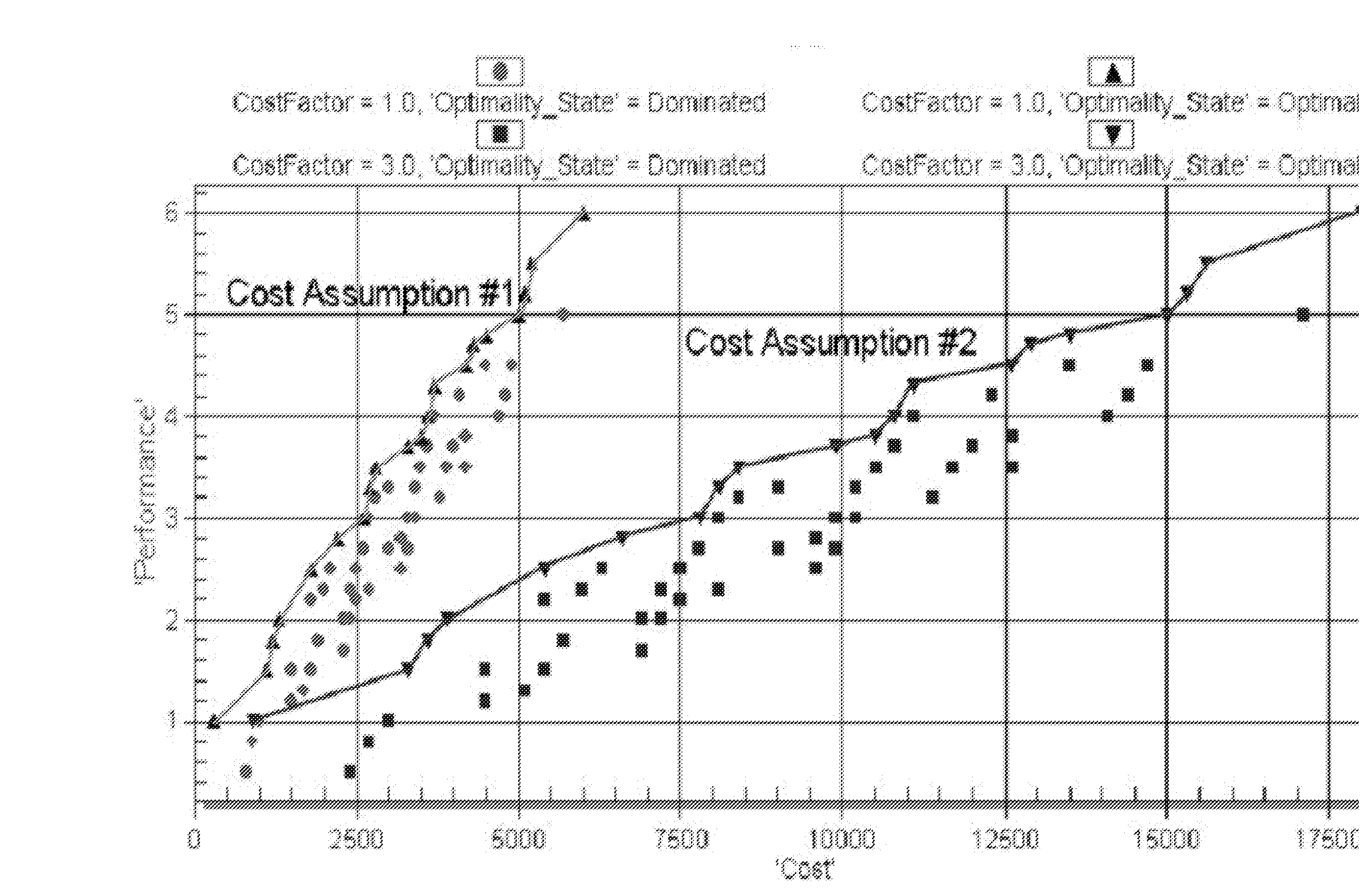
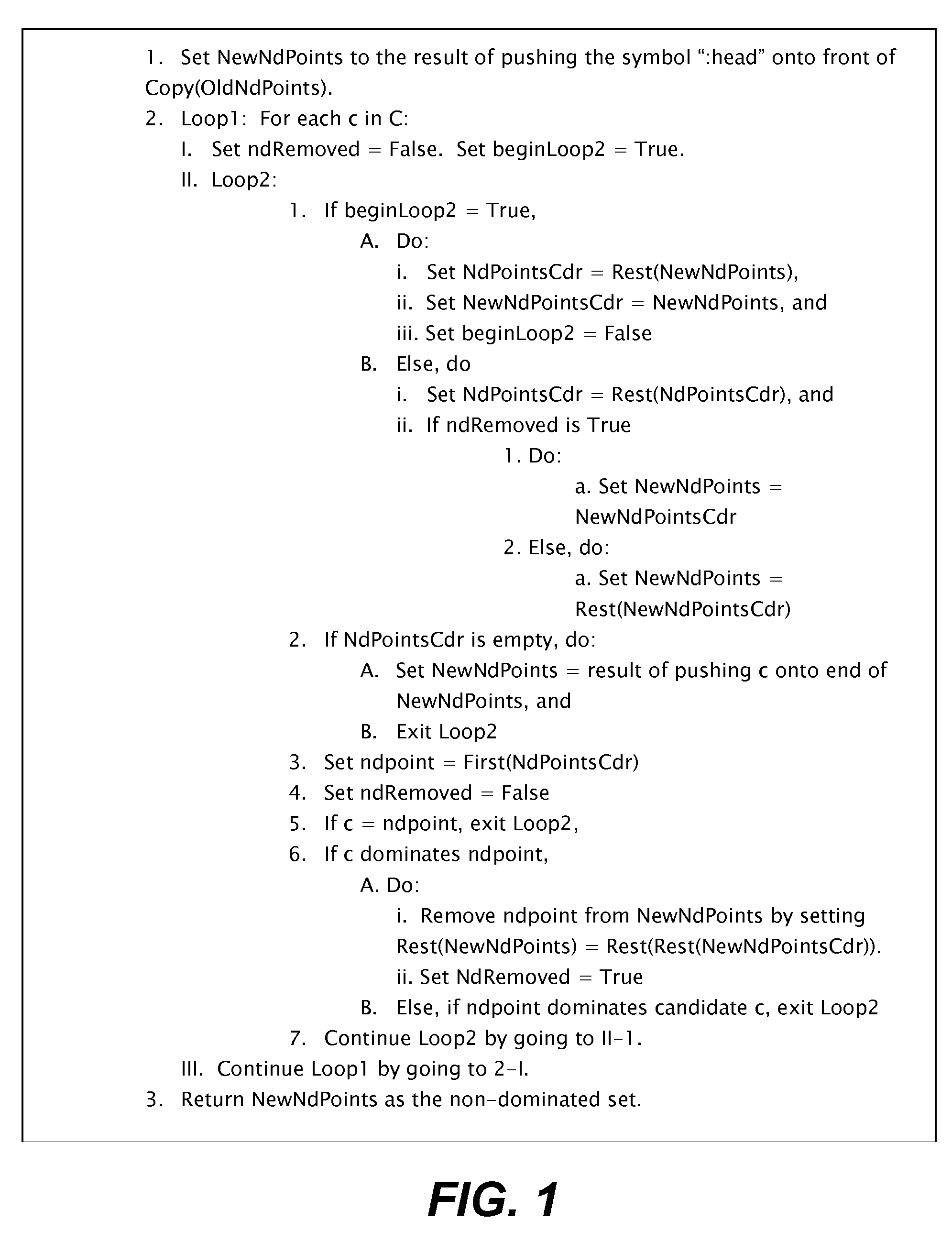
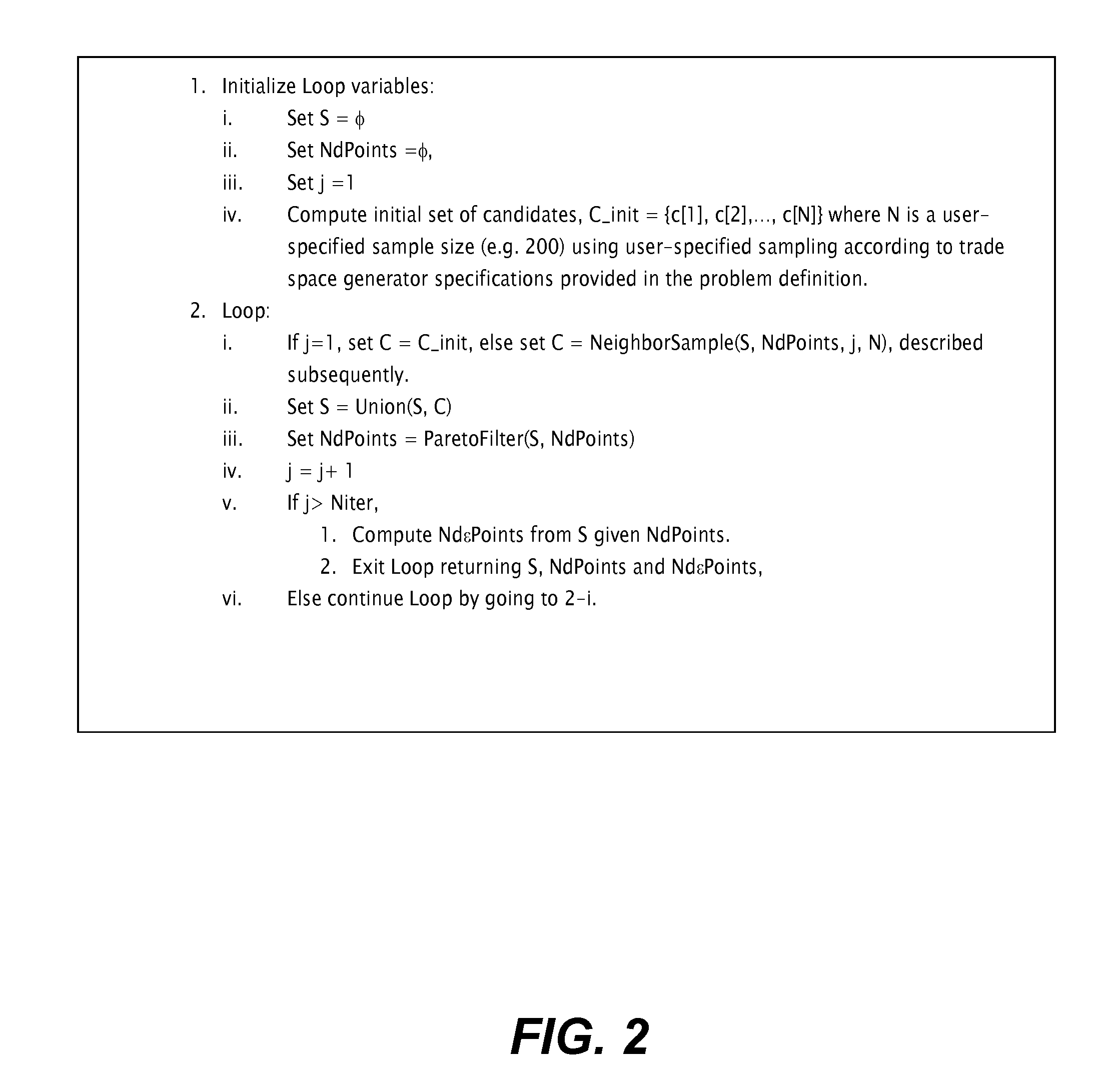
- Integration of Multi-Objective Optimization (MOO) with Constraint Management Systems (CMS) and robust nonlinear equation solvers, allowing users to switch input and output variables, decomposing equality constraints for efficient management and automating the search for 'interesting' designs within the trade space.

Safety Standards and Compliance for MPC Systems
Multi Point Constraint (MPC) systems operate within a complex regulatory landscape that demands strict adherence to established safety standards and compliance frameworks. The implementation of these systems must align with international safety standards such as ISO 26262 for automotive applications, IEC 61508 for general functional safety, and DO-178C for aerospace systems. These standards provide comprehensive guidelines for safety lifecycle management, hazard analysis, and risk assessment procedures that are fundamental to MPC system deployment.
Functional safety requirements constitute the cornerstone of MPC system compliance, establishing Safety Integrity Levels (SIL) that define the probability of failure on demand. For automotive MPC applications, ASIL (Automotive Safety Integrity Level) classifications range from ASIL-A to ASIL-D, with ASIL-D representing the highest safety criticality. Each level imposes specific requirements for redundancy, fault detection, and fail-safe mechanisms that must be integrated into the constraint management architecture.
Regulatory compliance extends beyond technical standards to encompass industry-specific mandates. In automotive sectors, compliance with FMVSS (Federal Motor Vehicle Safety Standards) and ECE regulations is mandatory. Aerospace applications must satisfy FAA and EASA certification requirements, while industrial automation systems must comply with OSHA and CE marking directives. These regulations establish minimum performance thresholds and testing protocols for safety-critical constraint systems.
Certification processes for MPC systems involve rigorous documentation and validation procedures. Safety cases must demonstrate systematic hazard identification, risk mitigation strategies, and verification of safety requirements throughout the system lifecycle. Independent safety assessors evaluate design documentation, test results, and operational procedures to ensure compliance with applicable standards. The certification timeline typically spans 12-24 months depending on system complexity and regulatory jurisdiction.
Ongoing compliance monitoring requires continuous assessment of system performance against established safety metrics. Real-time monitoring systems track constraint violation frequencies, response times, and system degradation patterns. Regular safety audits and periodic recertification ensure sustained compliance as system configurations evolve and operational environments change. Documentation maintenance and traceability systems support regulatory inspections and facilitate continuous improvement initiatives.
Functional safety requirements constitute the cornerstone of MPC system compliance, establishing Safety Integrity Levels (SIL) that define the probability of failure on demand. For automotive MPC applications, ASIL (Automotive Safety Integrity Level) classifications range from ASIL-A to ASIL-D, with ASIL-D representing the highest safety criticality. Each level imposes specific requirements for redundancy, fault detection, and fail-safe mechanisms that must be integrated into the constraint management architecture.
Regulatory compliance extends beyond technical standards to encompass industry-specific mandates. In automotive sectors, compliance with FMVSS (Federal Motor Vehicle Safety Standards) and ECE regulations is mandatory. Aerospace applications must satisfy FAA and EASA certification requirements, while industrial automation systems must comply with OSHA and CE marking directives. These regulations establish minimum performance thresholds and testing protocols for safety-critical constraint systems.
Certification processes for MPC systems involve rigorous documentation and validation procedures. Safety cases must demonstrate systematic hazard identification, risk mitigation strategies, and verification of safety requirements throughout the system lifecycle. Independent safety assessors evaluate design documentation, test results, and operational procedures to ensure compliance with applicable standards. The certification timeline typically spans 12-24 months depending on system complexity and regulatory jurisdiction.
Ongoing compliance monitoring requires continuous assessment of system performance against established safety metrics. Real-time monitoring systems track constraint violation frequencies, response times, and system degradation patterns. Regular safety audits and periodic recertification ensure sustained compliance as system configurations evolve and operational environments change. Documentation maintenance and traceability systems support regulatory inspections and facilitate continuous improvement initiatives.
Risk Assessment Framework for MPC Implementation
The establishment of a comprehensive risk assessment framework for Multi Point Constraint (MPC) implementation requires systematic identification and evaluation of potential hazards across multiple operational dimensions. This framework serves as the foundational element for ensuring safe deployment of MPC strategies in complex industrial environments where multiple constraints must be simultaneously managed and optimized.
Risk categorization forms the cornerstone of effective MPC risk assessment, encompassing operational risks related to constraint conflicts, system stability risks arising from simultaneous multi-point control actions, and safety-critical risks associated with constraint violation scenarios. Each category demands specific evaluation methodologies and mitigation protocols tailored to the unique characteristics of multi-constraint environments.
The quantitative risk evaluation methodology integrates probabilistic analysis with deterministic safety margins to assess the likelihood and severity of constraint-related failures. This approach employs Monte Carlo simulations to model uncertainty propagation across multiple constraint points, while incorporating real-time system state monitoring to dynamically adjust risk assessments based on current operational conditions.
Critical risk indicators for MPC implementation include constraint coupling coefficients that measure interdependencies between different constraint points, stability margins that quantify system robustness under multi-constraint scenarios, and violation probability metrics that assess the likelihood of simultaneous constraint breaches. These indicators provide quantitative measures for continuous risk monitoring and early warning system activation.
The framework incorporates adaptive risk thresholds that automatically adjust based on system operating conditions, environmental factors, and historical performance data. This dynamic approach ensures that risk assessment remains relevant and accurate across varying operational scenarios while maintaining conservative safety margins during high-uncertainty periods.
Implementation protocols within the risk assessment framework define clear escalation procedures for different risk levels, automated constraint relaxation strategies when risk thresholds are exceeded, and emergency response procedures for critical risk scenarios. These protocols ensure rapid and appropriate responses to emerging risks while maintaining overall system performance objectives.
Regular framework validation through simulation testing, historical incident analysis, and performance benchmarking ensures continuous improvement and adaptation to evolving operational requirements and emerging risk patterns in MPC implementations.
Risk categorization forms the cornerstone of effective MPC risk assessment, encompassing operational risks related to constraint conflicts, system stability risks arising from simultaneous multi-point control actions, and safety-critical risks associated with constraint violation scenarios. Each category demands specific evaluation methodologies and mitigation protocols tailored to the unique characteristics of multi-constraint environments.
The quantitative risk evaluation methodology integrates probabilistic analysis with deterministic safety margins to assess the likelihood and severity of constraint-related failures. This approach employs Monte Carlo simulations to model uncertainty propagation across multiple constraint points, while incorporating real-time system state monitoring to dynamically adjust risk assessments based on current operational conditions.
Critical risk indicators for MPC implementation include constraint coupling coefficients that measure interdependencies between different constraint points, stability margins that quantify system robustness under multi-constraint scenarios, and violation probability metrics that assess the likelihood of simultaneous constraint breaches. These indicators provide quantitative measures for continuous risk monitoring and early warning system activation.
The framework incorporates adaptive risk thresholds that automatically adjust based on system operating conditions, environmental factors, and historical performance data. This dynamic approach ensures that risk assessment remains relevant and accurate across varying operational scenarios while maintaining conservative safety margins during high-uncertainty periods.
Implementation protocols within the risk assessment framework define clear escalation procedures for different risk levels, automated constraint relaxation strategies when risk thresholds are exceeded, and emergency response procedures for critical risk scenarios. These protocols ensure rapid and appropriate responses to emerging risks while maintaining overall system performance objectives.
Regular framework validation through simulation testing, historical incident analysis, and performance benchmarking ensures continuous improvement and adaptation to evolving operational requirements and emerging risk patterns in MPC implementations.
Unlock deeper insights with Patsnap Eureka Quick Research — get a full tech report to explore trends and direct your research. Try now!
Generate Your Research Report Instantly with AI Agent
Supercharge your innovation with Patsnap Eureka AI Agent Platform!