
Ensuring Load Path Clarity with Multi Point Constraint
MAR 13, 20269 MIN READ
Generate Your Research Report Instantly with AI Agent
Patsnap Eureka helps you evaluate technical feasibility & market potential.
Multi-Point Constraint Load Path Background and Objectives
Multi-point constraint systems have emerged as critical components in modern structural engineering, particularly in aerospace, automotive, and civil engineering applications where complex load distributions must be managed effectively. These systems involve multiple connection points that simultaneously transfer loads between structural elements, creating intricate load paths that require careful analysis and optimization to ensure structural integrity and performance.
The evolution of multi-point constraint applications has been driven by the increasing complexity of modern engineering structures and the demand for lightweight, high-performance designs. Traditional single-point or simple connection methods often prove inadequate for distributing loads efficiently across complex geometries, leading to stress concentrations and potential failure points. This limitation has necessitated the development of sophisticated multi-point constraint methodologies that can handle diverse loading conditions while maintaining structural clarity.
Load path clarity represents a fundamental challenge in multi-point constraint systems, as the simultaneous activation of multiple constraint points creates complex force redistribution patterns. Engineers must understand how loads flow through these interconnected systems to predict structural behavior accurately, optimize material usage, and prevent unexpected failure modes. The lack of clear load path definition can result in over-conservative designs, increased weight, and reduced structural efficiency.
Current industry practices often rely on simplified analytical models or computationally intensive finite element analyses that may not fully capture the nuanced behavior of multi-point constraint systems. This gap between theoretical understanding and practical implementation has created a pressing need for improved methodologies that can provide clear, predictable load path definitions while maintaining computational efficiency and design practicality.
The primary objective of this research focuses on developing comprehensive frameworks for ensuring load path clarity in multi-point constraint systems. This involves establishing clear methodologies for identifying, quantifying, and visualizing load transfer mechanisms across multiple constraint points, enabling engineers to make informed design decisions based on well-understood structural behavior.
Secondary objectives include developing standardized approaches for constraint point optimization, creating design guidelines that ensure predictable load path behavior, and establishing verification methods that can validate load path clarity in both analytical and experimental contexts. These objectives collectively aim to bridge the gap between complex multi-point constraint theory and practical engineering applications.
The evolution of multi-point constraint applications has been driven by the increasing complexity of modern engineering structures and the demand for lightweight, high-performance designs. Traditional single-point or simple connection methods often prove inadequate for distributing loads efficiently across complex geometries, leading to stress concentrations and potential failure points. This limitation has necessitated the development of sophisticated multi-point constraint methodologies that can handle diverse loading conditions while maintaining structural clarity.
Load path clarity represents a fundamental challenge in multi-point constraint systems, as the simultaneous activation of multiple constraint points creates complex force redistribution patterns. Engineers must understand how loads flow through these interconnected systems to predict structural behavior accurately, optimize material usage, and prevent unexpected failure modes. The lack of clear load path definition can result in over-conservative designs, increased weight, and reduced structural efficiency.
Current industry practices often rely on simplified analytical models or computationally intensive finite element analyses that may not fully capture the nuanced behavior of multi-point constraint systems. This gap between theoretical understanding and practical implementation has created a pressing need for improved methodologies that can provide clear, predictable load path definitions while maintaining computational efficiency and design practicality.
The primary objective of this research focuses on developing comprehensive frameworks for ensuring load path clarity in multi-point constraint systems. This involves establishing clear methodologies for identifying, quantifying, and visualizing load transfer mechanisms across multiple constraint points, enabling engineers to make informed design decisions based on well-understood structural behavior.
Secondary objectives include developing standardized approaches for constraint point optimization, creating design guidelines that ensure predictable load path behavior, and establishing verification methods that can validate load path clarity in both analytical and experimental contexts. These objectives collectively aim to bridge the gap between complex multi-point constraint theory and practical engineering applications.
Market Demand for Advanced Structural Analysis Solutions
The aerospace and automotive industries are experiencing unprecedented demand for sophisticated structural analysis solutions, driven by the increasing complexity of modern engineering designs and stringent safety requirements. Multi-point constraint systems have become integral to contemporary structural designs, particularly in aircraft fuselages, automotive chassis, and complex mechanical assemblies where load distribution must be precisely understood and controlled.
Current market dynamics reveal a significant gap between existing analysis capabilities and industry requirements for load path visualization in constrained systems. Traditional finite element analysis tools often struggle to provide clear, intuitive representations of load flow through structures with multiple constraint points, leading to potential design oversights and inefficient material utilization. This limitation has created substantial market opportunities for advanced solutions that can effectively address load path clarity challenges.
The growing emphasis on lightweight design optimization across industries has intensified the need for precise load path understanding. Engineers require tools that can clearly demonstrate how forces traverse through structures under various constraint configurations, enabling them to optimize material placement and reduce unnecessary weight while maintaining structural integrity. This demand is particularly acute in sectors where weight reduction directly translates to operational cost savings and performance improvements.
Regulatory compliance requirements further drive market demand, as certification authorities increasingly require comprehensive documentation of load paths in safety-critical applications. The ability to clearly demonstrate and validate load transfer mechanisms through multi-point constrained structures has become essential for regulatory approval processes, creating a mandatory market driver beyond performance optimization considerations.
The emergence of additive manufacturing and advanced composite materials has introduced new design possibilities that traditional analysis methods cannot adequately address. These technologies enable complex geometries and material distributions that require sophisticated load path analysis capabilities, expanding the addressable market for advanced structural analysis solutions.
Market research indicates strong growth potential in sectors including commercial aviation, electric vehicle development, renewable energy infrastructure, and high-performance manufacturing equipment. Organizations in these sectors are actively seeking solutions that can provide clear load path visualization while handling the computational complexity of multi-point constraint scenarios, representing a substantial and expanding market opportunity for innovative structural analysis technologies.
Current market dynamics reveal a significant gap between existing analysis capabilities and industry requirements for load path visualization in constrained systems. Traditional finite element analysis tools often struggle to provide clear, intuitive representations of load flow through structures with multiple constraint points, leading to potential design oversights and inefficient material utilization. This limitation has created substantial market opportunities for advanced solutions that can effectively address load path clarity challenges.
The growing emphasis on lightweight design optimization across industries has intensified the need for precise load path understanding. Engineers require tools that can clearly demonstrate how forces traverse through structures under various constraint configurations, enabling them to optimize material placement and reduce unnecessary weight while maintaining structural integrity. This demand is particularly acute in sectors where weight reduction directly translates to operational cost savings and performance improvements.
Regulatory compliance requirements further drive market demand, as certification authorities increasingly require comprehensive documentation of load paths in safety-critical applications. The ability to clearly demonstrate and validate load transfer mechanisms through multi-point constrained structures has become essential for regulatory approval processes, creating a mandatory market driver beyond performance optimization considerations.
The emergence of additive manufacturing and advanced composite materials has introduced new design possibilities that traditional analysis methods cannot adequately address. These technologies enable complex geometries and material distributions that require sophisticated load path analysis capabilities, expanding the addressable market for advanced structural analysis solutions.
Market research indicates strong growth potential in sectors including commercial aviation, electric vehicle development, renewable energy infrastructure, and high-performance manufacturing equipment. Organizations in these sectors are actively seeking solutions that can provide clear load path visualization while handling the computational complexity of multi-point constraint scenarios, representing a substantial and expanding market opportunity for innovative structural analysis technologies.
Current Challenges in Load Path Visualization with MPC
Load path visualization in multi-point constraint (MPC) systems faces significant computational complexity challenges that impede real-time analysis and decision-making processes. The primary difficulty stems from the exponential increase in calculation requirements as the number of constraint points grows, creating bottlenecks in processing large-scale structural models. Current visualization algorithms struggle to efficiently handle the interconnected nature of MPC systems, where forces and moments are distributed across multiple nodes simultaneously.
Traditional visualization methods often fail to accurately represent the true load distribution patterns in MPC configurations, leading to misleading interpretations of structural behavior. The conventional approach of displaying individual load vectors becomes inadequate when dealing with coupled constraints, as it cannot effectively illustrate the collective influence of multiple constraint points on the overall load path. This limitation results in incomplete understanding of critical load transfer mechanisms.
Scalability represents another major obstacle in current MPC load path visualization systems. As engineering projects become increasingly complex, with thousands of constraint points and intricate geometric configurations, existing visualization tools demonstrate poor performance and reduced accuracy. The computational overhead associated with real-time updates during design iterations creates significant delays in the analysis workflow, hampering engineering productivity.
Integration challenges between different software platforms further complicate load path visualization efforts. Many existing tools operate in isolation, lacking seamless data exchange capabilities with popular finite element analysis packages. This fragmentation forces engineers to rely on manual data transfer processes, introducing potential errors and reducing overall system reliability.
The absence of standardized visualization protocols for MPC systems creates inconsistencies across different analysis platforms. Engineers working on collaborative projects often encounter difficulties in interpreting load path representations generated by different software tools, leading to communication gaps and potential design errors. Current visualization standards fail to address the unique requirements of multi-point constraint systems adequately.
User interface limitations in existing tools present additional barriers to effective load path interpretation. Many current systems lack intuitive controls for manipulating complex MPC visualizations, making it difficult for engineers to explore different viewing angles, filter specific load components, or highlight critical load transfer regions. The steep learning curve associated with these tools often discourages widespread adoption in engineering teams.
Traditional visualization methods often fail to accurately represent the true load distribution patterns in MPC configurations, leading to misleading interpretations of structural behavior. The conventional approach of displaying individual load vectors becomes inadequate when dealing with coupled constraints, as it cannot effectively illustrate the collective influence of multiple constraint points on the overall load path. This limitation results in incomplete understanding of critical load transfer mechanisms.
Scalability represents another major obstacle in current MPC load path visualization systems. As engineering projects become increasingly complex, with thousands of constraint points and intricate geometric configurations, existing visualization tools demonstrate poor performance and reduced accuracy. The computational overhead associated with real-time updates during design iterations creates significant delays in the analysis workflow, hampering engineering productivity.
Integration challenges between different software platforms further complicate load path visualization efforts. Many existing tools operate in isolation, lacking seamless data exchange capabilities with popular finite element analysis packages. This fragmentation forces engineers to rely on manual data transfer processes, introducing potential errors and reducing overall system reliability.
The absence of standardized visualization protocols for MPC systems creates inconsistencies across different analysis platforms. Engineers working on collaborative projects often encounter difficulties in interpreting load path representations generated by different software tools, leading to communication gaps and potential design errors. Current visualization standards fail to address the unique requirements of multi-point constraint systems adequately.
User interface limitations in existing tools present additional barriers to effective load path interpretation. Many current systems lack intuitive controls for manipulating complex MPC visualizations, making it difficult for engineers to explore different viewing angles, filter specific load components, or highlight critical load transfer regions. The steep learning curve associated with these tools often discourages widespread adoption in engineering teams.
Existing MPC Load Path Identification Methods
01 Multi-point constraint modeling and simulation methods
Advanced modeling techniques are employed to represent multi-point constraints in structural analysis systems. These methods involve establishing mathematical models that accurately capture the relationships between multiple constraint points, enabling precise simulation of load distribution and structural behavior. The approaches include finite element modeling, constraint equation formulation, and computational algorithms that handle complex boundary conditions across multiple connection points.- Multi-point constraint modeling and simulation methods: Methods for establishing and simulating multi-point constraint (MPC) models in structural analysis to clarify load transfer paths. These approaches involve defining constraint equations between multiple nodes or degrees of freedom, enabling accurate representation of load distribution and transmission through complex structures. The methods typically include mathematical formulations and computational algorithms for solving constraint systems.
- Load path visualization and analysis techniques: Techniques for visualizing and analyzing load paths in structures with multi-point constraints. These methods employ graphical representations, color mapping, and vector displays to illustrate how forces and moments transfer through constrained points. The visualization approaches help engineers identify critical load paths, stress concentrations, and potential failure modes in complex assemblies.
- Optimization of multi-point constraint configurations: Optimization methods for determining optimal configurations of multi-point constraints to achieve desired load path characteristics. These techniques involve iterative algorithms, topology optimization, and sensitivity analysis to identify the most efficient constraint arrangements. The optimization considers factors such as stiffness distribution, weight reduction, and manufacturing constraints.
- Multi-point constraint application in finite element analysis: Implementation methods for multi-point constraints in finite element analysis software to ensure accurate load path representation. These approaches include specialized element formulations, constraint enforcement algorithms, and numerical integration schemes. The methods address issues such as constraint compatibility, numerical stability, and computational efficiency in large-scale simulations.
- Load path validation and verification methods: Methods for validating and verifying load paths in structures with multi-point constraints through experimental testing and numerical correlation. These approaches combine physical testing, strain measurement, and digital image correlation with computational predictions to confirm load transfer mechanisms. The validation techniques ensure that the assumed constraint behavior matches actual structural response.
02 Load path visualization and analysis techniques
Techniques for visualizing and analyzing load paths in structures with multiple constraint points are developed to enhance clarity and understanding. These methods include graphical representation tools, color-coded stress distribution maps, and interactive visualization interfaces that allow engineers to trace force flow through complex structures. The visualization approaches help identify critical load paths, potential failure points, and optimize structural design by making load transfer mechanisms more transparent and comprehensible.Expand Specific Solutions03 Optimization algorithms for multi-point constraint systems
Optimization algorithms are applied to improve the efficiency and performance of structures with multi-point constraints. These algorithms analyze various constraint configurations, evaluate load distribution patterns, and determine optimal arrangements that minimize stress concentrations while maintaining structural integrity. The methods incorporate iterative computational processes, sensitivity analysis, and objective function optimization to achieve balanced load paths and enhanced structural performance.Expand Specific Solutions04 Automated constraint detection and path tracing systems
Automated systems are developed to detect multi-point constraints and trace load paths through complex structures. These systems utilize pattern recognition algorithms, topology analysis, and automated mesh generation to identify constraint locations and map force transmission routes. The automation reduces manual effort, improves accuracy in identifying load paths, and provides comprehensive documentation of constraint relationships throughout the structural system.Expand Specific Solutions05 Integration methods for multi-physics constraint analysis
Integration approaches combine multiple physical phenomena in analyzing structures with multi-point constraints. These methods account for coupled effects such as thermal-structural interactions, fluid-structure coupling, and dynamic loading conditions that influence load path behavior. The integrated analysis frameworks provide comprehensive understanding of how various physical factors affect constraint performance and load distribution, enabling more robust design solutions for complex engineering applications.Expand Specific Solutions
Key Players in Structural Analysis Software Industry
The research on ensuring load path clarity with multi-point constraints represents an emerging field within structural engineering and computational mechanics, currently in its early development stage. The market remains relatively niche, primarily driven by aerospace, automotive, and advanced manufacturing sectors requiring precise structural analysis capabilities. Technology maturity varies significantly across key players, with established technology giants like Huawei Technologies, Intel Corp., and Siemens Industry Software NV leading in computational infrastructure and simulation capabilities. Academic institutions including Tsinghua University, Beihang University, and Nanjing University of Aeronautics & Astronautics contribute fundamental research advancements. Network technology companies such as Cisco Technology, Juniper Networks, and Ericsson provide supporting computational frameworks, while specialized firms like The Charles Stark Draper Laboratory focus on precision engineering applications. The competitive landscape shows fragmented development with no dominant market leader, indicating significant growth potential as multi-point constraint optimization becomes increasingly critical for complex structural systems.
Huawei Technologies Co., Ltd.
Technical Solution: Huawei has developed distributed constraint solving frameworks for telecommunications infrastructure that can be adapted for multi-point constraint problems. Their approach utilizes machine learning algorithms combined with graph theory to optimize constraint satisfaction in complex network topologies. The system employs distributed computing architectures to handle large-scale constraint problems and provides real-time monitoring of constraint violations. Their technology includes automated constraint propagation mechanisms and adaptive optimization algorithms that maintain system stability while ensuring load path clarity through hierarchical constraint management.
Strengths: Scalable distributed architecture, AI-enhanced optimization, robust real-time performance. Weaknesses: Limited domain-specific expertise in structural engineering, primarily focused on network applications.
Beihang University
Technical Solution: Beihang University has developed innovative research in aerospace structural constraint management, focusing on multi-point constraint algorithms for aircraft design. Their approach combines topology optimization with constraint satisfaction techniques to ensure optimal load path clarity in complex aerospace structures. The research includes novel algorithms for constraint hierarchy management, automated load path identification, and real-time constraint validation systems. Their work emphasizes lightweight constraint representations and efficient propagation mechanisms specifically designed for safety-critical aerospace applications where load path clarity is paramount.
Strengths: Deep aerospace domain expertise, innovative research approaches, safety-critical system focus. Weaknesses: Limited commercial implementation, primarily academic research, scalability concerns for industrial applications.
Core Innovations in Load Transfer Visualization
Communicating constraint information for determining a path subject to such constraints
PatentInactiveUS7948996B2
Innovation
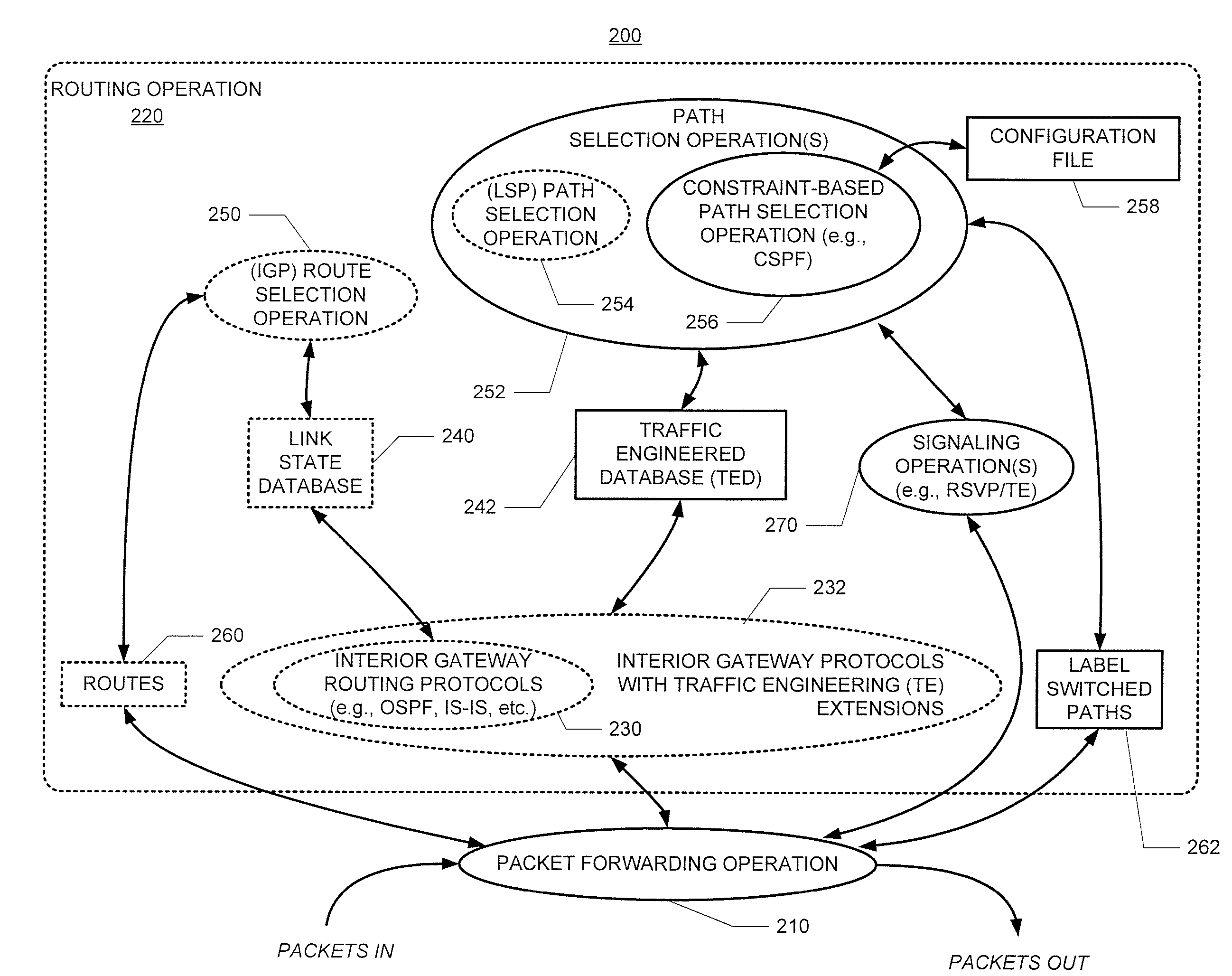
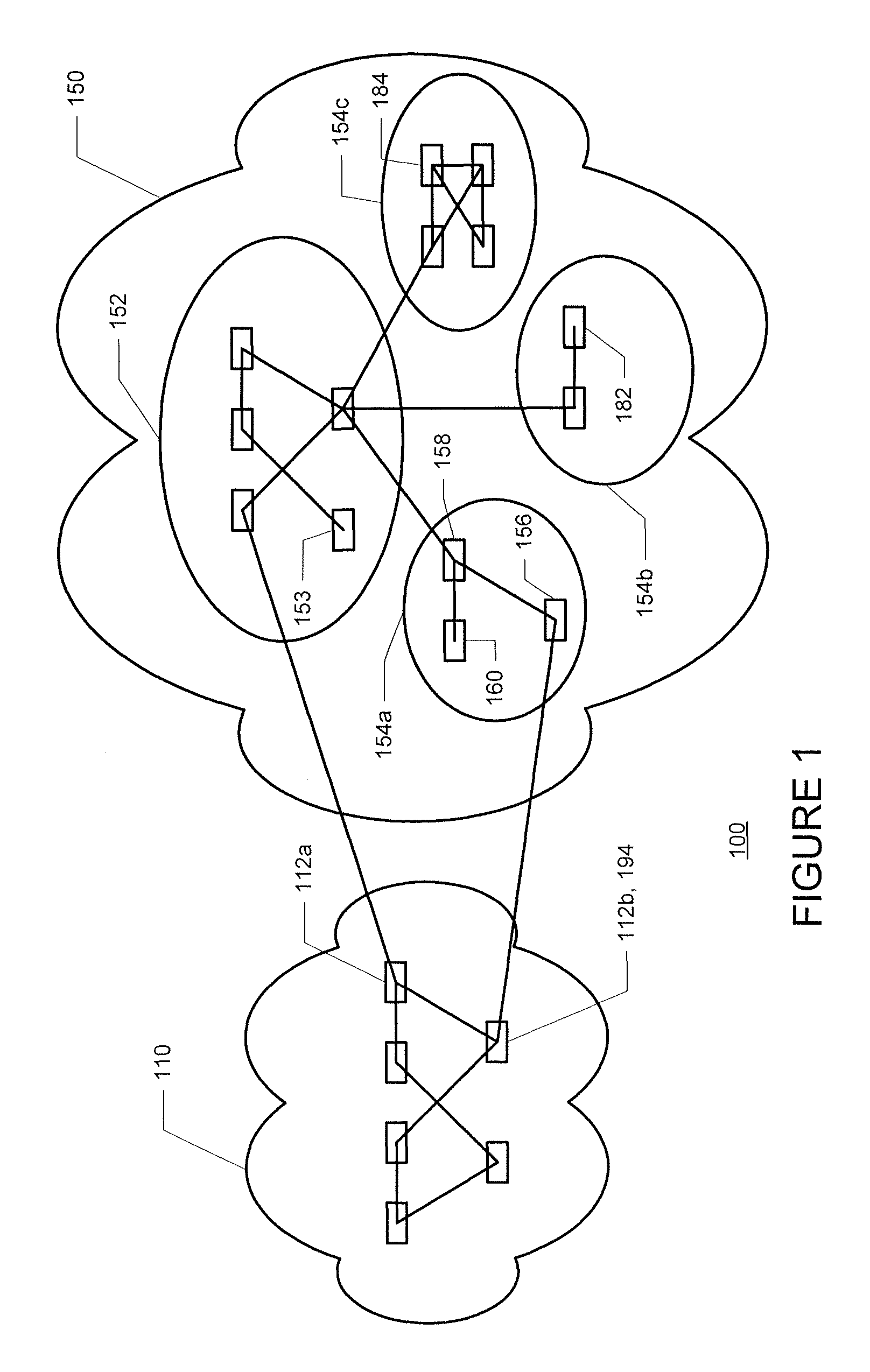
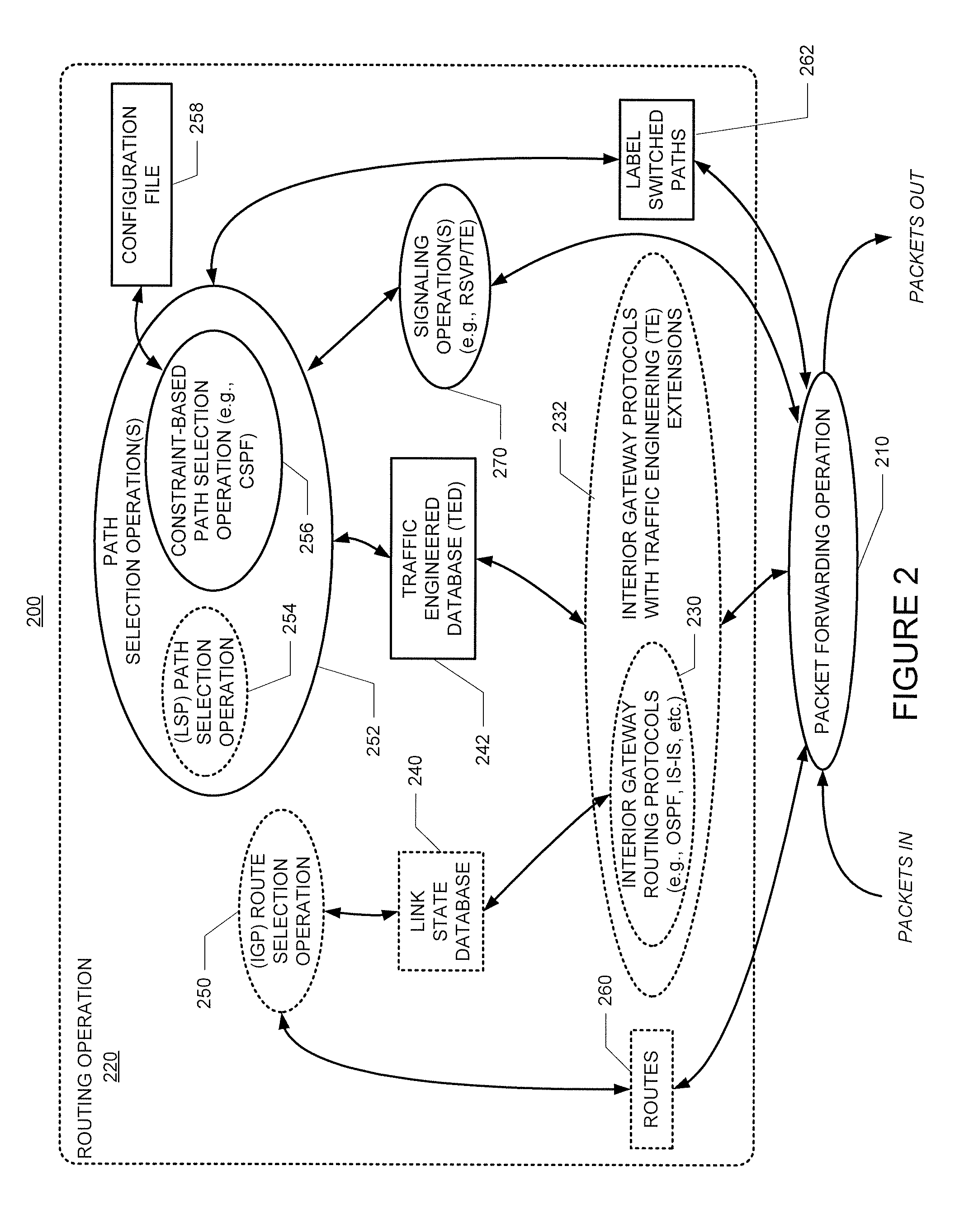
- A method for processing network path determination constraints by nodes in a network to generate a partial path, allowing for the delegation of path determination to downstream nodes, using constraint-based routing techniques such as constrained shortest path first (CSPF) and signaling protocols like RSVP/TE, which encode constraints as executable instructions to apply to links and nodes, ensuring compliance with specified constraints.

Multi-cycle path information verification method and multi-cycle path information verification device
PatentInactiveUS20090070619A1
Innovation
- A method involving analysis and verification steps using formal or dynamic verification to ensure the accuracy of multi-cycle path information extracted from functional specifications, incorporating analysis of circuit configurations and logic synthesis constraints to validate the multi-cycle path information.


Safety Standards for Structural Load Path Analysis
Structural load path analysis in multi-point constraint systems requires adherence to comprehensive safety standards that ensure both analytical accuracy and operational reliability. These standards establish fundamental principles for identifying, analyzing, and validating load transmission mechanisms when multiple constraint points interact within a structural system. The regulatory framework encompasses both international standards such as ISO 12100 and industry-specific guidelines that address the unique challenges posed by complex constraint configurations.
The primary safety standards mandate clear documentation of all load paths, requiring engineers to establish unambiguous force flow diagrams that account for every constraint point and its contribution to overall structural behavior. This documentation must demonstrate how loads are distributed among multiple constraints and identify potential failure modes that could compromise load path integrity. Standards typically require redundancy analysis to ensure that failure of any single constraint point does not result in catastrophic system failure.
Verification protocols within these safety standards demand rigorous testing methodologies that validate theoretical load path models against empirical data. This includes both static and dynamic loading scenarios, with particular emphasis on understanding how constraint interactions affect load redistribution patterns. The standards specify minimum safety factors that must be maintained across all identified load paths, with higher factors required for critical applications where human safety is paramount.
Quality assurance requirements embedded in these standards establish systematic review processes for load path analysis documentation. Independent verification by qualified structural engineers is typically mandated for complex multi-constraint systems, ensuring that all potential load paths have been properly identified and analyzed. These standards also require ongoing monitoring and maintenance protocols to verify that actual load paths continue to match design assumptions throughout the system's operational life.
Compliance with these safety standards necessitates integration of advanced analytical tools and methodologies that can accurately model the complex interactions inherent in multi-point constraint systems. The standards recognize the limitations of simplified analytical approaches and encourage the use of sophisticated finite element analysis techniques when dealing with statically indeterminate systems where load path clarity becomes challenging to establish through conventional methods.
The primary safety standards mandate clear documentation of all load paths, requiring engineers to establish unambiguous force flow diagrams that account for every constraint point and its contribution to overall structural behavior. This documentation must demonstrate how loads are distributed among multiple constraints and identify potential failure modes that could compromise load path integrity. Standards typically require redundancy analysis to ensure that failure of any single constraint point does not result in catastrophic system failure.
Verification protocols within these safety standards demand rigorous testing methodologies that validate theoretical load path models against empirical data. This includes both static and dynamic loading scenarios, with particular emphasis on understanding how constraint interactions affect load redistribution patterns. The standards specify minimum safety factors that must be maintained across all identified load paths, with higher factors required for critical applications where human safety is paramount.
Quality assurance requirements embedded in these standards establish systematic review processes for load path analysis documentation. Independent verification by qualified structural engineers is typically mandated for complex multi-constraint systems, ensuring that all potential load paths have been properly identified and analyzed. These standards also require ongoing monitoring and maintenance protocols to verify that actual load paths continue to match design assumptions throughout the system's operational life.
Compliance with these safety standards necessitates integration of advanced analytical tools and methodologies that can accurately model the complex interactions inherent in multi-point constraint systems. The standards recognize the limitations of simplified analytical approaches and encourage the use of sophisticated finite element analysis techniques when dealing with statically indeterminate systems where load path clarity becomes challenging to establish through conventional methods.
Computational Efficiency in Large-Scale MPC Systems
The computational efficiency of large-scale Model Predictive Control (MPC) systems represents a critical bottleneck in ensuring load path clarity with multi-point constraints. As structural systems become increasingly complex with numerous constraint points, the computational burden grows exponentially, demanding sophisticated optimization strategies to maintain real-time performance capabilities.
Traditional MPC formulations for multi-point constraint problems typically result in quadratic programming problems with dimensions scaling proportionally to the number of constraint points and prediction horizons. This scaling behavior creates significant computational challenges when dealing with large structural systems where hundreds or thousands of constraint points must be simultaneously monitored and controlled to maintain load path integrity.
Modern computational approaches leverage sparse matrix techniques and specialized solvers designed for structured optimization problems. Interior-point methods and active-set algorithms have shown particular promise in handling the large-scale nature of multi-constraint MPC formulations. These methods exploit the inherent sparsity patterns in constraint matrices, reducing computational complexity from cubic to near-linear scaling in many practical scenarios.
Parallel computing architectures offer substantial performance improvements for large-scale MPC implementations. Graphics Processing Units (GPUs) and distributed computing frameworks enable simultaneous processing of multiple constraint evaluations and gradient computations. This parallelization is particularly effective for load path analysis where constraint evaluations can be performed independently across different structural regions.
Advanced decomposition strategies, including distributed MPC and hierarchical control architectures, provide alternative approaches to managing computational complexity. These methods partition large-scale problems into smaller, manageable subproblems while maintaining coordination through consensus algorithms or dual decomposition techniques. Such approaches are especially valuable when dealing with geographically distributed structural systems or when computational resources are limited.
The integration of machine learning techniques, particularly neural network approximations and reinforcement learning, presents emerging opportunities for reducing computational overhead. These methods can provide fast approximations of optimal control actions, serving as warm-start solutions for traditional optimization algorithms or as standalone controllers for less critical applications.
Traditional MPC formulations for multi-point constraint problems typically result in quadratic programming problems with dimensions scaling proportionally to the number of constraint points and prediction horizons. This scaling behavior creates significant computational challenges when dealing with large structural systems where hundreds or thousands of constraint points must be simultaneously monitored and controlled to maintain load path integrity.
Modern computational approaches leverage sparse matrix techniques and specialized solvers designed for structured optimization problems. Interior-point methods and active-set algorithms have shown particular promise in handling the large-scale nature of multi-constraint MPC formulations. These methods exploit the inherent sparsity patterns in constraint matrices, reducing computational complexity from cubic to near-linear scaling in many practical scenarios.
Parallel computing architectures offer substantial performance improvements for large-scale MPC implementations. Graphics Processing Units (GPUs) and distributed computing frameworks enable simultaneous processing of multiple constraint evaluations and gradient computations. This parallelization is particularly effective for load path analysis where constraint evaluations can be performed independently across different structural regions.
Advanced decomposition strategies, including distributed MPC and hierarchical control architectures, provide alternative approaches to managing computational complexity. These methods partition large-scale problems into smaller, manageable subproblems while maintaining coordination through consensus algorithms or dual decomposition techniques. Such approaches are especially valuable when dealing with geographically distributed structural systems or when computational resources are limited.
The integration of machine learning techniques, particularly neural network approximations and reinforcement learning, presents emerging opportunities for reducing computational overhead. These methods can provide fast approximations of optimal control actions, serving as warm-start solutions for traditional optimization algorithms or as standalone controllers for less critical applications.
Unlock deeper insights with Patsnap Eureka Quick Research — get a full tech report to explore trends and direct your research. Try now!
Generate Your Research Report Instantly with AI Agent
Supercharge your innovation with Patsnap Eureka AI Agent Platform!