

Polyketone Low Friction: Advanced Material Solutions For High-Performance Tribological Applications
JUL 10, 20259 MIN READ
Generate Your Research Report Instantly with AI Agent
PatSnap Eureka helps you evaluate technical feasibility & market potential.
Kevlar Evolution and Objectives
Kevlar, a high-strength synthetic fiber, has revolutionized safety engineering since its invention by DuPont in 1965. Initially developed as a replacement for steel in racing tires, Kevlar's exceptional strength-to-weight ratio and heat-resistant properties quickly led to its adoption in various safety applications. The evolution of Kevlar in safety engineering has been marked by continuous improvements in manufacturing processes and the development of new variants with enhanced properties.
In the 1970s, Kevlar found its way into bulletproof vests, significantly improving personal protection for law enforcement and military personnel. This application spurred further research into Kevlar's ballistic properties, leading to the development of more advanced armor systems. The 1980s and 1990s saw Kevlar's expansion into aerospace and automotive industries, where it was used to reinforce composite materials, enhancing structural integrity and crash protection.
The turn of the millennium brought about a new era for Kevlar in safety engineering. Nanotechnology advancements led to the creation of Kevlar nanocomposites, offering even greater strength and durability. These innovations opened up new possibilities in protective gear, structural reinforcements, and impact-resistant materials. Concurrently, researchers began exploring Kevlar's potential in flexible electronics and smart textiles, aiming to integrate sensing and communication capabilities into protective equipment.
Recent developments have focused on improving Kevlar's fire resistance and thermal stability, making it increasingly valuable in firefighting gear and industrial safety applications. Engineers are also investigating Kevlar's role in next-generation transportation safety, including its use in autonomous vehicle sensors and hyperloop pod designs.
The primary objective of Kevlar's evolution in safety engineering is to push the boundaries of material science to create safer, more resilient protective systems. This includes developing lighter yet stronger materials for personal protective equipment, enhancing the energy absorption capabilities of vehicle structures, and creating more durable and flexible materials for use in extreme environments.
Looking forward, the goals for Kevlar in advanced safety engineering techniques include:
1. Enhancing its integration with smart technologies to create responsive protective systems.
2. Improving its sustainability and recyclability to address environmental concerns.
3. Expanding its applications in emerging fields such as space exploration and advanced robotics.
4. Developing hybrid materials that combine Kevlar with other advanced materials to achieve synergistic protective properties.
As safety requirements become more stringent and complex across various industries, the continued evolution of Kevlar remains crucial. Researchers and engineers are committed to unlocking new potentials of this remarkable material, ensuring its relevance in addressing future safety challenges and contributing to the development of innovative protective solutions.
In the 1970s, Kevlar found its way into bulletproof vests, significantly improving personal protection for law enforcement and military personnel. This application spurred further research into Kevlar's ballistic properties, leading to the development of more advanced armor systems. The 1980s and 1990s saw Kevlar's expansion into aerospace and automotive industries, where it was used to reinforce composite materials, enhancing structural integrity and crash protection.
The turn of the millennium brought about a new era for Kevlar in safety engineering. Nanotechnology advancements led to the creation of Kevlar nanocomposites, offering even greater strength and durability. These innovations opened up new possibilities in protective gear, structural reinforcements, and impact-resistant materials. Concurrently, researchers began exploring Kevlar's potential in flexible electronics and smart textiles, aiming to integrate sensing and communication capabilities into protective equipment.
Recent developments have focused on improving Kevlar's fire resistance and thermal stability, making it increasingly valuable in firefighting gear and industrial safety applications. Engineers are also investigating Kevlar's role in next-generation transportation safety, including its use in autonomous vehicle sensors and hyperloop pod designs.
The primary objective of Kevlar's evolution in safety engineering is to push the boundaries of material science to create safer, more resilient protective systems. This includes developing lighter yet stronger materials for personal protective equipment, enhancing the energy absorption capabilities of vehicle structures, and creating more durable and flexible materials for use in extreme environments.
Looking forward, the goals for Kevlar in advanced safety engineering techniques include:
1. Enhancing its integration with smart technologies to create responsive protective systems.
2. Improving its sustainability and recyclability to address environmental concerns.
3. Expanding its applications in emerging fields such as space exploration and advanced robotics.
4. Developing hybrid materials that combine Kevlar with other advanced materials to achieve synergistic protective properties.
As safety requirements become more stringent and complex across various industries, the continued evolution of Kevlar remains crucial. Researchers and engineers are committed to unlocking new potentials of this remarkable material, ensuring its relevance in addressing future safety challenges and contributing to the development of innovative protective solutions.
Safety Engineering Market Analysis
The safety engineering market has witnessed significant growth in recent years, driven by increasing awareness of workplace safety, stringent regulations, and the need for advanced protective solutions across various industries. Kevlar, a high-strength synthetic fiber developed by DuPont, has emerged as a key material in this market due to its exceptional properties and versatility.
The global safety engineering market is projected to expand at a steady pace, with a particular focus on personal protective equipment (PPE) and advanced safety solutions. Kevlar's unique characteristics, including its high tensile strength-to-weight ratio, heat and cut resistance, and durability, position it as a crucial component in this growing market.
In the industrial sector, there is a rising demand for Kevlar-based safety products, such as gloves, helmets, and protective clothing. Industries such as manufacturing, construction, and oil and gas are increasingly adopting Kevlar-enhanced PPE to ensure worker safety in hazardous environments. This trend is expected to continue as companies prioritize employee well-being and compliance with safety regulations.
The automotive and aerospace industries represent another significant market for Kevlar in safety engineering. The material's lightweight nature and impact resistance make it ideal for use in vehicle armor, aircraft components, and protective barriers. As these industries focus on improving safety standards while reducing overall weight, the demand for Kevlar-based solutions is likely to increase.
Law enforcement and military applications continue to be a strong driver for Kevlar in safety engineering. Body armor, ballistic helmets, and vehicle protection systems incorporating Kevlar are in high demand due to ongoing security concerns and the need for advanced protective gear.
The construction industry is also showing increased interest in Kevlar-based safety solutions. From reinforced concrete to blast-resistant structures, Kevlar's ability to enhance structural integrity and provide protection against extreme forces is gaining recognition among architects and engineers.
Market analysis indicates that the Asia-Pacific region is expected to witness the fastest growth in the safety engineering market, driven by rapid industrialization, infrastructure development, and increasing safety awareness. North America and Europe remain significant markets, with a focus on technological advancements and stringent safety regulations.
As the safety engineering market evolves, there is a growing emphasis on developing sustainable and eco-friendly safety solutions. This presents both a challenge and an opportunity for Kevlar, as manufacturers explore ways to improve the material's recyclability and reduce its environmental impact while maintaining its superior protective properties.
The global safety engineering market is projected to expand at a steady pace, with a particular focus on personal protective equipment (PPE) and advanced safety solutions. Kevlar's unique characteristics, including its high tensile strength-to-weight ratio, heat and cut resistance, and durability, position it as a crucial component in this growing market.
In the industrial sector, there is a rising demand for Kevlar-based safety products, such as gloves, helmets, and protective clothing. Industries such as manufacturing, construction, and oil and gas are increasingly adopting Kevlar-enhanced PPE to ensure worker safety in hazardous environments. This trend is expected to continue as companies prioritize employee well-being and compliance with safety regulations.
The automotive and aerospace industries represent another significant market for Kevlar in safety engineering. The material's lightweight nature and impact resistance make it ideal for use in vehicle armor, aircraft components, and protective barriers. As these industries focus on improving safety standards while reducing overall weight, the demand for Kevlar-based solutions is likely to increase.
Law enforcement and military applications continue to be a strong driver for Kevlar in safety engineering. Body armor, ballistic helmets, and vehicle protection systems incorporating Kevlar are in high demand due to ongoing security concerns and the need for advanced protective gear.
The construction industry is also showing increased interest in Kevlar-based safety solutions. From reinforced concrete to blast-resistant structures, Kevlar's ability to enhance structural integrity and provide protection against extreme forces is gaining recognition among architects and engineers.
Market analysis indicates that the Asia-Pacific region is expected to witness the fastest growth in the safety engineering market, driven by rapid industrialization, infrastructure development, and increasing safety awareness. North America and Europe remain significant markets, with a focus on technological advancements and stringent safety regulations.
As the safety engineering market evolves, there is a growing emphasis on developing sustainable and eco-friendly safety solutions. This presents both a challenge and an opportunity for Kevlar, as manufacturers explore ways to improve the material's recyclability and reduce its environmental impact while maintaining its superior protective properties.
Kevlar Technology Status and Challenges
Kevlar, a high-strength synthetic fiber developed by DuPont in the 1960s, has become a cornerstone in advanced safety engineering techniques. Its exceptional strength-to-weight ratio and heat-resistant properties have led to widespread adoption across various industries. However, the current state of Kevlar technology faces several challenges that limit its full potential in safety applications.
One of the primary challenges is the high cost of production. The complex manufacturing process of Kevlar, involving the use of concentrated sulfuric acid and high-temperature spinning, contributes to its expensive nature. This cost factor often restricts its use to high-end applications, limiting broader adoption in everyday safety products.
Another significant challenge lies in Kevlar's inherent stiffness, which can sometimes compromise comfort and flexibility in certain applications. While this property is beneficial for ballistic protection, it can be a drawback in applications requiring more pliability, such as in protective clothing or flexible safety barriers.
The environmental impact of Kevlar production is also a growing concern. The manufacturing process involves the use of harmful chemicals and significant energy consumption, raising questions about its long-term sustainability. As global focus shifts towards eco-friendly materials and processes, this aspect of Kevlar production presents a considerable challenge for future development and adoption.
In terms of technological advancements, researchers are exploring ways to enhance Kevlar's properties further. One area of focus is improving its resistance to UV degradation, as prolonged exposure to sunlight can weaken the fiber over time. Additionally, efforts are being made to develop Kevlar composites that combine its strength with other desirable properties, such as improved heat dissipation or electrical conductivity.
The geographical distribution of Kevlar technology is primarily concentrated in developed countries, with the United States, Japan, and several European nations leading in research and production. This concentration poses challenges in terms of global accessibility and supply chain resilience, particularly in times of geopolitical tensions or disruptions.
Looking at the current technological landscape, there is a growing interest in developing "smart" Kevlar materials. These advanced versions aim to incorporate sensors or reactive elements within the fiber structure, potentially enabling real-time monitoring of stress, temperature, or impact events. However, integrating such technologies while maintaining Kevlar's core protective properties remains a significant technical challenge.
In conclusion, while Kevlar continues to be a crucial material in safety engineering, addressing these challenges – from production costs and environmental concerns to enhancing its properties and expanding its applications – will be key to unlocking its full potential in advanced safety techniques. The ongoing research and development in this field suggest a promising future for Kevlar, with potential breakthroughs that could revolutionize safety engineering across various sectors.
One of the primary challenges is the high cost of production. The complex manufacturing process of Kevlar, involving the use of concentrated sulfuric acid and high-temperature spinning, contributes to its expensive nature. This cost factor often restricts its use to high-end applications, limiting broader adoption in everyday safety products.
Another significant challenge lies in Kevlar's inherent stiffness, which can sometimes compromise comfort and flexibility in certain applications. While this property is beneficial for ballistic protection, it can be a drawback in applications requiring more pliability, such as in protective clothing or flexible safety barriers.
The environmental impact of Kevlar production is also a growing concern. The manufacturing process involves the use of harmful chemicals and significant energy consumption, raising questions about its long-term sustainability. As global focus shifts towards eco-friendly materials and processes, this aspect of Kevlar production presents a considerable challenge for future development and adoption.
In terms of technological advancements, researchers are exploring ways to enhance Kevlar's properties further. One area of focus is improving its resistance to UV degradation, as prolonged exposure to sunlight can weaken the fiber over time. Additionally, efforts are being made to develop Kevlar composites that combine its strength with other desirable properties, such as improved heat dissipation or electrical conductivity.
The geographical distribution of Kevlar technology is primarily concentrated in developed countries, with the United States, Japan, and several European nations leading in research and production. This concentration poses challenges in terms of global accessibility and supply chain resilience, particularly in times of geopolitical tensions or disruptions.
Looking at the current technological landscape, there is a growing interest in developing "smart" Kevlar materials. These advanced versions aim to incorporate sensors or reactive elements within the fiber structure, potentially enabling real-time monitoring of stress, temperature, or impact events. However, integrating such technologies while maintaining Kevlar's core protective properties remains a significant technical challenge.
In conclusion, while Kevlar continues to be a crucial material in safety engineering, addressing these challenges – from production costs and environmental concerns to enhancing its properties and expanding its applications – will be key to unlocking its full potential in advanced safety techniques. The ongoing research and development in this field suggest a promising future for Kevlar, with potential breakthroughs that could revolutionize safety engineering across various sectors.
Current Kevlar Applications in Safety
01 Kevlar-reinforced composite materials
Kevlar fibers are used to reinforce various composite materials, enhancing their strength, durability, and impact resistance. These composites find applications in aerospace, automotive, and protective equipment industries. The incorporation of Kevlar fibers significantly improves the mechanical properties of the resulting materials.- Kevlar-based protective materials: Kevlar is widely used in the development of protective materials due to its high strength and heat resistance. These materials are utilized in various applications such as bulletproof vests, helmets, and other personal protective equipment. The incorporation of Kevlar fibers enhances the overall durability and impact resistance of the protective gear.
- Kevlar composites for aerospace applications: Kevlar is combined with other materials to create lightweight and strong composites for use in aerospace industries. These composites offer improved strength-to-weight ratios, thermal stability, and resistance to fatigue, making them ideal for aircraft and spacecraft components. The integration of Kevlar in aerospace composites contributes to fuel efficiency and overall performance.
- Kevlar-reinforced automotive parts: The automotive industry utilizes Kevlar to reinforce various vehicle components, enhancing their strength and reducing weight. Kevlar-reinforced parts include tires, brake pads, and body panels. This application of Kevlar contributes to improved fuel efficiency, safety, and overall vehicle performance.
- Kevlar in sports equipment: Kevlar is incorporated into various sports equipment to improve durability, strength, and performance. Applications include bicycle tires, tennis rackets, and protective gear for high-impact sports. The use of Kevlar in sports equipment enhances product lifespan and athlete safety.
- Kevlar-based textiles and fabrics: Kevlar fibers are used to create high-performance textiles and fabrics with enhanced strength, heat resistance, and durability. These materials find applications in protective clothing, industrial workwear, and specialized garments for extreme environments. The integration of Kevlar in textiles provides superior protection against cuts, abrasions, and thermal hazards.
02 Kevlar-based protective gear
Kevlar is extensively used in the production of personal protective equipment, including bulletproof vests, helmets, and cut-resistant gloves. Its high tensile strength and lightweight properties make it ideal for creating protective gear that offers superior protection against ballistic threats and sharp objects.Expand Specific Solutions03 Kevlar in textile applications
Kevlar fibers are incorporated into various textile products to enhance their strength, heat resistance, and durability. These applications include fire-resistant clothing, high-performance sportswear, and industrial fabrics. The unique properties of Kevlar contribute to improved safety and performance in these textile products.Expand Specific Solutions04 Kevlar-enhanced structural components
Kevlar is used to reinforce structural components in various industries, including construction, marine, and aerospace. By incorporating Kevlar fibers or fabrics into structural elements, engineers can create lightweight yet strong components that offer improved performance and longevity.Expand Specific Solutions05 Kevlar in advanced manufacturing processes
Innovative manufacturing techniques are being developed to incorporate Kevlar into complex structures and products. These processes include 3D printing with Kevlar-reinforced materials, advanced weaving techniques for Kevlar fabrics, and novel methods for combining Kevlar with other materials to create hybrid composites with enhanced properties.Expand Specific Solutions
Key Players in Kevlar Industry
The competitive landscape for Kevlar's potential in advanced safety engineering techniques is evolving rapidly. The industry is in a growth phase, with increasing market size driven by demand for high-performance materials in safety applications. The technology's maturity is advancing, with key players like DuPont (Kevlar's inventor) leading innovation. Companies such as Honeywell International Technologies Ltd. and China National Petroleum Corp. are exploring Kevlar's applications in their respective fields. Research institutions like Beijing Institute of Technology and Central South University are contributing to technological advancements. The market is characterized by a mix of established chemical companies and emerging materials science firms, indicating a dynamic and competitive environment for Kevlar-based safety solutions.
Rheinmetall Landsysteme GmbH
Technical Solution: Rheinmetall has innovatively incorporated Kevlar into their advanced vehicle protection systems. Their approach combines Kevlar with ceramic materials and high-strength steels to create multi-layered armor solutions. This technology, known as Advanced Modular Armor Protection (AMAP), offers superior ballistic protection while minimizing weight[4]. Rheinmetall's Kevlar-based composites are designed to absorb and dissipate kinetic energy from projectiles and blast effects, significantly enhancing vehicle survivability[5]. The company has also developed Kevlar-reinforced fuel tanks and ammunition storage compartments to reduce the risk of secondary explosions in combat vehicles[6].
Strengths: Exceptional ballistic protection, weight reduction in armored vehicles, and enhanced overall vehicle safety. Weaknesses: High production costs and potential limitations in retrofitting existing vehicles.
United States Steel Corp.
Technical Solution: U.S. Steel has explored the integration of Kevlar fibers into steel composites for enhanced safety applications. Their research focuses on developing hybrid materials that combine the strength and formability of steel with the lightweight and impact-resistant properties of Kevlar. These steel-Kevlar composites are being investigated for use in automotive safety components, such as reinforced door panels and crumple zones[10]. U.S. Steel's approach aims to create materials that offer improved energy absorption during collisions while maintaining the structural integrity and manufacturability required for large-scale automotive production[11]. The company is also exploring the potential of these composites in industrial safety applications, such as protective barriers and equipment housings[12].
Strengths: Potential for significant improvements in automotive safety and industrial protection. Weaknesses: Challenges in large-scale production and integration with existing manufacturing processes.
Kevlar Innovations for Safety Engineering
Protective material
PatentInactiveUS20180292181A1
Innovation
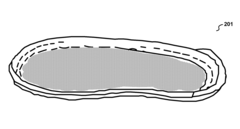
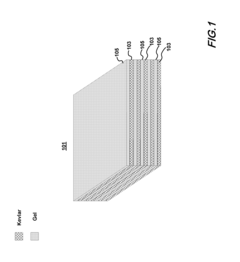
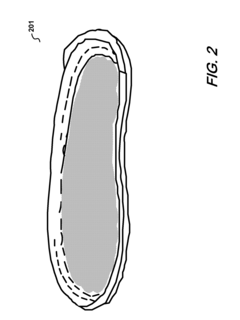
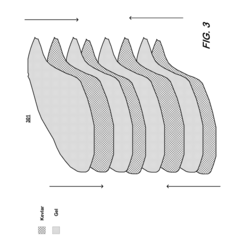
- An enhanced ballistic material is created by interleaving layers of high tensile strength synthetic or polymeric fibers in a mesh weave with a gel matrix material, which remains soft and flexible, allowing for effective projectile stopping while maintaining comfort and flexibility, achieved through the use of heat and pressure to impregnate the gel matrix into the weave layers.
Substantial energy return shoe with optimal low-impact springs, tuned gear change, and smart knee brace
PatentInactiveUS20180220738A1
Innovation
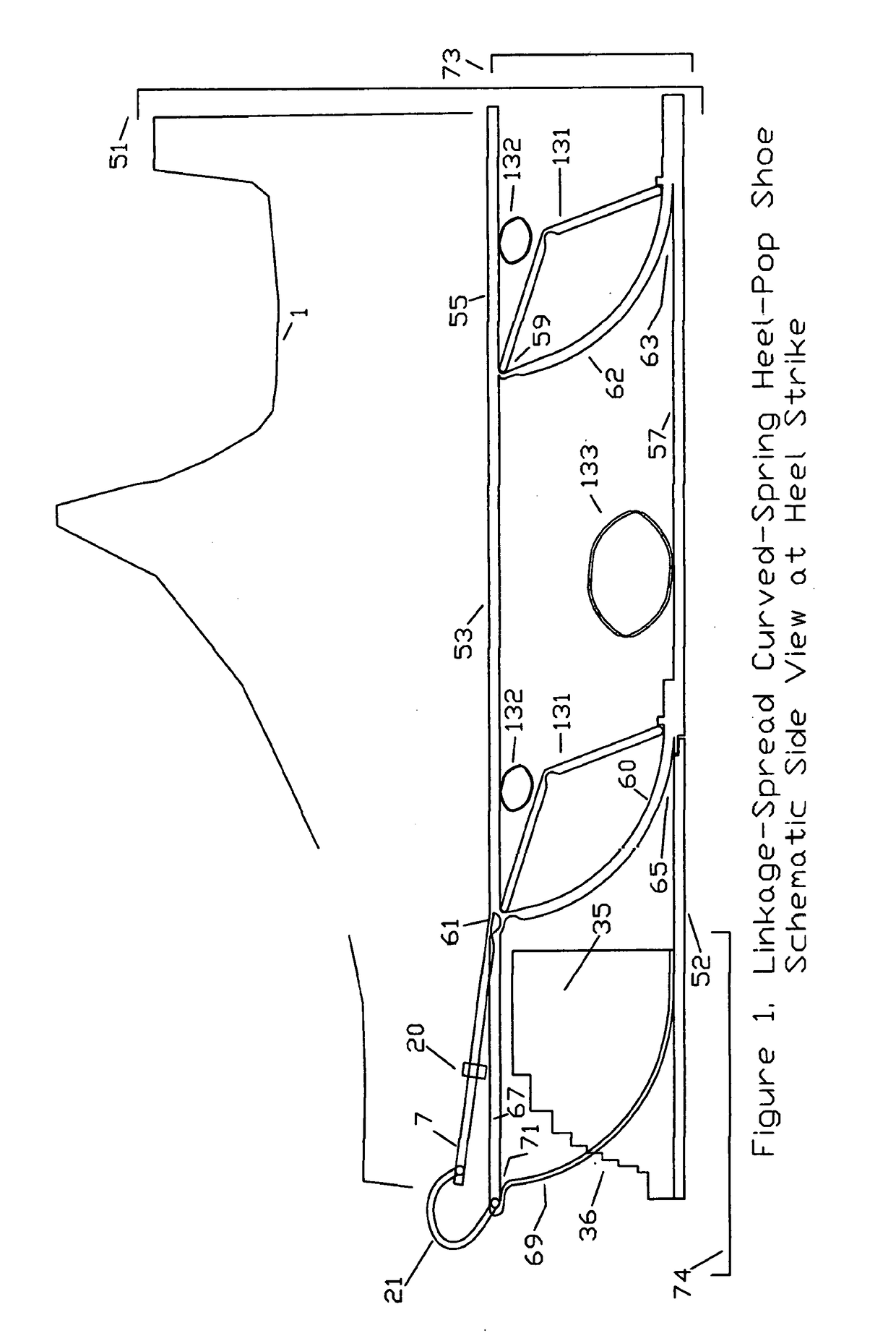
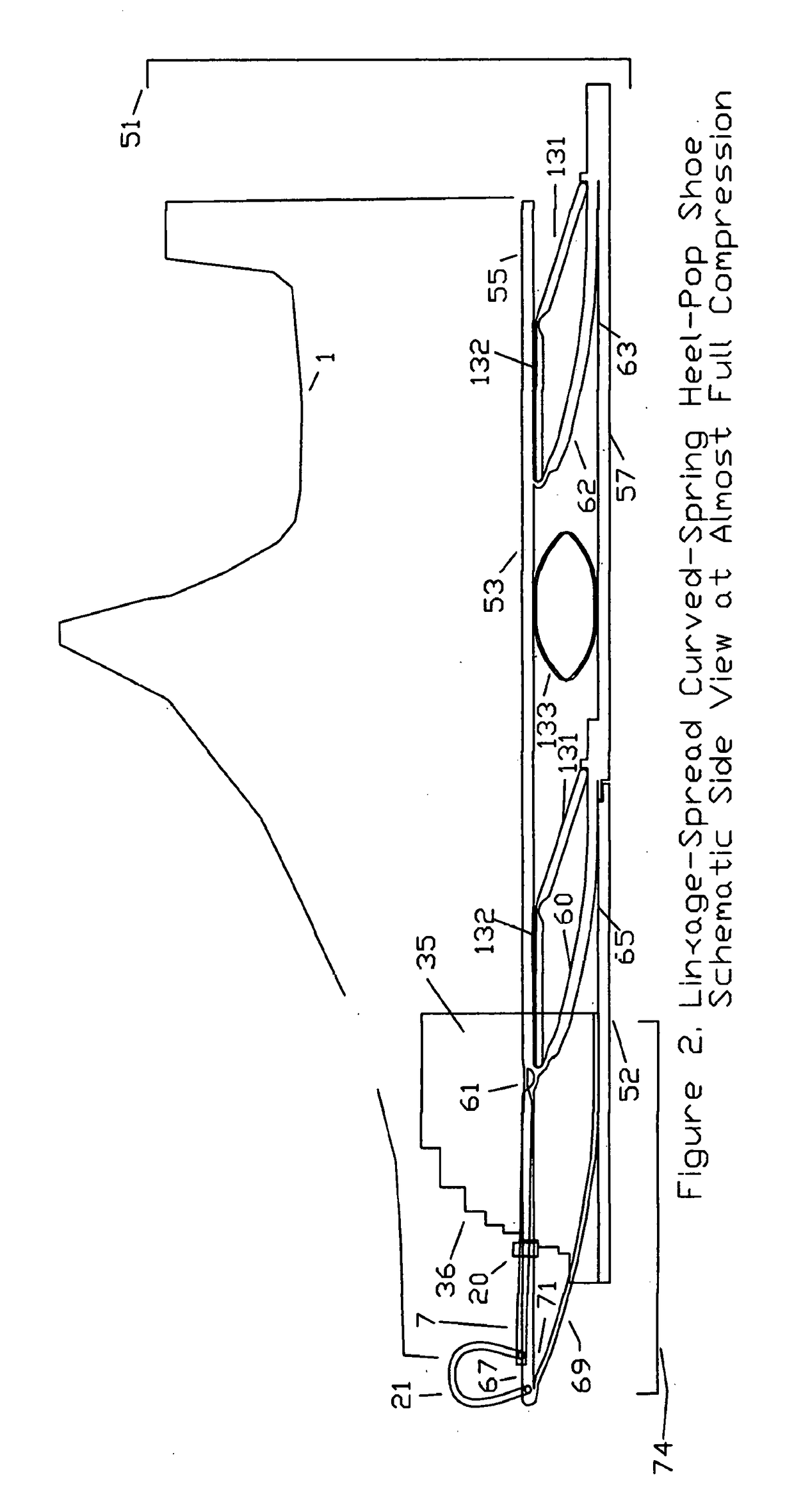
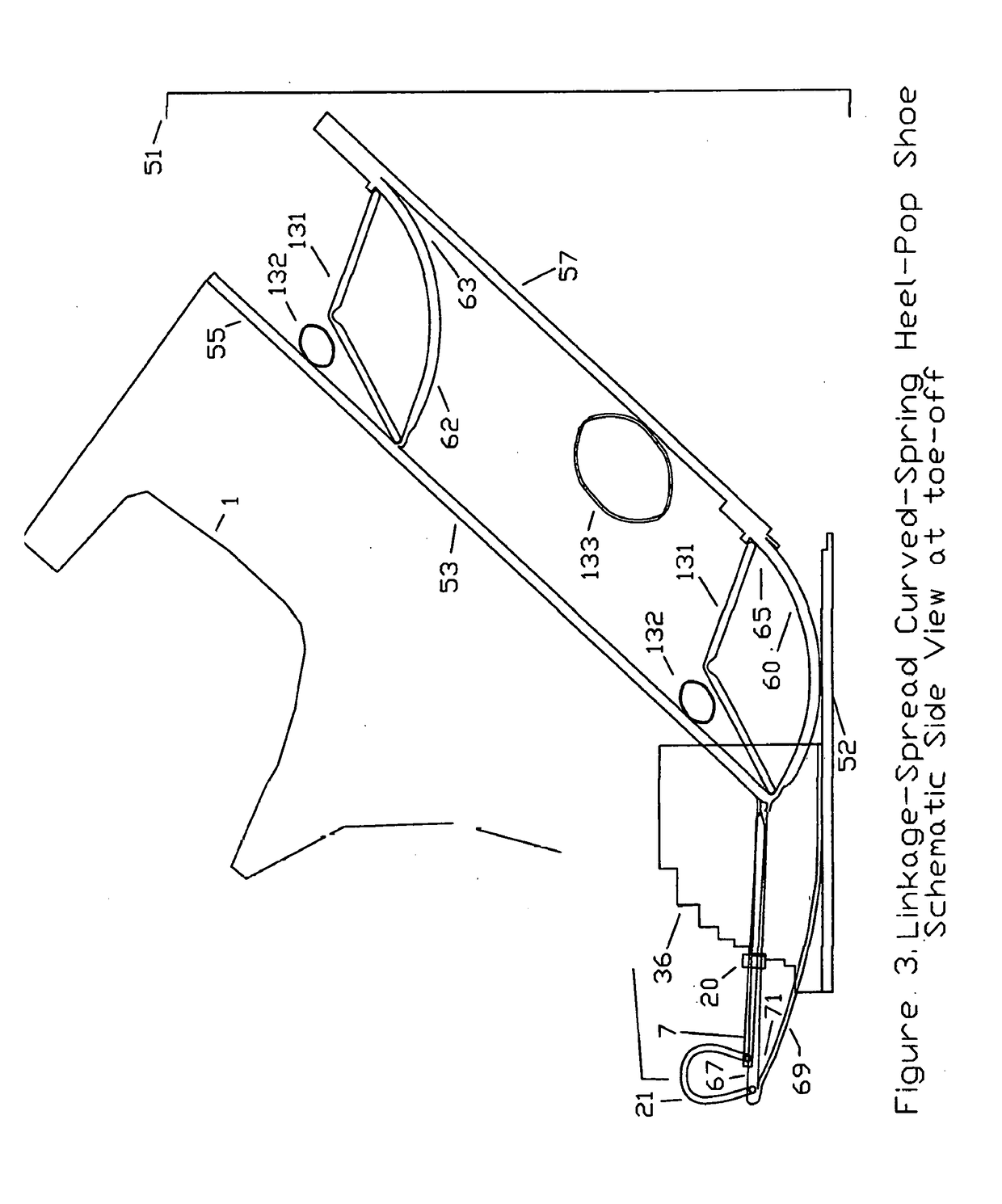
- The design incorporates enhanced heel-lift mechanisms with anti-toe-sink mechanisms and automatic gear changers, utilizing optimized low-impact springs and linkage systems to ensure full sole compression and efficient energy storage and release, reducing the maximum impact force and increasing energy return.
Regulatory Framework for Kevlar Use
The regulatory framework for Kevlar use in advanced safety engineering techniques is a complex and evolving landscape. Governments and industry bodies worldwide have established guidelines and standards to ensure the safe and effective utilization of this high-strength material. In the United States, the Occupational Safety and Health Administration (OSHA) has set specific requirements for personal protective equipment (PPE) incorporating Kevlar, particularly in industries with high risk of cuts, abrasions, and punctures.
The European Union has implemented the Personal Protective Equipment Regulation (EU) 2016/425, which outlines stringent testing and certification processes for Kevlar-based safety products. This regulation ensures that all PPE meets essential health and safety requirements before entering the market. Additionally, the International Organization for Standardization (ISO) has developed several standards related to Kevlar use in safety applications, such as ISO 13997 for cut-resistant materials.
In the automotive industry, the use of Kevlar in advanced safety engineering is subject to regulations set by the National Highway Traffic Safety Administration (NHTSA) in the United States and the European New Car Assessment Programme (Euro NCAP) in Europe. These bodies establish performance criteria for vehicle safety systems, including those utilizing Kevlar components.
The aerospace sector faces particularly rigorous regulatory oversight. The Federal Aviation Administration (FAA) in the US and the European Union Aviation Safety Agency (EASA) have established strict guidelines for the use of advanced materials like Kevlar in aircraft construction and safety systems. These regulations cover aspects such as fire resistance, impact resistance, and long-term durability.
As Kevlar finds increasing applications in law enforcement and military equipment, regulatory bodies such as the National Institute of Justice (NIJ) in the United States have developed standards for ballistic and stab-resistant body armor. These standards define performance requirements and testing protocols for Kevlar-based protective gear.
The regulatory landscape also extends to environmental considerations. The Environmental Protection Agency (EPA) in the US and the European Chemicals Agency (ECHA) have regulations in place regarding the production, use, and disposal of synthetic fibers like Kevlar. These regulations aim to minimize environmental impact and ensure sustainable practices throughout the material's lifecycle.
As technology advances and new applications for Kevlar emerge, regulatory frameworks continue to evolve. Industry stakeholders, research institutions, and regulatory bodies collaborate to develop and update standards that address emerging safety challenges and technological innovations. This ongoing process ensures that the regulatory framework remains relevant and effective in maximizing the potential of Kevlar in advanced safety engineering techniques while prioritizing user safety and environmental responsibility.
The European Union has implemented the Personal Protective Equipment Regulation (EU) 2016/425, which outlines stringent testing and certification processes for Kevlar-based safety products. This regulation ensures that all PPE meets essential health and safety requirements before entering the market. Additionally, the International Organization for Standardization (ISO) has developed several standards related to Kevlar use in safety applications, such as ISO 13997 for cut-resistant materials.
In the automotive industry, the use of Kevlar in advanced safety engineering is subject to regulations set by the National Highway Traffic Safety Administration (NHTSA) in the United States and the European New Car Assessment Programme (Euro NCAP) in Europe. These bodies establish performance criteria for vehicle safety systems, including those utilizing Kevlar components.
The aerospace sector faces particularly rigorous regulatory oversight. The Federal Aviation Administration (FAA) in the US and the European Union Aviation Safety Agency (EASA) have established strict guidelines for the use of advanced materials like Kevlar in aircraft construction and safety systems. These regulations cover aspects such as fire resistance, impact resistance, and long-term durability.
As Kevlar finds increasing applications in law enforcement and military equipment, regulatory bodies such as the National Institute of Justice (NIJ) in the United States have developed standards for ballistic and stab-resistant body armor. These standards define performance requirements and testing protocols for Kevlar-based protective gear.
The regulatory landscape also extends to environmental considerations. The Environmental Protection Agency (EPA) in the US and the European Chemicals Agency (ECHA) have regulations in place regarding the production, use, and disposal of synthetic fibers like Kevlar. These regulations aim to minimize environmental impact and ensure sustainable practices throughout the material's lifecycle.
As technology advances and new applications for Kevlar emerge, regulatory frameworks continue to evolve. Industry stakeholders, research institutions, and regulatory bodies collaborate to develop and update standards that address emerging safety challenges and technological innovations. This ongoing process ensures that the regulatory framework remains relevant and effective in maximizing the potential of Kevlar in advanced safety engineering techniques while prioritizing user safety and environmental responsibility.
Environmental Impact of Kevlar Production
The production of Kevlar, while revolutionary in its applications for safety engineering, carries significant environmental implications that warrant careful consideration. The manufacturing process of this high-strength synthetic fiber involves energy-intensive procedures and the use of potentially harmful chemicals, which can have far-reaching ecological consequences.
One of the primary environmental concerns associated with Kevlar production is the substantial energy consumption required. The synthesis of the polymer and the subsequent spinning process demand high temperatures and pressures, resulting in considerable greenhouse gas emissions. This energy-intensive nature contributes to the carbon footprint of Kevlar, raising questions about its overall sustainability in the context of global climate change mitigation efforts.
Furthermore, the chemical processes involved in Kevlar production utilize various solvents and reagents that may pose risks to ecosystems if not properly managed. The primary ingredient, para-phenylenediamine, and the solvent used, concentrated sulfuric acid, are both potentially hazardous substances. Improper handling or disposal of these chemicals can lead to soil and water contamination, affecting local flora and fauna.
Water usage is another critical environmental factor in Kevlar manufacturing. The production process requires significant amounts of water for cooling and washing, potentially straining local water resources in areas where manufacturing facilities are located. The wastewater generated may contain traces of chemicals and must undergo thorough treatment before being released back into the environment to prevent pollution of water bodies.
On the positive side, the durability and longevity of Kevlar products can contribute to reduced waste generation over time. The material's resistance to wear and tear means that products made with Kevlar often have extended lifespans, potentially offsetting some of the environmental costs associated with its production by reducing the need for frequent replacements.
Efforts to mitigate the environmental impact of Kevlar production are ongoing. Manufacturers are exploring more sustainable production methods, including the use of renewable energy sources to power manufacturing facilities and the development of closed-loop systems to recycle solvents and minimize waste. Additionally, research into bio-based alternatives and greener synthesis routes is underway, aiming to reduce the reliance on petrochemical-derived raw materials.
As the demand for high-performance materials in safety engineering continues to grow, balancing the benefits of Kevlar with its environmental impact remains a crucial challenge. Future advancements in production technologies and environmental management practices will play a vital role in enhancing the sustainability profile of Kevlar and similar advanced materials.
One of the primary environmental concerns associated with Kevlar production is the substantial energy consumption required. The synthesis of the polymer and the subsequent spinning process demand high temperatures and pressures, resulting in considerable greenhouse gas emissions. This energy-intensive nature contributes to the carbon footprint of Kevlar, raising questions about its overall sustainability in the context of global climate change mitigation efforts.
Furthermore, the chemical processes involved in Kevlar production utilize various solvents and reagents that may pose risks to ecosystems if not properly managed. The primary ingredient, para-phenylenediamine, and the solvent used, concentrated sulfuric acid, are both potentially hazardous substances. Improper handling or disposal of these chemicals can lead to soil and water contamination, affecting local flora and fauna.
Water usage is another critical environmental factor in Kevlar manufacturing. The production process requires significant amounts of water for cooling and washing, potentially straining local water resources in areas where manufacturing facilities are located. The wastewater generated may contain traces of chemicals and must undergo thorough treatment before being released back into the environment to prevent pollution of water bodies.
On the positive side, the durability and longevity of Kevlar products can contribute to reduced waste generation over time. The material's resistance to wear and tear means that products made with Kevlar often have extended lifespans, potentially offsetting some of the environmental costs associated with its production by reducing the need for frequent replacements.
Efforts to mitigate the environmental impact of Kevlar production are ongoing. Manufacturers are exploring more sustainable production methods, including the use of renewable energy sources to power manufacturing facilities and the development of closed-loop systems to recycle solvents and minimize waste. Additionally, research into bio-based alternatives and greener synthesis routes is underway, aiming to reduce the reliance on petrochemical-derived raw materials.
As the demand for high-performance materials in safety engineering continues to grow, balancing the benefits of Kevlar with its environmental impact remains a crucial challenge. Future advancements in production technologies and environmental management practices will play a vital role in enhancing the sustainability profile of Kevlar and similar advanced materials.
Unlock deeper insights with PatSnap Eureka Quick Research — get a full tech report to explore trends and direct your research. Try now!
Generate Your Research Report Instantly with AI Agent
Supercharge your innovation with PatSnap Eureka AI Agent Platform!