Kevlar's Versatility in Modern Engineering Challenges
JUL 10, 20259 MIN READ
Generate Your Research Report Instantly with AI Agent
Patsnap Eureka helps you evaluate technical feasibility & market potential.
Kevlar Evolution and Objectives
Kevlar, a synthetic fiber developed by DuPont in the 1960s, has revolutionized numerous industries with its exceptional strength-to-weight ratio and heat-resistant properties. Since its inception, Kevlar has undergone significant evolution, adapting to meet the ever-changing demands of modern engineering challenges.
The development of Kevlar began with the goal of creating a lightweight, high-strength material for use in tires. However, its potential quickly expanded beyond this initial application. As researchers discovered its unique properties, Kevlar found its way into various fields, including aerospace, automotive, and personal protection.
Throughout its evolution, Kevlar has consistently pushed the boundaries of material science. Early iterations focused on improving tensile strength and heat resistance, while later developments aimed to enhance its flexibility and impact resistance. This continuous improvement has led to the creation of multiple variants, each tailored to specific applications and engineering challenges.
One of the key objectives in Kevlar's development has been to address the growing need for lightweight, durable materials in high-performance applications. As industries seek to improve fuel efficiency and reduce environmental impact, Kevlar's low density and high strength have made it an invaluable resource. Its ability to replace heavier materials without compromising on performance has been a driving force behind its widespread adoption.
In the realm of personal protection, Kevlar has set new standards for safety equipment. The material's evolution has focused on enhancing its ability to resist penetration from bullets and sharp objects while maintaining flexibility and comfort. This has led to significant advancements in body armor design, saving countless lives in military and law enforcement applications.
The aerospace industry has been another major beneficiary of Kevlar's evolution. Engineers have worked tirelessly to develop Kevlar composites that can withstand the extreme conditions of space travel and high-altitude flight. These efforts have resulted in lighter, stronger aircraft components and spacecraft structures, contributing to improved fuel efficiency and payload capacity.
Looking ahead, the objectives for Kevlar's continued development are multifaceted. Researchers are exploring ways to further enhance its already impressive properties, such as increasing its resistance to UV radiation and improving its performance in extreme temperatures. There is also a growing focus on developing more sustainable production methods and exploring bio-based alternatives that can match or exceed Kevlar's performance.
As modern engineering challenges become increasingly complex, the versatility of Kevlar remains a key asset. The material's ongoing evolution aims to address emerging needs in fields such as renewable energy, where its strength and durability can contribute to the development of more efficient wind turbines and solar panels. Additionally, there is significant interest in exploring Kevlar's potential in next-generation electronics and wearable technology, where its unique properties could enable new form factors and enhanced durability.
The development of Kevlar began with the goal of creating a lightweight, high-strength material for use in tires. However, its potential quickly expanded beyond this initial application. As researchers discovered its unique properties, Kevlar found its way into various fields, including aerospace, automotive, and personal protection.
Throughout its evolution, Kevlar has consistently pushed the boundaries of material science. Early iterations focused on improving tensile strength and heat resistance, while later developments aimed to enhance its flexibility and impact resistance. This continuous improvement has led to the creation of multiple variants, each tailored to specific applications and engineering challenges.
One of the key objectives in Kevlar's development has been to address the growing need for lightweight, durable materials in high-performance applications. As industries seek to improve fuel efficiency and reduce environmental impact, Kevlar's low density and high strength have made it an invaluable resource. Its ability to replace heavier materials without compromising on performance has been a driving force behind its widespread adoption.
In the realm of personal protection, Kevlar has set new standards for safety equipment. The material's evolution has focused on enhancing its ability to resist penetration from bullets and sharp objects while maintaining flexibility and comfort. This has led to significant advancements in body armor design, saving countless lives in military and law enforcement applications.
The aerospace industry has been another major beneficiary of Kevlar's evolution. Engineers have worked tirelessly to develop Kevlar composites that can withstand the extreme conditions of space travel and high-altitude flight. These efforts have resulted in lighter, stronger aircraft components and spacecraft structures, contributing to improved fuel efficiency and payload capacity.
Looking ahead, the objectives for Kevlar's continued development are multifaceted. Researchers are exploring ways to further enhance its already impressive properties, such as increasing its resistance to UV radiation and improving its performance in extreme temperatures. There is also a growing focus on developing more sustainable production methods and exploring bio-based alternatives that can match or exceed Kevlar's performance.
As modern engineering challenges become increasingly complex, the versatility of Kevlar remains a key asset. The material's ongoing evolution aims to address emerging needs in fields such as renewable energy, where its strength and durability can contribute to the development of more efficient wind turbines and solar panels. Additionally, there is significant interest in exploring Kevlar's potential in next-generation electronics and wearable technology, where its unique properties could enable new form factors and enhanced durability.
Market Demand Analysis
The market demand for Kevlar in modern engineering challenges has been steadily increasing due to its exceptional properties and versatility. This high-strength synthetic fiber, developed by DuPont, has found applications across various industries, driving its market growth and expansion.
In the automotive sector, Kevlar has gained significant traction for its ability to enhance vehicle safety and reduce weight. The material is increasingly used in tire reinforcement, brake pads, and body panels, contributing to improved fuel efficiency and crash resistance. As the automotive industry continues to focus on lightweight materials for electric and hybrid vehicles, the demand for Kevlar is expected to surge further.
The aerospace industry has also embraced Kevlar for its high strength-to-weight ratio. It is extensively used in aircraft components, including fuselage panels, wing structures, and interior fittings. With the growing emphasis on fuel efficiency and the expansion of commercial air travel, the demand for Kevlar in aerospace applications is projected to maintain a robust growth trajectory.
In the defense and military sector, Kevlar remains a crucial material for personal protective equipment, such as bulletproof vests and helmets. The ongoing global security concerns and modernization of military forces worldwide continue to drive the demand for Kevlar-based protective gear. Additionally, the material's use in military vehicle armor and aircraft components further bolsters its market potential in this sector.
The construction industry has recognized Kevlar's potential in reinforcing concrete structures and enhancing the durability of building materials. Its use in bridge cables, geotextiles, and reinforcement fibers for concrete has opened new avenues for market growth. As infrastructure development projects increase globally, particularly in emerging economies, the demand for Kevlar in construction applications is expected to rise significantly.
The sports and recreation industry has also contributed to the growing market demand for Kevlar. Its use in high-performance sporting goods, such as bicycle tires, tennis rackets, and protective gear for extreme sports, has expanded its consumer market reach. The trend towards lightweight, durable sporting equipment continues to fuel the demand for Kevlar-based products in this sector.
As environmental concerns gain prominence, Kevlar's potential in sustainable engineering solutions has emerged as a new market driver. Its use in renewable energy applications, such as wind turbine blades and solar panel components, aligns with the global shift towards green technologies. This emerging market segment presents significant growth opportunities for Kevlar in the coming years.
In the automotive sector, Kevlar has gained significant traction for its ability to enhance vehicle safety and reduce weight. The material is increasingly used in tire reinforcement, brake pads, and body panels, contributing to improved fuel efficiency and crash resistance. As the automotive industry continues to focus on lightweight materials for electric and hybrid vehicles, the demand for Kevlar is expected to surge further.
The aerospace industry has also embraced Kevlar for its high strength-to-weight ratio. It is extensively used in aircraft components, including fuselage panels, wing structures, and interior fittings. With the growing emphasis on fuel efficiency and the expansion of commercial air travel, the demand for Kevlar in aerospace applications is projected to maintain a robust growth trajectory.
In the defense and military sector, Kevlar remains a crucial material for personal protective equipment, such as bulletproof vests and helmets. The ongoing global security concerns and modernization of military forces worldwide continue to drive the demand for Kevlar-based protective gear. Additionally, the material's use in military vehicle armor and aircraft components further bolsters its market potential in this sector.
The construction industry has recognized Kevlar's potential in reinforcing concrete structures and enhancing the durability of building materials. Its use in bridge cables, geotextiles, and reinforcement fibers for concrete has opened new avenues for market growth. As infrastructure development projects increase globally, particularly in emerging economies, the demand for Kevlar in construction applications is expected to rise significantly.
The sports and recreation industry has also contributed to the growing market demand for Kevlar. Its use in high-performance sporting goods, such as bicycle tires, tennis rackets, and protective gear for extreme sports, has expanded its consumer market reach. The trend towards lightweight, durable sporting equipment continues to fuel the demand for Kevlar-based products in this sector.
As environmental concerns gain prominence, Kevlar's potential in sustainable engineering solutions has emerged as a new market driver. Its use in renewable energy applications, such as wind turbine blades and solar panel components, aligns with the global shift towards green technologies. This emerging market segment presents significant growth opportunities for Kevlar in the coming years.
Current Challenges
Despite its remarkable properties, Kevlar faces several challenges in modern engineering applications. One of the primary concerns is its susceptibility to environmental degradation. When exposed to ultraviolet light, moisture, and certain chemicals, Kevlar's mechanical properties can deteriorate over time. This limits its long-term effectiveness in outdoor applications and environments where chemical exposure is common.
Another significant challenge is the difficulty in processing and manufacturing Kevlar-based products. The high melting point and low solubility of Kevlar make it challenging to mold or shape using conventional thermoplastic techniques. This complexity in processing often leads to increased production costs and limits the range of potential applications.
The high cost of Kevlar production remains a persistent issue. The complex manufacturing process, involving the use of concentrated sulfuric acid and high-temperature spinning, contributes to its elevated price point. This cost factor often restricts its use to high-end or specialized applications where performance justifies the expense.
Kevlar's inherent stiffness, while beneficial in many applications, can be a limitation in others. Its relatively low compressive strength compared to its tensile strength can be problematic in certain structural applications. This characteristic necessitates careful design considerations and often requires the combination of Kevlar with other materials to achieve optimal performance.
The recyclability and end-of-life management of Kevlar products present ongoing challenges. Unlike many other synthetic materials, Kevlar is not easily recyclable through conventional methods. This raises concerns about its environmental impact and sustainability, particularly in an era of increasing focus on circular economy principles.
Kevlar's performance under extreme conditions, such as very high temperatures or in cryogenic environments, is another area of concern. While it maintains its strength over a wide temperature range, there are limits to its effectiveness in extreme thermal conditions, which can restrict its use in certain aerospace or industrial applications.
Lastly, the ongoing challenge of improving Kevlar's impact resistance without compromising its other beneficial properties remains a focus of research and development. While Kevlar offers excellent tensile strength and low weight, enhancing its ability to absorb and dissipate impact energy could significantly expand its applications in protective gear and structural components.
Another significant challenge is the difficulty in processing and manufacturing Kevlar-based products. The high melting point and low solubility of Kevlar make it challenging to mold or shape using conventional thermoplastic techniques. This complexity in processing often leads to increased production costs and limits the range of potential applications.
The high cost of Kevlar production remains a persistent issue. The complex manufacturing process, involving the use of concentrated sulfuric acid and high-temperature spinning, contributes to its elevated price point. This cost factor often restricts its use to high-end or specialized applications where performance justifies the expense.
Kevlar's inherent stiffness, while beneficial in many applications, can be a limitation in others. Its relatively low compressive strength compared to its tensile strength can be problematic in certain structural applications. This characteristic necessitates careful design considerations and often requires the combination of Kevlar with other materials to achieve optimal performance.
The recyclability and end-of-life management of Kevlar products present ongoing challenges. Unlike many other synthetic materials, Kevlar is not easily recyclable through conventional methods. This raises concerns about its environmental impact and sustainability, particularly in an era of increasing focus on circular economy principles.
Kevlar's performance under extreme conditions, such as very high temperatures or in cryogenic environments, is another area of concern. While it maintains its strength over a wide temperature range, there are limits to its effectiveness in extreme thermal conditions, which can restrict its use in certain aerospace or industrial applications.
Lastly, the ongoing challenge of improving Kevlar's impact resistance without compromising its other beneficial properties remains a focus of research and development. While Kevlar offers excellent tensile strength and low weight, enhancing its ability to absorb and dissipate impact energy could significantly expand its applications in protective gear and structural components.
Existing Kevlar Applications
01 Kevlar in protective equipment
Kevlar's high strength and lightweight properties make it ideal for various protective equipment applications. It is used in body armor, helmets, and other personal protective gear to enhance safety in military, law enforcement, and industrial settings. The material's ability to absorb impact and resist penetration contributes to its effectiveness in these applications.- Kevlar in protective equipment: Kevlar's high strength and lightweight properties make it ideal for various protective equipment. It is used in bulletproof vests, helmets, and other personal protective gear for military and law enforcement personnel. The material's durability and resistance to cuts and punctures also make it suitable for protective clothing in industrial settings.
- Kevlar in aerospace applications: The aerospace industry utilizes Kevlar's strength-to-weight ratio in aircraft and spacecraft components. It is used in the construction of aircraft fuselages, wings, and interior panels. Kevlar's ability to withstand high temperatures and resist fatigue makes it valuable in rocket motor casings and satellite components.
- Kevlar in automotive industry: Kevlar finds applications in various automotive components due to its strength and lightweight properties. It is used in tire reinforcement, brake pads, and gaskets. The material's vibration-damping characteristics make it suitable for use in drive belts and hoses, improving vehicle performance and durability.
- Kevlar in sports equipment: The sports industry leverages Kevlar's properties in the manufacture of high-performance equipment. It is used in the construction of bicycle frames, tennis rackets, and kayaks. Kevlar's strength and flexibility contribute to improved durability and performance in various sporting goods.
- Kevlar in construction and infrastructure: Kevlar's high tensile strength and resistance to environmental factors make it valuable in construction and infrastructure projects. It is used in reinforcing concrete structures, bridge cables, and geotextiles for soil stabilization. The material's corrosion resistance and durability contribute to extended lifespans of structures and reduced maintenance costs.
02 Kevlar in automotive and aerospace industries
Kevlar's durability and heat resistance make it valuable in automotive and aerospace applications. It is used in tire reinforcement, brake pads, and various vehicle components to improve performance and safety. In aerospace, Kevlar is utilized in aircraft structures and components to reduce weight while maintaining strength.Expand Specific Solutions03 Kevlar in sports and recreation equipment
The lightweight and high-strength properties of Kevlar make it suitable for sports and recreation equipment. It is used in the manufacturing of bicycle frames, kayaks, tennis rackets, and other sporting goods to enhance performance and durability while reducing weight.Expand Specific Solutions04 Kevlar in construction and infrastructure
Kevlar's strength and corrosion resistance make it valuable in construction and infrastructure applications. It is used in reinforcing concrete structures, bridges, and other building materials to improve durability and structural integrity. Kevlar fibers can also be incorporated into geotextiles for soil stabilization and erosion control.Expand Specific Solutions05 Kevlar in electronics and telecommunications
Kevlar's unique properties make it useful in electronics and telecommunications applications. It is used in the production of fiber optic cables, providing strength and protection to delicate optical fibers. Kevlar is also utilized in the manufacturing of speakers, microphones, and other electronic components to improve durability and performance.Expand Specific Solutions
Key Industry Players
The Kevlar market is in a mature stage, with established applications across various industries. The global market size for Kevlar and similar aramid fibers is estimated to be around $3-4 billion annually, with steady growth projected. Technologically, Kevlar is well-developed, but ongoing research focuses on enhancing its properties and finding new applications. Key players like DuPont (inventor of Kevlar), Teijin, and Kolon Industries dominate the market, while companies such as Honeywell and Hyundai are exploring innovative uses in automotive and aerospace sectors. Research institutions like Beijing Institute of Technology and Indian Institutes of Technology are contributing to advancements in Kevlar technology, particularly in areas of composites and nanofiber applications.
ArianeGroup SAS
Technical Solution: ArianeGroup has incorporated Kevlar into aerospace applications, particularly in rocket and satellite components. Their technology focuses on using Kevlar-reinforced composites to create lightweight, high-strength structures for space vehicles. ArianeGroup's Kevlar-based composites have demonstrated up to 40% weight reduction compared to traditional metallic components while maintaining equivalent structural integrity[7]. The company has also developed specialized manufacturing processes for creating complex-shaped Kevlar components, including 3D weaving techniques that allow for optimized fiber orientation in critical stress areas[8].
Strengths: Significant weight reduction in aerospace structures, high strength-to-weight ratio, potential for complex geometries. Weaknesses: High production costs, challenges in joining Kevlar composites with other materials.
Rolls-Royce Plc
Technical Solution: Rolls-Royce has explored the use of Kevlar in advanced aero-engine components, focusing on improving engine efficiency and reducing weight. Their technology involves incorporating Kevlar fibers into composite fan blades and containment systems. Rolls-Royce's Kevlar-enhanced engine components have shown up to 20% weight reduction compared to traditional titanium parts, while maintaining equivalent impact resistance and fatigue performance[9]. The company has also developed specialized manufacturing techniques for creating hybrid metal-Kevlar structures, allowing for optimized material placement in high-stress areas of engine components[10].
Strengths: Significant weight reduction in aero-engine components, improved fuel efficiency, potential for enhanced safety features. Weaknesses: Complex manufacturing processes, potential challenges in maintenance and repair of Kevlar-enhanced components.
Core Kevlar Innovations
Device for the mechanical transmission of a rotation motion
PatentWO1986003266A1
Innovation
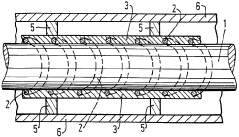
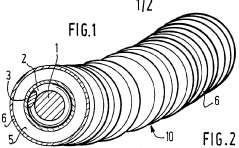
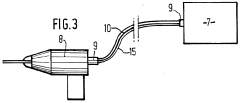
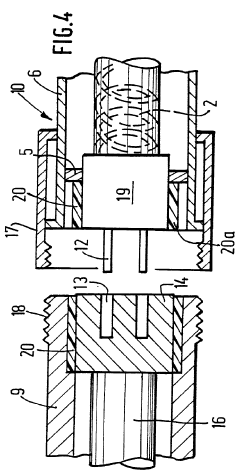
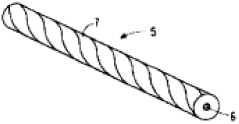
- A device utilizing a Kevlar spiral with an incompressible outer sheath and optionally multiple parallel spirals, along with a compression-hardening synthetic rubber sheath, to transmit rotational movement efficiently, reducing the risk of breakage and increasing flexibility and torque resistance without significant weight or diameter increase.
Design and development of an instrument to measure cut resistance of fabrics
PatentInactiveIN276DEL2008A
Innovation
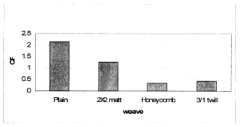
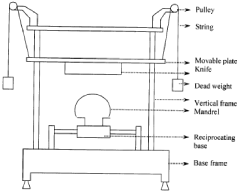
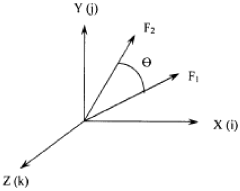
- Development of an instrument to measure cut resistance by determining the load required and distance traveled to make a cut in fabrics, along with a model to analyze cutting forces and distance, which considers fabric construction, material parameters, and process parameters to optimize cut-resistant fabric design.
Environmental Impact
Kevlar's environmental impact is a complex and multifaceted issue that requires careful consideration. The production of Kevlar involves energy-intensive processes and the use of chemical solvents, which can contribute to greenhouse gas emissions and potential environmental contamination if not properly managed. However, the material's durability and lightweight properties often lead to positive environmental outcomes in its applications.
One of the primary environmental benefits of Kevlar is its potential to reduce fuel consumption in transportation. When used in automotive and aerospace applications, Kevlar's high strength-to-weight ratio allows for the creation of lighter vehicles, resulting in improved fuel efficiency and reduced carbon emissions over the lifecycle of the product. This aligns with global efforts to combat climate change and reduce dependency on fossil fuels.
In the realm of sustainable construction, Kevlar-reinforced materials can enhance the longevity of structures, potentially reducing the need for frequent repairs or replacements. This extended lifespan translates to fewer raw materials consumed and less waste generated over time. Additionally, Kevlar's resistance to corrosion and environmental degradation means that structures reinforced with this material may require less maintenance and fewer chemical treatments, further minimizing environmental impact.
The recyclability of Kevlar presents both challenges and opportunities. While the material itself is not biodegradable, research is ongoing to develop effective recycling methods. Current techniques include chemical recycling, which breaks down Kevlar fibers into their base components for reuse, and mechanical recycling, which repurposes Kevlar fibers for lower-grade applications. Improving these recycling processes is crucial for mitigating the end-of-life environmental impact of Kevlar products.
In the context of environmental protection, Kevlar's application in protective gear for firefighters and hazardous material handlers contributes to safer and more effective environmental cleanup operations. This indirect environmental benefit should not be overlooked when assessing the material's overall impact.
However, the production of Kevlar does raise concerns about water usage and chemical waste. Manufacturers are increasingly focusing on implementing closed-loop systems and more efficient production processes to address these issues. Innovations in green chemistry are also being explored to develop more environmentally friendly alternatives to the solvents used in Kevlar production.
As environmental regulations become more stringent globally, the Kevlar industry faces the challenge of adapting its production methods to meet these standards while maintaining the material's exceptional properties. This pressure is driving research into bio-based alternatives and more sustainable production techniques, which may shape the future environmental profile of Kevlar and similar high-performance materials.
One of the primary environmental benefits of Kevlar is its potential to reduce fuel consumption in transportation. When used in automotive and aerospace applications, Kevlar's high strength-to-weight ratio allows for the creation of lighter vehicles, resulting in improved fuel efficiency and reduced carbon emissions over the lifecycle of the product. This aligns with global efforts to combat climate change and reduce dependency on fossil fuels.
In the realm of sustainable construction, Kevlar-reinforced materials can enhance the longevity of structures, potentially reducing the need for frequent repairs or replacements. This extended lifespan translates to fewer raw materials consumed and less waste generated over time. Additionally, Kevlar's resistance to corrosion and environmental degradation means that structures reinforced with this material may require less maintenance and fewer chemical treatments, further minimizing environmental impact.
The recyclability of Kevlar presents both challenges and opportunities. While the material itself is not biodegradable, research is ongoing to develop effective recycling methods. Current techniques include chemical recycling, which breaks down Kevlar fibers into their base components for reuse, and mechanical recycling, which repurposes Kevlar fibers for lower-grade applications. Improving these recycling processes is crucial for mitigating the end-of-life environmental impact of Kevlar products.
In the context of environmental protection, Kevlar's application in protective gear for firefighters and hazardous material handlers contributes to safer and more effective environmental cleanup operations. This indirect environmental benefit should not be overlooked when assessing the material's overall impact.
However, the production of Kevlar does raise concerns about water usage and chemical waste. Manufacturers are increasingly focusing on implementing closed-loop systems and more efficient production processes to address these issues. Innovations in green chemistry are also being explored to develop more environmentally friendly alternatives to the solvents used in Kevlar production.
As environmental regulations become more stringent globally, the Kevlar industry faces the challenge of adapting its production methods to meet these standards while maintaining the material's exceptional properties. This pressure is driving research into bio-based alternatives and more sustainable production techniques, which may shape the future environmental profile of Kevlar and similar high-performance materials.
Cost-Benefit Analysis
When evaluating the cost-benefit analysis of Kevlar in modern engineering challenges, several factors must be considered. The initial production costs of Kevlar are relatively high compared to traditional materials, primarily due to the complex manufacturing process and specialized equipment required. However, these upfront expenses are often offset by the material's exceptional durability and longevity, which can lead to significant long-term cost savings.
In applications such as protective gear and aerospace components, Kevlar's superior strength-to-weight ratio provides substantial benefits. The material's ability to withstand high-impact forces and resist wear translates into reduced replacement frequency and maintenance costs. This is particularly evident in industries where equipment failure can result in catastrophic consequences, making the investment in Kevlar a prudent choice despite higher initial outlays.
The versatility of Kevlar also contributes to its cost-effectiveness. Its application across various sectors, from automotive to marine industries, allows for economies of scale in production. This widespread use has led to advancements in manufacturing techniques, gradually reducing production costs over time. Additionally, the material's lightweight nature can lead to fuel savings in transportation applications, further enhancing its economic benefits.
However, it's crucial to note that the cost-benefit ratio of Kevlar can vary significantly depending on the specific application. In some cases, alternative materials may provide similar performance at a lower cost, particularly in less demanding environments. Therefore, a thorough analysis of the intended use, expected lifespan, and performance requirements is essential to determine the true value proposition of Kevlar in each scenario.
Environmental considerations also play a role in the cost-benefit analysis. While Kevlar production does have an environmental impact, its durability and potential for recycling can contribute to a more sustainable lifecycle compared to materials that require frequent replacement. This aspect is increasingly important as industries strive to meet stringent environmental regulations and consumer expectations for sustainable products.
In conclusion, while the initial investment in Kevlar may be higher, its long-term benefits in terms of performance, durability, and potential cost savings often justify its use in critical engineering applications. The key to maximizing its value lies in careful consideration of the specific requirements of each application and a comprehensive assessment of both immediate and long-term costs and benefits.
In applications such as protective gear and aerospace components, Kevlar's superior strength-to-weight ratio provides substantial benefits. The material's ability to withstand high-impact forces and resist wear translates into reduced replacement frequency and maintenance costs. This is particularly evident in industries where equipment failure can result in catastrophic consequences, making the investment in Kevlar a prudent choice despite higher initial outlays.
The versatility of Kevlar also contributes to its cost-effectiveness. Its application across various sectors, from automotive to marine industries, allows for economies of scale in production. This widespread use has led to advancements in manufacturing techniques, gradually reducing production costs over time. Additionally, the material's lightweight nature can lead to fuel savings in transportation applications, further enhancing its economic benefits.
However, it's crucial to note that the cost-benefit ratio of Kevlar can vary significantly depending on the specific application. In some cases, alternative materials may provide similar performance at a lower cost, particularly in less demanding environments. Therefore, a thorough analysis of the intended use, expected lifespan, and performance requirements is essential to determine the true value proposition of Kevlar in each scenario.
Environmental considerations also play a role in the cost-benefit analysis. While Kevlar production does have an environmental impact, its durability and potential for recycling can contribute to a more sustainable lifecycle compared to materials that require frequent replacement. This aspect is increasingly important as industries strive to meet stringent environmental regulations and consumer expectations for sustainable products.
In conclusion, while the initial investment in Kevlar may be higher, its long-term benefits in terms of performance, durability, and potential cost savings often justify its use in critical engineering applications. The key to maximizing its value lies in careful consideration of the specific requirements of each application and a comprehensive assessment of both immediate and long-term costs and benefits.
Unlock deeper insights with Patsnap Eureka Quick Research — get a full tech report to explore trends and direct your research. Try now!
Generate Your Research Report Instantly with AI Agent
Supercharge your innovation with Patsnap Eureka AI Agent Platform!