

Luminol's Integration with Emerging Chemical Procedures
AUG 19, 20259 MIN READ
Generate Your Research Report Instantly with AI Agent
PatSnap Eureka helps you evaluate technical feasibility & market potential.
Luminol Tech Evolution
Luminol, a chemiluminescent compound, has undergone significant technological evolution since its discovery in the early 20th century. Initially used primarily in forensic science for blood detection, luminol's applications have expanded dramatically over the years, driven by advancements in chemical procedures and analytical techniques.
The early stages of luminol technology focused on optimizing its formulation for crime scene investigations. Researchers worked on improving the sensitivity and specificity of luminol reactions, leading to more reliable blood detection methods. This period saw the development of various luminol-based reagents and the refinement of application techniques to minimize false positives and enhance the visibility of luminescent reactions.
As analytical chemistry progressed, luminol found its way into laboratory settings beyond forensics. The 1970s and 1980s witnessed the integration of luminol into biochemical assays, particularly in the detection of hydrogen peroxide and the measurement of enzyme activity. This expansion of luminol's utility was facilitated by the development of more sophisticated spectrophotometric and chemiluminescence detection systems.
The late 20th century marked a turning point in luminol technology with the advent of high-performance liquid chromatography (HPLC) coupled with chemiluminescence detection. This combination allowed for the separation and quantification of complex mixtures, greatly enhancing the analytical power of luminol-based techniques. Researchers began exploring luminol's potential in environmental monitoring, food safety testing, and clinical diagnostics.
The 21st century has seen luminol technology evolve in tandem with nanotechnology and materials science. The development of nanoparticle-enhanced luminol systems has pushed the boundaries of detection sensitivity, enabling the identification of trace amounts of target analytes. These advancements have opened up new possibilities in biosensing and medical diagnostics, where ultra-sensitive detection is crucial.
Recent years have witnessed the integration of luminol technology with microfluidic devices and lab-on-a-chip systems. This convergence has led to the miniaturization of luminol-based assays, allowing for rapid, on-site testing in various fields. The combination of luminol chemistry with advanced imaging techniques has also resulted in improved spatial resolution for mapping chemical reactions and biological processes.
Looking ahead, the evolution of luminol technology is likely to continue in several directions. Researchers are exploring the potential of luminol in theranostics, combining diagnostic and therapeutic applications. The development of smart materials incorporating luminol-based sensors promises real-time monitoring capabilities in diverse settings. Additionally, the integration of luminol technology with artificial intelligence and machine learning algorithms is expected to enhance data interpretation and predictive capabilities in complex analytical scenarios.
The early stages of luminol technology focused on optimizing its formulation for crime scene investigations. Researchers worked on improving the sensitivity and specificity of luminol reactions, leading to more reliable blood detection methods. This period saw the development of various luminol-based reagents and the refinement of application techniques to minimize false positives and enhance the visibility of luminescent reactions.
As analytical chemistry progressed, luminol found its way into laboratory settings beyond forensics. The 1970s and 1980s witnessed the integration of luminol into biochemical assays, particularly in the detection of hydrogen peroxide and the measurement of enzyme activity. This expansion of luminol's utility was facilitated by the development of more sophisticated spectrophotometric and chemiluminescence detection systems.
The late 20th century marked a turning point in luminol technology with the advent of high-performance liquid chromatography (HPLC) coupled with chemiluminescence detection. This combination allowed for the separation and quantification of complex mixtures, greatly enhancing the analytical power of luminol-based techniques. Researchers began exploring luminol's potential in environmental monitoring, food safety testing, and clinical diagnostics.
The 21st century has seen luminol technology evolve in tandem with nanotechnology and materials science. The development of nanoparticle-enhanced luminol systems has pushed the boundaries of detection sensitivity, enabling the identification of trace amounts of target analytes. These advancements have opened up new possibilities in biosensing and medical diagnostics, where ultra-sensitive detection is crucial.
Recent years have witnessed the integration of luminol technology with microfluidic devices and lab-on-a-chip systems. This convergence has led to the miniaturization of luminol-based assays, allowing for rapid, on-site testing in various fields. The combination of luminol chemistry with advanced imaging techniques has also resulted in improved spatial resolution for mapping chemical reactions and biological processes.
Looking ahead, the evolution of luminol technology is likely to continue in several directions. Researchers are exploring the potential of luminol in theranostics, combining diagnostic and therapeutic applications. The development of smart materials incorporating luminol-based sensors promises real-time monitoring capabilities in diverse settings. Additionally, the integration of luminol technology with artificial intelligence and machine learning algorithms is expected to enhance data interpretation and predictive capabilities in complex analytical scenarios.
Market Demand Analysis
The integration of Luminol with emerging chemical procedures has sparked significant interest across various industries, driving a growing market demand. This innovative approach combines the well-established chemiluminescent properties of Luminol with cutting-edge chemical techniques, opening up new possibilities in forensic science, environmental monitoring, and biomedical research.
In the forensic science sector, there is a strong demand for more sensitive and reliable methods of detecting trace evidence at crime scenes. The integration of Luminol with advanced chemical procedures offers enhanced detection capabilities for blood residues, even in highly diluted or aged samples. Law enforcement agencies and forensic laboratories are increasingly seeking these improved techniques to bolster their investigative processes and increase the likelihood of solving complex cases.
Environmental monitoring represents another key area of market demand for Luminol's integration with emerging chemical procedures. As global concerns about water and soil pollution continue to rise, there is a pressing need for more efficient and cost-effective detection methods. The enhanced sensitivity provided by this integration allows for the identification of minute concentrations of pollutants, heavy metals, and other contaminants in environmental samples. This capability is particularly valuable for regulatory agencies, environmental consultancies, and industries required to comply with stringent environmental standards.
The biomedical research field also demonstrates a growing demand for Luminol-based advanced chemical procedures. These integrated techniques offer new avenues for studying cellular processes, protein interactions, and oxidative stress in living systems. Pharmaceutical companies and academic research institutions are increasingly adopting these methods to accelerate drug discovery processes and gain deeper insights into disease mechanisms.
Furthermore, the food and beverage industry is showing interest in applying these integrated techniques for quality control and safety assurance. The ability to detect trace contaminants or adulterants in food products with high sensitivity and specificity addresses the industry's need for more robust testing methods to ensure consumer safety and maintain regulatory compliance.
The market demand is further fueled by the potential for miniaturization and automation of these integrated Luminol-based procedures. There is a growing trend towards portable, rapid testing devices that can be used in field conditions or point-of-care settings. This demand spans across multiple sectors, from on-site forensic analysis to environmental monitoring in remote locations.
As awareness of these integrated techniques grows, there is an increasing demand for training and education in their application. This creates opportunities for specialized courses, workshops, and consulting services to support the adoption and implementation of these advanced methods across various industries.
In the forensic science sector, there is a strong demand for more sensitive and reliable methods of detecting trace evidence at crime scenes. The integration of Luminol with advanced chemical procedures offers enhanced detection capabilities for blood residues, even in highly diluted or aged samples. Law enforcement agencies and forensic laboratories are increasingly seeking these improved techniques to bolster their investigative processes and increase the likelihood of solving complex cases.
Environmental monitoring represents another key area of market demand for Luminol's integration with emerging chemical procedures. As global concerns about water and soil pollution continue to rise, there is a pressing need for more efficient and cost-effective detection methods. The enhanced sensitivity provided by this integration allows for the identification of minute concentrations of pollutants, heavy metals, and other contaminants in environmental samples. This capability is particularly valuable for regulatory agencies, environmental consultancies, and industries required to comply with stringent environmental standards.
The biomedical research field also demonstrates a growing demand for Luminol-based advanced chemical procedures. These integrated techniques offer new avenues for studying cellular processes, protein interactions, and oxidative stress in living systems. Pharmaceutical companies and academic research institutions are increasingly adopting these methods to accelerate drug discovery processes and gain deeper insights into disease mechanisms.
Furthermore, the food and beverage industry is showing interest in applying these integrated techniques for quality control and safety assurance. The ability to detect trace contaminants or adulterants in food products with high sensitivity and specificity addresses the industry's need for more robust testing methods to ensure consumer safety and maintain regulatory compliance.
The market demand is further fueled by the potential for miniaturization and automation of these integrated Luminol-based procedures. There is a growing trend towards portable, rapid testing devices that can be used in field conditions or point-of-care settings. This demand spans across multiple sectors, from on-site forensic analysis to environmental monitoring in remote locations.
As awareness of these integrated techniques grows, there is an increasing demand for training and education in their application. This creates opportunities for specialized courses, workshops, and consulting services to support the adoption and implementation of these advanced methods across various industries.
Current Challenges
The integration of Luminol with emerging chemical procedures faces several significant challenges that require careful consideration and innovative solutions. One of the primary obstacles is the sensitivity of Luminol to environmental factors, which can affect its performance and reliability in various chemical processes. Temperature fluctuations, pH levels, and the presence of interfering substances can all impact the luminescence intensity and duration, potentially leading to inconsistent results in emerging applications.
Another challenge lies in the optimization of Luminol's chemical structure for specific emerging procedures. While Luminol has proven effective in traditional forensic and analytical applications, its integration into new chemical processes may require modifications to enhance its selectivity, stability, or reactivity. This necessitates extensive research and development efforts to tailor Luminol derivatives that can meet the unique demands of emerging chemical techniques.
The scalability of Luminol-based processes presents a further hurdle in its integration with emerging chemical procedures. As new applications move from laboratory-scale experiments to industrial-scale operations, maintaining the efficiency and cost-effectiveness of Luminol-dependent reactions becomes increasingly complex. Issues such as reagent consumption, waste management, and process control need to be addressed to ensure the viability of Luminol integration in large-scale chemical procedures.
Compatibility with other chemical components and reagents used in emerging procedures is another critical challenge. Luminol's reactivity may interfere with or be inhibited by other substances present in complex chemical systems. Developing strategies to mitigate these interactions while preserving Luminol's desired properties requires a deep understanding of both Luminol chemistry and the emerging procedures in question.
The detection and quantification of Luminol's chemiluminescence in novel chemical environments pose additional challenges. Emerging procedures may involve matrices or conditions that interfere with traditional luminescence measurement techniques. Developing robust and sensitive detection methods that can accurately capture Luminol's light emission in diverse chemical settings is crucial for its successful integration.
Regulatory and safety considerations also present significant hurdles in the adoption of Luminol in new chemical procedures. As emerging applications expand beyond traditional forensic uses, ensuring compliance with relevant safety standards and regulations becomes more complex. This includes addressing potential toxicity concerns, handling procedures, and disposal methods for Luminol and its derivatives in various chemical contexts.
Lastly, the economic feasibility of integrating Luminol into emerging chemical procedures remains a challenge. The cost of Luminol production, purification, and application must be balanced against the benefits it provides in new chemical processes. Developing cost-effective synthesis routes and optimizing Luminol usage efficiency are essential for its widespread adoption in emerging chemical technologies.
Another challenge lies in the optimization of Luminol's chemical structure for specific emerging procedures. While Luminol has proven effective in traditional forensic and analytical applications, its integration into new chemical processes may require modifications to enhance its selectivity, stability, or reactivity. This necessitates extensive research and development efforts to tailor Luminol derivatives that can meet the unique demands of emerging chemical techniques.
The scalability of Luminol-based processes presents a further hurdle in its integration with emerging chemical procedures. As new applications move from laboratory-scale experiments to industrial-scale operations, maintaining the efficiency and cost-effectiveness of Luminol-dependent reactions becomes increasingly complex. Issues such as reagent consumption, waste management, and process control need to be addressed to ensure the viability of Luminol integration in large-scale chemical procedures.
Compatibility with other chemical components and reagents used in emerging procedures is another critical challenge. Luminol's reactivity may interfere with or be inhibited by other substances present in complex chemical systems. Developing strategies to mitigate these interactions while preserving Luminol's desired properties requires a deep understanding of both Luminol chemistry and the emerging procedures in question.
The detection and quantification of Luminol's chemiluminescence in novel chemical environments pose additional challenges. Emerging procedures may involve matrices or conditions that interfere with traditional luminescence measurement techniques. Developing robust and sensitive detection methods that can accurately capture Luminol's light emission in diverse chemical settings is crucial for its successful integration.
Regulatory and safety considerations also present significant hurdles in the adoption of Luminol in new chemical procedures. As emerging applications expand beyond traditional forensic uses, ensuring compliance with relevant safety standards and regulations becomes more complex. This includes addressing potential toxicity concerns, handling procedures, and disposal methods for Luminol and its derivatives in various chemical contexts.
Lastly, the economic feasibility of integrating Luminol into emerging chemical procedures remains a challenge. The cost of Luminol production, purification, and application must be balanced against the benefits it provides in new chemical processes. Developing cost-effective synthesis routes and optimizing Luminol usage efficiency are essential for its widespread adoption in emerging chemical technologies.
Existing Solutions
01 Luminol in forensic applications
Luminol is widely used in forensic science for detecting trace amounts of blood at crime scenes. When mixed with an oxidizing agent, it produces a blue chemiluminescence in the presence of iron in hemoglobin. This reaction is highly sensitive and can detect blood even after cleaning attempts.- Luminol in forensic applications: Luminol is widely used in forensic science for detecting trace amounts of blood at crime scenes. When mixed with an oxidizing agent, it produces a blue chemiluminescence in the presence of iron from hemoglobin. This reaction is highly sensitive and can detect blood even after cleaning attempts.
- Luminol-based detection systems: Various detection systems incorporate luminol for its chemiluminescent properties. These systems are used in environmental monitoring, food safety testing, and medical diagnostics. The high sensitivity of luminol allows for the detection of minute quantities of target substances.
- Luminol derivatives and modifications: Research focuses on developing luminol derivatives and modifications to enhance its properties. These modifications aim to improve sensitivity, selectivity, and stability of the luminol reaction. Some derivatives exhibit different emission wavelengths or increased quantum yield.
- Luminol in biomedical research: Luminol finds applications in biomedical research for studying cellular processes. It is used to detect reactive oxygen species, measure enzyme activity, and visualize immune responses. The non-toxic nature of luminol makes it suitable for in vivo imaging studies.
- Luminol-based analytical methods: Analytical methods utilizing luminol have been developed for various fields. These methods include flow injection analysis, high-performance liquid chromatography with chemiluminescence detection, and biosensors. The high sensitivity of luminol-based methods allows for trace analysis in complex matrices.
02 Luminol-based detection systems
Various detection systems incorporate luminol for its chemiluminescent properties. These systems are used in environmental monitoring, food safety testing, and medical diagnostics. The high sensitivity of luminol allows for the detection of minute quantities of target substances.Expand Specific Solutions03 Luminol derivatives and modifications
Research focuses on developing luminol derivatives and modifications to enhance its properties. These improvements aim to increase sensitivity, stability, and specificity for various applications. Modified luminol compounds can offer advantages such as longer-lasting luminescence or altered emission spectra.Expand Specific Solutions04 Luminol in analytical chemistry
Luminol is extensively used in analytical chemistry for quantitative and qualitative analysis. It serves as a reagent in flow injection analysis, high-performance liquid chromatography, and other analytical techniques. The chemiluminescent reaction of luminol allows for highly sensitive detection of various analytes.Expand Specific Solutions05 Luminol in biomedical research
In biomedical research, luminol is utilized for studying cellular processes, particularly those involving reactive oxygen species. It can be used to detect and quantify the production of hydrogen peroxide and other oxidants in biological systems, providing insights into cellular metabolism and oxidative stress.Expand Specific Solutions
Key Industry Players
The integration of Luminol with emerging chemical procedures is at a pivotal stage in its development, characterized by rapid technological advancements and growing market potential. The industry is transitioning from early-stage research to more practical applications, with an estimated market size in the hundreds of millions. Companies like MetrioPharm AG, Cyanagen Srl, and DSM IP Assets BV are leading the charge in developing innovative solutions, while academic institutions such as Washington University in St. Louis and Instituto Superior Técnico de Lisboa are contributing significant research. The technology's maturity is progressing, with some companies like Bayer AG and AstraZeneca AB potentially exploring large-scale implementation, indicating a shift towards commercialization and broader industry adoption.
Cyanagen Srl
Technical Solution: Cyanagen Srl has developed advanced luminol-based chemiluminescence systems for enhanced sensitivity in bioanalytical applications. Their proprietary LumiSensor technology integrates luminol derivatives with novel enhancers, resulting in a 10-fold increase in light output compared to traditional luminol reactions[1]. This system incorporates specialized buffers and catalysts to optimize the chemiluminescence reaction kinetics, allowing for prolonged and more stable light emission[2]. Cyanagen's approach also includes the development of acridinium ester-based chemiluminescent labels, which offer improved quantum yield and faster kinetics compared to luminol in certain applications[3].
Strengths: High sensitivity, prolonged light emission, versatility in bioanalytical applications. Weaknesses: May require specialized reagents, potential cost implications for large-scale use.
DSM IP Assets BV
Technical Solution: DSM has integrated luminol-based technology into advanced materials for safety and security applications. Their approach involves incorporating luminol and its derivatives into polymer matrices, creating responsive materials that emit light upon exposure to specific chemical triggers[4]. This technology has been applied in the development of smart packaging materials that can detect food spoilage or contamination through chemiluminescent reactions[5]. DSM has also explored the use of luminol-based systems in environmental monitoring, developing sensors that can detect trace amounts of heavy metals or other pollutants in water sources[6].
Strengths: Innovative application in materials science, potential for wide-ranging commercial applications. Weaknesses: May face challenges in long-term stability of luminol-embedded materials, potential for false positives in complex environments.
Core Innovations
Method for increasing light emission from a chemiluminescent reaction
PatentActiveUS20110053200A1
Innovation
- Incorporating hypernucleophilic acylation catalysts (HNAC) from the class of 4-aminopiridines, specifically compounds like 4-dimethylaminopyridine, 4-pyrrolidinopyridine, and 4-morpholinopyridine, into chemiluminescent compositions to enhance light emission by facilitating the nucleophilic attack of peroxide on luminol, thereby increasing the production of key intermediates that lead to light emission.


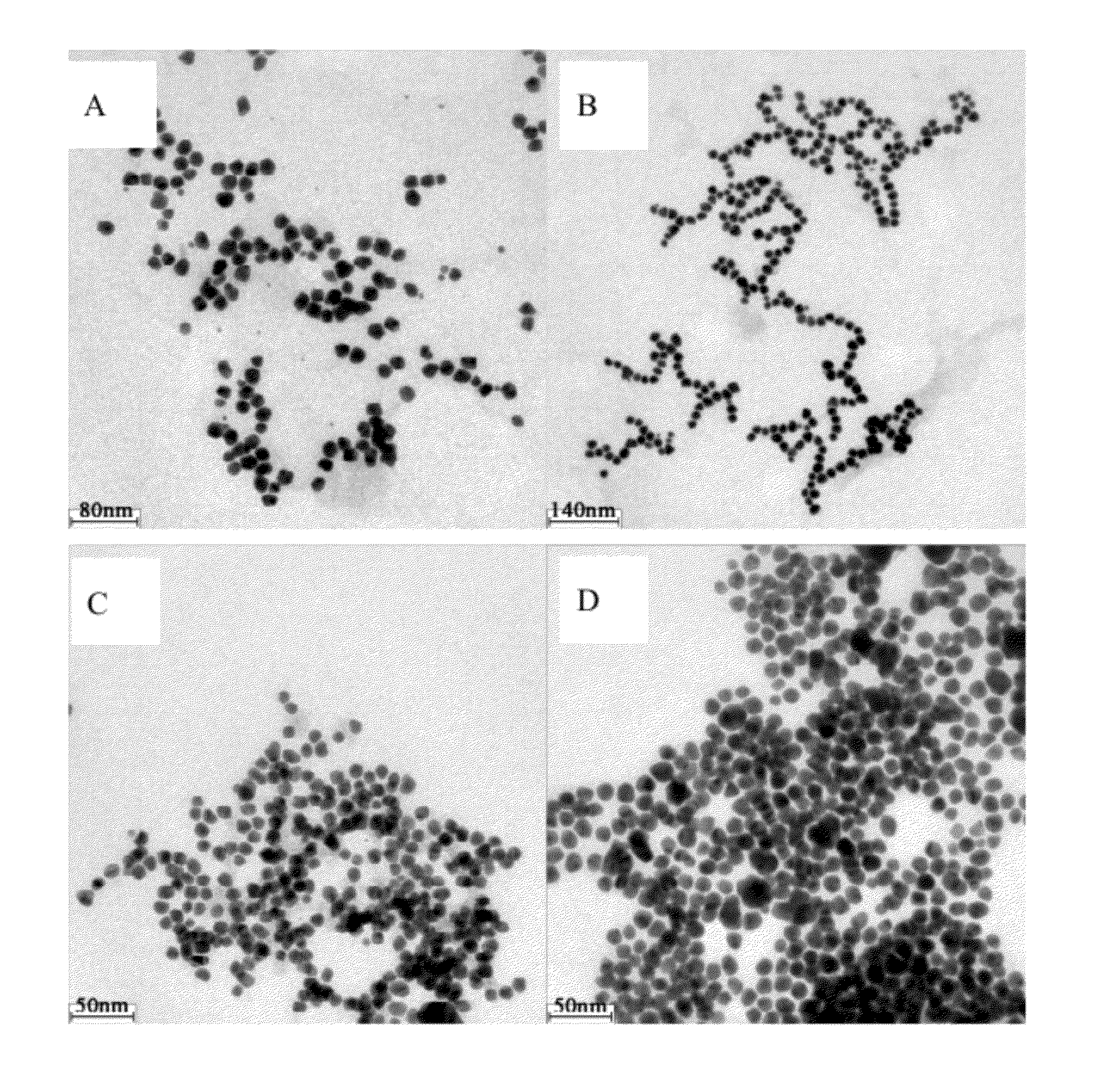
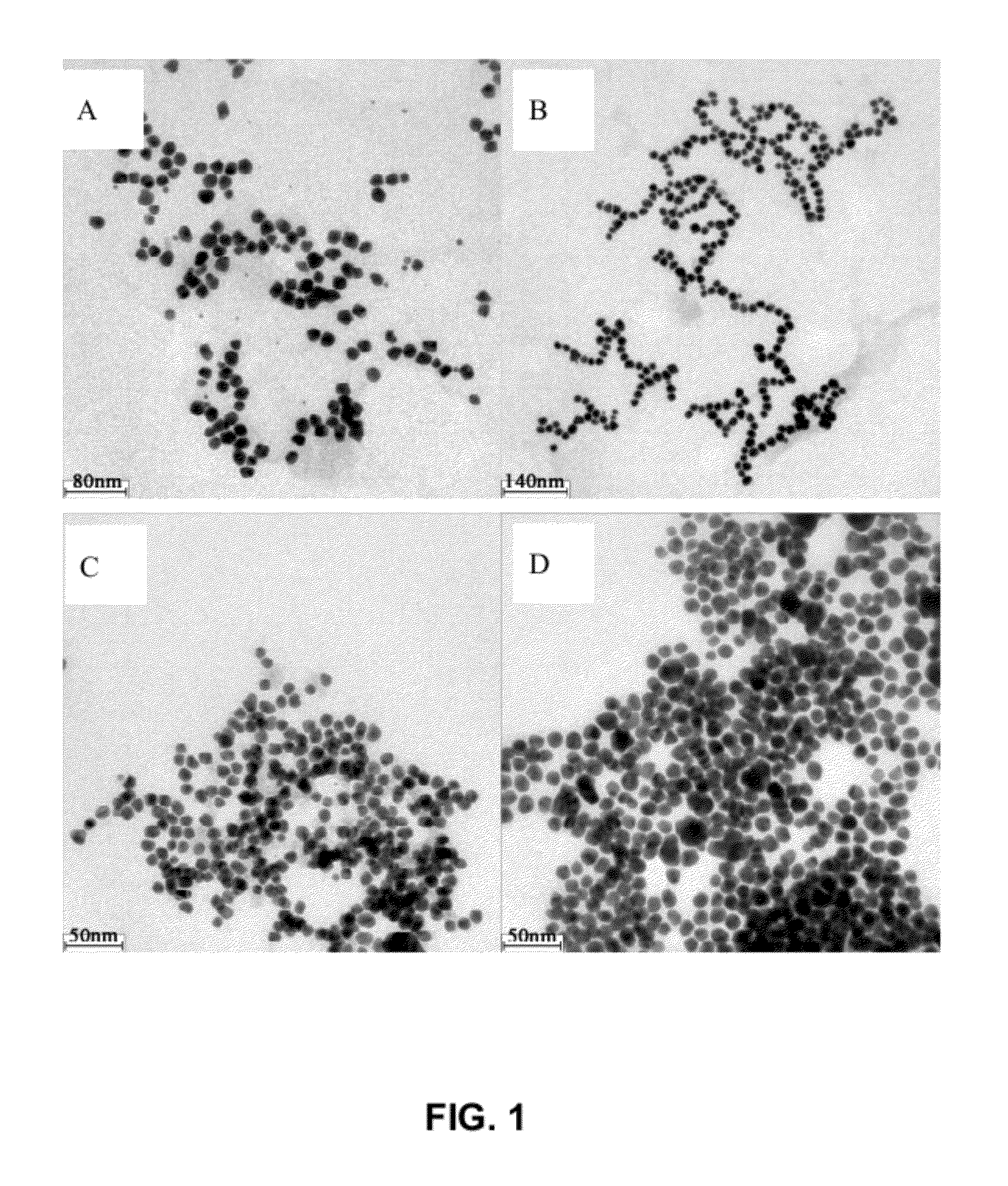
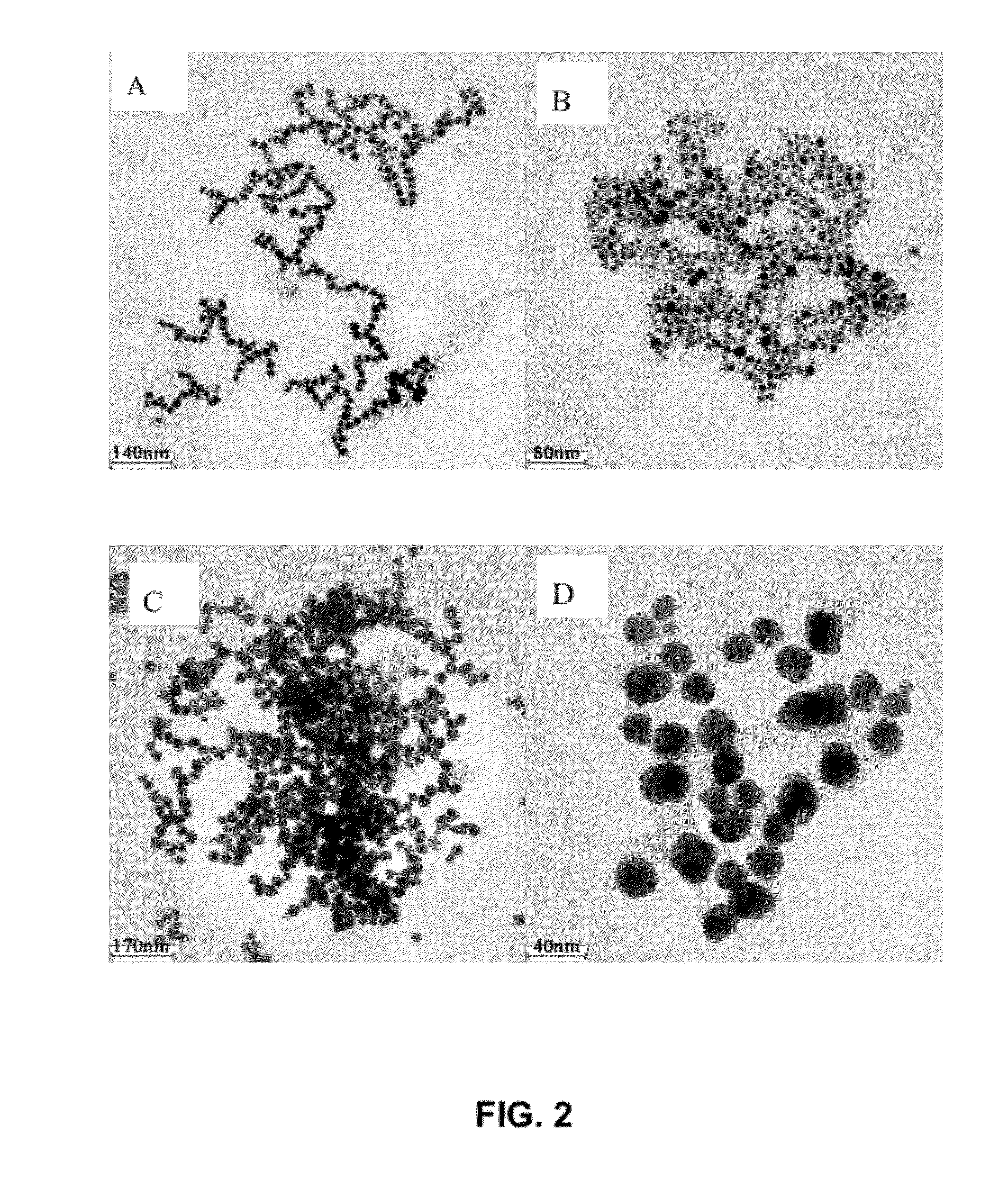
Luminescent gold nanoparticle functionalized by n-(4-aminobutyl)-n-ethylisoluminol, preparation and application thereof
PatentInactiveUS20120329998A1
Innovation
- A method involving mixing chloroauric acid and N-(4-aminobutyl)-N-ethylisoluminol under controlled conditions to form gold nanoparticles with Au—N covalent bonds, allowing for chemiluminescence reaction with oxidants like H2O2, and using these nanoparticles as probes for biological analysis with improved luminescent efficiency.

Safety Regulations
The integration of Luminol with emerging chemical procedures necessitates a comprehensive approach to safety regulations. These regulations are crucial to ensure the protection of personnel, equipment, and the environment during the handling and application of Luminol in various chemical processes.
Firstly, it is essential to establish strict protocols for the storage and handling of Luminol. Given its sensitivity to light and potential for oxidation, proper storage conditions must be maintained, including light-proof containers and temperature-controlled environments. Handling procedures should include guidelines for personal protective equipment (PPE), such as gloves, goggles, and lab coats, to prevent direct contact with the chemical.
In the context of emerging chemical procedures, safety regulations must address the potential interactions between Luminol and other reagents or catalysts. This includes conducting thorough risk assessments for each new combination of chemicals and establishing clear guidelines for their use. Compatibility charts and standard operating procedures (SOPs) should be developed and regularly updated to reflect the latest findings in chemical interactions.
Ventilation requirements form another critical aspect of safety regulations. As Luminol reactions can produce various byproducts, including potentially harmful gases, adequate ventilation systems must be in place. This may involve the use of fume hoods, local exhaust ventilation, or even specialized air filtration systems depending on the scale and nature of the chemical procedures involved.
Emergency response protocols specific to Luminol-related incidents should be developed and implemented. This includes training personnel on proper spill containment and cleanup procedures, as well as establishing clear evacuation routes and assembly points in case of larger-scale incidents. Additionally, specialized first aid procedures for Luminol exposure should be clearly communicated and readily accessible.
Waste management is another crucial area where safety regulations must be stringent. Proper disposal methods for Luminol and its reaction products should be clearly defined, taking into account environmental regulations and best practices for chemical waste handling. This may involve neutralization procedures, specialized waste containers, or contracted disposal services.
Regular safety audits and compliance checks should be mandated to ensure that all safety regulations are being followed consistently. This includes periodic reviews of safety documentation, equipment inspections, and staff training sessions. A system for reporting and investigating safety incidents or near-misses should also be established to continuously improve safety protocols.
Lastly, as new applications and procedures involving Luminol emerge, safety regulations must remain adaptable. A dedicated safety committee or task force should be responsible for staying abreast of the latest developments in Luminol research and adjusting safety protocols accordingly. This proactive approach ensures that safety regulations evolve in tandem with the advancing chemical procedures, maintaining a robust safety culture in the laboratory or industrial setting.
Firstly, it is essential to establish strict protocols for the storage and handling of Luminol. Given its sensitivity to light and potential for oxidation, proper storage conditions must be maintained, including light-proof containers and temperature-controlled environments. Handling procedures should include guidelines for personal protective equipment (PPE), such as gloves, goggles, and lab coats, to prevent direct contact with the chemical.
In the context of emerging chemical procedures, safety regulations must address the potential interactions between Luminol and other reagents or catalysts. This includes conducting thorough risk assessments for each new combination of chemicals and establishing clear guidelines for their use. Compatibility charts and standard operating procedures (SOPs) should be developed and regularly updated to reflect the latest findings in chemical interactions.
Ventilation requirements form another critical aspect of safety regulations. As Luminol reactions can produce various byproducts, including potentially harmful gases, adequate ventilation systems must be in place. This may involve the use of fume hoods, local exhaust ventilation, or even specialized air filtration systems depending on the scale and nature of the chemical procedures involved.
Emergency response protocols specific to Luminol-related incidents should be developed and implemented. This includes training personnel on proper spill containment and cleanup procedures, as well as establishing clear evacuation routes and assembly points in case of larger-scale incidents. Additionally, specialized first aid procedures for Luminol exposure should be clearly communicated and readily accessible.
Waste management is another crucial area where safety regulations must be stringent. Proper disposal methods for Luminol and its reaction products should be clearly defined, taking into account environmental regulations and best practices for chemical waste handling. This may involve neutralization procedures, specialized waste containers, or contracted disposal services.
Regular safety audits and compliance checks should be mandated to ensure that all safety regulations are being followed consistently. This includes periodic reviews of safety documentation, equipment inspections, and staff training sessions. A system for reporting and investigating safety incidents or near-misses should also be established to continuously improve safety protocols.
Lastly, as new applications and procedures involving Luminol emerge, safety regulations must remain adaptable. A dedicated safety committee or task force should be responsible for staying abreast of the latest developments in Luminol research and adjusting safety protocols accordingly. This proactive approach ensures that safety regulations evolve in tandem with the advancing chemical procedures, maintaining a robust safety culture in the laboratory or industrial setting.
Environmental Impact
The integration of Luminol with emerging chemical procedures has significant environmental implications that warrant careful consideration. As this chemiluminescent compound finds expanded applications in forensic science and analytical chemistry, its potential environmental impact becomes increasingly relevant.
One primary concern is the fate of Luminol and its reaction products in the environment after use. While Luminol itself is generally considered to have low toxicity, the chemicals used in conjunction with it, such as hydrogen peroxide and sodium hydroxide, may pose risks if released into ecosystems. The breakdown products of these reactions need thorough assessment to ensure they do not accumulate in soil or water systems, potentially affecting aquatic life or entering the food chain.
The production process of Luminol and its associated chemicals also merits examination from an environmental perspective. Manufacturing these compounds often involves energy-intensive processes and the use of various precursor chemicals. Efforts to optimize production methods, reduce energy consumption, and minimize waste generation are crucial for mitigating the overall environmental footprint of Luminol-based technologies.
Furthermore, the application of Luminol in crime scene investigations and other field settings raises questions about its direct impact on local environments. While the quantities used are typically small, repeated applications in sensitive areas could potentially lead to localized effects on soil microorganisms or plant life. Research into the long-term ecological consequences of Luminol use in various environmental contexts is essential.
On a positive note, the high sensitivity of Luminol-based detection methods may contribute to environmental protection efforts. Its ability to detect trace amounts of blood or other biological materials could be leveraged for monitoring water quality, identifying pollutants, or tracking the spread of pathogens in environmental samples. This potential for environmental monitoring and rapid diagnostics could indirectly benefit ecosystem health and conservation efforts.
As Luminol's integration with emerging chemical procedures advances, there is an opportunity to incorporate green chemistry principles. Developing more environmentally friendly formulations, exploring biodegradable alternatives, and designing closed-loop systems for Luminol recovery and reuse could significantly reduce its environmental impact. Additionally, investigating natural sources of chemiluminescent compounds as potential substitutes for synthetic Luminol may open avenues for more sustainable forensic and analytical practices.
One primary concern is the fate of Luminol and its reaction products in the environment after use. While Luminol itself is generally considered to have low toxicity, the chemicals used in conjunction with it, such as hydrogen peroxide and sodium hydroxide, may pose risks if released into ecosystems. The breakdown products of these reactions need thorough assessment to ensure they do not accumulate in soil or water systems, potentially affecting aquatic life or entering the food chain.
The production process of Luminol and its associated chemicals also merits examination from an environmental perspective. Manufacturing these compounds often involves energy-intensive processes and the use of various precursor chemicals. Efforts to optimize production methods, reduce energy consumption, and minimize waste generation are crucial for mitigating the overall environmental footprint of Luminol-based technologies.
Furthermore, the application of Luminol in crime scene investigations and other field settings raises questions about its direct impact on local environments. While the quantities used are typically small, repeated applications in sensitive areas could potentially lead to localized effects on soil microorganisms or plant life. Research into the long-term ecological consequences of Luminol use in various environmental contexts is essential.
On a positive note, the high sensitivity of Luminol-based detection methods may contribute to environmental protection efforts. Its ability to detect trace amounts of blood or other biological materials could be leveraged for monitoring water quality, identifying pollutants, or tracking the spread of pathogens in environmental samples. This potential for environmental monitoring and rapid diagnostics could indirectly benefit ecosystem health and conservation efforts.
As Luminol's integration with emerging chemical procedures advances, there is an opportunity to incorporate green chemistry principles. Developing more environmentally friendly formulations, exploring biodegradable alternatives, and designing closed-loop systems for Luminol recovery and reuse could significantly reduce its environmental impact. Additionally, investigating natural sources of chemiluminescent compounds as potential substitutes for synthetic Luminol may open avenues for more sustainable forensic and analytical practices.
Unlock deeper insights with PatSnap Eureka Quick Research — get a full tech report to explore trends and direct your research. Try now!
Generate Your Research Report Instantly with AI Agent
Supercharge your innovation with PatSnap Eureka AI Agent Platform!