Mechanical failure analysis in sodium solid electrolyte pellets
OCT 14, 202510 MIN READ
Generate Your Research Report Instantly with AI Agent
PatSnap Eureka helps you evaluate technical feasibility & market potential.
Sodium Solid Electrolyte Mechanical Failure Background
Sodium-based solid-state batteries have emerged as promising alternatives to conventional lithium-ion batteries due to the abundance and low cost of sodium resources. The development of these batteries has gained significant momentum over the past decade, with particular focus on sodium solid electrolytes as critical components. However, mechanical failures in sodium solid electrolyte pellets represent a major obstacle to their widespread commercial adoption.
The evolution of sodium solid electrolytes can be traced back to the 1970s, when initial research on Na+ ion conductors began. Early materials exhibited poor ionic conductivity and significant mechanical limitations. The field remained relatively dormant until the 2010s, when renewed interest in sodium-based energy storage solutions sparked intensive research efforts. This resurgence was primarily driven by concerns about lithium resource limitations and the need for more sustainable battery technologies.
Mechanical integrity of solid electrolyte pellets is fundamental to battery performance and safety. Unlike liquid electrolytes, solid electrolytes must maintain physical contact with electrodes while withstanding mechanical stresses during battery assembly and operation. The primary mechanical failure modes observed in sodium solid electrolyte pellets include fracturing, chipping, delamination, and formation of microcracks. These failures typically originate from processing defects, thermal expansion mismatches, or stress concentrations during cycling.
Recent technological advancements have focused on improving the mechanical properties of sodium solid electrolytes through compositional modifications and innovative processing techniques. Notable progress has been made with NASICON-type (Na Super Ionic CONductor) materials, beta-alumina, and sodium thiophosphates. Each material system presents unique mechanical challenges that require tailored solutions.
The mechanical behavior of sodium solid electrolytes is inherently complex due to their polycrystalline nature and the presence of grain boundaries that can act as fracture initiation sites. Understanding the relationship between microstructure and mechanical properties has become a central research focus, with advanced characterization techniques such as in-situ SEM, acoustic emission monitoring, and nanoindentation providing valuable insights.
Current technical objectives in this field include developing sodium solid electrolytes with fracture toughness exceeding 1 MPa·m1/2, elastic modulus compatible with electrode materials, and sufficient flexibility to accommodate volume changes during cycling. Additionally, researchers aim to establish standardized testing protocols for mechanical property evaluation to enable meaningful comparisons between different electrolyte systems.
The trajectory of technological development suggests a convergence toward composite and hybrid electrolyte systems that balance mechanical robustness with high ionic conductivity. These advanced materials represent the next frontier in addressing the mechanical failure challenges that currently limit the practical implementation of sodium solid-state batteries.
The evolution of sodium solid electrolytes can be traced back to the 1970s, when initial research on Na+ ion conductors began. Early materials exhibited poor ionic conductivity and significant mechanical limitations. The field remained relatively dormant until the 2010s, when renewed interest in sodium-based energy storage solutions sparked intensive research efforts. This resurgence was primarily driven by concerns about lithium resource limitations and the need for more sustainable battery technologies.
Mechanical integrity of solid electrolyte pellets is fundamental to battery performance and safety. Unlike liquid electrolytes, solid electrolytes must maintain physical contact with electrodes while withstanding mechanical stresses during battery assembly and operation. The primary mechanical failure modes observed in sodium solid electrolyte pellets include fracturing, chipping, delamination, and formation of microcracks. These failures typically originate from processing defects, thermal expansion mismatches, or stress concentrations during cycling.
Recent technological advancements have focused on improving the mechanical properties of sodium solid electrolytes through compositional modifications and innovative processing techniques. Notable progress has been made with NASICON-type (Na Super Ionic CONductor) materials, beta-alumina, and sodium thiophosphates. Each material system presents unique mechanical challenges that require tailored solutions.
The mechanical behavior of sodium solid electrolytes is inherently complex due to their polycrystalline nature and the presence of grain boundaries that can act as fracture initiation sites. Understanding the relationship between microstructure and mechanical properties has become a central research focus, with advanced characterization techniques such as in-situ SEM, acoustic emission monitoring, and nanoindentation providing valuable insights.
Current technical objectives in this field include developing sodium solid electrolytes with fracture toughness exceeding 1 MPa·m1/2, elastic modulus compatible with electrode materials, and sufficient flexibility to accommodate volume changes during cycling. Additionally, researchers aim to establish standardized testing protocols for mechanical property evaluation to enable meaningful comparisons between different electrolyte systems.
The trajectory of technological development suggests a convergence toward composite and hybrid electrolyte systems that balance mechanical robustness with high ionic conductivity. These advanced materials represent the next frontier in addressing the mechanical failure challenges that currently limit the practical implementation of sodium solid-state batteries.
Market Demand for Solid-State Sodium Batteries
The global market for solid-state sodium batteries is experiencing significant growth driven by increasing demand for sustainable and cost-effective energy storage solutions. Unlike traditional lithium-ion batteries, sodium-based alternatives offer compelling advantages in terms of resource abundance, as sodium is approximately 1,000 times more abundant in the Earth's crust than lithium. This fundamental resource advantage positions sodium batteries as a strategic alternative in the rapidly expanding energy storage market, which is projected to reach $546 billion by 2035.
Industrial sectors are particularly interested in solid-state sodium battery technology due to its potential cost advantages. With lithium prices having increased by over 400% in recent years, manufacturers are actively seeking alternatives that can provide comparable performance at lower material costs. Market analysis indicates that sodium-based batteries could potentially reduce raw material costs by 30-40% compared to lithium-ion counterparts.
The electric vehicle (EV) segment represents a particularly promising market for solid-state sodium batteries. As EV adoption accelerates globally, manufacturers are facing increasing pressure to secure sustainable battery supply chains. Sodium batteries offer a compelling solution for specific vehicle categories, particularly in urban mobility and commercial fleet applications where energy density requirements are less stringent than in long-range passenger vehicles.
Grid-scale energy storage represents another substantial market opportunity. Utility companies are investing heavily in large-scale storage solutions to complement renewable energy generation. The stability, safety, and potentially longer cycle life of solid-state sodium batteries make them particularly attractive for stationary applications where weight and volume constraints are less critical than in transportation.
Consumer electronics manufacturers are also exploring sodium battery technology for next-generation devices. The improved safety profile of solid-state electrolytes addresses concerns about thermal runaway and fire risks associated with conventional lithium-ion batteries. This safety advantage could drive adoption in wearable technology, smart home devices, and portable electronics.
Market research indicates growing investment in sodium battery technology, with venture capital funding increasing by approximately 85% over the past three years. Major battery manufacturers and automotive companies have established dedicated research divisions focused on sodium battery development, signaling strong industry confidence in the technology's commercial potential.
However, market penetration depends critically on overcoming technical challenges, particularly those related to mechanical stability of solid electrolytes. Addressing the mechanical failure issues in sodium solid electrolyte pellets is essential to meeting market expectations for battery longevity and reliability. Successful resolution of these challenges could accelerate market adoption significantly across multiple sectors.
Industrial sectors are particularly interested in solid-state sodium battery technology due to its potential cost advantages. With lithium prices having increased by over 400% in recent years, manufacturers are actively seeking alternatives that can provide comparable performance at lower material costs. Market analysis indicates that sodium-based batteries could potentially reduce raw material costs by 30-40% compared to lithium-ion counterparts.
The electric vehicle (EV) segment represents a particularly promising market for solid-state sodium batteries. As EV adoption accelerates globally, manufacturers are facing increasing pressure to secure sustainable battery supply chains. Sodium batteries offer a compelling solution for specific vehicle categories, particularly in urban mobility and commercial fleet applications where energy density requirements are less stringent than in long-range passenger vehicles.
Grid-scale energy storage represents another substantial market opportunity. Utility companies are investing heavily in large-scale storage solutions to complement renewable energy generation. The stability, safety, and potentially longer cycle life of solid-state sodium batteries make them particularly attractive for stationary applications where weight and volume constraints are less critical than in transportation.
Consumer electronics manufacturers are also exploring sodium battery technology for next-generation devices. The improved safety profile of solid-state electrolytes addresses concerns about thermal runaway and fire risks associated with conventional lithium-ion batteries. This safety advantage could drive adoption in wearable technology, smart home devices, and portable electronics.
Market research indicates growing investment in sodium battery technology, with venture capital funding increasing by approximately 85% over the past three years. Major battery manufacturers and automotive companies have established dedicated research divisions focused on sodium battery development, signaling strong industry confidence in the technology's commercial potential.
However, market penetration depends critically on overcoming technical challenges, particularly those related to mechanical stability of solid electrolytes. Addressing the mechanical failure issues in sodium solid electrolyte pellets is essential to meeting market expectations for battery longevity and reliability. Successful resolution of these challenges could accelerate market adoption significantly across multiple sectors.
Current Challenges in Sodium Solid Electrolyte Integrity
Despite significant advancements in sodium solid-state battery technology, the mechanical integrity of sodium solid electrolyte pellets remains a critical challenge that impedes commercial viability. These electrolytes frequently experience catastrophic mechanical failures during manufacturing, cell assembly, and operational cycling. The primary failure modes include chipping, cracking, and complete fracture, which compromise the electrochemical performance and safety of the entire battery system.
The inherent brittleness of sodium solid electrolytes, particularly in ceramic-based systems like Na-β″-alumina and NASICON-type materials, presents a fundamental materials science challenge. These materials typically exhibit low fracture toughness (0.8-1.2 MPa·m^(1/2)), making them susceptible to crack propagation under minimal mechanical stress. This brittleness is exacerbated by the manufacturing processes, where sintering conditions create microscopic defects that serve as crack initiation sites.
Interface-related challenges further complicate the mechanical stability of these electrolytes. The solid-solid interfaces between the electrolyte and electrodes experience significant stress during sodium ion insertion/extraction cycles. Volume changes in the electrodes, particularly at the anode interface, create mechanical stresses that transfer to the electrolyte pellet. These cyclic stresses lead to progressive degradation and eventual mechanical failure, even when initial manufacturing defects are minimized.
Thermal expansion mismatch between battery components represents another significant challenge. During thermal cycling, differential expansion rates between the electrolyte and adjacent components generate internal stresses that can exceed the fracture strength of the electrolyte. This is particularly problematic in applications with wide operating temperature ranges or rapid temperature fluctuations.
Processing-related challenges also contribute to mechanical failures. Current manufacturing techniques struggle to produce consistently dense and defect-free pellets at scale. Variations in particle size distribution, sintering temperature profiles, and pressure application during pellet formation lead to inconsistent mechanical properties. These manufacturing inconsistencies result in unpredictable failure patterns and complicate quality control efforts.
The analytical challenges in predicting and preventing mechanical failures are equally significant. Non-destructive testing methods for detecting internal microcracks and defects in sodium solid electrolytes remain limited. Current techniques often fail to identify critical flaws before they propagate into catastrophic failures. Additionally, in-situ monitoring of mechanical degradation during battery operation presents technical difficulties that hinder the development of predictive failure models.
The inherent brittleness of sodium solid electrolytes, particularly in ceramic-based systems like Na-β″-alumina and NASICON-type materials, presents a fundamental materials science challenge. These materials typically exhibit low fracture toughness (0.8-1.2 MPa·m^(1/2)), making them susceptible to crack propagation under minimal mechanical stress. This brittleness is exacerbated by the manufacturing processes, where sintering conditions create microscopic defects that serve as crack initiation sites.
Interface-related challenges further complicate the mechanical stability of these electrolytes. The solid-solid interfaces between the electrolyte and electrodes experience significant stress during sodium ion insertion/extraction cycles. Volume changes in the electrodes, particularly at the anode interface, create mechanical stresses that transfer to the electrolyte pellet. These cyclic stresses lead to progressive degradation and eventual mechanical failure, even when initial manufacturing defects are minimized.
Thermal expansion mismatch between battery components represents another significant challenge. During thermal cycling, differential expansion rates between the electrolyte and adjacent components generate internal stresses that can exceed the fracture strength of the electrolyte. This is particularly problematic in applications with wide operating temperature ranges or rapid temperature fluctuations.
Processing-related challenges also contribute to mechanical failures. Current manufacturing techniques struggle to produce consistently dense and defect-free pellets at scale. Variations in particle size distribution, sintering temperature profiles, and pressure application during pellet formation lead to inconsistent mechanical properties. These manufacturing inconsistencies result in unpredictable failure patterns and complicate quality control efforts.
The analytical challenges in predicting and preventing mechanical failures are equally significant. Non-destructive testing methods for detecting internal microcracks and defects in sodium solid electrolytes remain limited. Current techniques often fail to identify critical flaws before they propagate into catastrophic failures. Additionally, in-situ monitoring of mechanical degradation during battery operation presents technical difficulties that hinder the development of predictive failure models.
Existing Mechanical Failure Analysis Methodologies
01 Composition modifications to prevent mechanical failure
Various compositional modifications can be implemented in sodium solid electrolyte pellets to enhance mechanical stability and prevent failure. These include incorporating specific dopants, optimizing the ratio of constituent materials, and adding reinforcing compounds that improve the structural integrity of the electrolyte. Such modifications help reduce brittleness and increase the pellet's resistance to cracking during manufacturing and operation in battery systems.- Composition modifications to prevent mechanical failure: Various compositional modifications can be implemented in sodium solid electrolyte pellets to enhance mechanical stability and prevent failure. These include doping with specific elements, adjusting the ratio of constituent materials, and incorporating stabilizing compounds. Such modifications can improve the structural integrity of the electrolyte pellets during cycling and thermal stress, reducing the likelihood of cracking and mechanical degradation.
- Processing techniques to improve mechanical strength: Advanced processing techniques can significantly enhance the mechanical properties of sodium solid electrolyte pellets. These include optimized sintering protocols, controlled cooling rates, and specialized pressing methods. By carefully managing the manufacturing process, the density, grain structure, and interfacial properties of the electrolyte pellets can be improved, resulting in greater resistance to mechanical failure during battery operation.
- Interface engineering to reduce mechanical stress: Engineering the interfaces between sodium solid electrolyte pellets and adjacent battery components can minimize mechanical stress and prevent failure. This includes developing buffer layers, gradient structures, and specialized coatings that accommodate volume changes during cycling. Proper interface design helps distribute mechanical stress more evenly and prevents crack propagation, thereby extending the operational lifetime of the electrolyte.
- Structural design approaches for mechanical stability: Innovative structural designs can be employed to enhance the mechanical stability of sodium solid electrolyte pellets. These include developing composite structures, implementing reinforcement strategies, and optimizing the geometry and dimensions of the pellets. Such structural modifications can significantly improve the resistance to mechanical failure by distributing stress more effectively and preventing crack initiation and propagation.
- Characterization and testing methods for mechanical failure analysis: Advanced characterization and testing methodologies are essential for understanding and preventing mechanical failure in sodium solid electrolyte pellets. These include in-situ monitoring techniques, accelerated stress testing protocols, and sophisticated analytical methods to identify failure mechanisms. By accurately characterizing the mechanical behavior and failure modes of electrolyte pellets, researchers can develop more effective strategies to enhance their durability and performance.
02 Processing techniques to improve mechanical strength
Advanced processing techniques can significantly improve the mechanical properties of sodium solid electrolyte pellets. These include optimized sintering protocols, controlled cooling rates, and specialized pressing methods that result in higher density and fewer defects. Cold isostatic pressing and hot pressing techniques have been shown to produce pellets with enhanced mechanical strength and reduced susceptibility to fracture during battery assembly and cycling.Expand Specific Solutions03 Interface engineering to prevent mechanical degradation
Interface engineering approaches focus on modifying the boundaries between the solid electrolyte and electrodes to prevent mechanical failure. This includes creating gradient interfaces, applying protective coatings, and developing buffer layers that accommodate volume changes during cycling. These strategies help distribute mechanical stress more evenly and prevent crack propagation at critical interfaces where failure often initiates.Expand Specific Solutions04 Structural design innovations for mechanical stability
Novel structural designs can enhance the mechanical stability of sodium solid electrolyte pellets. These include developing composite structures with reinforcing elements, creating hierarchical architectures that better distribute mechanical stress, and implementing flexible components that accommodate volume changes. Such design innovations help prevent catastrophic failure by providing pathways for stress relief and crack deflection.Expand Specific Solutions05 Testing and characterization methods for mechanical failure analysis
Advanced testing and characterization methods are essential for understanding and preventing mechanical failure in sodium solid electrolyte pellets. These include in-situ mechanical testing during cycling, acoustic emission monitoring, high-resolution imaging techniques, and computational modeling of stress distribution. These approaches enable researchers to identify failure mechanisms, predict potential weak points, and develop targeted solutions to enhance mechanical durability.Expand Specific Solutions
Key Industry Players in Solid Electrolyte Development
The mechanical failure analysis in sodium solid electrolyte pellets market is currently in an early growth phase, with increasing research activity driven by the rising demand for solid-state batteries. The global market size is projected to expand significantly as electric vehicle adoption accelerates, with estimates suggesting a compound annual growth rate exceeding 25% through 2030. Key players include established automotive manufacturers (Toyota, Honda, Hyundai, Kia) investing heavily in this technology, alongside specialized battery developers like LG Energy Solution. Academic institutions (Huazhong University, Northeastern University) are collaborating with industrial partners to address technical challenges. Companies such as W.L. Gore, AGC, and Nippon Electric Glass are contributing materials expertise, while research organizations like CEA and UT-Battelle are advancing fundamental understanding of failure mechanisms in these critical battery components.
Toyota Motor Corp.
Technical Solution: Toyota has developed advanced sodium solid electrolyte pellets with a focus on mechanical stability through their proprietary manufacturing process. Their approach involves a controlled grain boundary engineering technique that minimizes mechanical failures during thermal cycling and charging/discharging processes. Toyota's sodium-ion battery technology utilizes a beta-alumina solid electrolyte (BASE) structure with optimized microstructural properties to prevent crack propagation. The company employs a hot-pressing sintering method that achieves over 99% relative density in their electrolyte pellets, significantly reducing the likelihood of mechanical failure. Their failure analysis methodology combines in-situ mechanical testing with advanced characterization techniques including acoustic emission monitoring and high-resolution electron microscopy to identify failure mechanisms in real-time. Toyota has also implemented a proprietary coating technology for the electrolyte pellets that enhances interfacial stability and reduces mechanical degradation during battery operation.
Strengths: Toyota's approach offers superior thermal stability and mechanical integrity during cycling, with demonstrated longevity exceeding conventional lithium-ion systems. Their manufacturing process achieves high-density pellets with minimal defects. Weaknesses: The production process requires precise control of sintering conditions and is relatively expensive compared to liquid electrolyte systems, potentially limiting mass production scalability.
LG Energy Solution Ltd.
Technical Solution: LG Energy Solution has developed a comprehensive mechanical failure analysis framework specifically for sodium solid electrolyte pellets used in next-generation batteries. Their approach integrates multi-scale characterization techniques with computational modeling to predict and prevent mechanical failures. The company utilizes a proprietary NASICON-type (Na Super Ionic CONductor) solid electrolyte composition with tailored dopants that enhance mechanical properties while maintaining high ionic conductivity. LG's failure analysis protocol includes acoustic emission testing during mechanical loading, in-situ SEM observation of crack initiation and propagation, and impedance spectroscopy to correlate mechanical degradation with electrochemical performance. They have developed specialized non-destructive evaluation methods including ultrasonic testing and X-ray computed tomography to detect internal defects in pellets before assembly. LG's manufacturing process incorporates a controlled cooling rate after sintering to minimize residual stresses that could lead to mechanical failure during battery operation.
Strengths: LG's integrated approach combines advanced characterization with computational modeling, enabling predictive failure analysis rather than just reactive assessment. Their non-destructive testing methods allow for quality control without sacrificing production efficiency. Weaknesses: The complex analysis techniques require specialized equipment and expertise, increasing R&D costs. The approach is still being optimized for high-volume manufacturing environments.
Critical Fracture Mechanisms in Sodium Electrolyte Pellets
Metal-supported electrochemical cell and method for fabricating same
PatentInactiveUS20120186976A1
Innovation
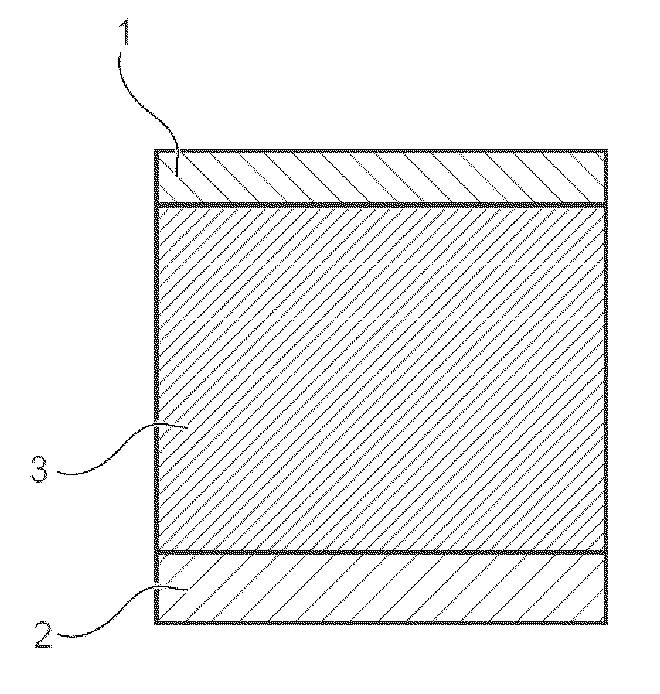
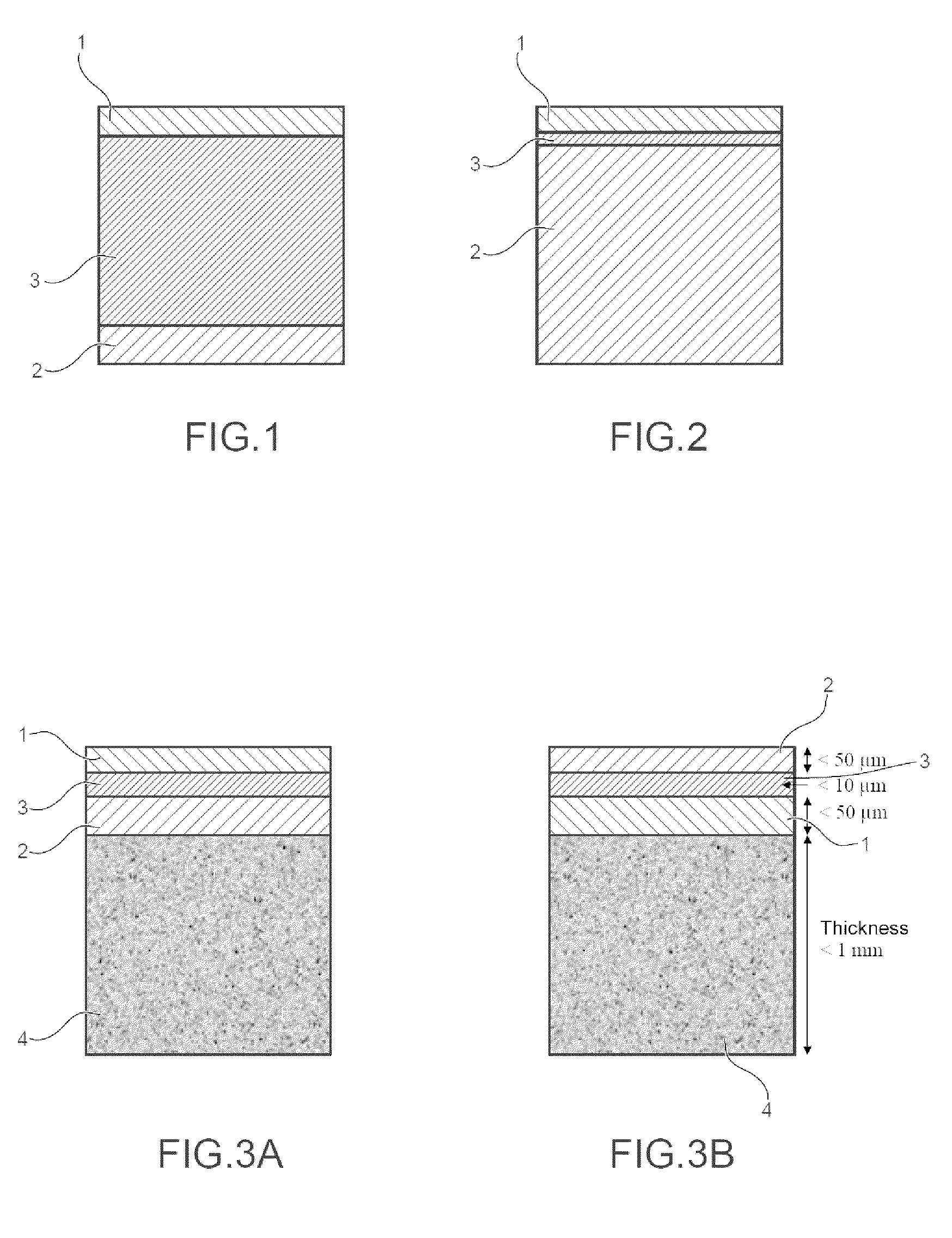
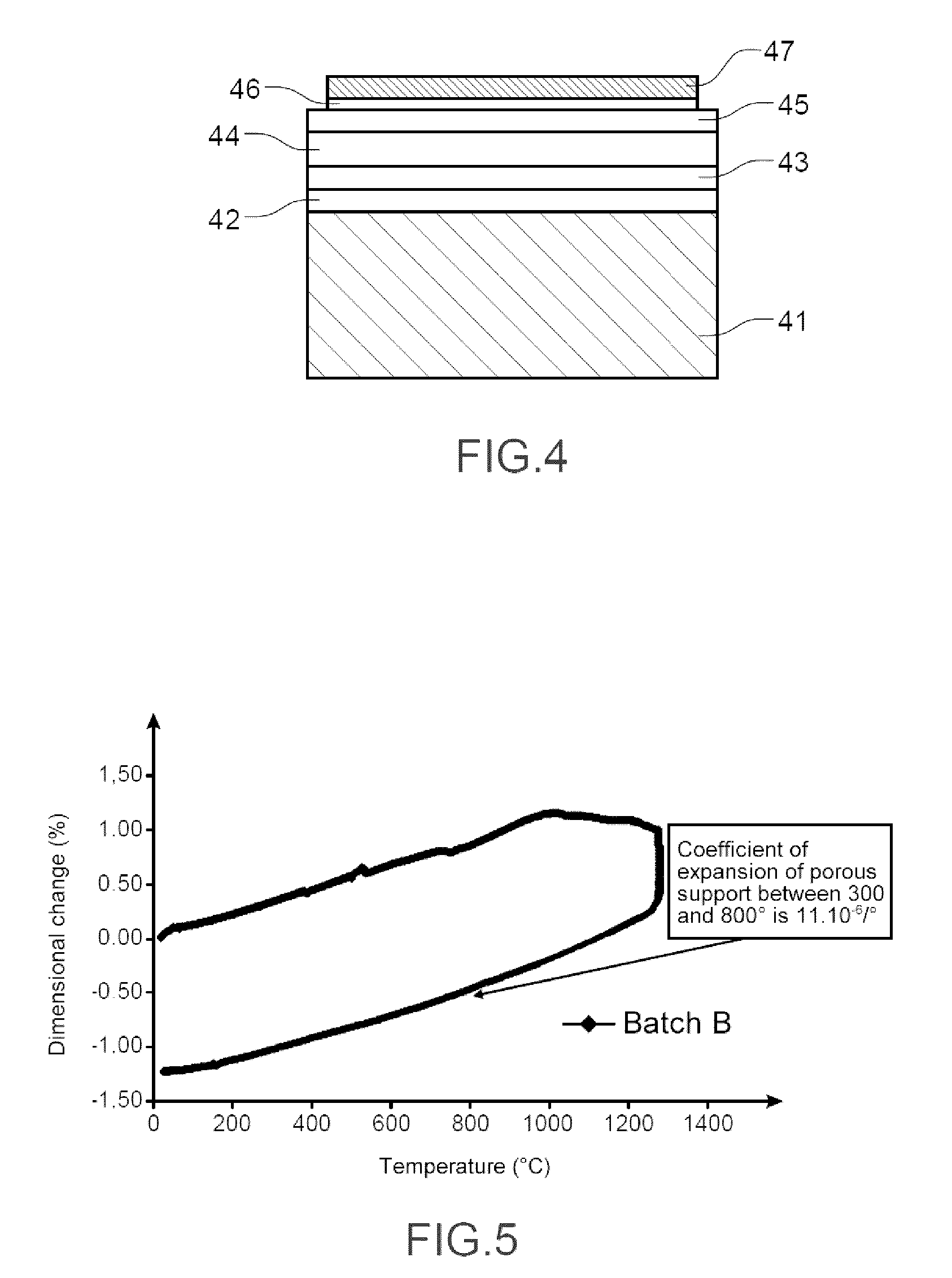
- A metal-supported electrochemical cell design featuring a porous metal support with a thermomechanical adaptive layer, a chromium diffusion barrier, a hydrogen electrode, a dense electrolyte, and a reaction barrier, along with a porous oxygen or air electrode, fabricated using a simplified method involving simultaneous sintering of all layers in a single operation, reducing production complexity and costs.

Dispersing fines in hydrocarbon applications using artificial lift
PatentWO2015084914A1
Innovation
- A method involving the use of dispersants such as poly(ethylene oxide), nonylphenoxypoly(ethyleneoxy)ethanol, and other chemical agents to create a slurry with coal fines at concentrations between 0.001 and 0.5 wt% in water, which prevents the agglomeration and settling of coal fines within PCPs, thereby extending the life of artificial lift systems.

Manufacturing Process Optimization Strategies
The optimization of manufacturing processes for sodium solid electrolyte pellets represents a critical pathway to mitigate mechanical failures that commonly plague these components. Current manufacturing approaches often result in pellets with non-uniform density distribution, microscopic defects, and inconsistent microstructural properties that significantly compromise mechanical integrity. To address these challenges, several optimization strategies have emerged as particularly promising.
Cold isostatic pressing (CIP) followed by controlled sintering has demonstrated superior results compared to conventional uniaxial pressing methods. This technique applies uniform pressure from all directions, resulting in more homogeneous density distribution throughout the pellet and reducing the formation of structural weaknesses that can propagate into cracks during cycling. Implementation of precise temperature ramping protocols during sintering further enhances microstructural uniformity.
Particle size engineering represents another crucial optimization avenue. Utilizing bimodal or carefully graded particle size distributions can significantly improve packing density while maintaining essential ion transport pathways. Research indicates that pellets manufactured with optimized particle size distributions exhibit up to 40% higher fracture toughness compared to those produced with conventional single-modal distributions.
Advanced process monitoring technologies, including in-situ acoustic emission detection and real-time impedance spectroscopy during manufacturing, enable continuous quality assessment and adaptive process control. These technologies allow for immediate identification of potential defect formation, facilitating rapid process adjustments to maintain quality standards.
Post-processing treatments have also shown considerable promise. Controlled thermal annealing under specific atmospheric conditions can heal minor defects and relieve internal stresses that would otherwise serve as failure initiation points. Additionally, surface modification techniques such as atomic layer deposition of protective coatings have demonstrated effectiveness in preventing crack propagation from surface defects.
Digital twin modeling of the entire manufacturing process chain represents an emerging optimization approach. By creating comprehensive computational models that simulate material behavior throughout pressing, sintering, and cooling phases, manufacturers can identify optimal process parameters without extensive physical testing. These models increasingly incorporate machine learning algorithms to predict defect formation based on subtle process variations.
Implementation of these optimization strategies requires careful consideration of cost-effectiveness and scalability factors, particularly as sodium-based battery technologies move toward commercial deployment. The most successful approaches will likely combine multiple strategies tailored to specific electrolyte compositions and intended application environments.
Cold isostatic pressing (CIP) followed by controlled sintering has demonstrated superior results compared to conventional uniaxial pressing methods. This technique applies uniform pressure from all directions, resulting in more homogeneous density distribution throughout the pellet and reducing the formation of structural weaknesses that can propagate into cracks during cycling. Implementation of precise temperature ramping protocols during sintering further enhances microstructural uniformity.
Particle size engineering represents another crucial optimization avenue. Utilizing bimodal or carefully graded particle size distributions can significantly improve packing density while maintaining essential ion transport pathways. Research indicates that pellets manufactured with optimized particle size distributions exhibit up to 40% higher fracture toughness compared to those produced with conventional single-modal distributions.
Advanced process monitoring technologies, including in-situ acoustic emission detection and real-time impedance spectroscopy during manufacturing, enable continuous quality assessment and adaptive process control. These technologies allow for immediate identification of potential defect formation, facilitating rapid process adjustments to maintain quality standards.
Post-processing treatments have also shown considerable promise. Controlled thermal annealing under specific atmospheric conditions can heal minor defects and relieve internal stresses that would otherwise serve as failure initiation points. Additionally, surface modification techniques such as atomic layer deposition of protective coatings have demonstrated effectiveness in preventing crack propagation from surface defects.
Digital twin modeling of the entire manufacturing process chain represents an emerging optimization approach. By creating comprehensive computational models that simulate material behavior throughout pressing, sintering, and cooling phases, manufacturers can identify optimal process parameters without extensive physical testing. These models increasingly incorporate machine learning algorithms to predict defect formation based on subtle process variations.
Implementation of these optimization strategies requires careful consideration of cost-effectiveness and scalability factors, particularly as sodium-based battery technologies move toward commercial deployment. The most successful approaches will likely combine multiple strategies tailored to specific electrolyte compositions and intended application environments.
Safety Standards and Testing Protocols
The development of safety standards and testing protocols for sodium solid electrolyte pellets represents a critical aspect of advancing solid-state battery technology. Currently, standardized testing frameworks specifically designed for sodium-based solid electrolytes remain underdeveloped compared to their lithium counterparts. Organizations such as ASTM International, IEC, and ISO have begun establishing preliminary guidelines, though these often require adaptation from lithium-based systems.
Mechanical integrity testing protocols typically include compression testing, indentation hardness measurements, and fracture toughness evaluations. For sodium solid electrolyte pellets, compression tests commonly employ universal testing machines with load cells ranging from 1-10 kN, applying controlled displacement rates between 0.1-1.0 mm/min. These tests reveal critical mechanical properties including Young's modulus, yield strength, and ultimate compressive strength.
Standardized environmental testing conditions have emerged as particularly important for sodium systems due to their heightened sensitivity to moisture. Testing protocols now commonly specify controlled humidity environments (<0.1% RH) and inert gas atmospheres. Temperature cycling tests have been standardized to evaluate thermal expansion mismatch effects, typically ranging from -20°C to 100°C with controlled ramp rates of 2-5°C/min.
Safety certification requirements increasingly mandate abuse testing protocols including thermal runaway assessment, puncture resistance evaluation, and mechanical shock testing. The UL 1642 standard has been adapted for sodium-based systems, while IEC 62660 provides guidance for mechanical testing of larger format cells incorporating these electrolytes.
Failure analysis methodologies have evolved to include standardized post-mortem examination procedures. These typically involve controlled atmosphere transfer systems, specialized cross-sectioning techniques, and analytical protocols using XRD, SEM-EDS, and Raman spectroscopy to characterize fracture surfaces and failure modes.
Recent developments include the establishment of round-robin testing initiatives across multiple research institutions to validate reproducibility of mechanical testing methods. The National Renewable Energy Laboratory (NREL) and Argonne National Laboratory have led efforts to standardize pellet preparation methods, recognizing that processing variables significantly impact mechanical performance and failure mechanisms.
Industry consortia including the Battery Standards Consortium have begun drafting sodium-specific testing protocols expected for publication within the next 18 months. These emerging standards will likely address the unique challenges of sodium systems, including their generally lower mechanical strength compared to lithium analogs and their distinctive fracture behavior under applied stress.
Mechanical integrity testing protocols typically include compression testing, indentation hardness measurements, and fracture toughness evaluations. For sodium solid electrolyte pellets, compression tests commonly employ universal testing machines with load cells ranging from 1-10 kN, applying controlled displacement rates between 0.1-1.0 mm/min. These tests reveal critical mechanical properties including Young's modulus, yield strength, and ultimate compressive strength.
Standardized environmental testing conditions have emerged as particularly important for sodium systems due to their heightened sensitivity to moisture. Testing protocols now commonly specify controlled humidity environments (<0.1% RH) and inert gas atmospheres. Temperature cycling tests have been standardized to evaluate thermal expansion mismatch effects, typically ranging from -20°C to 100°C with controlled ramp rates of 2-5°C/min.
Safety certification requirements increasingly mandate abuse testing protocols including thermal runaway assessment, puncture resistance evaluation, and mechanical shock testing. The UL 1642 standard has been adapted for sodium-based systems, while IEC 62660 provides guidance for mechanical testing of larger format cells incorporating these electrolytes.
Failure analysis methodologies have evolved to include standardized post-mortem examination procedures. These typically involve controlled atmosphere transfer systems, specialized cross-sectioning techniques, and analytical protocols using XRD, SEM-EDS, and Raman spectroscopy to characterize fracture surfaces and failure modes.
Recent developments include the establishment of round-robin testing initiatives across multiple research institutions to validate reproducibility of mechanical testing methods. The National Renewable Energy Laboratory (NREL) and Argonne National Laboratory have led efforts to standardize pellet preparation methods, recognizing that processing variables significantly impact mechanical performance and failure mechanisms.
Industry consortia including the Battery Standards Consortium have begun drafting sodium-specific testing protocols expected for publication within the next 18 months. These emerging standards will likely address the unique challenges of sodium systems, including their generally lower mechanical strength compared to lithium analogs and their distinctive fracture behavior under applied stress.
Unlock deeper insights with PatSnap Eureka Quick Research — get a full tech report to explore trends and direct your research. Try now!
Generate Your Research Report Instantly with AI Agent
Supercharge your innovation with PatSnap Eureka AI Agent Platform!