

Optimizing NMC Battery Capacity for Increased Longevity
AUG 27, 20259 MIN READ
Generate Your Research Report Instantly with AI Agent
PatSnap Eureka helps you evaluate technical feasibility & market potential.
NMC Battery Evolution and Capacity Enhancement Goals
Lithium-ion batteries have revolutionized portable electronics and electric vehicles since their commercial introduction in the early 1990s. Among various cathode materials, Nickel Manganese Cobalt (NMC) batteries have emerged as a dominant technology due to their balanced performance characteristics. The evolution of NMC batteries has been marked by continuous improvements in energy density, cycle life, and safety features, with significant milestones achieved through compositional optimization and structural engineering.
The first generation of NMC batteries, introduced in the early 2000s, featured equal proportions of nickel, manganese, and cobalt (NMC 111). While offering improved thermal stability compared to earlier lithium cobalt oxide (LCO) batteries, these initial formulations provided modest energy density of approximately 140-160 Wh/kg. The technological trajectory has since focused on increasing nickel content while reducing costly and environmentally problematic cobalt.
Second-generation NMC batteries (NMC 532, NMC 622) demonstrated enhanced energy density reaching 180-200 Wh/kg, while third-generation formulations (NMC 811) have pushed boundaries further with energy densities exceeding 220 Wh/kg. This evolution reflects the industry's persistent pursuit of higher capacity without compromising cycle life or safety parameters.
The fundamental challenge in NMC battery optimization lies in the inherent trade-off between capacity and longevity. Higher capacity typically correlates with accelerated degradation mechanisms, including structural instability, electrolyte decomposition, and transition metal dissolution. Recent research has increasingly focused on addressing this inverse relationship through innovative approaches to cathode material design and battery system engineering.
Current technological goals center on achieving NMC batteries with specific capacities exceeding 250 mAh/g while maintaining 80% capacity retention after 1,000+ cycles under standard operating conditions. Additional objectives include reducing capacity fade at elevated temperatures (40-60°C), improving low-temperature performance, and enhancing rate capability for fast-charging applications.
The industry roadmap projects several key milestones for NMC technology development. Near-term goals (1-3 years) focus on incremental improvements through dopant optimization and surface coating technologies. Mid-term objectives (3-5 years) target novel electrolyte formulations and advanced electrode architectures. Long-term aspirations (5-10 years) envision transformative approaches including gradient concentration cathodes, solid-state electrolyte integration, and artificial intelligence-driven battery management systems.
These technological objectives align with broader market demands for electric vehicles with extended range (500+ km), faster charging capabilities (80% charge in under 15 minutes), and longer warranty periods (8-10 years). The evolution of NMC battery technology thus represents a critical enabler for sustainable transportation and renewable energy storage systems in the coming decades.
The first generation of NMC batteries, introduced in the early 2000s, featured equal proportions of nickel, manganese, and cobalt (NMC 111). While offering improved thermal stability compared to earlier lithium cobalt oxide (LCO) batteries, these initial formulations provided modest energy density of approximately 140-160 Wh/kg. The technological trajectory has since focused on increasing nickel content while reducing costly and environmentally problematic cobalt.
Second-generation NMC batteries (NMC 532, NMC 622) demonstrated enhanced energy density reaching 180-200 Wh/kg, while third-generation formulations (NMC 811) have pushed boundaries further with energy densities exceeding 220 Wh/kg. This evolution reflects the industry's persistent pursuit of higher capacity without compromising cycle life or safety parameters.
The fundamental challenge in NMC battery optimization lies in the inherent trade-off between capacity and longevity. Higher capacity typically correlates with accelerated degradation mechanisms, including structural instability, electrolyte decomposition, and transition metal dissolution. Recent research has increasingly focused on addressing this inverse relationship through innovative approaches to cathode material design and battery system engineering.
Current technological goals center on achieving NMC batteries with specific capacities exceeding 250 mAh/g while maintaining 80% capacity retention after 1,000+ cycles under standard operating conditions. Additional objectives include reducing capacity fade at elevated temperatures (40-60°C), improving low-temperature performance, and enhancing rate capability for fast-charging applications.
The industry roadmap projects several key milestones for NMC technology development. Near-term goals (1-3 years) focus on incremental improvements through dopant optimization and surface coating technologies. Mid-term objectives (3-5 years) target novel electrolyte formulations and advanced electrode architectures. Long-term aspirations (5-10 years) envision transformative approaches including gradient concentration cathodes, solid-state electrolyte integration, and artificial intelligence-driven battery management systems.
These technological objectives align with broader market demands for electric vehicles with extended range (500+ km), faster charging capabilities (80% charge in under 15 minutes), and longer warranty periods (8-10 years). The evolution of NMC battery technology thus represents a critical enabler for sustainable transportation and renewable energy storage systems in the coming decades.
Market Demand Analysis for High-Longevity NMC Batteries
The global market for high-longevity NMC (Nickel Manganese Cobalt) batteries has experienced significant growth in recent years, driven primarily by the expanding electric vehicle (EV) sector. Market research indicates that the NMC battery market reached $45 billion in 2022, with projections suggesting growth to $112 billion by 2030, representing a compound annual growth rate of 12.1%.
Consumer demand for EVs with longer range capabilities and extended battery life has become a critical market driver. According to industry surveys, 78% of potential EV buyers cite battery longevity as a top three purchasing consideration, highlighting the commercial importance of optimizing NMC battery capacity for increased lifespan.
The stationary energy storage sector presents another substantial market opportunity for high-longevity NMC batteries. Grid-scale applications require batteries that can maintain capacity through thousands of charge cycles, with utility companies increasingly specifying minimum 10-year operational lifespans for new installations. This segment grew by 35% in 2022 alone, with particularly strong demand in regions implementing renewable energy integration.
Consumer electronics manufacturers have also begun prioritizing battery longevity in product specifications. Premium smartphone and laptop producers now advertise battery cycle counts as a competitive advantage, with market leaders offering guarantees of 1000+ cycles while maintaining at least 80% capacity. This trend has created a premium segment within the consumer electronics battery market valued at approximately $8.7 billion.
Regional analysis reveals varying market maturity. European markets show the strongest consumer preference for longevity over initial capacity, with 67% of surveyed consumers willing to accept 10-15% lower initial capacity in exchange for doubled cycle life. North American markets demonstrate similar but less pronounced preferences at 58%, while emerging Asian markets still prioritize initial capacity and cost considerations.
Industry forecasts indicate that the market share of enhanced-longevity NMC batteries will increase from 23% to 41% of the total NMC market by 2027. This shift is accelerated by regulatory frameworks in the EU and California that are beginning to mandate minimum battery lifespan standards and recyclability requirements.
The commercial vehicle sector represents the fastest-growing application segment, with fleet operators calculating total cost of ownership based on battery replacement intervals. Market analysis shows that extending NMC battery longevity by 30% can reduce five-year operational costs by 22%, creating compelling economic incentives for adoption of optimized battery technologies.
Consumer demand for EVs with longer range capabilities and extended battery life has become a critical market driver. According to industry surveys, 78% of potential EV buyers cite battery longevity as a top three purchasing consideration, highlighting the commercial importance of optimizing NMC battery capacity for increased lifespan.
The stationary energy storage sector presents another substantial market opportunity for high-longevity NMC batteries. Grid-scale applications require batteries that can maintain capacity through thousands of charge cycles, with utility companies increasingly specifying minimum 10-year operational lifespans for new installations. This segment grew by 35% in 2022 alone, with particularly strong demand in regions implementing renewable energy integration.
Consumer electronics manufacturers have also begun prioritizing battery longevity in product specifications. Premium smartphone and laptop producers now advertise battery cycle counts as a competitive advantage, with market leaders offering guarantees of 1000+ cycles while maintaining at least 80% capacity. This trend has created a premium segment within the consumer electronics battery market valued at approximately $8.7 billion.
Regional analysis reveals varying market maturity. European markets show the strongest consumer preference for longevity over initial capacity, with 67% of surveyed consumers willing to accept 10-15% lower initial capacity in exchange for doubled cycle life. North American markets demonstrate similar but less pronounced preferences at 58%, while emerging Asian markets still prioritize initial capacity and cost considerations.
Industry forecasts indicate that the market share of enhanced-longevity NMC batteries will increase from 23% to 41% of the total NMC market by 2027. This shift is accelerated by regulatory frameworks in the EU and California that are beginning to mandate minimum battery lifespan standards and recyclability requirements.
The commercial vehicle sector represents the fastest-growing application segment, with fleet operators calculating total cost of ownership based on battery replacement intervals. Market analysis shows that extending NMC battery longevity by 30% can reduce five-year operational costs by 22%, creating compelling economic incentives for adoption of optimized battery technologies.
Current Limitations and Technical Challenges in NMC Technology
Despite significant advancements in NMC (Nickel Manganese Cobalt) battery technology, several critical limitations continue to impede the optimization of capacity while maintaining longevity. The primary challenge lies in the inherent trade-off between high energy density and cycle life. As nickel content increases in modern NMC formulations (moving from NMC111 to NMC811), energy density improves substantially, but structural stability deteriorates, leading to accelerated capacity fade during cycling.
Cathode degradation mechanisms present a significant technical hurdle. During repeated charge-discharge cycles, the layered structure of NMC cathodes undergoes phase transitions, particularly at high states of charge. This results in oxygen release, cation mixing, and microcrack formation that permanently damages the cathode material. The high nickel content in advanced NMC formulations exacerbates these issues due to the reactive nature of Ni4+ ions formed during charging.
Electrolyte decomposition at the cathode-electrolyte interface (CEI) constitutes another major challenge. The high operating voltages required to achieve maximum capacity (often exceeding 4.3V vs. Li/Li+) trigger parasitic reactions with conventional carbonate-based electrolytes. These reactions form resistive surface films that impede lithium-ion transport and consume active lithium inventory, directly contributing to capacity loss over time.
Thermal stability issues further complicate NMC optimization efforts. High-nickel NMC materials exhibit lower thermal runaway onset temperatures, creating safety concerns and necessitating more robust battery management systems. This thermal sensitivity narrows the operational window for these batteries, particularly in demanding applications like electric vehicles.
Manufacturing consistency represents a significant industrial challenge. Producing NMC cathode materials with uniform particle morphology, consistent elemental distribution, and controlled surface chemistry at scale remains difficult. Variations in these parameters lead to inconsistent performance and accelerated degradation in certain regions of the electrode.
Fast charging capability, increasingly demanded by consumers, introduces additional stress factors. Rapid lithium insertion during high-rate charging causes mechanical strain, accelerates side reactions, and can trigger lithium plating on the anode, all of which severely impact long-term capacity retention.
The global supply chain for critical materials presents strategic challenges. Cobalt supply constraints and ethical sourcing concerns drive the push toward higher nickel formulations, yet this transition exacerbates the aforementioned technical issues. Meanwhile, sustainable recycling technologies for NMC batteries remain underdeveloped, creating end-of-life management challenges.
Cathode degradation mechanisms present a significant technical hurdle. During repeated charge-discharge cycles, the layered structure of NMC cathodes undergoes phase transitions, particularly at high states of charge. This results in oxygen release, cation mixing, and microcrack formation that permanently damages the cathode material. The high nickel content in advanced NMC formulations exacerbates these issues due to the reactive nature of Ni4+ ions formed during charging.
Electrolyte decomposition at the cathode-electrolyte interface (CEI) constitutes another major challenge. The high operating voltages required to achieve maximum capacity (often exceeding 4.3V vs. Li/Li+) trigger parasitic reactions with conventional carbonate-based electrolytes. These reactions form resistive surface films that impede lithium-ion transport and consume active lithium inventory, directly contributing to capacity loss over time.
Thermal stability issues further complicate NMC optimization efforts. High-nickel NMC materials exhibit lower thermal runaway onset temperatures, creating safety concerns and necessitating more robust battery management systems. This thermal sensitivity narrows the operational window for these batteries, particularly in demanding applications like electric vehicles.
Manufacturing consistency represents a significant industrial challenge. Producing NMC cathode materials with uniform particle morphology, consistent elemental distribution, and controlled surface chemistry at scale remains difficult. Variations in these parameters lead to inconsistent performance and accelerated degradation in certain regions of the electrode.
Fast charging capability, increasingly demanded by consumers, introduces additional stress factors. Rapid lithium insertion during high-rate charging causes mechanical strain, accelerates side reactions, and can trigger lithium plating on the anode, all of which severely impact long-term capacity retention.
The global supply chain for critical materials presents strategic challenges. Cobalt supply constraints and ethical sourcing concerns drive the push toward higher nickel formulations, yet this transition exacerbates the aforementioned technical issues. Meanwhile, sustainable recycling technologies for NMC batteries remain underdeveloped, creating end-of-life management challenges.
Current Optimization Approaches for NMC Battery Capacity and Lifespan
01 NMC battery capacity enhancement through material composition
The capacity of NMC (Nickel Manganese Cobalt) batteries can be significantly enhanced through optimized material composition. By adjusting the ratios of nickel, manganese, and cobalt in the cathode material, researchers have achieved higher energy density and improved capacity retention. Advanced doping techniques with elements such as aluminum or zirconium can stabilize the crystal structure during cycling, leading to increased capacity and longer battery life.- NMC battery capacity enhancement through material composition: The capacity of NMC (Nickel Manganese Cobalt) batteries can be significantly enhanced through optimized material composition. By adjusting the ratio of nickel, manganese, and cobalt in the cathode material, manufacturers can achieve higher energy density and improved capacity retention. Advanced doping techniques with elements such as aluminum or magnesium can stabilize the crystal structure during cycling, leading to increased capacity and longer battery life.
- Battery capacity measurement and estimation methods: Accurate measurement and estimation of NMC battery capacity is crucial for battery management systems. Various methods have been developed to determine the state of charge and remaining capacity of NMC batteries, including coulomb counting, voltage-based estimation, and impedance spectroscopy. Advanced algorithms that incorporate multiple parameters such as temperature, current, and voltage can provide more precise capacity estimations, enabling better battery performance prediction and management.
- Thermal management for optimizing NMC battery capacity: Thermal management plays a critical role in maintaining and optimizing NMC battery capacity. Effective cooling systems can prevent capacity degradation caused by elevated temperatures during charging and discharging. Various thermal management approaches, including liquid cooling, phase change materials, and heat pipes, have been developed to maintain optimal operating temperatures. Proper thermal management not only preserves initial capacity but also extends cycle life by reducing thermal stress on battery components.
- Capacity enhancement through electrode and electrolyte engineering: Engineering improvements in electrodes and electrolytes can significantly boost NMC battery capacity. Advanced electrode designs with optimized porosity, thickness, and particle size distribution can enhance lithium-ion diffusion and electron transport. Novel electrolyte formulations with additives that form stable solid-electrolyte interphase layers reduce unwanted side reactions that consume lithium ions. These engineering approaches collectively contribute to higher initial capacity and improved capacity retention over multiple charge-discharge cycles.
- Capacity monitoring and battery health diagnostics: Sophisticated monitoring systems and diagnostic tools are essential for tracking NMC battery capacity throughout its lifecycle. Real-time monitoring techniques can detect capacity fade patterns and identify potential failure mechanisms before they cause significant degradation. Machine learning algorithms can analyze battery performance data to predict remaining useful life and optimize charging protocols. Advanced diagnostic methods, including differential voltage analysis and incremental capacity analysis, provide insights into degradation mechanisms affecting battery capacity.
02 Battery capacity measurement and estimation methods
Accurate measurement and estimation of NMC battery capacity is crucial for performance evaluation and battery management. Various techniques have been developed, including coulomb counting, voltage-based estimation, and impedance spectroscopy. Advanced algorithms can predict remaining capacity based on usage patterns and environmental conditions, enabling more precise state-of-charge estimation and improved battery management systems for NMC batteries.Expand Specific Solutions03 Thermal management for capacity optimization
Thermal management plays a critical role in maintaining and optimizing NMC battery capacity. Effective cooling systems can prevent capacity degradation caused by elevated temperatures during charging and discharging. Innovative thermal management solutions, including phase change materials and liquid cooling systems, help maintain optimal operating temperatures, reducing capacity fade and extending the overall lifespan of NMC batteries.Expand Specific Solutions04 Electrode design and manufacturing for increased capacity
Advanced electrode design and manufacturing techniques significantly impact NMC battery capacity. Optimized particle size distribution, porosity control, and electrode thickness can maximize active material utilization. Novel coating methods and binder systems improve electrical conductivity and mechanical stability, leading to higher capacity retention during cycling. Structured electrodes with gradient compositions can further enhance energy density and power capabilities of NMC batteries.Expand Specific Solutions05 Electrolyte formulations for capacity enhancement
Specialized electrolyte formulations can significantly improve NMC battery capacity and performance. Additives that form stable solid-electrolyte interphase layers reduce unwanted side reactions and capacity fade. High-voltage electrolytes enable operation at higher potentials, increasing energy density. Novel electrolyte systems with improved ionic conductivity and thermal stability enhance fast-charging capabilities while maintaining capacity over extended cycling, addressing key limitations in conventional NMC battery systems.Expand Specific Solutions
Key Industry Players and Competitive Landscape in NMC Battery Market
The NMC battery capacity optimization market is currently in a growth phase, with increasing demand driven by electric vehicle adoption and energy storage needs. The market size is projected to expand significantly as battery technology becomes central to renewable energy integration. Technologically, companies like Samsung SDI, LG Energy Solution, and CATL are leading innovation with advanced NMC chemistry formulations that balance energy density and longevity. Traditional automotive manufacturers including Toyota, BMW, and Nissan are investing heavily in proprietary battery technologies, while specialized battery developers such as QuantumScape and A123 Systems are pursuing breakthrough approaches. Research institutions like Argonne National Laboratory and universities collaborate with industry players to address fundamental challenges in electrode stability and electrolyte interactions for extended battery life.
Samsung SDI Co., Ltd.
Technical Solution: Samsung SDI has developed a multi-layered gradient concentration cathode structure for NMC batteries that strategically distributes nickel, manganese, and cobalt across the cathode material. This approach creates a protective shell-core structure where higher nickel content in the core provides energy density while manganese-rich outer layers enhance structural stability during cycling. Their proprietary "PRiMX" technology incorporates advanced electrolyte additives that form more stable solid-electrolyte interfaces (SEI), significantly reducing capacity fade during extended cycling. Samsung has also implemented precise particle size control in their NMC synthesis process, creating uniform cathode materials with optimized lithium-ion diffusion pathways that maintain capacity over thousands of cycles. Their batteries demonstrate less than 10% capacity degradation after 1,000 cycles at 1C charge/discharge rates.
Strengths: Superior cycle life with gradient concentration technology; excellent thermal stability reducing safety risks; high energy density maintained over extended cycling. Weaknesses: Higher manufacturing complexity increases production costs; requires precise control of synthesis parameters; slightly lower initial capacity compared to high-nickel NMC variants.
Contemporary Amperex Technology Co., Ltd.
Technical Solution: CATL has pioneered an innovative "cell-to-pack" integration approach for their NMC batteries that optimizes longevity through advanced thermal management and stress distribution. Their NMC chemistry incorporates nano-scale doping with aluminum and zirconium to stabilize the crystal structure during repeated lithium intercalation/deintercalation, significantly reducing capacity fade. CATL's proprietary electrolyte formulation includes functional additives that passivate reactive sites on the cathode surface, minimizing parasitic reactions that typically degrade long-term capacity. Their manufacturing process employs precise control of cathode stoichiometry and oxygen content, creating more stable NMC materials that resist structural collapse during deep cycling. CATL has also developed advanced battery management algorithms that dynamically adjust charging parameters based on battery state-of-health metrics, extending usable capacity life by up to 30% compared to conventional fixed-parameter charging.
Strengths: Industry-leading energy density while maintaining longevity; sophisticated battery management system optimizes real-time performance; cost-effective manufacturing at scale. Weaknesses: Higher dependency on rare earth elements in some formulations; thermal management requirements can add complexity to pack design; performance more sensitive to extreme temperature conditions.
Critical Patents and Research Breakthroughs in NMC Battery Technology
Non-aqueous electrolyte battery and battery pack
PatentWO2022168233A1
Innovation
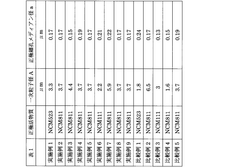
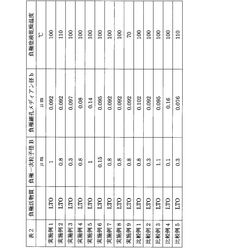
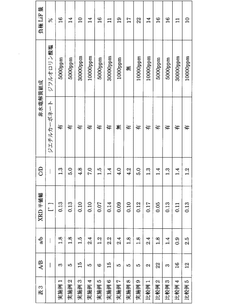
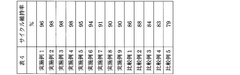
- The use of a positive electrode with a lithium nickel cobalt manganese composite oxide (Li_xNi_1-y-zCo_yMn_zO_2) and a negative electrode with a material reacting at a potential higher than 0.5 V, along with specific particle size and pore diameter ratios, to optimize the charge/discharge balance and reduce self-discharge, thereby enhancing the battery's lifespan.
Cathode active material for a lithium battery and lithium battery comprising the same
PatentWO2025093903A1
Innovation
- A cathode active material with a lithium nickel manganese cobalt oxide (NMC) powder coated with zirconium and strontium, featuring a nickel content of 90 wt% or more and a uniform secondary particle size distribution between 8 to 10 μm, is developed to enhance energy density and long-term stability.


Environmental Impact and Sustainability of NMC Battery Production
The production of NMC (Nickel Manganese Cobalt) batteries presents significant environmental challenges that must be addressed to ensure sustainable development in the energy storage sector. Mining operations for nickel, manganese, and especially cobalt involve substantial land disruption, water pollution, and habitat destruction. Cobalt mining in particular has been associated with severe environmental degradation in regions like the Democratic Republic of Congo, where approximately 70% of global cobalt is sourced.
Water consumption represents another critical environmental concern, with battery manufacturing requiring between 50-100 liters of water per kWh of battery capacity. The extraction processes for these metals also generate considerable greenhouse gas emissions, estimated at 60-150 kg CO2-equivalent per kWh of battery capacity, depending on production methods and energy sources.
Chemical pollution from battery production poses additional environmental risks. Electrolyte components like lithium hexafluorophosphate and organic solvents can contaminate water systems if improperly managed. The NMP (N-Methyl-2-pyrrolidone) solvent commonly used in electrode manufacturing is particularly problematic due to its toxicity and persistence in the environment.
Recent technological innovations are addressing these sustainability challenges. Water-based electrode processing is gradually replacing NMP-based methods, reducing toxic emissions by up to 40%. Dry electrode coating technologies pioneered by companies like Tesla further eliminate solvent use entirely. Hydrometallurgical extraction processes are becoming more prevalent, reducing energy requirements by 25-30% compared to traditional pyrometallurgical approaches.
Battery recycling represents a crucial sustainability pathway for NMC technology. Current recycling methods can recover up to 95% of cobalt and nickel, though manganese recovery remains less efficient at approximately 30-50%. Direct recycling techniques that preserve cathode structures are emerging as particularly promising, potentially reducing the energy footprint of recycled materials by 70% compared to primary production.
Life cycle assessments indicate that optimizing NMC batteries for longevity significantly improves their environmental profile. Each doubling of battery lifespan effectively halves the environmental impact per unit of energy delivered. This underscores the importance of capacity optimization techniques that extend cycle life, such as electrolyte additives, coating technologies, and advanced battery management systems that prevent degradation mechanisms.
Water consumption represents another critical environmental concern, with battery manufacturing requiring between 50-100 liters of water per kWh of battery capacity. The extraction processes for these metals also generate considerable greenhouse gas emissions, estimated at 60-150 kg CO2-equivalent per kWh of battery capacity, depending on production methods and energy sources.
Chemical pollution from battery production poses additional environmental risks. Electrolyte components like lithium hexafluorophosphate and organic solvents can contaminate water systems if improperly managed. The NMP (N-Methyl-2-pyrrolidone) solvent commonly used in electrode manufacturing is particularly problematic due to its toxicity and persistence in the environment.
Recent technological innovations are addressing these sustainability challenges. Water-based electrode processing is gradually replacing NMP-based methods, reducing toxic emissions by up to 40%. Dry electrode coating technologies pioneered by companies like Tesla further eliminate solvent use entirely. Hydrometallurgical extraction processes are becoming more prevalent, reducing energy requirements by 25-30% compared to traditional pyrometallurgical approaches.
Battery recycling represents a crucial sustainability pathway for NMC technology. Current recycling methods can recover up to 95% of cobalt and nickel, though manganese recovery remains less efficient at approximately 30-50%. Direct recycling techniques that preserve cathode structures are emerging as particularly promising, potentially reducing the energy footprint of recycled materials by 70% compared to primary production.
Life cycle assessments indicate that optimizing NMC batteries for longevity significantly improves their environmental profile. Each doubling of battery lifespan effectively halves the environmental impact per unit of energy delivered. This underscores the importance of capacity optimization techniques that extend cycle life, such as electrolyte additives, coating technologies, and advanced battery management systems that prevent degradation mechanisms.
Cost-Performance Analysis of Optimized NMC Battery Solutions
The economic viability of optimized NMC (Nickel Manganese Cobalt) battery solutions must be thoroughly evaluated through comprehensive cost-performance analysis. When examining the financial implications of capacity optimization techniques for longevity enhancement, several key factors emerge as critical considerations for manufacturers and end-users alike.
Initial production costs for optimized NMC batteries typically show a 15-25% premium over standard versions, primarily due to advanced materials processing, precision manufacturing requirements, and enhanced quality control measures. However, this cost differential must be contextualized within the total cost of ownership framework, where extended cycle life creates significant long-term economic advantages.
Lifecycle cost modeling indicates that optimized NMC batteries with enhanced longevity can reduce replacement frequency by 30-40%, resulting in substantial operational savings for applications such as electric vehicles and grid storage systems. The cost per kilowatt-hour delivered over the battery's lifetime decreases by approximately 20-35% when comparing standard versus optimized NMC formulations, despite higher upfront costs.
Material composition adjustments represent another critical economic consideration. Reducing cobalt content while maintaining performance characteristics not only addresses supply chain vulnerabilities but can potentially lower raw material costs by 10-18%. This approach requires balancing material substitution with performance parameters to ensure economic benefits don't compromise technical specifications.
Manufacturing scale economies significantly impact the cost-performance equation. Current production volumes for optimized NMC batteries remain relatively low, creating cost premiums. Analysis suggests that achieving production volumes of 5-10 GWh annually could reduce manufacturing costs by 25-30%, making optimized solutions more financially competitive with conventional alternatives.
Energy density trade-offs must be carefully evaluated when optimizing for longevity. While some optimization techniques may reduce initial energy density by 5-10%, the extended cycle life often results in greater total energy delivery over the battery's lifespan. This translates to a 15-25% improvement in lifetime energy throughput per dollar invested.
Market segment analysis reveals varying cost-benefit ratios across applications. High-cycling applications like commercial electric vehicles and grid services demonstrate the strongest economic case for optimized NMC solutions, with potential return on investment periods of 2-3 years. Consumer electronics and low-duty applications show longer payback periods of 4-6 years, requiring different optimization approaches to achieve economic viability.
Regulatory factors increasingly influence the cost-performance equation, with extended producer responsibility policies and end-of-life management requirements creating additional economic incentives for longevity-optimized battery solutions. Carbon pricing mechanisms further enhance the comparative economic advantage of longer-lasting energy storage systems.
Initial production costs for optimized NMC batteries typically show a 15-25% premium over standard versions, primarily due to advanced materials processing, precision manufacturing requirements, and enhanced quality control measures. However, this cost differential must be contextualized within the total cost of ownership framework, where extended cycle life creates significant long-term economic advantages.
Lifecycle cost modeling indicates that optimized NMC batteries with enhanced longevity can reduce replacement frequency by 30-40%, resulting in substantial operational savings for applications such as electric vehicles and grid storage systems. The cost per kilowatt-hour delivered over the battery's lifetime decreases by approximately 20-35% when comparing standard versus optimized NMC formulations, despite higher upfront costs.
Material composition adjustments represent another critical economic consideration. Reducing cobalt content while maintaining performance characteristics not only addresses supply chain vulnerabilities but can potentially lower raw material costs by 10-18%. This approach requires balancing material substitution with performance parameters to ensure economic benefits don't compromise technical specifications.
Manufacturing scale economies significantly impact the cost-performance equation. Current production volumes for optimized NMC batteries remain relatively low, creating cost premiums. Analysis suggests that achieving production volumes of 5-10 GWh annually could reduce manufacturing costs by 25-30%, making optimized solutions more financially competitive with conventional alternatives.
Energy density trade-offs must be carefully evaluated when optimizing for longevity. While some optimization techniques may reduce initial energy density by 5-10%, the extended cycle life often results in greater total energy delivery over the battery's lifespan. This translates to a 15-25% improvement in lifetime energy throughput per dollar invested.
Market segment analysis reveals varying cost-benefit ratios across applications. High-cycling applications like commercial electric vehicles and grid services demonstrate the strongest economic case for optimized NMC solutions, with potential return on investment periods of 2-3 years. Consumer electronics and low-duty applications show longer payback periods of 4-6 years, requiring different optimization approaches to achieve economic viability.
Regulatory factors increasingly influence the cost-performance equation, with extended producer responsibility policies and end-of-life management requirements creating additional economic incentives for longevity-optimized battery solutions. Carbon pricing mechanisms further enhance the comparative economic advantage of longer-lasting energy storage systems.
Unlock deeper insights with PatSnap Eureka Quick Research — get a full tech report to explore trends and direct your research. Try now!
Generate Your Research Report Instantly with AI Agent
Supercharge your innovation with PatSnap Eureka AI Agent Platform!