Optimizing PCB Design to Reduce Coil Whine
AUG 13, 20259 MIN READ
Generate Your Research Report Instantly with AI Agent
Patsnap Eureka helps you evaluate technical feasibility & market potential.
PCB Coil Whine Background and Objectives
Coil whine, a persistent challenge in printed circuit board (PCB) design, has become increasingly significant as electronic devices continue to shrink in size while demanding higher performance. This audible noise, typically ranging from 20 Hz to 20 kHz, is caused by electromagnetic forces inducing mechanical vibrations in components such as inductors, transformers, and capacitors. The phenomenon has been observed since the early days of electronics but has gained prominence with the proliferation of high-frequency switching power supplies and compact device designs.
The evolution of PCB technology has been marked by continuous efforts to improve efficiency, reduce size, and enhance performance. However, these advancements have inadvertently exacerbated the coil whine issue. As switching frequencies increase and component densities rise, the potential for audible electromagnetic noise has grown significantly. This has led to a renewed focus on mitigating coil whine as a critical aspect of PCB design optimization.
The primary objective of this technical research is to explore and develop innovative strategies for reducing coil whine in PCB designs. This goal encompasses several key aspects, including identifying the root causes of coil whine, analyzing current mitigation techniques, and proposing novel approaches to address this issue effectively. By doing so, we aim to enhance the overall quality and user experience of electronic devices while maintaining or improving their performance characteristics.
Understanding the multifaceted nature of coil whine is crucial to developing effective solutions. Factors such as PCB layout, component selection, power supply design, and electromagnetic shielding all play significant roles in the generation and propagation of this unwanted noise. Therefore, a comprehensive approach that considers these various elements is essential for achieving meaningful reductions in coil whine.
The technical landscape surrounding coil whine mitigation is dynamic, with ongoing research and development efforts across the electronics industry. Recent advancements in materials science, simulation tools, and manufacturing processes offer new possibilities for addressing this challenge. By leveraging these developments and exploring innovative design methodologies, we aim to push the boundaries of what is possible in PCB design optimization.
As we delve into this technical research, it is important to consider the broader implications of coil whine reduction. Beyond improving user experience, minimizing electromagnetic noise can contribute to enhanced device reliability, reduced electromagnetic interference, and potentially lower power consumption. These benefits align with broader industry trends towards more sustainable and efficient electronic products.
The evolution of PCB technology has been marked by continuous efforts to improve efficiency, reduce size, and enhance performance. However, these advancements have inadvertently exacerbated the coil whine issue. As switching frequencies increase and component densities rise, the potential for audible electromagnetic noise has grown significantly. This has led to a renewed focus on mitigating coil whine as a critical aspect of PCB design optimization.
The primary objective of this technical research is to explore and develop innovative strategies for reducing coil whine in PCB designs. This goal encompasses several key aspects, including identifying the root causes of coil whine, analyzing current mitigation techniques, and proposing novel approaches to address this issue effectively. By doing so, we aim to enhance the overall quality and user experience of electronic devices while maintaining or improving their performance characteristics.
Understanding the multifaceted nature of coil whine is crucial to developing effective solutions. Factors such as PCB layout, component selection, power supply design, and electromagnetic shielding all play significant roles in the generation and propagation of this unwanted noise. Therefore, a comprehensive approach that considers these various elements is essential for achieving meaningful reductions in coil whine.
The technical landscape surrounding coil whine mitigation is dynamic, with ongoing research and development efforts across the electronics industry. Recent advancements in materials science, simulation tools, and manufacturing processes offer new possibilities for addressing this challenge. By leveraging these developments and exploring innovative design methodologies, we aim to push the boundaries of what is possible in PCB design optimization.
As we delve into this technical research, it is important to consider the broader implications of coil whine reduction. Beyond improving user experience, minimizing electromagnetic noise can contribute to enhanced device reliability, reduced electromagnetic interference, and potentially lower power consumption. These benefits align with broader industry trends towards more sustainable and efficient electronic products.
Market Demand for Quiet Electronics
The market demand for quiet electronics has been steadily increasing in recent years, driven by consumer preferences for more comfortable and less intrusive devices. This trend is particularly evident in the personal computing, home entertainment, and office equipment sectors. As users become more sensitive to noise pollution in their living and working environments, manufacturers are under pressure to develop products that operate with minimal acoustic disturbance.
In the personal computing market, laptops and desktop computers with reduced coil whine are gaining popularity among professionals and enthusiasts alike. These users often work in quiet environments or during late hours, making noise reduction a critical factor in their purchasing decisions. Gaming computers, traditionally known for their high-performance components and associated noise levels, are also seeing a shift towards quieter designs to enhance the gaming experience.
The home entertainment sector has witnessed a significant demand for silent or near-silent devices. Smart TVs, streaming devices, and audio equipment are expected to operate without emitting distracting noises, especially during quiet scenes in movies or music playback. This requirement has led to increased focus on PCB design optimization to minimize coil whine in these products.
Office equipment manufacturers are also responding to the growing demand for quieter workspaces. Printers, copiers, and other peripherals are being redesigned to reduce operational noise, including the elimination of coil whine. This trend is driven by the need to create more productive and less disruptive office environments, particularly in open-plan settings where noise can significantly impact worker concentration and satisfaction.
The automotive industry is another sector where the demand for quiet electronics is on the rise. As electric vehicles gain market share, the absence of engine noise makes other electronic sounds more noticeable. Manufacturers are investing in optimized PCB designs to reduce coil whine in various vehicle systems, from infotainment units to power electronics, to ensure a premium and quiet driving experience.
Consumer expectations for product quality have evolved to include noise performance as a key criterion. This shift has prompted manufacturers to prioritize acoustic design alongside other traditional metrics such as performance, energy efficiency, and reliability. The market has seen an increase in products advertised as "silent" or "whisper-quiet," indicating the growing importance of this feature in consumer decision-making.
The demand for quiet electronics also extends to industrial and healthcare settings, where noise reduction can contribute to improved working conditions and patient comfort. In these environments, the elimination of coil whine and other electronic noises can enhance equipment reliability and reduce operator fatigue.
In the personal computing market, laptops and desktop computers with reduced coil whine are gaining popularity among professionals and enthusiasts alike. These users often work in quiet environments or during late hours, making noise reduction a critical factor in their purchasing decisions. Gaming computers, traditionally known for their high-performance components and associated noise levels, are also seeing a shift towards quieter designs to enhance the gaming experience.
The home entertainment sector has witnessed a significant demand for silent or near-silent devices. Smart TVs, streaming devices, and audio equipment are expected to operate without emitting distracting noises, especially during quiet scenes in movies or music playback. This requirement has led to increased focus on PCB design optimization to minimize coil whine in these products.
Office equipment manufacturers are also responding to the growing demand for quieter workspaces. Printers, copiers, and other peripherals are being redesigned to reduce operational noise, including the elimination of coil whine. This trend is driven by the need to create more productive and less disruptive office environments, particularly in open-plan settings where noise can significantly impact worker concentration and satisfaction.
The automotive industry is another sector where the demand for quiet electronics is on the rise. As electric vehicles gain market share, the absence of engine noise makes other electronic sounds more noticeable. Manufacturers are investing in optimized PCB designs to reduce coil whine in various vehicle systems, from infotainment units to power electronics, to ensure a premium and quiet driving experience.
Consumer expectations for product quality have evolved to include noise performance as a key criterion. This shift has prompted manufacturers to prioritize acoustic design alongside other traditional metrics such as performance, energy efficiency, and reliability. The market has seen an increase in products advertised as "silent" or "whisper-quiet," indicating the growing importance of this feature in consumer decision-making.
The demand for quiet electronics also extends to industrial and healthcare settings, where noise reduction can contribute to improved working conditions and patient comfort. In these environments, the elimination of coil whine and other electronic noises can enhance equipment reliability and reduce operator fatigue.
Current PCB Design Challenges and Limitations
PCB design for reducing coil whine faces several significant challenges and limitations in the current technological landscape. One of the primary obstacles is the increasing complexity of modern electronic devices, which demand higher power densities and faster switching frequencies. These requirements often lead to increased electromagnetic interference (EMI) and vibrations, exacerbating the coil whine issue.
The miniaturization trend in electronics poses another challenge for PCB designers. As components become smaller and more tightly packed, the risk of electromagnetic coupling between circuit elements increases. This coupling can amplify coil whine effects, making it more difficult to isolate and mitigate the problem effectively.
Material limitations also play a crucial role in the current PCB design challenges. While advanced materials with better damping properties exist, their integration into PCB manufacturing processes can be costly and may not always be compatible with existing production techniques. This creates a trade-off between performance and economic feasibility.
Another significant limitation is the lack of standardized testing and measurement protocols for coil whine. Without consistent methods to quantify and characterize the phenomenon, it becomes challenging for designers to compare different solutions objectively or set clear performance targets.
The multi-layer nature of modern PCBs introduces additional complexities. Designers must consider the interactions between different layers and how they might contribute to or mitigate coil whine. Balancing signal integrity, power distribution, and EMI reduction across multiple layers requires sophisticated design tools and expertise.
Thermal management is another critical factor that intersects with coil whine reduction efforts. As electronic devices become more powerful, they generate more heat, which can affect the mechanical properties of PCB materials and components. This thermal stress can lead to changes in the physical characteristics of coils and transformers, potentially exacerbating coil whine over time.
Furthermore, the diversity of applications and operating environments for PCBs presents a challenge in developing universal solutions. A design that effectively reduces coil whine in one application may not be as effective in another, necessitating tailored approaches for different product categories.
Lastly, the regulatory landscape surrounding electromagnetic emissions continues to evolve, with increasingly stringent standards being implemented globally. PCB designers must not only address coil whine for user comfort but also ensure compliance with these regulations, adding another layer of complexity to the design process.
The miniaturization trend in electronics poses another challenge for PCB designers. As components become smaller and more tightly packed, the risk of electromagnetic coupling between circuit elements increases. This coupling can amplify coil whine effects, making it more difficult to isolate and mitigate the problem effectively.
Material limitations also play a crucial role in the current PCB design challenges. While advanced materials with better damping properties exist, their integration into PCB manufacturing processes can be costly and may not always be compatible with existing production techniques. This creates a trade-off between performance and economic feasibility.
Another significant limitation is the lack of standardized testing and measurement protocols for coil whine. Without consistent methods to quantify and characterize the phenomenon, it becomes challenging for designers to compare different solutions objectively or set clear performance targets.
The multi-layer nature of modern PCBs introduces additional complexities. Designers must consider the interactions between different layers and how they might contribute to or mitigate coil whine. Balancing signal integrity, power distribution, and EMI reduction across multiple layers requires sophisticated design tools and expertise.
Thermal management is another critical factor that intersects with coil whine reduction efforts. As electronic devices become more powerful, they generate more heat, which can affect the mechanical properties of PCB materials and components. This thermal stress can lead to changes in the physical characteristics of coils and transformers, potentially exacerbating coil whine over time.
Furthermore, the diversity of applications and operating environments for PCBs presents a challenge in developing universal solutions. A design that effectively reduces coil whine in one application may not be as effective in another, necessitating tailored approaches for different product categories.
Lastly, the regulatory landscape surrounding electromagnetic emissions continues to evolve, with increasingly stringent standards being implemented globally. PCB designers must not only address coil whine for user comfort but also ensure compliance with these regulations, adding another layer of complexity to the design process.
Existing Solutions for Coil Whine Reduction
01 PCB layout optimization for coil whine reduction
Optimizing PCB layout can help reduce coil whine by minimizing electromagnetic interference and vibrations. This includes careful placement of components, proper routing of traces, and use of shielding techniques to isolate noise-sensitive areas.- PCB layout optimization: Optimizing the PCB layout is crucial for reducing coil whine. This involves careful placement of components, minimizing trace lengths, and using proper grounding techniques. By optimizing the layout, designers can reduce electromagnetic interference and minimize the vibrations that cause coil whine.
- Component selection and design: Selecting appropriate components and designing them specifically to reduce coil whine is essential. This includes using high-quality inductors, capacitors, and transformers that are less prone to vibration. Custom-designed components with improved magnetic properties can significantly reduce the occurrence of coil whine in PCB designs.
- Shielding and isolation techniques: Implementing effective shielding and isolation techniques can help mitigate coil whine. This involves using electromagnetic shielding materials, creating isolation barriers between sensitive components, and employing proper grounding strategies. These techniques can reduce electromagnetic interference and minimize the propagation of vibrations that contribute to coil whine.
- Power supply design and filtering: Proper power supply design and filtering are crucial for reducing coil whine. This includes implementing effective voltage regulation, using appropriate filtering capacitors, and designing power distribution networks that minimize noise and ripple. By ensuring clean and stable power delivery, designers can reduce the likelihood of coil whine occurring in PCB designs.
- Simulation and analysis tools: Utilizing advanced simulation and analysis tools can help identify and mitigate coil whine issues during the PCB design phase. These tools allow designers to model electromagnetic fields, analyze resonant frequencies, and optimize component placement. By leveraging these tools, designers can predict and address potential coil whine problems before manufacturing.
02 Component selection and design for coil whine mitigation
Selecting appropriate components and designing them specifically to minimize coil whine can significantly reduce the issue. This includes using low-noise inductors, capacitors with better stability, and resonance-resistant transformers.Expand Specific Solutions03 Electromagnetic shielding techniques
Implementing effective electromagnetic shielding techniques can help contain and reduce coil whine. This may involve using specialized materials, enclosures, or coatings to absorb or reflect electromagnetic emissions from components prone to generating coil whine.Expand Specific Solutions04 Power supply design and filtering
Improving power supply design and implementing advanced filtering techniques can help reduce coil whine at its source. This includes using better voltage regulation, implementing low-pass filters, and designing power delivery networks to minimize noise propagation.Expand Specific Solutions05 Software-based coil whine reduction
Implementing software-based solutions can help mitigate coil whine issues. This may involve dynamic frequency adjustment, power management algorithms, or adaptive noise cancellation techniques to reduce the audible effects of coil whine in PCB designs.Expand Specific Solutions
Key Players in PCB Design and Manufacturing
The optimization of PCB design to reduce coil whine is a niche but growing area within the electronics industry. The market is in its early growth stage, with increasing demand driven by the need for quieter electronic devices. While the market size is relatively small, it's expanding as manufacturers prioritize noise reduction in consumer and industrial electronics. Technologically, the field is moderately mature, with companies like Murata Manufacturing, TDK Corp., and DENSO Corp. leading innovation. These firms are developing advanced PCB designs and materials to mitigate electromagnetic vibrations causing coil whine. Samsung Electronics and LG Innotek are also contributing to advancements in this area, particularly in consumer electronics applications.
Murata Manufacturing Co. Ltd.
Technical Solution: Murata has developed advanced PCB design techniques to reduce coil whine in electronic components. Their approach involves using multi-layer PCB designs with optimized trace routing and ground plane configurations. They implement specialized shielding techniques, including the use of ferrite materials and electromagnetic interference (EMI) suppression components. Murata's solution also incorporates advanced materials for PCB substrates that offer better vibration damping properties. Additionally, they utilize precision-wound inductors with minimal air gaps and advanced core materials to reduce magnetic field leakage[1][3].
Strengths: Comprehensive approach addressing multiple aspects of coil whine reduction; expertise in materials science. Weaknesses: Potentially higher production costs; may require redesign of existing PCB layouts.
TDK Corp.
Technical Solution: TDK's approach to reducing coil whine in PCB design focuses on innovative magnetic component design and advanced materials. They have developed thin-film power inductors with closed magnetic circuits that significantly reduce electromagnetic radiation and acoustic noise. TDK also employs specialized ferrite materials with high saturation flux density and low core losses. Their PCB design strategy includes optimized component placement to minimize mutual interference and the use of advanced EMI suppression techniques. TDK has also introduced noise suppression sheets that can be applied directly to PCBs to absorb high-frequency noise[2][4].
Strengths: Strong focus on magnetic component optimization; innovative material solutions. Weaknesses: May require specialized components that could increase overall system cost.
Innovative PCB Layout Strategies
Printed circuit board for reducing power supply noise and electronic device including same
PatentPendingCN117917190A
Innovation
- Design a printed circuit board, including a multi-layer structure of signal layer, ground layer and dielectric, optimize the inductance and capacitance characteristics of the circuit board through length patterns and slot structures, reduce power noise directly on the printed circuit board, and avoid using separate of decoupling capacitors.


Printed circuit board
PatentInactiveUS20120247825A1
Innovation
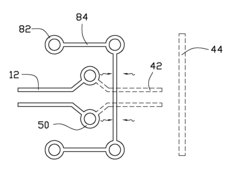
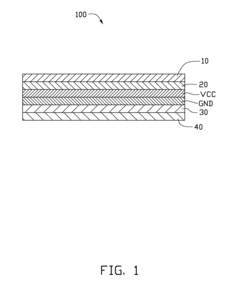
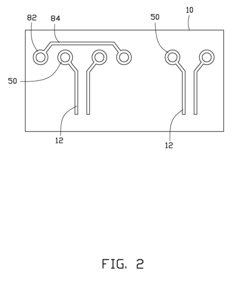
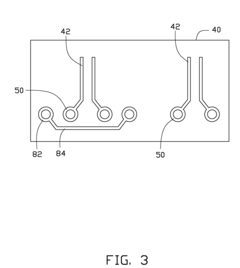
- The solution involves arranging ground vias adjacent to signal vias and using protection lines to electrically connect them, creating a closed loop that isolates noise and interference, preventing it from propagating to other signal lines without increasing the PCB size.
EMI Compliance and Regulations
Electromagnetic Interference (EMI) compliance and regulations play a crucial role in the optimization of PCB design to reduce coil whine. As electronic devices become more prevalent and complex, the need for stringent EMI control has increased significantly. Regulatory bodies worldwide have established standards to ensure that electronic products do not emit excessive electromagnetic radiation or interfere with other devices.
The Federal Communications Commission (FCC) in the United States and the European Union's Electromagnetic Compatibility (EMC) Directive are two primary regulatory frameworks governing EMI compliance. These regulations set limits on the amount of electromagnetic energy that electronic devices can emit and require manufacturers to demonstrate compliance through testing and certification processes.
For PCB designers working to reduce coil whine, understanding and adhering to these regulations is essential. Coil whine, a form of electromagnetic noise, can contribute to a device's overall EMI profile. By implementing design strategies that minimize coil whine, engineers can improve their products' chances of meeting EMI compliance standards.
Key aspects of EMI compliance related to coil whine reduction include shielding techniques, proper component placement, and careful routing of high-frequency signals. Designers must consider the use of EMI suppression components such as ferrite beads, decoupling capacitors, and EMI filters to mitigate electromagnetic emissions from coils and other potential noise sources.
Testing for EMI compliance typically involves both radiated and conducted emissions measurements. Radiated emissions tests assess the electromagnetic fields emitted by the device, while conducted emissions tests measure the noise transmitted through power and signal lines. Coil whine can contribute to both types of emissions, making its reduction a critical factor in achieving compliance.
The International Special Committee on Radio Interference (CISPR) provides guidelines for EMI testing procedures and limits. CISPR 22 and CISPR 32, for example, define emission limits for information technology equipment, which often includes devices prone to coil whine issues.
As technology advances, EMI regulations continue to evolve. The increasing use of higher frequency components and the miniaturization of electronic devices present new challenges for EMI compliance. PCB designers must stay informed about the latest regulatory updates and testing methodologies to ensure their designs meet current and future standards.
Failure to comply with EMI regulations can result in significant consequences, including product recalls, market access restrictions, and damage to brand reputation. Therefore, integrating EMI compliance considerations into the early stages of PCB design, particularly when addressing coil whine issues, is not just a technical necessity but also a business imperative.
The Federal Communications Commission (FCC) in the United States and the European Union's Electromagnetic Compatibility (EMC) Directive are two primary regulatory frameworks governing EMI compliance. These regulations set limits on the amount of electromagnetic energy that electronic devices can emit and require manufacturers to demonstrate compliance through testing and certification processes.
For PCB designers working to reduce coil whine, understanding and adhering to these regulations is essential. Coil whine, a form of electromagnetic noise, can contribute to a device's overall EMI profile. By implementing design strategies that minimize coil whine, engineers can improve their products' chances of meeting EMI compliance standards.
Key aspects of EMI compliance related to coil whine reduction include shielding techniques, proper component placement, and careful routing of high-frequency signals. Designers must consider the use of EMI suppression components such as ferrite beads, decoupling capacitors, and EMI filters to mitigate electromagnetic emissions from coils and other potential noise sources.
Testing for EMI compliance typically involves both radiated and conducted emissions measurements. Radiated emissions tests assess the electromagnetic fields emitted by the device, while conducted emissions tests measure the noise transmitted through power and signal lines. Coil whine can contribute to both types of emissions, making its reduction a critical factor in achieving compliance.
The International Special Committee on Radio Interference (CISPR) provides guidelines for EMI testing procedures and limits. CISPR 22 and CISPR 32, for example, define emission limits for information technology equipment, which often includes devices prone to coil whine issues.
As technology advances, EMI regulations continue to evolve. The increasing use of higher frequency components and the miniaturization of electronic devices present new challenges for EMI compliance. PCB designers must stay informed about the latest regulatory updates and testing methodologies to ensure their designs meet current and future standards.
Failure to comply with EMI regulations can result in significant consequences, including product recalls, market access restrictions, and damage to brand reputation. Therefore, integrating EMI compliance considerations into the early stages of PCB design, particularly when addressing coil whine issues, is not just a technical necessity but also a business imperative.
Thermal Management Considerations
Thermal management plays a crucial role in optimizing PCB design to reduce coil whine. As electronic components generate heat during operation, proper thermal management is essential to maintain optimal performance and minimize unwanted acoustic emissions. Effective thermal design can help mitigate coil whine by addressing temperature-related factors that contribute to this phenomenon.
One of the primary considerations in thermal management for coil whine reduction is the strategic placement of heat-generating components. By carefully arranging these components on the PCB, designers can ensure more efficient heat dissipation and reduce localized hot spots. This approach helps maintain a more uniform temperature distribution across the board, minimizing thermal expansion and contraction that can exacerbate coil whine.
Implementing thermal vias is another effective strategy in PCB thermal management. These small, plated through-holes facilitate heat transfer from one layer of the PCB to another, allowing for better heat dissipation. By incorporating thermal vias near coils and other heat-generating components, designers can help reduce temperature fluctuations that may contribute to coil whine.
The selection of appropriate PCB materials is also critical in thermal management. Using materials with higher thermal conductivity can improve heat dissipation and help maintain more stable operating temperatures. For instance, ceramic-based PCB materials or metal-core PCBs can offer superior thermal performance compared to traditional FR-4 boards, potentially reducing temperature-induced mechanical stress on coils.
Proper cooling solutions, such as heatsinks and fans, can significantly impact thermal management and coil whine reduction. Heatsinks attached to critical components can efficiently dissipate heat, while strategically placed fans can improve air circulation and overall cooling. These measures help maintain lower operating temperatures, reducing thermal expansion and the likelihood of coil whine.
Thermal simulation and analysis tools play a vital role in optimizing PCB design for improved thermal management. These tools allow designers to model and predict temperature distributions across the board, identifying potential hot spots and areas of concern. By leveraging these insights, designers can make informed decisions about component placement, thermal management strategies, and overall PCB layout to minimize temperature-related factors contributing to coil whine.
In conclusion, effective thermal management is a critical aspect of optimizing PCB design to reduce coil whine. By implementing strategies such as strategic component placement, thermal vias, appropriate material selection, and cooling solutions, designers can create more thermally efficient PCBs that are less prone to temperature-induced coil whine. Utilizing thermal simulation tools further enhances the ability to optimize designs for improved thermal performance and reduced acoustic emissions.
One of the primary considerations in thermal management for coil whine reduction is the strategic placement of heat-generating components. By carefully arranging these components on the PCB, designers can ensure more efficient heat dissipation and reduce localized hot spots. This approach helps maintain a more uniform temperature distribution across the board, minimizing thermal expansion and contraction that can exacerbate coil whine.
Implementing thermal vias is another effective strategy in PCB thermal management. These small, plated through-holes facilitate heat transfer from one layer of the PCB to another, allowing for better heat dissipation. By incorporating thermal vias near coils and other heat-generating components, designers can help reduce temperature fluctuations that may contribute to coil whine.
The selection of appropriate PCB materials is also critical in thermal management. Using materials with higher thermal conductivity can improve heat dissipation and help maintain more stable operating temperatures. For instance, ceramic-based PCB materials or metal-core PCBs can offer superior thermal performance compared to traditional FR-4 boards, potentially reducing temperature-induced mechanical stress on coils.
Proper cooling solutions, such as heatsinks and fans, can significantly impact thermal management and coil whine reduction. Heatsinks attached to critical components can efficiently dissipate heat, while strategically placed fans can improve air circulation and overall cooling. These measures help maintain lower operating temperatures, reducing thermal expansion and the likelihood of coil whine.
Thermal simulation and analysis tools play a vital role in optimizing PCB design for improved thermal management. These tools allow designers to model and predict temperature distributions across the board, identifying potential hot spots and areas of concern. By leveraging these insights, designers can make informed decisions about component placement, thermal management strategies, and overall PCB layout to minimize temperature-related factors contributing to coil whine.
In conclusion, effective thermal management is a critical aspect of optimizing PCB design to reduce coil whine. By implementing strategies such as strategic component placement, thermal vias, appropriate material selection, and cooling solutions, designers can create more thermally efficient PCBs that are less prone to temperature-induced coil whine. Utilizing thermal simulation tools further enhances the ability to optimize designs for improved thermal performance and reduced acoustic emissions.
Unlock deeper insights with Patsnap Eureka Quick Research — get a full tech report to explore trends and direct your research. Try now!
Generate Your Research Report Instantly with AI Agent
Supercharge your innovation with Patsnap Eureka AI Agent Platform!