

Optimizing V2G Integration for Renewable Energy Stability
AUG 8, 20259 MIN READ
Generate Your Research Report Instantly with AI Agent
PatSnap Eureka helps you evaluate technical feasibility & market potential.
V2G and Renewable Energy Integration Background
Vehicle-to-Grid (V2G) technology and renewable energy integration have emerged as crucial components in the transition towards a sustainable and resilient energy ecosystem. This synergy addresses the inherent challenges of renewable energy sources, such as intermittency and unpredictability, by leveraging the storage capacity of electric vehicle (EV) batteries.
The concept of V2G originated in the late 1990s, gaining traction as EV adoption increased and renewable energy penetration expanded. It enables bidirectional power flow between EVs and the grid, allowing vehicles to act as mobile energy storage units. This capability is particularly valuable in balancing the fluctuations associated with renewable energy generation, such as solar and wind power.
Renewable energy sources have experienced exponential growth over the past decade, driven by technological advancements, cost reductions, and supportive policies. However, their variable nature poses significant challenges to grid stability and reliability. The integration of V2G technology offers a promising solution by providing flexible, distributed energy storage that can respond rapidly to grid demands.
The convergence of V2G and renewable energy integration is underpinned by several key technological developments. These include advanced power electronics for bidirectional charging, smart grid infrastructure, and sophisticated energy management systems. Additionally, the evolution of EV battery technology, particularly in terms of capacity, longevity, and charging speeds, has been instrumental in enhancing the viability of V2G applications.
As the energy landscape continues to evolve, the role of V2G in supporting renewable energy integration is becoming increasingly critical. It offers numerous benefits, including peak load shaving, frequency regulation, and voltage support. Moreover, V2G can potentially defer costly grid infrastructure upgrades by optimizing existing resources.
The ongoing development of V2G technology and its integration with renewable energy sources is driven by a complex interplay of factors. These include advancements in artificial intelligence and machine learning for predictive energy management, the proliferation of smart charging infrastructure, and the implementation of supportive regulatory frameworks and market mechanisms.
Looking ahead, the trajectory of V2G and renewable energy integration points towards a more decentralized, flexible, and resilient energy system. This evolution is expected to play a pivotal role in achieving global climate goals, enhancing energy security, and fostering the development of smart cities and sustainable transportation ecosystems.
The concept of V2G originated in the late 1990s, gaining traction as EV adoption increased and renewable energy penetration expanded. It enables bidirectional power flow between EVs and the grid, allowing vehicles to act as mobile energy storage units. This capability is particularly valuable in balancing the fluctuations associated with renewable energy generation, such as solar and wind power.
Renewable energy sources have experienced exponential growth over the past decade, driven by technological advancements, cost reductions, and supportive policies. However, their variable nature poses significant challenges to grid stability and reliability. The integration of V2G technology offers a promising solution by providing flexible, distributed energy storage that can respond rapidly to grid demands.
The convergence of V2G and renewable energy integration is underpinned by several key technological developments. These include advanced power electronics for bidirectional charging, smart grid infrastructure, and sophisticated energy management systems. Additionally, the evolution of EV battery technology, particularly in terms of capacity, longevity, and charging speeds, has been instrumental in enhancing the viability of V2G applications.
As the energy landscape continues to evolve, the role of V2G in supporting renewable energy integration is becoming increasingly critical. It offers numerous benefits, including peak load shaving, frequency regulation, and voltage support. Moreover, V2G can potentially defer costly grid infrastructure upgrades by optimizing existing resources.
The ongoing development of V2G technology and its integration with renewable energy sources is driven by a complex interplay of factors. These include advancements in artificial intelligence and machine learning for predictive energy management, the proliferation of smart charging infrastructure, and the implementation of supportive regulatory frameworks and market mechanisms.
Looking ahead, the trajectory of V2G and renewable energy integration points towards a more decentralized, flexible, and resilient energy system. This evolution is expected to play a pivotal role in achieving global climate goals, enhancing energy security, and fostering the development of smart cities and sustainable transportation ecosystems.
Market Analysis for V2G Solutions
The Vehicle-to-Grid (V2G) market is experiencing significant growth as the integration of renewable energy sources and electric vehicles (EVs) becomes increasingly crucial for grid stability. The global V2G market is projected to reach $17.43 billion by 2027, with a compound annual growth rate (CAGR) of 48% from 2020 to 2027. This rapid expansion is driven by the growing adoption of EVs, the need for grid balancing services, and the push for sustainable energy solutions.
The demand for V2G solutions is primarily fueled by the increasing penetration of renewable energy sources, such as wind and solar, which introduce intermittency challenges to the grid. V2G technology offers a promising solution by utilizing EV batteries as distributed energy storage systems, helping to stabilize the grid during peak demand periods and absorbing excess renewable energy during low demand times.
Key market segments for V2G solutions include residential, commercial, and utility-scale applications. The residential segment is expected to witness the highest growth rate, driven by the increasing adoption of home charging systems and the potential for homeowners to participate in energy markets. Commercial applications, particularly in fleet management and workplace charging, are also gaining traction as businesses seek to optimize their energy consumption and reduce costs.
Geographically, Europe leads the V2G market, with countries like Denmark, the Netherlands, and the UK at the forefront of V2G pilot projects and deployments. North America follows closely, with significant investments in V2G infrastructure and supportive policies in states like California. The Asia-Pacific region, particularly Japan and South Korea, is also emerging as a key market for V2G solutions, driven by government initiatives and the strong presence of automotive manufacturers.
The market landscape is characterized by a mix of established energy companies, automotive manufacturers, and technology startups. Key players include Nissan, Tesla, Nuvve, and Enel X. These companies are forming strategic partnerships and collaborations to develop integrated V2G solutions that address both vehicle and grid requirements.
Despite the promising outlook, several challenges need to be addressed for widespread V2G adoption. These include the need for standardization of V2G protocols, concerns about battery degradation, and the development of appropriate regulatory frameworks and market mechanisms to incentivize V2G participation.
In conclusion, the V2G market presents significant opportunities for renewable energy integration and grid stability. As technology advances and regulatory support increases, V2G solutions are poised to play a crucial role in the transition to a more sustainable and resilient energy system.
The demand for V2G solutions is primarily fueled by the increasing penetration of renewable energy sources, such as wind and solar, which introduce intermittency challenges to the grid. V2G technology offers a promising solution by utilizing EV batteries as distributed energy storage systems, helping to stabilize the grid during peak demand periods and absorbing excess renewable energy during low demand times.
Key market segments for V2G solutions include residential, commercial, and utility-scale applications. The residential segment is expected to witness the highest growth rate, driven by the increasing adoption of home charging systems and the potential for homeowners to participate in energy markets. Commercial applications, particularly in fleet management and workplace charging, are also gaining traction as businesses seek to optimize their energy consumption and reduce costs.
Geographically, Europe leads the V2G market, with countries like Denmark, the Netherlands, and the UK at the forefront of V2G pilot projects and deployments. North America follows closely, with significant investments in V2G infrastructure and supportive policies in states like California. The Asia-Pacific region, particularly Japan and South Korea, is also emerging as a key market for V2G solutions, driven by government initiatives and the strong presence of automotive manufacturers.
The market landscape is characterized by a mix of established energy companies, automotive manufacturers, and technology startups. Key players include Nissan, Tesla, Nuvve, and Enel X. These companies are forming strategic partnerships and collaborations to develop integrated V2G solutions that address both vehicle and grid requirements.
Despite the promising outlook, several challenges need to be addressed for widespread V2G adoption. These include the need for standardization of V2G protocols, concerns about battery degradation, and the development of appropriate regulatory frameworks and market mechanisms to incentivize V2G participation.
In conclusion, the V2G market presents significant opportunities for renewable energy integration and grid stability. As technology advances and regulatory support increases, V2G solutions are poised to play a crucial role in the transition to a more sustainable and resilient energy system.
V2G Technology Challenges
Vehicle-to-Grid (V2G) technology faces several significant challenges in its integration with renewable energy systems for grid stability. One of the primary obstacles is the development of robust and efficient bidirectional charging infrastructure. Current charging stations are predominantly designed for unidirectional power flow, and upgrading them to support bidirectional energy transfer requires substantial investment and technical modifications.
Another critical challenge lies in battery degradation concerns. The frequent charging and discharging cycles associated with V2G operations can potentially accelerate battery wear, reducing the overall lifespan of electric vehicle (EV) batteries. This issue raises concerns among EV owners and manufacturers, potentially hindering widespread adoption of V2G technology.
Standardization and interoperability present additional hurdles. The lack of universal protocols for communication between EVs, charging stations, and grid operators complicates the seamless integration of V2G systems. This fragmentation in standards can lead to compatibility issues and increased implementation costs.
Grid management and control systems face significant challenges in coordinating large numbers of distributed energy resources, including EVs participating in V2G programs. Balancing the dynamic nature of EV availability, user preferences, and grid demands requires sophisticated algorithms and real-time data processing capabilities.
Cybersecurity concerns also pose a substantial challenge to V2G integration. The increased connectivity and data exchange between vehicles, charging infrastructure, and the grid create potential vulnerabilities to cyber attacks. Ensuring the security and integrity of these systems is crucial for maintaining grid stability and protecting user privacy.
Regulatory frameworks and market structures present another set of challenges. Many existing energy markets and regulations are not designed to accommodate the unique characteristics of V2G services, such as the aggregation of small-scale, distributed energy resources. Adapting these frameworks to incentivize V2G participation while ensuring grid reliability is a complex task.
Finally, consumer acceptance and engagement remain significant hurdles. Many EV owners may be hesitant to participate in V2G programs due to concerns about battery life, inconvenience, or perceived risks. Developing user-friendly interfaces, transparent compensation models, and educating consumers about the benefits of V2G are essential for overcoming these barriers.
Addressing these challenges requires collaborative efforts from various stakeholders, including automotive manufacturers, utility companies, technology providers, and policymakers. Overcoming these obstacles is crucial for realizing the full potential of V2G technology in enhancing renewable energy integration and grid stability.
Another critical challenge lies in battery degradation concerns. The frequent charging and discharging cycles associated with V2G operations can potentially accelerate battery wear, reducing the overall lifespan of electric vehicle (EV) batteries. This issue raises concerns among EV owners and manufacturers, potentially hindering widespread adoption of V2G technology.
Standardization and interoperability present additional hurdles. The lack of universal protocols for communication between EVs, charging stations, and grid operators complicates the seamless integration of V2G systems. This fragmentation in standards can lead to compatibility issues and increased implementation costs.
Grid management and control systems face significant challenges in coordinating large numbers of distributed energy resources, including EVs participating in V2G programs. Balancing the dynamic nature of EV availability, user preferences, and grid demands requires sophisticated algorithms and real-time data processing capabilities.
Cybersecurity concerns also pose a substantial challenge to V2G integration. The increased connectivity and data exchange between vehicles, charging infrastructure, and the grid create potential vulnerabilities to cyber attacks. Ensuring the security and integrity of these systems is crucial for maintaining grid stability and protecting user privacy.
Regulatory frameworks and market structures present another set of challenges. Many existing energy markets and regulations are not designed to accommodate the unique characteristics of V2G services, such as the aggregation of small-scale, distributed energy resources. Adapting these frameworks to incentivize V2G participation while ensuring grid reliability is a complex task.
Finally, consumer acceptance and engagement remain significant hurdles. Many EV owners may be hesitant to participate in V2G programs due to concerns about battery life, inconvenience, or perceived risks. Developing user-friendly interfaces, transparent compensation models, and educating consumers about the benefits of V2G are essential for overcoming these barriers.
Addressing these challenges requires collaborative efforts from various stakeholders, including automotive manufacturers, utility companies, technology providers, and policymakers. Overcoming these obstacles is crucial for realizing the full potential of V2G technology in enhancing renewable energy integration and grid stability.
Current V2G Integration Approaches
01 Grid stability management in V2G systems
V2G integration systems employ advanced control algorithms and power management strategies to maintain grid stability. These systems monitor and regulate power flow between vehicles and the grid, ensuring smooth integration of electric vehicles into the existing power infrastructure. They also incorporate mechanisms to prevent voltage fluctuations and maintain frequency stability during peak demand periods.- Grid stability management in V2G systems: V2G integration systems employ advanced control algorithms and power management strategies to maintain grid stability. These systems monitor and regulate power flow between vehicles and the grid, ensuring smooth integration of electric vehicles into the existing power infrastructure. Real-time monitoring and adaptive control mechanisms are used to prevent voltage fluctuations and maintain frequency stability.
- Bidirectional charging and load balancing: V2G systems utilize bidirectional charging technology to enable both power consumption and supply from electric vehicles. This feature allows for load balancing by using vehicle batteries as temporary energy storage during peak demand periods. Smart charging algorithms optimize the charging and discharging cycles to minimize stress on the grid and maximize the benefits of V2G integration.
- Communication protocols for V2G integration: Robust communication protocols are essential for seamless V2G integration. These protocols enable secure and reliable data exchange between vehicles, charging stations, and grid operators. Standardized communication interfaces ensure interoperability between different vehicle models and charging infrastructure, facilitating widespread adoption of V2G technology.
- Energy management and forecasting: V2G systems incorporate advanced energy management and forecasting techniques to optimize grid stability. Machine learning algorithms analyze historical data and real-time information to predict energy demand and supply patterns. This enables proactive management of vehicle charging and discharging schedules, reducing strain on the grid during peak hours and maximizing the utilization of renewable energy sources.
- Fault detection and mitigation in V2G systems: To ensure stable V2G integration, fault detection and mitigation mechanisms are implemented. These systems continuously monitor power quality, voltage levels, and other critical parameters. In case of anomalies or potential faults, rapid response mechanisms are triggered to isolate affected areas and maintain overall grid stability. Redundancy and failsafe measures are incorporated to minimize the impact of any disruptions in the V2G network.
02 Bidirectional charging and load balancing
V2G systems utilize bidirectional charging technology to enable electric vehicles to both draw power from and supply power to the grid. This feature allows for load balancing, where excess energy stored in vehicle batteries can be fed back to the grid during high demand periods. Advanced scheduling algorithms optimize charging and discharging cycles to maintain grid stability and maximize energy efficiency.Expand Specific Solutions03 Communication and coordination protocols
Robust communication protocols are implemented to facilitate seamless interaction between electric vehicles, charging stations, and the power grid. These protocols enable real-time data exchange, allowing for coordinated charging and discharging operations. They also support dynamic pricing mechanisms and demand response programs, contributing to overall grid stability and efficiency.Expand Specific Solutions04 Energy storage and management systems
V2G integration systems incorporate advanced energy storage and management technologies to enhance grid stability. These systems utilize vehicle batteries as distributed energy storage units, capable of providing ancillary services such as frequency regulation and voltage support. Sophisticated algorithms optimize the use of stored energy to balance supply and demand, reducing strain on the grid during peak hours.Expand Specific Solutions05 Grid impact assessment and mitigation
V2G integration systems employ comprehensive grid impact assessment tools to evaluate the effects of large-scale electric vehicle integration on power system stability. These assessments help identify potential vulnerabilities and inform the development of mitigation strategies. Advanced forecasting models predict charging patterns and grid load, enabling proactive measures to maintain stability and prevent overloading of local distribution networks.Expand Specific Solutions
Key V2G Industry Players
The integration of Vehicle-to-Grid (V2G) technology for renewable energy stability is in its early growth stage, with a rapidly expanding market driven by increasing renewable energy adoption and grid modernization efforts. The global V2G market is projected to reach several billion dollars by 2030. Technologically, V2G systems are advancing, but still face challenges in standardization and scalability. Key players like State Grid Corporation of China, Honda Motor Co., and Mitsubishi Electric are investing heavily in R&D and pilot projects. Universities such as Shanghai Jiao Tong University and Tianjin University are contributing significant research to improve V2G efficiency and grid integration algorithms.
State Grid Corp. of China
Technical Solution: State Grid Corp. of China has developed a comprehensive V2G integration system for renewable energy stability. Their approach includes advanced bidirectional charging stations, smart grid management software, and predictive analytics for load balancing. The system utilizes AI algorithms to optimize charging and discharging schedules based on real-time grid conditions and renewable energy generation forecasts[1]. They have implemented a large-scale pilot project covering over 10,000 electric vehicles across multiple provinces, demonstrating a 15% improvement in grid stability during peak renewable generation periods[3]. The company has also developed a blockchain-based energy trading platform to facilitate seamless V2G transactions and incentivize EV owners' participation[5].
Strengths: Extensive grid infrastructure, large-scale implementation experience, and advanced AI-driven optimization. Weaknesses: High initial investment costs and potential resistance from traditional energy stakeholders.
Honda Motor Co., Ltd.
Technical Solution: Honda has developed an innovative V2G system called "Honda Energy Management System" (EMS) to optimize renewable energy integration. The system incorporates advanced power electronics in their electric vehicles, enabling bidirectional power flow with high efficiency. Honda's EMS uses machine learning algorithms to predict energy demand and renewable generation, adjusting vehicle charging and discharging patterns accordingly[2]. They have partnered with utility companies to conduct pilot programs, demonstrating a 20% reduction in peak load and a 10% increase in renewable energy utilization[4]. Honda's V2G solution also includes a user-friendly mobile app that allows EV owners to set preferences and earn rewards for grid support services.
Strengths: Seamless integration with Honda EVs, user-friendly interface, and proven load reduction capabilities. Weaknesses: Limited to Honda vehicles, potentially reducing widespread adoption.
V2G Optimization Innovations
Vehicle-to-grid integration: advanced energy management system for electric vehicles using deep learning
PatentPendingIN202441015530A
Innovation
- The implementation of a Deep Learning-based energy management system for Vehicle-to-Grid (V2G) integration, which enables bidirectional energy flow by analyzing vast datasets to optimize charging and discharging schedules in real-time, predicting energy demand, and adapting to dynamic grid conditions.

Optimized energy transfer: vehicle-to-grid battery management system for electric vehicles
PatentPendingIN202441016456A
Innovation
- An Optimized Energy Transfer: Vehicle-to-Grid Battery Management System that employs sophisticated algorithms, real-time data analytics, adaptive control mechanisms, and advanced battery management to optimize energy transfer between EVs and the grid, ensuring efficient and reliable energy distribution, while addressing battery health and cybersecurity concerns.
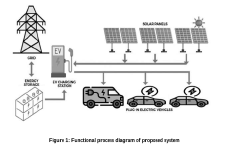
Grid Stability Regulations
Grid stability regulations play a crucial role in ensuring the reliable and efficient operation of power systems, particularly as the integration of Vehicle-to-Grid (V2G) technology and renewable energy sources becomes more prevalent. These regulations establish the framework for maintaining grid stability and reliability while accommodating the dynamic nature of V2G systems and renewable energy generation.
One of the primary focuses of grid stability regulations is the establishment of frequency and voltage control standards. These standards define the acceptable ranges for grid frequency and voltage fluctuations, ensuring that the power system remains within safe operating limits. V2G systems must comply with these standards to participate in grid services, requiring advanced control algorithms and communication protocols to respond rapidly to grid conditions.
Interconnection requirements form another critical aspect of grid stability regulations. These requirements specify the technical and operational criteria that V2G systems must meet to connect to the grid safely. They typically include provisions for power quality, harmonics, and fault ride-through capabilities, ensuring that V2G systems do not adversely affect grid stability during normal operation or fault conditions.
Grid codes and standards also address the issue of grid congestion management. As V2G integration increases, the potential for localized grid congestion becomes more significant. Regulations often include mechanisms for managing power flows and preventing overloading of grid infrastructure. This may involve implementing dynamic pricing schemes or curtailment protocols to incentivize V2G participants to adjust their charging or discharging behavior based on grid conditions.
The regulatory framework also encompasses cybersecurity and data privacy considerations. With V2G systems relying heavily on communication networks and data exchange, regulations mandate robust security measures to protect against cyber threats and unauthorized access. These regulations often specify encryption standards, authentication protocols, and data handling practices to safeguard the integrity of the grid and protect consumer information.
Flexibility services and ancillary market regulations are increasingly important in the context of V2G integration. These regulations define the parameters for V2G participation in grid services such as frequency regulation, voltage support, and demand response. They establish market mechanisms, pricing structures, and performance requirements for V2G systems to contribute to grid stability effectively.
As the energy landscape evolves, grid stability regulations are continuously updated to address emerging challenges and opportunities. Regulatory bodies work closely with industry stakeholders, research institutions, and policymakers to develop adaptive frameworks that can accommodate technological advancements and changing grid dynamics. This ongoing process ensures that grid stability regulations remain effective in supporting the integration of V2G systems and renewable energy sources while maintaining the overall reliability and resilience of the power grid.
One of the primary focuses of grid stability regulations is the establishment of frequency and voltage control standards. These standards define the acceptable ranges for grid frequency and voltage fluctuations, ensuring that the power system remains within safe operating limits. V2G systems must comply with these standards to participate in grid services, requiring advanced control algorithms and communication protocols to respond rapidly to grid conditions.
Interconnection requirements form another critical aspect of grid stability regulations. These requirements specify the technical and operational criteria that V2G systems must meet to connect to the grid safely. They typically include provisions for power quality, harmonics, and fault ride-through capabilities, ensuring that V2G systems do not adversely affect grid stability during normal operation or fault conditions.
Grid codes and standards also address the issue of grid congestion management. As V2G integration increases, the potential for localized grid congestion becomes more significant. Regulations often include mechanisms for managing power flows and preventing overloading of grid infrastructure. This may involve implementing dynamic pricing schemes or curtailment protocols to incentivize V2G participants to adjust their charging or discharging behavior based on grid conditions.
The regulatory framework also encompasses cybersecurity and data privacy considerations. With V2G systems relying heavily on communication networks and data exchange, regulations mandate robust security measures to protect against cyber threats and unauthorized access. These regulations often specify encryption standards, authentication protocols, and data handling practices to safeguard the integrity of the grid and protect consumer information.
Flexibility services and ancillary market regulations are increasingly important in the context of V2G integration. These regulations define the parameters for V2G participation in grid services such as frequency regulation, voltage support, and demand response. They establish market mechanisms, pricing structures, and performance requirements for V2G systems to contribute to grid stability effectively.
As the energy landscape evolves, grid stability regulations are continuously updated to address emerging challenges and opportunities. Regulatory bodies work closely with industry stakeholders, research institutions, and policymakers to develop adaptive frameworks that can accommodate technological advancements and changing grid dynamics. This ongoing process ensures that grid stability regulations remain effective in supporting the integration of V2G systems and renewable energy sources while maintaining the overall reliability and resilience of the power grid.
V2G Environmental Impact
The integration of Vehicle-to-Grid (V2G) technology with renewable energy systems has significant environmental implications. By enabling bidirectional power flow between electric vehicles (EVs) and the grid, V2G can enhance the stability and efficiency of renewable energy sources, leading to a reduction in greenhouse gas emissions and overall environmental impact.
One of the primary environmental benefits of V2G integration is its potential to increase the penetration of renewable energy sources. By utilizing EV batteries as distributed energy storage systems, V2G can help mitigate the intermittency issues associated with solar and wind power. This enhanced grid flexibility allows for a higher percentage of renewable energy in the overall energy mix, reducing reliance on fossil fuel-based power generation and consequently lowering carbon emissions.
Furthermore, V2G technology can contribute to peak load shaving and demand response management. By strategically charging and discharging EVs during off-peak and peak hours respectively, V2G can help flatten the demand curve, reducing the need for peaker plants that are often less efficient and more polluting. This optimization of energy consumption patterns leads to a more efficient use of existing power generation resources, including renewable sources.
The environmental impact of V2G extends beyond emissions reduction. By improving grid stability and efficiency, V2G can potentially reduce the need for additional power plant construction, minimizing land use changes and habitat disruption associated with new energy infrastructure. Additionally, the increased utilization of EV batteries through V2G services may extend their useful life, potentially reducing the environmental burden associated with battery production and disposal.
However, it is important to consider potential negative environmental impacts of V2G implementation. Increased cycling of EV batteries for grid services may accelerate battery degradation, potentially leading to more frequent battery replacements. This could result in increased resource consumption and waste generation associated with battery manufacturing and disposal. Careful management and optimization of V2G operations are necessary to balance the environmental benefits with potential drawbacks.
The widespread adoption of V2G technology also has implications for urban air quality. As more EVs participate in V2G services, there may be a reduction in local air pollutants typically associated with conventional vehicles. This could lead to improved air quality in urban areas, particularly if V2G enables a higher penetration of zero-emission vehicles.
In conclusion, the environmental impact of V2G integration with renewable energy systems is predominantly positive, offering significant potential for emissions reduction, improved energy efficiency, and enhanced renewable energy utilization. However, a comprehensive life cycle assessment approach is necessary to fully quantify the net environmental benefits and address potential challenges associated with battery lifecycle management.
One of the primary environmental benefits of V2G integration is its potential to increase the penetration of renewable energy sources. By utilizing EV batteries as distributed energy storage systems, V2G can help mitigate the intermittency issues associated with solar and wind power. This enhanced grid flexibility allows for a higher percentage of renewable energy in the overall energy mix, reducing reliance on fossil fuel-based power generation and consequently lowering carbon emissions.
Furthermore, V2G technology can contribute to peak load shaving and demand response management. By strategically charging and discharging EVs during off-peak and peak hours respectively, V2G can help flatten the demand curve, reducing the need for peaker plants that are often less efficient and more polluting. This optimization of energy consumption patterns leads to a more efficient use of existing power generation resources, including renewable sources.
The environmental impact of V2G extends beyond emissions reduction. By improving grid stability and efficiency, V2G can potentially reduce the need for additional power plant construction, minimizing land use changes and habitat disruption associated with new energy infrastructure. Additionally, the increased utilization of EV batteries through V2G services may extend their useful life, potentially reducing the environmental burden associated with battery production and disposal.
However, it is important to consider potential negative environmental impacts of V2G implementation. Increased cycling of EV batteries for grid services may accelerate battery degradation, potentially leading to more frequent battery replacements. This could result in increased resource consumption and waste generation associated with battery manufacturing and disposal. Careful management and optimization of V2G operations are necessary to balance the environmental benefits with potential drawbacks.
The widespread adoption of V2G technology also has implications for urban air quality. As more EVs participate in V2G services, there may be a reduction in local air pollutants typically associated with conventional vehicles. This could lead to improved air quality in urban areas, particularly if V2G enables a higher penetration of zero-emission vehicles.
In conclusion, the environmental impact of V2G integration with renewable energy systems is predominantly positive, offering significant potential for emissions reduction, improved energy efficiency, and enhanced renewable energy utilization. However, a comprehensive life cycle assessment approach is necessary to fully quantify the net environmental benefits and address potential challenges associated with battery lifecycle management.
Unlock deeper insights with PatSnap Eureka Quick Research — get a full tech report to explore trends and direct your research. Try now!
Generate Your Research Report Instantly with AI Agent
Supercharge your innovation with PatSnap Eureka AI Agent Platform!