Optimizing X-ray Diffraction For Biomass Material Studies
FEB 27, 20269 MIN READ
Generate Your Research Report Instantly with AI Agent
PatSnap Eureka helps you evaluate technical feasibility & market potential.
X-ray Diffraction Biomass Analysis Background and Objectives
X-ray diffraction has emerged as a cornerstone analytical technique in materials science since its discovery in the early 20th century. The fundamental principle of XRD relies on the interaction between X-ray photons and crystalline structures, producing characteristic diffraction patterns that reveal atomic arrangements and structural properties. This non-destructive technique has found extensive applications across diverse fields, from metallurgy to pharmaceuticals, establishing itself as an indispensable tool for structural characterization.
The application of XRD to biomass materials represents a relatively recent but rapidly expanding frontier in renewable energy research. Biomass, comprising lignocellulosic materials such as wood, agricultural residues, and energy crops, presents unique analytical challenges due to its complex hierarchical structure and semi-crystalline nature. Unlike conventional crystalline materials, biomass contains both crystalline cellulose regions and amorphous lignin and hemicellulose components, creating intricate diffraction patterns that require specialized analytical approaches.
The evolution of XRD technology has progressed from early powder diffraction methods to sophisticated synchrotron-based techniques, enabling unprecedented resolution and sensitivity. Modern XRD systems incorporate advanced detector technologies, automated sample handling, and powerful computational algorithms for pattern analysis. These technological advances have significantly enhanced the capability to analyze complex biomass structures, revealing critical information about cellulose crystallinity, crystal size distribution, and polymorphic variations.
Current research objectives in XRD biomass analysis focus on several key areas that directly impact renewable energy applications. Primary goals include developing standardized methodologies for quantifying cellulose crystallinity indices, which correlate strongly with biomass digestibility and conversion efficiency. Researchers aim to establish reliable protocols for measuring crystal size distributions and orientation parameters that influence enzymatic accessibility during biochemical conversion processes.
Another critical objective involves optimizing XRD techniques for real-time monitoring of biomass pretreatment processes. Understanding structural changes during chemical, thermal, or mechanical pretreatment is essential for optimizing conversion yields and reducing processing costs. Advanced XRD methodologies enable researchers to track cellulose decrystallization, lignin removal, and hemicellulose degradation in real-time, providing valuable insights for process optimization.
The integration of complementary analytical techniques with XRD represents an emerging objective in comprehensive biomass characterization. Combining XRD with techniques such as solid-state NMR, FTIR spectroscopy, and electron microscopy creates synergistic analytical platforms that provide holistic understanding of biomass structure-property relationships. This multi-technique approach addresses the limitations of individual methods and enhances the reliability of structural characterization.
Future objectives emphasize developing portable and cost-effective XRD systems suitable for field applications and industrial process monitoring. The transition from laboratory-based research to industrial implementation requires robust, user-friendly instrumentation capable of operating in challenging environments while maintaining analytical precision and accuracy.
The application of XRD to biomass materials represents a relatively recent but rapidly expanding frontier in renewable energy research. Biomass, comprising lignocellulosic materials such as wood, agricultural residues, and energy crops, presents unique analytical challenges due to its complex hierarchical structure and semi-crystalline nature. Unlike conventional crystalline materials, biomass contains both crystalline cellulose regions and amorphous lignin and hemicellulose components, creating intricate diffraction patterns that require specialized analytical approaches.
The evolution of XRD technology has progressed from early powder diffraction methods to sophisticated synchrotron-based techniques, enabling unprecedented resolution and sensitivity. Modern XRD systems incorporate advanced detector technologies, automated sample handling, and powerful computational algorithms for pattern analysis. These technological advances have significantly enhanced the capability to analyze complex biomass structures, revealing critical information about cellulose crystallinity, crystal size distribution, and polymorphic variations.
Current research objectives in XRD biomass analysis focus on several key areas that directly impact renewable energy applications. Primary goals include developing standardized methodologies for quantifying cellulose crystallinity indices, which correlate strongly with biomass digestibility and conversion efficiency. Researchers aim to establish reliable protocols for measuring crystal size distributions and orientation parameters that influence enzymatic accessibility during biochemical conversion processes.
Another critical objective involves optimizing XRD techniques for real-time monitoring of biomass pretreatment processes. Understanding structural changes during chemical, thermal, or mechanical pretreatment is essential for optimizing conversion yields and reducing processing costs. Advanced XRD methodologies enable researchers to track cellulose decrystallization, lignin removal, and hemicellulose degradation in real-time, providing valuable insights for process optimization.
The integration of complementary analytical techniques with XRD represents an emerging objective in comprehensive biomass characterization. Combining XRD with techniques such as solid-state NMR, FTIR spectroscopy, and electron microscopy creates synergistic analytical platforms that provide holistic understanding of biomass structure-property relationships. This multi-technique approach addresses the limitations of individual methods and enhances the reliability of structural characterization.
Future objectives emphasize developing portable and cost-effective XRD systems suitable for field applications and industrial process monitoring. The transition from laboratory-based research to industrial implementation requires robust, user-friendly instrumentation capable of operating in challenging environments while maintaining analytical precision and accuracy.
Market Demand for Advanced Biomass Characterization
The global biomass characterization market is experiencing unprecedented growth driven by the urgent need for sustainable energy solutions and the transition away from fossil fuels. Governments worldwide are implementing stringent renewable energy mandates and carbon reduction targets, creating substantial demand for advanced analytical techniques that can optimize biomass conversion processes. The increasing complexity of biomass feedstocks, ranging from agricultural residues to dedicated energy crops, necessitates sophisticated characterization methods to understand their structural properties and conversion potential.
Industrial sectors are demonstrating strong appetite for enhanced biomass analysis capabilities, particularly in biofuel production, pulp and paper manufacturing, and biochemical processing. Companies require precise understanding of cellulose crystallinity, lignin distribution, and hemicellulose composition to optimize their conversion processes and improve yield efficiency. The growing emphasis on process optimization and quality control in these industries is driving demand for more accurate and rapid characterization techniques.
Research institutions and academic laboratories represent another significant market segment, with increasing funding allocated to biomass research programs. The need to develop next-generation biofuels and bio-based materials is spurring demand for advanced analytical instruments capable of providing detailed structural information about complex biomass matrices. This academic demand is particularly strong in regions with established renewable energy research initiatives.
The pharmaceutical and food industries are emerging as important market drivers, requiring detailed characterization of plant-based materials for drug development and functional food applications. These sectors demand high-precision analytical techniques to ensure product consistency and regulatory compliance, creating opportunities for advanced X-ray diffraction solutions.
Market growth is further accelerated by technological convergence trends, where traditional characterization methods are being integrated with digital analytics and artificial intelligence. End users increasingly seek comprehensive analytical platforms that can provide real-time insights into biomass properties, enabling rapid decision-making in production environments. This demand for integrated solutions is reshaping market expectations and driving innovation in characterization technologies.
The expanding circular economy initiatives and waste-to-energy projects are creating additional market opportunities, as these applications require detailed understanding of diverse biomass feedstock properties to ensure efficient conversion processes and optimal resource utilization.
Industrial sectors are demonstrating strong appetite for enhanced biomass analysis capabilities, particularly in biofuel production, pulp and paper manufacturing, and biochemical processing. Companies require precise understanding of cellulose crystallinity, lignin distribution, and hemicellulose composition to optimize their conversion processes and improve yield efficiency. The growing emphasis on process optimization and quality control in these industries is driving demand for more accurate and rapid characterization techniques.
Research institutions and academic laboratories represent another significant market segment, with increasing funding allocated to biomass research programs. The need to develop next-generation biofuels and bio-based materials is spurring demand for advanced analytical instruments capable of providing detailed structural information about complex biomass matrices. This academic demand is particularly strong in regions with established renewable energy research initiatives.
The pharmaceutical and food industries are emerging as important market drivers, requiring detailed characterization of plant-based materials for drug development and functional food applications. These sectors demand high-precision analytical techniques to ensure product consistency and regulatory compliance, creating opportunities for advanced X-ray diffraction solutions.
Market growth is further accelerated by technological convergence trends, where traditional characterization methods are being integrated with digital analytics and artificial intelligence. End users increasingly seek comprehensive analytical platforms that can provide real-time insights into biomass properties, enabling rapid decision-making in production environments. This demand for integrated solutions is reshaping market expectations and driving innovation in characterization technologies.
The expanding circular economy initiatives and waste-to-energy projects are creating additional market opportunities, as these applications require detailed understanding of diverse biomass feedstock properties to ensure efficient conversion processes and optimal resource utilization.
Current XRD Limitations in Biomass Material Analysis
X-ray diffraction analysis of biomass materials faces significant technical challenges that limit its effectiveness in comprehensive structural characterization. Traditional XRD systems encounter fundamental difficulties when analyzing the complex, heterogeneous nature of biomass samples, which typically contain multiple crystalline and amorphous phases with varying degrees of organization.
The primary limitation stems from the inherently low crystallinity of most biomass components. Cellulose, the predominant structural polymer in plant materials, exhibits only partial crystalline regions interspersed with amorphous domains. This results in broad, overlapping diffraction peaks that are difficult to resolve and quantify accurately. The signal-to-noise ratio becomes particularly problematic when attempting to distinguish between different cellulose polymorphs or determine precise crystallinity indices.
Sample preparation presents another critical constraint in biomass XRD analysis. The fibrous, heterogeneous nature of biomass materials makes it challenging to achieve consistent particle size distribution and uniform packing density. Moisture content variations significantly affect diffraction patterns, as water molecules can intercalate between cellulose chains and alter lattice parameters. Additionally, the presence of lignin and hemicellulose creates complex interference patterns that obscure cellulose-specific reflections.
Instrumental limitations further compound these challenges. Conventional XRD systems often lack sufficient resolution to separate closely spaced reflections characteristic of biomass materials. The relatively weak scattering factors of light elements prevalent in biomass, particularly carbon and oxygen, result in low-intensity diffraction patterns that require extended measurement times and sophisticated background correction procedures.
Peak overlap represents a persistent analytical challenge, particularly in the 2θ range of 15-25 degrees where major cellulose reflections occur. The (110), (110), and (200) reflections of cellulose I frequently merge into broad composite peaks, making accurate phase identification and quantitative analysis extremely difficult. This overlap is exacerbated by the presence of other crystalline phases such as cellulose II or various mineral inclusions commonly found in biomass samples.
Temperature and environmental sensitivity during measurement introduces additional complications. Biomass materials can undergo structural changes under X-ray exposure, particularly when samples contain residual moisture or volatile compounds. These dynamic changes can lead to peak shifting and intensity variations during data collection, compromising measurement reproducibility and accuracy.
The primary limitation stems from the inherently low crystallinity of most biomass components. Cellulose, the predominant structural polymer in plant materials, exhibits only partial crystalline regions interspersed with amorphous domains. This results in broad, overlapping diffraction peaks that are difficult to resolve and quantify accurately. The signal-to-noise ratio becomes particularly problematic when attempting to distinguish between different cellulose polymorphs or determine precise crystallinity indices.
Sample preparation presents another critical constraint in biomass XRD analysis. The fibrous, heterogeneous nature of biomass materials makes it challenging to achieve consistent particle size distribution and uniform packing density. Moisture content variations significantly affect diffraction patterns, as water molecules can intercalate between cellulose chains and alter lattice parameters. Additionally, the presence of lignin and hemicellulose creates complex interference patterns that obscure cellulose-specific reflections.
Instrumental limitations further compound these challenges. Conventional XRD systems often lack sufficient resolution to separate closely spaced reflections characteristic of biomass materials. The relatively weak scattering factors of light elements prevalent in biomass, particularly carbon and oxygen, result in low-intensity diffraction patterns that require extended measurement times and sophisticated background correction procedures.
Peak overlap represents a persistent analytical challenge, particularly in the 2θ range of 15-25 degrees where major cellulose reflections occur. The (110), (110), and (200) reflections of cellulose I frequently merge into broad composite peaks, making accurate phase identification and quantitative analysis extremely difficult. This overlap is exacerbated by the presence of other crystalline phases such as cellulose II or various mineral inclusions commonly found in biomass samples.
Temperature and environmental sensitivity during measurement introduces additional complications. Biomass materials can undergo structural changes under X-ray exposure, particularly when samples contain residual moisture or volatile compounds. These dynamic changes can lead to peak shifting and intensity variations during data collection, compromising measurement reproducibility and accuracy.
Existing XRD Optimization Methods for Biomass Studies
01 X-ray diffraction apparatus configuration and geometry optimization
Optimization of X-ray diffraction systems involves improving the geometric configuration of the apparatus, including the positioning and alignment of X-ray sources, detectors, and sample stages. This includes optimizing the incident angle, detector positioning, and beam path to enhance diffraction pattern quality and resolution. Advanced configurations may incorporate adjustable components to accommodate different sample types and measurement requirements.- X-ray diffraction apparatus configuration and geometry optimization: Optimization of X-ray diffraction systems involves improving the geometric configuration of the apparatus, including the positioning and alignment of X-ray sources, detectors, and sample stages. This includes optimizing the incident angle, detector positioning, and beam path to enhance diffraction pattern quality and resolution. Advanced configurations may incorporate adjustable components and precision alignment mechanisms to achieve optimal diffraction conditions for various sample types and analysis requirements.
- Data processing and analysis algorithms for diffraction patterns: Enhancement of X-ray diffraction analysis through advanced computational methods and algorithms for processing diffraction data. This includes techniques for noise reduction, peak identification, pattern matching, and crystallographic structure determination. Machine learning and artificial intelligence approaches can be applied to improve the accuracy and speed of diffraction pattern interpretation, enabling automated phase identification and quantitative analysis of complex materials.
- Sample preparation and positioning techniques: Optimization methods for sample handling, preparation, and positioning in X-ray diffraction experiments. This encompasses techniques for mounting samples, controlling sample environment conditions such as temperature and atmosphere, and ensuring proper sample orientation. Advanced sample stages with multi-axis positioning capabilities and automated sample changers enable high-throughput analysis and improved reproducibility of diffraction measurements.
- X-ray source and optics optimization: Improvements in X-ray generation, beam conditioning, and optical components to enhance diffraction measurement quality. This includes optimization of X-ray tube parameters, implementation of advanced monochromators, focusing optics, and beam shaping elements. Novel X-ray source technologies and optical configurations can provide higher intensity, better monochromaticity, and improved beam characteristics for specific diffraction applications, leading to enhanced signal-to-noise ratios and reduced measurement times.
- Detector technology and signal acquisition optimization: Advancements in detector systems and signal acquisition methods for X-ray diffraction measurements. This includes the development and optimization of area detectors, position-sensitive detectors, and photon-counting detectors with improved sensitivity, dynamic range, and temporal resolution. Optimization of detector readout electronics, data acquisition rates, and integration times enables faster measurements and better detection of weak diffraction signals, particularly beneficial for time-resolved studies and analysis of materials with low crystallinity.
02 X-ray optics and beam conditioning optimization
Enhancement of X-ray diffraction performance through optimization of optical components such as monochromators, collimators, and focusing elements. This involves selecting appropriate crystal optics, multilayer mirrors, or capillary optics to improve beam intensity, reduce background noise, and achieve better beam characteristics. Optimization of beam conditioning helps achieve higher signal-to-noise ratios and improved measurement accuracy.Expand Specific Solutions03 Data acquisition and processing algorithm optimization
Improvement of X-ray diffraction analysis through advanced data collection strategies and computational methods. This includes optimizing scan parameters, integration times, and detector readout modes to maximize data quality while minimizing measurement time. Advanced algorithms for background subtraction, peak fitting, and pattern analysis enhance the accuracy of crystallographic information extraction and phase identification.Expand Specific Solutions04 Detector technology and sensitivity optimization
Enhancement of X-ray diffraction measurements through optimization of detector systems, including pixel array detectors, charge-coupled devices, and photon-counting detectors. This involves improving detector sensitivity, dynamic range, and spatial resolution to capture weak diffraction signals and fine structural details. Optimization also includes reducing detector noise and improving quantum efficiency across relevant X-ray energy ranges.Expand Specific Solutions05 Sample preparation and environmental control optimization
Optimization of sample handling and environmental conditions during X-ray diffraction measurements. This includes controlling temperature, humidity, and atmospheric conditions to maintain sample integrity and reduce artifacts. Methods for sample mounting, orientation control, and in-situ measurement capabilities are optimized to enable accurate characterization of materials under various conditions while minimizing sample damage from X-ray exposure.Expand Specific Solutions
Key Players in XRD Equipment and Biomass Research
The X-ray diffraction optimization for biomass material studies represents a rapidly evolving field in the growth stage, driven by increasing demand for sustainable materials characterization. The market demonstrates significant expansion potential as biomass research intensifies globally for renewable energy and bio-based materials applications. Technology maturity varies considerably across market players, with established instrumentation companies like Rigaku Corp., Bruker AXS Inc., and PANalytical Inc. offering mature, commercial-grade XRD systems with proven reliability. Advanced players including Carl Zeiss X-ray Microscopy Inc. and Xnovo Technology ApS are pushing technological boundaries with specialized 3D crystallographic solutions and synchrotron-based innovations. Research institutions such as Technical University of Denmark, Johns Hopkins University, and Max Planck Society contribute cutting-edge methodological developments, while industrial giants like Siemens Healthineers AG and Hitachi Ltd. integrate XRD capabilities into broader analytical platforms, creating a competitive landscape spanning from specialized niche providers to comprehensive solution integrators.
Panalytical, Inc.
Technical Solution: Develops advanced X-ray diffraction systems specifically optimized for biomass material characterization, featuring high-resolution detectors and specialized sample preparation protocols. Their Empyrean platform integrates multiple measurement geometries including grazing incidence and transmission modes, enabling comprehensive analysis of cellulose crystallinity, lignin distribution, and biomass structural modifications during processing. The system incorporates automated sample changers and environmental chambers for in-situ studies of biomass degradation and thermal treatment effects. Advanced data analysis software provides quantitative phase analysis and crystallite size determination crucial for biomass conversion optimization.
Strengths: Industry-leading detector technology and comprehensive measurement capabilities. Weaknesses: High equipment costs and complex operation requirements.
Fraunhofer-Gesellschaft eV
Technical Solution: Develops innovative X-ray diffraction methodologies for biomass characterization through advanced synchrotron-based techniques and laboratory-scale optimization approaches. Their research focuses on developing rapid screening methods for biomass feedstock quality assessment and real-time monitoring of biomass conversion processes. The institute's approach combines conventional XRD with advanced data analysis algorithms and machine learning techniques for automated biomass classification and quality prediction. Their work emphasizes developing standardized protocols for biomass crystallinity measurement and establishing correlations between XRD parameters and biomass conversion efficiency in industrial applications.
Strengths: Cutting-edge research capabilities and innovative analytical approaches. Weaknesses: Limited commercial availability of developed technologies and research-focused rather than industrial applications.
Core Innovations in Biomass-Specific XRD Techniques
X-ray diffraction and X-ray spectroscopy method and related apparatus
PatentInactiveUS11105756B2
Innovation
- A system utilizing a white X-ray beam and a two-dimensional energy dispersive detector with an array of pixels to simultaneously collect and analyze X-ray diffraction and spectroscopy signals, employing a controller to separate, correct, and sum the signals for enhanced spectra, allowing for rapid determination of material structure and composition without mechanical movement.


Multiple wavelength X-ray source
PatentInactiveUS20070165780A1
Innovation
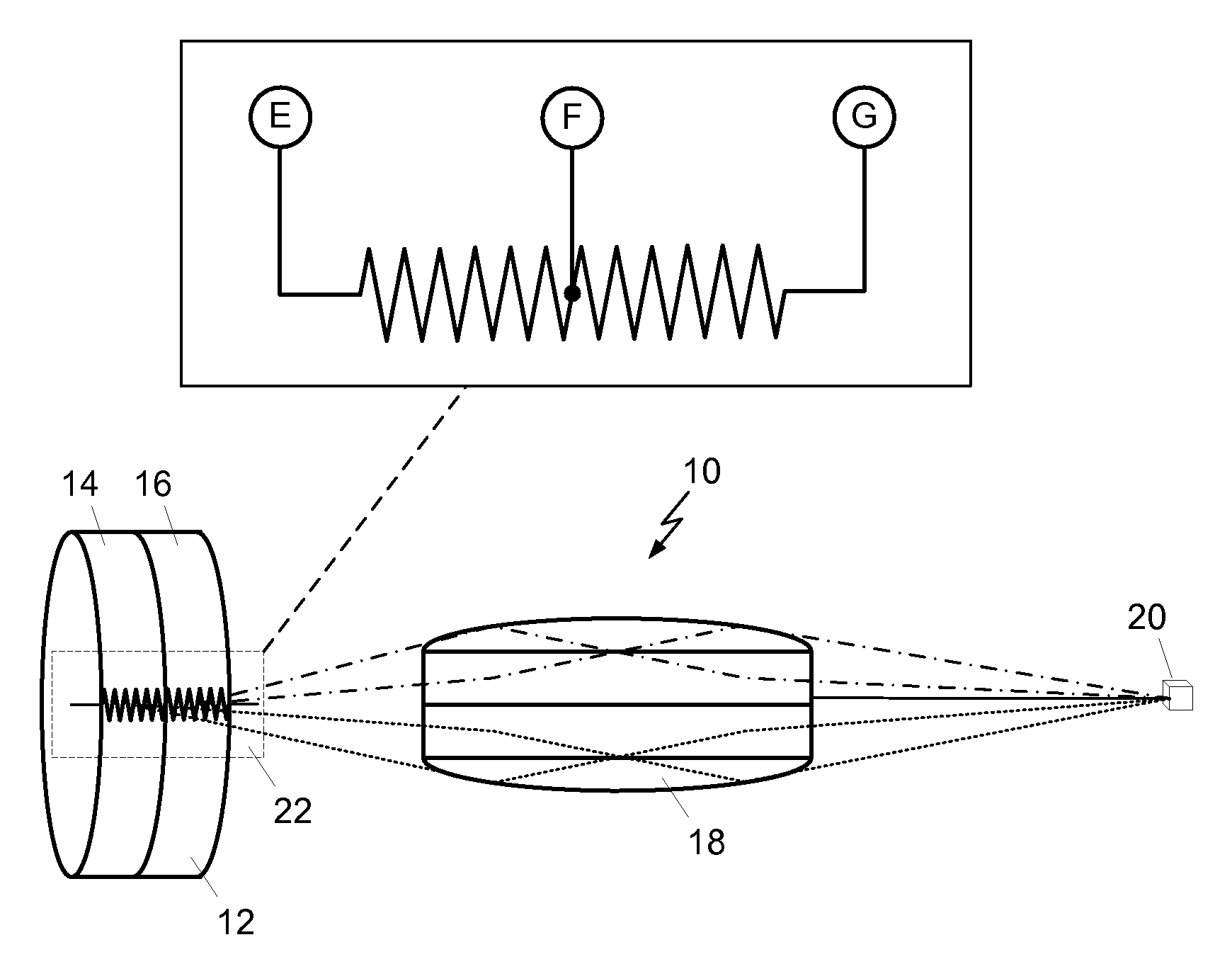
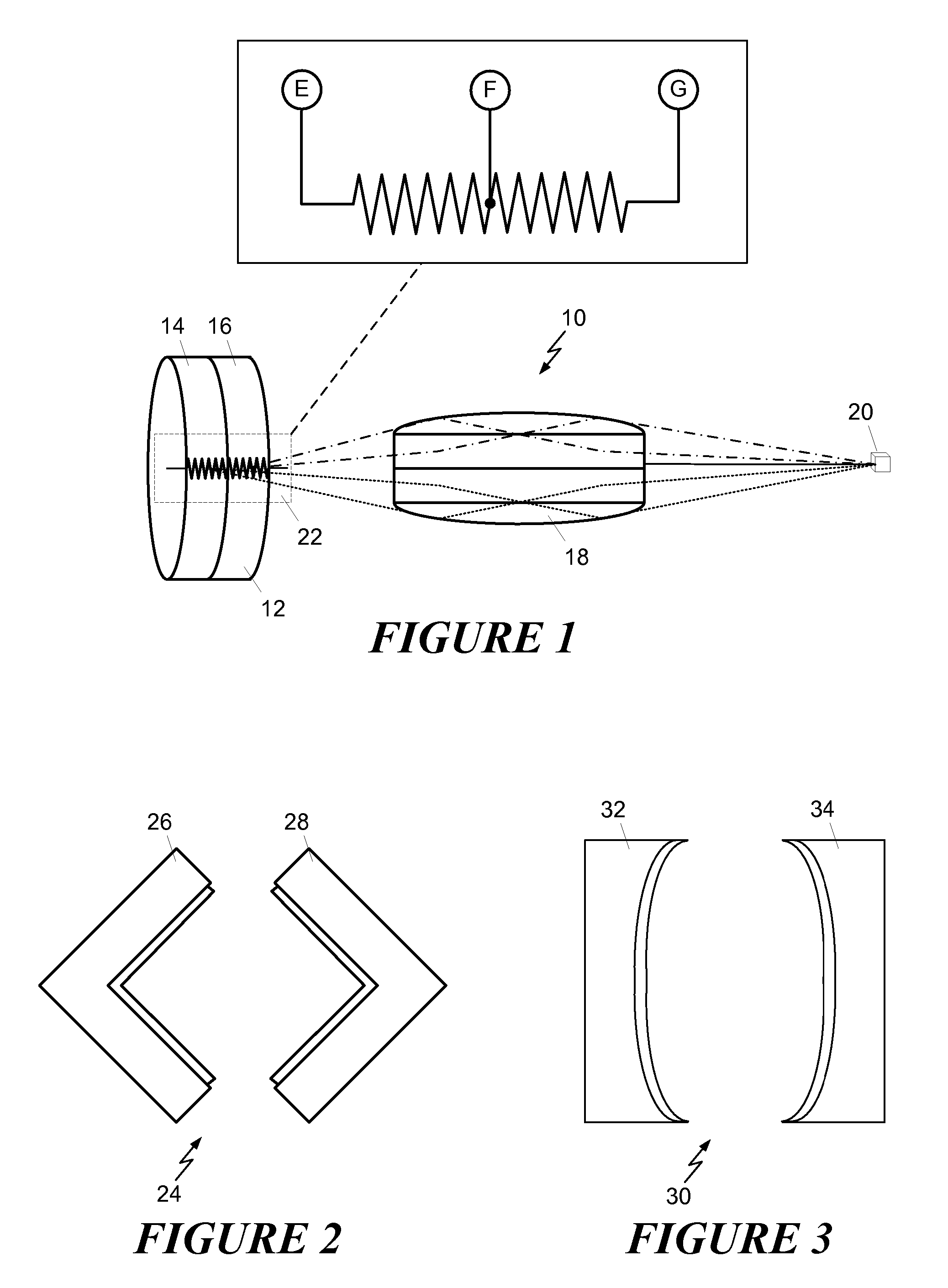
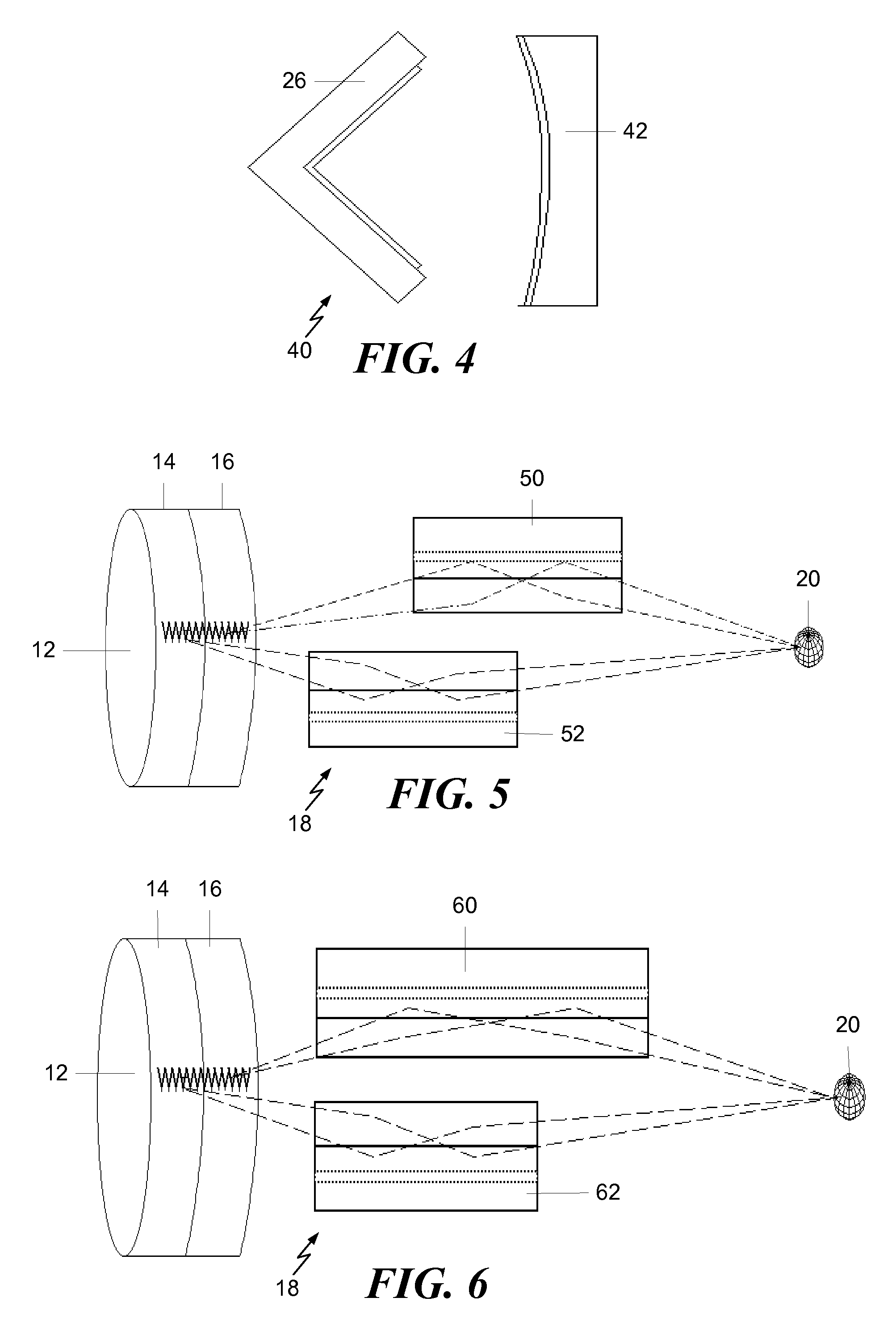
- A multiple wavelength X-ray source with a rotating anode featuring different target materials and a dual-wavelength mirror assembly, where each focusing section is prealigned for specific wavelengths, allowing for instantaneous switching without realigning optics, using a dual-segment cathode to selectively excite anode sections and a Kirkpatrick-Baez or single-bounce elliptical mirror configuration to focus X-rays onto the sample.
Environmental Impact Assessment of XRD Biomass Analysis
The environmental implications of X-ray diffraction analysis in biomass research encompass multiple dimensions that require careful evaluation. While XRD technology offers significant advantages for characterizing biomass materials, its environmental footprint must be thoroughly assessed to ensure sustainable research practices and regulatory compliance.
Energy consumption represents a primary environmental concern in XRD biomass analysis. Modern X-ray diffractometers require substantial electrical power for X-ray generation, detector operation, and cooling systems. High-resolution biomass studies often demand extended measurement times, particularly when analyzing complex lignocellulosic structures or monitoring crystallinity changes during processing. The cumulative energy demand can be considerable, especially in facilities conducting large-scale biomass characterization programs.
Radiation safety considerations form another critical environmental aspect. X-ray generation produces ionizing radiation that necessitates proper shielding, controlled access areas, and waste management protocols. While modern XRD systems incorporate comprehensive safety features, the potential for low-level radiation exposure requires continuous monitoring and adherence to ALARA principles. Environmental monitoring around XRD facilities ensures that radiation levels remain within acceptable limits for both personnel and surrounding ecosystems.
Sample preparation processes introduce additional environmental factors. Biomass samples often require chemical treatments, grinding, or thermal processing before XRD analysis. These preparation steps may generate organic solvents, particulate matter, or chemical residues that require proper disposal. The choice of sample preparation methods significantly influences the overall environmental impact of the analytical workflow.
Waste generation from XRD biomass analysis includes both consumable materials and end-of-life equipment components. X-ray tubes contain heavy metals and require specialized disposal procedures. Detector systems may incorporate rare earth elements or other materials with specific environmental handling requirements. Sample holders, filters, and other consumables contribute to the overall waste stream.
The environmental benefits of XRD biomass analysis must also be considered in the assessment. By enabling more efficient biomass processing optimization, XRD contributes to the development of sustainable biofuels and biomaterials. The technology supports research into renewable energy sources and carbon-neutral materials, potentially offsetting its direct environmental impact through improved biomass utilization efficiency and reduced reliance on fossil-based alternatives.
Energy consumption represents a primary environmental concern in XRD biomass analysis. Modern X-ray diffractometers require substantial electrical power for X-ray generation, detector operation, and cooling systems. High-resolution biomass studies often demand extended measurement times, particularly when analyzing complex lignocellulosic structures or monitoring crystallinity changes during processing. The cumulative energy demand can be considerable, especially in facilities conducting large-scale biomass characterization programs.
Radiation safety considerations form another critical environmental aspect. X-ray generation produces ionizing radiation that necessitates proper shielding, controlled access areas, and waste management protocols. While modern XRD systems incorporate comprehensive safety features, the potential for low-level radiation exposure requires continuous monitoring and adherence to ALARA principles. Environmental monitoring around XRD facilities ensures that radiation levels remain within acceptable limits for both personnel and surrounding ecosystems.
Sample preparation processes introduce additional environmental factors. Biomass samples often require chemical treatments, grinding, or thermal processing before XRD analysis. These preparation steps may generate organic solvents, particulate matter, or chemical residues that require proper disposal. The choice of sample preparation methods significantly influences the overall environmental impact of the analytical workflow.
Waste generation from XRD biomass analysis includes both consumable materials and end-of-life equipment components. X-ray tubes contain heavy metals and require specialized disposal procedures. Detector systems may incorporate rare earth elements or other materials with specific environmental handling requirements. Sample holders, filters, and other consumables contribute to the overall waste stream.
The environmental benefits of XRD biomass analysis must also be considered in the assessment. By enabling more efficient biomass processing optimization, XRD contributes to the development of sustainable biofuels and biomaterials. The technology supports research into renewable energy sources and carbon-neutral materials, potentially offsetting its direct environmental impact through improved biomass utilization efficiency and reduced reliance on fossil-based alternatives.
Sample Preparation Standards for Biomass XRD Studies
Sample preparation represents the most critical factor determining the quality and reliability of X-ray diffraction analysis in biomass studies. The heterogeneous nature of biomass materials, combined with their complex hierarchical structure and varying moisture content, necessitates standardized preparation protocols to ensure reproducible and meaningful crystallographic data.
Particle size reduction constitutes the primary consideration in biomass sample preparation for XRD analysis. The optimal particle size range for biomass materials typically falls between 75-150 micrometers, achieved through controlled grinding using ball mills or cryogenic grinding systems. Excessive grinding can induce mechanical stress and alter the crystalline structure of cellulose, while insufficient grinding results in preferred orientation effects and poor powder statistics. Temperature control during grinding is essential to prevent thermal degradation of biomass components.
Moisture content standardization is equally crucial, as water molecules can significantly influence diffraction patterns through hydrogen bonding interactions with cellulose and hemicellulose. Samples should be equilibrated at controlled relative humidity conditions, typically 50-65% RH at room temperature, for at least 24 hours prior to analysis. Alternative approaches include vacuum drying at temperatures below 60°C to minimize thermal decomposition while achieving consistent moisture levels.
Sample mounting techniques require careful consideration to minimize preferred orientation effects common in fibrous biomass materials. The use of side-loading sample holders or back-loading preparation methods helps reduce the alignment of cellulose crystallites. Sample thickness should be optimized to balance adequate diffraction intensity with minimal absorption effects, typically maintaining a thickness of 1-2 mm for most biomass materials.
Contamination prevention protocols are essential throughout the preparation process. Cross-contamination between samples can be minimized through thorough cleaning of grinding equipment and the use of disposable sample holders when possible. The introduction of external crystalline phases from grinding media or sample holders must be carefully monitored and documented.
Quality control measures should include the preparation of reference standards and duplicate samples to assess preparation reproducibility. The establishment of standard operating procedures for each biomass type ensures consistency across different operators and time periods, enabling reliable comparative studies and long-term monitoring of crystalline structure changes in biomass materials.
Particle size reduction constitutes the primary consideration in biomass sample preparation for XRD analysis. The optimal particle size range for biomass materials typically falls between 75-150 micrometers, achieved through controlled grinding using ball mills or cryogenic grinding systems. Excessive grinding can induce mechanical stress and alter the crystalline structure of cellulose, while insufficient grinding results in preferred orientation effects and poor powder statistics. Temperature control during grinding is essential to prevent thermal degradation of biomass components.
Moisture content standardization is equally crucial, as water molecules can significantly influence diffraction patterns through hydrogen bonding interactions with cellulose and hemicellulose. Samples should be equilibrated at controlled relative humidity conditions, typically 50-65% RH at room temperature, for at least 24 hours prior to analysis. Alternative approaches include vacuum drying at temperatures below 60°C to minimize thermal decomposition while achieving consistent moisture levels.
Sample mounting techniques require careful consideration to minimize preferred orientation effects common in fibrous biomass materials. The use of side-loading sample holders or back-loading preparation methods helps reduce the alignment of cellulose crystallites. Sample thickness should be optimized to balance adequate diffraction intensity with minimal absorption effects, typically maintaining a thickness of 1-2 mm for most biomass materials.
Contamination prevention protocols are essential throughout the preparation process. Cross-contamination between samples can be minimized through thorough cleaning of grinding equipment and the use of disposable sample holders when possible. The introduction of external crystalline phases from grinding media or sample holders must be carefully monitored and documented.
Quality control measures should include the preparation of reference standards and duplicate samples to assess preparation reproducibility. The establishment of standard operating procedures for each biomass type ensures consistency across different operators and time periods, enabling reliable comparative studies and long-term monitoring of crystalline structure changes in biomass materials.
Unlock deeper insights with PatSnap Eureka Quick Research — get a full tech report to explore trends and direct your research. Try now!
Generate Your Research Report Instantly with AI Agent
Supercharge your innovation with PatSnap Eureka AI Agent Platform!