X-ray Diffraction Vs Cation Exchange Methods: Analysis
FEB 27, 20269 MIN READ
Generate Your Research Report Instantly with AI Agent
PatSnap Eureka helps you evaluate technical feasibility & market potential.
XRD vs Cation Exchange Background and Objectives
X-ray diffraction and cation exchange methods represent two fundamental analytical approaches that have evolved significantly since their inception in the early 20th century. XRD emerged from the pioneering work of Max von Laue and the Bragg father-son duo between 1912-1913, establishing the foundation for crystallographic analysis through the interaction of X-rays with crystalline materials. The technique has undergone substantial technological advancement, transitioning from photographic detection methods to modern digital detectors and automated diffractometers.
Cation exchange methodology developed parallel to the understanding of ion exchange phenomena, with significant contributions from soil science and analytical chemistry communities during the 1940s-1960s. This technique leverages the selective replacement of cations in materials, particularly clay minerals and zeolites, to determine structural and compositional characteristics. The method gained prominence through the work of researchers studying soil mineralogy and environmental geochemistry.
The convergence of these two analytical approaches addresses critical challenges in materials characterization, particularly in complex systems where single-method analysis proves insufficient. Modern analytical demands require comprehensive understanding of both crystalline structure and ionic composition, driving the need for comparative methodological frameworks.
Current technological objectives focus on developing integrated analytical protocols that maximize the complementary strengths of both techniques. XRD provides precise crystallographic information including phase identification, lattice parameters, and structural defects, while cation exchange methods offer quantitative compositional data and insights into surface chemistry and ion mobility.
The primary technical goal involves establishing standardized comparative protocols that enable researchers to select optimal analytical strategies based on sample characteristics and research objectives. This includes developing decision matrices that consider factors such as sample crystallinity, particle size, compositional complexity, and required analytical precision.
Advanced integration objectives encompass the development of sequential analytical workflows where XRD structural data informs cation exchange experimental design, and conversely, where ionic composition data guides XRD phase identification strategies. This synergistic approach aims to enhance overall analytical accuracy while reducing analysis time and sample consumption requirements.
Cation exchange methodology developed parallel to the understanding of ion exchange phenomena, with significant contributions from soil science and analytical chemistry communities during the 1940s-1960s. This technique leverages the selective replacement of cations in materials, particularly clay minerals and zeolites, to determine structural and compositional characteristics. The method gained prominence through the work of researchers studying soil mineralogy and environmental geochemistry.
The convergence of these two analytical approaches addresses critical challenges in materials characterization, particularly in complex systems where single-method analysis proves insufficient. Modern analytical demands require comprehensive understanding of both crystalline structure and ionic composition, driving the need for comparative methodological frameworks.
Current technological objectives focus on developing integrated analytical protocols that maximize the complementary strengths of both techniques. XRD provides precise crystallographic information including phase identification, lattice parameters, and structural defects, while cation exchange methods offer quantitative compositional data and insights into surface chemistry and ion mobility.
The primary technical goal involves establishing standardized comparative protocols that enable researchers to select optimal analytical strategies based on sample characteristics and research objectives. This includes developing decision matrices that consider factors such as sample crystallinity, particle size, compositional complexity, and required analytical precision.
Advanced integration objectives encompass the development of sequential analytical workflows where XRD structural data informs cation exchange experimental design, and conversely, where ionic composition data guides XRD phase identification strategies. This synergistic approach aims to enhance overall analytical accuracy while reducing analysis time and sample consumption requirements.
Market Demand for Advanced Material Analysis Methods
The global materials analysis market has experienced substantial growth driven by increasing demands across multiple industrial sectors. Pharmaceutical companies require precise characterization of drug compounds and polymorphic forms, while semiconductor manufacturers need atomic-level structural analysis for advanced chip development. The aerospace and automotive industries demand rigorous quality control of lightweight materials and composites, creating sustained market pressure for sophisticated analytical capabilities.
X-ray diffraction and cation exchange methods represent two distinct analytical approaches serving complementary market segments. XRD technology dominates crystalline structure analysis applications, particularly in pharmaceutical polymorph identification, mineral analysis, and advanced materials research. The method's non-destructive nature and ability to provide quantitative phase analysis make it indispensable for quality control in manufacturing environments.
Cation exchange methods address different market needs, primarily focusing on ion concentration determination and purification processes. These techniques find extensive application in environmental monitoring, water treatment facilities, and chemical processing industries. The growing emphasis on environmental compliance and water quality management has expanded demand for reliable cation analysis capabilities.
Market drivers include stringent regulatory requirements in pharmaceutical and food industries, where material purity and structural confirmation are critical. The emergence of nanotechnology and advanced materials research has created new analytical challenges requiring enhanced sensitivity and resolution. Battery technology development, particularly for electric vehicles, demands precise understanding of electrode materials and ionic transport mechanisms.
Regional market dynamics show strong growth in Asia-Pacific regions, driven by expanding manufacturing capabilities and increased research investments. North American and European markets emphasize high-precision applications and regulatory compliance, while emerging markets focus on cost-effective solutions for basic material characterization needs.
The integration of artificial intelligence and machine learning with traditional analytical methods is reshaping market expectations. Users increasingly demand automated data interpretation, real-time analysis capabilities, and seamless integration with digital manufacturing systems. This technological convergence is driving demand for next-generation analytical platforms that combine multiple measurement techniques within unified systems.
X-ray diffraction and cation exchange methods represent two distinct analytical approaches serving complementary market segments. XRD technology dominates crystalline structure analysis applications, particularly in pharmaceutical polymorph identification, mineral analysis, and advanced materials research. The method's non-destructive nature and ability to provide quantitative phase analysis make it indispensable for quality control in manufacturing environments.
Cation exchange methods address different market needs, primarily focusing on ion concentration determination and purification processes. These techniques find extensive application in environmental monitoring, water treatment facilities, and chemical processing industries. The growing emphasis on environmental compliance and water quality management has expanded demand for reliable cation analysis capabilities.
Market drivers include stringent regulatory requirements in pharmaceutical and food industries, where material purity and structural confirmation are critical. The emergence of nanotechnology and advanced materials research has created new analytical challenges requiring enhanced sensitivity and resolution. Battery technology development, particularly for electric vehicles, demands precise understanding of electrode materials and ionic transport mechanisms.
Regional market dynamics show strong growth in Asia-Pacific regions, driven by expanding manufacturing capabilities and increased research investments. North American and European markets emphasize high-precision applications and regulatory compliance, while emerging markets focus on cost-effective solutions for basic material characterization needs.
The integration of artificial intelligence and machine learning with traditional analytical methods is reshaping market expectations. Users increasingly demand automated data interpretation, real-time analysis capabilities, and seamless integration with digital manufacturing systems. This technological convergence is driving demand for next-generation analytical platforms that combine multiple measurement techniques within unified systems.
Current State and Challenges of XRD and Cation Exchange
X-ray diffraction technology has reached significant maturity in crystallographic analysis, with modern diffractometers achieving angular resolution better than 0.01° and detection limits in the parts-per-million range. Advanced synchrotron facilities and laboratory-based systems now provide unprecedented structural information for materials characterization. However, XRD faces inherent limitations in distinguishing between elements with similar atomic numbers and struggles with amorphous or poorly crystalline materials that lack long-range order.
Cation exchange methods have evolved substantially from traditional wet chemistry approaches to sophisticated ion-selective electrode systems and automated analyzers. Contemporary techniques can achieve detection limits in the nanomolar range and provide real-time monitoring capabilities. The integration of microfluidics and miniaturized sensors has enhanced precision and reduced sample requirements significantly. Nevertheless, cation exchange methods remain susceptible to matrix effects and interference from competing ions in complex sample environments.
Both technologies encounter significant challenges in multi-component system analysis. XRD interpretation becomes increasingly complex when dealing with overlapping diffraction peaks from multiple phases, requiring advanced pattern fitting algorithms and extensive reference databases. Peak broadening effects from particle size, strain, and instrumental factors further complicate quantitative analysis. The technique also demands relatively large sample volumes and cannot easily distinguish between different oxidation states of the same element.
Cation exchange faces selectivity challenges when multiple cations with similar properties coexist in solution. Cross-contamination between different exchange sites and the need for frequent calibration limit throughput in high-volume analytical scenarios. Temperature and pH variations significantly affect exchange equilibria, requiring careful environmental control for reproducible results.
Sample preparation represents a critical bottleneck for both methods. XRD requires proper particle size distribution and preferred orientation control, while cation exchange demands precise pH adjustment and ionic strength optimization. Automation of sample preparation workflows remains an active area of development to improve reproducibility and reduce human error.
The integration of artificial intelligence and machine learning algorithms shows promise for addressing interpretation challenges in both techniques. Advanced pattern recognition systems are being developed to automate phase identification in XRD, while predictive models for cation exchange behavior could enhance method selectivity and reduce interference effects.
Cation exchange methods have evolved substantially from traditional wet chemistry approaches to sophisticated ion-selective electrode systems and automated analyzers. Contemporary techniques can achieve detection limits in the nanomolar range and provide real-time monitoring capabilities. The integration of microfluidics and miniaturized sensors has enhanced precision and reduced sample requirements significantly. Nevertheless, cation exchange methods remain susceptible to matrix effects and interference from competing ions in complex sample environments.
Both technologies encounter significant challenges in multi-component system analysis. XRD interpretation becomes increasingly complex when dealing with overlapping diffraction peaks from multiple phases, requiring advanced pattern fitting algorithms and extensive reference databases. Peak broadening effects from particle size, strain, and instrumental factors further complicate quantitative analysis. The technique also demands relatively large sample volumes and cannot easily distinguish between different oxidation states of the same element.
Cation exchange faces selectivity challenges when multiple cations with similar properties coexist in solution. Cross-contamination between different exchange sites and the need for frequent calibration limit throughput in high-volume analytical scenarios. Temperature and pH variations significantly affect exchange equilibria, requiring careful environmental control for reproducible results.
Sample preparation represents a critical bottleneck for both methods. XRD requires proper particle size distribution and preferred orientation control, while cation exchange demands precise pH adjustment and ionic strength optimization. Automation of sample preparation workflows remains an active area of development to improve reproducibility and reduce human error.
The integration of artificial intelligence and machine learning algorithms shows promise for addressing interpretation challenges in both techniques. Advanced pattern recognition systems are being developed to automate phase identification in XRD, while predictive models for cation exchange behavior could enhance method selectivity and reduce interference effects.
Existing XRD and Cation Exchange Solutions
01 X-ray diffraction characterization of zeolite structures
X-ray diffraction techniques are employed to characterize the crystalline structure of zeolites and molecular sieves. This method provides detailed information about the crystal lattice parameters, phase purity, and structural properties of zeolitic materials. The diffraction patterns obtained can be used to identify specific zeolite framework types and assess the quality of synthesized materials.- X-ray diffraction characterization of zeolite materials: X-ray diffraction techniques are employed to characterize the crystalline structure and phase purity of zeolite materials. This method provides detailed information about the crystal lattice parameters, crystallinity degree, and structural modifications that occur during synthesis or post-treatment processes. The diffraction patterns serve as fingerprints for identifying specific zeolite frameworks and monitoring structural changes.
- Cation exchange processes in molecular sieves: Cation exchange methods are utilized to modify the properties of molecular sieves by replacing original cations with desired metal ions. This process alters the catalytic activity, adsorption capacity, and thermal stability of the materials. The exchange procedure typically involves contacting the molecular sieve with salt solutions under controlled conditions of temperature, concentration, and time to achieve optimal substitution levels.
- Combined XRD analysis and ion exchange for catalyst preparation: The integration of X-ray diffraction analysis with cation exchange techniques enables the preparation and characterization of catalytic materials with tailored properties. X-ray diffraction monitors the structural integrity throughout the exchange process, ensuring that the framework remains intact while cations are substituted. This combined approach is particularly valuable for developing catalysts with specific active sites and enhanced performance characteristics.
- Structural determination of ion-exchanged materials: X-ray diffraction serves as a primary tool for determining the structural characteristics of materials after cation exchange treatments. This includes identifying changes in unit cell dimensions, detecting phase transformations, and confirming the maintenance of crystalline order. The technique provides quantitative data on how different exchanged cations affect the host structure and helps optimize exchange conditions for desired material properties.
- Quality control and characterization protocols: Standardized protocols combining X-ray diffraction measurements with cation exchange procedures are established for quality control in material synthesis. These methods ensure reproducibility and consistency in producing materials with specific compositions and structures. The protocols include systematic evaluation of exchange efficiency, structural stability assessment, and verification of desired physical and chemical properties through diffraction pattern analysis.
02 Cation exchange capacity determination and modification
Cation exchange methods are utilized to determine the exchange capacity of zeolites and to modify their properties by replacing native cations with desired metal ions. This process involves contacting the zeolite material with solutions containing specific cations, allowing for controlled substitution. The cation exchange capacity is a critical parameter that affects the catalytic and adsorption properties of the material.Expand Specific Solutions03 Combined XRD and ion exchange for catalyst preparation
The combination of X-ray diffraction analysis and cation exchange techniques is employed in the preparation and characterization of catalytic materials. X-ray diffraction confirms the maintenance of crystalline structure after ion exchange processes, while the exchange method introduces catalytically active metal species into the framework. This integrated approach ensures both structural integrity and desired catalytic functionality.Expand Specific Solutions04 Structural analysis of ion-exchanged materials
X-ray diffraction is used to monitor structural changes that occur during and after cation exchange processes. This analytical approach helps identify phase transformations, lattice parameter variations, and the distribution of exchanged cations within the crystal structure. The technique is essential for understanding how ion exchange affects the overall material properties and stability.Expand Specific Solutions05 Quality control and optimization of exchange processes
X-ray diffraction serves as a quality control tool to optimize cation exchange procedures by verifying the degree of exchange and assessing potential structural degradation. The method enables researchers to establish optimal exchange conditions, including temperature, concentration, and duration. This ensures reproducible production of materials with consistent properties and performance characteristics.Expand Specific Solutions
Key Players in XRD and Ion Exchange Industry
The X-ray diffraction versus cation exchange methods analysis represents a mature analytical technology sector experiencing steady growth driven by pharmaceutical, materials science, and industrial applications. The market demonstrates strong consolidation with established players dominating different segments. Technology maturity varies significantly across applications, with companies like Rigaku Corp. and Bruker AXS leading in advanced X-ray diffraction instrumentation, while diversified technology giants including Hitachi Ltd., Siemens Healthineers AG, and Koninklijke Philips NV leverage their extensive R&D capabilities to integrate these analytical methods into broader diagnostic and industrial platforms. The competitive landscape shows clear segmentation between specialized analytical instrument manufacturers such as Panalytical Inc. and Nikon Corp., and pharmaceutical companies like F. Hoffmann-La Roche Ltd. that utilize these technologies for drug development and quality control, indicating a mature ecosystem with established supply chains and well-defined market niches.
Rigaku Corp.
Technical Solution: Rigaku specializes in advanced X-ray diffraction (XRD) analytical instrumentation, offering comprehensive solutions for crystallographic analysis. Their MiniFlex series provides benchtop XRD systems with automated measurement capabilities, featuring CuKα radiation sources and high-resolution detectors for phase identification and quantitative analysis. The company's SmartLab platform integrates multiple measurement geometries including powder diffraction, thin film analysis, and small-angle scattering in a single system. Rigaku's XRD solutions enable precise crystal structure determination, phase composition analysis, and crystallinity measurements across pharmaceutical, materials science, and industrial applications. Their automated sample changers and intelligent measurement guidance software streamline analytical workflows while maintaining measurement accuracy and reproducibility.
Strengths: Market-leading XRD instrumentation with comprehensive analytical capabilities and automated workflows. Weaknesses: Limited involvement in cation exchange methodologies, focusing primarily on diffraction-based characterization techniques.
Hitachi Ltd.
Technical Solution: Hitachi develops analytical instrumentation including X-ray diffraction systems for materials science and industrial applications. Their XRD solutions focus on compact, user-friendly systems suitable for routine analysis and quality control environments. The company's approach emphasizes integration of XRD capabilities with other analytical techniques including electron microscopy and spectroscopic methods for comprehensive materials characterization. Hitachi's systems feature automated measurement protocols and simplified operation interfaces designed for non-specialist users in industrial settings. Their analytical solutions support phase identification, crystallinity assessment, and structural analysis applications across semiconductor, pharmaceutical, and materials manufacturing industries. The company's focus on system integration enables correlative analysis combining diffraction data with complementary analytical information.
Strengths: Integrated analytical solutions combining XRD with complementary techniques for comprehensive characterization. Weaknesses: Limited specialized expertise in advanced diffraction techniques and minimal involvement in ion exchange methodologies.
Core Innovations in Comparative Analysis Methods
Method of evaluation ion-exchange films and organic samples and x-ray measuring apparatus
PatentInactiveEP1376107A3
Innovation
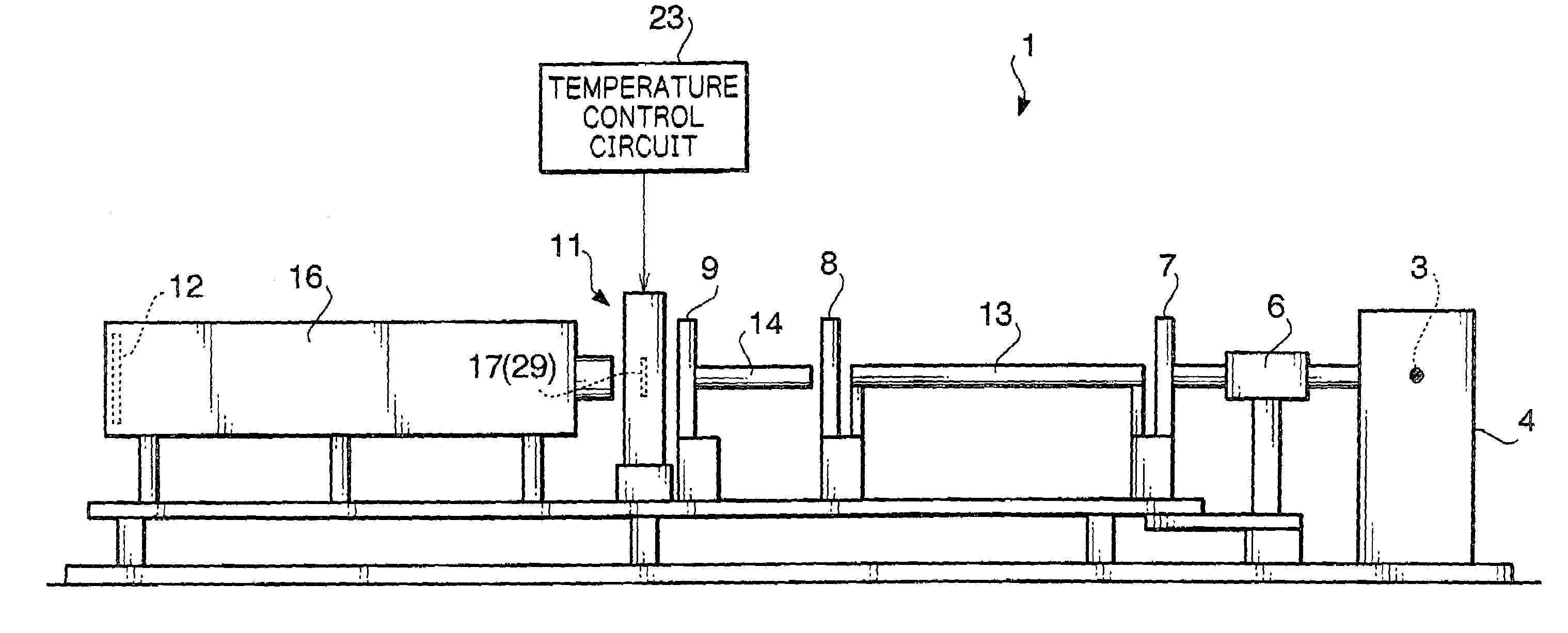
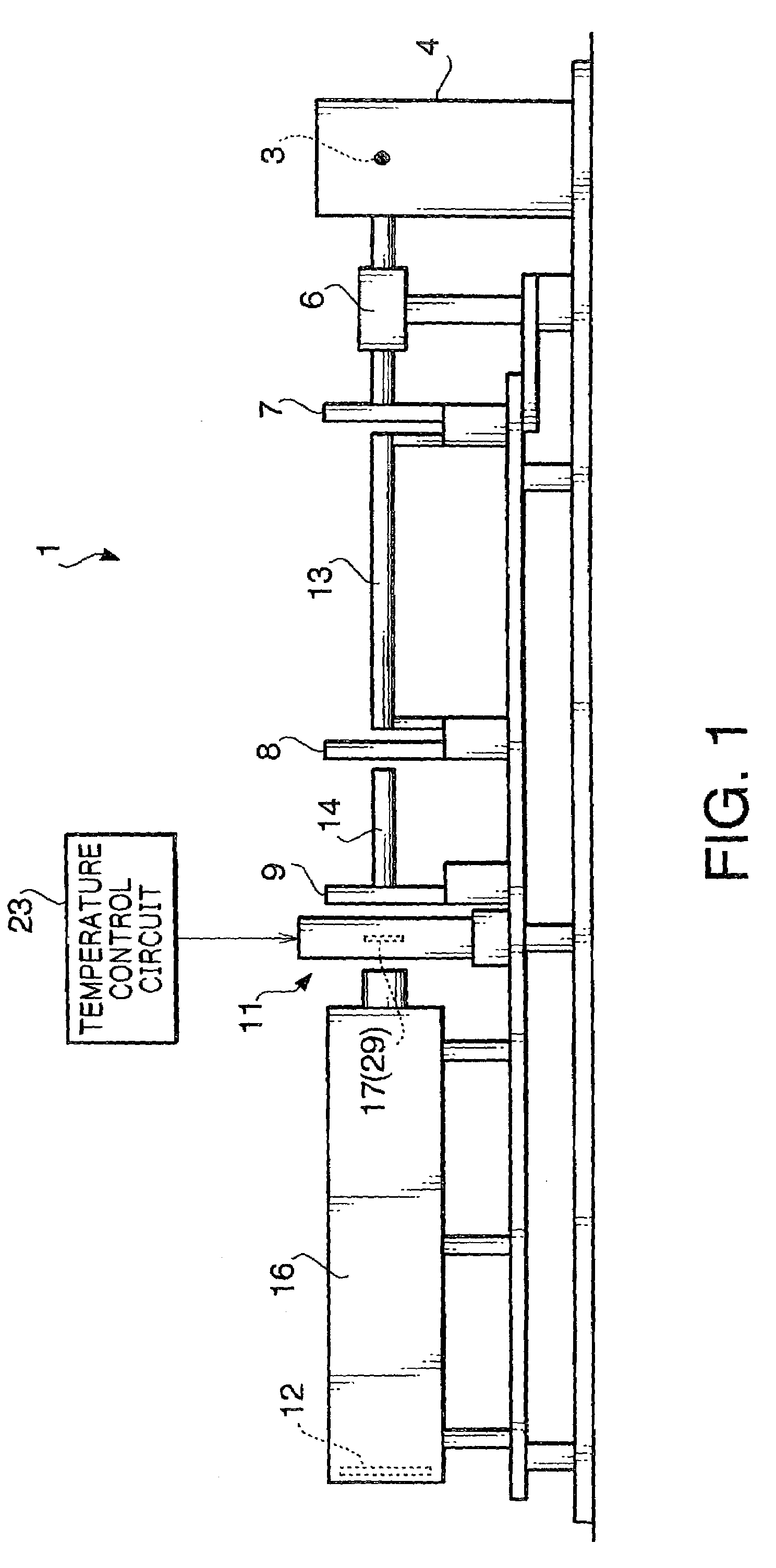
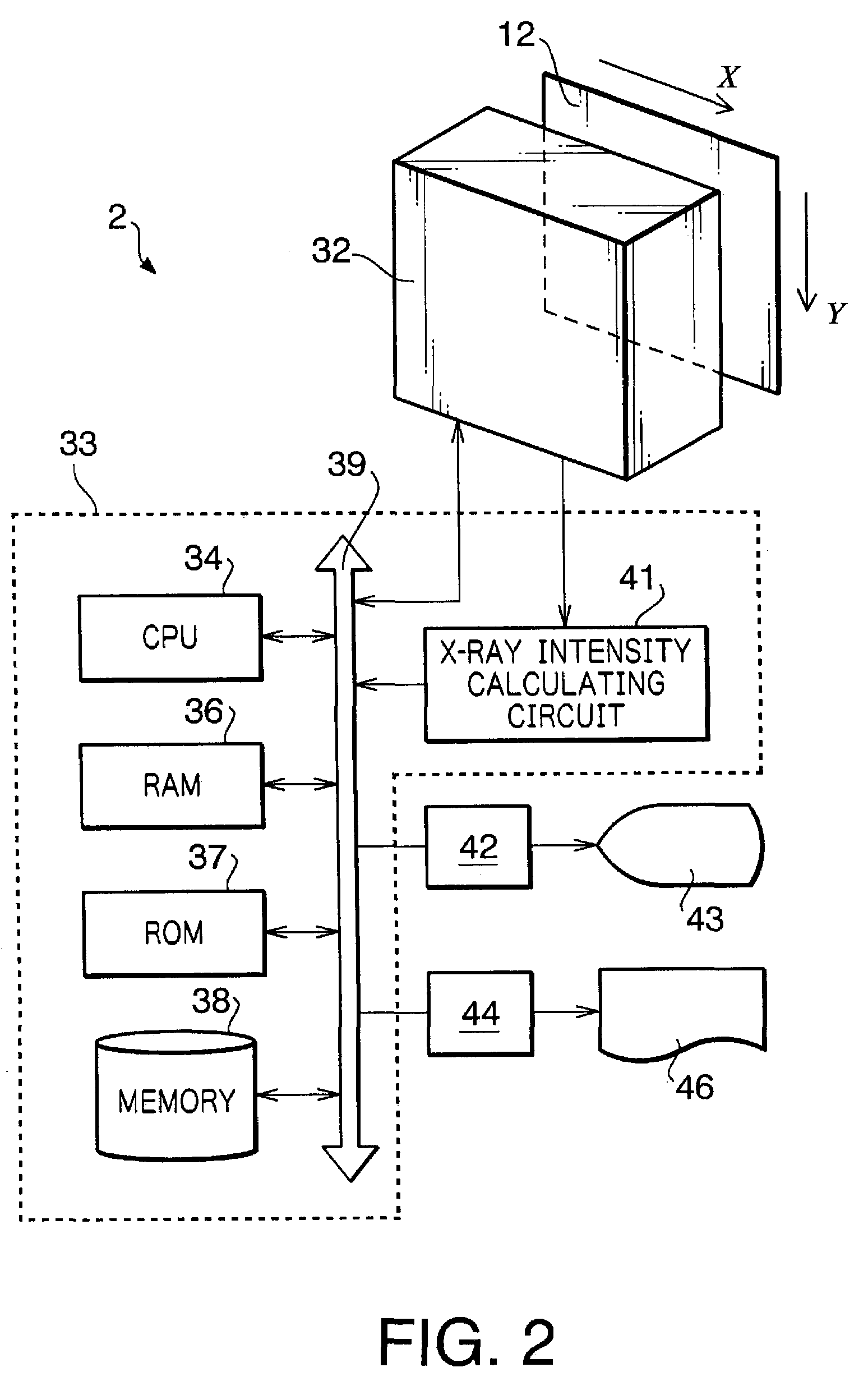
- A method utilizing an X-ray measuring apparatus to obtain small-angle scattering curves, which allows for the determination of molecular structure by plotting scattering angle versus X-ray intensity, enabling evaluation of ion-exchange films in the same conditions as they are used, with the option to adjust temperature and maintain the film in a watertight sample chamber with liquid, and employing a two-dimensional X-ray detector and X-ray focusing means to enhance measurement efficiency.


Method of evaluating ion-exchange film, method of evaluating organic sample and X-ray measuring apparatus
PatentInactiveUS6993113B2
Innovation
- A method using an X-ray measuring apparatus to obtain small-angle scattering curves, which allows for the determination of molecular structure by plotting scattering angle versus X-ray intensity, enabling evaluation of ion-exchange films in the same conditions as they are used, with the option to adjust temperature and humidity, and utilize a two-dimensional X-ray detector and focusing means for high-intensity X-ray application.

Standardization Requirements for Analysis Methods
The establishment of robust standardization requirements for X-ray diffraction and cation exchange analytical methods represents a critical foundation for ensuring reproducible, accurate, and internationally comparable results across different laboratories and applications. Current standardization efforts face significant challenges due to the inherently different operational principles and measurement parameters of these two analytical approaches.
For X-ray diffraction methods, standardization requirements must address instrumental calibration protocols, sample preparation procedures, data collection parameters, and peak identification criteria. International standards organizations such as ASTM and ISO have developed comprehensive guidelines covering diffractometer alignment, reference material usage, and measurement uncertainty calculations. These standards emphasize the importance of maintaining consistent beam conditions, detector calibration, and environmental controls to ensure measurement reproducibility.
Cation exchange method standardization presents distinct challenges related to solution chemistry, equilibrium conditions, and analytical detection systems. Standard protocols must define precise pH control ranges, ionic strength specifications, temperature maintenance requirements, and standardized reference solutions. The dynamic nature of ion exchange processes necessitates strict timing protocols and standardized agitation procedures to achieve consistent equilibrium states.
Cross-method validation protocols represent a particularly complex standardization requirement when comparing results between X-ray diffraction and cation exchange approaches. These protocols must establish correlation factors, acceptable deviation ranges, and decision criteria for resolving discrepancies between methods. Standardization bodies are developing matrix-specific validation procedures that account for the different information domains each method provides.
Quality assurance frameworks within standardization requirements mandate regular proficiency testing, inter-laboratory comparison studies, and certified reference material usage. These frameworks ensure that both analytical methods maintain consistent performance standards across different operational environments and user skill levels, ultimately supporting reliable comparative analysis between the two methodologies.
For X-ray diffraction methods, standardization requirements must address instrumental calibration protocols, sample preparation procedures, data collection parameters, and peak identification criteria. International standards organizations such as ASTM and ISO have developed comprehensive guidelines covering diffractometer alignment, reference material usage, and measurement uncertainty calculations. These standards emphasize the importance of maintaining consistent beam conditions, detector calibration, and environmental controls to ensure measurement reproducibility.
Cation exchange method standardization presents distinct challenges related to solution chemistry, equilibrium conditions, and analytical detection systems. Standard protocols must define precise pH control ranges, ionic strength specifications, temperature maintenance requirements, and standardized reference solutions. The dynamic nature of ion exchange processes necessitates strict timing protocols and standardized agitation procedures to achieve consistent equilibrium states.
Cross-method validation protocols represent a particularly complex standardization requirement when comparing results between X-ray diffraction and cation exchange approaches. These protocols must establish correlation factors, acceptable deviation ranges, and decision criteria for resolving discrepancies between methods. Standardization bodies are developing matrix-specific validation procedures that account for the different information domains each method provides.
Quality assurance frameworks within standardization requirements mandate regular proficiency testing, inter-laboratory comparison studies, and certified reference material usage. These frameworks ensure that both analytical methods maintain consistent performance standards across different operational environments and user skill levels, ultimately supporting reliable comparative analysis between the two methodologies.
Cost-Benefit Analysis of XRD vs Cation Exchange
The economic evaluation of X-ray Diffraction (XRD) versus Cation Exchange methods reveals significant disparities in both initial investment requirements and operational expenditures. XRD systems typically demand substantial capital investment, with modern diffractometers ranging from $150,000 to $500,000 for high-resolution instruments. Additionally, specialized sample preparation equipment, environmental controls, and software licensing contribute to elevated setup costs. Conversely, cation exchange methodologies require considerably lower initial investments, primarily involving standard laboratory glassware, ion exchange resins, and basic analytical equipment, typically totaling $10,000 to $50,000 for comprehensive setup.
Operational cost structures demonstrate contrasting patterns between these analytical approaches. XRD operations incur significant electricity consumption due to high-power X-ray generators, specialized cooling systems, and continuous environmental monitoring equipment. Maintenance costs include regular calibration, detector replacement, and specialized technical support, often exceeding $20,000 annually. Sample preparation for XRD requires minimal consumables but demands skilled technicians capable of proper sample mounting and measurement parameter optimization.
Cation exchange methods exhibit lower operational costs through reduced energy consumption and simpler equipment maintenance requirements. However, these methods generate higher consumable expenses through continuous resin replacement, buffer solutions, and chemical reagents. The methodology also produces more chemical waste, increasing disposal costs and environmental compliance expenses.
Throughput analysis reveals XRD's superior efficiency for high-volume applications, with automated sample changers enabling 24-hour operation and minimal operator intervention. Single measurements typically complete within 30-60 minutes, allowing daily processing of 20-40 samples. Cation exchange procedures require extended equilibration periods, often spanning several hours to days, limiting daily throughput to 5-10 samples per operator.
Long-term economic benefits favor XRD for organizations requiring frequent mineral identification and quantitative analysis. The method's versatility across multiple applications, including phase identification, crystallinity assessment, and structural analysis, provides broader analytical capabilities justifying higher initial investments. Cation exchange methods offer cost advantages for specialized applications focusing exclusively on exchangeable cation determination, particularly in soil science and environmental monitoring contexts where high precision outweighs throughput considerations.
Operational cost structures demonstrate contrasting patterns between these analytical approaches. XRD operations incur significant electricity consumption due to high-power X-ray generators, specialized cooling systems, and continuous environmental monitoring equipment. Maintenance costs include regular calibration, detector replacement, and specialized technical support, often exceeding $20,000 annually. Sample preparation for XRD requires minimal consumables but demands skilled technicians capable of proper sample mounting and measurement parameter optimization.
Cation exchange methods exhibit lower operational costs through reduced energy consumption and simpler equipment maintenance requirements. However, these methods generate higher consumable expenses through continuous resin replacement, buffer solutions, and chemical reagents. The methodology also produces more chemical waste, increasing disposal costs and environmental compliance expenses.
Throughput analysis reveals XRD's superior efficiency for high-volume applications, with automated sample changers enabling 24-hour operation and minimal operator intervention. Single measurements typically complete within 30-60 minutes, allowing daily processing of 20-40 samples. Cation exchange procedures require extended equilibration periods, often spanning several hours to days, limiting daily throughput to 5-10 samples per operator.
Long-term economic benefits favor XRD for organizations requiring frequent mineral identification and quantitative analysis. The method's versatility across multiple applications, including phase identification, crystallinity assessment, and structural analysis, provides broader analytical capabilities justifying higher initial investments. Cation exchange methods offer cost advantages for specialized applications focusing exclusively on exchangeable cation determination, particularly in soil science and environmental monitoring contexts where high precision outweighs throughput considerations.
Unlock deeper insights with PatSnap Eureka Quick Research — get a full tech report to explore trends and direct your research. Try now!
Generate Your Research Report Instantly with AI Agent
Supercharge your innovation with PatSnap Eureka AI Agent Platform!