Polyurethane Developments for a Sustainable Planet
JUN 25, 20258 MIN READ
Generate Your Research Report Instantly with AI Agent
PatSnap Eureka helps you evaluate technical feasibility & market potential.
PU Sustainability Goals
The polyurethane industry is increasingly focusing on sustainability goals to address environmental concerns and meet regulatory requirements. These goals aim to reduce the environmental impact of polyurethane production and use throughout its lifecycle. Key sustainability objectives include reducing carbon footprint, minimizing waste, and improving resource efficiency.
One primary goal is to decrease greenhouse gas emissions associated with polyurethane manufacturing. This involves optimizing production processes, improving energy efficiency, and transitioning to renewable energy sources. Companies are investing in cleaner technologies and exploring ways to capture and utilize CO2 emissions in polyurethane production.
Another critical objective is to increase the use of bio-based and recycled materials in polyurethane formulations. This includes developing polyols derived from renewable resources such as vegetable oils, as well as incorporating post-consumer recycled content. These efforts aim to reduce reliance on fossil-based raw materials and promote a circular economy approach.
Enhancing the recyclability and end-of-life management of polyurethane products is also a key sustainability goal. Research is focused on developing new recycling technologies, such as chemical recycling processes that can break down polyurethane into its original components for reuse. Additionally, efforts are being made to design products for easier disassembly and recycling.
Water conservation is another important aspect of polyurethane sustainability goals. The industry is working on reducing water consumption in manufacturing processes and developing water-based polyurethane systems that have lower environmental impact compared to solvent-based alternatives.
Improving the durability and performance of polyurethane products is also crucial for sustainability. Longer-lasting products reduce the need for replacements, thereby conserving resources and reducing waste. This includes developing more resistant formulations and exploring new applications that leverage polyurethane's unique properties.
The industry is also focusing on reducing or eliminating substances of concern in polyurethane formulations. This involves finding safer alternatives to potentially harmful additives and developing new catalysts and blowing agents with lower environmental impact.
Collaboration across the value chain is essential for achieving these sustainability goals. Industry partnerships, research initiatives, and engagement with regulatory bodies are driving innovation and setting new standards for sustainable polyurethane development. These collective efforts aim to position polyurethane as a material of choice in a more environmentally conscious future.
One primary goal is to decrease greenhouse gas emissions associated with polyurethane manufacturing. This involves optimizing production processes, improving energy efficiency, and transitioning to renewable energy sources. Companies are investing in cleaner technologies and exploring ways to capture and utilize CO2 emissions in polyurethane production.
Another critical objective is to increase the use of bio-based and recycled materials in polyurethane formulations. This includes developing polyols derived from renewable resources such as vegetable oils, as well as incorporating post-consumer recycled content. These efforts aim to reduce reliance on fossil-based raw materials and promote a circular economy approach.
Enhancing the recyclability and end-of-life management of polyurethane products is also a key sustainability goal. Research is focused on developing new recycling technologies, such as chemical recycling processes that can break down polyurethane into its original components for reuse. Additionally, efforts are being made to design products for easier disassembly and recycling.
Water conservation is another important aspect of polyurethane sustainability goals. The industry is working on reducing water consumption in manufacturing processes and developing water-based polyurethane systems that have lower environmental impact compared to solvent-based alternatives.
Improving the durability and performance of polyurethane products is also crucial for sustainability. Longer-lasting products reduce the need for replacements, thereby conserving resources and reducing waste. This includes developing more resistant formulations and exploring new applications that leverage polyurethane's unique properties.
The industry is also focusing on reducing or eliminating substances of concern in polyurethane formulations. This involves finding safer alternatives to potentially harmful additives and developing new catalysts and blowing agents with lower environmental impact.
Collaboration across the value chain is essential for achieving these sustainability goals. Industry partnerships, research initiatives, and engagement with regulatory bodies are driving innovation and setting new standards for sustainable polyurethane development. These collective efforts aim to position polyurethane as a material of choice in a more environmentally conscious future.
Market Demand Analysis
The global polyurethane market has been experiencing significant growth, driven by increasing demand across various industries and a growing focus on sustainability. The market size for polyurethane was valued at approximately $70 billion in 2020 and is projected to reach $90 billion by 2025, with a compound annual growth rate of around 5%.
The construction industry remains the largest consumer of polyurethane products, accounting for nearly 30% of the total market share. The demand for energy-efficient buildings and improved insulation materials has led to a surge in the use of polyurethane foams in construction applications. Additionally, the automotive sector has emerged as a key driver for polyurethane demand, particularly in the production of lightweight components and interior materials to improve fuel efficiency and reduce emissions.
The packaging industry has also shown a growing interest in sustainable polyurethane solutions, particularly for flexible packaging applications. This trend is driven by the increasing consumer awareness of environmental issues and the need for recyclable and biodegradable packaging materials.
In the furniture and bedding sector, there is a rising demand for comfortable and durable polyurethane foams. The market has seen a shift towards bio-based polyurethanes, which offer improved sustainability profiles while maintaining the desired performance characteristics.
The electronics industry has witnessed an uptick in polyurethane usage, especially in the production of protective coatings and encapsulants for electronic components. This trend is expected to continue as the demand for electronic devices and smart technologies grows.
Geographically, Asia-Pacific remains the largest market for polyurethane, driven by rapid industrialization and urbanization in countries like China and India. North America and Europe follow, with a strong focus on developing sustainable polyurethane technologies to meet stringent environmental regulations.
The market demand for polyurethane is increasingly influenced by sustainability concerns. Consumers and industries alike are seeking eco-friendly alternatives, pushing manufacturers to invest in research and development of bio-based polyurethanes and recycling technologies. This shift towards sustainability is expected to reshape the polyurethane market landscape in the coming years, with a growing emphasis on circular economy principles and reduced environmental impact.
The construction industry remains the largest consumer of polyurethane products, accounting for nearly 30% of the total market share. The demand for energy-efficient buildings and improved insulation materials has led to a surge in the use of polyurethane foams in construction applications. Additionally, the automotive sector has emerged as a key driver for polyurethane demand, particularly in the production of lightweight components and interior materials to improve fuel efficiency and reduce emissions.
The packaging industry has also shown a growing interest in sustainable polyurethane solutions, particularly for flexible packaging applications. This trend is driven by the increasing consumer awareness of environmental issues and the need for recyclable and biodegradable packaging materials.
In the furniture and bedding sector, there is a rising demand for comfortable and durable polyurethane foams. The market has seen a shift towards bio-based polyurethanes, which offer improved sustainability profiles while maintaining the desired performance characteristics.
The electronics industry has witnessed an uptick in polyurethane usage, especially in the production of protective coatings and encapsulants for electronic components. This trend is expected to continue as the demand for electronic devices and smart technologies grows.
Geographically, Asia-Pacific remains the largest market for polyurethane, driven by rapid industrialization and urbanization in countries like China and India. North America and Europe follow, with a strong focus on developing sustainable polyurethane technologies to meet stringent environmental regulations.
The market demand for polyurethane is increasingly influenced by sustainability concerns. Consumers and industries alike are seeking eco-friendly alternatives, pushing manufacturers to invest in research and development of bio-based polyurethanes and recycling technologies. This shift towards sustainability is expected to reshape the polyurethane market landscape in the coming years, with a growing emphasis on circular economy principles and reduced environmental impact.
PU Tech Challenges
Polyurethane (PU) technology, while versatile and widely used, faces significant challenges in its journey towards sustainability. One of the primary obstacles is the reliance on fossil-based raw materials, particularly in the production of isocyanates and polyols. This dependence not only contributes to environmental concerns but also raises issues of long-term resource availability and price volatility.
The toxicity of isocyanates, a key component in PU production, presents another major challenge. These compounds pose health risks during manufacturing and processing, necessitating stringent safety measures and protective equipment. Finding safer alternatives or developing new production methods that minimize isocyanate exposure remains a critical area of focus for the industry.
End-of-life management of PU products is a growing concern. Many PU materials are difficult to recycle or biodegrade, contributing to waste accumulation and environmental pollution. Developing effective recycling technologies and designing PU products for easier disassembly and reuse are essential steps towards a more circular economy.
Energy consumption in PU production and processing is another significant challenge. The industry must find ways to reduce its carbon footprint by improving energy efficiency in manufacturing processes and exploring renewable energy sources. This is crucial for meeting increasingly stringent environmental regulations and consumer demands for sustainable products.
The variability in PU formulations across different applications poses challenges in standardizing sustainable practices. Each application, from flexible foams to rigid insulation, requires specific properties, making it difficult to implement universal solutions for sustainability. Balancing performance requirements with environmental considerations remains a complex task for researchers and manufacturers.
Water-based PU systems, while more environmentally friendly, still face technical limitations in certain applications. Improving the performance and expanding the applicability of these systems is an ongoing challenge that requires continued research and development efforts.
Lastly, the cost factor associated with sustainable PU technologies is a significant hurdle. Many eco-friendly alternatives or processes are currently more expensive than traditional methods, making widespread adoption challenging. Bridging this cost gap through innovation and economies of scale is crucial for the widespread implementation of sustainable PU technologies.
The toxicity of isocyanates, a key component in PU production, presents another major challenge. These compounds pose health risks during manufacturing and processing, necessitating stringent safety measures and protective equipment. Finding safer alternatives or developing new production methods that minimize isocyanate exposure remains a critical area of focus for the industry.
End-of-life management of PU products is a growing concern. Many PU materials are difficult to recycle or biodegrade, contributing to waste accumulation and environmental pollution. Developing effective recycling technologies and designing PU products for easier disassembly and reuse are essential steps towards a more circular economy.
Energy consumption in PU production and processing is another significant challenge. The industry must find ways to reduce its carbon footprint by improving energy efficiency in manufacturing processes and exploring renewable energy sources. This is crucial for meeting increasingly stringent environmental regulations and consumer demands for sustainable products.
The variability in PU formulations across different applications poses challenges in standardizing sustainable practices. Each application, from flexible foams to rigid insulation, requires specific properties, making it difficult to implement universal solutions for sustainability. Balancing performance requirements with environmental considerations remains a complex task for researchers and manufacturers.
Water-based PU systems, while more environmentally friendly, still face technical limitations in certain applications. Improving the performance and expanding the applicability of these systems is an ongoing challenge that requires continued research and development efforts.
Lastly, the cost factor associated with sustainable PU technologies is a significant hurdle. Many eco-friendly alternatives or processes are currently more expensive than traditional methods, making widespread adoption challenging. Bridging this cost gap through innovation and economies of scale is crucial for the widespread implementation of sustainable PU technologies.
Current Green PU Tech
01 Bio-based polyurethane materials
Development of sustainable polyurethane materials using renewable resources such as plant-based oils or recycled materials. These bio-based alternatives aim to reduce the environmental impact of traditional petroleum-based polyurethanes while maintaining or improving performance characteristics.- Bio-based polyurethane materials: Development of sustainable polyurethane materials using bio-based raw materials such as plant-derived polyols or natural oils. These materials reduce dependence on fossil fuels and decrease the carbon footprint of polyurethane production.
- Recycling and upcycling of polyurethane waste: Implementation of recycling and upcycling processes for polyurethane waste, including mechanical recycling, chemical recycling, and energy recovery methods. These approaches aim to reduce landfill waste and promote a circular economy for polyurethane products.
- Energy-efficient polyurethane production: Development of energy-efficient manufacturing processes for polyurethane, including optimized reaction conditions, improved catalysts, and innovative equipment designs. These advancements reduce energy consumption and greenhouse gas emissions during production.
- Water-based polyurethane systems: Formulation of water-based polyurethane systems as alternatives to solvent-based systems, reducing volatile organic compound (VOC) emissions and improving worker safety. These systems offer environmental benefits while maintaining performance characteristics.
- Durability and longevity of polyurethane products: Enhancement of polyurethane product durability and longevity through improved formulations and manufacturing techniques. Longer-lasting products reduce the need for frequent replacements, contributing to overall sustainability and resource conservation.
02 Recycling and upcycling of polyurethane waste
Innovative methods for recycling and upcycling polyurethane waste, including mechanical recycling, chemical recycling, and energy recovery. These processes aim to reduce landfill waste and create a circular economy for polyurethane products.Expand Specific Solutions03 Energy-efficient polyurethane production
Development of energy-efficient manufacturing processes for polyurethane products, including optimized reaction conditions, improved catalysts, and advanced process control systems. These innovations aim to reduce energy consumption and greenhouse gas emissions associated with polyurethane production.Expand Specific Solutions04 Water-based polyurethane systems
Formulation of water-based polyurethane systems as alternatives to solvent-based systems, reducing volatile organic compound (VOC) emissions and improving worker safety. These systems offer environmental benefits while maintaining performance properties for various applications.Expand Specific Solutions05 Life cycle assessment and sustainability metrics
Development and implementation of comprehensive life cycle assessment tools and sustainability metrics specific to polyurethane products. These tools help manufacturers and consumers evaluate the environmental impact of polyurethane materials throughout their entire life cycle, from raw material extraction to end-of-life disposal or recycling.Expand Specific Solutions
Key PU Industry Players
The polyurethane industry is in a mature stage but experiencing a shift towards sustainable solutions. The global market size is projected to reach $79.2 billion by 2025, driven by increasing demand in construction, automotive, and furniture sectors. Technological maturity varies across applications, with bio-based and recyclable polyurethanes emerging as key focus areas. Companies like BASF, Covestro, and Dow are leading innovation in sustainable polyurethanes, while academic institutions such as Carnegie Mellon University and Zhejiang University contribute to fundamental research. Collaborations between industry leaders and research institutions are accelerating the development of eco-friendly polyurethane technologies, addressing environmental concerns and regulatory pressures.
BASF Corp.
Technical Solution: BASF has developed a range of bio-based polyurethanes under their Elastollan® ECO line. These materials are partially derived from renewable raw materials, reducing the carbon footprint compared to conventional polyurethanes. The company has also introduced water-based polyurethane dispersions that minimize VOC emissions. Additionally, BASF is working on improving the recyclability of polyurethanes through chemical recycling processes, aiming to create a more circular economy for these materials.
Strengths: Strong R&D capabilities, wide product portfolio, and global presence. Weaknesses: High dependence on petrochemical feedstocks for many products, potential regulatory challenges in some markets.
Covestro Deutschland AG
Technical Solution: Covestro has developed a CO2-based polyol technology called cardyon®, which incorporates up to 20% CO2 as a raw material in polyurethane production. This innovation reduces the reliance on fossil-based resources and helps lower the carbon footprint of polyurethane products. The company is also focusing on developing fully recyclable polyurethanes and exploring bio-based raw materials to further enhance sustainability. Covestro's INSQIN® technology for waterborne polyurethane coatings offers a more environmentally friendly alternative to solvent-based systems.
Strengths: Innovative CO2 utilization technology, strong focus on sustainability. Weaknesses: Limited scalability of some technologies, potential higher costs compared to traditional polyurethanes.
Bio-based PU Innovations
Polyol-based compounds
PatentWO2025058264A1
Innovation
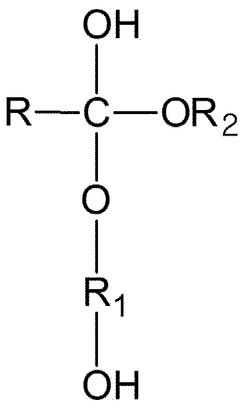
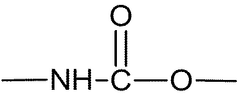
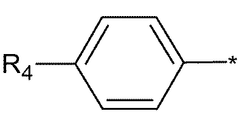
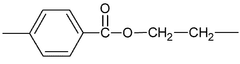
- Development of a new polyol compound derived from natural fatty acids or waste oils, synthesized through an eco-friendly method, which can be used as a soft segment component in polyurethane production.
Biodegradable BIO-based polyurethanes
PatentWO2025072565A2
Innovation
- Development of biodegradable polyurethanes comprising subunits from an aliphatic diisocyanate, a chain extender, and a polyester-polyol, where the polyester-polyol includes subunits from 2,5-furandicarboxylic acid, derived from photosynthetic sources such as algae or plants.



Environmental Regulations
Environmental regulations play a crucial role in shaping the development and application of polyurethanes in the pursuit of a sustainable planet. These regulations have evolved significantly over the past few decades, driven by increasing awareness of environmental issues and the need for more sustainable practices in the chemical industry.
One of the primary focuses of environmental regulations concerning polyurethanes is the reduction of volatile organic compounds (VOCs) emissions. Many countries and regions have implemented strict limits on VOC content in polyurethane products, particularly in coatings, adhesives, and sealants. This has led to the development of low-VOC and zero-VOC formulations, which not only comply with regulations but also contribute to improved indoor air quality and reduced environmental impact.
Another key area of regulatory concern is the use of certain chemicals in polyurethane production. For instance, the phase-out of ozone-depleting substances, such as chlorofluorocarbons (CFCs) and hydrochlorofluorocarbons (HCFCs), has significantly impacted the polyurethane foam industry. Manufacturers have had to transition to alternative blowing agents that are less harmful to the ozone layer and have lower global warming potential.
The management of waste and end-of-life polyurethane products has also come under increasing regulatory scrutiny. Many jurisdictions now require extended producer responsibility, mandating manufacturers to take responsibility for the entire lifecycle of their products, including disposal or recycling. This has spurred innovation in recycling technologies and the development of more easily recyclable polyurethane formulations.
Regulations addressing the use of hazardous substances in consumer products have also influenced polyurethane developments. For example, restrictions on certain flame retardants have led to the creation of new, safer alternatives for use in polyurethane foams and other applications. Similarly, regulations limiting the use of isocyanates, a key component in polyurethane production, have driven research into less hazardous alternatives and improved handling practices.
Energy efficiency and carbon footprint reduction have become increasingly important regulatory targets. This has encouraged the polyurethane industry to focus on developing products that contribute to energy savings in buildings and vehicles, as well as exploring bio-based and renewable raw materials to reduce reliance on fossil fuels.
As global efforts to combat climate change intensify, it is likely that environmental regulations will continue to evolve, placing greater emphasis on circular economy principles, carbon neutrality, and sustainable resource management. This ongoing regulatory landscape will undoubtedly shape the future of polyurethane developments, driving innovation towards more environmentally friendly and sustainable solutions.
One of the primary focuses of environmental regulations concerning polyurethanes is the reduction of volatile organic compounds (VOCs) emissions. Many countries and regions have implemented strict limits on VOC content in polyurethane products, particularly in coatings, adhesives, and sealants. This has led to the development of low-VOC and zero-VOC formulations, which not only comply with regulations but also contribute to improved indoor air quality and reduced environmental impact.
Another key area of regulatory concern is the use of certain chemicals in polyurethane production. For instance, the phase-out of ozone-depleting substances, such as chlorofluorocarbons (CFCs) and hydrochlorofluorocarbons (HCFCs), has significantly impacted the polyurethane foam industry. Manufacturers have had to transition to alternative blowing agents that are less harmful to the ozone layer and have lower global warming potential.
The management of waste and end-of-life polyurethane products has also come under increasing regulatory scrutiny. Many jurisdictions now require extended producer responsibility, mandating manufacturers to take responsibility for the entire lifecycle of their products, including disposal or recycling. This has spurred innovation in recycling technologies and the development of more easily recyclable polyurethane formulations.
Regulations addressing the use of hazardous substances in consumer products have also influenced polyurethane developments. For example, restrictions on certain flame retardants have led to the creation of new, safer alternatives for use in polyurethane foams and other applications. Similarly, regulations limiting the use of isocyanates, a key component in polyurethane production, have driven research into less hazardous alternatives and improved handling practices.
Energy efficiency and carbon footprint reduction have become increasingly important regulatory targets. This has encouraged the polyurethane industry to focus on developing products that contribute to energy savings in buildings and vehicles, as well as exploring bio-based and renewable raw materials to reduce reliance on fossil fuels.
As global efforts to combat climate change intensify, it is likely that environmental regulations will continue to evolve, placing greater emphasis on circular economy principles, carbon neutrality, and sustainable resource management. This ongoing regulatory landscape will undoubtedly shape the future of polyurethane developments, driving innovation towards more environmentally friendly and sustainable solutions.
Life Cycle Assessment
Life Cycle Assessment (LCA) plays a crucial role in evaluating the environmental impact of polyurethane products throughout their entire lifecycle. This comprehensive approach considers all stages, from raw material extraction to end-of-life disposal, providing valuable insights into the sustainability of polyurethane developments.
In the context of polyurethane production, LCA begins with the assessment of raw material sourcing. This includes the environmental impacts associated with extracting and processing petroleum-based feedstocks, as well as the production of bio-based alternatives. The analysis typically covers energy consumption, greenhouse gas emissions, and resource depletion during these initial stages.
The manufacturing phase of polyurethane products is a significant focus of LCA studies. This stage involves evaluating the energy efficiency of production processes, emissions from chemical reactions, and the potential for waste generation. Advanced manufacturing techniques, such as precision dispensing systems and optimized curing processes, have shown promise in reducing environmental impacts during this phase.
The use phase of polyurethane products is particularly important in LCA considerations. Polyurethane's excellent insulation properties, for instance, contribute to energy savings in buildings and refrigeration applications. LCA studies quantify these benefits, often demonstrating that the energy saved during the use phase can offset the environmental impacts of production.
End-of-life management is a critical aspect of polyurethane LCA. Traditional disposal methods, such as landfilling, are being challenged by more sustainable alternatives. Recycling technologies, including mechanical recycling and chemical depolymerization, are increasingly being incorporated into LCA models. These processes aim to recover valuable materials and reduce the overall environmental footprint of polyurethane products.
Recent advancements in LCA methodologies have led to more accurate and comprehensive assessments of polyurethane sustainability. These include the integration of social and economic factors alongside environmental considerations, creating a more holistic view of sustainability. Additionally, the development of specialized LCA software tools has enabled more detailed and nuanced analyses of complex polyurethane systems.
The results of LCA studies are driving innovation in polyurethane chemistry and applications. For example, the push towards bio-based polyols and isocyanates is partly motivated by LCA findings that highlight the potential for reduced carbon footprints. Similarly, the development of water-blown foams and low-VOC formulations has been influenced by LCA data on air quality impacts.
In the context of polyurethane production, LCA begins with the assessment of raw material sourcing. This includes the environmental impacts associated with extracting and processing petroleum-based feedstocks, as well as the production of bio-based alternatives. The analysis typically covers energy consumption, greenhouse gas emissions, and resource depletion during these initial stages.
The manufacturing phase of polyurethane products is a significant focus of LCA studies. This stage involves evaluating the energy efficiency of production processes, emissions from chemical reactions, and the potential for waste generation. Advanced manufacturing techniques, such as precision dispensing systems and optimized curing processes, have shown promise in reducing environmental impacts during this phase.
The use phase of polyurethane products is particularly important in LCA considerations. Polyurethane's excellent insulation properties, for instance, contribute to energy savings in buildings and refrigeration applications. LCA studies quantify these benefits, often demonstrating that the energy saved during the use phase can offset the environmental impacts of production.
End-of-life management is a critical aspect of polyurethane LCA. Traditional disposal methods, such as landfilling, are being challenged by more sustainable alternatives. Recycling technologies, including mechanical recycling and chemical depolymerization, are increasingly being incorporated into LCA models. These processes aim to recover valuable materials and reduce the overall environmental footprint of polyurethane products.
Recent advancements in LCA methodologies have led to more accurate and comprehensive assessments of polyurethane sustainability. These include the integration of social and economic factors alongside environmental considerations, creating a more holistic view of sustainability. Additionally, the development of specialized LCA software tools has enabled more detailed and nuanced analyses of complex polyurethane systems.
The results of LCA studies are driving innovation in polyurethane chemistry and applications. For example, the push towards bio-based polyols and isocyanates is partly motivated by LCA findings that highlight the potential for reduced carbon footprints. Similarly, the development of water-blown foams and low-VOC formulations has been influenced by LCA data on air quality impacts.
Unlock deeper insights with PatSnap Eureka Quick Research — get a full tech report to explore trends and direct your research. Try now!
Generate Your Research Report Instantly with AI Agent
Supercharge your innovation with PatSnap Eureka AI Agent Platform!