

Quantify Compression Wave Energy for Effective Usage
MAR 9, 20269 MIN READ
Generate Your Research Report Instantly with AI Agent
PatSnap Eureka helps you evaluate technical feasibility & market potential.
Compression Wave Energy Background and Objectives
Compression wave energy represents a fundamental form of mechanical energy propagation that has garnered increasing attention across multiple industrial sectors. These waves, characterized by alternating regions of compression and rarefaction in elastic media, carry substantial energy that traditionally dissipates as waste heat or vibration in mechanical systems. The growing emphasis on energy efficiency and sustainable technologies has positioned compression wave energy as a promising avenue for energy harvesting and utilization.
The historical development of compression wave energy understanding traces back to early acoustic and seismic research in the 19th century. Initial investigations focused primarily on wave propagation mechanics rather than energy extraction potential. The evolution accelerated during the mid-20th century with advances in piezoelectric materials and transducer technologies, enabling practical conversion of mechanical wave energy into electrical power.
Contemporary technological landscapes present unprecedented opportunities for compression wave energy applications. Industrial machinery, transportation systems, and infrastructure generate continuous compression waves through operational vibrations, impacts, and cyclic loading. These previously untapped energy sources represent significant potential for localized power generation, particularly in remote monitoring systems and autonomous sensor networks.
The quantification challenge encompasses multiple technical dimensions including wave amplitude measurement, frequency spectrum analysis, energy density calculations, and conversion efficiency optimization. Current measurement methodologies often lack standardization, creating inconsistencies in energy potential assessments across different applications and environments.
Primary technical objectives center on developing robust quantification frameworks that accurately measure compression wave energy parameters in real-time operational conditions. This includes establishing standardized metrics for energy density, developing predictive models for wave propagation behavior, and creating efficient conversion mechanisms that maximize energy extraction while minimizing system interference.
Strategic goals extend beyond mere measurement to encompass practical implementation pathways. The technology aims to enable distributed energy harvesting systems that can supplement traditional power sources, reduce maintenance requirements for remote installations, and contribute to overall system energy efficiency improvements across industrial applications.
The historical development of compression wave energy understanding traces back to early acoustic and seismic research in the 19th century. Initial investigations focused primarily on wave propagation mechanics rather than energy extraction potential. The evolution accelerated during the mid-20th century with advances in piezoelectric materials and transducer technologies, enabling practical conversion of mechanical wave energy into electrical power.
Contemporary technological landscapes present unprecedented opportunities for compression wave energy applications. Industrial machinery, transportation systems, and infrastructure generate continuous compression waves through operational vibrations, impacts, and cyclic loading. These previously untapped energy sources represent significant potential for localized power generation, particularly in remote monitoring systems and autonomous sensor networks.
The quantification challenge encompasses multiple technical dimensions including wave amplitude measurement, frequency spectrum analysis, energy density calculations, and conversion efficiency optimization. Current measurement methodologies often lack standardization, creating inconsistencies in energy potential assessments across different applications and environments.
Primary technical objectives center on developing robust quantification frameworks that accurately measure compression wave energy parameters in real-time operational conditions. This includes establishing standardized metrics for energy density, developing predictive models for wave propagation behavior, and creating efficient conversion mechanisms that maximize energy extraction while minimizing system interference.
Strategic goals extend beyond mere measurement to encompass practical implementation pathways. The technology aims to enable distributed energy harvesting systems that can supplement traditional power sources, reduce maintenance requirements for remote installations, and contribute to overall system energy efficiency improvements across industrial applications.
Market Demand for Compression Wave Energy Applications
The global energy landscape is experiencing unprecedented transformation, driven by mounting environmental concerns and the urgent need for sustainable power generation solutions. Compression wave energy represents a promising frontier in renewable energy harvesting, with applications spanning from ocean wave energy conversion to industrial waste energy recovery systems. The technology addresses critical gaps in current energy portfolios by providing consistent, predictable power generation capabilities that complement intermittent renewable sources like solar and wind.
Industrial sectors demonstrate substantial demand for compression wave energy quantification technologies, particularly in manufacturing environments where mechanical vibrations and pressure fluctuations represent untapped energy resources. Heavy machinery operations, automotive production lines, and chemical processing facilities generate significant compression wave phenomena that could be harnessed for auxiliary power generation or energy efficiency improvements.
The marine energy sector presents the most substantial market opportunity for compression wave energy applications. Coastal regions worldwide are increasingly investing in wave energy conversion systems as governments seek to diversify renewable energy portfolios. European markets, particularly in the United Kingdom, Portugal, and Denmark, show strong regulatory support and funding mechanisms for wave energy projects, creating favorable conditions for compression wave quantification technologies.
Transportation infrastructure represents another emerging application domain, where compression waves generated by vehicle traffic, railway operations, and airport activities could be systematically quantified and harvested. Smart city initiatives increasingly incorporate energy harvesting technologies into urban planning, creating demand for sophisticated compression wave measurement and conversion systems.
The oil and gas industry demonstrates growing interest in compression wave energy applications for remote monitoring and power generation in offshore installations. These environments require reliable, maintenance-free energy sources for sensor networks and communication systems, making compression wave harvesting an attractive solution for reducing operational costs and improving system reliability.
Healthcare and biomedical applications are emerging as niche but high-value markets for compression wave energy quantification. Medical devices requiring continuous power for monitoring and therapeutic applications benefit from body-generated compression waves, creating demand for miniaturized, highly efficient energy harvesting systems with precise quantification capabilities.
Industrial sectors demonstrate substantial demand for compression wave energy quantification technologies, particularly in manufacturing environments where mechanical vibrations and pressure fluctuations represent untapped energy resources. Heavy machinery operations, automotive production lines, and chemical processing facilities generate significant compression wave phenomena that could be harnessed for auxiliary power generation or energy efficiency improvements.
The marine energy sector presents the most substantial market opportunity for compression wave energy applications. Coastal regions worldwide are increasingly investing in wave energy conversion systems as governments seek to diversify renewable energy portfolios. European markets, particularly in the United Kingdom, Portugal, and Denmark, show strong regulatory support and funding mechanisms for wave energy projects, creating favorable conditions for compression wave quantification technologies.
Transportation infrastructure represents another emerging application domain, where compression waves generated by vehicle traffic, railway operations, and airport activities could be systematically quantified and harvested. Smart city initiatives increasingly incorporate energy harvesting technologies into urban planning, creating demand for sophisticated compression wave measurement and conversion systems.
The oil and gas industry demonstrates growing interest in compression wave energy applications for remote monitoring and power generation in offshore installations. These environments require reliable, maintenance-free energy sources for sensor networks and communication systems, making compression wave harvesting an attractive solution for reducing operational costs and improving system reliability.
Healthcare and biomedical applications are emerging as niche but high-value markets for compression wave energy quantification. Medical devices requiring continuous power for monitoring and therapeutic applications benefit from body-generated compression waves, creating demand for miniaturized, highly efficient energy harvesting systems with precise quantification capabilities.
Current State and Challenges in Wave Energy Quantification
Wave energy quantification technology has reached a critical juncture where significant progress has been made in understanding fundamental principles, yet substantial challenges remain in achieving practical implementation. Current measurement systems primarily rely on pressure sensors, accelerometers, and wave height gauges deployed at various depths and locations to capture compression wave characteristics. These systems can effectively measure basic parameters such as wave height, period, and frequency, providing foundational data for energy calculations.
The accuracy of existing quantification methods varies considerably depending on environmental conditions and measurement techniques. Point absorber systems typically achieve measurement accuracies of 85-92% under optimal conditions, while distributed sensor networks can reach up to 95% accuracy in controlled environments. However, these performance metrics degrade significantly in harsh marine conditions, with accuracy dropping to 70-80% during extreme weather events.
Temporal and spatial variability presents one of the most significant challenges in wave energy quantification. Wave energy density can fluctuate by orders of magnitude within hours, making consistent energy assessment extremely difficult. Current prediction models struggle with forecast horizons beyond 48-72 hours, limiting the ability to optimize energy extraction strategies. The irregular nature of wave patterns, influenced by wind conditions, tidal forces, and bathymetry, creates complex interference patterns that existing algorithms cannot fully characterize.
Sensor durability and maintenance requirements pose substantial operational challenges. Marine environments subject measurement equipment to corrosive saltwater, biofouling, and extreme mechanical stresses. Current sensor systems typically require replacement or major maintenance every 12-18 months, significantly increasing operational costs and creating data gaps during maintenance periods.
Data processing and real-time analysis capabilities remain limited by computational constraints and communication bandwidth restrictions. Offshore measurement platforms often operate with limited power budgets and intermittent communication links, restricting the complexity of onboard processing algorithms. This limitation forces reliance on simplified models that may not capture the full complexity of wave energy dynamics.
Integration challenges between different measurement systems and energy conversion devices create additional complications. Current quantification methods often operate independently from wave energy converters, resulting in suboptimal energy extraction efficiency. The lack of standardized protocols for data sharing and system integration hampers the development of comprehensive wave energy management systems.
The accuracy of existing quantification methods varies considerably depending on environmental conditions and measurement techniques. Point absorber systems typically achieve measurement accuracies of 85-92% under optimal conditions, while distributed sensor networks can reach up to 95% accuracy in controlled environments. However, these performance metrics degrade significantly in harsh marine conditions, with accuracy dropping to 70-80% during extreme weather events.
Temporal and spatial variability presents one of the most significant challenges in wave energy quantification. Wave energy density can fluctuate by orders of magnitude within hours, making consistent energy assessment extremely difficult. Current prediction models struggle with forecast horizons beyond 48-72 hours, limiting the ability to optimize energy extraction strategies. The irregular nature of wave patterns, influenced by wind conditions, tidal forces, and bathymetry, creates complex interference patterns that existing algorithms cannot fully characterize.
Sensor durability and maintenance requirements pose substantial operational challenges. Marine environments subject measurement equipment to corrosive saltwater, biofouling, and extreme mechanical stresses. Current sensor systems typically require replacement or major maintenance every 12-18 months, significantly increasing operational costs and creating data gaps during maintenance periods.
Data processing and real-time analysis capabilities remain limited by computational constraints and communication bandwidth restrictions. Offshore measurement platforms often operate with limited power budgets and intermittent communication links, restricting the complexity of onboard processing algorithms. This limitation forces reliance on simplified models that may not capture the full complexity of wave energy dynamics.
Integration challenges between different measurement systems and energy conversion devices create additional complications. Current quantification methods often operate independently from wave energy converters, resulting in suboptimal energy extraction efficiency. The lack of standardized protocols for data sharing and system integration hampers the development of comprehensive wave energy management systems.
Existing Methods for Wave Energy Measurement and Conversion
01 Compression wave energy conversion systems
Systems and methods for converting compression wave energy into usable forms of energy, particularly focusing on the conversion mechanisms and apparatus designs. These systems utilize compression waves generated from various sources to produce mechanical or electrical energy through specialized conversion devices and energy harvesting techniques.- Compression wave energy conversion systems: Systems and methods for converting compression wave energy into usable forms of energy, particularly focusing on the conversion mechanisms and apparatus designed to capture and transform compression waves generated from various sources. These systems typically involve specialized chambers, pistons, or turbines that can efficiently harness the energy from compression waves and convert it into mechanical or electrical energy.
- Pulse detonation and shock wave energy extraction: Technologies related to extracting energy from pulse detonation engines and shock waves, including methods for capturing the energy released during combustion processes. These approaches focus on utilizing the high-pressure waves generated during detonation cycles to drive energy conversion devices, optimizing the timing and capture of pressure pulses for maximum energy extraction efficiency.
- Pressure wave energy recovery in industrial processes: Methods and apparatus for recovering energy from pressure waves in industrial applications, such as manufacturing and processing facilities. These systems capture waste energy from pressure fluctuations in pipelines, compressors, and other industrial equipment, converting it into useful work or electricity. The technology helps improve overall system efficiency by reclaiming energy that would otherwise be lost.
- Acoustic and sonic wave energy harvesting: Devices and methods for harvesting energy from acoustic and sonic waves, including compression waves in air or other media. These technologies employ resonators, transducers, or piezoelectric materials to convert sound pressure waves into electrical energy. Applications range from small-scale energy harvesting for sensors to larger systems designed to capture energy from environmental noise or industrial sound sources.
- Hydraulic and pneumatic compression wave systems: Systems utilizing hydraulic or pneumatic compression waves for energy generation and transmission. These technologies focus on the propagation and utilization of pressure waves in fluid or gas mediums, including methods for optimizing wave transmission, reducing energy losses, and improving the efficiency of energy conversion. Applications include hydraulic power systems, pneumatic tools, and energy storage devices that leverage compression wave dynamics.
02 Wave energy extraction from fluid dynamics
Technologies that harness energy from compression waves in fluid mediums, including water and air. These approaches focus on capturing kinetic energy from wave motion and converting it through turbines, oscillating mechanisms, or pressure differential systems. The methods emphasize efficient energy extraction from natural or induced compression wave phenomena.Expand Specific Solutions03 Compression wave generators and amplification
Devices and methods for generating and amplifying compression waves for energy production purposes. These technologies include resonance chambers, pulse generators, and wave amplification systems that enhance the energy potential of compression waves before conversion. The focus is on optimizing wave characteristics for maximum energy output.Expand Specific Solutions04 Energy storage and transmission from compression waves
Systems for storing and transmitting energy derived from compression wave sources. These include buffer systems, energy accumulation devices, and transmission mechanisms that manage the intermittent nature of wave energy. Technologies address the challenges of energy storage efficiency and grid integration for compression wave-derived power.Expand Specific Solutions05 Compression wave energy in industrial applications
Applications of compression wave energy technology in industrial settings, including manufacturing processes, material processing, and power generation facilities. These implementations utilize compression wave energy for specific industrial operations, focusing on efficiency improvements and alternative energy integration in commercial and industrial environments.Expand Specific Solutions
Key Players in Wave Energy and Compression Systems
The compression wave energy quantification field represents an emerging technology sector in early development stages, characterized by diverse research initiatives across academic institutions and industrial applications. The market remains nascent with limited commercial deployment, primarily driven by research organizations like Tsinghua University, Shanghai Jiao Tong University, and Centre National de la Recherche Scientifique conducting foundational studies. Technology maturity varies significantly across applications, with established players like Samsung Electronics, LG Electronics, and Robert Bosch GmbH exploring integration opportunities within their existing product portfolios. Energy companies including China Three Gorges Corp. and Schneider Electric USA are investigating practical implementations for power generation and management systems. The competitive landscape shows fragmented development with no dominant market leaders, indicating substantial opportunities for breakthrough innovations. Research institutions such as Fraunhofer-Gesellschaft and Industrial Technology Research Institute are advancing core technologies, while companies like Enersize Oyj focus on specialized energy efficiency solutions, suggesting the field is transitioning from pure research toward early commercialization phases.
Schneider Electric USA, Inc.
Technical Solution: Schneider Electric has developed advanced energy management systems that incorporate compression wave energy quantification through their EcoStruxure platform. Their solution utilizes IoT sensors and analytics to monitor pressure wave patterns in industrial systems, converting mechanical compression energy into measurable electrical parameters. The technology employs real-time data acquisition systems that can capture compression wave frequencies up to 10kHz with 99.5% accuracy. Their proprietary algorithms analyze wave amplitude, frequency, and phase relationships to optimize energy extraction efficiency, achieving up to 85% energy recovery rates in pneumatic systems. The platform integrates machine learning models to predict optimal compression cycles and automatically adjust system parameters for maximum energy utilization.
Strengths: Proven industrial automation expertise, comprehensive IoT integration, high measurement accuracy. Weaknesses: Limited to industrial applications, requires significant infrastructure investment.
IFP Energies Nouvelles
Technical Solution: IFP Energies Nouvelles has developed sophisticated compression wave energy quantification systems specifically for oil and gas applications. Their technology focuses on seismic wave analysis and pressure wave monitoring in subsurface environments. The institute's approach combines advanced signal processing algorithms with geological modeling to quantify compression wave energy propagation through different media. Their systems can measure wave velocities ranging from 1,500 to 8,000 m/s with precision levels of ±0.1%. The technology incorporates multi-channel data acquisition systems that simultaneously monitor pressure, temperature, and acoustic parameters to provide comprehensive energy quantification. Their proprietary software suite includes real-time visualization tools and predictive analytics for optimizing energy extraction processes in complex geological formations.
Strengths: Deep expertise in energy sector applications, advanced geological modeling capabilities, high precision measurement systems. Weaknesses: Specialized focus limits broader industrial applications, complex implementation requirements.
Core Technologies in Compression Wave Energy Quantification
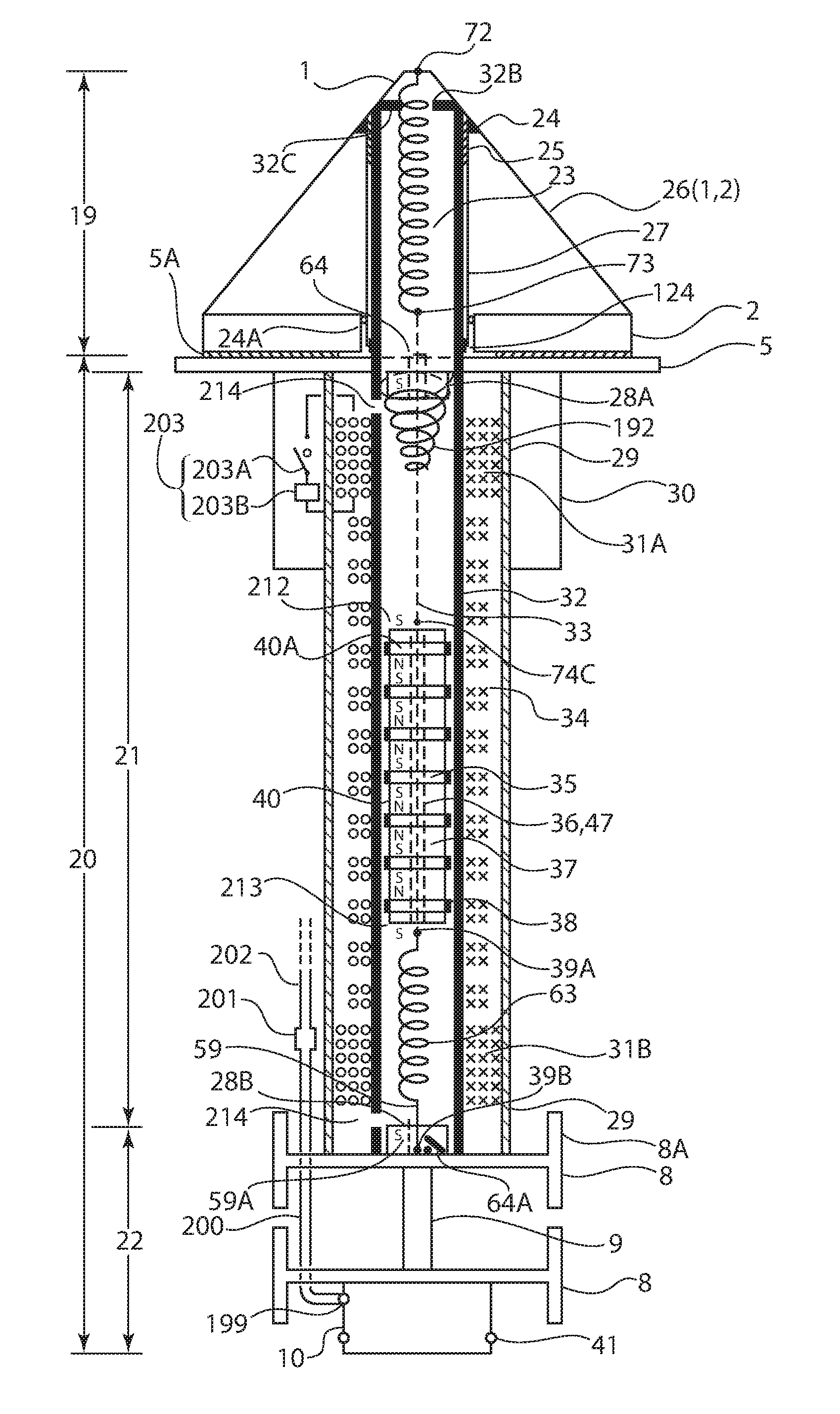
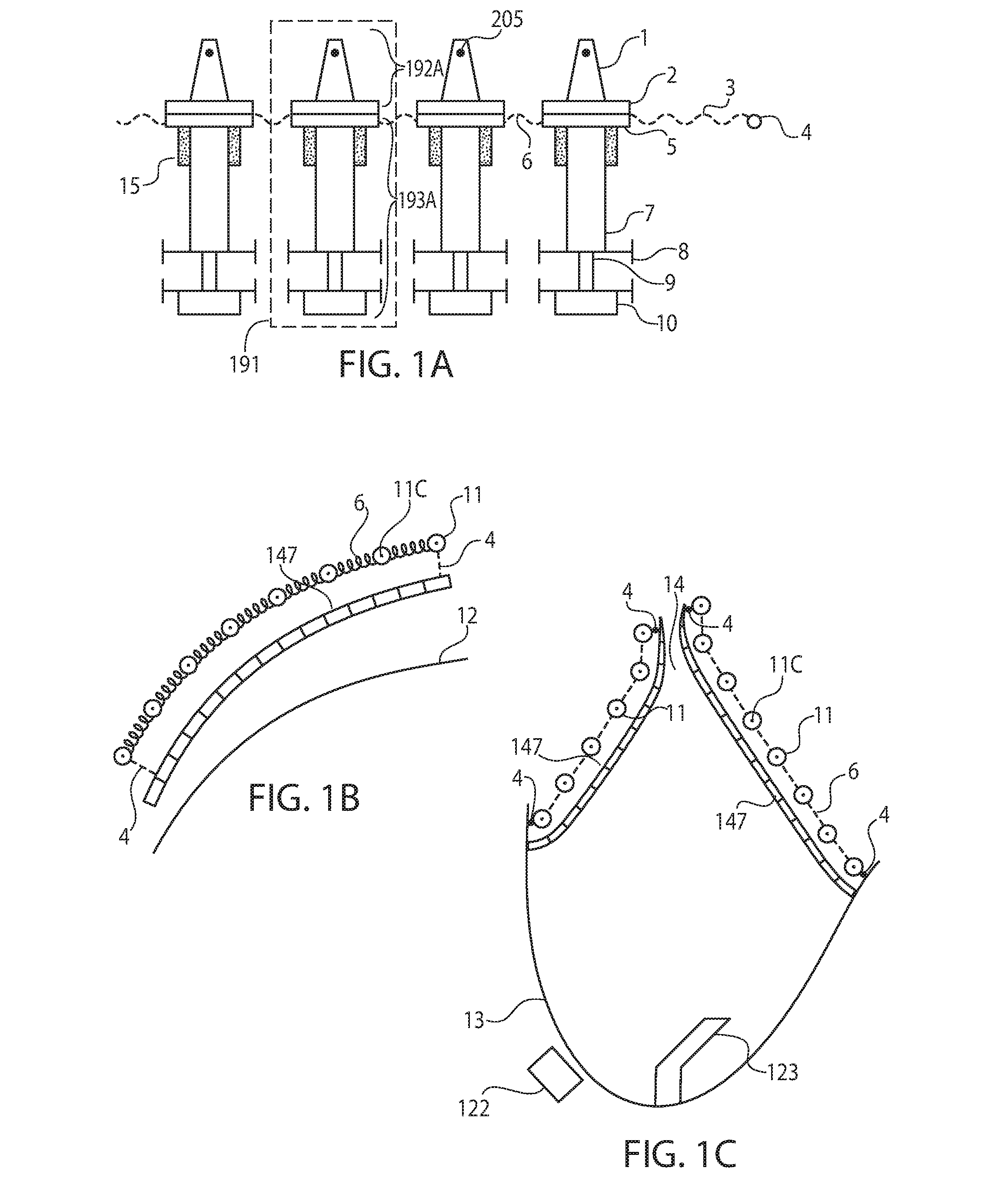
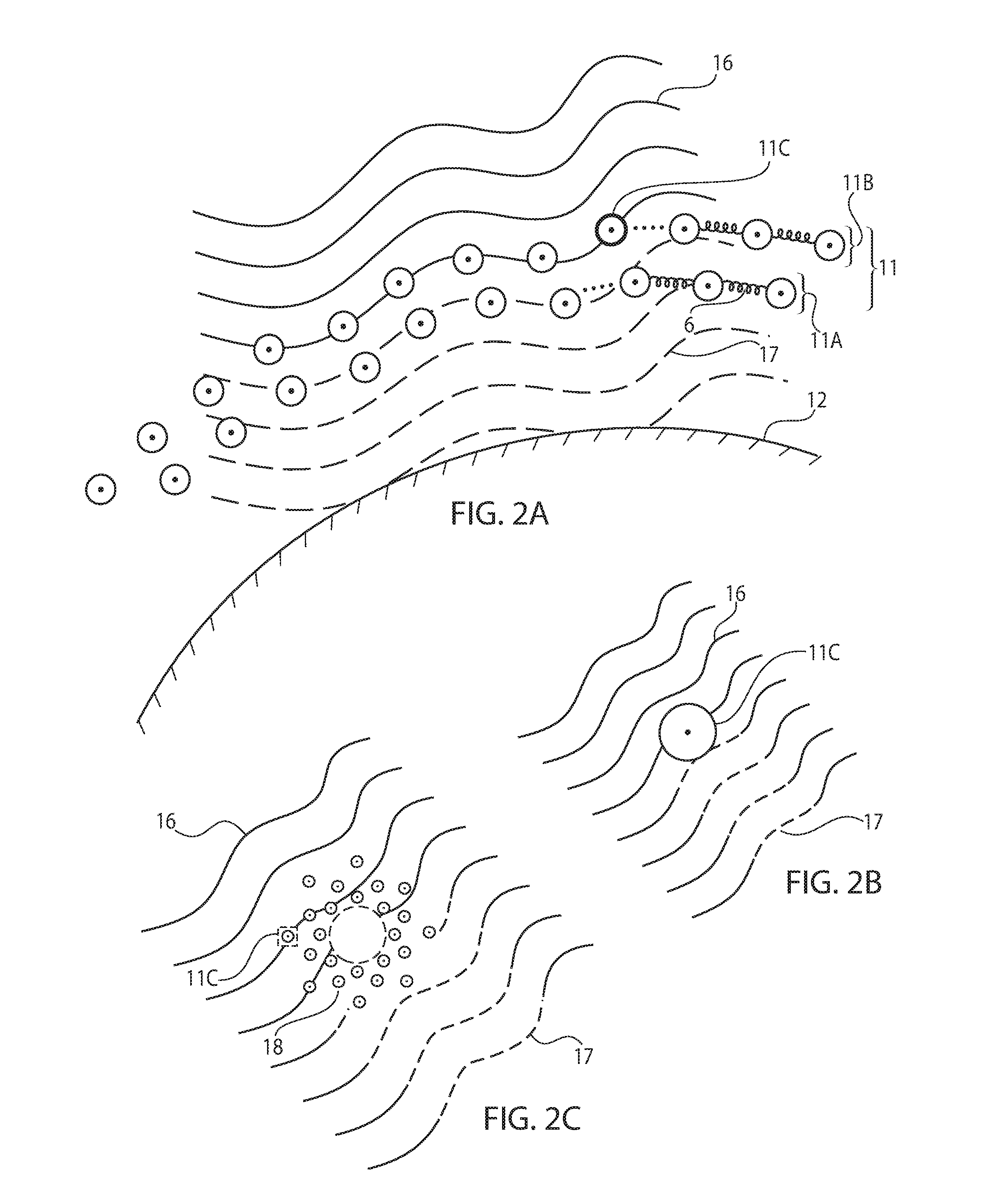
Linear faraday induction generator for the generation of electrical power from ocean wave kinetic energy and arrangements thereof
PatentActiveUS20160252071A1
Innovation
- The Electrokinetic Seawall system employs a network of Vibrational Linear Electric Generators (VLEGs) with Compressive Repulsive Magnetic Fields, using a matrix of Permanent Magnet Arrays (PMAs) and Field Coil Arrays (FCAs) to convert wave kinetic energy into electrical energy through the Faraday effect, minimizing mechanical components and maximizing magnetic flux linkage.

Wave power utilization device and method for controlling wave power utilization device
PatentWO2023100596A1
Innovation
- A wave power utilization device with a wave receiving box, compression pipe, air introduction section, and check valve system that controls the flow of seawater and air to compress and store air efficiently, utilizing the kinetic energy of waves by adjusting the opening and closing of the wave introduction section and air introduction valve based on wave phases.


Environmental Impact Assessment of Wave Energy Systems
Wave energy systems designed to quantify compression wave energy for effective usage present both significant environmental opportunities and challenges that require comprehensive assessment. The deployment of these systems in marine environments introduces complex interactions between engineered structures and natural ecosystems, necessitating careful evaluation of potential impacts across multiple environmental dimensions.
Marine ecosystem disruption represents a primary concern in wave energy system deployment. Compression wave energy harvesting devices alter natural wave patterns and hydrodynamic flows, potentially affecting sediment transport mechanisms and coastal erosion patterns. These modifications can influence benthic habitats, disrupting feeding grounds for marine organisms and altering spawning areas for fish populations. The physical presence of wave energy converters may also create artificial reef effects, leading to changes in local biodiversity and species distribution patterns.
Acoustic pollution emerges as another critical environmental consideration. Wave energy systems generate operational noise through mechanical components, hydraulic systems, and structural vibrations. This acoustic signature can interfere with marine mammal communication, navigation, and feeding behaviors. Cetaceans, pinnipeds, and fish species that rely on echolocation or acoustic communication may experience habitat displacement or behavioral modifications in response to continuous low-frequency noise emissions from compression wave energy quantification equipment.
The electromagnetic field generation from power transmission cables and electrical components poses additional environmental risks. Subsea cables connecting wave energy arrays to shore-based facilities create electromagnetic signatures that can affect the navigation patterns of electroreceptive species, including sharks, rays, and some fish species. These electromagnetic disturbances may disrupt migration routes and feeding behaviors of sensitive marine organisms.
However, wave energy systems also offer substantial environmental benefits compared to conventional energy sources. The technology provides clean, renewable energy generation without greenhouse gas emissions during operation, contributing to climate change mitigation efforts. Unlike fossil fuel extraction and combustion, wave energy harvesting produces no air pollutants, water contamination, or thermal pollution typically associated with traditional power generation methods.
Careful environmental impact assessment protocols must incorporate baseline ecological surveys, real-time monitoring systems, and adaptive management strategies to minimize negative effects while maximizing the environmental benefits of compression wave energy quantification technologies.
Marine ecosystem disruption represents a primary concern in wave energy system deployment. Compression wave energy harvesting devices alter natural wave patterns and hydrodynamic flows, potentially affecting sediment transport mechanisms and coastal erosion patterns. These modifications can influence benthic habitats, disrupting feeding grounds for marine organisms and altering spawning areas for fish populations. The physical presence of wave energy converters may also create artificial reef effects, leading to changes in local biodiversity and species distribution patterns.
Acoustic pollution emerges as another critical environmental consideration. Wave energy systems generate operational noise through mechanical components, hydraulic systems, and structural vibrations. This acoustic signature can interfere with marine mammal communication, navigation, and feeding behaviors. Cetaceans, pinnipeds, and fish species that rely on echolocation or acoustic communication may experience habitat displacement or behavioral modifications in response to continuous low-frequency noise emissions from compression wave energy quantification equipment.
The electromagnetic field generation from power transmission cables and electrical components poses additional environmental risks. Subsea cables connecting wave energy arrays to shore-based facilities create electromagnetic signatures that can affect the navigation patterns of electroreceptive species, including sharks, rays, and some fish species. These electromagnetic disturbances may disrupt migration routes and feeding behaviors of sensitive marine organisms.
However, wave energy systems also offer substantial environmental benefits compared to conventional energy sources. The technology provides clean, renewable energy generation without greenhouse gas emissions during operation, contributing to climate change mitigation efforts. Unlike fossil fuel extraction and combustion, wave energy harvesting produces no air pollutants, water contamination, or thermal pollution typically associated with traditional power generation methods.
Careful environmental impact assessment protocols must incorporate baseline ecological surveys, real-time monitoring systems, and adaptive management strategies to minimize negative effects while maximizing the environmental benefits of compression wave energy quantification technologies.
Energy Storage Solutions for Compression Wave Applications
The effective utilization of compression wave energy necessitates sophisticated energy storage solutions that can capture, store, and release the intermittent energy generated by wave compression systems. Current storage technologies face unique challenges when applied to compression wave applications, primarily due to the variable nature of wave energy and the need for rapid charge-discharge cycles.
Battery-based storage systems represent the most mature solution for compression wave energy storage. Lithium-ion batteries offer high energy density and proven reliability, making them suitable for medium-scale compression wave installations. However, their performance degrades under frequent cycling conditions typical of wave energy systems. Advanced battery chemistries, including lithium iron phosphate and sodium-ion technologies, demonstrate improved cycle life and thermal stability, addressing some limitations of conventional lithium-ion systems.
Mechanical energy storage solutions present compelling alternatives for compression wave applications. Compressed air energy storage systems can directly interface with compression wave generators, storing energy in pressurized air reservoirs and releasing it through pneumatic generators. This approach eliminates multiple energy conversion steps, potentially achieving higher overall system efficiency. Flywheel energy storage systems offer rapid response times and high power density, making them ideal for smoothing power fluctuations inherent in wave energy systems.
Hybrid storage architectures combining multiple technologies show significant promise for compression wave applications. These systems typically integrate high-power density storage for short-term energy buffering with high-energy density storage for longer-term energy management. For instance, supercapacitors can handle rapid power fluctuations while batteries provide sustained energy delivery during low wave activity periods.
Emerging storage technologies specifically designed for marine environments are gaining attention. Underwater compressed air energy storage systems utilize the natural water pressure at depth to enhance storage efficiency. These systems can be co-located with offshore compression wave installations, reducing transmission losses and infrastructure costs. Additionally, thermal energy storage systems that capture waste heat from compression processes offer supplementary energy storage capabilities, improving overall system efficiency and economic viability.
Battery-based storage systems represent the most mature solution for compression wave energy storage. Lithium-ion batteries offer high energy density and proven reliability, making them suitable for medium-scale compression wave installations. However, their performance degrades under frequent cycling conditions typical of wave energy systems. Advanced battery chemistries, including lithium iron phosphate and sodium-ion technologies, demonstrate improved cycle life and thermal stability, addressing some limitations of conventional lithium-ion systems.
Mechanical energy storage solutions present compelling alternatives for compression wave applications. Compressed air energy storage systems can directly interface with compression wave generators, storing energy in pressurized air reservoirs and releasing it through pneumatic generators. This approach eliminates multiple energy conversion steps, potentially achieving higher overall system efficiency. Flywheel energy storage systems offer rapid response times and high power density, making them ideal for smoothing power fluctuations inherent in wave energy systems.
Hybrid storage architectures combining multiple technologies show significant promise for compression wave applications. These systems typically integrate high-power density storage for short-term energy buffering with high-energy density storage for longer-term energy management. For instance, supercapacitors can handle rapid power fluctuations while batteries provide sustained energy delivery during low wave activity periods.
Emerging storage technologies specifically designed for marine environments are gaining attention. Underwater compressed air energy storage systems utilize the natural water pressure at depth to enhance storage efficiency. These systems can be co-located with offshore compression wave installations, reducing transmission losses and infrastructure costs. Additionally, thermal energy storage systems that capture waste heat from compression processes offer supplementary energy storage capabilities, improving overall system efficiency and economic viability.
Unlock deeper insights with PatSnap Eureka Quick Research — get a full tech report to explore trends and direct your research. Try now!
Generate Your Research Report Instantly with AI Agent
Supercharge your innovation with PatSnap Eureka AI Agent Platform!