

Revolutionizing Packaging with Polyurethane
JUN 25, 20259 MIN READ
Generate Your Research Report Instantly with AI Agent
PatSnap Eureka helps you evaluate technical feasibility & market potential.
Polyurethane Packaging Evolution and Objectives
Polyurethane packaging has undergone a remarkable evolution since its inception in the 1930s. Initially developed as a versatile polymer, polyurethane has found its way into numerous applications, with packaging being one of the most significant. The journey of polyurethane in packaging began with simple foam applications and has since expanded to include a wide range of innovative solutions.
In the early stages, polyurethane foam was primarily used for cushioning and insulation in packaging. As manufacturing techniques improved, the material's potential for creating custom-shaped packaging became apparent. This led to the development of more sophisticated polyurethane packaging solutions, including rigid foams for protective cases and flexible foams for delicate item protection.
The 1980s and 1990s saw a surge in research focused on enhancing the properties of polyurethane for packaging applications. Scientists and engineers worked on improving the material's durability, chemical resistance, and environmental performance. This period marked the beginning of polyurethane's transition from a simple packaging material to a high-performance solution capable of meeting diverse industry needs.
Recent years have witnessed a paradigm shift in packaging objectives, driven by growing environmental concerns and sustainability goals. The packaging industry, including polyurethane manufacturers, has been compelled to focus on developing eco-friendly alternatives. This has led to the emergence of bio-based polyurethanes and recyclable formulations, aligning with the global push towards circular economy principles.
The current objectives in polyurethane packaging revolve around several key areas. Firstly, there is a strong emphasis on reducing the environmental footprint of polyurethane packaging. This includes developing biodegradable variants, improving recycling processes, and minimizing waste generation during production. Secondly, there is a focus on enhancing the functional properties of polyurethane packaging, such as improved barrier properties against moisture and gases, better thermal insulation, and increased durability.
Another significant objective is the integration of smart technologies into polyurethane packaging. This includes the development of packaging solutions with embedded sensors for monitoring product conditions during transit, as well as packaging that can change properties in response to environmental stimuli. Such innovations aim to revolutionize supply chain management and product quality control.
The future of polyurethane packaging is poised for further transformation. Objectives include the development of fully recyclable polyurethane packaging systems, the creation of packaging materials with self-healing properties, and the exploration of nanotechnology to enhance polyurethane's performance at the molecular level. These ambitious goals reflect the industry's commitment to innovation and sustainability, promising to revolutionize packaging solutions in the coming decades.
In the early stages, polyurethane foam was primarily used for cushioning and insulation in packaging. As manufacturing techniques improved, the material's potential for creating custom-shaped packaging became apparent. This led to the development of more sophisticated polyurethane packaging solutions, including rigid foams for protective cases and flexible foams for delicate item protection.
The 1980s and 1990s saw a surge in research focused on enhancing the properties of polyurethane for packaging applications. Scientists and engineers worked on improving the material's durability, chemical resistance, and environmental performance. This period marked the beginning of polyurethane's transition from a simple packaging material to a high-performance solution capable of meeting diverse industry needs.
Recent years have witnessed a paradigm shift in packaging objectives, driven by growing environmental concerns and sustainability goals. The packaging industry, including polyurethane manufacturers, has been compelled to focus on developing eco-friendly alternatives. This has led to the emergence of bio-based polyurethanes and recyclable formulations, aligning with the global push towards circular economy principles.
The current objectives in polyurethane packaging revolve around several key areas. Firstly, there is a strong emphasis on reducing the environmental footprint of polyurethane packaging. This includes developing biodegradable variants, improving recycling processes, and minimizing waste generation during production. Secondly, there is a focus on enhancing the functional properties of polyurethane packaging, such as improved barrier properties against moisture and gases, better thermal insulation, and increased durability.
Another significant objective is the integration of smart technologies into polyurethane packaging. This includes the development of packaging solutions with embedded sensors for monitoring product conditions during transit, as well as packaging that can change properties in response to environmental stimuli. Such innovations aim to revolutionize supply chain management and product quality control.
The future of polyurethane packaging is poised for further transformation. Objectives include the development of fully recyclable polyurethane packaging systems, the creation of packaging materials with self-healing properties, and the exploration of nanotechnology to enhance polyurethane's performance at the molecular level. These ambitious goals reflect the industry's commitment to innovation and sustainability, promising to revolutionize packaging solutions in the coming decades.
Market Demand Analysis for Innovative Packaging
The global packaging industry is experiencing a significant shift towards innovative and sustainable solutions, driven by increasing environmental concerns and changing consumer preferences. Polyurethane, a versatile material with excellent protective properties, is emerging as a potential game-changer in this sector. Market analysis reveals a growing demand for packaging solutions that offer superior protection, extended shelf life, and reduced environmental impact.
Consumer packaged goods companies are actively seeking alternatives to traditional packaging materials, with a focus on reducing plastic waste and improving recyclability. This trend is particularly evident in the food and beverage industry, where polyurethane-based packaging can provide enhanced insulation and barrier properties, leading to improved product freshness and reduced food waste. The healthcare and pharmaceutical sectors also show substantial interest in polyurethane packaging due to its ability to protect sensitive medical devices and maintain drug efficacy.
E-commerce growth has further accelerated the need for innovative packaging solutions. As online shopping continues to expand, there is an increasing demand for lightweight yet durable packaging that can withstand the rigors of shipping while minimizing material usage. Polyurethane's shock-absorbing properties make it an attractive option for protecting fragile items during transit, potentially reducing damage rates and associated costs.
Market research indicates that the global polyurethane market for packaging applications is projected to grow at a compound annual growth rate (CAGR) of over 5% in the next five years. This growth is driven by the material's versatility, which allows for customization to meet specific packaging requirements across various industries. Additionally, advancements in polyurethane chemistry are enabling the development of bio-based and recyclable formulations, aligning with the increasing consumer demand for eco-friendly packaging options.
The automotive and electronics industries are also contributing to the rising demand for polyurethane packaging. These sectors require specialized packaging solutions to protect high-value components during transportation and storage. Polyurethane's ability to be molded into custom shapes and its excellent cushioning properties make it an ideal choice for these applications.
Despite the positive market outlook, challenges remain in terms of cost competitiveness and scalability of polyurethane packaging solutions. However, ongoing research and development efforts are focused on addressing these issues, with innovations in production processes and material formulations aimed at reducing costs and improving overall performance. As sustainability continues to be a key driver in the packaging industry, the market for polyurethane-based solutions is expected to expand, offering opportunities for companies to differentiate their products and meet evolving consumer expectations.
Consumer packaged goods companies are actively seeking alternatives to traditional packaging materials, with a focus on reducing plastic waste and improving recyclability. This trend is particularly evident in the food and beverage industry, where polyurethane-based packaging can provide enhanced insulation and barrier properties, leading to improved product freshness and reduced food waste. The healthcare and pharmaceutical sectors also show substantial interest in polyurethane packaging due to its ability to protect sensitive medical devices and maintain drug efficacy.
E-commerce growth has further accelerated the need for innovative packaging solutions. As online shopping continues to expand, there is an increasing demand for lightweight yet durable packaging that can withstand the rigors of shipping while minimizing material usage. Polyurethane's shock-absorbing properties make it an attractive option for protecting fragile items during transit, potentially reducing damage rates and associated costs.
Market research indicates that the global polyurethane market for packaging applications is projected to grow at a compound annual growth rate (CAGR) of over 5% in the next five years. This growth is driven by the material's versatility, which allows for customization to meet specific packaging requirements across various industries. Additionally, advancements in polyurethane chemistry are enabling the development of bio-based and recyclable formulations, aligning with the increasing consumer demand for eco-friendly packaging options.
The automotive and electronics industries are also contributing to the rising demand for polyurethane packaging. These sectors require specialized packaging solutions to protect high-value components during transportation and storage. Polyurethane's ability to be molded into custom shapes and its excellent cushioning properties make it an ideal choice for these applications.
Despite the positive market outlook, challenges remain in terms of cost competitiveness and scalability of polyurethane packaging solutions. However, ongoing research and development efforts are focused on addressing these issues, with innovations in production processes and material formulations aimed at reducing costs and improving overall performance. As sustainability continues to be a key driver in the packaging industry, the market for polyurethane-based solutions is expected to expand, offering opportunities for companies to differentiate their products and meet evolving consumer expectations.
Current Challenges in Polyurethane Packaging
Polyurethane packaging has gained significant attention in recent years due to its versatility and potential to revolutionize the packaging industry. However, several challenges currently hinder its widespread adoption and optimal utilization. One of the primary concerns is the environmental impact of polyurethane-based packaging materials. While polyurethane offers excellent protective properties, its biodegradability remains a significant issue, contributing to long-term environmental pollution.
The production process of polyurethane packaging also presents challenges. The use of isocyanates in manufacturing raises health and safety concerns for workers involved in the production chain. Additionally, the energy-intensive nature of polyurethane production contributes to a higher carbon footprint compared to some traditional packaging materials, conflicting with growing sustainability demands in the industry.
Cost-effectiveness remains another hurdle for polyurethane packaging. Despite its superior performance in many applications, the higher production costs compared to conventional packaging materials like plastic or cardboard make it less attractive for widespread commercial use. This cost factor limits its adoption, particularly in industries with tight profit margins or those catering to price-sensitive markets.
Recycling and end-of-life management of polyurethane packaging pose significant challenges. The complex chemical structure of polyurethane makes it difficult to recycle effectively, leading to increased waste and environmental concerns. Current recycling technologies for polyurethane are limited in scale and efficiency, hindering the development of a circular economy model for this material.
Regulatory compliance presents another obstacle for polyurethane packaging. With increasing global focus on reducing plastic waste and promoting sustainable packaging solutions, polyurethane faces scrutiny from regulatory bodies. Adapting to evolving environmental regulations and meeting stringent safety standards across different regions adds complexity and cost to the development and implementation of polyurethane packaging solutions.
The scalability of polyurethane packaging production is also a challenge. While it excels in certain niche applications, scaling up production to meet large-scale industrial demands while maintaining quality and cost-effectiveness remains problematic. This limitation affects its potential to replace traditional packaging materials in high-volume markets.
Lastly, consumer perception and acceptance of polyurethane packaging present a hurdle. Despite its functional benefits, the association of polyurethane with synthetic materials and potential environmental concerns can lead to resistance from environmentally conscious consumers. Overcoming these perceptions and educating the market about the benefits and improvements in polyurethane packaging technology is crucial for its wider acceptance and adoption.
The production process of polyurethane packaging also presents challenges. The use of isocyanates in manufacturing raises health and safety concerns for workers involved in the production chain. Additionally, the energy-intensive nature of polyurethane production contributes to a higher carbon footprint compared to some traditional packaging materials, conflicting with growing sustainability demands in the industry.
Cost-effectiveness remains another hurdle for polyurethane packaging. Despite its superior performance in many applications, the higher production costs compared to conventional packaging materials like plastic or cardboard make it less attractive for widespread commercial use. This cost factor limits its adoption, particularly in industries with tight profit margins or those catering to price-sensitive markets.
Recycling and end-of-life management of polyurethane packaging pose significant challenges. The complex chemical structure of polyurethane makes it difficult to recycle effectively, leading to increased waste and environmental concerns. Current recycling technologies for polyurethane are limited in scale and efficiency, hindering the development of a circular economy model for this material.
Regulatory compliance presents another obstacle for polyurethane packaging. With increasing global focus on reducing plastic waste and promoting sustainable packaging solutions, polyurethane faces scrutiny from regulatory bodies. Adapting to evolving environmental regulations and meeting stringent safety standards across different regions adds complexity and cost to the development and implementation of polyurethane packaging solutions.
The scalability of polyurethane packaging production is also a challenge. While it excels in certain niche applications, scaling up production to meet large-scale industrial demands while maintaining quality and cost-effectiveness remains problematic. This limitation affects its potential to replace traditional packaging materials in high-volume markets.
Lastly, consumer perception and acceptance of polyurethane packaging present a hurdle. Despite its functional benefits, the association of polyurethane with synthetic materials and potential environmental concerns can lead to resistance from environmentally conscious consumers. Overcoming these perceptions and educating the market about the benefits and improvements in polyurethane packaging technology is crucial for its wider acceptance and adoption.
Existing Polyurethane Packaging Solutions
01 Polyurethane synthesis and composition
This category focuses on the synthesis and composition of polyurethane materials. It includes various methods for producing polyurethane with specific properties, such as improved durability, flexibility, or chemical resistance. The synthesis often involves the reaction of polyols with isocyanates, and may incorporate additional components to modify the final product's characteristics.- Polyurethane synthesis and composition: This category focuses on the synthesis and composition of polyurethane materials. It includes various methods for producing polyurethane with specific properties, such as improved durability, flexibility, or chemical resistance. The synthesis often involves the reaction between polyols and isocyanates, with the addition of catalysts and other additives to control the reaction and final properties.
- Polyurethane applications in coatings and films: This point covers the use of polyurethane in various coating and film applications. Polyurethane coatings and films are known for their excellent durability, chemical resistance, and versatility. They are used in industries such as automotive, construction, and electronics for protective and decorative purposes. The formulations are often tailored to meet specific performance requirements.
- Polyurethane foam technology: This category focuses on polyurethane foam technology, including the development of flexible and rigid foams. It covers various aspects such as foam formulation, production methods, and property enhancement. Polyurethane foams are widely used in applications like insulation, cushioning, and packaging due to their lightweight nature and excellent thermal and acoustic properties.
- Polyurethane in adhesives and sealants: This point addresses the use of polyurethane in adhesive and sealant applications. Polyurethane-based adhesives and sealants offer excellent bonding strength, flexibility, and resistance to environmental factors. They are used in various industries, including construction, automotive, and aerospace. The formulations are often designed to provide specific curing mechanisms and adhesion properties.
- Sustainable and bio-based polyurethane: This category focuses on the development of sustainable and bio-based polyurethane materials. It includes research on using renewable resources, such as plant-based polyols, to replace petroleum-based components in polyurethane production. This approach aims to reduce environmental impact and dependence on fossil fuels while maintaining or improving the performance of polyurethane products.
02 Polyurethane applications in coatings and films
Polyurethane is widely used in coatings and films for various applications. This category covers innovations in polyurethane-based coatings and films, including those with enhanced properties such as weather resistance, adhesion, or specific optical characteristics. These developments are applicable in industries such as automotive, construction, and electronics.Expand Specific Solutions03 Polyurethane foam technology
This category encompasses advancements in polyurethane foam technology, including improvements in foam formulation, production processes, and foam properties. It covers various types of polyurethane foams, such as flexible, rigid, and spray foams, used in applications ranging from insulation to cushioning materials.Expand Specific Solutions04 Sustainable and bio-based polyurethanes
This category focuses on the development of sustainable and bio-based polyurethanes. It includes research on using renewable resources as raw materials, improving the biodegradability of polyurethanes, and reducing the environmental impact of polyurethane production and use. These innovations aim to address growing environmental concerns and regulatory pressures.Expand Specific Solutions05 Polyurethane in textile and fiber applications
This category covers the use of polyurethane in textile and fiber applications. It includes innovations in polyurethane-based fibers, coatings for textiles, and composite materials incorporating polyurethane. These developments aim to enhance properties such as elasticity, durability, and moisture management in textiles and fibers for various industries, including apparel and technical textiles.Expand Specific Solutions
Key Players in Polyurethane Packaging Industry
The polyurethane packaging industry is in a growth phase, driven by increasing demand for sustainable and innovative packaging solutions. The market size is expanding rapidly, with major players like BASF Corp., Covestro Deutschland AG, and Dow Global Technologies LLC leading the charge. These companies are investing heavily in research and development to improve the technical maturity of polyurethane packaging materials. Emerging players such as Wanhua Chemical Group Co., Ltd. and Evonik Operations GmbH are also making significant contributions to the field. The technology is advancing quickly, with a focus on enhancing biodegradability, barrier properties, and overall performance. As the industry evolves, collaborations between academic institutions like Sichuan University and industrial partners are accelerating innovation and driving the sector towards more sustainable solutions.
Covestro Deutschland AG
Technical Solution: Covestro has developed a revolutionary polyurethane-based packaging solution that combines sustainability with high performance. Their technology focuses on creating bio-based and recyclable polyurethane materials for packaging applications. The company has introduced a range of products, including Bayflex® RIM systems and Baypreg® polyurethane composites, which offer excellent durability, lightweight properties, and thermal insulation. These materials can be used in various packaging applications, from food containers to industrial packaging, providing a more environmentally friendly alternative to traditional plastics.
Strengths: Sustainable materials, high performance, versatility in applications. Weaknesses: Potentially higher production costs, market acceptance of new materials.
BASF Corp.
Technical Solution: BASF has developed an innovative polyurethane-based packaging solution called Elastopan®. This technology utilizes a unique formulation of polyurethane that can be tailored for various packaging needs. The Elastopan® range includes materials suitable for flexible packaging, rigid containers, and even specialized coatings for food packaging. BASF's approach focuses on creating polyurethane materials that offer excellent barrier properties, chemical resistance, and durability while also being potentially recyclable or biodegradable. Their research also extends to incorporating bio-based raw materials into their polyurethane formulations, further enhancing the sustainability profile of their packaging solutions.
Strengths: Wide range of applications, customizable properties, focus on sustainability. Weaknesses: Complexity in recycling mixed materials, potential regulatory hurdles in food packaging.
Breakthrough Innovations in Polyurethane Formulations
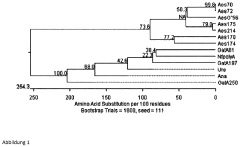
Novel urethanases for the enzymatic decomposition of polyurethanes
PatentPendingEP4151727A1
Innovation
- Development of specific polypeptides with urethanase activity, such as those with amino acid sequences from SEQ ID Nos. 2 to 10, which can enzymatically cleave urethane groups, allowing for the controlled degradation of polyurethanes into defined monomers under mild conditions.


Patent
Innovation
- Utilization of polyurethane for packaging materials, offering improved durability and flexibility compared to traditional materials.
- Development of smart packaging solutions using polyurethane with embedded sensors for real-time monitoring of product conditions.
- Creation of lightweight yet strong polyurethane packaging designs, reducing transportation costs and carbon footprint.
Environmental Impact and Sustainability Considerations
The adoption of polyurethane in packaging solutions presents both opportunities and challenges from an environmental and sustainability perspective. As the packaging industry seeks to revolutionize its practices, it is crucial to consider the full lifecycle impact of polyurethane-based materials.
Polyurethane offers several environmental advantages over traditional packaging materials. Its lightweight nature contributes to reduced transportation emissions, while its durability extends product lifespans, potentially decreasing overall material consumption. Additionally, polyurethane's excellent insulation properties can enhance energy efficiency in temperature-sensitive packaging applications, further reducing environmental impact during product storage and transportation.
However, the production of polyurethane involves petrochemical-based raw materials, which raises concerns about resource depletion and carbon footprint. The industry must address these issues by exploring bio-based alternatives and optimizing manufacturing processes to minimize energy consumption and emissions. Some companies have already made progress in developing partially bio-based polyurethanes, utilizing renewable resources such as plant-based polyols.
End-of-life management for polyurethane packaging remains a significant challenge. While some polyurethane products can be mechanically recycled, the process is often complex and energy-intensive. Chemical recycling technologies, such as glycolysis and pyrolysis, show promise for recovering valuable raw materials from polyurethane waste, but these methods are still in the early stages of commercial implementation.
To improve the sustainability profile of polyurethane packaging, manufacturers are exploring design strategies that facilitate easier disassembly and recycling. This includes the development of mono-material solutions and the use of compatible additives that do not hinder recycling processes. Additionally, some companies are investigating biodegradable polyurethane formulations, although ensuring proper degradation conditions remains a challenge.
The packaging industry must also consider the potential for unintended environmental consequences. For instance, while polyurethane's durability is generally beneficial, it could lead to increased persistence in the environment if not properly managed. Stakeholders must work together to establish effective collection and recycling systems to prevent polyurethane waste from entering ecosystems.
As regulations around packaging sustainability become more stringent globally, the polyurethane industry must proactively address environmental concerns. This includes investing in life cycle assessments to quantify the environmental impact of polyurethane packaging solutions compared to alternatives, and using these insights to drive continuous improvement in material formulations and manufacturing processes.
Polyurethane offers several environmental advantages over traditional packaging materials. Its lightweight nature contributes to reduced transportation emissions, while its durability extends product lifespans, potentially decreasing overall material consumption. Additionally, polyurethane's excellent insulation properties can enhance energy efficiency in temperature-sensitive packaging applications, further reducing environmental impact during product storage and transportation.
However, the production of polyurethane involves petrochemical-based raw materials, which raises concerns about resource depletion and carbon footprint. The industry must address these issues by exploring bio-based alternatives and optimizing manufacturing processes to minimize energy consumption and emissions. Some companies have already made progress in developing partially bio-based polyurethanes, utilizing renewable resources such as plant-based polyols.
End-of-life management for polyurethane packaging remains a significant challenge. While some polyurethane products can be mechanically recycled, the process is often complex and energy-intensive. Chemical recycling technologies, such as glycolysis and pyrolysis, show promise for recovering valuable raw materials from polyurethane waste, but these methods are still in the early stages of commercial implementation.
To improve the sustainability profile of polyurethane packaging, manufacturers are exploring design strategies that facilitate easier disassembly and recycling. This includes the development of mono-material solutions and the use of compatible additives that do not hinder recycling processes. Additionally, some companies are investigating biodegradable polyurethane formulations, although ensuring proper degradation conditions remains a challenge.
The packaging industry must also consider the potential for unintended environmental consequences. For instance, while polyurethane's durability is generally beneficial, it could lead to increased persistence in the environment if not properly managed. Stakeholders must work together to establish effective collection and recycling systems to prevent polyurethane waste from entering ecosystems.
As regulations around packaging sustainability become more stringent globally, the polyurethane industry must proactively address environmental concerns. This includes investing in life cycle assessments to quantify the environmental impact of polyurethane packaging solutions compared to alternatives, and using these insights to drive continuous improvement in material formulations and manufacturing processes.
Regulatory Landscape for Polyurethane in Packaging
The regulatory landscape for polyurethane in packaging is complex and evolving, reflecting growing concerns about environmental impact and consumer safety. In the United States, the Food and Drug Administration (FDA) plays a crucial role in regulating food contact materials, including polyurethane-based packaging. The FDA's regulations, particularly 21 CFR 177.1680, outline specific requirements for polyurethane resins used in food packaging, addressing issues such as chemical composition and migration limits.
In the European Union, the regulatory framework is even more stringent. The European Food Safety Authority (EFSA) and the European Commission have established comprehensive guidelines for food contact materials, including Regulation (EC) No 1935/2004. This regulation sets forth general principles of safety and inertness for all food contact materials, with specific measures for certain substances used in packaging materials.
Additionally, the REACH (Registration, Evaluation, Authorization, and Restriction of Chemicals) regulation in the EU impacts the use of polyurethane in packaging by requiring manufacturers to register chemicals and provide safety information. This has led to increased scrutiny of certain chemicals used in polyurethane production, such as isocyanates.
Environmental regulations are also shaping the polyurethane packaging landscape. Many countries have implemented or are considering regulations to promote recyclability and reduce single-use plastics. For instance, the EU's Circular Economy Action Plan aims to make all packaging reusable or recyclable by 2030, which may influence the design and composition of polyurethane packaging materials.
In response to these regulatory pressures, the packaging industry is increasingly focusing on developing bio-based and biodegradable polyurethane alternatives. This shift is partly driven by regulations such as the EU's Single-Use Plastics Directive, which aims to reduce the environmental impact of certain plastic products.
Occupational health and safety regulations also play a significant role in the polyurethane packaging industry. Organizations like the Occupational Safety and Health Administration (OSHA) in the U.S. have established guidelines for handling isocyanates and other chemicals used in polyurethane production, impacting manufacturing processes and worker safety protocols.
As sustainability becomes a global priority, many countries are implementing extended producer responsibility (EPR) programs. These regulations hold manufacturers responsible for the entire lifecycle of their products, including disposal and recycling. This trend is likely to drive innovation in polyurethane packaging design, encouraging the development of more easily recyclable or biodegradable formulations.
In the European Union, the regulatory framework is even more stringent. The European Food Safety Authority (EFSA) and the European Commission have established comprehensive guidelines for food contact materials, including Regulation (EC) No 1935/2004. This regulation sets forth general principles of safety and inertness for all food contact materials, with specific measures for certain substances used in packaging materials.
Additionally, the REACH (Registration, Evaluation, Authorization, and Restriction of Chemicals) regulation in the EU impacts the use of polyurethane in packaging by requiring manufacturers to register chemicals and provide safety information. This has led to increased scrutiny of certain chemicals used in polyurethane production, such as isocyanates.
Environmental regulations are also shaping the polyurethane packaging landscape. Many countries have implemented or are considering regulations to promote recyclability and reduce single-use plastics. For instance, the EU's Circular Economy Action Plan aims to make all packaging reusable or recyclable by 2030, which may influence the design and composition of polyurethane packaging materials.
In response to these regulatory pressures, the packaging industry is increasingly focusing on developing bio-based and biodegradable polyurethane alternatives. This shift is partly driven by regulations such as the EU's Single-Use Plastics Directive, which aims to reduce the environmental impact of certain plastic products.
Occupational health and safety regulations also play a significant role in the polyurethane packaging industry. Organizations like the Occupational Safety and Health Administration (OSHA) in the U.S. have established guidelines for handling isocyanates and other chemicals used in polyurethane production, impacting manufacturing processes and worker safety protocols.
As sustainability becomes a global priority, many countries are implementing extended producer responsibility (EPR) programs. These regulations hold manufacturers responsible for the entire lifecycle of their products, including disposal and recycling. This trend is likely to drive innovation in polyurethane packaging design, encouraging the development of more easily recyclable or biodegradable formulations.
Unlock deeper insights with PatSnap Eureka Quick Research — get a full tech report to explore trends and direct your research. Try now!
Generate Your Research Report Instantly with AI Agent
Supercharge your innovation with PatSnap Eureka AI Agent Platform!