
Thermite for Metal Cutting: Exploring Advanced Techniques
JUN 24, 20259 MIN READ
Generate Your Research Report Instantly with AI Agent
Patsnap Eureka helps you evaluate technical feasibility & market potential.
Thermite Metal Cutting Background and Objectives
Thermite metal cutting has emerged as a revolutionary technique in the field of metallurgy and industrial applications. This process, which harnesses the exothermic reaction between a metal oxide and a more reactive metal, has evolved significantly since its inception in the late 19th century. The primary objective of exploring advanced techniques in thermite metal cutting is to enhance efficiency, precision, and safety while expanding its applicability across various industries.
The development of thermite metal cutting can be traced back to 1893 when German chemist Hans Goldschmidt discovered the thermite reaction. Initially used for welding railway tracks, the technology has since found applications in demolition, underwater cutting, and specialized manufacturing processes. The evolution of this technique has been driven by the increasing demand for more efficient and cost-effective metal cutting solutions in industries such as construction, shipbreaking, and emergency response.
Current technological trends in thermite metal cutting focus on improving the composition of thermite mixtures, developing more precise ignition systems, and creating innovative delivery mechanisms. These advancements aim to address the limitations of traditional thermite cutting methods, such as lack of precision, potential safety hazards, and environmental concerns. Researchers and engineers are exploring nano-thermite materials, computer-controlled ignition sequences, and environmentally friendly formulations to push the boundaries of what is possible with this technology.
The objectives of current research and development in thermite metal cutting are multifaceted. Firstly, there is a strong emphasis on enhancing the cutting precision to rival that of laser and plasma cutting techniques. This involves developing methods to control the thermite reaction more accurately and creating tools that can guide the molten metal with greater precision. Secondly, improving safety is a critical goal, with efforts directed towards creating more stable thermite mixtures and developing safer ignition and containment systems.
Another key objective is to expand the range of materials that can be effectively cut using thermite reactions. While traditionally used for ferrous metals, researchers are exploring formulations that can efficiently cut through non-ferrous metals, composites, and even reinforced concrete. This expansion of capabilities could open up new applications in fields such as aerospace, advanced manufacturing, and infrastructure maintenance.
Environmental considerations also play a significant role in shaping the future of thermite metal cutting. Objectives in this area include developing cleaner-burning thermite mixtures that produce fewer harmful emissions and creating systems that can more effectively capture and neutralize byproducts of the reaction. These environmental goals align with broader industry trends towards sustainability and reduced environmental impact.
The development of thermite metal cutting can be traced back to 1893 when German chemist Hans Goldschmidt discovered the thermite reaction. Initially used for welding railway tracks, the technology has since found applications in demolition, underwater cutting, and specialized manufacturing processes. The evolution of this technique has been driven by the increasing demand for more efficient and cost-effective metal cutting solutions in industries such as construction, shipbreaking, and emergency response.
Current technological trends in thermite metal cutting focus on improving the composition of thermite mixtures, developing more precise ignition systems, and creating innovative delivery mechanisms. These advancements aim to address the limitations of traditional thermite cutting methods, such as lack of precision, potential safety hazards, and environmental concerns. Researchers and engineers are exploring nano-thermite materials, computer-controlled ignition sequences, and environmentally friendly formulations to push the boundaries of what is possible with this technology.
The objectives of current research and development in thermite metal cutting are multifaceted. Firstly, there is a strong emphasis on enhancing the cutting precision to rival that of laser and plasma cutting techniques. This involves developing methods to control the thermite reaction more accurately and creating tools that can guide the molten metal with greater precision. Secondly, improving safety is a critical goal, with efforts directed towards creating more stable thermite mixtures and developing safer ignition and containment systems.
Another key objective is to expand the range of materials that can be effectively cut using thermite reactions. While traditionally used for ferrous metals, researchers are exploring formulations that can efficiently cut through non-ferrous metals, composites, and even reinforced concrete. This expansion of capabilities could open up new applications in fields such as aerospace, advanced manufacturing, and infrastructure maintenance.
Environmental considerations also play a significant role in shaping the future of thermite metal cutting. Objectives in this area include developing cleaner-burning thermite mixtures that produce fewer harmful emissions and creating systems that can more effectively capture and neutralize byproducts of the reaction. These environmental goals align with broader industry trends towards sustainability and reduced environmental impact.
Industrial Demand for Thermite Cutting Solutions
The industrial demand for thermite cutting solutions has been steadily growing across various sectors, driven by the need for efficient, portable, and cost-effective metal cutting techniques. Thermite cutting offers unique advantages in scenarios where traditional cutting methods face limitations, particularly in remote locations, underwater environments, and situations requiring rapid material separation.
In the construction and demolition industry, thermite cutting has gained traction for its ability to quickly and cleanly sever large metal structures, such as steel beams and reinforced concrete. The exothermic reaction of thermite produces temperatures high enough to melt through thick metal sections, making it invaluable for controlled demolitions and structural modifications. This demand is further amplified by urban renewal projects and the increasing need for efficient deconstruction of aging infrastructure.
The shipbreaking industry has emerged as a significant market for thermite cutting solutions. As the global fleet of end-of-life vessels continues to grow, shipyards seek faster and more economical methods to dismantle these massive structures. Thermite cutting provides a viable alternative to traditional oxy-fuel cutting, offering reduced labor costs and improved safety in hazardous environments.
In the mining and resource extraction sector, thermite cutting finds applications in equipment maintenance and emergency repairs. The ability to perform on-site cuts of large machinery components without the need for complex power sources or gas supplies makes thermite an attractive option for remote mining operations. This demand is particularly pronounced in regions with limited infrastructure or harsh environmental conditions.
The oil and gas industry has also recognized the potential of thermite cutting for offshore decommissioning projects. As aging platforms and subsea structures require removal, thermite offers a safe and efficient method for severing thick metal components underwater. This application is expected to see significant growth as more offshore installations reach the end of their operational life.
Emergency services and disaster response teams have shown increasing interest in thermite cutting tools for rescue operations and post-disaster cleanup. The portability and rapid deployment of thermite systems make them valuable assets in scenarios where time is critical, and access to conventional cutting equipment is limited.
As industries continue to prioritize efficiency, safety, and cost-effectiveness, the demand for advanced thermite cutting solutions is projected to expand. This trend is likely to drive further innovation in thermite formulations, ignition systems, and application techniques, opening new markets and enhancing the technology's versatility across diverse industrial applications.
In the construction and demolition industry, thermite cutting has gained traction for its ability to quickly and cleanly sever large metal structures, such as steel beams and reinforced concrete. The exothermic reaction of thermite produces temperatures high enough to melt through thick metal sections, making it invaluable for controlled demolitions and structural modifications. This demand is further amplified by urban renewal projects and the increasing need for efficient deconstruction of aging infrastructure.
The shipbreaking industry has emerged as a significant market for thermite cutting solutions. As the global fleet of end-of-life vessels continues to grow, shipyards seek faster and more economical methods to dismantle these massive structures. Thermite cutting provides a viable alternative to traditional oxy-fuel cutting, offering reduced labor costs and improved safety in hazardous environments.
In the mining and resource extraction sector, thermite cutting finds applications in equipment maintenance and emergency repairs. The ability to perform on-site cuts of large machinery components without the need for complex power sources or gas supplies makes thermite an attractive option for remote mining operations. This demand is particularly pronounced in regions with limited infrastructure or harsh environmental conditions.
The oil and gas industry has also recognized the potential of thermite cutting for offshore decommissioning projects. As aging platforms and subsea structures require removal, thermite offers a safe and efficient method for severing thick metal components underwater. This application is expected to see significant growth as more offshore installations reach the end of their operational life.
Emergency services and disaster response teams have shown increasing interest in thermite cutting tools for rescue operations and post-disaster cleanup. The portability and rapid deployment of thermite systems make them valuable assets in scenarios where time is critical, and access to conventional cutting equipment is limited.
As industries continue to prioritize efficiency, safety, and cost-effectiveness, the demand for advanced thermite cutting solutions is projected to expand. This trend is likely to drive further innovation in thermite formulations, ignition systems, and application techniques, opening new markets and enhancing the technology's versatility across diverse industrial applications.
Current Thermite Cutting Challenges and Limitations
Despite the widespread use of thermite for metal cutting, several challenges and limitations persist in current applications. One of the primary issues is the difficulty in controlling the reaction rate and heat distribution. The exothermic nature of the thermite reaction makes it challenging to regulate the cutting process precisely, often resulting in uneven cuts or excessive material loss.
Another significant limitation is the safety concerns associated with thermite cutting. The high temperatures generated during the reaction pose risks to operators and surrounding equipment. Additionally, the production of molten metal and slag during the cutting process requires careful management to prevent accidents and ensure workplace safety.
The environmental impact of thermite cutting is also a growing concern. The process generates significant amounts of smoke and fumes, which can be harmful to both workers and the environment. This has led to increased scrutiny and regulatory pressure in many industries, particularly in urban or enclosed settings.
Thermite cutting also faces challenges in terms of versatility. While effective for certain types of metals and thicknesses, it may not be suitable for all materials or cutting scenarios. This limitation restricts its applicability in diverse industrial settings where a range of materials and cutting requirements are encountered.
The cost-effectiveness of thermite cutting is another area of concern. Although the process itself is relatively simple, the consumables required can be expensive, especially for large-scale operations. This factor, combined with the need for specialized training and safety equipment, can make thermite cutting less economically viable for some applications compared to alternative cutting methods.
Precision and repeatability remain significant challenges in thermite cutting. The process often results in wider kerf widths compared to other cutting methods, which can be problematic in applications requiring high precision. Furthermore, achieving consistent results across multiple cuts can be difficult due to variations in thermite mixture composition and environmental factors.
Lastly, the limited ability to automate thermite cutting processes poses a challenge in modern manufacturing environments. The need for manual intervention and the inherent unpredictability of the reaction make it difficult to integrate thermite cutting into automated production lines, limiting its adoption in high-volume manufacturing settings.
Another significant limitation is the safety concerns associated with thermite cutting. The high temperatures generated during the reaction pose risks to operators and surrounding equipment. Additionally, the production of molten metal and slag during the cutting process requires careful management to prevent accidents and ensure workplace safety.
The environmental impact of thermite cutting is also a growing concern. The process generates significant amounts of smoke and fumes, which can be harmful to both workers and the environment. This has led to increased scrutiny and regulatory pressure in many industries, particularly in urban or enclosed settings.
Thermite cutting also faces challenges in terms of versatility. While effective for certain types of metals and thicknesses, it may not be suitable for all materials or cutting scenarios. This limitation restricts its applicability in diverse industrial settings where a range of materials and cutting requirements are encountered.
The cost-effectiveness of thermite cutting is another area of concern. Although the process itself is relatively simple, the consumables required can be expensive, especially for large-scale operations. This factor, combined with the need for specialized training and safety equipment, can make thermite cutting less economically viable for some applications compared to alternative cutting methods.
Precision and repeatability remain significant challenges in thermite cutting. The process often results in wider kerf widths compared to other cutting methods, which can be problematic in applications requiring high precision. Furthermore, achieving consistent results across multiple cuts can be difficult due to variations in thermite mixture composition and environmental factors.
Lastly, the limited ability to automate thermite cutting processes poses a challenge in modern manufacturing environments. The need for manual intervention and the inherent unpredictability of the reaction make it difficult to integrate thermite cutting into automated production lines, limiting its adoption in high-volume manufacturing settings.
Existing Thermite Cutting Techniques and Applications
01 Thermite composition for metal cutting
Specialized thermite compositions are developed for metal cutting applications. These compositions typically include a metal oxide fuel and a reducing agent, which react exothermically to produce intense heat. The formulation is optimized to achieve controlled, precise cuts in various metal structures.- Thermite composition for metal cutting: Specialized thermite compositions are developed for metal cutting applications. These compositions typically include a metal oxide, a reducing agent, and additives to control the reaction rate and temperature. The thermite reaction generates intense heat, allowing for efficient cutting of metal structures.
- Underwater thermite cutting techniques: Thermite cutting methods are adapted for underwater applications, such as cutting submerged metal structures or pipelines. These techniques often involve specialized ignition systems and waterproof casings to protect the thermite mixture and ensure efficient cutting in aqueous environments.
- Controlled thermite reaction for precision cutting: Advanced methods are developed to control the thermite reaction for more precise and targeted metal cutting. This includes techniques to focus the heat generated by the reaction, control the burn rate, and minimize collateral damage to surrounding materials.
- Safety mechanisms in thermite cutting devices: Safety features are incorporated into thermite cutting devices to prevent accidental ignition and ensure safe operation. These may include fail-safe mechanisms, remote activation systems, and protective enclosures to contain the high-temperature reaction products.
- Thermite cutting for specific applications: Specialized thermite cutting techniques are developed for specific industrial applications, such as demolition, pipeline cutting, or metal recycling. These methods often involve customized thermite compositions and delivery systems tailored to the particular cutting requirements of each application.
02 Underwater thermite cutting techniques
Adaptations of thermite cutting for underwater applications are developed. These methods involve specialized ignition systems, waterproof casings, and modified thermite mixtures that can operate effectively in submerged environments, allowing for cutting of underwater metal structures.Expand Specific Solutions03 Controlled ignition and delivery systems
Advanced ignition and delivery systems are designed to improve the precision and safety of thermite metal cutting. These systems may include remote activation mechanisms, timed ignition sequences, and controlled thermite flow to ensure accurate and efficient cutting operations.Expand Specific Solutions04 Safety enhancements for thermite cutting
Various safety features are incorporated into thermite cutting equipment and procedures. These may include heat-resistant shields, containment systems for molten metal, and improved personal protective equipment designs to minimize risks associated with high-temperature thermite reactions.Expand Specific Solutions05 Specialized thermite formulations for specific metals
Tailored thermite mixtures are developed for cutting specific types of metals or alloys. These formulations may include additives or modified ratios of components to optimize cutting performance on materials such as steel, aluminum, or titanium, ensuring clean and efficient cuts.Expand Specific Solutions
Key Players in Thermite Cutting Industry
The thermite metal cutting technology market is in a growth phase, with increasing demand for advanced cutting techniques in various industries. The market size is expanding, driven by the need for efficient and precise metal cutting solutions. Technologically, the field is evolving rapidly, with companies like Hypertherm Associates, Inc. and Furukawa Electric Co., Ltd. leading innovation in thermal cutting processes. Research institutions such as the Naval Research Laboratory and Battelle Memorial Institute are contributing to technological advancements. The involvement of major players like Lockheed Martin Corp. and Mitsubishi Materials Corp. indicates the strategic importance of this technology. While traditional thermite techniques are well-established, ongoing research focuses on improving efficiency, safety, and application versatility, suggesting a moderate to high level of technological maturity with significant potential for further development.
Naval Research Laboratory
Technical Solution: The Naval Research Laboratory has developed advanced thermite compositions for metal cutting applications. Their research focuses on creating more efficient and controllable thermite reactions for precise cutting of metal structures. They have experimented with various metal oxide and metal fuel combinations to optimize the heat generation and cutting performance. The NRL has also explored the use of nanoparticles in thermite mixtures to enhance reactivity and energy release.
Strengths: Access to advanced research facilities and expertise in materials science. Ability to conduct large-scale tests for military applications. Weaknesses: Research may be classified, limiting public access to findings.
Lockheed Martin Corp.
Technical Solution: Lockheed Martin has developed proprietary thermite-based cutting systems for use in aerospace and defense applications. Their technology incorporates precision ignition systems and advanced thermite formulations to achieve controlled, high-temperature metal cutting. The company has focused on creating portable, self-contained thermite cutting devices that can be used in remote or challenging environments. Lockheed Martin's systems also include safety features to manage the intense heat and potential hazards associated with thermite reactions.
Strengths: Extensive experience in aerospace and defense applications. Robust engineering capabilities for system integration. Weaknesses: High costs associated with specialized military-grade equipment.
Innovative Thermite Formulations for Metal Cutting
Thermite charge
PatentActiveUS20060266204A1
Innovation
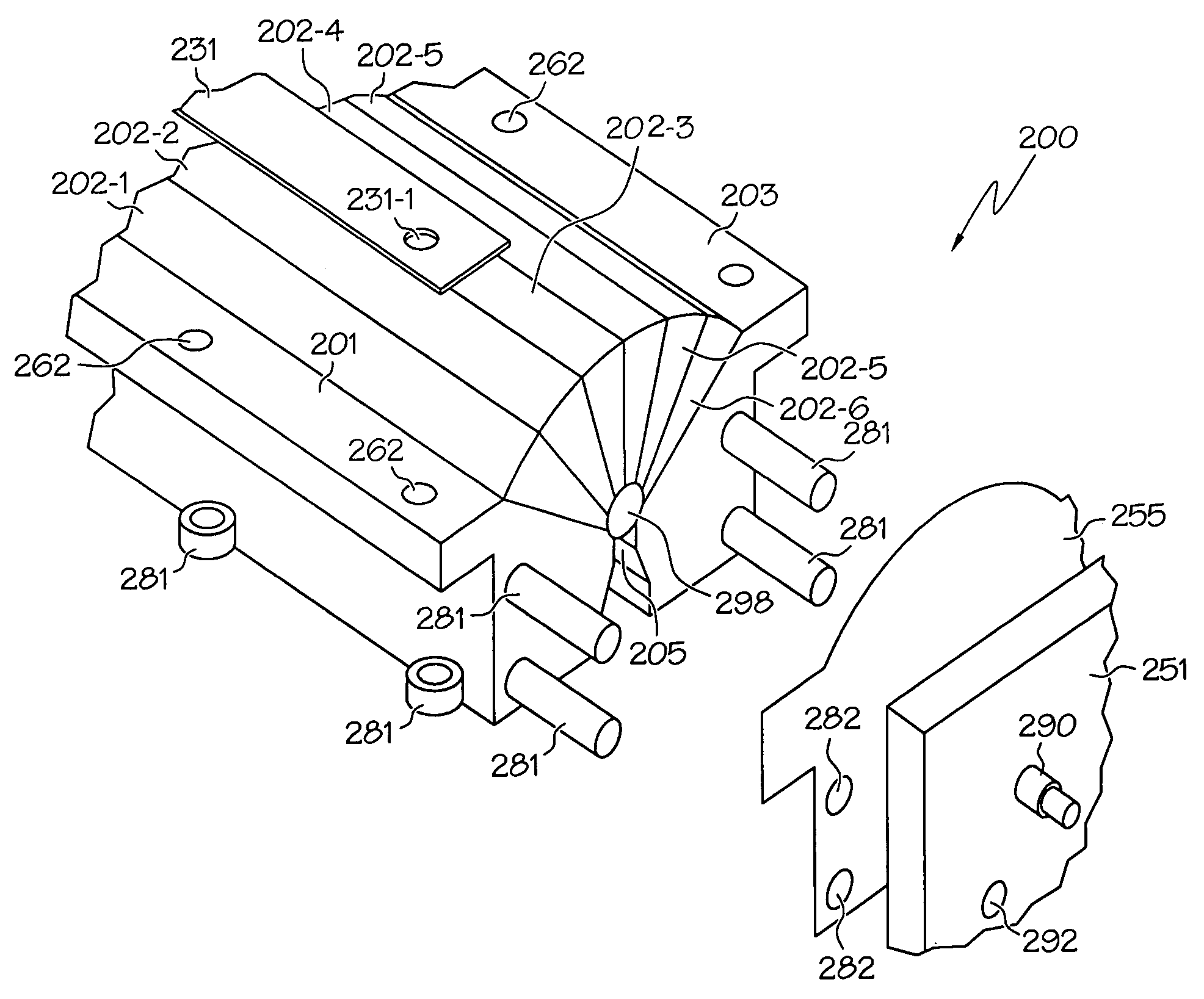
- A modular thermite charge system with a linear or curvilinear nozzle configuration that allows for sustained high-temperature cutting by separating fuel and oxidizer compartments, enabling efficient cutting of materials with minimal preparation and enhanced safety through controlled gas generation and mixing at the time of firing.

Thermite torch formulation including molybdenum trioxide
PatentInactiveUS20100089507A1
Innovation
- A thermite formulation using a magnalium alloy as the metal fuel and a combination of CuO and MoO3 as oxidizers, with a binder, optimized to provide excellent material perforation and low toxicity, where the magnalium alloy comprises about 3-35 weight percent, CuO 30-70 weight percent, MoO3 15-35 weight percent, and a small amount of binder, such as polytetrafluoroethylene.
Safety Protocols in Thermite Cutting Operations
Safety protocols in thermite cutting operations are paramount to ensure the well-being of personnel and the integrity of the work environment. These protocols encompass a comprehensive set of guidelines and procedures designed to mitigate risks associated with the high-temperature reactions and potential hazards inherent in thermite cutting processes.
Personal protective equipment (PPE) forms the first line of defense in thermite cutting operations. Operators must wear fire-resistant clothing, including heat-resistant gloves, safety goggles, and face shields to protect against sparks, molten metal, and intense light emissions. Respiratory protection is also crucial to prevent inhalation of fumes and particulates generated during the cutting process.
Proper training and certification of personnel are essential components of safety protocols. Operators must undergo rigorous training programs that cover the fundamentals of thermite reactions, equipment handling, and emergency procedures. Regular refresher courses and skill assessments help maintain a high level of competency and safety awareness among the workforce.
Workspace preparation and containment measures play a critical role in preventing accidents and controlling the spread of molten metal. Designated cutting areas should be cleared of flammable materials and equipped with fire-resistant barriers. Proper ventilation systems must be in place to remove harmful fumes and maintain air quality within acceptable limits.
Emergency response planning is a vital aspect of safety protocols in thermite cutting operations. This includes the development of clear evacuation procedures, installation of easily accessible fire suppression systems, and the presence of trained first responders on-site. Regular drills and simulations help ensure that all personnel are prepared to act swiftly and effectively in case of an emergency.
Equipment maintenance and inspection protocols are crucial for preventing equipment failures that could lead to accidents. Regular checks of ignition systems, containment vessels, and cutting tools should be conducted and documented. Any defective equipment must be immediately removed from service and repaired or replaced by qualified technicians.
Storage and handling procedures for thermite materials require strict adherence to safety guidelines. Thermite mixtures should be stored in dry, cool areas away from potential ignition sources. Proper labeling and segregation of materials are essential to prevent accidental mixing or contamination that could lead to unintended reactions.
Environmental considerations are increasingly important in safety protocols for thermite cutting operations. Proper disposal methods for waste materials, including slag and unused thermite mixtures, must be implemented to prevent environmental contamination. Monitoring of air and water quality in the vicinity of cutting operations may be necessary to ensure compliance with environmental regulations.
By implementing and strictly adhering to these comprehensive safety protocols, organizations can significantly reduce the risks associated with thermite cutting operations, ensuring the protection of personnel, equipment, and the environment while maintaining operational efficiency.
Personal protective equipment (PPE) forms the first line of defense in thermite cutting operations. Operators must wear fire-resistant clothing, including heat-resistant gloves, safety goggles, and face shields to protect against sparks, molten metal, and intense light emissions. Respiratory protection is also crucial to prevent inhalation of fumes and particulates generated during the cutting process.
Proper training and certification of personnel are essential components of safety protocols. Operators must undergo rigorous training programs that cover the fundamentals of thermite reactions, equipment handling, and emergency procedures. Regular refresher courses and skill assessments help maintain a high level of competency and safety awareness among the workforce.
Workspace preparation and containment measures play a critical role in preventing accidents and controlling the spread of molten metal. Designated cutting areas should be cleared of flammable materials and equipped with fire-resistant barriers. Proper ventilation systems must be in place to remove harmful fumes and maintain air quality within acceptable limits.
Emergency response planning is a vital aspect of safety protocols in thermite cutting operations. This includes the development of clear evacuation procedures, installation of easily accessible fire suppression systems, and the presence of trained first responders on-site. Regular drills and simulations help ensure that all personnel are prepared to act swiftly and effectively in case of an emergency.
Equipment maintenance and inspection protocols are crucial for preventing equipment failures that could lead to accidents. Regular checks of ignition systems, containment vessels, and cutting tools should be conducted and documented. Any defective equipment must be immediately removed from service and repaired or replaced by qualified technicians.
Storage and handling procedures for thermite materials require strict adherence to safety guidelines. Thermite mixtures should be stored in dry, cool areas away from potential ignition sources. Proper labeling and segregation of materials are essential to prevent accidental mixing or contamination that could lead to unintended reactions.
Environmental considerations are increasingly important in safety protocols for thermite cutting operations. Proper disposal methods for waste materials, including slag and unused thermite mixtures, must be implemented to prevent environmental contamination. Monitoring of air and water quality in the vicinity of cutting operations may be necessary to ensure compliance with environmental regulations.
By implementing and strictly adhering to these comprehensive safety protocols, organizations can significantly reduce the risks associated with thermite cutting operations, ensuring the protection of personnel, equipment, and the environment while maintaining operational efficiency.
Environmental Impact of Thermite Cutting Processes
The environmental impact of thermite cutting processes is a critical consideration in the application of this advanced metal cutting technique. Thermite reactions, characterized by their high-temperature exothermic nature, produce significant heat and light emissions. These emissions can contribute to localized air pollution and potentially affect surrounding ecosystems if not properly managed.
One of the primary environmental concerns associated with thermite cutting is the release of particulate matter. The reaction produces fine metal oxide particles, which can become airborne and pose respiratory risks to workers and nearby populations. These particles may also settle on surfaces, potentially contaminating soil and water sources if not adequately contained.
Gaseous emissions are another environmental factor to consider. Depending on the composition of the thermite mixture and the materials being cut, various gases may be released during the reaction. These can include carbon dioxide, nitrogen oxides, and potentially toxic fumes if the metal being cut contains coatings or alloys with hazardous components.
The intense heat generated by thermite reactions can have localized impacts on the immediate environment. It may cause temporary changes in soil temperature and composition, affecting microbial communities and plant life in the vicinity of the cutting operation. In aquatic environments, the heat could potentially disrupt local ecosystems if not properly controlled.
Waste management is a crucial aspect of mitigating the environmental impact of thermite cutting. The slag produced as a byproduct of the reaction needs to be disposed of responsibly. This material may contain heavy metals or other contaminants, requiring proper handling and disposal to prevent soil and water pollution.
Noise pollution is another environmental consideration, albeit a less significant one compared to other impacts. The thermite reaction and associated cutting process can produce high-decibel sounds, which may disturb local wildlife and human populations if conducted in sensitive areas.
To address these environmental concerns, advanced techniques in thermite cutting are being developed. These include improved containment systems to capture particulate matter and gaseous emissions, more efficient thermite mixtures that reduce waste and emissions, and enhanced cooling methods to minimize heat-related environmental impacts. Additionally, the development of recycling processes for thermite slag is being explored to reduce waste and promote a more circular approach to resource use in metal cutting operations.
One of the primary environmental concerns associated with thermite cutting is the release of particulate matter. The reaction produces fine metal oxide particles, which can become airborne and pose respiratory risks to workers and nearby populations. These particles may also settle on surfaces, potentially contaminating soil and water sources if not adequately contained.
Gaseous emissions are another environmental factor to consider. Depending on the composition of the thermite mixture and the materials being cut, various gases may be released during the reaction. These can include carbon dioxide, nitrogen oxides, and potentially toxic fumes if the metal being cut contains coatings or alloys with hazardous components.
The intense heat generated by thermite reactions can have localized impacts on the immediate environment. It may cause temporary changes in soil temperature and composition, affecting microbial communities and plant life in the vicinity of the cutting operation. In aquatic environments, the heat could potentially disrupt local ecosystems if not properly controlled.
Waste management is a crucial aspect of mitigating the environmental impact of thermite cutting. The slag produced as a byproduct of the reaction needs to be disposed of responsibly. This material may contain heavy metals or other contaminants, requiring proper handling and disposal to prevent soil and water pollution.
Noise pollution is another environmental consideration, albeit a less significant one compared to other impacts. The thermite reaction and associated cutting process can produce high-decibel sounds, which may disturb local wildlife and human populations if conducted in sensitive areas.
To address these environmental concerns, advanced techniques in thermite cutting are being developed. These include improved containment systems to capture particulate matter and gaseous emissions, more efficient thermite mixtures that reduce waste and emissions, and enhanced cooling methods to minimize heat-related environmental impacts. Additionally, the development of recycling processes for thermite slag is being explored to reduce waste and promote a more circular approach to resource use in metal cutting operations.
Unlock deeper insights with Patsnap Eureka Quick Research — get a full tech report to explore trends and direct your research. Try now!
Generate Your Research Report Instantly with AI Agent
Supercharge your innovation with Patsnap Eureka AI Agent Platform!