

Three Phase Electric Power vs. Renewable Sources: Compatibility
MAR 18, 20269 MIN READ
Generate Your Research Report Instantly with AI Agent
PatSnap Eureka helps you evaluate technical feasibility & market potential.
Three-Phase Renewable Integration Background and Objectives
The integration of renewable energy sources into three-phase electrical power systems represents one of the most significant challenges and opportunities in modern power engineering. Traditional three-phase power systems were designed around centralized, synchronous generation from fossil fuel and nuclear power plants, which provided inherent grid stability through their rotating mass and predictable output characteristics. However, the global transition toward sustainable energy has introduced variable renewable sources such as solar photovoltaic arrays, wind turbines, and energy storage systems that fundamentally differ in their electrical characteristics and operational behavior.
The compatibility challenge stems from the intermittent and variable nature of renewable sources, which contrasts sharply with the constant, controllable output of conventional generators. Solar and wind resources fluctuate based on weather conditions and time of day, creating power quality issues including voltage variations, frequency deviations, and harmonic distortions that can destabilize three-phase systems. Additionally, most renewable sources generate direct current or variable alternating current that requires power electronic converters for grid integration, introducing new technical complexities.
The primary objective of addressing three-phase renewable integration compatibility is to develop comprehensive solutions that enable seamless incorporation of renewable energy sources while maintaining grid stability, power quality, and system reliability. This involves creating advanced power conditioning systems, implementing sophisticated grid management algorithms, and establishing new standards for distributed energy resource integration.
Key technical goals include achieving bidirectional power flow management, implementing real-time grid balancing mechanisms, and developing smart inverter technologies that can provide grid support services traditionally supplied by conventional generators. The integration must also address protection system coordination, as renewable sources alter fault current characteristics and require new protective relay settings and coordination schemes.
Furthermore, the objective encompasses enabling higher renewable penetration levels while ensuring compliance with existing grid codes and power quality standards. This requires developing energy storage integration strategies, demand response capabilities, and advanced forecasting systems that can predict renewable output and optimize grid operations accordingly.
The compatibility challenge stems from the intermittent and variable nature of renewable sources, which contrasts sharply with the constant, controllable output of conventional generators. Solar and wind resources fluctuate based on weather conditions and time of day, creating power quality issues including voltage variations, frequency deviations, and harmonic distortions that can destabilize three-phase systems. Additionally, most renewable sources generate direct current or variable alternating current that requires power electronic converters for grid integration, introducing new technical complexities.
The primary objective of addressing three-phase renewable integration compatibility is to develop comprehensive solutions that enable seamless incorporation of renewable energy sources while maintaining grid stability, power quality, and system reliability. This involves creating advanced power conditioning systems, implementing sophisticated grid management algorithms, and establishing new standards for distributed energy resource integration.
Key technical goals include achieving bidirectional power flow management, implementing real-time grid balancing mechanisms, and developing smart inverter technologies that can provide grid support services traditionally supplied by conventional generators. The integration must also address protection system coordination, as renewable sources alter fault current characteristics and require new protective relay settings and coordination schemes.
Furthermore, the objective encompasses enabling higher renewable penetration levels while ensuring compliance with existing grid codes and power quality standards. This requires developing energy storage integration strategies, demand response capabilities, and advanced forecasting systems that can predict renewable output and optimize grid operations accordingly.
Market Demand for Grid-Compatible Renewable Energy Systems
The global energy transition has created unprecedented demand for renewable energy systems that can seamlessly integrate with existing three-phase electrical grids. This market demand stems from multiple converging factors, including stringent climate policies, declining renewable technology costs, and increasing grid stability requirements. Traditional power grids were designed for centralized, synchronous generation sources, but the proliferation of distributed renewable resources necessitates sophisticated grid-compatible solutions.
Utility-scale solar and wind installations represent the largest segment of this market demand. These facilities require advanced power conditioning systems, including grid-tie inverters with three-phase output capabilities, power factor correction, and harmonic mitigation technologies. The demand extends beyond mere power conversion to encompass comprehensive grid support functions such as voltage regulation, frequency response, and fault ride-through capabilities.
Industrial and commercial sectors drive significant demand for grid-compatible renewable systems due to energy cost reduction goals and corporate sustainability mandates. Manufacturing facilities, data centers, and large commercial buildings increasingly seek renewable energy solutions that maintain power quality standards while reducing grid dependency. These applications require sophisticated energy management systems that can coordinate renewable generation with grid consumption patterns.
The residential market segment shows growing demand for distributed energy resources, particularly rooftop solar systems with battery storage. Homeowners seek systems that can operate in grid-tied mode while providing backup power capabilities. This dual functionality requires advanced inverter technologies capable of seamless transitions between grid-connected and islanded operation modes.
Grid modernization initiatives worldwide create substantial demand for renewable integration technologies. Smart grid deployments require renewable energy systems equipped with communication capabilities, real-time monitoring, and remote control functions. These systems must comply with evolving grid codes that mandate specific performance characteristics for distributed energy resources.
Energy storage integration represents a rapidly expanding market segment within grid-compatible renewable systems. The combination of renewable generation with battery storage addresses intermittency challenges while providing grid services such as peak shaving, load shifting, and ancillary services. This integration requires sophisticated power electronics capable of managing bidirectional power flows and multiple operating modes.
Emerging markets in developing countries present significant opportunities for grid-compatible renewable systems, particularly in regions with unreliable grid infrastructure. These markets demand robust, cost-effective solutions that can operate under challenging grid conditions while providing reliable power quality for critical loads.
Utility-scale solar and wind installations represent the largest segment of this market demand. These facilities require advanced power conditioning systems, including grid-tie inverters with three-phase output capabilities, power factor correction, and harmonic mitigation technologies. The demand extends beyond mere power conversion to encompass comprehensive grid support functions such as voltage regulation, frequency response, and fault ride-through capabilities.
Industrial and commercial sectors drive significant demand for grid-compatible renewable systems due to energy cost reduction goals and corporate sustainability mandates. Manufacturing facilities, data centers, and large commercial buildings increasingly seek renewable energy solutions that maintain power quality standards while reducing grid dependency. These applications require sophisticated energy management systems that can coordinate renewable generation with grid consumption patterns.
The residential market segment shows growing demand for distributed energy resources, particularly rooftop solar systems with battery storage. Homeowners seek systems that can operate in grid-tied mode while providing backup power capabilities. This dual functionality requires advanced inverter technologies capable of seamless transitions between grid-connected and islanded operation modes.
Grid modernization initiatives worldwide create substantial demand for renewable integration technologies. Smart grid deployments require renewable energy systems equipped with communication capabilities, real-time monitoring, and remote control functions. These systems must comply with evolving grid codes that mandate specific performance characteristics for distributed energy resources.
Energy storage integration represents a rapidly expanding market segment within grid-compatible renewable systems. The combination of renewable generation with battery storage addresses intermittency challenges while providing grid services such as peak shaving, load shifting, and ancillary services. This integration requires sophisticated power electronics capable of managing bidirectional power flows and multiple operating modes.
Emerging markets in developing countries present significant opportunities for grid-compatible renewable systems, particularly in regions with unreliable grid infrastructure. These markets demand robust, cost-effective solutions that can operate under challenging grid conditions while providing reliable power quality for critical loads.
Current Challenges in Three-Phase Renewable Grid Integration
The integration of renewable energy sources into three-phase electrical grids presents multifaceted technical challenges that significantly impact system stability and operational efficiency. These challenges stem from the fundamental differences between conventional synchronous generation and the variable, inverter-based nature of renewable sources such as solar photovoltaic and wind power systems.
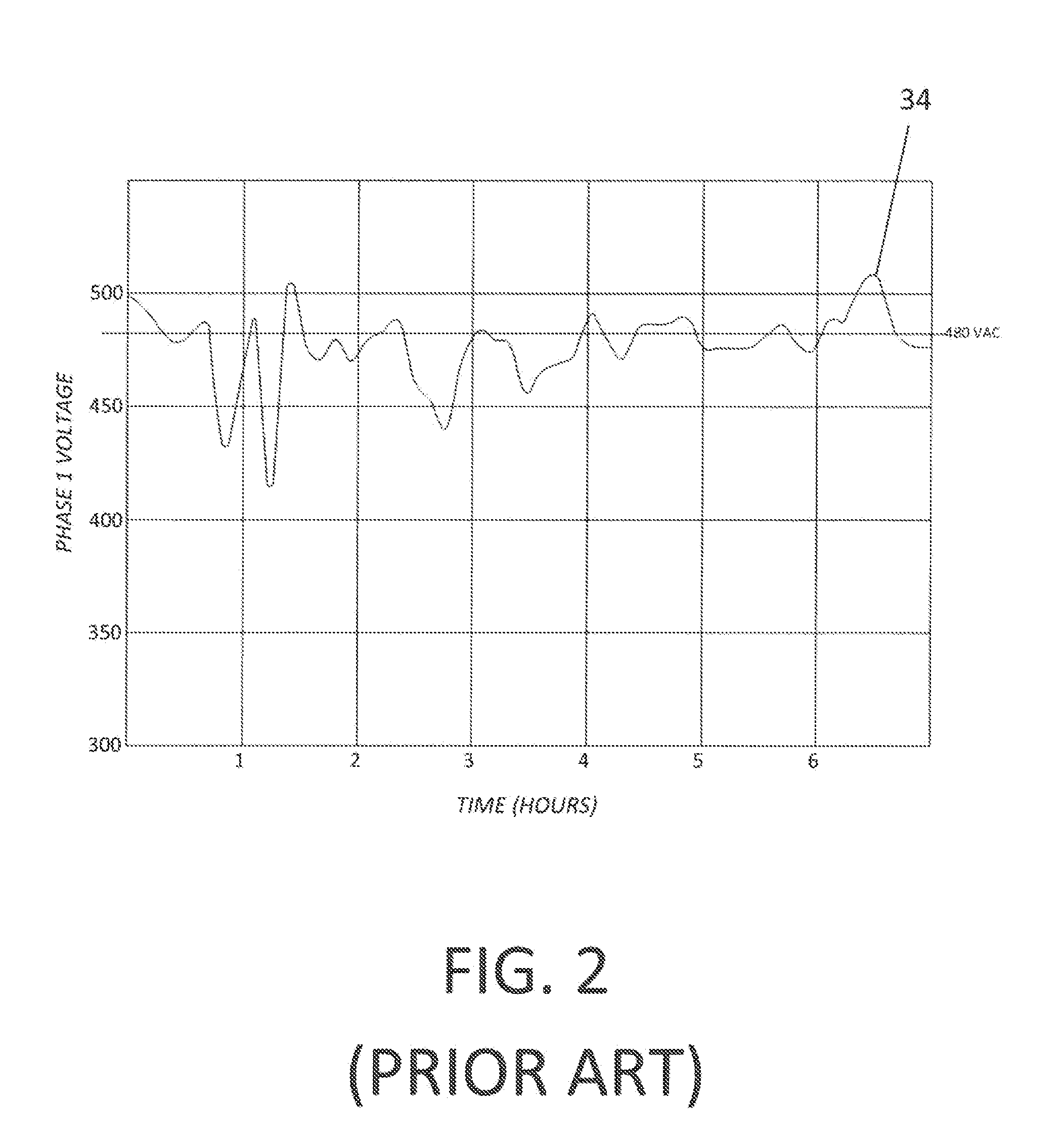
Voltage regulation represents one of the most critical challenges in three-phase renewable grid integration. Unlike traditional generators that provide inherent voltage support through excitation systems, renewable sources typically operate through power electronic converters that exhibit different voltage-current characteristics. The intermittent nature of renewable generation creates voltage fluctuations that can exceed acceptable limits, particularly during rapid cloud cover changes or wind speed variations. These voltage deviations become more pronounced in distribution networks with high renewable penetration levels.
Frequency stability issues arise from the reduced system inertia associated with increased renewable penetration. Traditional synchronous generators provide rotational inertia that naturally resists frequency changes, while inverter-based renewable sources lack this physical characteristic. This reduction in system inertia leads to faster frequency deviations following disturbances, requiring more sophisticated control mechanisms to maintain grid stability within acceptable frequency bands.
Power quality degradation manifests through various phenomena including harmonic distortion, voltage unbalance, and flicker. Inverter-based renewable systems can inject harmonics into the three-phase network, potentially causing resonance conditions with existing grid impedances. Additionally, single-phase solar installations in residential areas can create voltage unbalance in three-phase distribution systems, affecting motor performance and overall system efficiency.
Grid protection coordination becomes increasingly complex with bidirectional power flows introduced by distributed renewable generation. Traditional protection schemes assume unidirectional power flow from centralized generation to loads, but renewable sources can reverse this flow pattern. This bidirectional capability can cause protection miscoordination, potentially leading to unnecessary outages or failure to clear faults appropriately.
Reactive power management presents another significant challenge, as renewable sources typically operate at unity power factor to maximize active power output. This operational characteristic reduces the availability of reactive power support traditionally provided by synchronous generators, potentially compromising voltage stability and increasing transmission losses across the three-phase network.
The variability and uncertainty of renewable generation create forecasting and scheduling difficulties that impact grid operations. Unlike conventional plants with predictable output characteristics, renewable sources depend on weather conditions that can change rapidly, making it challenging to maintain the real-time balance between generation and demand across all three phases of the electrical system.
Voltage regulation represents one of the most critical challenges in three-phase renewable grid integration. Unlike traditional generators that provide inherent voltage support through excitation systems, renewable sources typically operate through power electronic converters that exhibit different voltage-current characteristics. The intermittent nature of renewable generation creates voltage fluctuations that can exceed acceptable limits, particularly during rapid cloud cover changes or wind speed variations. These voltage deviations become more pronounced in distribution networks with high renewable penetration levels.
Frequency stability issues arise from the reduced system inertia associated with increased renewable penetration. Traditional synchronous generators provide rotational inertia that naturally resists frequency changes, while inverter-based renewable sources lack this physical characteristic. This reduction in system inertia leads to faster frequency deviations following disturbances, requiring more sophisticated control mechanisms to maintain grid stability within acceptable frequency bands.
Power quality degradation manifests through various phenomena including harmonic distortion, voltage unbalance, and flicker. Inverter-based renewable systems can inject harmonics into the three-phase network, potentially causing resonance conditions with existing grid impedances. Additionally, single-phase solar installations in residential areas can create voltage unbalance in three-phase distribution systems, affecting motor performance and overall system efficiency.
Grid protection coordination becomes increasingly complex with bidirectional power flows introduced by distributed renewable generation. Traditional protection schemes assume unidirectional power flow from centralized generation to loads, but renewable sources can reverse this flow pattern. This bidirectional capability can cause protection miscoordination, potentially leading to unnecessary outages or failure to clear faults appropriately.
Reactive power management presents another significant challenge, as renewable sources typically operate at unity power factor to maximize active power output. This operational characteristic reduces the availability of reactive power support traditionally provided by synchronous generators, potentially compromising voltage stability and increasing transmission losses across the three-phase network.
The variability and uncertainty of renewable generation create forecasting and scheduling difficulties that impact grid operations. Unlike conventional plants with predictable output characteristics, renewable sources depend on weather conditions that can change rapidly, making it challenging to maintain the real-time balance between generation and demand across all three phases of the electrical system.
Existing Three-Phase Inverter and Grid Interface Technologies
01 Power quality monitoring and control systems
Systems and methods for monitoring and controlling power quality in three-phase electrical systems to ensure compatibility. These solutions include real-time monitoring of voltage, current, and frequency parameters, along with control mechanisms to maintain stable power delivery. Advanced monitoring systems can detect anomalies, harmonics, and imbalances in three-phase power systems, enabling corrective actions to improve overall system compatibility and performance.- Power quality monitoring and control systems: Systems and methods for monitoring and controlling power quality in three-phase electrical systems to ensure compatibility. These solutions include real-time monitoring of voltage, current, and frequency parameters, along with control mechanisms to maintain stable power delivery. Advanced monitoring systems can detect harmonics, voltage sags, and other power quality issues that affect three-phase system compatibility.
- Phase balancing and load distribution: Techniques for balancing loads across three phases to improve system compatibility and efficiency. These methods involve intelligent distribution of electrical loads to prevent phase imbalance, which can cause equipment malfunction and reduced system performance. Solutions include automatic load balancing circuits and phase rotation correction mechanisms.
- Harmonic filtering and power factor correction: Devices and methods for filtering harmonics and correcting power factor in three-phase systems to enhance electromagnetic compatibility. These solutions reduce harmonic distortion caused by non-linear loads and improve power factor, thereby ensuring better compatibility with sensitive equipment and compliance with power quality standards.
- Three-phase converter and inverter systems: Power conversion systems designed to ensure compatibility between different three-phase power sources and loads. These include converters and inverters that can handle various voltage levels and frequencies while maintaining phase relationships. Such systems are essential for integrating renewable energy sources and ensuring compatibility in industrial applications.
- Protection and isolation devices: Protection mechanisms and isolation devices for three-phase electrical systems to ensure safe operation and compatibility. These include circuit breakers, isolation transformers, and protective relays designed specifically for three-phase applications. Such devices prevent damage from faults, overvoltage, and other electrical disturbances while maintaining system compatibility.
02 Harmonic filtering and power factor correction
Techniques for reducing harmonic distortion and improving power factor in three-phase electrical systems. These methods involve the use of passive or active filtering devices to eliminate unwanted harmonics that can cause compatibility issues between different electrical equipment. Power factor correction devices help optimize the efficiency of three-phase systems by reducing reactive power and improving the phase relationship between voltage and current.Expand Specific Solutions03 Phase balancing and load distribution
Methods for achieving balanced load distribution across three phases to enhance system compatibility and efficiency. These approaches include automatic phase balancing circuits and intelligent load distribution systems that prevent phase imbalance conditions. Proper phase balancing reduces neutral current, minimizes losses, and prevents overheating in three-phase electrical installations, thereby improving overall system compatibility.Expand Specific Solutions04 Electromagnetic compatibility and interference mitigation
Solutions for addressing electromagnetic compatibility issues in three-phase power systems. These include shielding techniques, grounding strategies, and filtering methods to reduce electromagnetic interference between equipment. Proper electromagnetic compatibility measures ensure that different devices connected to the three-phase system can operate without mutual interference, maintaining system stability and reliability.Expand Specific Solutions05 Voltage regulation and stabilization devices
Devices and systems for maintaining stable voltage levels in three-phase electrical networks to ensure equipment compatibility. These solutions include automatic voltage regulators, stabilizers, and compensation systems that adjust for voltage fluctuations and sags. Voltage regulation devices protect sensitive equipment from damage and ensure consistent operation across all three phases, improving overall system compatibility and reducing equipment failures.Expand Specific Solutions
Major Players in Grid-Tied Renewable Energy Solutions
The three-phase electric power and renewable sources compatibility sector represents a mature, rapidly evolving market driven by global energy transition demands. The industry is experiencing significant growth as utilities and enterprises integrate renewable energy sources with existing three-phase power infrastructure. Market leaders like Siemens AG, ABB Ltd., and Huawei Technologies demonstrate advanced technological maturity through comprehensive power management solutions, while companies such as Sungrow Power Supply and SMA Solar Technology specialize in renewable integration technologies. State Grid Corp. of China and other utility providers are actively modernizing grid infrastructure to accommodate variable renewable inputs. The competitive landscape spans established industrial giants, specialized renewable technology firms, and emerging digital energy service providers, indicating a market transitioning from traditional power systems to smart, renewable-compatible infrastructure with high technological sophistication across hardware, software, and system integration capabilities.
Siemens AG
Technical Solution: Siemens has developed comprehensive three-phase power solutions for renewable energy integration through their SICAM GridEdge platform and advanced power electronics. Their technology includes intelligent grid management systems that automatically balance three-phase loads when integrating solar and wind sources. The company's hybrid inverters convert DC power from renewable sources into balanced three-phase AC power with advanced harmonic filtering and grid synchronization capabilities. Their solutions feature real-time monitoring and control systems that manage power quality, voltage regulation, and frequency stability across all three phases, ensuring optimal compatibility between renewable sources and existing three-phase infrastructure.
Strengths: Market-leading grid automation technology, comprehensive power quality management, proven scalability for large installations. Weaknesses: High initial investment costs, complex system integration requirements.
ABB Ltd.
Technical Solution: ABB offers advanced three-phase power conversion and grid integration solutions specifically designed for renewable energy compatibility through their PCS100 and PVS980 product lines. Their technology includes sophisticated power conditioning systems that ensure seamless integration of variable renewable sources with three-phase networks. The solutions feature advanced algorithms for power factor correction, harmonic mitigation, and voltage regulation across all three phases. ABB's systems incorporate intelligent switching mechanisms and energy storage integration capabilities that maintain grid stability while maximizing renewable energy utilization. Their modular approach allows for scalable deployment from residential to utility-scale applications.
Strengths: Robust power electronics expertise, excellent grid stability solutions, global service network. Weaknesses: Premium pricing, requires specialized technical expertise for operation.
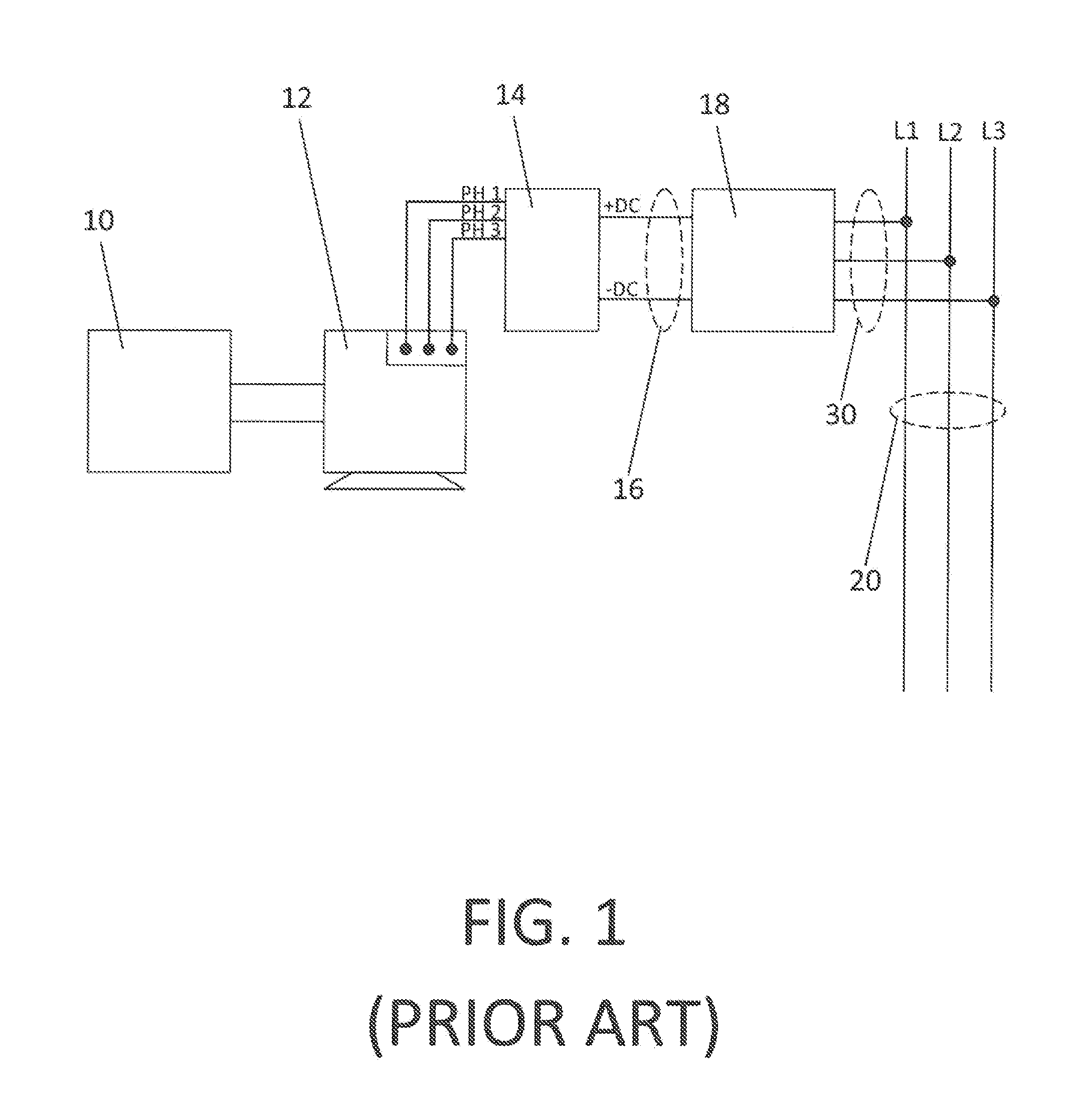
Core Innovations in Power Quality and Grid Synchronization
Collection of electric power from renewable energy sources via high voltage, direct current systems with conversion and supply to an alternating current transmission network
PatentActiveUS8212408B2
Innovation
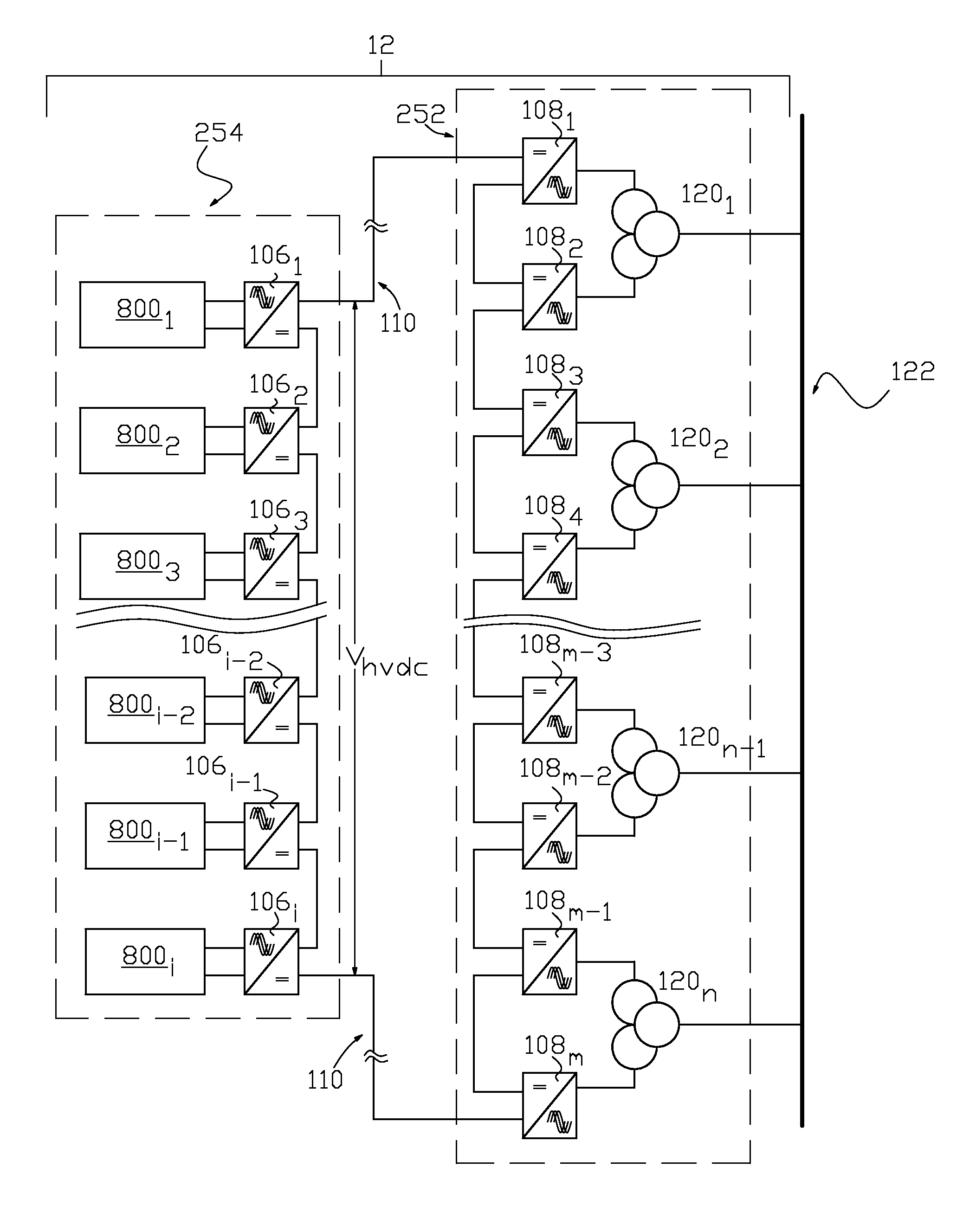
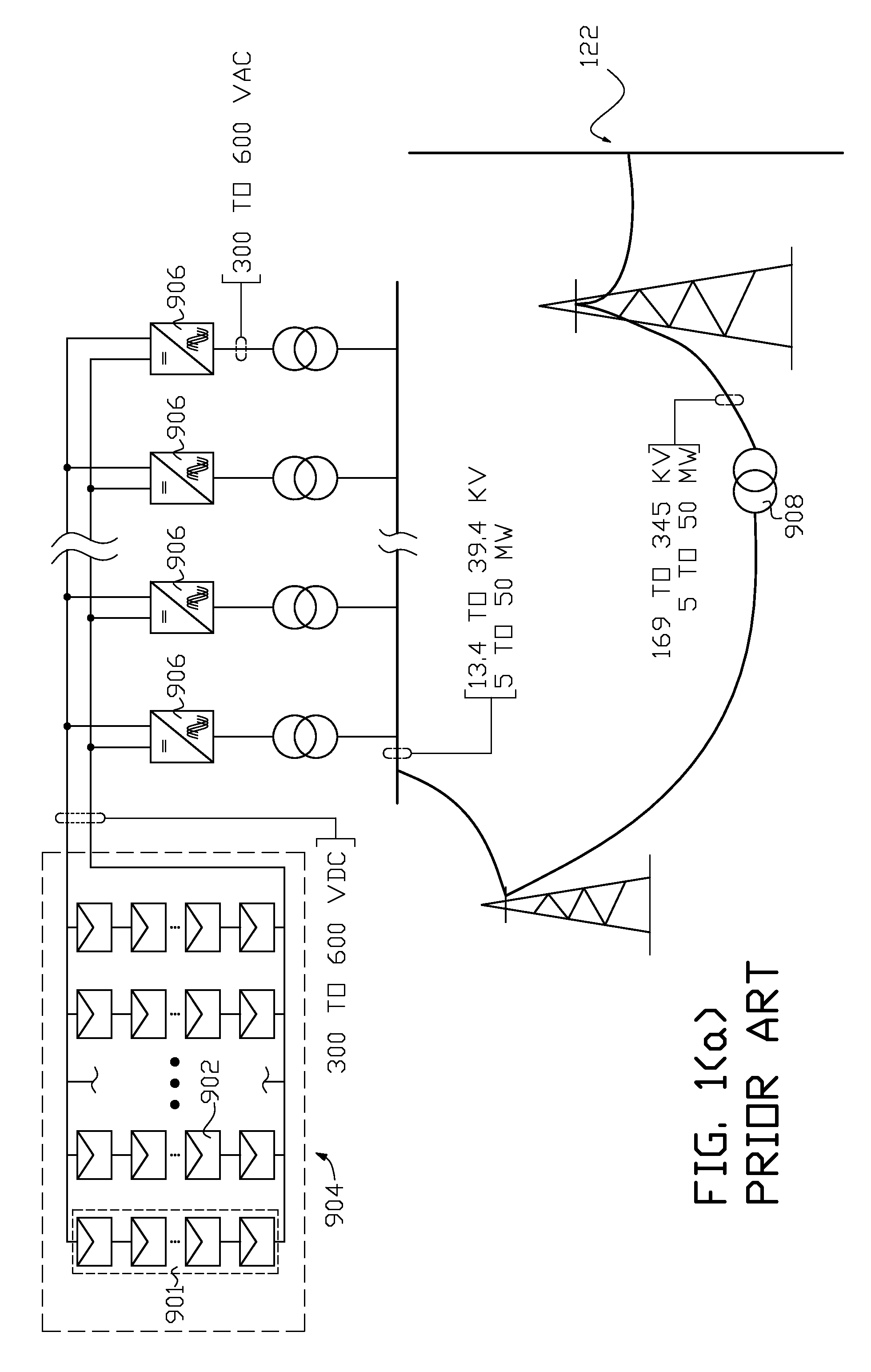
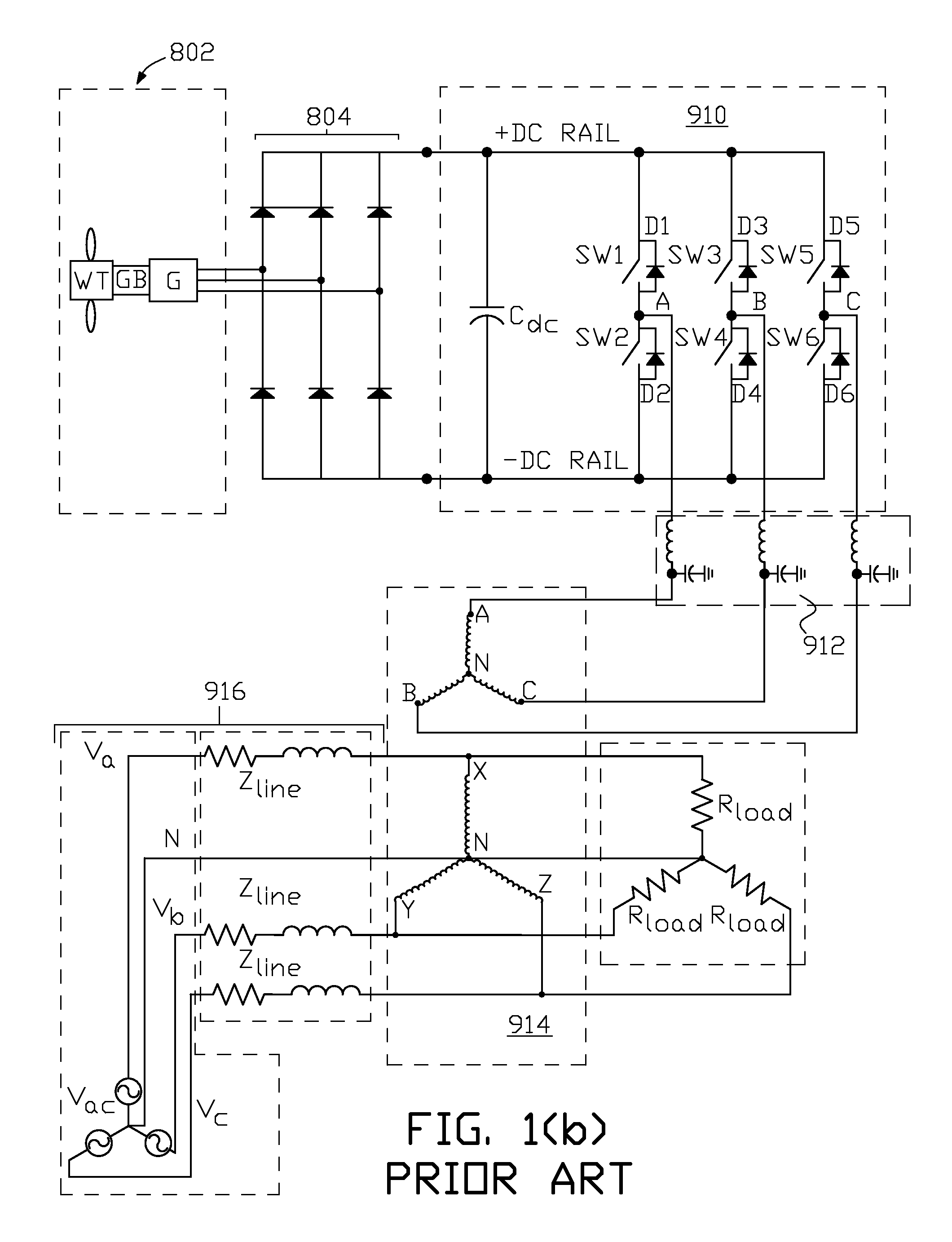
- The use of high voltage DC sources from wind turbines and solar photovoltaic modules, connected through node-isolated step-down current regulators and step-up voltage regulators, to form series string high voltage DC circuits, which are then converted to AC power using regulated current source inverters for efficient transmission into AC grids, allowing for decentralized collection and transmission.

Power Management, Phase Balancing, and Energy Storage Method
PatentInactiveUS20150295508A1
Innovation
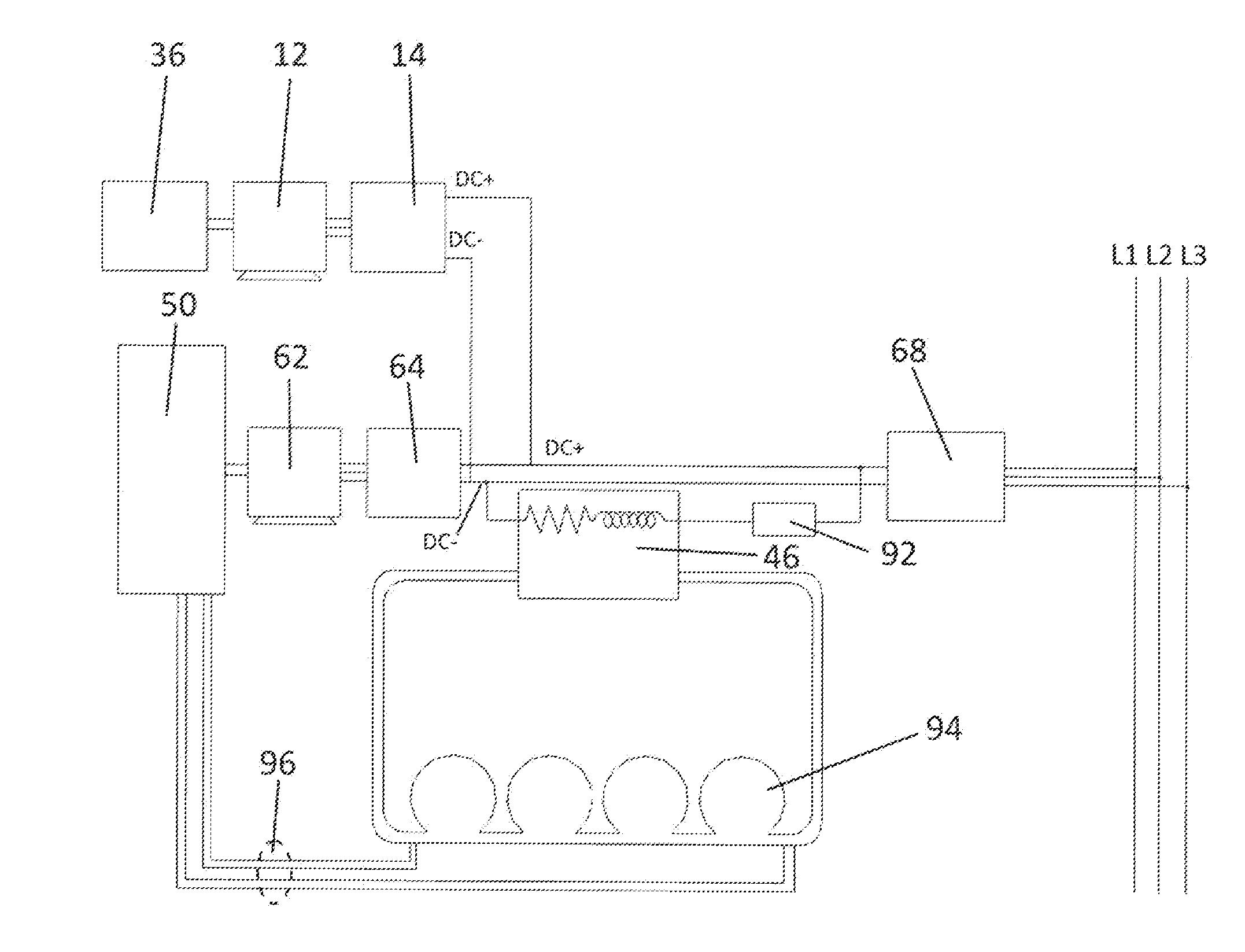
- A method that utilizes an organic Rankine cycle heat engine to extract stored thermal energy and boost weaker phases in a three-phase power system, incorporating IGBT inverter modules for rapid phase-matching and energy storage, allowing for efficient management of power imbalances and fluctuations.

Grid Code Compliance and Renewable Energy Standards
Grid code compliance represents a fundamental framework governing the integration of renewable energy sources into three-phase electric power systems. These regulatory standards establish technical requirements that renewable energy installations must meet to ensure safe, reliable, and efficient operation within existing electrical infrastructure. The evolution of grid codes has become increasingly sophisticated as renewable penetration levels continue to rise globally.
Modern grid codes encompass multiple technical domains including voltage regulation, frequency response, fault ride-through capabilities, and power quality standards. For three-phase renewable installations, compliance requirements typically mandate specific performance characteristics during both normal and abnormal grid conditions. These standards ensure that renewable sources can maintain synchronization with the grid's three-phase configuration while providing necessary ancillary services.
International standards organizations such as IEC, IEEE, and regional grid operators have developed comprehensive frameworks addressing renewable integration challenges. The IEC 61400 series for wind power and IEC 62109 for photovoltaic systems establish baseline requirements for grid connection. These standards specifically address three-phase system compatibility through detailed specifications for voltage unbalance tolerance, harmonic distortion limits, and reactive power capabilities.
Regional variations in grid codes reflect different electrical infrastructure characteristics and renewable energy policies. European grid codes, exemplified by the Network Code on Requirements for Grid Connection, emphasize fault ride-through capabilities and frequency support services. North American standards, including IEEE 1547, focus on distributed energy resource integration and islanding protection. Asian markets have developed region-specific requirements addressing high renewable penetration scenarios.
Compliance verification processes require extensive testing and certification procedures. Type testing, commissioning tests, and ongoing monitoring ensure renewable installations maintain grid code adherence throughout their operational lifetime. Advanced power electronics and control systems enable renewable sources to meet increasingly stringent grid code requirements while optimizing three-phase power delivery.
The continuous evolution of grid codes reflects the dynamic nature of renewable energy integration, with emerging standards addressing energy storage integration, virtual power plants, and grid-forming capabilities essential for future three-phase power system stability.
Modern grid codes encompass multiple technical domains including voltage regulation, frequency response, fault ride-through capabilities, and power quality standards. For three-phase renewable installations, compliance requirements typically mandate specific performance characteristics during both normal and abnormal grid conditions. These standards ensure that renewable sources can maintain synchronization with the grid's three-phase configuration while providing necessary ancillary services.
International standards organizations such as IEC, IEEE, and regional grid operators have developed comprehensive frameworks addressing renewable integration challenges. The IEC 61400 series for wind power and IEC 62109 for photovoltaic systems establish baseline requirements for grid connection. These standards specifically address three-phase system compatibility through detailed specifications for voltage unbalance tolerance, harmonic distortion limits, and reactive power capabilities.
Regional variations in grid codes reflect different electrical infrastructure characteristics and renewable energy policies. European grid codes, exemplified by the Network Code on Requirements for Grid Connection, emphasize fault ride-through capabilities and frequency support services. North American standards, including IEEE 1547, focus on distributed energy resource integration and islanding protection. Asian markets have developed region-specific requirements addressing high renewable penetration scenarios.
Compliance verification processes require extensive testing and certification procedures. Type testing, commissioning tests, and ongoing monitoring ensure renewable installations maintain grid code adherence throughout their operational lifetime. Advanced power electronics and control systems enable renewable sources to meet increasingly stringent grid code requirements while optimizing three-phase power delivery.
The continuous evolution of grid codes reflects the dynamic nature of renewable energy integration, with emerging standards addressing energy storage integration, virtual power plants, and grid-forming capabilities essential for future three-phase power system stability.
Environmental Impact of Grid-Scale Renewable Deployment
The deployment of grid-scale renewable energy systems presents a complex environmental paradox that requires careful examination across multiple dimensions. While renewable sources offer substantial environmental benefits compared to fossil fuel alternatives, their large-scale integration with three-phase electric power systems introduces unique environmental considerations that must be thoroughly evaluated.
Land use represents one of the most significant environmental impacts of grid-scale renewable deployment. Solar photovoltaic installations require approximately 3.5-10 acres per megawatt of capacity, while wind farms need 30-141 acres per megawatt when accounting for turbine spacing requirements. This extensive land footprint can lead to habitat fragmentation, displacement of wildlife, and alteration of local ecosystems. However, innovative approaches such as agrivoltaics and offshore wind development are emerging to minimize terrestrial impact.
The manufacturing and installation phases of renewable infrastructure generate substantial environmental footprints. Solar panel production involves energy-intensive processes and potentially hazardous materials including silicon purification, silver mining, and rare earth element extraction. Wind turbine manufacturing requires significant steel and concrete resources, with each turbine foundation consuming approximately 400-500 cubic meters of concrete. The carbon payback period for these technologies typically ranges from 6 months to 4 years, depending on technology type and deployment location.
Grid integration infrastructure introduces additional environmental considerations. Three-phase transmission line expansion for renewable energy transport requires new corridors that can fragment ecosystems and impact migratory patterns. High-voltage direct current transmission systems, while more efficient for long-distance renewable energy transport, necessitate converter stations with their own environmental footprints.
Energy storage systems essential for renewable grid integration present emerging environmental challenges. Lithium-ion battery production involves mining operations with significant water usage and potential soil contamination. Grid-scale battery installations require careful thermal management and end-of-life recycling protocols to prevent environmental degradation.
Despite these challenges, lifecycle assessments consistently demonstrate that grid-scale renewable deployment achieves net positive environmental outcomes. The avoided emissions from displaced fossil fuel generation typically offset manufacturing and installation impacts within the first few years of operation, leading to substantial long-term environmental benefits over 20-30 year operational lifespans.
Land use represents one of the most significant environmental impacts of grid-scale renewable deployment. Solar photovoltaic installations require approximately 3.5-10 acres per megawatt of capacity, while wind farms need 30-141 acres per megawatt when accounting for turbine spacing requirements. This extensive land footprint can lead to habitat fragmentation, displacement of wildlife, and alteration of local ecosystems. However, innovative approaches such as agrivoltaics and offshore wind development are emerging to minimize terrestrial impact.
The manufacturing and installation phases of renewable infrastructure generate substantial environmental footprints. Solar panel production involves energy-intensive processes and potentially hazardous materials including silicon purification, silver mining, and rare earth element extraction. Wind turbine manufacturing requires significant steel and concrete resources, with each turbine foundation consuming approximately 400-500 cubic meters of concrete. The carbon payback period for these technologies typically ranges from 6 months to 4 years, depending on technology type and deployment location.
Grid integration infrastructure introduces additional environmental considerations. Three-phase transmission line expansion for renewable energy transport requires new corridors that can fragment ecosystems and impact migratory patterns. High-voltage direct current transmission systems, while more efficient for long-distance renewable energy transport, necessitate converter stations with their own environmental footprints.
Energy storage systems essential for renewable grid integration present emerging environmental challenges. Lithium-ion battery production involves mining operations with significant water usage and potential soil contamination. Grid-scale battery installations require careful thermal management and end-of-life recycling protocols to prevent environmental degradation.
Despite these challenges, lifecycle assessments consistently demonstrate that grid-scale renewable deployment achieves net positive environmental outcomes. The avoided emissions from displaced fossil fuel generation typically offset manufacturing and installation impacts within the first few years of operation, leading to substantial long-term environmental benefits over 20-30 year operational lifespans.
Unlock deeper insights with PatSnap Eureka Quick Research — get a full tech report to explore trends and direct your research. Try now!
Generate Your Research Report Instantly with AI Agent
Supercharge your innovation with PatSnap Eureka AI Agent Platform!