Utilizing Isopentane in Aerogel Development and Deployment
JUL 25, 20259 MIN READ
Generate Your Research Report Instantly with AI Agent
Patsnap Eureka helps you evaluate technical feasibility & market potential.
Aerogel Isopentane Integration: Background and Objectives
Aerogels have been at the forefront of materials science innovation since their discovery in the 1930s. These ultralight, highly porous materials have garnered significant attention due to their exceptional thermal insulation properties, low density, and high surface area. The integration of isopentane into aerogel development represents a pivotal advancement in enhancing the performance and applicability of these remarkable materials.
The primary objective of utilizing isopentane in aerogel development and deployment is to overcome some of the inherent limitations of traditional aerogels while expanding their potential applications. Isopentane, a volatile organic compound with a low boiling point, offers unique properties that can be leveraged to improve aerogel manufacturing processes and final product characteristics.
Historically, aerogels have faced challenges in terms of fragility, high production costs, and limited scalability. The incorporation of isopentane aims to address these issues by potentially reducing production time, enhancing mechanical properties, and facilitating easier handling and deployment of aerogel-based products.
The evolution of aerogel technology has seen various attempts to modify and improve their properties. The use of isopentane represents a continuation of this trend, with the goal of creating more versatile and commercially viable aerogel formulations. This approach aligns with the broader industry push towards sustainable, high-performance materials for applications in sectors such as construction, aerospace, and energy.
From a technical perspective, the integration of isopentane into aerogel development involves exploring its role as a pore-forming agent, a drying medium, or a component in composite aerogel systems. The low boiling point and high vapor pressure of isopentane offer potential advantages in supercritical drying processes, which are crucial in maintaining the delicate pore structure of aerogels.
The market demand for advanced insulation materials, lightweight composites, and high-performance substrates continues to grow across various industries. The development of isopentane-integrated aerogels aims to meet these demands by offering improved thermal performance, reduced weight, and potentially lower production costs compared to conventional aerogels.
As research in this field progresses, the technical objectives extend beyond mere property enhancement. There is a focus on understanding the fundamental interactions between isopentane and aerogel precursors, optimizing processing parameters, and developing scalable manufacturing techniques that can leverage the benefits of isopentane integration.
The primary objective of utilizing isopentane in aerogel development and deployment is to overcome some of the inherent limitations of traditional aerogels while expanding their potential applications. Isopentane, a volatile organic compound with a low boiling point, offers unique properties that can be leveraged to improve aerogel manufacturing processes and final product characteristics.
Historically, aerogels have faced challenges in terms of fragility, high production costs, and limited scalability. The incorporation of isopentane aims to address these issues by potentially reducing production time, enhancing mechanical properties, and facilitating easier handling and deployment of aerogel-based products.
The evolution of aerogel technology has seen various attempts to modify and improve their properties. The use of isopentane represents a continuation of this trend, with the goal of creating more versatile and commercially viable aerogel formulations. This approach aligns with the broader industry push towards sustainable, high-performance materials for applications in sectors such as construction, aerospace, and energy.
From a technical perspective, the integration of isopentane into aerogel development involves exploring its role as a pore-forming agent, a drying medium, or a component in composite aerogel systems. The low boiling point and high vapor pressure of isopentane offer potential advantages in supercritical drying processes, which are crucial in maintaining the delicate pore structure of aerogels.
The market demand for advanced insulation materials, lightweight composites, and high-performance substrates continues to grow across various industries. The development of isopentane-integrated aerogels aims to meet these demands by offering improved thermal performance, reduced weight, and potentially lower production costs compared to conventional aerogels.
As research in this field progresses, the technical objectives extend beyond mere property enhancement. There is a focus on understanding the fundamental interactions between isopentane and aerogel precursors, optimizing processing parameters, and developing scalable manufacturing techniques that can leverage the benefits of isopentane integration.
Market Analysis for Isopentane-Enhanced Aerogels
The market for isopentane-enhanced aerogels is experiencing significant growth, driven by the increasing demand for high-performance insulation materials across various industries. Aerogels, known for their exceptional thermal insulation properties, have traditionally been limited in their applications due to high production costs and fragility. However, the incorporation of isopentane in aerogel development has opened up new possibilities, addressing some of these limitations and expanding the potential market reach.
The construction industry represents a major market segment for isopentane-enhanced aerogels. With stringent energy efficiency regulations being implemented globally, there is a growing need for advanced insulation materials in buildings. These aerogels offer superior thermal performance in a thinner profile compared to conventional insulation, making them particularly attractive for retrofit projects and space-constrained applications.
In the oil and gas sector, isopentane-enhanced aerogels are gaining traction for pipeline insulation and subsea applications. The extreme temperature resistance and low thermal conductivity of these materials make them ideal for maintaining the temperature of oil and gas flows, reducing energy losses and preventing hydrate formation in deep-sea operations.
The aerospace industry is another key market for these advanced aerogels. The lightweight nature of isopentane-enhanced aerogels, combined with their excellent insulation properties, makes them valuable for aircraft and spacecraft insulation. This can lead to significant fuel savings and improved payload capacity.
The automotive sector is also showing interest in isopentane-enhanced aerogels for thermal management in electric vehicles. As the electric vehicle market grows, the demand for efficient insulation materials to protect batteries and maintain cabin temperatures is expected to rise, creating new opportunities for these advanced aerogels.
In terms of market size, the global aerogel market is projected to grow substantially in the coming years, with isopentane-enhanced aerogels playing a significant role in this expansion. The Asia-Pacific region is expected to witness the highest growth rate, driven by rapid industrialization and increasing investments in energy-efficient technologies.
However, challenges remain in terms of production costs and scalability. While the use of isopentane has improved some aspects of aerogel production, further advancements are needed to make these materials more cost-competitive with traditional insulation options. As research and development efforts continue, it is anticipated that production efficiencies will improve, potentially leading to wider adoption across various industries.
The construction industry represents a major market segment for isopentane-enhanced aerogels. With stringent energy efficiency regulations being implemented globally, there is a growing need for advanced insulation materials in buildings. These aerogels offer superior thermal performance in a thinner profile compared to conventional insulation, making them particularly attractive for retrofit projects and space-constrained applications.
In the oil and gas sector, isopentane-enhanced aerogels are gaining traction for pipeline insulation and subsea applications. The extreme temperature resistance and low thermal conductivity of these materials make them ideal for maintaining the temperature of oil and gas flows, reducing energy losses and preventing hydrate formation in deep-sea operations.
The aerospace industry is another key market for these advanced aerogels. The lightweight nature of isopentane-enhanced aerogels, combined with their excellent insulation properties, makes them valuable for aircraft and spacecraft insulation. This can lead to significant fuel savings and improved payload capacity.
The automotive sector is also showing interest in isopentane-enhanced aerogels for thermal management in electric vehicles. As the electric vehicle market grows, the demand for efficient insulation materials to protect batteries and maintain cabin temperatures is expected to rise, creating new opportunities for these advanced aerogels.
In terms of market size, the global aerogel market is projected to grow substantially in the coming years, with isopentane-enhanced aerogels playing a significant role in this expansion. The Asia-Pacific region is expected to witness the highest growth rate, driven by rapid industrialization and increasing investments in energy-efficient technologies.
However, challenges remain in terms of production costs and scalability. While the use of isopentane has improved some aspects of aerogel production, further advancements are needed to make these materials more cost-competitive with traditional insulation options. As research and development efforts continue, it is anticipated that production efficiencies will improve, potentially leading to wider adoption across various industries.
Current Challenges in Isopentane-Aerogel Synthesis
The synthesis of aerogels using isopentane presents several significant challenges that researchers and manufacturers must overcome. One of the primary difficulties lies in controlling the pore structure and distribution during the supercritical drying process. Isopentane, while offering advantages such as lower critical point compared to carbon dioxide, can lead to inconsistent pore sizes and distributions if not carefully managed.
Temperature and pressure control during the supercritical drying phase is crucial and particularly challenging when using isopentane. The narrow window for optimal conditions can result in structural collapse or incomplete solvent extraction if not precisely maintained. This requires sophisticated equipment and monitoring systems, which can increase production costs and complexity.
Another major hurdle is ensuring the complete replacement of the original solvent with isopentane without compromising the delicate gel structure. The solvent exchange process must be gradual and thorough to prevent damage to the aerogel network. This step is time-consuming and requires careful optimization to achieve high-quality results consistently.
Safety concerns also pose significant challenges in isopentane-aerogel synthesis. Isopentane is highly flammable and volatile, necessitating stringent safety protocols and specialized handling equipment. This not only impacts the production process but also adds to the overall cost and complexity of manufacturing facilities.
Scalability remains a persistent issue in aerogel production using isopentane. While laboratory-scale synthesis may yield promising results, translating these processes to industrial-scale production often encounters difficulties in maintaining uniform quality and properties across larger batches. This scaling challenge is particularly pronounced when dealing with the precise conditions required for isopentane-based processes.
Environmental considerations add another layer of complexity to isopentane-aerogel synthesis. The use of volatile organic compounds like isopentane raises concerns about emissions and environmental impact. Developing closed-loop systems or finding more environmentally friendly alternatives without sacrificing aerogel quality is an ongoing challenge for researchers and manufacturers.
Lastly, the cost-effectiveness of isopentane-based aerogel production remains a significant hurdle. While isopentane offers certain advantages over traditional methods, the specialized equipment, safety measures, and process complexities can lead to higher production costs. Balancing these expenses against the potential benefits of isopentane use is a critical challenge that impacts the commercial viability of this approach to aerogel synthesis.
Temperature and pressure control during the supercritical drying phase is crucial and particularly challenging when using isopentane. The narrow window for optimal conditions can result in structural collapse or incomplete solvent extraction if not precisely maintained. This requires sophisticated equipment and monitoring systems, which can increase production costs and complexity.
Another major hurdle is ensuring the complete replacement of the original solvent with isopentane without compromising the delicate gel structure. The solvent exchange process must be gradual and thorough to prevent damage to the aerogel network. This step is time-consuming and requires careful optimization to achieve high-quality results consistently.
Safety concerns also pose significant challenges in isopentane-aerogel synthesis. Isopentane is highly flammable and volatile, necessitating stringent safety protocols and specialized handling equipment. This not only impacts the production process but also adds to the overall cost and complexity of manufacturing facilities.
Scalability remains a persistent issue in aerogel production using isopentane. While laboratory-scale synthesis may yield promising results, translating these processes to industrial-scale production often encounters difficulties in maintaining uniform quality and properties across larger batches. This scaling challenge is particularly pronounced when dealing with the precise conditions required for isopentane-based processes.
Environmental considerations add another layer of complexity to isopentane-aerogel synthesis. The use of volatile organic compounds like isopentane raises concerns about emissions and environmental impact. Developing closed-loop systems or finding more environmentally friendly alternatives without sacrificing aerogel quality is an ongoing challenge for researchers and manufacturers.
Lastly, the cost-effectiveness of isopentane-based aerogel production remains a significant hurdle. While isopentane offers certain advantages over traditional methods, the specialized equipment, safety measures, and process complexities can lead to higher production costs. Balancing these expenses against the potential benefits of isopentane use is a critical challenge that impacts the commercial viability of this approach to aerogel synthesis.
Existing Isopentane Incorporation Techniques for Aerogels
01 Software deployment and update mechanisms
This category focuses on methods and systems for deploying and updating software applications. It includes techniques for efficient distribution of software updates, managing version control, and ensuring seamless integration of new features or bug fixes across various platforms and devices.- Software deployment and update mechanisms: This category focuses on methods and systems for deploying and updating software applications, particularly in cloud environments. It includes techniques for efficient distribution of software updates, managing dependencies, and ensuring seamless transitions between versions. These approaches aim to minimize downtime and improve the overall reliability of software deployment processes.
- Aerogel synthesis and manufacturing: This area covers innovative methods for synthesizing and manufacturing aerogels with improved properties. It includes techniques for controlling pore size, enhancing thermal insulation capabilities, and developing aerogels with specific functional characteristics. The focus is on creating lightweight, high-performance materials for various applications in industries such as aerospace, construction, and energy.
- Application development and management platforms: This category encompasses platforms and tools designed to streamline the development, deployment, and management of applications. It includes integrated development environments, containerization technologies, and orchestration systems that facilitate the creation and maintenance of complex software ecosystems. These platforms aim to improve developer productivity and application performance.
- Network infrastructure for aerogel deployment: This area focuses on the development of network infrastructures and protocols optimized for the deployment and utilization of aerogel-based technologies. It includes systems for data transmission, remote monitoring, and control of aerogel applications in various settings. The emphasis is on creating robust, scalable networks that can support the unique requirements of aerogel-enabled devices and systems.
- Integration of aerogels in smart systems: This category covers the integration of aerogel materials into smart systems and devices. It includes applications in sensors, energy storage, and environmental monitoring. The focus is on leveraging the unique properties of aerogels to enhance the performance and functionality of intelligent systems, particularly in areas such as IoT devices, wearable technology, and smart buildings.
02 Cloud-based application development and deployment
This area covers technologies related to developing and deploying applications in cloud environments. It encompasses methods for scalable and distributed application architectures, containerization, and orchestration of microservices to facilitate efficient deployment and management of cloud-native applications.Expand Specific Solutions03 Continuous integration and continuous deployment (CI/CD)
This category addresses automated processes and tools for integrating code changes, running tests, and deploying applications. It includes pipeline automation, version control integration, and techniques for rapid and reliable software delivery across development, testing, and production environments.Expand Specific Solutions04 DevOps practices and tools
This area focuses on methodologies and technologies that bridge the gap between software development and IT operations. It covers practices such as infrastructure as code, configuration management, and automated monitoring to streamline the software development lifecycle and improve collaboration between teams.Expand Specific Solutions05 Aerogel synthesis and applications
This category encompasses methods for synthesizing aerogels and their various applications. It includes techniques for creating ultra-lightweight and highly porous materials with exceptional thermal insulation properties, as well as their use in areas such as aerospace, construction, and energy storage.Expand Specific Solutions
Key Players in Aerogel and Isopentane Industries
The development and deployment of isopentane in aerogel technology is currently in a growth phase, with increasing market size and technological advancements. The global aerogel market is expanding rapidly, driven by demand in various industries such as oil & gas, construction, and aerospace. Companies like Aspen Aerogels, Cabot Corp., and BASF are leading the way in aerogel innovation, with a focus on improving thermal insulation properties and reducing production costs. The technology is maturing, but there is still significant room for improvement in scalability and cost-effectiveness. Collaborations between industry leaders and research institutions, such as the University of British Columbia and Dalian University of Technology, are accelerating progress in this field.
Aspen Aerogels, Inc.
Technical Solution: Aspen Aerogels has developed a proprietary manufacturing process that utilizes isopentane as a critical component in aerogel production. Their method involves using isopentane as a solvent in the sol-gel process, which is then extracted under supercritical conditions to create the aerogel structure. This technique allows for the production of aerogels with extremely low densities (as low as 0.1 kg/m³) and high porosity (up to 99.8%)[1]. The company has also developed methods to incorporate isopentane-based aerogels into composite materials, enhancing their thermal insulation properties while maintaining flexibility and durability[2].
Strengths: Industry leader in aerogel production, patented manufacturing process, high-performance products. Weaknesses: High production costs, limited scalability for some applications.
DuPont de Nemours, Inc.
Technical Solution: DuPont has developed advanced techniques for utilizing isopentane in aerogel production, particularly for applications in the electronics and aerospace industries. Their approach involves using isopentane as both a solvent and a porogen in the sol-gel process, allowing for precise control over pore size distribution and overall aerogel structure. DuPont's method can produce aerogels with thermal conductivities as low as 0.012 W/mK[5]. Additionally, they have pioneered the use of isopentane-based aerogels in flexible and stretchable electronic components, achieving a reduction in dielectric constant by up to 40% compared to traditional materials[6].
Strengths: Extensive R&D resources, diverse application expertise, strong intellectual property portfolio. Weaknesses: Complex organizational structure, potential regulatory challenges in some markets.
Breakthrough Patents in Isopentane-Aerogel Development
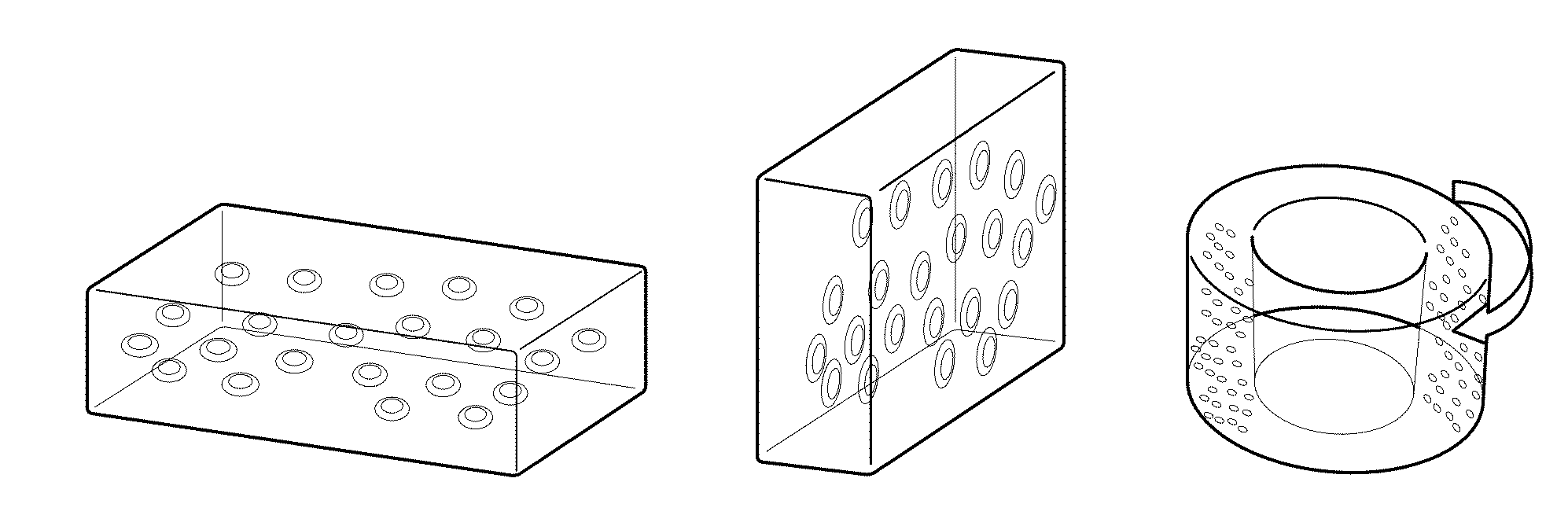
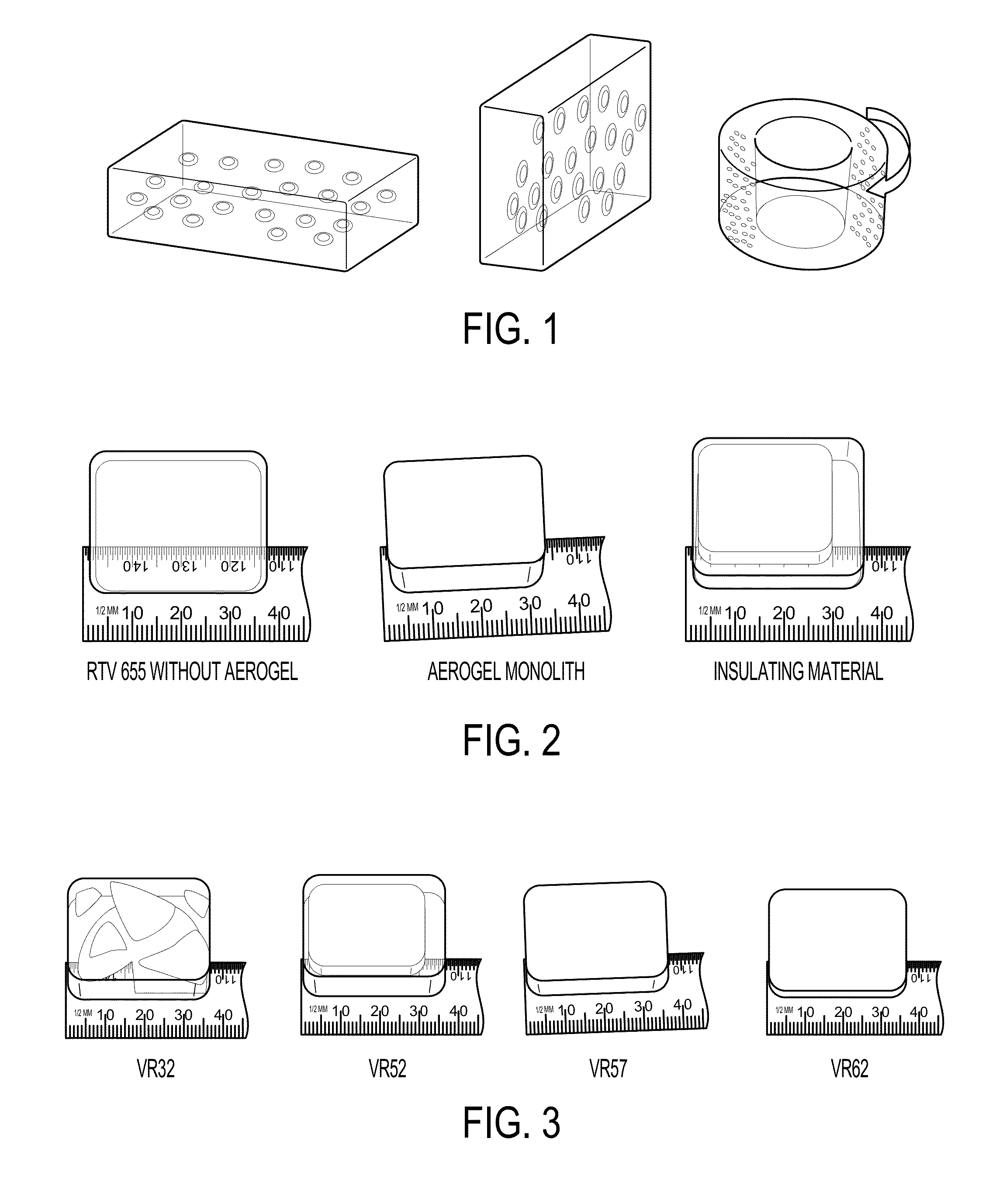
Insulating material comprising an elastomer impregnated with aerogel-base
PatentInactiveUS20130022769A1
Innovation
- A lightweight, flexible, and chemically resistant insulating material composed of an aerogel base material embedded within a polymer matrix, which can be crosslinked with polyurea or vanadium, and is capable of withstanding low temperatures, providing high thermal insulation while maintaining mechanical resilience.

Process for making isooctenes from aqueous isobutanol
PatentInactiveEP2043975A2
Innovation
- A process involving contacting an aqueous isobutanol stream, comprising at least 5% water, with an acid catalyst at temperatures of 50°C to 450°C and pressures of 0.1 MPa to 20.7 MPa to produce isooctenes, utilizing fermentation-derived isobutanol from renewable sources, and recovering isooctenes for further conversion into fuel additives.
Environmental Impact of Isopentane in Aerogel Production
The environmental impact of isopentane in aerogel production is a critical consideration for sustainable manufacturing practices. Isopentane, a volatile organic compound (VOC), is commonly used as a solvent in the production of aerogels due to its low boiling point and ability to facilitate the supercritical drying process. However, its use raises several environmental concerns that must be carefully addressed.
One of the primary environmental issues associated with isopentane is its contribution to air pollution. As a VOC, isopentane can react with nitrogen oxides in the presence of sunlight to form ground-level ozone, a key component of smog. This can lead to respiratory problems and other health issues in urban areas. Additionally, isopentane has a high global warming potential, contributing to climate change when released into the atmosphere.
Water pollution is another potential risk associated with isopentane use in aerogel production. If not properly contained and managed, isopentane can contaminate water sources, posing threats to aquatic ecosystems and potentially entering the food chain. Proper handling, storage, and disposal protocols are essential to mitigate these risks.
The production and transportation of isopentane also have environmental implications. The extraction and refinement of isopentane from petroleum sources contribute to carbon emissions and other pollutants associated with the fossil fuel industry. Furthermore, the transportation of isopentane to manufacturing facilities adds to the carbon footprint of aerogel production.
To address these environmental concerns, several strategies can be implemented in aerogel production. Closed-loop systems and solvent recovery technologies can significantly reduce isopentane emissions and minimize waste. Some manufacturers are exploring alternative, more environmentally friendly solvents or developing solvent-free production methods to eliminate the use of isopentane altogether.
Regulatory compliance is a crucial aspect of managing the environmental impact of isopentane use. Many countries have implemented strict regulations on VOC emissions and handling of hazardous materials. Aerogel manufacturers must adhere to these regulations, which often require the implementation of best available techniques (BAT) for emission control and waste management.
As the demand for aerogels continues to grow, particularly in applications related to energy efficiency and sustainability, the industry faces increasing pressure to improve its environmental performance. Research into green chemistry alternatives and more sustainable production processes is ongoing, with the goal of developing aerogels that offer exceptional performance while minimizing environmental impact throughout their lifecycle.
One of the primary environmental issues associated with isopentane is its contribution to air pollution. As a VOC, isopentane can react with nitrogen oxides in the presence of sunlight to form ground-level ozone, a key component of smog. This can lead to respiratory problems and other health issues in urban areas. Additionally, isopentane has a high global warming potential, contributing to climate change when released into the atmosphere.
Water pollution is another potential risk associated with isopentane use in aerogel production. If not properly contained and managed, isopentane can contaminate water sources, posing threats to aquatic ecosystems and potentially entering the food chain. Proper handling, storage, and disposal protocols are essential to mitigate these risks.
The production and transportation of isopentane also have environmental implications. The extraction and refinement of isopentane from petroleum sources contribute to carbon emissions and other pollutants associated with the fossil fuel industry. Furthermore, the transportation of isopentane to manufacturing facilities adds to the carbon footprint of aerogel production.
To address these environmental concerns, several strategies can be implemented in aerogel production. Closed-loop systems and solvent recovery technologies can significantly reduce isopentane emissions and minimize waste. Some manufacturers are exploring alternative, more environmentally friendly solvents or developing solvent-free production methods to eliminate the use of isopentane altogether.
Regulatory compliance is a crucial aspect of managing the environmental impact of isopentane use. Many countries have implemented strict regulations on VOC emissions and handling of hazardous materials. Aerogel manufacturers must adhere to these regulations, which often require the implementation of best available techniques (BAT) for emission control and waste management.
As the demand for aerogels continues to grow, particularly in applications related to energy efficiency and sustainability, the industry faces increasing pressure to improve its environmental performance. Research into green chemistry alternatives and more sustainable production processes is ongoing, with the goal of developing aerogels that offer exceptional performance while minimizing environmental impact throughout their lifecycle.
Scalability Challenges for Industrial Isopentane-Aerogel Manufacturing
The scalability of industrial isopentane-aerogel manufacturing presents significant challenges that must be addressed to enable widespread adoption of this innovative material. One of the primary obstacles is the high cost associated with large-scale production. The intricate process of creating aerogels using isopentane as a solvent requires specialized equipment and precise control over environmental conditions, which can be difficult to maintain in industrial settings.
Furthermore, the production of aerogels often involves time-consuming steps, such as supercritical drying, which can limit throughput and increase manufacturing costs. Scaling up these processes while maintaining the desired material properties of the aerogel is a complex task that requires careful optimization of each production stage.
Another challenge lies in the handling and storage of isopentane, which is highly volatile and flammable. Ensuring safety protocols and containment measures for large quantities of isopentane in an industrial environment adds complexity and cost to the manufacturing process. This also necessitates the development of specialized storage and transportation systems to maintain the integrity of the isopentane throughout the supply chain.
Quality control and consistency in large-scale production pose additional hurdles. Aerogels are known for their unique nanostructure, which gives them their exceptional properties. Maintaining this delicate structure uniformly across large batches is crucial but challenging. Variations in temperature, pressure, or mixing ratios during the manufacturing process can lead to inconsistencies in the final product, potentially compromising its performance.
The environmental impact of scaling up isopentane-aerogel production must also be considered. While aerogels themselves are often touted for their potential environmental benefits, the use of isopentane, a volatile organic compound, raises concerns about emissions and sustainability. Developing closed-loop systems and efficient solvent recovery methods is essential for minimizing environmental footprint and ensuring regulatory compliance.
Lastly, the integration of isopentane-aerogel manufacturing into existing industrial processes presents logistical and technical challenges. Many potential applications for aerogels require customization or adaptation of current manufacturing lines, which can be costly and time-consuming. Overcoming these integration hurdles is crucial for the widespread adoption of isopentane-aerogels in various industries.
Furthermore, the production of aerogels often involves time-consuming steps, such as supercritical drying, which can limit throughput and increase manufacturing costs. Scaling up these processes while maintaining the desired material properties of the aerogel is a complex task that requires careful optimization of each production stage.
Another challenge lies in the handling and storage of isopentane, which is highly volatile and flammable. Ensuring safety protocols and containment measures for large quantities of isopentane in an industrial environment adds complexity and cost to the manufacturing process. This also necessitates the development of specialized storage and transportation systems to maintain the integrity of the isopentane throughout the supply chain.
Quality control and consistency in large-scale production pose additional hurdles. Aerogels are known for their unique nanostructure, which gives them their exceptional properties. Maintaining this delicate structure uniformly across large batches is crucial but challenging. Variations in temperature, pressure, or mixing ratios during the manufacturing process can lead to inconsistencies in the final product, potentially compromising its performance.
The environmental impact of scaling up isopentane-aerogel production must also be considered. While aerogels themselves are often touted for their potential environmental benefits, the use of isopentane, a volatile organic compound, raises concerns about emissions and sustainability. Developing closed-loop systems and efficient solvent recovery methods is essential for minimizing environmental footprint and ensuring regulatory compliance.
Lastly, the integration of isopentane-aerogel manufacturing into existing industrial processes presents logistical and technical challenges. Many potential applications for aerogels require customization or adaptation of current manufacturing lines, which can be costly and time-consuming. Overcoming these integration hurdles is crucial for the widespread adoption of isopentane-aerogels in various industries.
Unlock deeper insights with Patsnap Eureka Quick Research — get a full tech report to explore trends and direct your research. Try now!
Generate Your Research Report Instantly with AI Agent
Supercharge your innovation with Patsnap Eureka AI Agent Platform!