V2G Systems: Transforming Energy Grid Efficiency
AUG 8, 20259 MIN READ
Generate Your Research Report Instantly with AI Agent
Patsnap Eureka helps you evaluate technical feasibility & market potential.
V2G Technology Evolution and Objectives
Vehicle-to-Grid (V2G) technology has emerged as a transformative solution in the energy sector, promising to revolutionize the way we manage and distribute electricity. The evolution of V2G systems can be traced back to the early 2000s when the concept was first introduced. Initially, the focus was on developing bidirectional charging capabilities for electric vehicles (EVs), allowing them to not only draw power from the grid but also feed it back when needed.
As the technology progressed, researchers and engineers aimed to create more sophisticated systems that could seamlessly integrate EVs with the power grid. This integration would enable grid operators to utilize EV batteries as distributed energy storage units, effectively creating a vast network of mobile power banks. The primary objective of V2G technology is to enhance grid stability, improve energy efficiency, and reduce overall electricity costs.
Over the years, V2G systems have evolved to incorporate advanced communication protocols, smart charging algorithms, and predictive analytics. These developments have significantly improved the coordination between EVs and the grid, allowing for more efficient load balancing and peak shaving. The technology has also expanded to include vehicle-to-home (V2H) and vehicle-to-building (V2B) applications, further broadening its potential impact on energy management.
Recent advancements in V2G technology have focused on addressing key challenges such as battery degradation, standardization of protocols, and scalability. Researchers are exploring novel battery chemistries and management systems to minimize the wear and tear on EV batteries during V2G operations. Additionally, efforts are being made to establish universal standards for V2G communication and hardware interfaces, ensuring interoperability across different EV models and charging infrastructure.
Looking ahead, the objectives for V2G technology are ambitious and far-reaching. One primary goal is to achieve widespread adoption of V2G-enabled EVs and charging stations, creating a robust and flexible energy ecosystem. This would involve not only technological advancements but also regulatory changes and consumer education to promote acceptance and participation.
Another key objective is to leverage V2G systems to support the integration of renewable energy sources into the grid. By using EV batteries as a buffer, V2G technology can help mitigate the intermittency issues associated with solar and wind power, thereby facilitating a smoother transition to clean energy. Furthermore, researchers are exploring ways to optimize V2G algorithms to maximize economic benefits for both EV owners and utility companies, creating a win-win scenario that encourages broader adoption.
As the technology progressed, researchers and engineers aimed to create more sophisticated systems that could seamlessly integrate EVs with the power grid. This integration would enable grid operators to utilize EV batteries as distributed energy storage units, effectively creating a vast network of mobile power banks. The primary objective of V2G technology is to enhance grid stability, improve energy efficiency, and reduce overall electricity costs.
Over the years, V2G systems have evolved to incorporate advanced communication protocols, smart charging algorithms, and predictive analytics. These developments have significantly improved the coordination between EVs and the grid, allowing for more efficient load balancing and peak shaving. The technology has also expanded to include vehicle-to-home (V2H) and vehicle-to-building (V2B) applications, further broadening its potential impact on energy management.
Recent advancements in V2G technology have focused on addressing key challenges such as battery degradation, standardization of protocols, and scalability. Researchers are exploring novel battery chemistries and management systems to minimize the wear and tear on EV batteries during V2G operations. Additionally, efforts are being made to establish universal standards for V2G communication and hardware interfaces, ensuring interoperability across different EV models and charging infrastructure.
Looking ahead, the objectives for V2G technology are ambitious and far-reaching. One primary goal is to achieve widespread adoption of V2G-enabled EVs and charging stations, creating a robust and flexible energy ecosystem. This would involve not only technological advancements but also regulatory changes and consumer education to promote acceptance and participation.
Another key objective is to leverage V2G systems to support the integration of renewable energy sources into the grid. By using EV batteries as a buffer, V2G technology can help mitigate the intermittency issues associated with solar and wind power, thereby facilitating a smoother transition to clean energy. Furthermore, researchers are exploring ways to optimize V2G algorithms to maximize economic benefits for both EV owners and utility companies, creating a win-win scenario that encourages broader adoption.
Market Demand for V2G Solutions
The market demand for Vehicle-to-Grid (V2G) solutions is experiencing significant growth, driven by the increasing adoption of electric vehicles (EVs) and the need for more efficient and flexible energy management systems. As the global EV market expands, with sales reaching 10.5 million units in 2022, the potential for V2G technology to revolutionize energy grid efficiency becomes increasingly apparent.
Utility companies are showing keen interest in V2G solutions as they seek to balance grid loads and integrate renewable energy sources more effectively. The ability of V2G systems to provide bidirectional power flow allows EVs to serve as distributed energy resources, offering valuable grid services such as frequency regulation, voltage support, and peak shaving. This capability is particularly attractive in regions with high renewable energy penetration, where grid stability challenges are more pronounced.
Commercial and industrial sectors are also recognizing the potential of V2G technology to reduce energy costs and enhance energy resilience. Large-scale EV fleets, such as those operated by logistics companies or public transportation systems, present significant opportunities for V2G implementation. These fleets can provide substantial energy storage capacity and grid support services during non-operational hours, creating new revenue streams for fleet operators.
Residential consumers are increasingly interested in V2G solutions as part of broader home energy management systems. The integration of V2G with smart home technologies and renewable energy installations, such as rooftop solar panels, allows homeowners to optimize their energy consumption, reduce electricity bills, and potentially earn revenue by providing grid services.
Government policies and incentives are playing a crucial role in driving market demand for V2G solutions. Many countries are implementing regulations and financial incentives to encourage the adoption of V2G technology as part of their broader energy transition and decarbonization strategies. For example, the United Kingdom has launched several V2G pilot projects and is exploring regulatory frameworks to support widespread V2G deployment.
The automotive industry is responding to this growing demand by developing V2G-compatible vehicles and charging infrastructure. Major automakers are incorporating V2G capabilities into their EV models, while charging equipment manufacturers are producing bidirectional chargers to enable V2G functionality.
Despite the promising market outlook, challenges remain in widespread V2G adoption. These include the need for standardization of V2G protocols, concerns about battery degradation, and the complexity of integrating V2G systems with existing grid infrastructure. Addressing these challenges will be crucial for realizing the full market potential of V2G technology and meeting the growing demand for more efficient and sustainable energy solutions.
Utility companies are showing keen interest in V2G solutions as they seek to balance grid loads and integrate renewable energy sources more effectively. The ability of V2G systems to provide bidirectional power flow allows EVs to serve as distributed energy resources, offering valuable grid services such as frequency regulation, voltage support, and peak shaving. This capability is particularly attractive in regions with high renewable energy penetration, where grid stability challenges are more pronounced.
Commercial and industrial sectors are also recognizing the potential of V2G technology to reduce energy costs and enhance energy resilience. Large-scale EV fleets, such as those operated by logistics companies or public transportation systems, present significant opportunities for V2G implementation. These fleets can provide substantial energy storage capacity and grid support services during non-operational hours, creating new revenue streams for fleet operators.
Residential consumers are increasingly interested in V2G solutions as part of broader home energy management systems. The integration of V2G with smart home technologies and renewable energy installations, such as rooftop solar panels, allows homeowners to optimize their energy consumption, reduce electricity bills, and potentially earn revenue by providing grid services.
Government policies and incentives are playing a crucial role in driving market demand for V2G solutions. Many countries are implementing regulations and financial incentives to encourage the adoption of V2G technology as part of their broader energy transition and decarbonization strategies. For example, the United Kingdom has launched several V2G pilot projects and is exploring regulatory frameworks to support widespread V2G deployment.
The automotive industry is responding to this growing demand by developing V2G-compatible vehicles and charging infrastructure. Major automakers are incorporating V2G capabilities into their EV models, while charging equipment manufacturers are producing bidirectional chargers to enable V2G functionality.
Despite the promising market outlook, challenges remain in widespread V2G adoption. These include the need for standardization of V2G protocols, concerns about battery degradation, and the complexity of integrating V2G systems with existing grid infrastructure. Addressing these challenges will be crucial for realizing the full market potential of V2G technology and meeting the growing demand for more efficient and sustainable energy solutions.
V2G Technical Challenges and Limitations
Vehicle-to-Grid (V2G) systems, while promising, face several technical challenges and limitations that hinder their widespread adoption and efficiency. One of the primary concerns is the impact on battery life. Frequent charging and discharging cycles associated with V2G operations can accelerate battery degradation, potentially reducing the overall lifespan of electric vehicle batteries. This issue raises concerns among vehicle owners and manufacturers about warranty implications and long-term vehicle value.
Another significant challenge lies in the bidirectional charging infrastructure. Most existing charging stations are not equipped to handle bidirectional power flow, necessitating substantial upgrades to both public and private charging networks. This requirement for specialized hardware increases the overall cost of V2G implementation and slows down its integration into existing grid systems.
Grid stability and power quality present additional hurdles. The intermittent nature of V2G power supply, dependent on individual vehicle availability and user behavior, can introduce volatility into the grid. Ensuring a stable and reliable power flow while managing the unpredictable nature of vehicle connectivity requires sophisticated control systems and predictive algorithms, which are still in development stages.
Communication and cybersecurity concerns also pose significant challenges. V2G systems rely heavily on real-time data exchange between vehicles, charging stations, and grid operators. This interconnectedness increases vulnerability to cyber attacks, potentially compromising grid stability and user privacy. Developing robust, secure communication protocols that can handle high volumes of data while protecting against security breaches is crucial.
Standardization remains a key limitation in the V2G landscape. The lack of universal protocols for V2G communication, charging, and grid integration hampers interoperability between different vehicle models, charging stations, and grid systems. This fragmentation slows down the development of a cohesive V2G ecosystem and increases complexity for both users and grid operators.
Regulatory and policy frameworks present another set of challenges. Many regions lack clear guidelines on how V2G systems should operate within existing energy markets. Issues such as pricing mechanisms for bidirectional energy flow, liability in case of grid disruptions, and integration with existing energy policies need to be addressed to create a supportive environment for V2G technology.
Lastly, user acceptance and behavior patterns pose significant hurdles. The success of V2G systems heavily relies on user participation and willingness to make their vehicles available for grid services. Concerns about range anxiety, inconvenience, and perceived loss of control over vehicle charging can limit user engagement, reducing the overall effectiveness of V2G implementations.
Another significant challenge lies in the bidirectional charging infrastructure. Most existing charging stations are not equipped to handle bidirectional power flow, necessitating substantial upgrades to both public and private charging networks. This requirement for specialized hardware increases the overall cost of V2G implementation and slows down its integration into existing grid systems.
Grid stability and power quality present additional hurdles. The intermittent nature of V2G power supply, dependent on individual vehicle availability and user behavior, can introduce volatility into the grid. Ensuring a stable and reliable power flow while managing the unpredictable nature of vehicle connectivity requires sophisticated control systems and predictive algorithms, which are still in development stages.
Communication and cybersecurity concerns also pose significant challenges. V2G systems rely heavily on real-time data exchange between vehicles, charging stations, and grid operators. This interconnectedness increases vulnerability to cyber attacks, potentially compromising grid stability and user privacy. Developing robust, secure communication protocols that can handle high volumes of data while protecting against security breaches is crucial.
Standardization remains a key limitation in the V2G landscape. The lack of universal protocols for V2G communication, charging, and grid integration hampers interoperability between different vehicle models, charging stations, and grid systems. This fragmentation slows down the development of a cohesive V2G ecosystem and increases complexity for both users and grid operators.
Regulatory and policy frameworks present another set of challenges. Many regions lack clear guidelines on how V2G systems should operate within existing energy markets. Issues such as pricing mechanisms for bidirectional energy flow, liability in case of grid disruptions, and integration with existing energy policies need to be addressed to create a supportive environment for V2G technology.
Lastly, user acceptance and behavior patterns pose significant hurdles. The success of V2G systems heavily relies on user participation and willingness to make their vehicles available for grid services. Concerns about range anxiety, inconvenience, and perceived loss of control over vehicle charging can limit user engagement, reducing the overall effectiveness of V2G implementations.
Current V2G Implementation Strategies
01 V2G system optimization for grid efficiency
V2G systems can be optimized to enhance energy grid efficiency by implementing smart charging and discharging strategies. These strategies consider factors such as peak demand periods, renewable energy availability, and grid stability to determine the most efficient times for vehicle-to-grid operations. Advanced algorithms and machine learning techniques are employed to predict energy demand and optimize the flow of electricity between vehicles and the grid.- V2G system optimization for grid efficiency: V2G systems can be optimized to enhance energy grid efficiency by implementing advanced control algorithms, load balancing techniques, and intelligent scheduling of vehicle charging and discharging. These optimizations help to reduce peak loads, improve power quality, and increase overall grid stability.
- Integration of renewable energy sources with V2G systems: Combining V2G systems with renewable energy sources like solar and wind power can significantly improve grid efficiency. This integration allows for better management of intermittent renewable energy generation, energy storage in vehicle batteries, and grid support during peak demand periods.
- Smart charging and discharging strategies: Implementing smart charging and discharging strategies in V2G systems can optimize energy flow between vehicles and the grid. These strategies consider factors such as electricity prices, grid demand, and vehicle usage patterns to maximize efficiency and minimize costs for both vehicle owners and grid operators.
- V2G communication and data management: Efficient communication protocols and data management systems are crucial for V2G systems to enhance grid efficiency. These systems enable real-time monitoring, control, and optimization of energy flows between vehicles and the grid, ensuring seamless integration and improved overall performance.
- Grid stabilization and ancillary services through V2G: V2G systems can provide valuable grid stabilization and ancillary services, such as frequency regulation and voltage support. By utilizing the distributed energy storage capacity of electric vehicles, V2G technology can help maintain grid stability, improve power quality, and increase overall energy efficiency.
02 Integration of renewable energy sources with V2G systems
V2G systems can be integrated with renewable energy sources to improve overall grid efficiency. Electric vehicles can act as mobile energy storage units, absorbing excess renewable energy during periods of high generation and feeding it back to the grid during peak demand. This integration helps balance the intermittent nature of renewable sources and reduces reliance on traditional power plants, leading to a more efficient and sustainable energy grid.Expand Specific Solutions03 Advanced power electronics for V2G efficiency
Developing advanced power electronics is crucial for improving V2G system efficiency. High-efficiency bidirectional converters and intelligent power management systems are designed to minimize energy losses during charging and discharging processes. These technologies enable seamless power flow between vehicles and the grid, reducing conversion losses and improving overall system performance.Expand Specific Solutions04 V2G communication and control systems
Efficient V2G systems rely on advanced communication and control technologies. These systems enable real-time data exchange between vehicles, charging stations, and the grid operator. Smart algorithms process this information to optimize charging schedules, manage grid load, and coordinate V2G operations across multiple vehicles. Improved communication protocols and secure data transmission methods enhance the overall efficiency and reliability of V2G systems.Expand Specific Solutions05 Grid-friendly V2G charging infrastructure
Developing grid-friendly V2G charging infrastructure is essential for maximizing energy efficiency. This includes the design of smart charging stations that can dynamically adjust charging rates based on grid conditions and energy prices. Additionally, the strategic placement of V2G-enabled charging stations in areas with high renewable energy penetration or grid congestion can help alleviate local grid stress and improve overall system efficiency.Expand Specific Solutions
Key Players in V2G Industry
The V2G (Vehicle-to-Grid) systems market is in its early growth stage, characterized by increasing adoption and technological advancements. The global market size is projected to expand significantly in the coming years, driven by the growing electric vehicle penetration and the need for grid stability. While the technology is still evolving, major automotive players like Honda, Toyota, Hyundai, and BMW are actively developing V2G solutions. Energy companies such as State Grid Corporation of China and ChargePoint are also key contributors. Tech giants like Qualcomm are involved in developing supporting technologies. The competitive landscape is diverse, with collaborations between automakers, utilities, and technology providers becoming increasingly common to accelerate V2G implementation and overcome technical challenges.
State Grid Corp. of China
Technical Solution: State Grid Corp. of China has developed an advanced V2G system that integrates large-scale renewable energy sources with electric vehicles. Their solution utilizes a bi-directional power flow management system, allowing EVs to both charge from and discharge to the grid. The system employs smart charging algorithms that optimize charging schedules based on grid demand and renewable energy availability[1]. State Grid has also implemented a cloud-based platform for real-time monitoring and control of V2G operations, enabling efficient load balancing and grid stabilization[2]. The company has conducted extensive pilot projects, demonstrating up to 15% improvement in grid efficiency and a 20% reduction in peak load demand[3].
Strengths: Extensive grid infrastructure, large-scale implementation capability, and advanced load balancing algorithms. Weaknesses: Potential challenges in standardization across different EV models and charging protocols.
Toyota Motor Corp.
Technical Solution: Toyota has developed a comprehensive V2G system called "Toyota Vehicle-to-Grid" (Toyota V2G). This system leverages Toyota's hybrid and electric vehicle technology to create a seamless integration between vehicles and the power grid. Toyota V2G utilizes advanced power electronics and smart charging stations that enable bi-directional power flow. The system incorporates a proprietary energy management algorithm that optimizes charging and discharging based on factors such as electricity prices, grid demand, and user preferences[4]. Toyota has also developed a user-friendly mobile app that allows EV owners to participate in V2G programs easily. In pilot projects, Toyota V2G has demonstrated the ability to reduce peak grid load by up to 30% in participating communities[5].
Strengths: Extensive EV manufacturing experience, established brand trust, and advanced energy management algorithms. Weaknesses: Limited grid infrastructure ownership compared to utility companies.
Core V2G Innovations and Patents
Dynamic adjusting system and method for participation of electric vehicle in power grid based on V2G technology
PatentActiveCN118651117A
Innovation
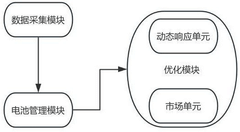
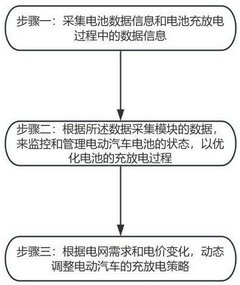
- The battery status is monitored in real time through the data acquisition module. The battery management module dynamically adjusts the charge and discharge strategy according to the comprehensive evaluation value and grid demand. The optimization module includes a dynamic response unit to adjust the charge and discharge rate and strategy. The predictive maintenance unit predicts battery maintenance time. The market unit provides Incentive mechanisms to optimize grid load.
Optimized energy transfer: vehicle-to-grid battery management system for electric vehicles
PatentPendingIN202441016456A
Innovation
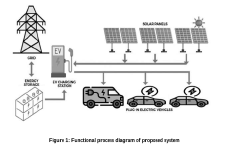
- An Optimized Energy Transfer: Vehicle-to-Grid Battery Management System that employs sophisticated algorithms, real-time data analytics, adaptive control mechanisms, and advanced battery management to optimize energy transfer between EVs and the grid, ensuring efficient and reliable energy distribution, while addressing battery health and cybersecurity concerns.
Regulatory Framework for V2G Systems
The regulatory framework for Vehicle-to-Grid (V2G) systems plays a crucial role in shaping the adoption and implementation of this transformative technology. As V2G systems continue to gain traction, governments and regulatory bodies worldwide are developing policies and standards to ensure their safe and efficient integration into existing energy grids.
One of the primary focuses of V2G regulations is the establishment of technical standards for bidirectional charging equipment. These standards aim to ensure interoperability between different vehicle models and charging stations, as well as maintain safety and reliability in power transfer. Organizations such as the Society of Automotive Engineers (SAE) and the International Electrotechnical Commission (IEC) have been instrumental in developing these standards, with specifications like SAE J3072 and IEC 61851 providing guidelines for V2G communication protocols and charging interfaces.
Regulatory bodies are also addressing the economic aspects of V2G systems, particularly in terms of energy market participation. Many countries are adapting their electricity market rules to allow for the aggregation of distributed energy resources, including electric vehicles (EVs) participating in V2G schemes. This involves creating new market mechanisms and pricing structures that can accommodate the unique characteristics of V2G services, such as fast response times and bidirectional power flow.
Data privacy and cybersecurity are other critical areas of regulatory focus. As V2G systems involve the exchange of sensitive information between vehicles, charging stations, and grid operators, regulations are being developed to protect consumer data and prevent unauthorized access to the energy infrastructure. These regulations often align with broader data protection laws, such as the General Data Protection Regulation (GDPR) in the European Union.
Environmental regulations also play a significant role in shaping the V2G landscape. Many governments are incorporating V2G capabilities into their broader clean energy and emissions reduction strategies. For instance, some jurisdictions are offering incentives for V2G-enabled vehicles or mandating V2G readiness in new EV charging installations as part of their efforts to promote renewable energy integration and grid flexibility.
As the technology evolves, regulatory frameworks for V2G systems are expected to become more comprehensive and harmonized across different regions. This ongoing development will be crucial in addressing challenges such as grid stability, fair compensation for V2G services, and the integration of V2G with other smart grid technologies. The success of V2G implementation will largely depend on the ability of regulators to create a supportive and flexible environment that encourages innovation while ensuring the reliability and security of the energy grid.
One of the primary focuses of V2G regulations is the establishment of technical standards for bidirectional charging equipment. These standards aim to ensure interoperability between different vehicle models and charging stations, as well as maintain safety and reliability in power transfer. Organizations such as the Society of Automotive Engineers (SAE) and the International Electrotechnical Commission (IEC) have been instrumental in developing these standards, with specifications like SAE J3072 and IEC 61851 providing guidelines for V2G communication protocols and charging interfaces.
Regulatory bodies are also addressing the economic aspects of V2G systems, particularly in terms of energy market participation. Many countries are adapting their electricity market rules to allow for the aggregation of distributed energy resources, including electric vehicles (EVs) participating in V2G schemes. This involves creating new market mechanisms and pricing structures that can accommodate the unique characteristics of V2G services, such as fast response times and bidirectional power flow.
Data privacy and cybersecurity are other critical areas of regulatory focus. As V2G systems involve the exchange of sensitive information between vehicles, charging stations, and grid operators, regulations are being developed to protect consumer data and prevent unauthorized access to the energy infrastructure. These regulations often align with broader data protection laws, such as the General Data Protection Regulation (GDPR) in the European Union.
Environmental regulations also play a significant role in shaping the V2G landscape. Many governments are incorporating V2G capabilities into their broader clean energy and emissions reduction strategies. For instance, some jurisdictions are offering incentives for V2G-enabled vehicles or mandating V2G readiness in new EV charging installations as part of their efforts to promote renewable energy integration and grid flexibility.
As the technology evolves, regulatory frameworks for V2G systems are expected to become more comprehensive and harmonized across different regions. This ongoing development will be crucial in addressing challenges such as grid stability, fair compensation for V2G services, and the integration of V2G with other smart grid technologies. The success of V2G implementation will largely depend on the ability of regulators to create a supportive and flexible environment that encourages innovation while ensuring the reliability and security of the energy grid.
Environmental Impact of V2G Technology
Vehicle-to-Grid (V2G) technology has the potential to significantly impact the environment in both positive and negative ways. On the positive side, V2G systems can enhance the integration of renewable energy sources into the power grid, reducing reliance on fossil fuels and decreasing greenhouse gas emissions. By allowing electric vehicles (EVs) to serve as mobile energy storage units, V2G technology can help balance the intermittent nature of renewable energy sources like solar and wind power.
This increased grid flexibility can lead to a more efficient use of renewable energy, potentially reducing the need for fossil fuel-based peaker plants that are typically used to meet high demand periods. As a result, V2G technology could contribute to a substantial reduction in carbon emissions from the power sector, aligning with global efforts to combat climate change.
Furthermore, V2G systems can improve overall grid efficiency by optimizing energy distribution and reducing transmission losses. This optimization can lead to a decrease in the total energy required to meet demand, further reducing the environmental impact of electricity generation.
However, the environmental benefits of V2G technology must be weighed against potential drawbacks. The increased cycling of EV batteries due to V2G operations may lead to faster battery degradation, potentially shortening the lifespan of these batteries. This could result in more frequent battery replacements, raising concerns about the environmental impact of battery production and disposal.
The manufacturing process of EV batteries is resource-intensive and can have significant environmental implications, including the extraction of raw materials like lithium and cobalt. Increased demand for these materials could lead to expanded mining operations, potentially causing habitat destruction and water pollution in mining regions.
Additionally, the disposal of spent EV batteries presents environmental challenges. While recycling technologies are advancing, the process is still complex and energy-intensive. Improper disposal of batteries can lead to soil and water contamination due to the leaching of toxic materials.
To maximize the environmental benefits of V2G technology while minimizing negative impacts, it is crucial to develop and implement sustainable practices throughout the EV and battery lifecycle. This includes improving battery technology to enhance durability and longevity, developing more efficient recycling processes, and ensuring responsible sourcing of raw materials.
In conclusion, while V2G technology offers significant potential for reducing carbon emissions and improving grid efficiency, careful consideration must be given to the entire lifecycle impact of EVs and their batteries. Balancing these factors will be key to realizing the full environmental benefits of V2G systems.
This increased grid flexibility can lead to a more efficient use of renewable energy, potentially reducing the need for fossil fuel-based peaker plants that are typically used to meet high demand periods. As a result, V2G technology could contribute to a substantial reduction in carbon emissions from the power sector, aligning with global efforts to combat climate change.
Furthermore, V2G systems can improve overall grid efficiency by optimizing energy distribution and reducing transmission losses. This optimization can lead to a decrease in the total energy required to meet demand, further reducing the environmental impact of electricity generation.
However, the environmental benefits of V2G technology must be weighed against potential drawbacks. The increased cycling of EV batteries due to V2G operations may lead to faster battery degradation, potentially shortening the lifespan of these batteries. This could result in more frequent battery replacements, raising concerns about the environmental impact of battery production and disposal.
The manufacturing process of EV batteries is resource-intensive and can have significant environmental implications, including the extraction of raw materials like lithium and cobalt. Increased demand for these materials could lead to expanded mining operations, potentially causing habitat destruction and water pollution in mining regions.
Additionally, the disposal of spent EV batteries presents environmental challenges. While recycling technologies are advancing, the process is still complex and energy-intensive. Improper disposal of batteries can lead to soil and water contamination due to the leaching of toxic materials.
To maximize the environmental benefits of V2G technology while minimizing negative impacts, it is crucial to develop and implement sustainable practices throughout the EV and battery lifecycle. This includes improving battery technology to enhance durability and longevity, developing more efficient recycling processes, and ensuring responsible sourcing of raw materials.
In conclusion, while V2G technology offers significant potential for reducing carbon emissions and improving grid efficiency, careful consideration must be given to the entire lifecycle impact of EVs and their batteries. Balancing these factors will be key to realizing the full environmental benefits of V2G systems.
Unlock deeper insights with Patsnap Eureka Quick Research — get a full tech report to explore trends and direct your research. Try now!
Generate Your Research Report Instantly with AI Agent
Supercharge your innovation with Patsnap Eureka AI Agent Platform!