
Video detection method and device, terminal equipment and storage medium
A technology for terminal equipment and video detection, which is applied in the field of human-computer interaction and can solve problems such as relying on timestamps
Patent Information
- Authority / Receiving Office
- CN · China
- Current Assignee / Owner
- Publication Date
- 2020-04-21
- Estimated Expiration
- Not applicable · inactive patent
Smart Images
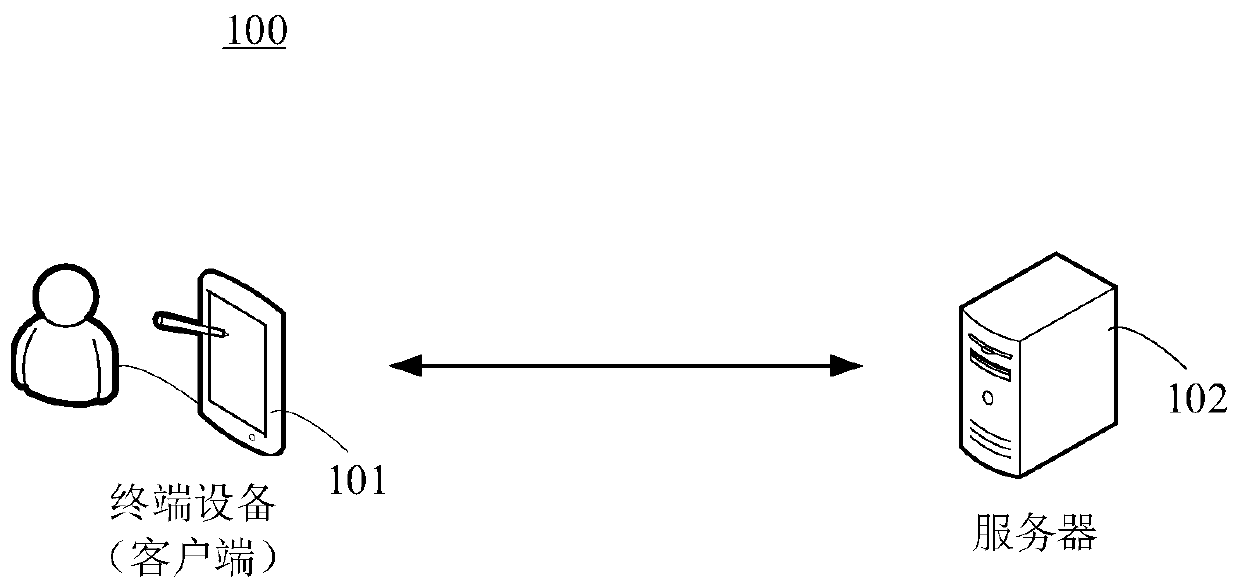
Figure 1 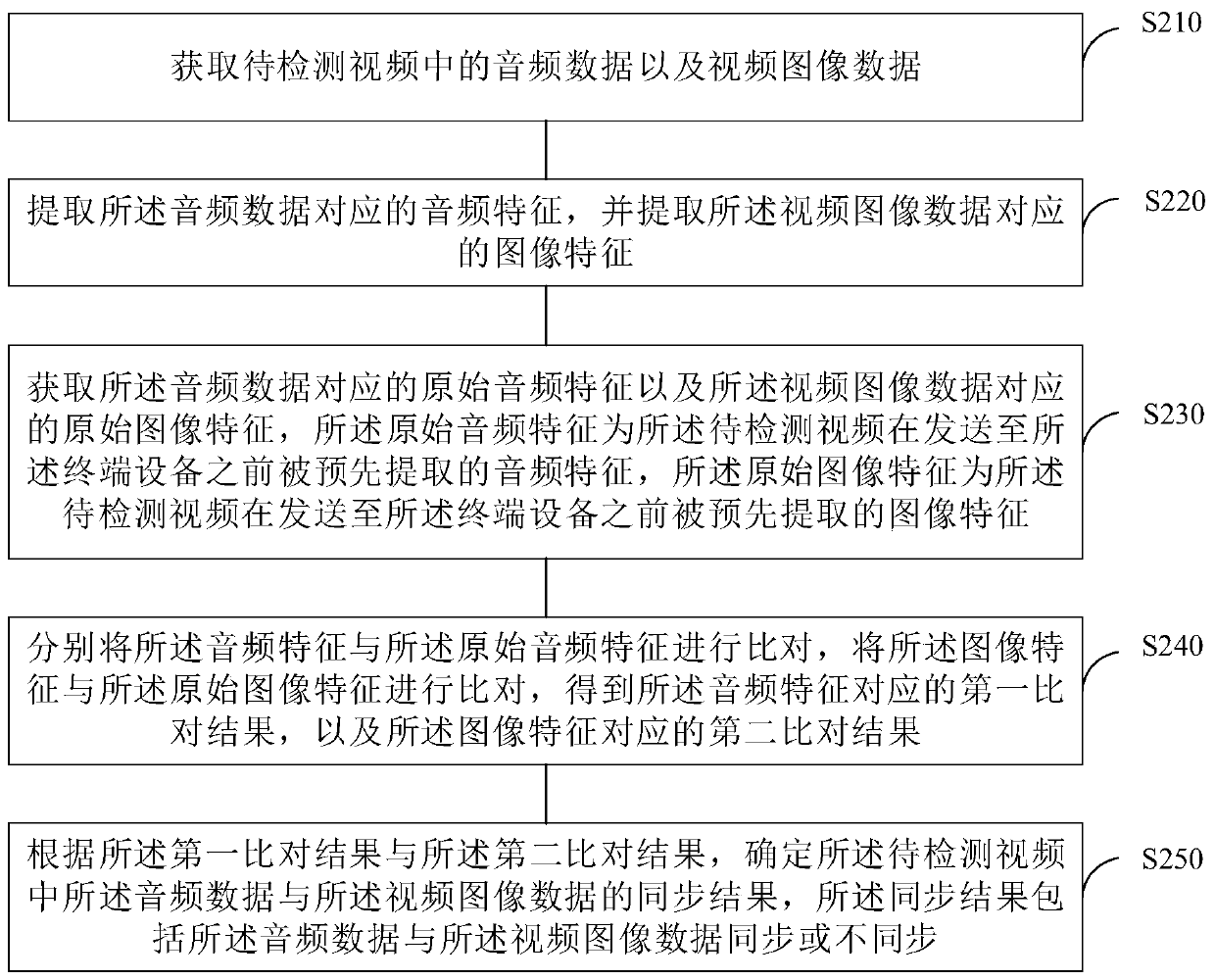
Figure 2 
Figure 3
Abstract
Description
technical field
[0001] The embodiments of the present application relate to the technical field of human-computer interaction, and more specifically, to a video detection method, device, terminal device, and storage medium. Background technique
[0002] With the rapid development of Internet technology, the application of online video viewing is becoming more and more extensive. The audio data and video data of the current video are usually encoded separately for transmission, and then decoded and resumed playback. During this process, the audio and video may be out of sync due to various reasons. For example, different decoders, network delays, packet loss, and playback client performance issues.
[0003] At present, it is usually detected whether the video audio and video are synchronized by matching the audio and video timestamps, but this method relies too much on timestamp calibration and transmission stability. Contents of the invention
[0004] In view of the abov...
Examples
Embodiment Construction
[0043] In order to enable those skilled in the art to better understand the solutions of the present application, the technical solutions in the embodiments of the present application will be clearly and completely described below in conjunction with the drawings in the embodiments of the present application. It should be understood that the specific embodiments described here are only used to explain the present application, not to limit the present application.
[0044] Existing methods for detecting whether the audio and video are synchronous are generally detected directly by the human eye. If the difference is within 200ms, the human eye cannot perceive the asynchronous audio and video and consider the audio and video to be synchronous; or detect by matching the audio and video timestamps. However, the method of detecting whether the audio and video are synchronized by human eyes cannot detect the problem of audio and video out of synchronization caused by the network and ...