
Method for eliminating interference during signal sampling
A technology for eliminating signals and sampling values, applied in measurement devices, instruments, measuring electrical variables, etc., can solve problems such as large system resource consumption, the possibility of obtaining real values, and the sampling signal not being able to truly reflect the state of the monitored signal.
Patent Information
- Authority / Receiving Office
- CN · China
- Current Assignee / Owner
- Publication Date
- 2012-10-17
Smart Images
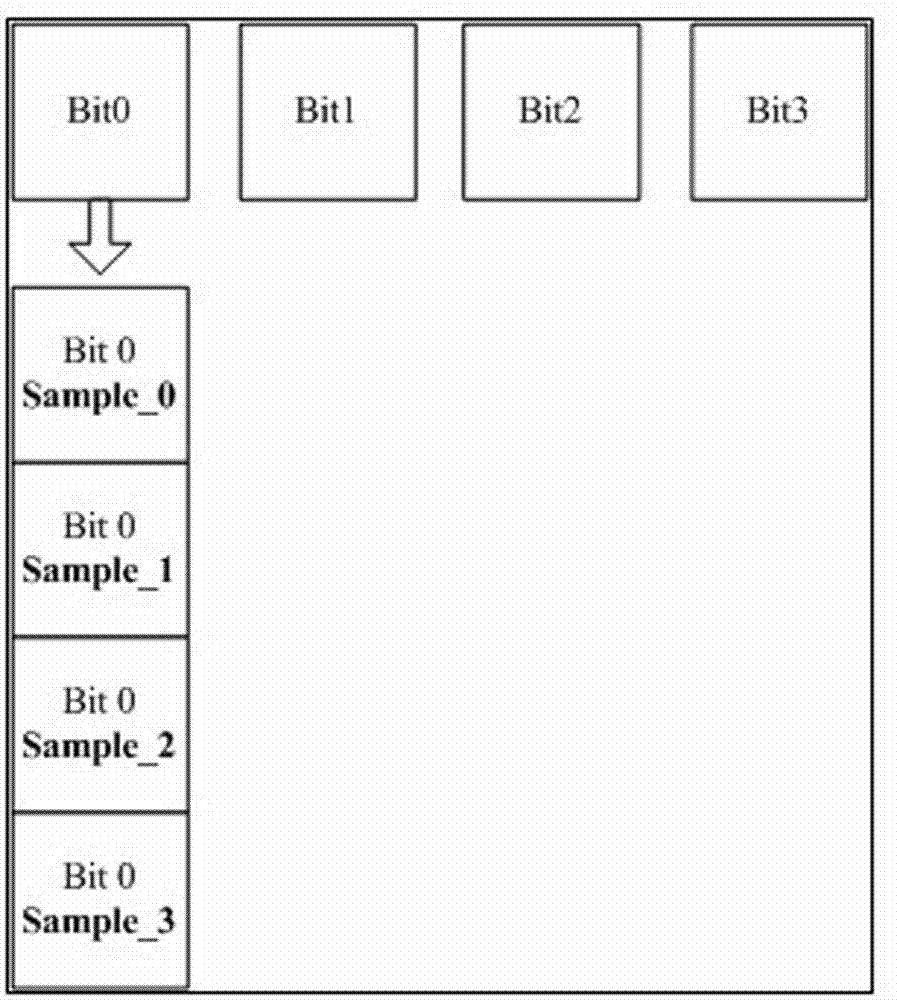
Figure 1 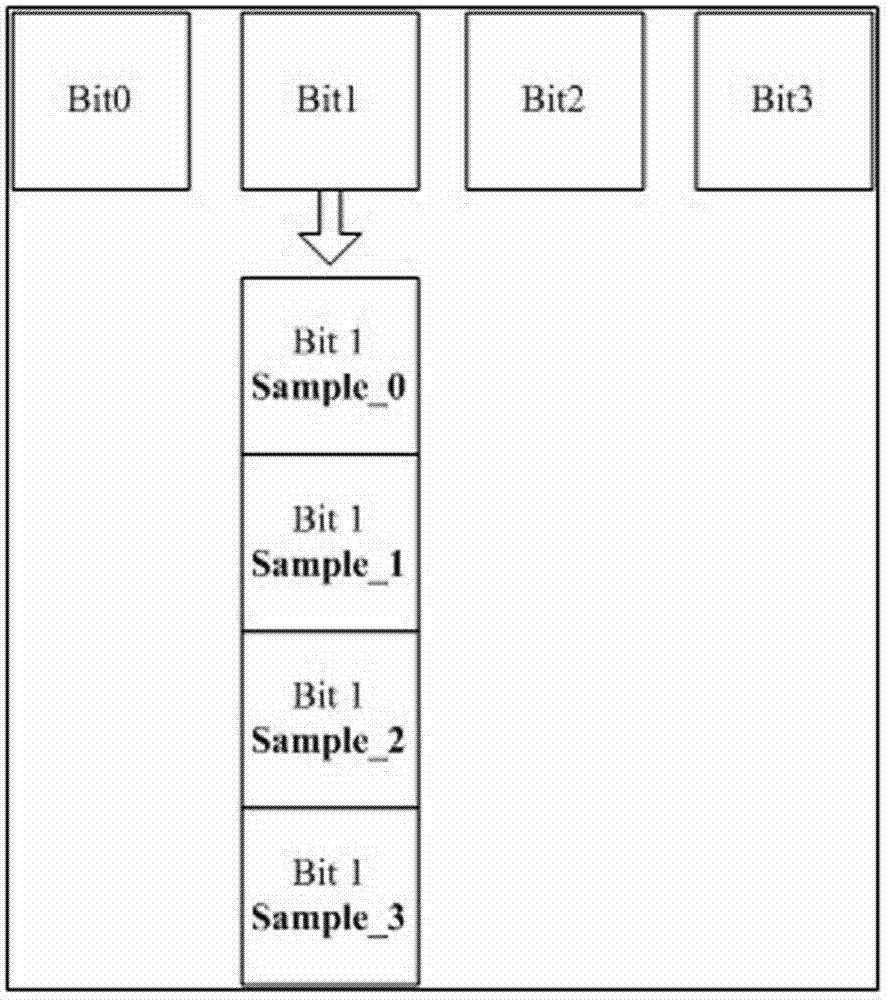
Figure 2
Abstract
Description
technical field
[0001] The invention relates to a method for eliminating interference in signal sampling. Background technique
[0002] Sampling is also called sampling, which is the discretization of the signal in time, that is, the instantaneous value is taken point by point on the analog signal x(t) according to a certain time interval △t. It is realized by multiplying the sampling pulse and the analog signal.
[0003] Selection of sampling interval and signal confusion: To sample an analog signal, the sampling interval must first be determined. How to choose △t reasonably involves many technical factors that need to be considered. Generally speaking, the higher the sampling frequency, the denser the number of sampling points, and the closer the obtained discrete signal is to the original signal. However, an excessively high sampling frequency is not advisable. For a fixed length (T) signal, an excessively large amount of data (N=T / △t) is collected, which adds unnecess...
Examples
Embodiment Construction
[0015] Refer to the attached figure 1 , the sampled signal Bit0~Bit3, that is, 4 groups of signals are sampled in one sampling period, the sampling register Sample0~3, a group of 4.
[0016] Description of the sampling process:
[0017] 1. Use four consecutive clock cycles, that is, use four consecutive working cycles to complete four samplings of Bit0, and write to Sample0 to Sample3 in sequence.
[0018] 2. Compare the values stored in the four registers Sample0, Sample1, Sample2, and Sample3. If they are the same, determine the value as the sampling value of Bit0. If they are different, the sampling value is invalid and discarded.
[0019] 3. Sample Bit1 in the next four clocks, and write to Sample0, Sample1, Sample2, and Sample3 in sequence.
[0020] 4. Compare the values stored in the four registers Sample0, Sample1, Sample2, and Sample3. If they are the same, determine the value as the sampling value of Bit1. If they are different, the sampling value is invalid and...