
A metamaterial antenna
A metamaterial and antenna technology, applied in antennas, electrical components, etc., can solve the problems of limiting electromagnetic wave radiation range, unfavorable equipment miniaturization, affecting antenna size, etc., to enhance transmission distance, improve short-range radiation range, and improve antenna performance. Effect
Patent Information
- Authority / Receiving Office
- CN · China
- Patent Type
- Patents(China)
- Current Assignee / Owner
- Publication Date
- 2016-06-29
Smart Images
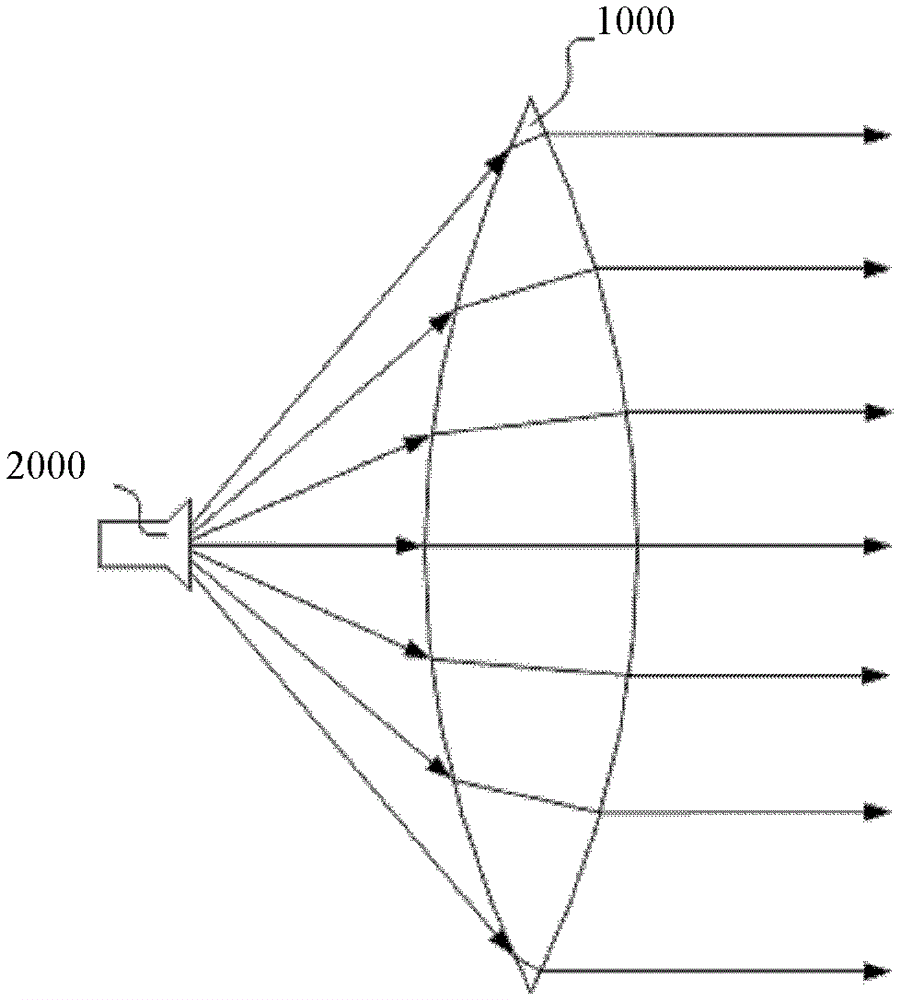
Figure 1 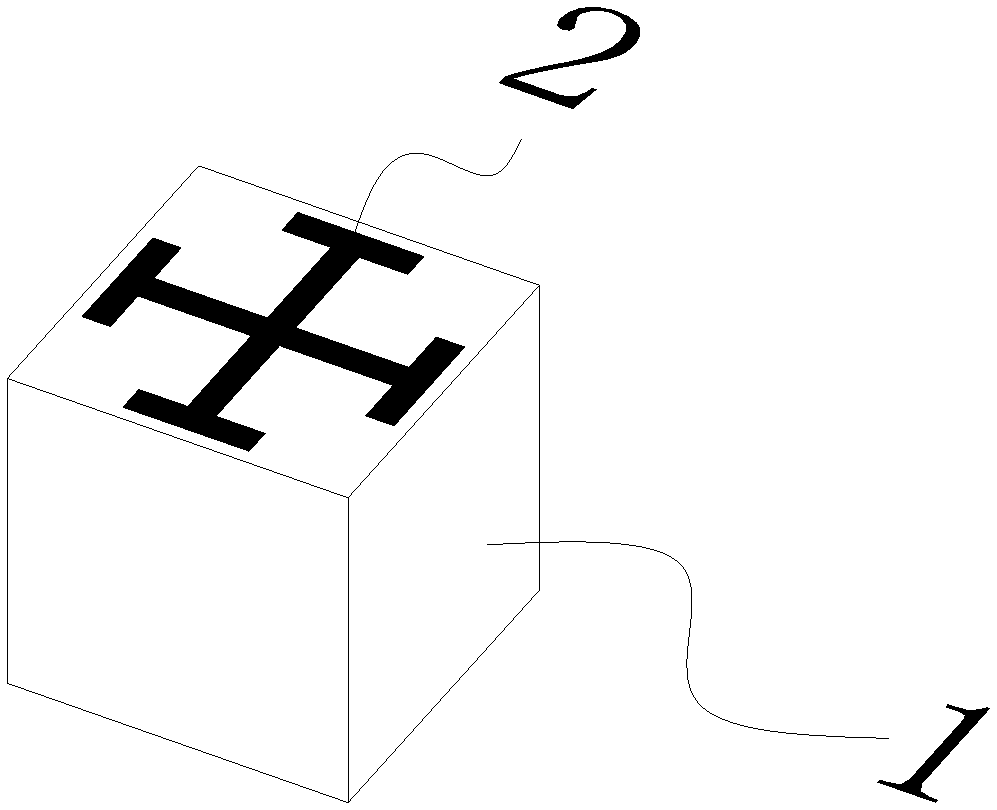
Figure 2 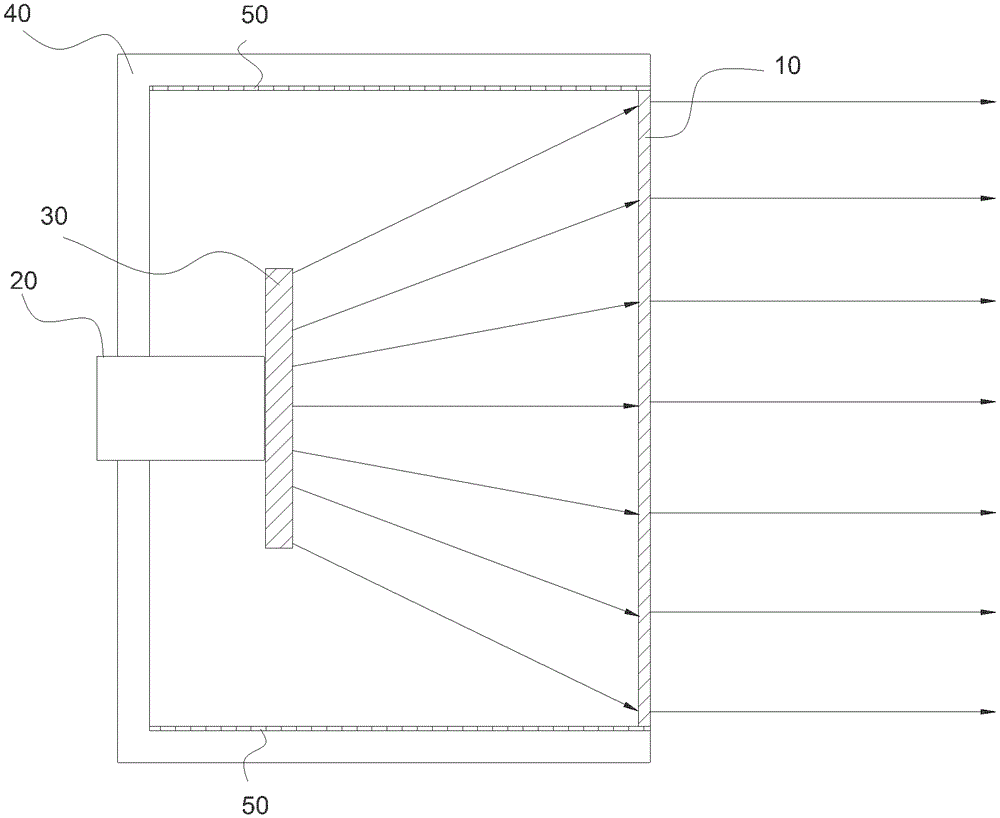
Figure 3
Abstract
Description
Technical field
[0001] The present invention relates to the field of antennas, and more specifically, to a metamaterial antenna without a bell mouth. Background technique
[0002] A horn antenna refers to an antenna whose waveguide terminal is expanded into a horn shape, and its name is derived from its shape. The horn antenna has a simple structure and easy control of the directional pattern, and can be used as a directional antenna or as a feed source. The radiation angle of the horn antenna is determined by the size of the horn. When the radiation angle needs to be enlarged, the size of the horn needs to be enlarged accordingly. In the prior art, without increasing the size of the horn, the method of expanding the radiation angle is generally to add a concave lens at the front end of the horn antenna. Due to the divergence effect of the concave lens, the radiated electromagnetic waves are diverged to expand the radiation angle. Because the curved surface of the concave lens ...
Examples
Embodiment Construction
[0027] Light, as a kind of electromagnetic wave, when passing through glass, because the wavelength of the light is much larger than the size of the atom, we can use the overall parameters of the glass, such as the refractive index, rather than the detailed parameters of the atoms that make up the glass. The response of glass to light. Correspondingly, when studying the response of a material to other electromagnetic waves, the response of any structure in the material that is much smaller than the wavelength of the electromagnetic wave to electromagnetic waves can also be described by the overall parameters of the material, such as the dielectric constant ε and the magnetic permeability μ. By designing the structure of each point of the material, the dielectric constant and magnetic permeability of each point of the material are the same or different, so that the overall dielectric constant and magnetic permeability of the material are arranged regularly, and the magnetic perme...