
Signal Transceiver
A transceiver, signal technology
Patent Information
- Authority / Receiving Office
- CN · China
- Current Assignee / Owner
- Publication Date
- 2016-04-06
Smart Images
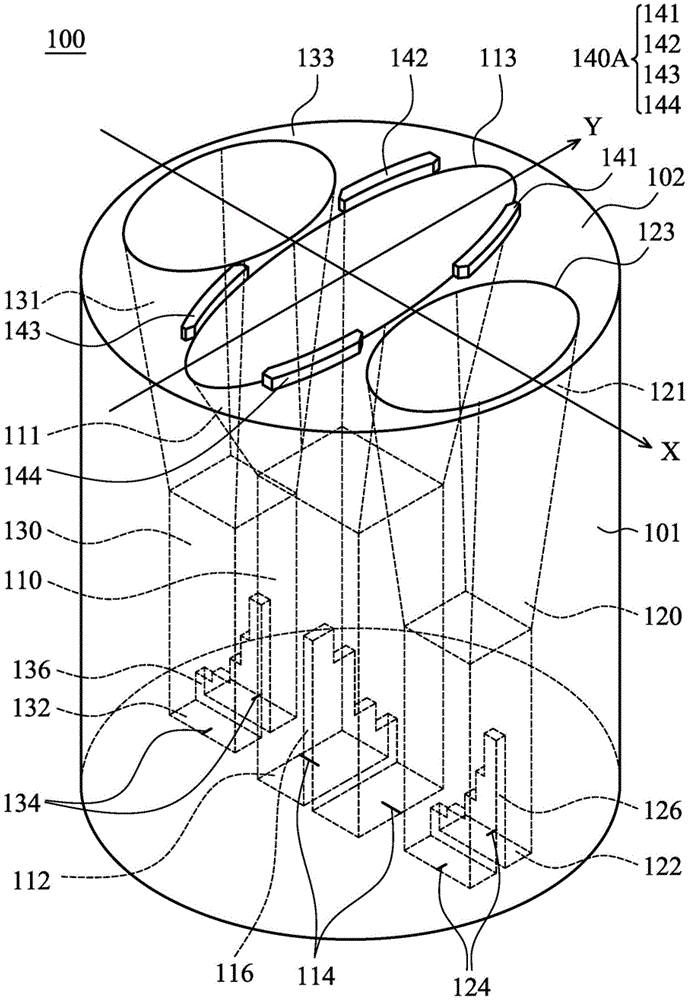
Figure 1 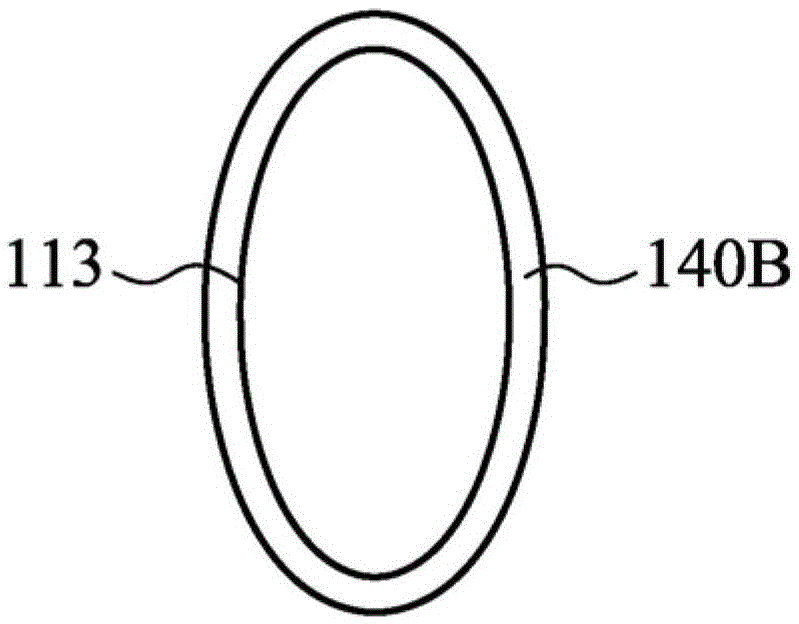
Figure 2 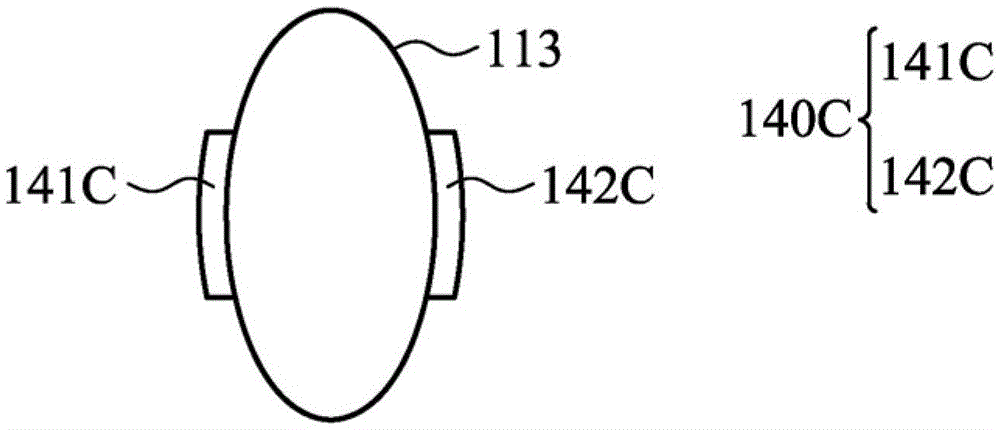
Figure 3
Abstract
Description
technical field
[0001] The invention relates to a signal transceiver, in particular to a satellite signal transceiver. Background technique
[0002] Current satellite receivers generally have multiple waveguides to receive wireless signals from multiple satellites simultaneously. However, when the satellites of the designated source are too close to each other, the corresponding waveguides also need to be closely arranged, which will cause the antennas in the waveguide to couple with each other, change their impedance matching characteristics, and thus affect their radiation pattern. Contents of the invention
[0003] The present invention aims to solve the problems in the prior art by providing a signal transmitter and receiver, including a structural body, a first waveguide, at least one first feed-in conductor, a second waveguide, at least one The second feed conductor and a path modulation structure. The structural body has a body end surface. The first waveguide is...
Examples
Embodiment Construction
[0056] refer to figure 1 , which is a signal transceiver 100 showing the first embodiment of the present invention, including a structural body 101, a first waveguide 110, a first feeding conductor 114, a second waveguide 120, a second feeding conductor 124, The third waveguide 130 , the third feeding conductor 134 and the path modulation structure 140A. The structural body 101 has a body end surface 102 . The first waveguide 110 is formed in the structural body 101, and has a first end 111 and a second end 112, wherein a first opening 113 is formed in the first end 111, and the first opening 113 opens on the end face 102 of the body. The first feeding conductor 114 is disposed in the first waveguide 110 and located at the second end 112 . The second waveguide 120 is formed in the structural body 101, and has a third end 121 and a fourth end 122, wherein a second opening 123 is formed in the third end 121, and the second opening 123 opens on the end face 102 of the body. ...