
Asynchronous Power Control Method for Small Cells in a Cooperative Cluster Oriented to Cell Amorphous Coverage
An amorphous coverage and power control technology, applied in the field of communication, can solve the problems of macro base station resource waste, load imbalance, same-layer interference, etc., to reduce same-layer and cross-layer interference, reduce same-layer interference, and improve performance effect
Patent Information
- Authority / Receiving Office
- CN · China
- Patent Type
- Patents(China)
- Current Assignee / Owner
- Publication Date
- 2018-01-05
Smart Images
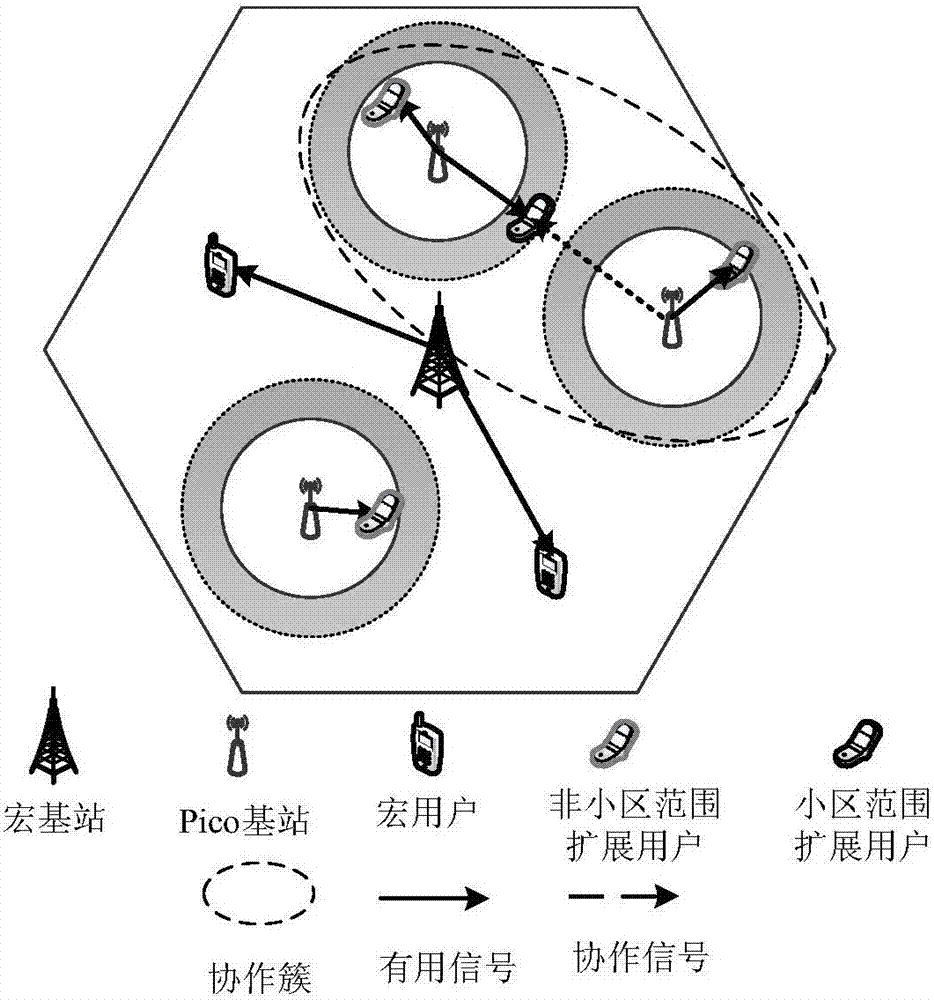
Figure 1 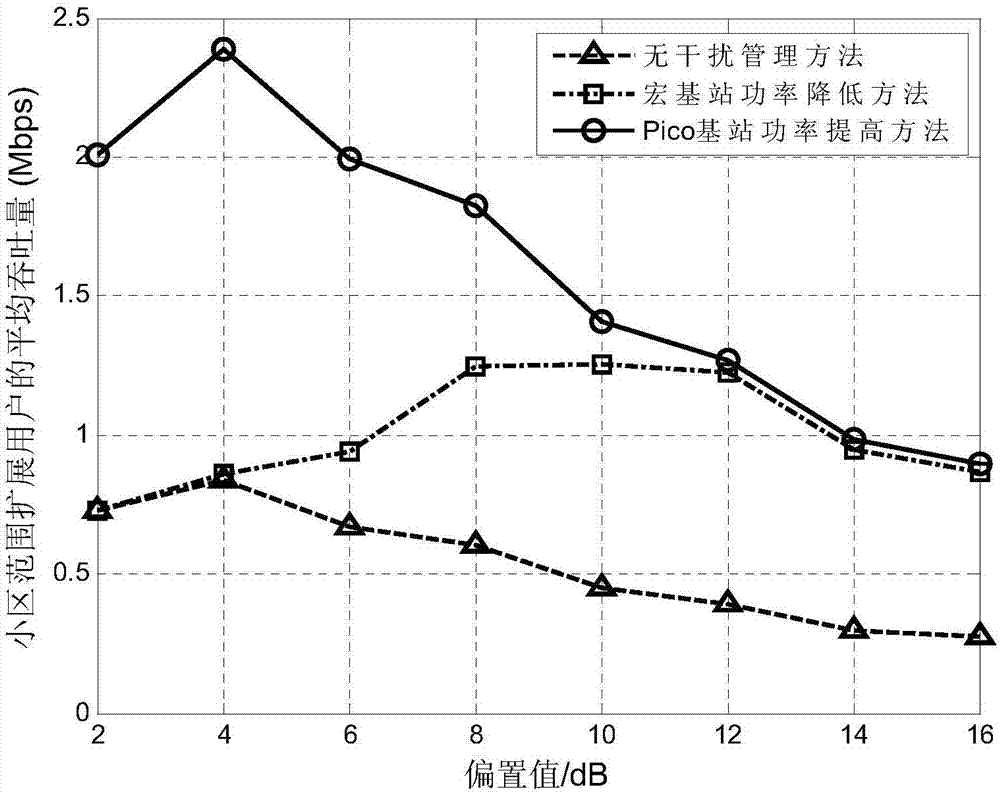
Figure 2 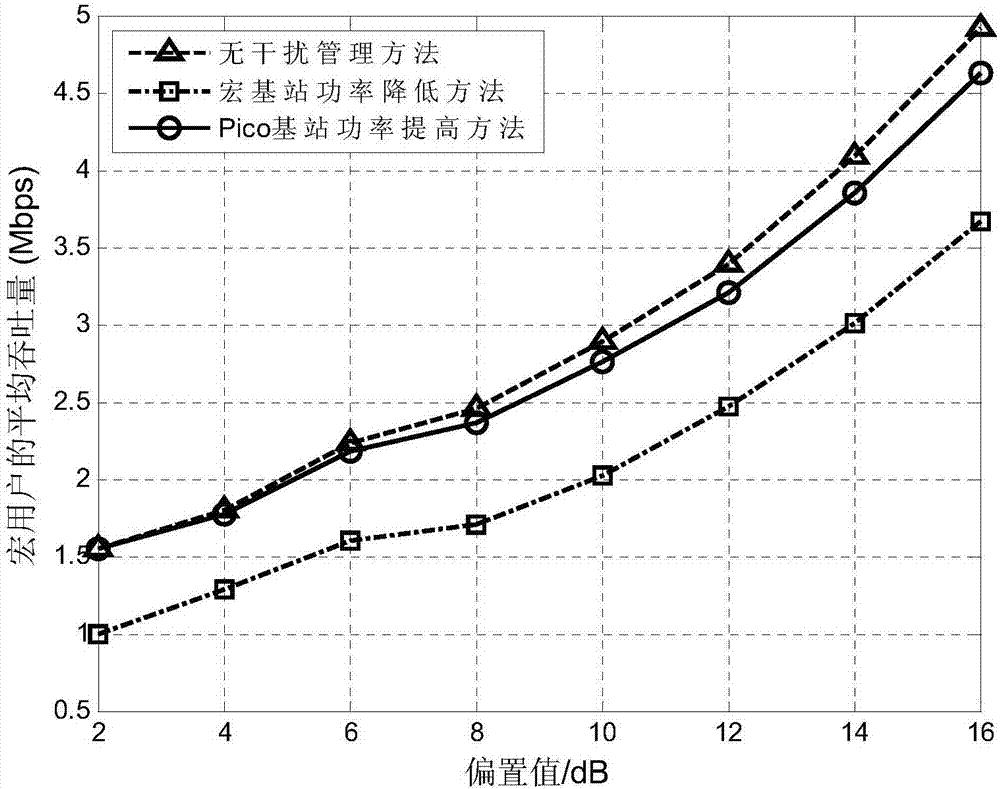
Figure 3
Abstract
Description
technical field
[0001] The invention belongs to the technical field of communication, and in particular relates to an asynchronous power control method for small base stations in a cooperative cluster oriented to cell amorphous coverage. Background technique
[0002] In recent years, with the demand for new applications, the amount of wireless communication data has grown rapidly, and the traditional homogeneous cellular network of the macro base station structure has been unable to meet the communication needs. The advantages of co-existing heterogeneous networks in guaranteeing network coverage and improving network capacity have attracted extensive attention from both industry and academia. In a homogeneous network, the user selects the serving base station according to the received power of the strongest reference signal, but in a heterogeneous network, due to the large difference in transmission power between the macro base station and the small base station, according ...
Examples
Embodiment Construction
[0056] The present invention will be described in detail below in conjunction with the accompanying drawings and embodiments.
[0057] The present invention proposes to first build a cooperative cluster between Pico base stations, and change the cooperative coverage in real time according to the mobile characteristics of the extended users in the cell area, and jointly serve the extended users in the cell area with poor performance, so as to reduce the same-layer interference; in order to reduce the cross-layer interference, it is proposed The macro base station sends signals according to the original power, and the Pico base station dynamically increases the transmission power on the resources of the expanded user in the scheduling area according to the access situation of the expanded user in the cell area, so as to ensure the performance of this type of user. On this part of the multiplexed resources of extended users, users with better channel quality are scheduled first to...