
A low-profile planar dipole antenna suitable for 4g LTE communication
A dipole antenna, plane technology, applied in the field of communication, can solve the problems that have not been proposed, low antenna gain, low maximum gain, etc., achieve good beam convergence, improve antenna gain, and improve high-frequency gain effects.
Patent Information
- Authority / Receiving Office
- CN · China
- Patent Type
- Patents(China)
- Current Assignee / Owner
- Publication Date
- 2019-06-21
Smart Images
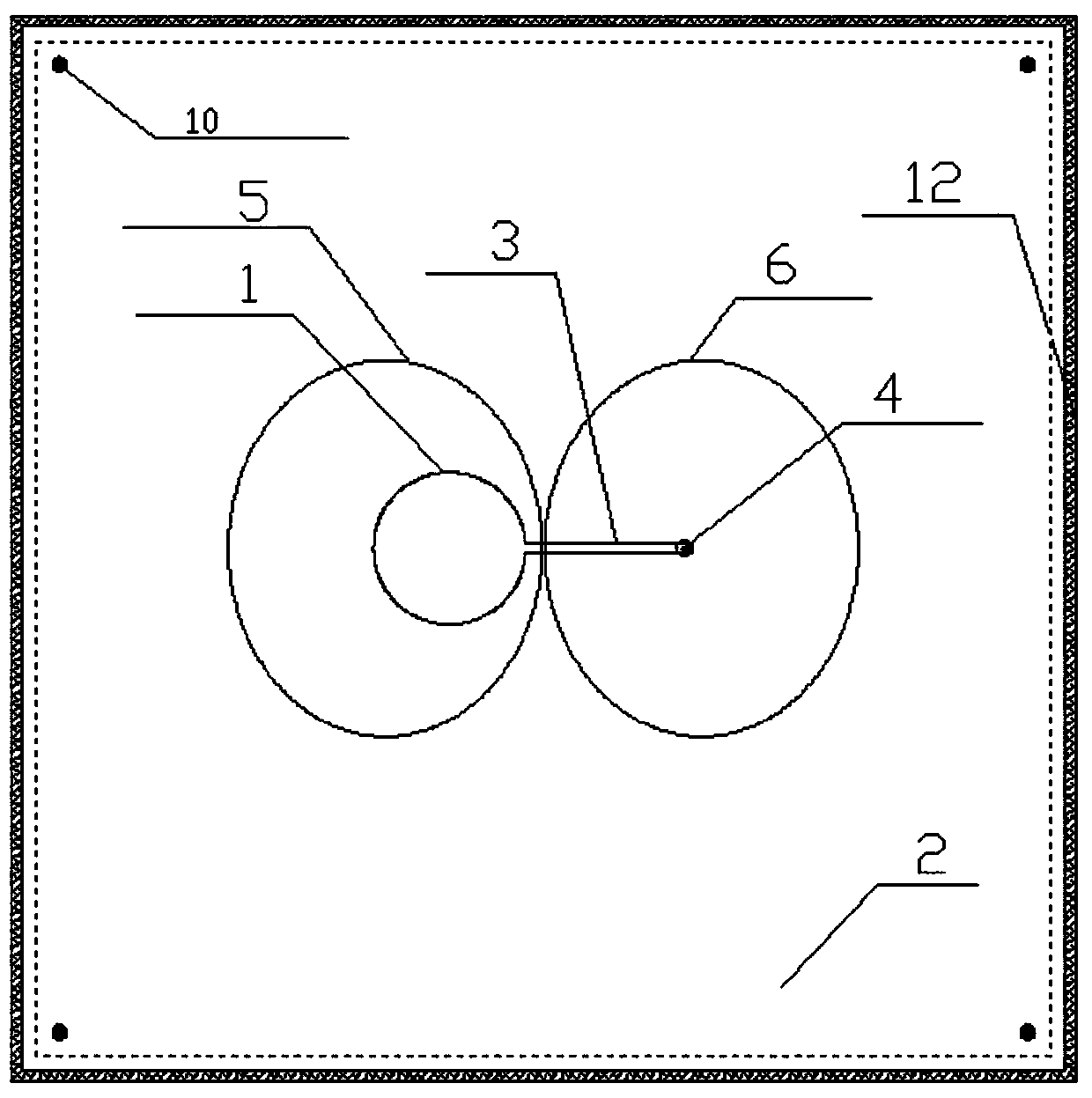
Figure 1 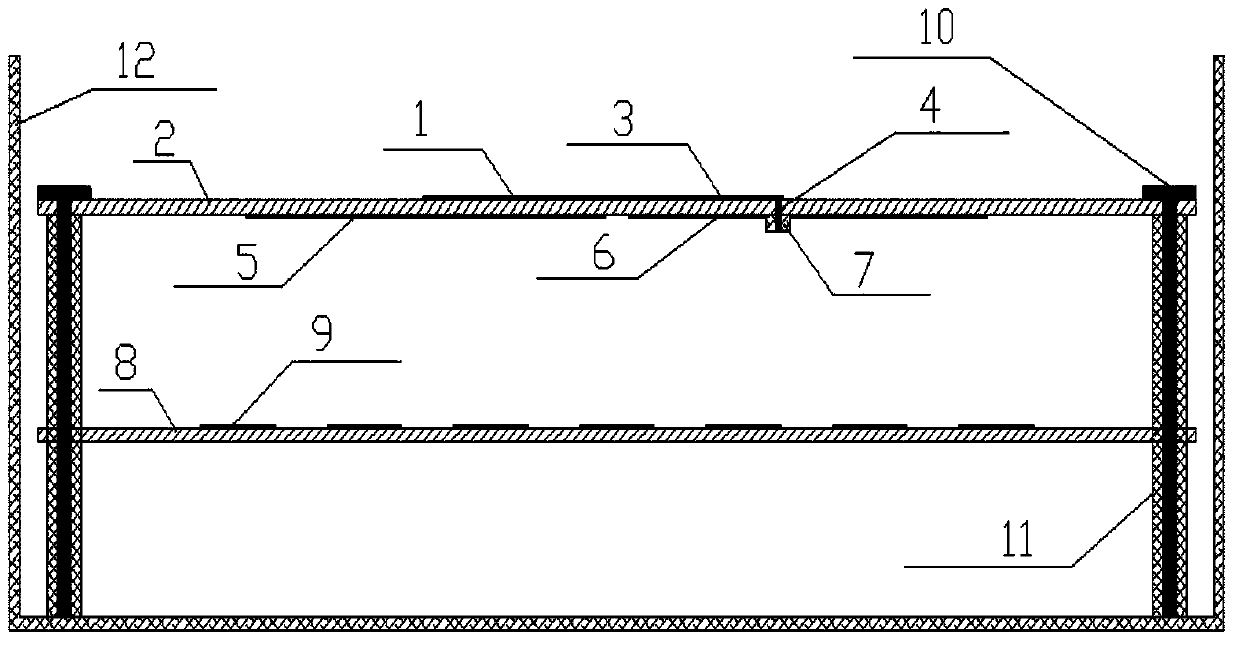
Figure 2 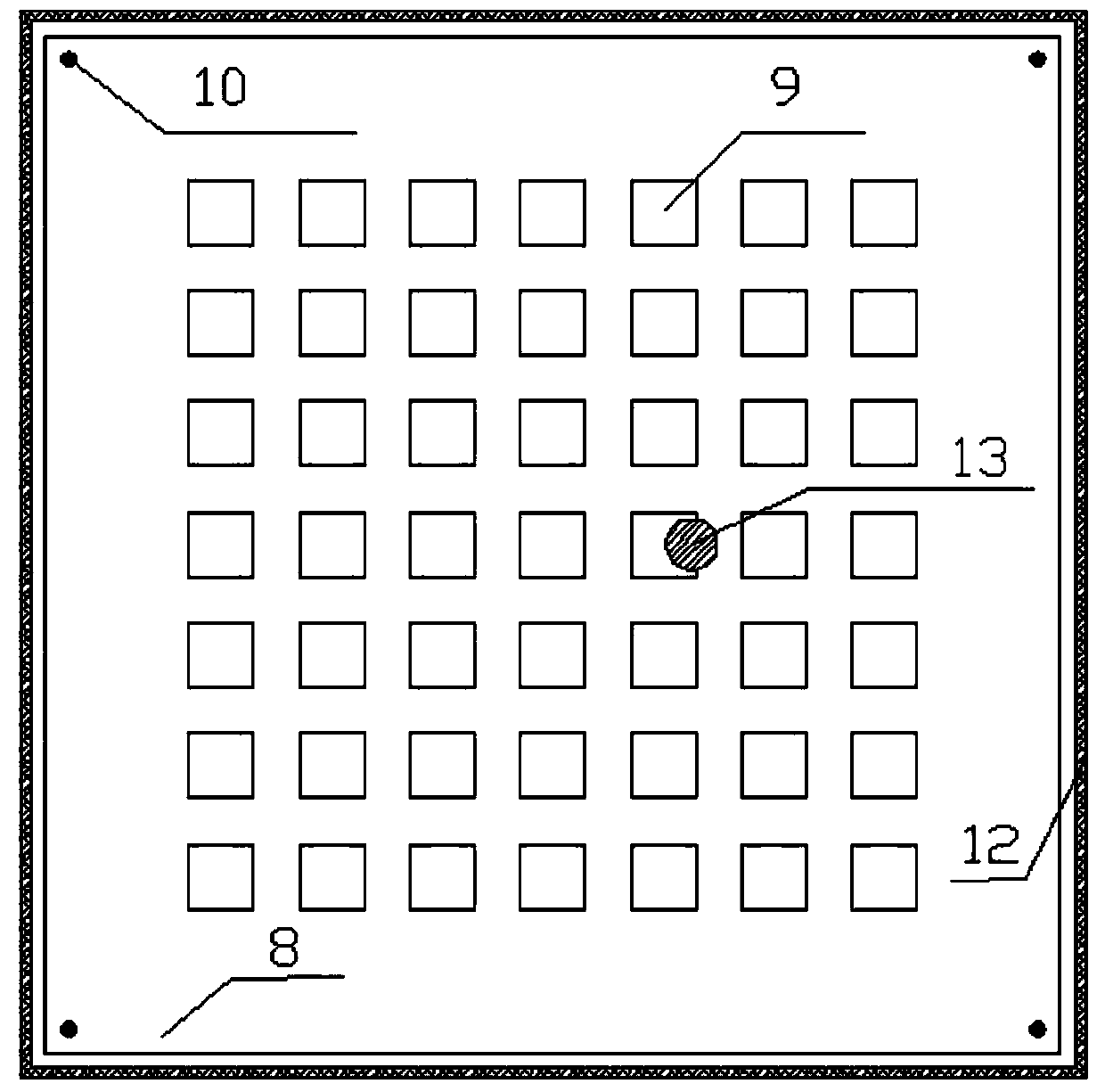
Figure 3
Abstract
Description
technical field
[0001] The invention relates to the communication field, in particular to a linearly polarized planar dipole antenna applied to 4G mobile communication. Background technique
[0002] As people's demand for mobile communication service capabilities is getting higher and higher, on the basis of conventional 2G and 3G, the quasi-4G LTE band has begun to be put into commercial use; from the perspective of operators, in order to save investment and consider how to follow up It has increasingly become a trend to achieve scalability, compatibility, multi-system, and multi-system coexistence. This also puts forward higher requirements for base station antennas. In order to meet the frequencies of different standards, ultra-wideband base station antennas such as 700, 1710, and 2690MHZ frequency bands have been widely proposed and applied; at the same time, the broadbandization of base station antennas also helps reduce mobile Communication equipment, reduce the numbe...
Examples
Embodiment Construction
[0025] The present invention will be further described below in conjunction with the accompanying drawings and embodiments, and the present invention includes but not limited to the following embodiments.
[0026] The ultra-broadband planar dipole antenna of the present invention is characterized in that, on the one hand, the traditional pair of dipole antennas is deformed, and the part between the dipoles is similar to the radiation form of the Vivadi antenna, and the second aspect is below the planar dipole antenna Place a reflective back cavity, and the third aspect is to add an FSS (Frequency selective surface) between the reflective back cavity and the antenna. From these three aspects, the purpose of widening the radiation bandwidth of the antenna and improving the directional gain of the antenna in the entire frequency band is achieved.
[0027] The invention mainly includes three main parts: a planar dipole antenna, a frequency selective surface (FSS) reflection plate,...