
Damping American-change switch cabinet for wind power
A technology of switch cabinets and beauty transformers, which is applied in the field of shock-absorbing beauty transformer switch cabinets for wind power, and can solve problems such as the failure of power equipment to operate normally
Patent Information
- Authority / Receiving Office
- CN · China
- Current Assignee / Owner
- Publication Date
- 2020-10-09
Smart Images
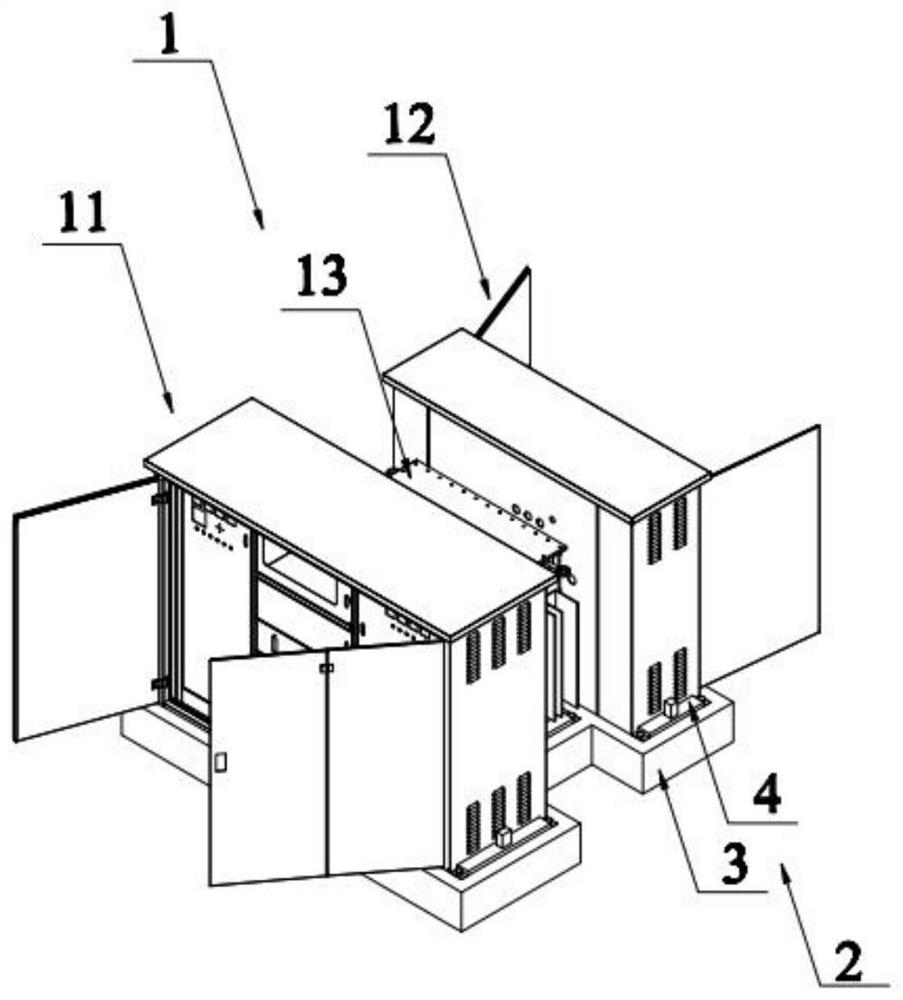
Figure 1 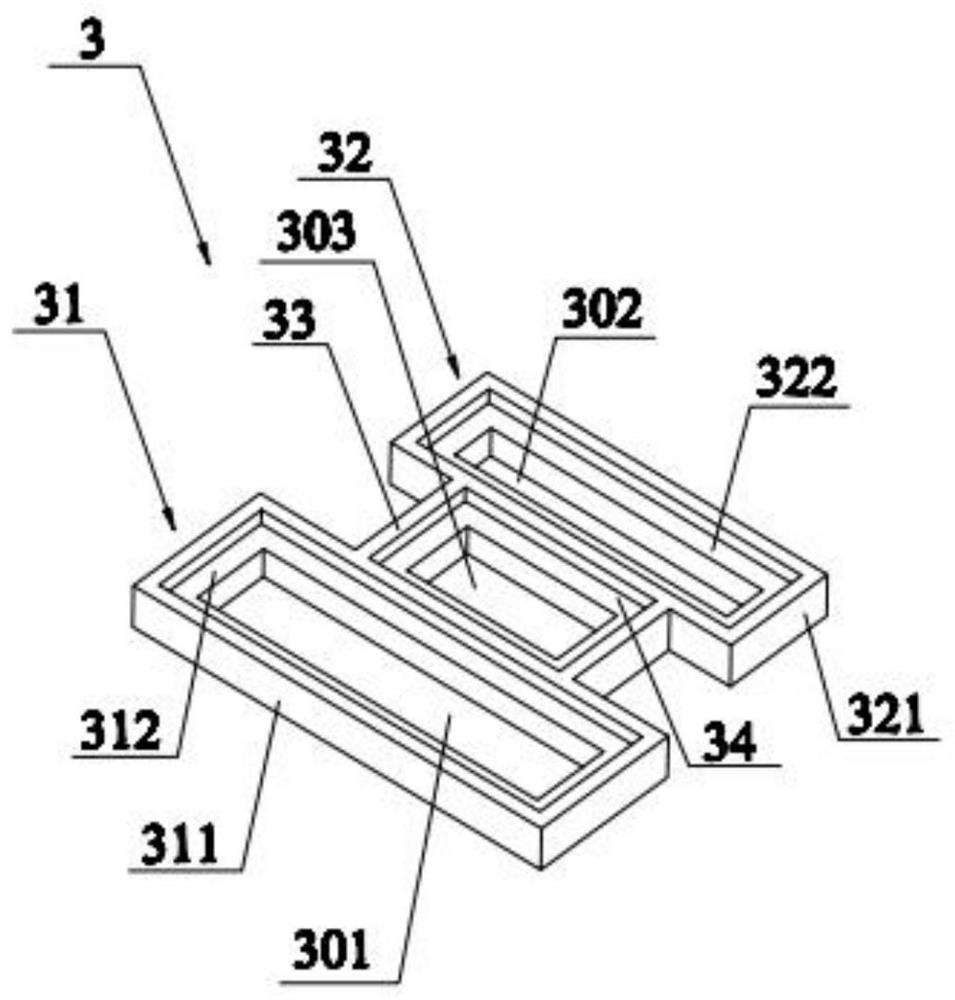
Figure 2 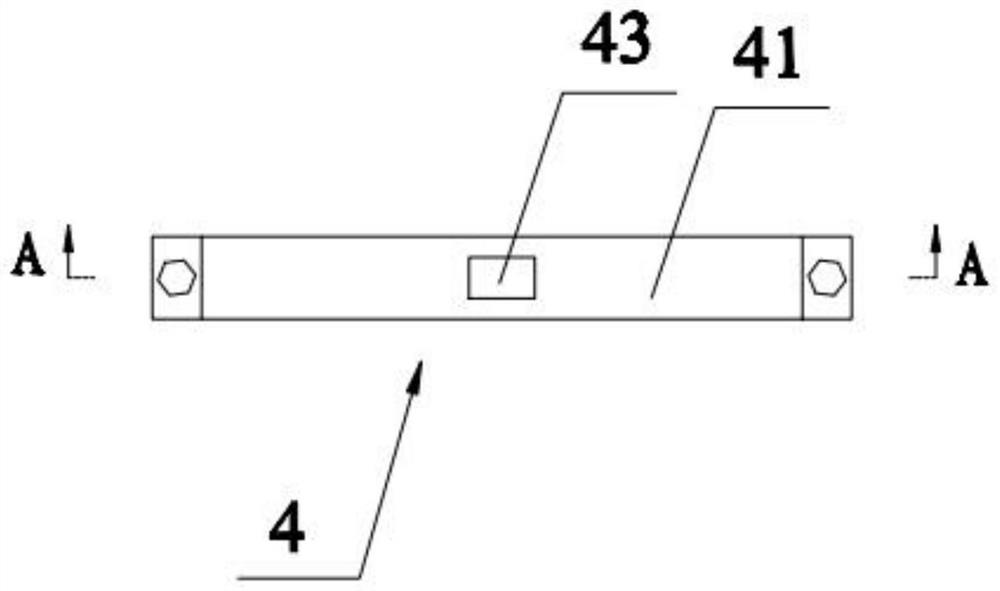
Figure 3
Abstract
Description
technical field
[0001] The invention relates to the field of wind power generation equipment, in particular to a shock-absorbing beauty transformer switchgear for wind power. Background technique
[0002] Wind power refers to converting the kinetic energy of wind into electrical energy. Wind energy is a clean and pollution-free renewable energy that has been used by people for a long time, mainly through windmills to pump water and grind flour. People are interested in how to use wind to generate electricity. The use of wind power to generate electricity is very environmentally friendly and has a huge wind energy reserve, so it is increasingly valued by countries all over the world. The Meibian switchgear for wind power generation is used to increase the voltage of the electric energy generated by the wind turbine to 35kV or 10kV, which is used for the special transformation equipment output after grid connection.
[0003] The strong wind force of the wind farm often cause...
Examples
Embodiment Construction
[0029] The following will clearly and completely describe the technical solutions in the embodiments of the present invention with reference to the accompanying drawings in the embodiments of the present invention. Obviously, the described embodiments are only part of the embodiments of the present invention, not all of them. Based on the embodiments of the present invention, all other embodiments obtained by persons of ordinary skill in the art without creative efforts fall within the protection scope of the present invention.
[0030] It should be noted that all directional indications (such as up, down, left, right, front, back...) in the embodiments of the present invention are only used to explain the relationship between the components in a certain posture (as shown in the accompanying drawings). Relative positional relationship, movement conditions, etc., if the specific posture changes, the directional indication will also change accordingly.
[0031] In addition, in t...