
Dissociation method of antigen in aluminum adjuvant-adsorbed novel coronavirus inactivated vaccine
A coronavirus and inactivated vaccine technology, applied in the field of biopharmaceuticals, to achieve the effect of solving the instability of biological structure, good repeatability, and destroying the adsorption force of aluminum adjuvants
Patent Information
- Authority / Receiving Office
- CN · China
- Patent Type
- Patents(China)
- Current Assignee / Owner
- Publication Date
- 2021-10-08
Smart Images
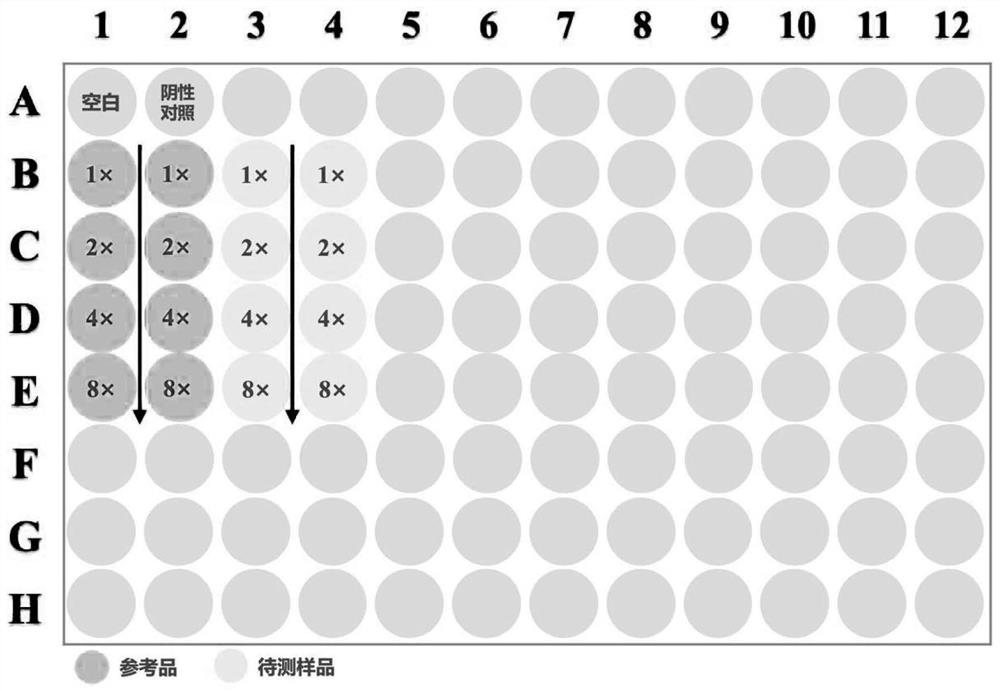
Figure 1 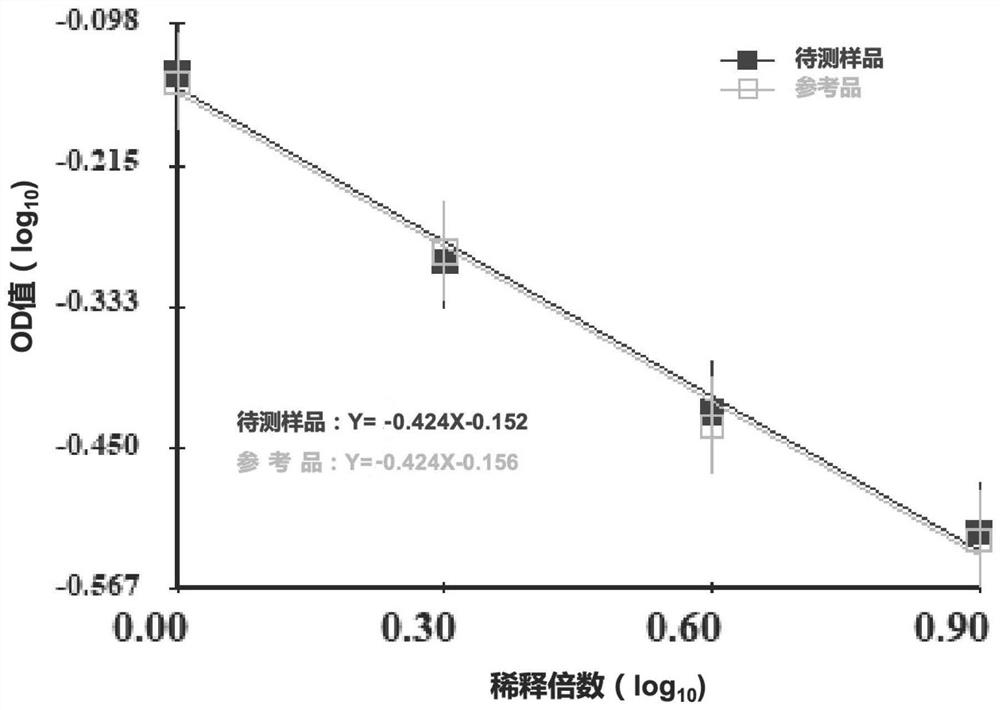
Figure 2 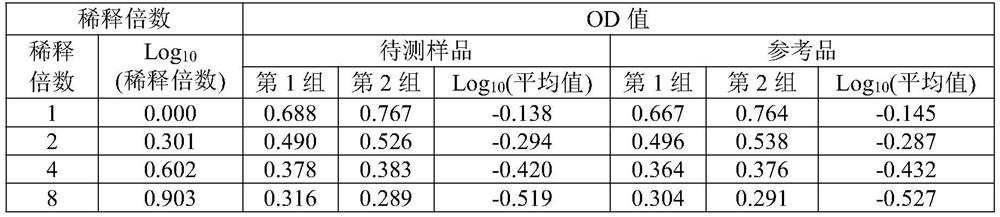
Figure 3
Abstract
Description
technical field
[0001] The invention belongs to the field of biopharmaceuticals, in particular to a method for dissociating antigens in an aluminum adjuvant-adsorbed novel coronavirus (SARS-CoV-2) inactivated vaccine. Background technique
[0002] The challenge of the global new crown epidemic is still severe, and my country is stepping up scientific research and product launch of the new crown vaccine. The new coronavirus (hereinafter referred to as "SARS-CoV-2") inactivated vaccine is a powerful shield against virus invasion, and its key component is the antigen associated with clinical effectiveness, which should be accurately quantified in the quality control process of the product to be able to Realize the function of evaluating product quality attributes.
[0003] Existing studies believe that the new crown vaccine antigen is mainly composed of S protein, M protein, N protein, etc., which can only be detected by ELISA. At present, the SARS-CoV-2 inactivated vaccine t...
Examples
Embodiment 1
[0043] This embodiment provides a method for dissociation of antigens in an aluminum adjuvant-adsorbed novel coronavirus inactivated vaccine, which specifically includes the following steps:
[0044] (1) Preparation of test samples and reference products of aluminum adjuvant-adsorbed novel coronavirus inactivated vaccine:
[0045] The sample to be tested for the aluminum adjuvant-adsorbed novel coronavirus inactivated vaccine is self-made (currently there is no commercial product). The preparation scheme is as follows: the virus stock solution of the novel coronavirus inactivated vaccine (in the detection index of the virus stock solution, the antigen content is 138U / ml, and the protein content is 215μg / ml) is diluted in proportion according to the target concentration of the prepared 8U / ml antigen, and then added with aluminum The adjuvant prepared the aluminum adjuvant adsorption type SARS-CoV-2 inactivated vaccine test sample with a final concentration of novel coronavirus ...
Embodiment 2
[0065] In this example, the results of antigen dissociation in SARS-CoV-2 inactivated vaccine samples with different quality attributes are provided, and the applicability of the dissociation method to different samples is investigated. Specifically include:
[0066] (1) Preparation of samples to be tested and reference products:
[0067] The preparation process of the sample to be tested is the same as in Example 1, and the concentration preparation is shown in Table 3, and the corresponding reference product is prepared, and the preparation method is the same as in Example 1.
[0068] (2) Preparation of desorbent composition: same as Example 1.
[0069] (3) Implementation process of the dissociation program: the same as in Example 1.
[0070] (4) The detection method of the antigen content in the novel coronavirus antigen desorption solution is the same as in Example 1, and see Table 3 for the specific dilution method.
[0071] Table 3 shows the detection results of SARS-...
Embodiment 3
[0077] This example provides the results of dissociation of antigens in SARS-CoV-2 inactivated vaccines using dissociation methods with different concentrations of desorbent compositions and different dissociation program parameter conditions, and investigates the applicability of the method to samples. Specifically include:
[0078] (1) Preparation of test sample and reference product: same as Example 1.
[0079] (2) Preparation of desorbent composition:
[0080] The final mass concentration of sucrose is 5%-10% (w / v).
[0081] The mass final concentration of magnesium chloride hexahydrate is 0.5%-1% (w / v).
[0082] 0.6mol / L Potassium Phosphate Buffer Preparation Method:
[0083] It is obtained by mixing 1mol / L potassium phosphate buffer solution and water for injection in proportion. Take the preparation of 10ml, 0.6mol / L potassium phosphate buffer solution as an example, measure 6ml, 1mol / L potassium phosphate buffer solution and 4ml water for injection, and after mixin...