
Trans-scleral drug delivery method and apparatus
a transscleral and drug technology, applied in the field of ophthalmic conditions with localized delivery of pharmaceutically active agents, can solve the problems of paracentral and central scotomata, limited inability to detect peripheral and central vision, etc., to achieve improved and effective effect, less side effects, and improved visual acuity
Patent Information
- Authority / Receiving Office
- US · United States
- Patent Type
- Applications(United States)
- Current Assignee / Owner
- Publication Date
- 2005-09-08
- Estimated Expiration
- Not applicable · inactive patent
Smart Images
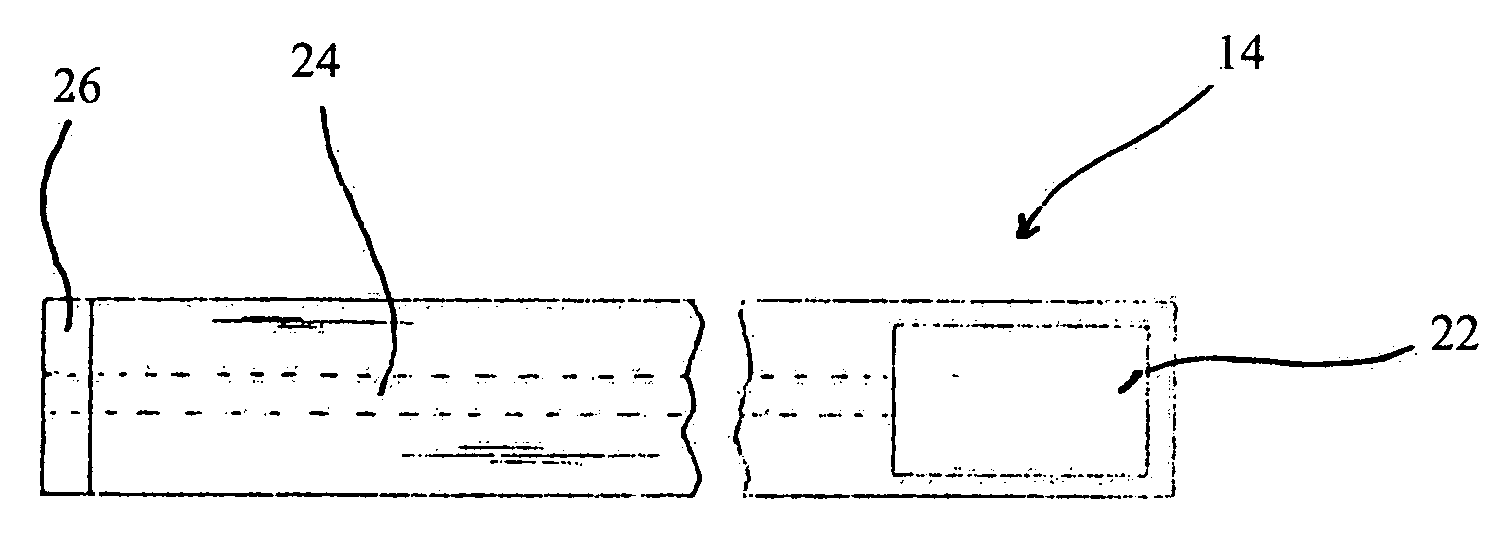
Figure 1 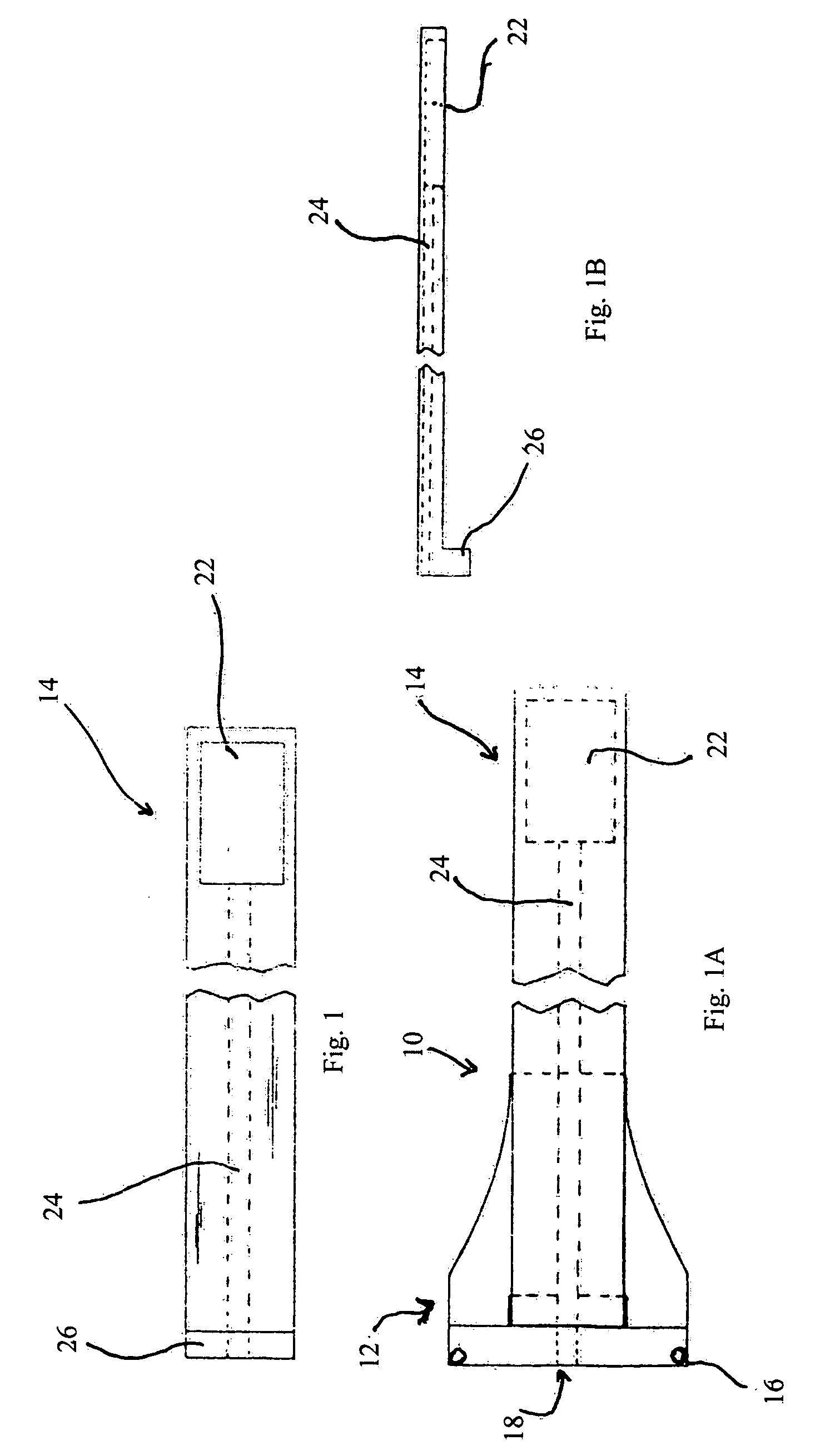
Figure 2 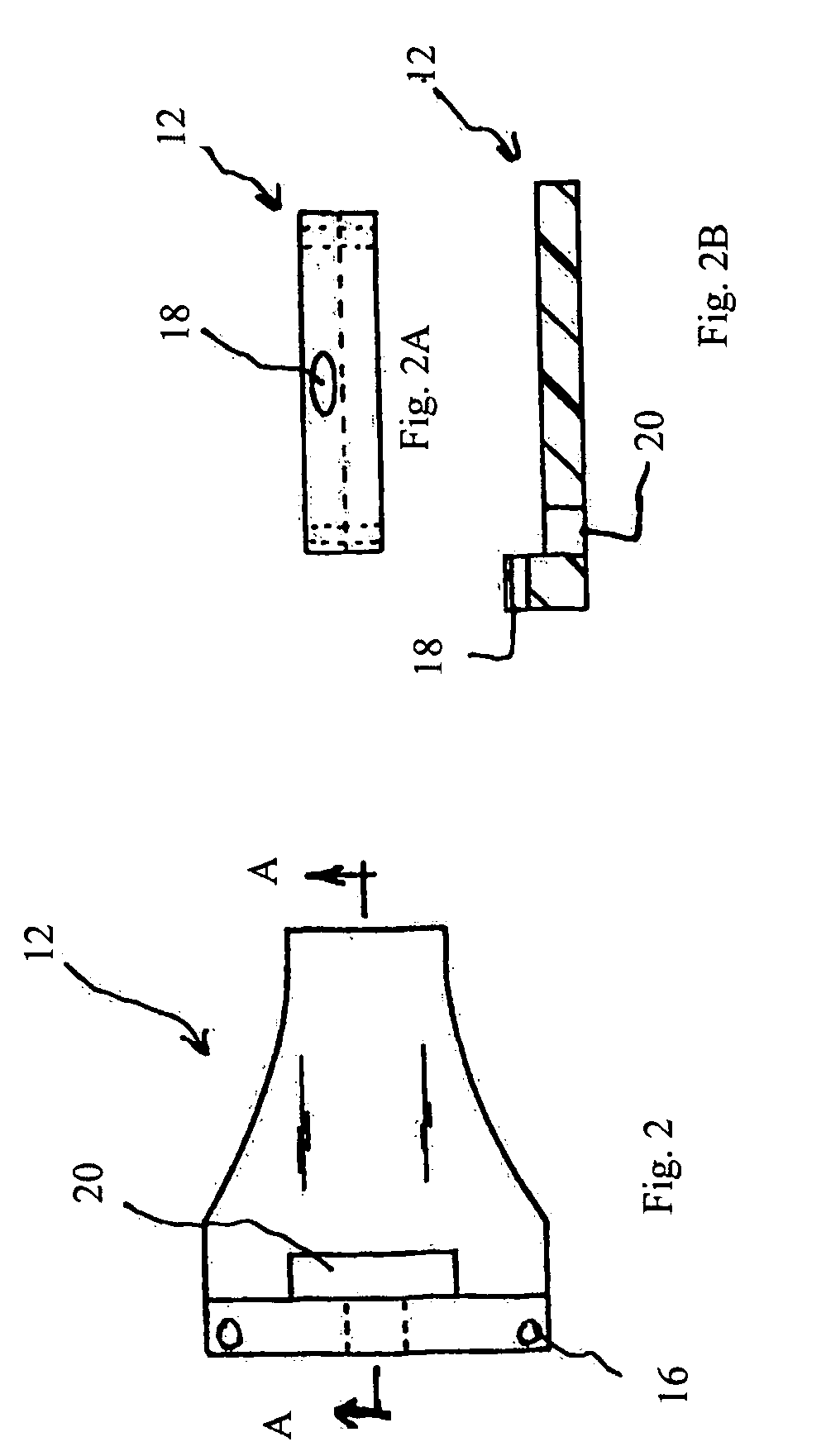
Figure 3
Abstract
Description
TECHNICAL FIELD OF THE INVENTION
[0001] This invention generally relates to the treatment of ophthalmic conditions with localized delivery of pharmaceutically active agents and, more particularly, to a method of localized delivery of specific pharmaceutically active agents by means of a refillable trans-scleral delivery device. DESCRIPTION OF THE RELATED ART
[0002] Age-related macular degeneration (AMD), diabetic retinopathy (DR), and retinal vein occlusions (RVO) are among a number of diseases where ocular neovascularization threatens vision. In particular, AMD and DR are two of the most common causes of legal blindness in the United States and Europe, and approximately a third of individuals over the age of seventy are afflicted with AMD. Choroidal neovascularization is found in 10-15% of individuals with AMD, but is responsible for 85% of cases with severe vision loss. Diabetic retinopathy, and, in particular, the pathological neovascularization associated therewith, is the leadi...
Examples
Embodiment Construction
[0026] In the following detailed description numerous specific details are set forth in order to provide a thorough understanding of the invention. However, it will be understood by those skilled in the art that the present invention may be practiced without these specific details. For example, the invention is not limited in scope to the particular type of industry application depicted in the figures. In other instances, well-known methods, procedures, and components have not been described in detail so as not to obscure the present invention.
[0027] An ideal candidate molecule for the treatment of retinal and / or choroidal neovascularization should (1) be relatively non-toxic, (2) have reasonable bioavailability in ocular tissues, (3) have some physiologic basis to be studied, and (4) not adversely interfere with other physiological neovascular responses such as would healing nad coronary vascular remodeling. Carboxyamido-triazole (CAI) is an anti-angiogenic factor that has shown c...