
Method for reducing interference in a cellular radio communication network, corresponding interference coordinator and base station
a technology of cellular radio communication network and interference coordinator, applied in the direction of transmission, network planning, electrical equipment, etc., can solve the problems of severe performance degradation or even connection loss, waste of precious frequency resources, inter-cell interference, etc., to reduce the overall interference in the network and increase the network capacity.
Patent Information
- Authority / Receiving Office
- US · United States
- Patent Type
- Applications(United States)
- Current Assignee / Owner
- Publication Date
- 2009-03-26
- Estimated Expiration
- Not applicable · inactive patent
Smart Images
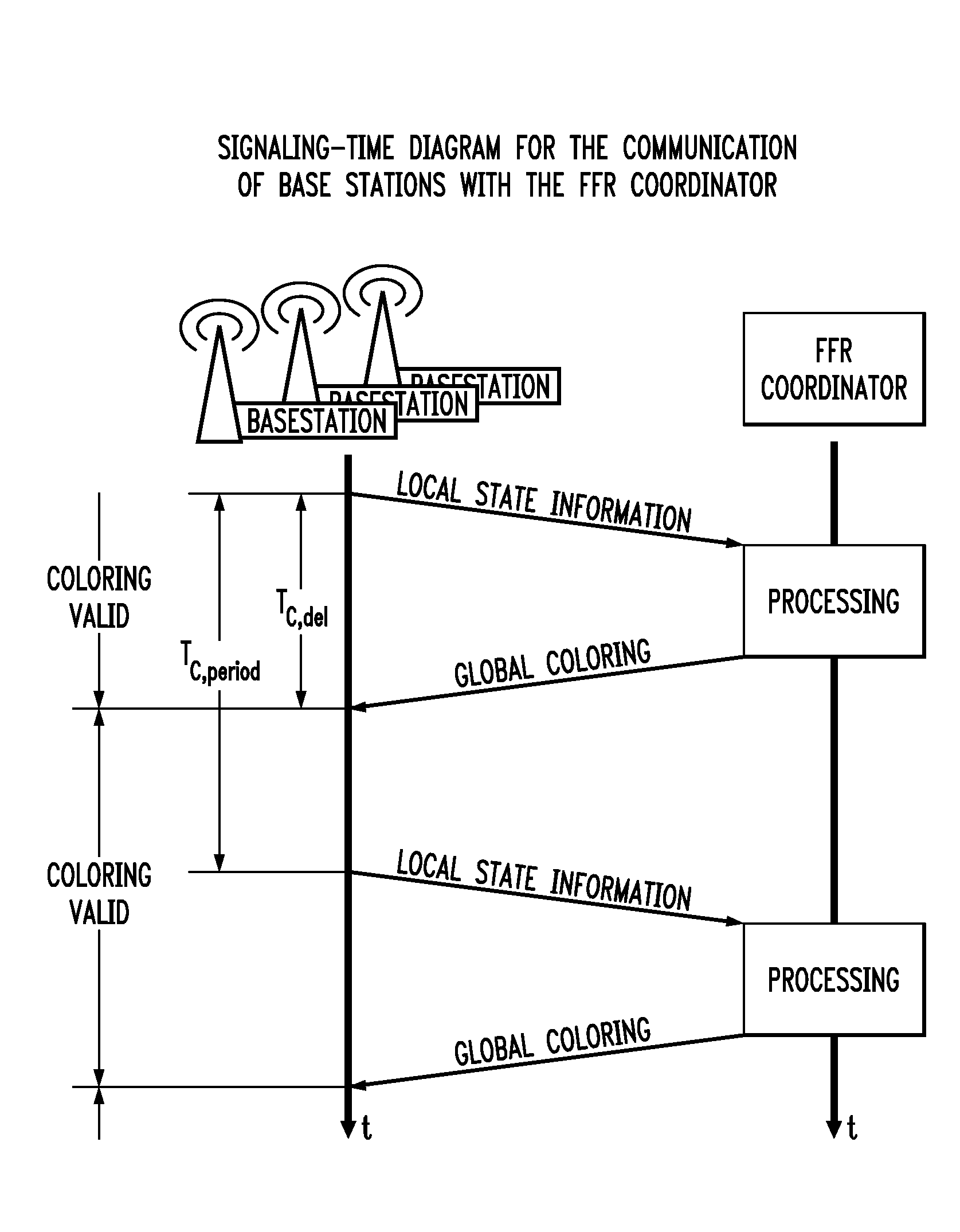
Figure 1 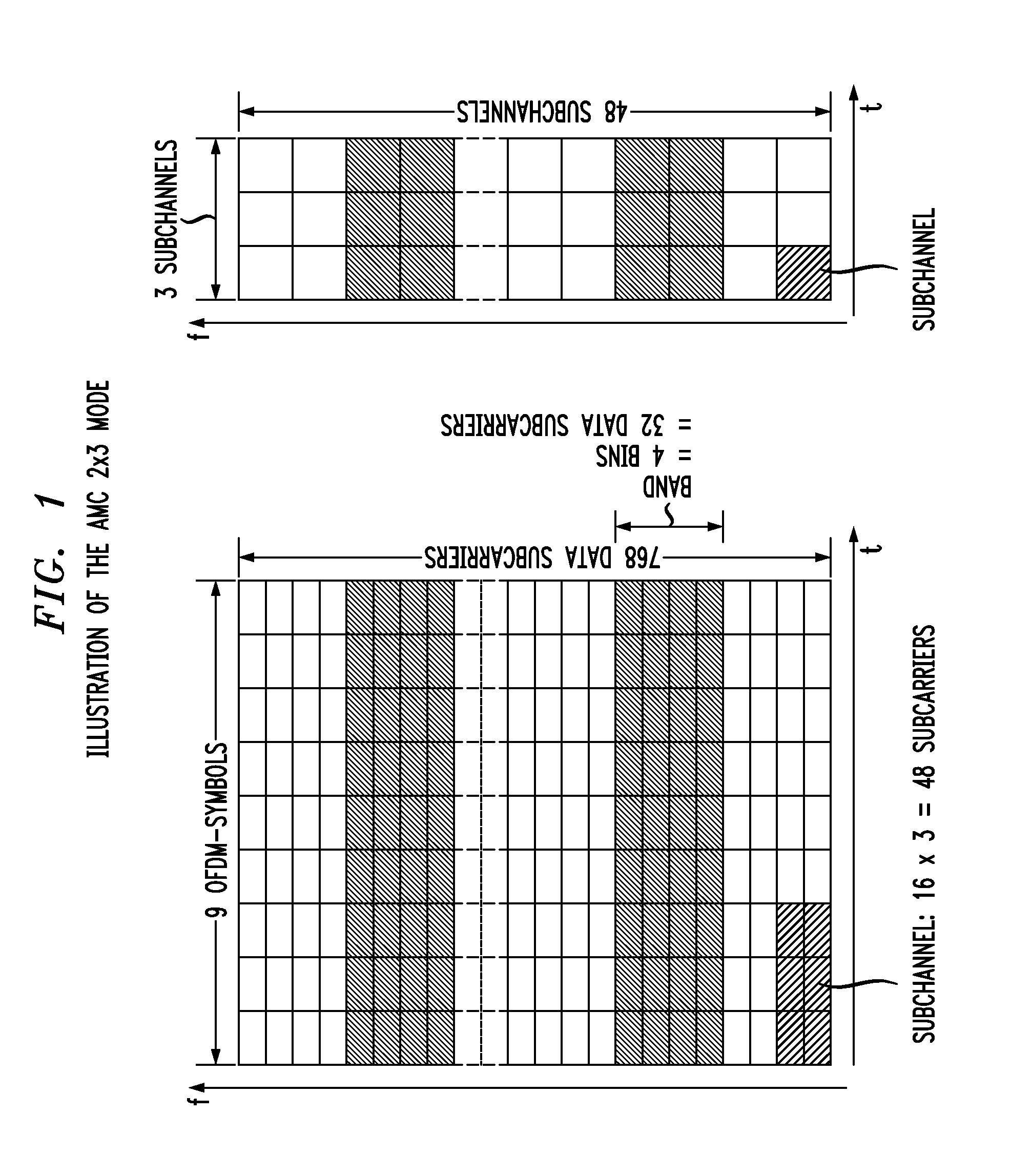
Figure 2 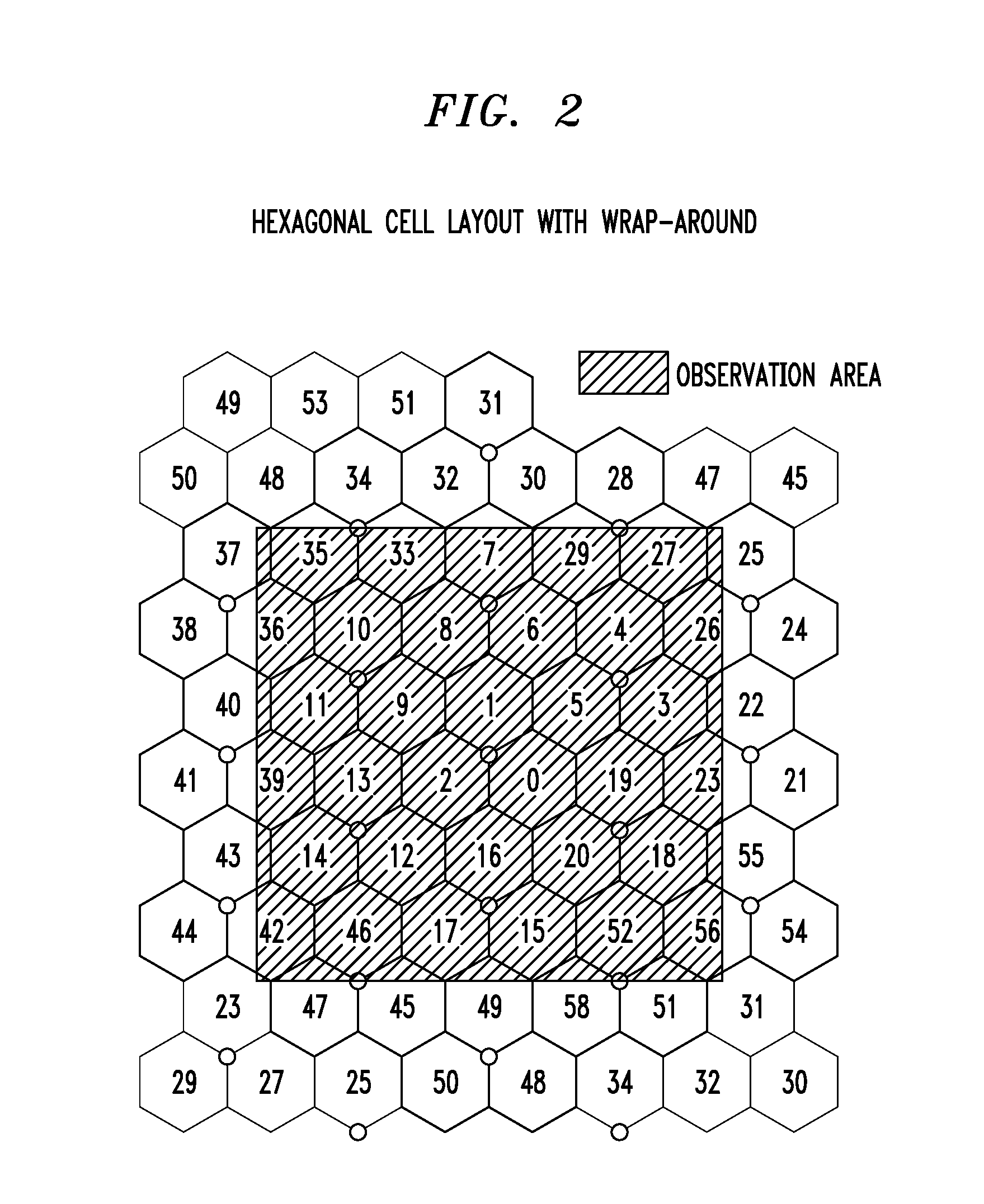
Figure 3
Abstract
Description
[0001] The invention is based on a priority application EP 07 301 294.0 which is hereby incorporated by reference.BACKGROUND OF THE INVENTION
[0002] The present invention relates to a method for reducing interference in a cellular radio communication system.
[0003] A particular object of the present invention is to provide a more efficient resource allocation based on interference coordination principle.
[0004] Another object of the invention is to provide a corresponding base station and interference coordinator.SUMMARY OF THE INVENTION
[0005] These objects, and others that appear below, are achieved by a method for reducing interference in a cellular radio communication network according to claim 1, an interference coordinator according to claim 7 and a base station according to claim 9.
[0006] According to the present invention, each base station of the network determines interference parameters destined to determine an interference situation in the system. This interference situation in th...
Examples
Embodiment Construction
[0031]In recent years, Orthogonal Frequency Division Multiple Access (OFDMA) has become an attractive transmission technology, which is part of various emerging system standards for broadband cellular communications. Examples include the 3GPP Long Term Evolution (LTE) and 802.16e WiMAX. In OFDMA, mobile terminals are multiplexed in time and frequency. A major problem in these systems is the inter-cell interference, which is caused by neighboring cells when transmitting on the same time and frequency slots. This problem can be solved by using beamforming antennas and coordinating the transmissions among base stations. This is known as interference coordination. In this paper, we present a distributed algorithm for interference coordination, which enhances the cell edge performance with global information provided by a central coordinator. The signaling delay during the communication with the central coordinator can be on the order of seconds, while an additional local interference co...