
Methods for treating hepatocellular carcinoma
a hepatocellular carcinoma and composition technology, applied in the field of compositions for the treatment of hepatocellular carcinoma, can solve the problems of hyper-stabilization of the microtubule structure, limited effectiveness of most chemotherapeutic agents, and inability to improve the survival rate of patients, so as to promote the assembly of microtubules, promote the activity of molecule activity, and promote the effect of microtubules
Patent Information
- Authority / Receiving Office
- US · United States
- Patent Type
- Applications(United States)
- Current Assignee / Owner
- Publication Date
- 2014-03-20
- Estimated Expiration
- Not applicable · inactive patent
Smart Images
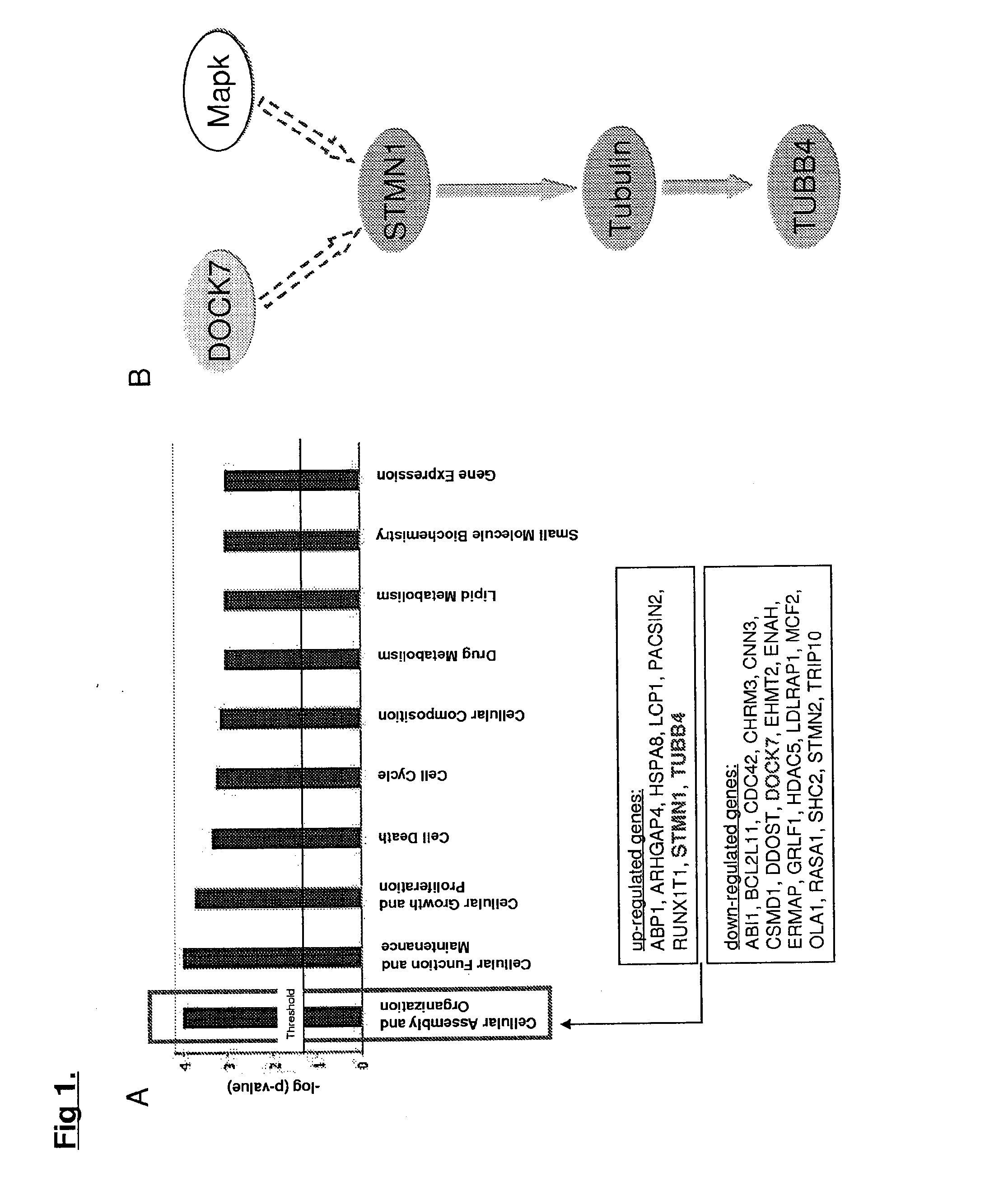
Figure 1 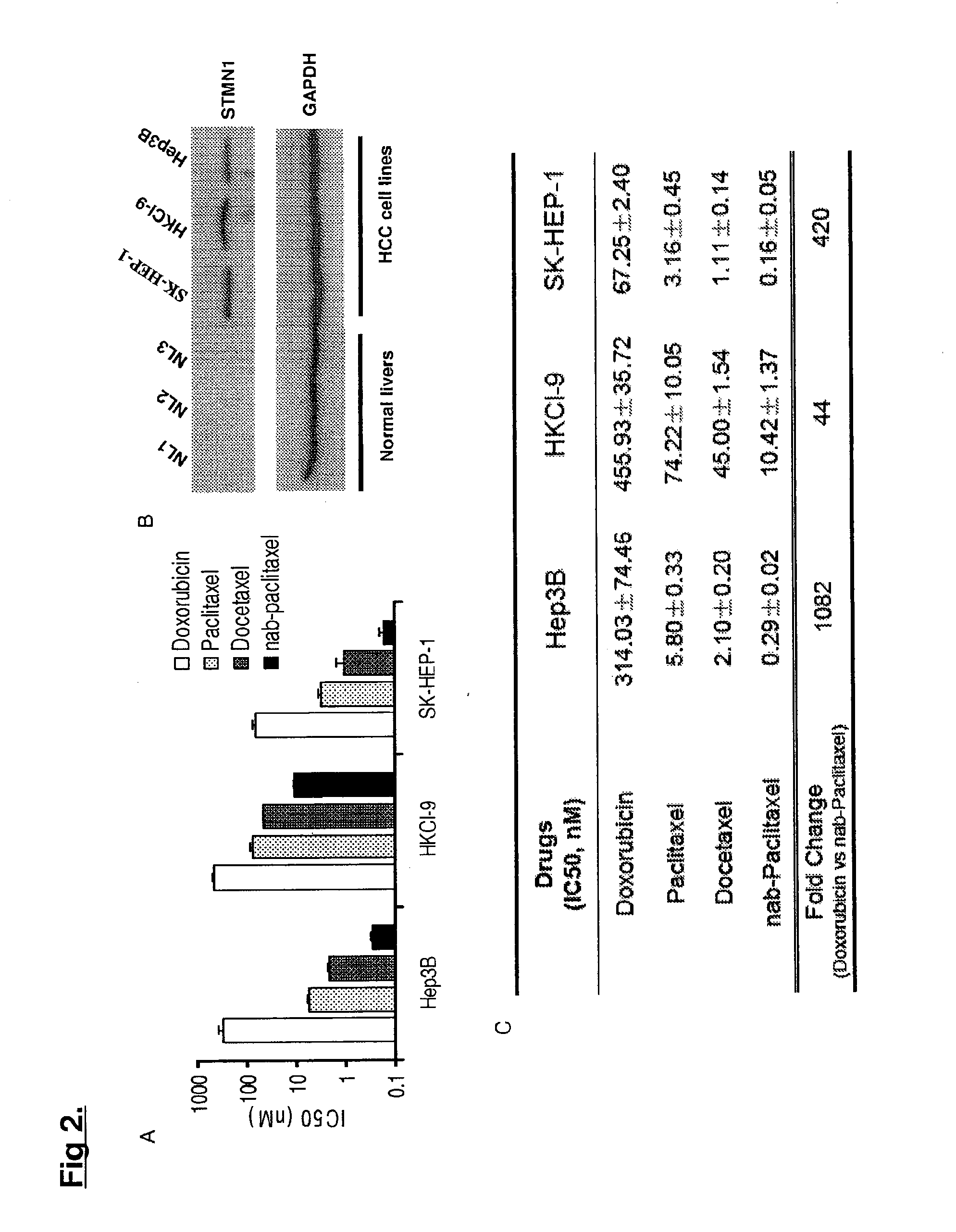
Figure 2 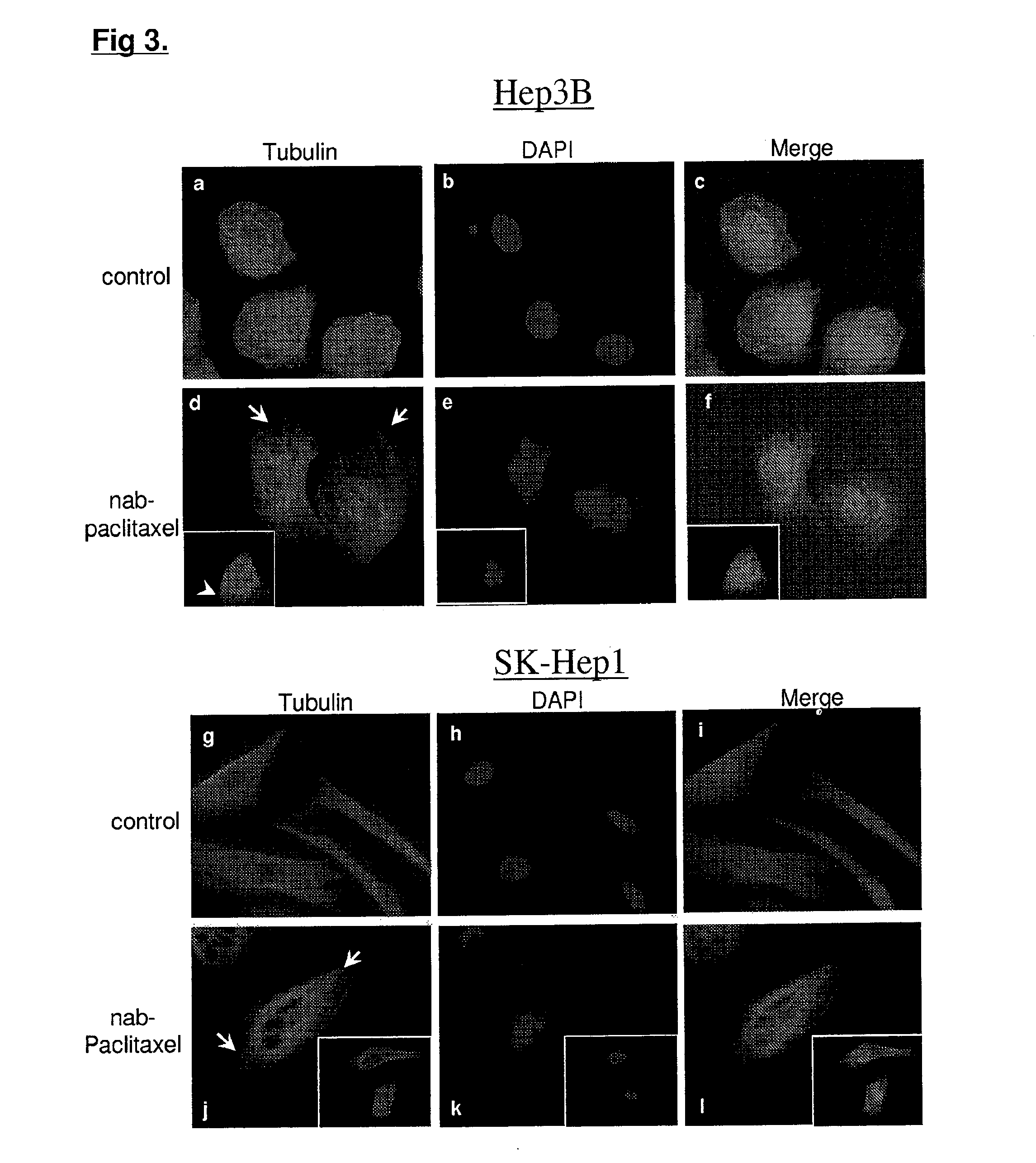
Figure 3
Abstract
Description
TECHNICAL FIELD
[0001] The present invention relates to methods and compositions for the treatment of hepatocellular carcinoma (HCC) by administering compositions comprising nanoparticles that comprise a taxane and an albumin.BACKGROUND
[0002] Hepatocellular carcinoma (HCC) is the fifth most common cancer worldwide and the third most common cause of cancer-related deaths. See Parkin D. M., Lancet Oncology 2:533-43 (2001). The disease is often diagnosed late in the course of clinical manifestation. As a result, only 10-15% of patients are candidates for curative surgery. For the majority of HCC patients, systemic chemotherapies or supportive therapies are the mainstay treatment options. Nevertheless, most chemotherapeutic agents show limited effectiveness and have not been able to improve patient survival. See e.g., Yeo W. et al., J. of the National Cancer Institute 97:1532-8 (2005), Gish R. G. et al., J. of Clinical Oncology 25:3069-75 (2007), Ramanathan R. K. et al., J. of Clinical Onc...
Examples
example 1
Evaluation of Efficacy of Nanoparticle (Nab-Paclitaxel) in In Vitro and In Vivo Hepatocellular Carcinoma (HCC) Models
[0175]This example demonstrates the activity of Nab-paclitaxel in in vitro and in vivo HCC models.
Materials and Methods
Expression Profiling and Informatic Analysis
[0176]Gene expression profiling on 43 paired HCC tumors and adjacent non-tumoral livers was performed according to method described by Wong N. et al., Clinical Cancer Research 11:1319-26 (2005). Demographic information of cases studied is shown in Table 1. Normal liver RNA from three individuals were pooled and used as reference control in array hybridisation (Ambion, Austin, Tex.; Clontech Laboratory Inc., Palo Alto, Calif.; and Strategene, La Jolla, Calif.). Briefly, reverse-transcribed RNA from test sample and normal liver pool were differentially labelled with fluorescent Cy5-dCTP or Cy3-dCTP. Labelled cDNAs were co-hybridised onto 19K cDNA arrays (Ontario Cancer Institute, Canada). Hybridised signals ca...