
Visually directed human-computer interaction for medical applications
a human-computer interaction and medical application technology, applied in the field of visual directed human-computer interaction for medical applications, can solve the problems of inconvenient use, adverse effects, and inconvenient processing of data, and achieve the effect of faster and intuitive human-computer inpu
Patent Information
- Authority / Receiving Office
- US · United States
- Patent Type
- Patents(United States)
- Current Assignee / Owner
- Publication Date
- 2017-12-12
- Estimated Expiration
- Not applicable · inactive patent
Smart Images
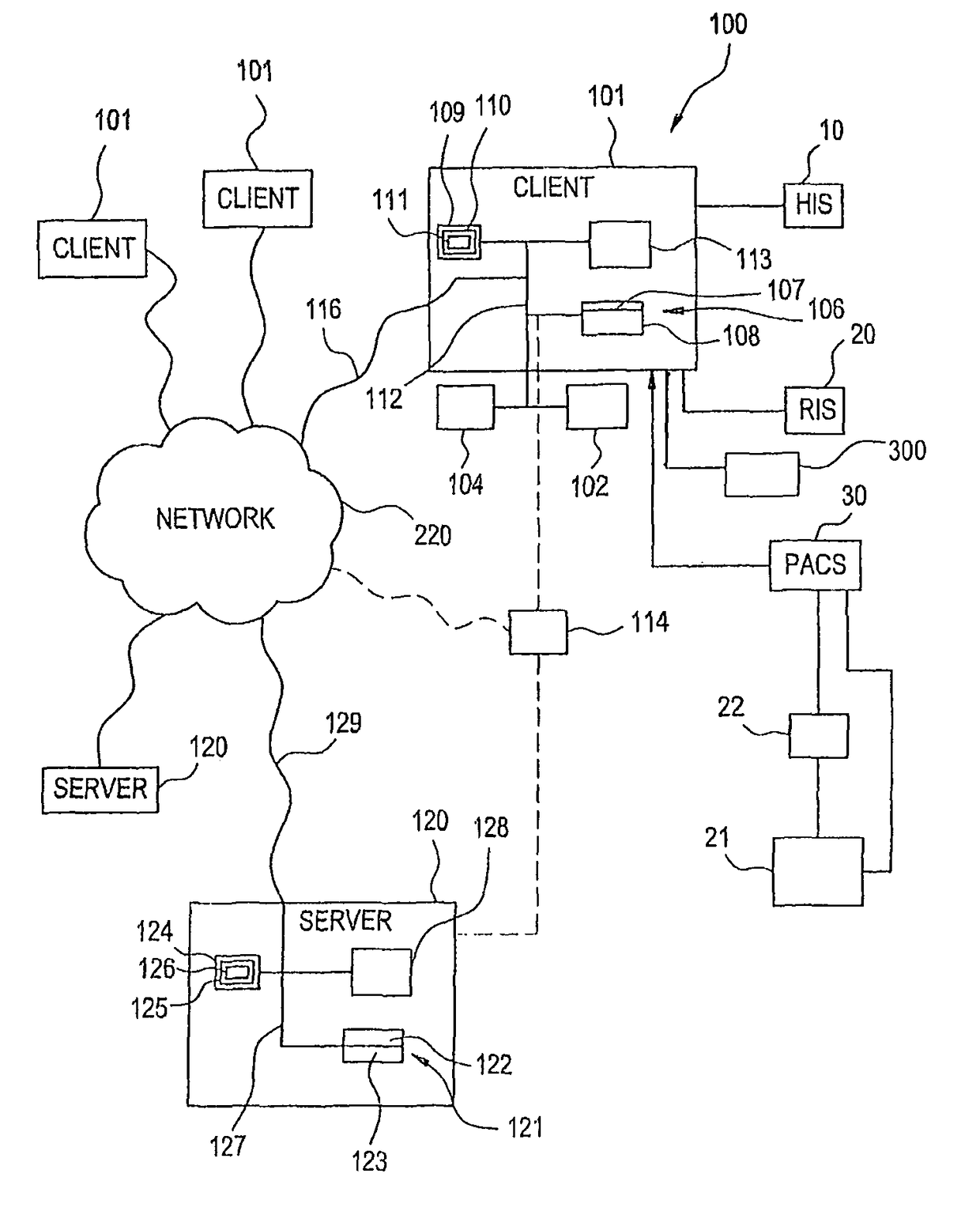
Figure 1 
Figure 2 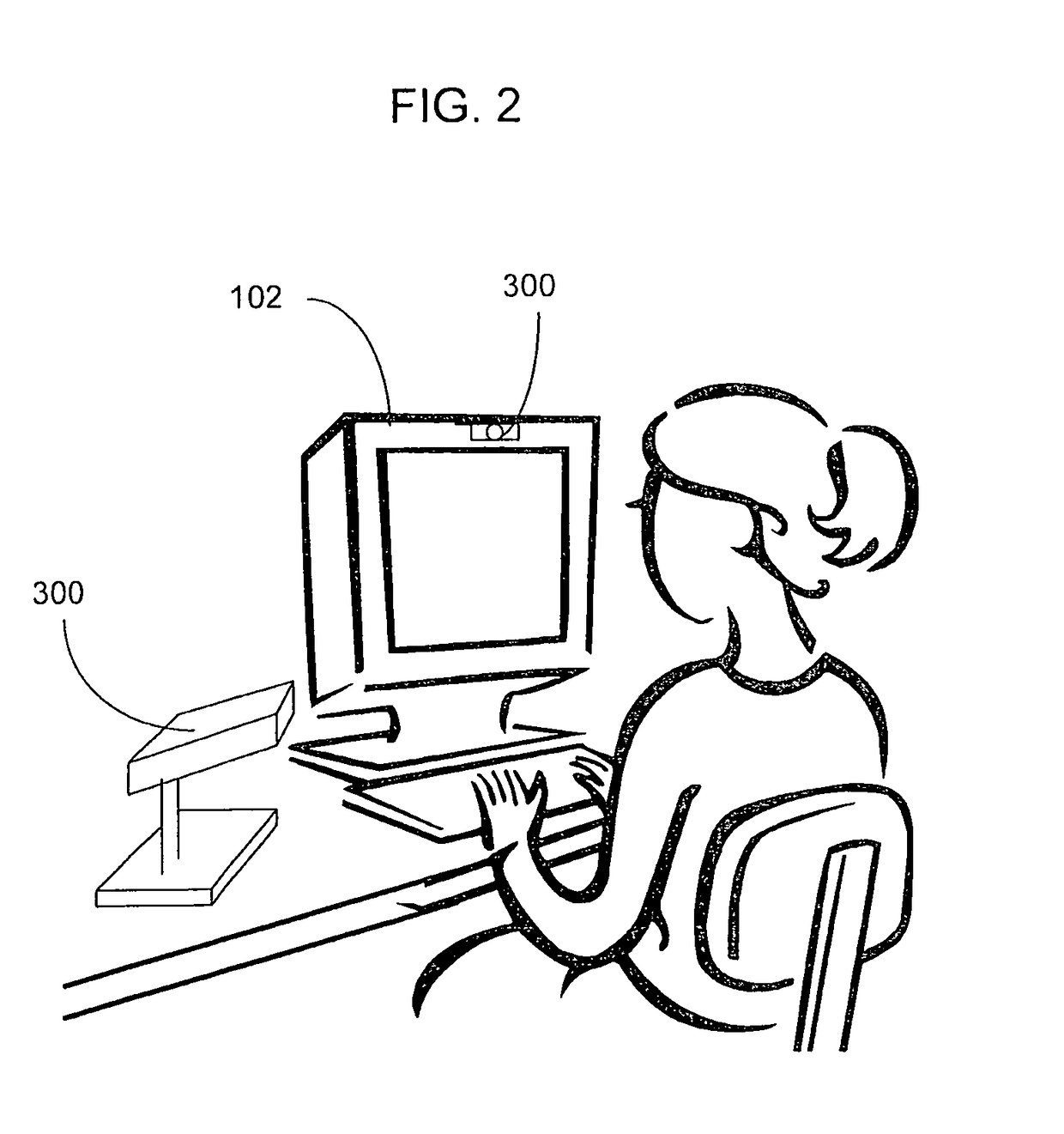
Figure 3
Abstract
Description
CROSS-REFERENCE TO RELATED APPLICATIONS
[0001] The present invention is a 35 U.S.C. 371 National Stage Entry of PCT / US2009 / 005940, filed Nov. 3, 2009, which claims priority from U.S. Provisional Patent Application No. 61 / 193,178, dated Nov. 3, 2008, the contents of all of which are herein incorporated by reference in their entirety.BACKGROUND OF THE INVENTION
[0002] 1. Field of the Invention
[0003] The present invention relates to alternative strategies to counteract the limitations of human-computer interaction in a medical environment, and includes eye tracking and thought recognition technologies, which provide for faster and more intuitive human-computer input.
[0004] 2. Description of the Related Art
[0005] In current medical practice, human-computer interaction represents the convergence of two powerful information processors, the human brain and the electronic microprocessor; each of which has its own unique attributes and limitations. The human brain is capable of abstract thought, ye...
Examples
Embodiment Construction
[0051]According to one embodiment of the invention, as illustrated in FIG. 1, medical (radiological) applications may be implemented using the system 100. The system 100 is designed to interface with existing information systems such as a Hospital Information System (HIS) 10, a Radiology Information System (RIS) 20, a radiographic device 21, and / or other information systems that may access a computed radiography (CR) cassette or direct radiography (DR) system, a CRIDR plate reader 22, a Picture Archiving and Communication System (PACS) 30, an eye movement detection apparatus 300, and / or other systems. The system 100 may be designed to conform with the relevant standards, such as the Digital Imaging and Communications in Medicine (DICOM) standard, DICOM Structured Reporting (SR) standard, and / or the Radiological Society of North America's Integrating the Healthcare Enterprise (IHE) initiative, among other standards.
[0052]According to one embodiment, bi-directional communication betwe...