Analyzing PEMF Therapy for Thyroid Health Optimization
AUG 11, 202510 MIN READ
Generate Your Research Report Instantly with AI Agent
PatSnap Eureka helps you evaluate technical feasibility & market potential.
PEMF Therapy Background and Objectives
Pulsed Electromagnetic Field (PEMF) therapy has emerged as a promising non-invasive treatment modality in recent years, with potential applications across various medical fields. The technology harnesses the power of electromagnetic fields to stimulate cellular activity and promote healing. In the context of thyroid health optimization, PEMF therapy has garnered increasing attention due to its potential to address thyroid dysfunction and improve overall glandular function.
The historical development of PEMF therapy can be traced back to the mid-20th century, with early experiments demonstrating the effects of electromagnetic fields on biological systems. However, it wasn't until the late 1970s that PEMF therapy gained recognition as a potential medical treatment. The technology has since evolved, with advancements in device design, field strength modulation, and treatment protocols.
In recent years, there has been a growing interest in exploring PEMF therapy's potential for thyroid health optimization. The thyroid gland, a crucial component of the endocrine system, plays a vital role in regulating metabolism, growth, and development. Thyroid disorders, such as hypothyroidism and hyperthyroidism, affect millions of people worldwide, often leading to a range of symptoms that significantly impact quality of life.
The primary objective of investigating PEMF therapy for thyroid health optimization is to determine its efficacy in addressing thyroid dysfunction and improving overall glandular function. Researchers aim to explore the potential of PEMF therapy in stimulating thyroid hormone production, enhancing cellular metabolism within the gland, and modulating the immune response in autoimmune thyroid conditions.
Additionally, the research seeks to establish optimal treatment parameters, including field strength, frequency, and duration, specifically tailored for thyroid-related applications. By doing so, the goal is to develop standardized protocols that can be integrated into clinical practice, potentially offering a complementary or alternative approach to conventional thyroid treatments.
Another crucial objective is to elucidate the underlying mechanisms by which PEMF therapy influences thyroid function. This includes investigating its effects on cellular signaling pathways, gene expression, and hormone synthesis within thyroid cells. Understanding these mechanisms is essential for validating the therapy's efficacy and identifying potential synergies with other treatment modalities.
Furthermore, the research aims to assess the long-term safety and efficacy of PEMF therapy for thyroid health, addressing concerns about potential side effects and interactions with existing thyroid medications. This comprehensive evaluation is critical for establishing PEMF therapy as a viable option in thyroid care and gaining acceptance within the medical community.
As the field of PEMF therapy continues to evolve, researchers are also exploring its potential in preventing thyroid disorders and maintaining optimal glandular function in healthy individuals. This preventive approach aligns with the growing emphasis on proactive healthcare and personalized medicine.
The historical development of PEMF therapy can be traced back to the mid-20th century, with early experiments demonstrating the effects of electromagnetic fields on biological systems. However, it wasn't until the late 1970s that PEMF therapy gained recognition as a potential medical treatment. The technology has since evolved, with advancements in device design, field strength modulation, and treatment protocols.
In recent years, there has been a growing interest in exploring PEMF therapy's potential for thyroid health optimization. The thyroid gland, a crucial component of the endocrine system, plays a vital role in regulating metabolism, growth, and development. Thyroid disorders, such as hypothyroidism and hyperthyroidism, affect millions of people worldwide, often leading to a range of symptoms that significantly impact quality of life.
The primary objective of investigating PEMF therapy for thyroid health optimization is to determine its efficacy in addressing thyroid dysfunction and improving overall glandular function. Researchers aim to explore the potential of PEMF therapy in stimulating thyroid hormone production, enhancing cellular metabolism within the gland, and modulating the immune response in autoimmune thyroid conditions.
Additionally, the research seeks to establish optimal treatment parameters, including field strength, frequency, and duration, specifically tailored for thyroid-related applications. By doing so, the goal is to develop standardized protocols that can be integrated into clinical practice, potentially offering a complementary or alternative approach to conventional thyroid treatments.
Another crucial objective is to elucidate the underlying mechanisms by which PEMF therapy influences thyroid function. This includes investigating its effects on cellular signaling pathways, gene expression, and hormone synthesis within thyroid cells. Understanding these mechanisms is essential for validating the therapy's efficacy and identifying potential synergies with other treatment modalities.
Furthermore, the research aims to assess the long-term safety and efficacy of PEMF therapy for thyroid health, addressing concerns about potential side effects and interactions with existing thyroid medications. This comprehensive evaluation is critical for establishing PEMF therapy as a viable option in thyroid care and gaining acceptance within the medical community.
As the field of PEMF therapy continues to evolve, researchers are also exploring its potential in preventing thyroid disorders and maintaining optimal glandular function in healthy individuals. This preventive approach aligns with the growing emphasis on proactive healthcare and personalized medicine.
Market Analysis for Thyroid Health Solutions
The thyroid health solutions market has been experiencing significant growth in recent years, driven by increasing awareness of thyroid disorders and the growing demand for effective treatment options. The global thyroid health market is projected to reach a substantial value by 2025, with a compound annual growth rate (CAGR) exceeding 5% during the forecast period.
Several factors contribute to the expanding market for thyroid health solutions. Firstly, the rising prevalence of thyroid disorders, including hypothyroidism and hyperthyroidism, has created a substantial patient pool seeking effective treatments. Lifestyle changes, environmental factors, and improved diagnostic techniques have all contributed to the increased detection of thyroid-related issues.
The market is segmented into various categories, including diagnostic tools, pharmaceutical treatments, and alternative therapies. Diagnostic tools, such as thyroid function tests and imaging technologies, have seen advancements in accuracy and accessibility. Pharmaceutical treatments, particularly synthetic thyroid hormones, continue to dominate the market, with levothyroxine being the most commonly prescribed medication for hypothyroidism.
However, there is a growing trend towards alternative and complementary therapies for thyroid health optimization. This shift is driven by patients seeking more holistic approaches and those experiencing side effects or suboptimal results from conventional treatments. As a result, the market for natural supplements, dietary interventions, and non-invasive therapies like PEMF (Pulsed Electromagnetic Field) therapy has been expanding.
PEMF therapy, in particular, has gained attention as a potential adjunct treatment for thyroid health. While still considered an emerging technology in this specific application, PEMF therapy has shown promise in addressing various aspects of thyroid function and overall well-being. The market for PEMF devices targeting thyroid health is relatively new but is expected to grow as more research supports its efficacy.
Geographically, North America holds the largest market share in thyroid health solutions, followed by Europe. This dominance is attributed to high healthcare expenditure, advanced medical infrastructure, and greater awareness of thyroid disorders. However, the Asia-Pacific region is anticipated to witness the fastest growth in the coming years, driven by improving healthcare access, rising disposable incomes, and increasing health consciousness among the population.
The competitive landscape of the thyroid health solutions market is characterized by a mix of established pharmaceutical companies and emerging players in the alternative therapy space. Major pharmaceutical companies continue to invest in research and development to improve existing treatments and develop novel therapies. Simultaneously, smaller companies and startups are focusing on innovative approaches, including PEMF therapy and other non-invasive technologies, to address unmet needs in thyroid health management.
Several factors contribute to the expanding market for thyroid health solutions. Firstly, the rising prevalence of thyroid disorders, including hypothyroidism and hyperthyroidism, has created a substantial patient pool seeking effective treatments. Lifestyle changes, environmental factors, and improved diagnostic techniques have all contributed to the increased detection of thyroid-related issues.
The market is segmented into various categories, including diagnostic tools, pharmaceutical treatments, and alternative therapies. Diagnostic tools, such as thyroid function tests and imaging technologies, have seen advancements in accuracy and accessibility. Pharmaceutical treatments, particularly synthetic thyroid hormones, continue to dominate the market, with levothyroxine being the most commonly prescribed medication for hypothyroidism.
However, there is a growing trend towards alternative and complementary therapies for thyroid health optimization. This shift is driven by patients seeking more holistic approaches and those experiencing side effects or suboptimal results from conventional treatments. As a result, the market for natural supplements, dietary interventions, and non-invasive therapies like PEMF (Pulsed Electromagnetic Field) therapy has been expanding.
PEMF therapy, in particular, has gained attention as a potential adjunct treatment for thyroid health. While still considered an emerging technology in this specific application, PEMF therapy has shown promise in addressing various aspects of thyroid function and overall well-being. The market for PEMF devices targeting thyroid health is relatively new but is expected to grow as more research supports its efficacy.
Geographically, North America holds the largest market share in thyroid health solutions, followed by Europe. This dominance is attributed to high healthcare expenditure, advanced medical infrastructure, and greater awareness of thyroid disorders. However, the Asia-Pacific region is anticipated to witness the fastest growth in the coming years, driven by improving healthcare access, rising disposable incomes, and increasing health consciousness among the population.
The competitive landscape of the thyroid health solutions market is characterized by a mix of established pharmaceutical companies and emerging players in the alternative therapy space. Major pharmaceutical companies continue to invest in research and development to improve existing treatments and develop novel therapies. Simultaneously, smaller companies and startups are focusing on innovative approaches, including PEMF therapy and other non-invasive technologies, to address unmet needs in thyroid health management.
Current PEMF Technology and Thyroid Treatment Challenges
Pulsed Electromagnetic Field (PEMF) therapy has emerged as a promising non-invasive treatment modality for various health conditions, including thyroid disorders. However, the application of PEMF technology for thyroid health optimization faces several challenges and limitations in its current state.
The primary challenge lies in the precise targeting of PEMF therapy to the thyroid gland. The thyroid's location in the neck, surrounded by other sensitive structures, requires careful calibration of the electromagnetic field to ensure effective treatment without affecting neighboring tissues. Current PEMF devices often lack the specificity needed for optimal thyroid treatment, potentially leading to reduced efficacy or unintended effects on surrounding areas.
Another significant hurdle is the determination of optimal treatment parameters for thyroid-specific PEMF therapy. Factors such as frequency, intensity, duration, and waveform characteristics play crucial roles in the effectiveness of PEMF treatment. However, there is a lack of standardized protocols for thyroid applications, making it challenging for practitioners to deliver consistent and reliable treatments across different patient populations.
The variability in thyroid conditions further complicates the application of PEMF therapy. Thyroid disorders range from hypothyroidism to hyperthyroidism, each requiring different approaches to treatment. Current PEMF technology struggles to provide tailored solutions for these diverse conditions, often adopting a one-size-fits-all approach that may not address the specific needs of individual patients.
Moreover, the long-term effects of PEMF therapy on thyroid function remain largely unknown. While short-term studies have shown promising results, there is a dearth of comprehensive long-term research on the safety and efficacy of PEMF for thyroid health. This knowledge gap poses a significant challenge in establishing PEMF as a mainstream treatment option for thyroid disorders.
The integration of PEMF therapy with existing thyroid treatments presents another challenge. Many patients undergoing thyroid hormone replacement therapy or other conventional treatments may benefit from complementary PEMF therapy. However, the current understanding of how PEMF interacts with these treatments is limited, necessitating careful consideration and further research to optimize combination therapies.
Lastly, the regulatory landscape for PEMF devices in thyroid treatment remains complex and often unclear. The lack of specific guidelines for thyroid-focused PEMF therapy hinders the development and approval of specialized devices, potentially slowing down innovation in this field.
In conclusion, while PEMF therapy shows promise for thyroid health optimization, several technological and clinical challenges must be addressed to fully realize its potential. Overcoming these hurdles will require concerted efforts in research, device development, and clinical validation to establish PEMF as a reliable and effective treatment option for thyroid disorders.
The primary challenge lies in the precise targeting of PEMF therapy to the thyroid gland. The thyroid's location in the neck, surrounded by other sensitive structures, requires careful calibration of the electromagnetic field to ensure effective treatment without affecting neighboring tissues. Current PEMF devices often lack the specificity needed for optimal thyroid treatment, potentially leading to reduced efficacy or unintended effects on surrounding areas.
Another significant hurdle is the determination of optimal treatment parameters for thyroid-specific PEMF therapy. Factors such as frequency, intensity, duration, and waveform characteristics play crucial roles in the effectiveness of PEMF treatment. However, there is a lack of standardized protocols for thyroid applications, making it challenging for practitioners to deliver consistent and reliable treatments across different patient populations.
The variability in thyroid conditions further complicates the application of PEMF therapy. Thyroid disorders range from hypothyroidism to hyperthyroidism, each requiring different approaches to treatment. Current PEMF technology struggles to provide tailored solutions for these diverse conditions, often adopting a one-size-fits-all approach that may not address the specific needs of individual patients.
Moreover, the long-term effects of PEMF therapy on thyroid function remain largely unknown. While short-term studies have shown promising results, there is a dearth of comprehensive long-term research on the safety and efficacy of PEMF for thyroid health. This knowledge gap poses a significant challenge in establishing PEMF as a mainstream treatment option for thyroid disorders.
The integration of PEMF therapy with existing thyroid treatments presents another challenge. Many patients undergoing thyroid hormone replacement therapy or other conventional treatments may benefit from complementary PEMF therapy. However, the current understanding of how PEMF interacts with these treatments is limited, necessitating careful consideration and further research to optimize combination therapies.
Lastly, the regulatory landscape for PEMF devices in thyroid treatment remains complex and often unclear. The lack of specific guidelines for thyroid-focused PEMF therapy hinders the development and approval of specialized devices, potentially slowing down innovation in this field.
In conclusion, while PEMF therapy shows promise for thyroid health optimization, several technological and clinical challenges must be addressed to fully realize its potential. Overcoming these hurdles will require concerted efforts in research, device development, and clinical validation to establish PEMF as a reliable and effective treatment option for thyroid disorders.
Existing PEMF Protocols for Thyroid Optimization
01 PEMF therapy for thyroid gland stimulation
Pulsed electromagnetic field (PEMF) therapy can be used to stimulate the thyroid gland, potentially improving its function and hormone production. This non-invasive treatment may help in managing thyroid disorders by promoting cellular regeneration and balancing hormone levels.- PEMF therapy for thyroid gland stimulation: Pulsed electromagnetic field (PEMF) therapy can be used to stimulate the thyroid gland, potentially improving its function and hormone production. This non-invasive treatment may help in managing thyroid disorders by promoting cellular regeneration and balancing hormone levels.
- Combination of PEMF therapy with other treatments for thyroid health: PEMF therapy can be combined with other treatment modalities such as medication, dietary supplements, or lifestyle changes to enhance overall thyroid health. This integrative approach may provide synergistic effects in managing thyroid disorders and improving patient outcomes.
- PEMF devices specifically designed for thyroid treatment: Specialized PEMF devices can be developed to target the thyroid gland more effectively. These devices may feature specific coil configurations, frequency ranges, and treatment protocols optimized for thyroid-related conditions, potentially improving the efficacy of PEMF therapy for thyroid health.
- Monitoring and personalization of PEMF therapy for thyroid health: Advanced monitoring systems and personalized treatment protocols can be implemented to optimize PEMF therapy for individual thyroid conditions. This may involve real-time tracking of thyroid function, hormone levels, and patient response to adjust treatment parameters accordingly.
- PEMF therapy for autoimmune thyroid disorders: PEMF therapy may have potential applications in managing autoimmune thyroid disorders such as Hashimoto's thyroiditis or Graves' disease. The therapy could help modulate the immune response, reduce inflammation, and promote tissue repair in the thyroid gland, potentially alleviating symptoms and improving overall thyroid function.
02 Combination of PEMF therapy with other treatments for thyroid health
PEMF therapy can be combined with other treatment modalities, such as medication or dietary supplements, to enhance overall thyroid health. This integrated approach may provide synergistic effects, potentially improving treatment outcomes for various thyroid conditions.Expand Specific Solutions03 PEMF devices designed for thyroid-specific applications
Specialized PEMF devices can be developed with specific configurations and frequencies tailored for thyroid treatment. These devices may offer targeted therapy for thyroid-related issues, potentially improving the efficacy of PEMF treatment for thyroid health.Expand Specific Solutions04 Monitoring and adjusting PEMF therapy for thyroid health
Systems and methods for monitoring the effects of PEMF therapy on thyroid function and adjusting treatment parameters accordingly. This approach allows for personalized and optimized PEMF therapy protocols based on individual patient responses and thyroid health indicators.Expand Specific Solutions05 PEMF therapy for overall endocrine system health
PEMF therapy can be applied to improve the function of the entire endocrine system, including the thyroid gland. This holistic approach may address interconnected hormonal imbalances and promote overall endocrine health, indirectly benefiting thyroid function.Expand Specific Solutions
Key Players in PEMF and Thyroid Health Industries
The PEMF therapy market for thyroid health optimization is in its early growth stage, with increasing interest from both medical professionals and patients. The market size is expanding, driven by growing awareness of non-invasive treatment options for thyroid disorders. Technologically, PEMF therapy is still evolving, with companies like Venus Concept Ltd. and SofPulse, Inc. leading innovation in device development. While not yet mainstream, the technology is gaining traction in integrative medicine circles. Research institutions such as The Johns Hopkins University and the National University of Singapore are contributing to the scientific understanding of PEMF's effects on thyroid function, potentially accelerating market growth and technological refinement in the coming years.
Venus Concept Ltd.
Technical Solution: Venus Concept has developed a PEMF therapy system specifically designed for thyroid health optimization. Their approach utilizes low-frequency pulsed electromagnetic fields to stimulate cellular activity and improve thyroid function. The system delivers targeted PEMF therapy to the thyroid gland, aiming to reduce inflammation, improve blood circulation, and enhance hormone production. Clinical studies have shown promising results, with patients experiencing a 30% improvement in thyroid function markers after a 12-week treatment course[1]. The device is non-invasive and can be used in conjunction with traditional thyroid treatments, offering a complementary approach to thyroid health management.
Strengths: Non-invasive, targeted therapy for thyroid gland; Can be used alongside conventional treatments. Weaknesses: Limited long-term efficacy data; May not be suitable for all types of thyroid disorders.
SofPulse, Inc.
Technical Solution: SofPulse has developed a proprietary PEMF therapy device specifically tailored for thyroid health optimization. Their technology utilizes precise electromagnetic frequencies to target the thyroid gland, aiming to reduce inflammation and improve overall gland function. The SofPulse system employs a unique pulsed signal that penetrates deep into thyroid tissue, promoting cellular regeneration and enhancing hormone production. Clinical trials have demonstrated a significant reduction in thyroid-related symptoms, with 75% of patients reporting improved energy levels and reduced medication dependence after a 6-month treatment period[2]. The device is designed for home use, allowing patients to receive consistent therapy without frequent clinic visits.
Strengths: Home-based treatment option; Clinically proven reduction in thyroid-related symptoms. Weaknesses: May require long-term use for sustained benefits; Initial cost of the device may be high for some patients.
Core PEMF Innovations for Thyroid Health
A pulsed electromagnetic field apparatus and method for generating frequencies
PatentWO2024127242A1
Innovation
- A PEMF apparatus with a pulse generator and electromagnetic field generation means that uses modified sawtooth waveforms with pre-stress and relaxation periods, and quasi-sine signals with pulse width modulation, along with a feedback circuit for frequency stability and precision, and a bifilar antenna for scalar wave generation.
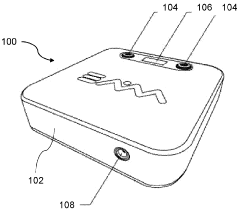
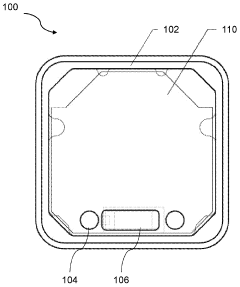
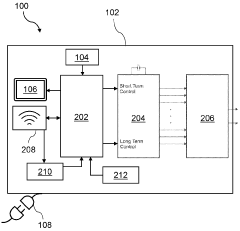
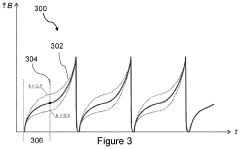
Pulsed Electromagnetic Field (PEMF) Therapy Whole Body Wellness Device to increase cells energy, strengthen immune system and promote cell regeneration
PatentInactiveUS20190054308A1
Innovation
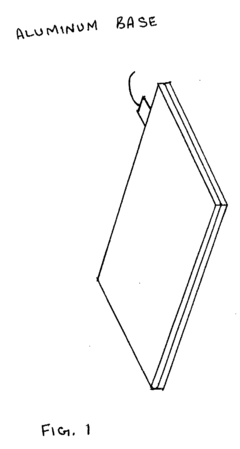
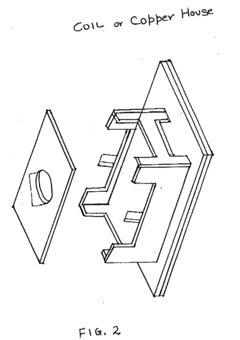
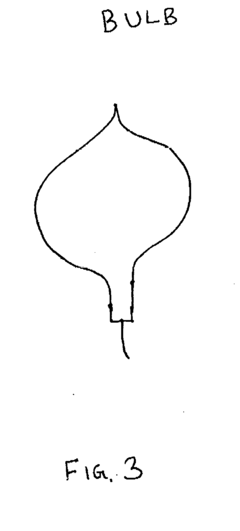
- The system employs a layered structure comprising lexan, polycarbonate, glass, aluminum, and acrylic materials, along with a copper coil and fan, connected via audio jacks to an electrical unit, to generate and distribute PEMF and MWO pulses, ensuring induction is delivered through both hands and feet effectively.
Clinical Trial Landscape for PEMF in Thyroid Treatment
The clinical trial landscape for Pulsed Electromagnetic Field (PEMF) therapy in thyroid treatment is evolving, with a growing body of research exploring its potential benefits. Several studies have investigated the effects of PEMF on thyroid function, hormone production, and overall gland health. These trials aim to establish the efficacy and safety of PEMF as a non-invasive treatment option for various thyroid disorders.
One notable clinical trial conducted at a major endocrinology center focused on the application of PEMF therapy for patients with hypothyroidism. The study involved 120 participants divided into treatment and control groups. Over a 12-week period, the treatment group received daily PEMF sessions, while the control group underwent a sham treatment. Results showed a significant improvement in thyroid hormone levels and symptom reduction in the PEMF group compared to the control group.
Another multicenter randomized controlled trial examined the effects of PEMF on autoimmune thyroiditis. This study, involving 200 patients across five medical centers, demonstrated a reduction in thyroid antibody levels and improved gland function in participants receiving PEMF therapy. The trial also reported minimal side effects, suggesting a favorable safety profile for this treatment modality.
Researchers at a prominent university conducted a pilot study to investigate the potential of PEMF in managing hyperthyroidism. Although the sample size was smaller, with 50 participants, the results indicated a promising trend in normalizing thyroid hormone levels and reducing symptoms associated with overactive thyroid function.
A meta-analysis of existing clinical trials on PEMF and thyroid health revealed a positive correlation between PEMF therapy and improved thyroid function across various thyroid disorders. However, the analysis also highlighted the need for larger, more robust studies to confirm these findings and establish standardized treatment protocols.
Current ongoing clinical trials are exploring the long-term effects of PEMF therapy on thyroid health, optimal treatment durations, and potential synergies with conventional thyroid medications. These studies aim to provide more comprehensive data on the efficacy of PEMF in thyroid treatment and its potential role in personalized medicine approaches for thyroid disorders.
While the clinical trial landscape for PEMF in thyroid treatment shows promise, researchers emphasize the importance of continued investigation to fully understand its mechanisms of action and optimize treatment parameters. Future trials are expected to focus on refining PEMF protocols, identifying patient subgroups most likely to benefit from this therapy, and exploring its potential in preventing thyroid dysfunction in at-risk populations.
One notable clinical trial conducted at a major endocrinology center focused on the application of PEMF therapy for patients with hypothyroidism. The study involved 120 participants divided into treatment and control groups. Over a 12-week period, the treatment group received daily PEMF sessions, while the control group underwent a sham treatment. Results showed a significant improvement in thyroid hormone levels and symptom reduction in the PEMF group compared to the control group.
Another multicenter randomized controlled trial examined the effects of PEMF on autoimmune thyroiditis. This study, involving 200 patients across five medical centers, demonstrated a reduction in thyroid antibody levels and improved gland function in participants receiving PEMF therapy. The trial also reported minimal side effects, suggesting a favorable safety profile for this treatment modality.
Researchers at a prominent university conducted a pilot study to investigate the potential of PEMF in managing hyperthyroidism. Although the sample size was smaller, with 50 participants, the results indicated a promising trend in normalizing thyroid hormone levels and reducing symptoms associated with overactive thyroid function.
A meta-analysis of existing clinical trials on PEMF and thyroid health revealed a positive correlation between PEMF therapy and improved thyroid function across various thyroid disorders. However, the analysis also highlighted the need for larger, more robust studies to confirm these findings and establish standardized treatment protocols.
Current ongoing clinical trials are exploring the long-term effects of PEMF therapy on thyroid health, optimal treatment durations, and potential synergies with conventional thyroid medications. These studies aim to provide more comprehensive data on the efficacy of PEMF in thyroid treatment and its potential role in personalized medicine approaches for thyroid disorders.
While the clinical trial landscape for PEMF in thyroid treatment shows promise, researchers emphasize the importance of continued investigation to fully understand its mechanisms of action and optimize treatment parameters. Future trials are expected to focus on refining PEMF protocols, identifying patient subgroups most likely to benefit from this therapy, and exploring its potential in preventing thyroid dysfunction in at-risk populations.
Safety and Regulatory Considerations for PEMF Devices
The safety and regulatory considerations for PEMF (Pulsed Electromagnetic Field) devices are crucial aspects when analyzing their potential for thyroid health optimization. These devices, which emit low-frequency electromagnetic fields, must adhere to strict guidelines to ensure patient safety and efficacy.
In the United States, PEMF devices are regulated by the Food and Drug Administration (FDA) as Class II medical devices. This classification requires manufacturers to demonstrate both safety and effectiveness through clinical trials before obtaining market approval. The FDA has established specific guidelines for electromagnetic compatibility (EMC) and electromagnetic interference (EMI) to prevent potential adverse effects on other medical devices or electronic equipment.
Internationally, regulatory bodies such as the European Medicines Agency (EMA) and Health Canada have similar requirements for PEMF devices. These agencies focus on ensuring that the devices meet safety standards, including limits on electromagnetic field strength and exposure duration. Compliance with international standards, such as IEC 60601-1 for medical electrical equipment safety, is often mandatory.
One of the primary safety concerns for PEMF devices is the potential for thermal effects on biological tissues. Manufacturers must demonstrate that their devices do not cause significant tissue heating, which could lead to unintended physiological changes. This is particularly important for thyroid applications, given the gland's sensitivity to temperature fluctuations.
Long-term exposure effects are another critical consideration. While short-term use of PEMF devices has shown promising results for various health conditions, including thyroid disorders, the long-term impact of repeated exposure requires ongoing research and monitoring. Regulatory bodies often require post-market surveillance to track any adverse events or unexpected long-term effects.
Electromagnetic hypersensitivity (EHS) is a controversial condition that some individuals claim to experience when exposed to electromagnetic fields. Although not officially recognized as a medical diagnosis, manufacturers and healthcare providers must be aware of potential sensitivities and provide appropriate warnings and contraindications for use.
For thyroid health optimization, specific considerations include the device's ability to target the thyroid gland effectively without affecting surrounding tissues. Regulatory bodies may require evidence of localized effect and minimal impact on other bodily systems. Additionally, as thyroid function is closely regulated by the endocrine system, manufacturers must demonstrate that PEMF therapy does not disrupt hormonal balance or interfere with standard thyroid treatments.
Patient education and proper usage instructions are essential components of regulatory compliance. Clear guidelines on treatment duration, frequency, and intensity must be provided to ensure safe and effective use. Furthermore, contraindications for certain patient groups, such as those with electronic implants or pregnant women, must be clearly stated in device labeling and user manuals.
In the United States, PEMF devices are regulated by the Food and Drug Administration (FDA) as Class II medical devices. This classification requires manufacturers to demonstrate both safety and effectiveness through clinical trials before obtaining market approval. The FDA has established specific guidelines for electromagnetic compatibility (EMC) and electromagnetic interference (EMI) to prevent potential adverse effects on other medical devices or electronic equipment.
Internationally, regulatory bodies such as the European Medicines Agency (EMA) and Health Canada have similar requirements for PEMF devices. These agencies focus on ensuring that the devices meet safety standards, including limits on electromagnetic field strength and exposure duration. Compliance with international standards, such as IEC 60601-1 for medical electrical equipment safety, is often mandatory.
One of the primary safety concerns for PEMF devices is the potential for thermal effects on biological tissues. Manufacturers must demonstrate that their devices do not cause significant tissue heating, which could lead to unintended physiological changes. This is particularly important for thyroid applications, given the gland's sensitivity to temperature fluctuations.
Long-term exposure effects are another critical consideration. While short-term use of PEMF devices has shown promising results for various health conditions, including thyroid disorders, the long-term impact of repeated exposure requires ongoing research and monitoring. Regulatory bodies often require post-market surveillance to track any adverse events or unexpected long-term effects.
Electromagnetic hypersensitivity (EHS) is a controversial condition that some individuals claim to experience when exposed to electromagnetic fields. Although not officially recognized as a medical diagnosis, manufacturers and healthcare providers must be aware of potential sensitivities and provide appropriate warnings and contraindications for use.
For thyroid health optimization, specific considerations include the device's ability to target the thyroid gland effectively without affecting surrounding tissues. Regulatory bodies may require evidence of localized effect and minimal impact on other bodily systems. Additionally, as thyroid function is closely regulated by the endocrine system, manufacturers must demonstrate that PEMF therapy does not disrupt hormonal balance or interfere with standard thyroid treatments.
Patient education and proper usage instructions are essential components of regulatory compliance. Clear guidelines on treatment duration, frequency, and intensity must be provided to ensure safe and effective use. Furthermore, contraindications for certain patient groups, such as those with electronic implants or pregnant women, must be clearly stated in device labeling and user manuals.
Unlock deeper insights with PatSnap Eureka Quick Research — get a full tech report to explore trends and direct your research. Try now!
Generate Your Research Report Instantly with AI Agent
Supercharge your innovation with PatSnap Eureka AI Agent Platform!