Analyzing Spintronics in Textile-Integrated Wearable Devices
APR 16, 20269 MIN READ
Generate Your Research Report Instantly with AI Agent
PatSnap Eureka helps you evaluate technical feasibility & market potential.
Spintronics Textile Integration Background and Objectives
Spintronics, a revolutionary field that exploits the intrinsic spin of electrons alongside their charge, has emerged as a transformative technology for next-generation electronic devices. This quantum mechanical property enables the development of devices with enhanced functionality, reduced power consumption, and improved processing capabilities compared to conventional charge-based electronics. The integration of spintronic principles into textile substrates represents a paradigm shift in wearable technology development.
The evolution of spintronics began with the discovery of giant magnetoresistance in the late 1980s, leading to applications in magnetic storage and sensing. Over the past three decades, the field has progressed from laboratory curiosities to commercial applications in hard disk drives, magnetic random-access memory, and magnetic sensors. Recent advances in spin manipulation techniques, materials engineering, and device miniaturization have opened new possibilities for flexible and wearable applications.
Textile integration of spintronic devices addresses the growing demand for seamless, comfortable, and functionally advanced wearable electronics. Traditional rigid electronic components often compromise user comfort and limit the natural movement of textiles. The convergence of spintronics with textile engineering offers unprecedented opportunities to create truly integrated smart fabrics that maintain their inherent properties while providing sophisticated electronic functionalities.
The primary objective of integrating spintronics into textile-based wearable devices is to develop ultra-low power, flexible electronic systems that can perform complex sensing, processing, and communication tasks. These systems aim to achieve power consumption levels orders of magnitude lower than conventional electronics, enabling extended operation periods and reduced battery requirements. Additionally, the inherent magnetic properties of spintronic devices offer unique advantages for wireless power transfer and data communication in textile environments.
Key technical objectives include developing spin-based sensors capable of detecting physiological parameters, environmental conditions, and motion with high sensitivity and selectivity. The integration seeks to leverage the non-volatile nature of spintronic memory elements to create smart textiles with embedded data storage and processing capabilities. Furthermore, the magnetic field sensitivity of spintronic devices enables novel interaction modalities and positioning systems specifically designed for wearable applications.
The strategic goal encompasses creating a new category of intelligent textiles that seamlessly blend advanced electronic functionality with traditional textile properties such as breathability, flexibility, washability, and comfort. This integration aims to establish foundational technologies for applications ranging from healthcare monitoring and sports performance analysis to augmented reality interfaces and human-machine interaction systems.
The evolution of spintronics began with the discovery of giant magnetoresistance in the late 1980s, leading to applications in magnetic storage and sensing. Over the past three decades, the field has progressed from laboratory curiosities to commercial applications in hard disk drives, magnetic random-access memory, and magnetic sensors. Recent advances in spin manipulation techniques, materials engineering, and device miniaturization have opened new possibilities for flexible and wearable applications.
Textile integration of spintronic devices addresses the growing demand for seamless, comfortable, and functionally advanced wearable electronics. Traditional rigid electronic components often compromise user comfort and limit the natural movement of textiles. The convergence of spintronics with textile engineering offers unprecedented opportunities to create truly integrated smart fabrics that maintain their inherent properties while providing sophisticated electronic functionalities.
The primary objective of integrating spintronics into textile-based wearable devices is to develop ultra-low power, flexible electronic systems that can perform complex sensing, processing, and communication tasks. These systems aim to achieve power consumption levels orders of magnitude lower than conventional electronics, enabling extended operation periods and reduced battery requirements. Additionally, the inherent magnetic properties of spintronic devices offer unique advantages for wireless power transfer and data communication in textile environments.
Key technical objectives include developing spin-based sensors capable of detecting physiological parameters, environmental conditions, and motion with high sensitivity and selectivity. The integration seeks to leverage the non-volatile nature of spintronic memory elements to create smart textiles with embedded data storage and processing capabilities. Furthermore, the magnetic field sensitivity of spintronic devices enables novel interaction modalities and positioning systems specifically designed for wearable applications.
The strategic goal encompasses creating a new category of intelligent textiles that seamlessly blend advanced electronic functionality with traditional textile properties such as breathability, flexibility, washability, and comfort. This integration aims to establish foundational technologies for applications ranging from healthcare monitoring and sports performance analysis to augmented reality interfaces and human-machine interaction systems.
Market Demand for Spintronic Wearable Textiles
The global wearable technology market has experienced unprecedented growth, driven by increasing consumer awareness of health monitoring and the proliferation of Internet of Things applications. Traditional wearable devices face significant limitations in terms of flexibility, comfort, and seamless integration with daily activities. This creates substantial market opportunities for textile-integrated solutions that can overcome these barriers while maintaining advanced functionality.
Healthcare applications represent the most promising market segment for spintronic wearable textiles. The aging global population and rising healthcare costs have intensified demand for continuous, non-invasive monitoring solutions. Spintronic sensors embedded in textiles can provide real-time monitoring of vital signs, muscle activity, and neurological signals without compromising user comfort or mobility. This capability addresses critical gaps in current healthcare monitoring systems.
The sports and fitness industry demonstrates strong demand for advanced performance monitoring capabilities. Professional athletes and fitness enthusiasts require precise measurement of biomechanical parameters, muscle fatigue, and recovery metrics. Spintronic textile devices can deliver superior sensitivity and accuracy compared to conventional sensors while maintaining the flexibility essential for athletic performance.
Military and defense applications present significant market potential due to requirements for soldier health monitoring and performance optimization in challenging environments. Spintronic textiles offer advantages in durability, electromagnetic interference resistance, and power efficiency that align with defense sector specifications. The ability to integrate multiple sensing modalities into a single textile platform addresses complex operational requirements.
Consumer electronics integration drives demand for seamless human-machine interfaces. As smart home systems and augmented reality applications expand, the need for intuitive, wearable control interfaces increases. Spintronic textiles can enable gesture recognition, touch sensing, and biometric authentication through clothing, creating new interaction paradigms.
Industrial safety applications require continuous monitoring of worker health and environmental conditions. Spintronic textile sensors can detect hazardous gas exposure, monitor stress levels, and track physical exertion in real-time. This capability addresses growing regulatory requirements and corporate safety initiatives across manufacturing, construction, and chemical industries.
The market demand is further amplified by technological convergence trends, including artificial intelligence integration, edge computing capabilities, and advanced materials development. These factors collectively create a favorable environment for spintronic wearable textile adoption across multiple industry verticals.
Healthcare applications represent the most promising market segment for spintronic wearable textiles. The aging global population and rising healthcare costs have intensified demand for continuous, non-invasive monitoring solutions. Spintronic sensors embedded in textiles can provide real-time monitoring of vital signs, muscle activity, and neurological signals without compromising user comfort or mobility. This capability addresses critical gaps in current healthcare monitoring systems.
The sports and fitness industry demonstrates strong demand for advanced performance monitoring capabilities. Professional athletes and fitness enthusiasts require precise measurement of biomechanical parameters, muscle fatigue, and recovery metrics. Spintronic textile devices can deliver superior sensitivity and accuracy compared to conventional sensors while maintaining the flexibility essential for athletic performance.
Military and defense applications present significant market potential due to requirements for soldier health monitoring and performance optimization in challenging environments. Spintronic textiles offer advantages in durability, electromagnetic interference resistance, and power efficiency that align with defense sector specifications. The ability to integrate multiple sensing modalities into a single textile platform addresses complex operational requirements.
Consumer electronics integration drives demand for seamless human-machine interfaces. As smart home systems and augmented reality applications expand, the need for intuitive, wearable control interfaces increases. Spintronic textiles can enable gesture recognition, touch sensing, and biometric authentication through clothing, creating new interaction paradigms.
Industrial safety applications require continuous monitoring of worker health and environmental conditions. Spintronic textile sensors can detect hazardous gas exposure, monitor stress levels, and track physical exertion in real-time. This capability addresses growing regulatory requirements and corporate safety initiatives across manufacturing, construction, and chemical industries.
The market demand is further amplified by technological convergence trends, including artificial intelligence integration, edge computing capabilities, and advanced materials development. These factors collectively create a favorable environment for spintronic wearable textile adoption across multiple industry verticals.
Current Challenges in Textile-Integrated Spintronics
The integration of spintronic devices into textile substrates presents unprecedented technical challenges that significantly constrain the practical deployment of these advanced wearable systems. Material compatibility emerges as the primary obstacle, where the fundamental mismatch between rigid spintronic components and flexible textile matrices creates mechanical stress concentrations that compromise device reliability and operational longevity.
Fabrication complexity represents another critical bottleneck in textile-integrated spintronics development. Traditional semiconductor processing techniques, optimized for rigid substrates, prove inadequate for textile applications due to temperature limitations, chemical incompatibilities, and the inherently porous nature of fabric structures. The deposition of magnetic thin films and spin-transport layers on textile surfaces requires novel processing methodologies that can accommodate substrate irregularities while maintaining precise control over material properties.
Electrical connectivity poses substantial engineering challenges, particularly in establishing reliable ohmic contacts between spintronic elements and textile-based conductors. The mechanical deformation inherent in wearable applications introduces dynamic resistance variations that can severely impact device performance. Additionally, the integration of multiple spintronic components within a single textile platform requires sophisticated interconnection strategies that must withstand repeated flexing, stretching, and washing cycles.
Environmental stability concerns significantly limit the operational envelope of textile-integrated spintronic devices. Exposure to moisture, temperature fluctuations, and chemical contaminants from human perspiration can degrade magnetic properties and alter spin-transport characteristics. The porous nature of textile substrates exacerbates these issues by providing pathways for environmental ingress that are difficult to seal without compromising fabric flexibility and breathability.
Power management represents a fundamental constraint, as spintronic devices integrated into textiles must operate within strict energy budgets imposed by portable power sources. The additional parasitic losses introduced by textile-based interconnections and the need for signal conditioning circuits further complicate power distribution architectures.
Manufacturing scalability remains a significant barrier to commercial viability, as current fabrication processes for textile-integrated spintronics rely heavily on laboratory-scale techniques that are incompatible with high-volume textile production methods. The development of roll-to-roll processing capabilities and quality control methodologies suitable for flexible spintronic systems represents a critical technological gap that must be addressed to enable widespread adoption.
Fabrication complexity represents another critical bottleneck in textile-integrated spintronics development. Traditional semiconductor processing techniques, optimized for rigid substrates, prove inadequate for textile applications due to temperature limitations, chemical incompatibilities, and the inherently porous nature of fabric structures. The deposition of magnetic thin films and spin-transport layers on textile surfaces requires novel processing methodologies that can accommodate substrate irregularities while maintaining precise control over material properties.
Electrical connectivity poses substantial engineering challenges, particularly in establishing reliable ohmic contacts between spintronic elements and textile-based conductors. The mechanical deformation inherent in wearable applications introduces dynamic resistance variations that can severely impact device performance. Additionally, the integration of multiple spintronic components within a single textile platform requires sophisticated interconnection strategies that must withstand repeated flexing, stretching, and washing cycles.
Environmental stability concerns significantly limit the operational envelope of textile-integrated spintronic devices. Exposure to moisture, temperature fluctuations, and chemical contaminants from human perspiration can degrade magnetic properties and alter spin-transport characteristics. The porous nature of textile substrates exacerbates these issues by providing pathways for environmental ingress that are difficult to seal without compromising fabric flexibility and breathability.
Power management represents a fundamental constraint, as spintronic devices integrated into textiles must operate within strict energy budgets imposed by portable power sources. The additional parasitic losses introduced by textile-based interconnections and the need for signal conditioning circuits further complicate power distribution architectures.
Manufacturing scalability remains a significant barrier to commercial viability, as current fabrication processes for textile-integrated spintronics rely heavily on laboratory-scale techniques that are incompatible with high-volume textile production methods. The development of roll-to-roll processing capabilities and quality control methodologies suitable for flexible spintronic systems represents a critical technological gap that must be addressed to enable widespread adoption.
Current Spintronic Textile Integration Solutions
01 Spin-orbit coupling materials and devices
Spintronics devices utilize materials with strong spin-orbit coupling effects to manipulate electron spin states. These materials enable efficient spin-charge conversion and spin current generation. The spin-orbit coupling can be enhanced through specific material compositions and structural designs, allowing for improved device performance in memory and logic applications.- Spin-orbit coupling materials and devices: Spintronics devices utilize materials with strong spin-orbit coupling effects to manipulate electron spin states. These materials enable efficient spin-charge conversion and spin current generation. The spin-orbit coupling phenomenon allows for the control of magnetization through electrical means, which is fundamental for developing low-power spintronic devices. Various material systems including heavy metals, topological insulators, and two-dimensional materials are employed to achieve enhanced spin-orbit torque effects.
- Magnetic tunnel junction structures: Magnetic tunnel junctions form the core component of spintronic memory and logic devices, consisting of two ferromagnetic layers separated by a thin insulating barrier. The tunneling magnetoresistance effect enables the reading and writing of information based on the relative magnetization orientation of the magnetic layers. These structures are optimized through material selection, layer thickness control, and interface engineering to achieve high magnetoresistance ratios and thermal stability for practical applications in non-volatile memory devices.
- Spin transfer torque switching mechanisms: Spin transfer torque technology enables the manipulation of magnetization direction through spin-polarized currents, providing an efficient method for writing data in spintronic devices. This mechanism allows for the reversal of magnetic states without requiring external magnetic fields, significantly reducing power consumption and device size. The switching dynamics are controlled by current density, pulse duration, and material properties, making it suitable for high-density memory applications and logic operations.
- Spintronic sensors and detection systems: Spintronic-based sensors exploit magnetoresistive effects to detect magnetic fields, position, and motion with high sensitivity and precision. These sensors offer advantages including low power consumption, high signal-to-noise ratio, and compatibility with semiconductor manufacturing processes. Applications range from magnetic field sensing to biosensing and position detection in various industrial and consumer electronics. The sensor performance is enhanced through optimized multilayer structures and signal processing techniques.
- Two-dimensional materials for spintronic applications: Two-dimensional materials such as graphene, transition metal dichalcogenides, and other layered structures provide unique platforms for spintronic devices due to their exceptional electronic and magnetic properties. These materials exhibit long spin relaxation times, tunable band structures, and strong interfacial effects that are beneficial for spin transport and manipulation. The atomically thin nature allows for efficient gate control and integration with existing semiconductor technology, enabling novel device architectures for future spintronic applications.
02 Magnetic tunnel junctions and spin valves
Magnetic tunnel junctions serve as fundamental building blocks in spintronic devices, consisting of ferromagnetic layers separated by thin insulating barriers. These structures exhibit tunneling magnetoresistance effects that enable data storage and sensing applications. The optimization of barrier materials and magnetic layer compositions enhances the magnetoresistance ratio and thermal stability of the devices.Expand Specific Solutions03 Spin transfer torque mechanisms
Spin transfer torque technology enables the manipulation of magnetization through spin-polarized currents, eliminating the need for external magnetic fields. This mechanism allows for efficient switching of magnetic states in memory cells and enables the development of non-volatile memory devices. The current density requirements and switching speeds can be optimized through material selection and device geometry.Expand Specific Solutions04 Topological insulators for spintronics
Topological insulators exhibit unique surface states that enable dissipationless spin transport and protection against scattering. These materials provide robust spin-momentum locking properties that can be exploited for low-power spintronic applications. The integration of topological insulators with conventional magnetic materials creates novel device architectures with enhanced spin manipulation capabilities.Expand Specific Solutions05 Spin-based logic and computing architectures
Spintronic logic devices leverage spin degrees of freedom to perform computational operations with reduced power consumption compared to conventional electronics. These architectures enable non-volatile logic operations and in-memory computing capabilities. The integration of spin-based switches and interconnects allows for the development of novel computing paradigms that combine logic and memory functions.Expand Specific Solutions
Key Players in Spintronic Textile Device Industry
The spintronics in textile-integrated wearable devices field represents an emerging technology sector at the intersection of quantum physics and smart textiles, currently in its early development stage with significant growth potential. The market remains nascent but shows promising expansion driven by healthcare monitoring, fitness tracking, and defense applications. Technology maturity varies considerably across key players, with established research institutions like MIT, ETH Zurich, and North Carolina State University leading fundamental research, while companies such as Philips and Meta Platforms Technologies LLC focus on commercial applications. Specialized textile technology firms including Myant Corp, Advanced Functional Fabrics of America, and BioSerenity are pioneering practical implementations. Traditional textile manufacturers like Kuraray and LMW Ltd. are exploring integration opportunities, while defense contractors such as Leidos investigate military applications. The competitive landscape features a collaborative ecosystem between academia and industry, with significant investment in R&D infrastructure and workforce development initiatives to advance this transformative technology from laboratory concepts toward commercial viability.
Koninklijke Philips NV
Technical Solution: Philips has developed spintronic-based wearable health monitoring systems that integrate magnetic tunnel junction (MTJ) sensors into smart textiles for continuous vital sign monitoring. Their technology leverages tunneling magnetoresistance effects to create ultra-sensitive pressure and motion sensors embedded within fabric structures. The spintronic sensors can detect minute changes in magnetic fields caused by body movements, heart rate, and respiratory patterns with power consumption below 1 microWatt per sensor node. Their textile-integrated devices feature wireless data transmission capabilities and can operate continuously for over 30 days on a single battery charge, making them suitable for long-term health monitoring applications.
Strengths: Strong healthcare market presence, established manufacturing capabilities, proven commercialization track record. Weaknesses: Focus primarily on healthcare applications limits broader market penetration, higher cost compared to conventional sensors.
Meta Platforms Technologies LLC
Technical Solution: Meta has invested in spintronic textile technologies for next-generation haptic feedback systems in AR/VR wearables. Their approach integrates spin-orbit torque devices into flexible textile substrates to create tactile feedback mechanisms that can simulate various textures and sensations. The technology utilizes current-induced magnetization switching in ferromagnetic layers embedded within conductive fibers, enabling precise control of magnetic fields for haptic applications. Their spintronic textile interfaces can generate localized magnetic field gradients with spatial resolution of 100 micrometers, providing high-fidelity tactile feedback for immersive virtual experiences while maintaining textile flexibility and comfort.
Strengths: Strong technology development resources, focus on emerging AR/VR markets, innovative user interface applications. Weaknesses: Limited textile manufacturing expertise, technology still in early development stages, uncertain market adoption timeline.
Core Spintronic Material and Fabrication Innovations
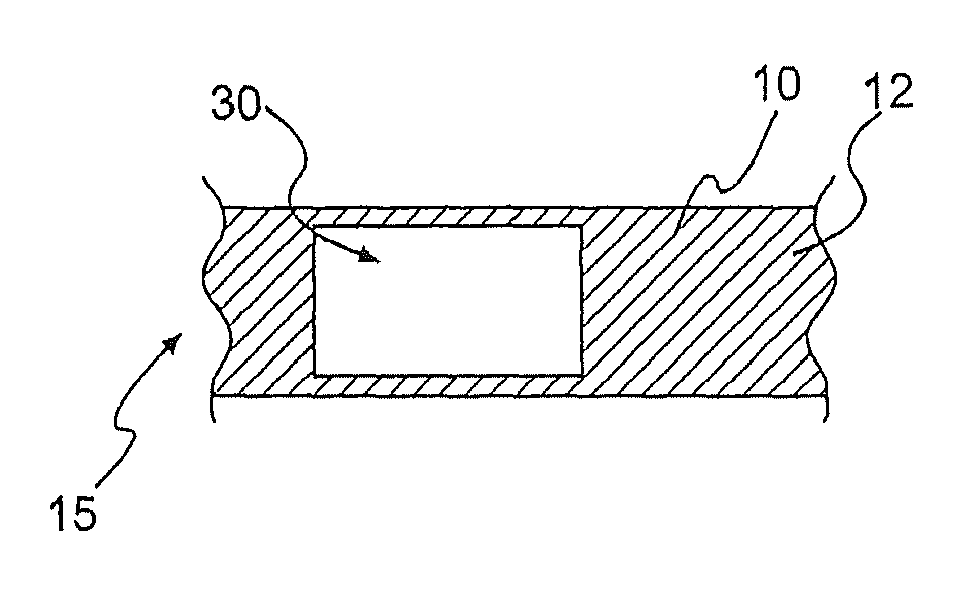
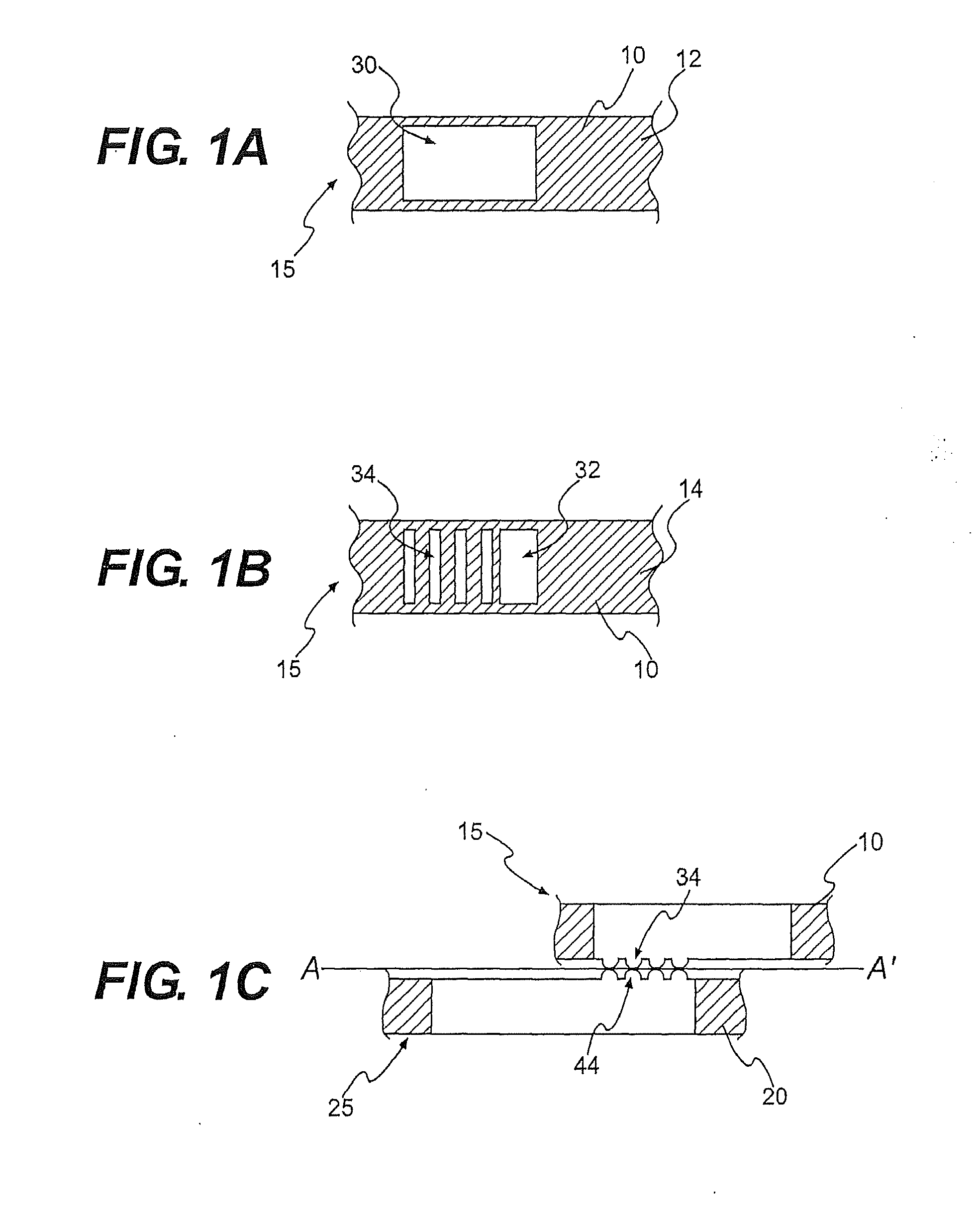
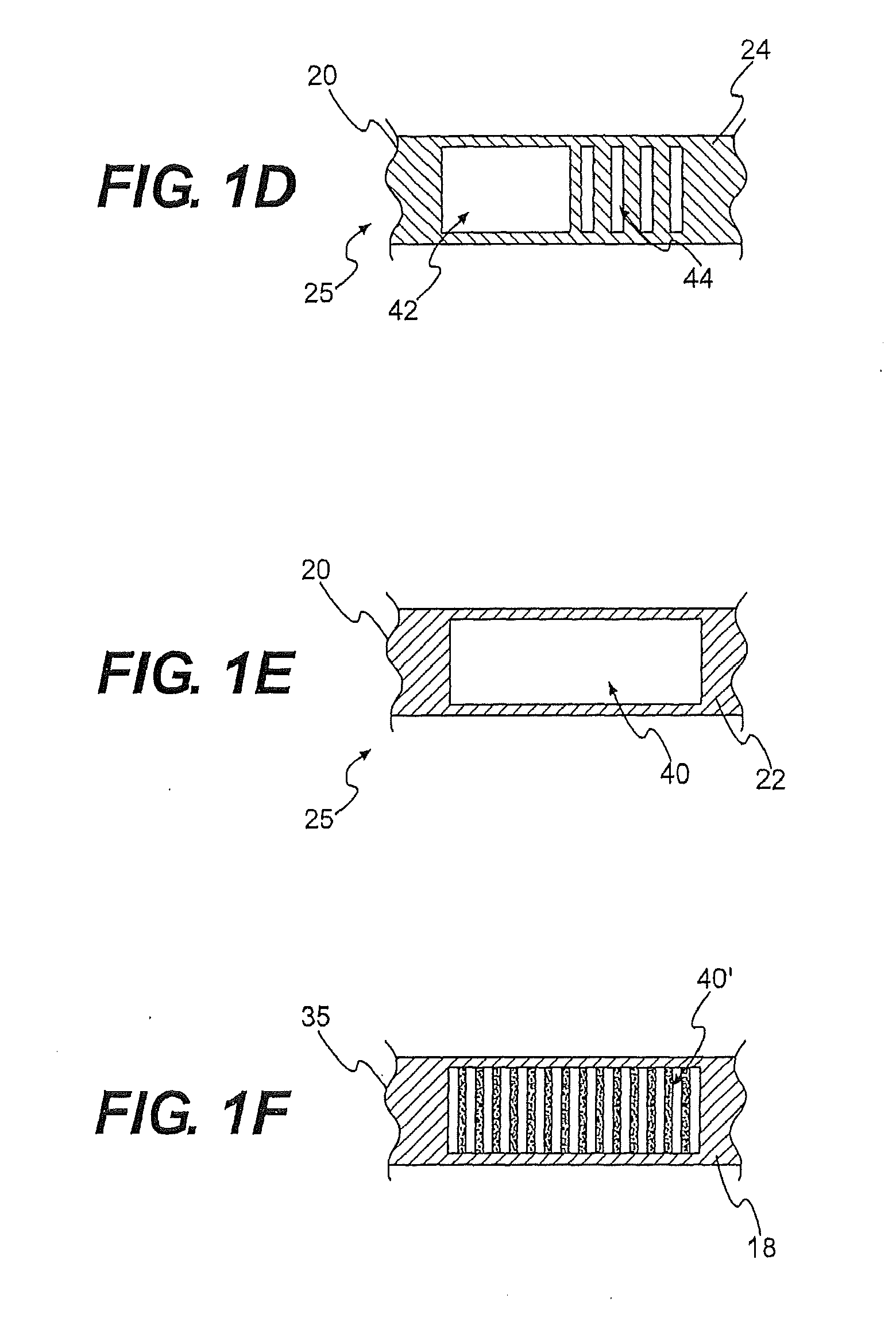
Textile-based electrodes incorporating graduated patterns
PatentActiveUS20110259638A1
Innovation
- The use of textile-based electrodes with graduated patterns, incorporating stretch-recovery non-conductive yarns and electrically conductive regions with elastified or plated yarns, reduces needle stress and improves knitting efficiency by distributing stress among multiple needles, and allows for reliable electrical conduction and biophysical signal monitoring.

Textile-based electrodes incorporating graduated patterns
PatentActiveEP2383378A1
Innovation
- The integration of graduated patterns in textile-based electrodes with stretch-recovery non-conductive yarns and electrically conductive regions, including elastified yarns and hydrophobic materials, reduces needle stress and improves knitting efficiency, allowing for reliable electrical conduction and biophysical signal monitoring without signal loss.


Manufacturing Standards for Spintronic Textiles
The establishment of comprehensive manufacturing standards for spintronic textiles represents a critical milestone in the commercialization of textile-integrated wearable devices. Current industry practices lack unified protocols for producing spintronic components within textile substrates, creating significant barriers to scalable production and quality assurance. The complexity of integrating magnetic materials and spin-based electronic components into flexible textile matrices demands specialized manufacturing approaches that differ substantially from conventional semiconductor or textile production methods.
Material specification standards must address the precise requirements for magnetic thin films, ferromagnetic layers, and spin-transport materials when deposited onto textile substrates. These standards should define acceptable thickness tolerances, magnetic anisotropy parameters, and interfacial quality metrics that ensure consistent spintronic performance across different textile base materials. The heterogeneous nature of textile fibers requires adaptive deposition techniques and corresponding quality control measures.
Process standardization encompasses critical manufacturing steps including substrate preparation, magnetic layer deposition, patterning techniques, and encapsulation methods. Temperature constraints imposed by textile materials necessitate low-temperature processing standards that maintain spintronic functionality while preserving textile mechanical properties. Standardized protocols for magnetron sputtering, atomic layer deposition, and solution-based coating methods specifically adapted for textile substrates are essential for reproducible manufacturing outcomes.
Quality assurance frameworks must incorporate both traditional textile testing methods and specialized spintronic characterization techniques. Standards should define acceptable ranges for spin polarization efficiency, magnetoresistance ratios, and device-to-device uniformity across textile surfaces. Environmental testing protocols must address the unique challenges of spintronic textiles, including mechanical flexibility, washability, and long-term stability under typical wearable device operating conditions.
Certification and compliance standards require collaboration between textile industry bodies and electronics manufacturing organizations to establish hybrid testing methodologies. These standards must address safety considerations specific to magnetic materials in wearable applications, electromagnetic compatibility requirements, and biocompatibility assessments for skin-contact applications. International harmonization of these standards will be crucial for enabling global supply chains and ensuring interoperability between different manufacturers' spintronic textile components.
Material specification standards must address the precise requirements for magnetic thin films, ferromagnetic layers, and spin-transport materials when deposited onto textile substrates. These standards should define acceptable thickness tolerances, magnetic anisotropy parameters, and interfacial quality metrics that ensure consistent spintronic performance across different textile base materials. The heterogeneous nature of textile fibers requires adaptive deposition techniques and corresponding quality control measures.
Process standardization encompasses critical manufacturing steps including substrate preparation, magnetic layer deposition, patterning techniques, and encapsulation methods. Temperature constraints imposed by textile materials necessitate low-temperature processing standards that maintain spintronic functionality while preserving textile mechanical properties. Standardized protocols for magnetron sputtering, atomic layer deposition, and solution-based coating methods specifically adapted for textile substrates are essential for reproducible manufacturing outcomes.
Quality assurance frameworks must incorporate both traditional textile testing methods and specialized spintronic characterization techniques. Standards should define acceptable ranges for spin polarization efficiency, magnetoresistance ratios, and device-to-device uniformity across textile surfaces. Environmental testing protocols must address the unique challenges of spintronic textiles, including mechanical flexibility, washability, and long-term stability under typical wearable device operating conditions.
Certification and compliance standards require collaboration between textile industry bodies and electronics manufacturing organizations to establish hybrid testing methodologies. These standards must address safety considerations specific to magnetic materials in wearable applications, electromagnetic compatibility requirements, and biocompatibility assessments for skin-contact applications. International harmonization of these standards will be crucial for enabling global supply chains and ensuring interoperability between different manufacturers' spintronic textile components.
Energy Efficiency in Textile Spintronic Applications
Energy efficiency represents a critical performance parameter for textile-integrated spintronic devices, directly influencing their practical viability in wearable applications. The inherent low-power characteristics of spintronic phenomena, particularly spin-based switching and magnetic tunnel junction operations, offer significant advantages over conventional electronic systems. These devices typically consume power in the microwatt to milliwatt range, making them suitable for battery-powered wearable applications where energy conservation is paramount.
The spin-dependent transport mechanisms in textile-integrated devices demonstrate remarkable efficiency gains through reduced Joule heating and minimized energy dissipation during operation. Unlike traditional charge-based electronics, spintronic devices leverage electron spin states that require substantially less energy to manipulate and maintain. This fundamental advantage becomes particularly pronounced in textile applications where thermal management is constrained by fabric substrates and limited heat dissipation pathways.
Flexible spintronic elements embedded within textile matrices exhibit dynamic power scaling capabilities, automatically adjusting energy consumption based on operational demands. The non-volatile nature of magnetic memory states in these devices eliminates standby power requirements, contributing to extended operational lifetimes in wearable configurations. Additionally, the ability to harvest energy from mechanical deformation through magnetoelastic effects provides supplementary power generation opportunities.
Power management strategies for textile spintronic systems incorporate advanced sleep-wake protocols and selective activation mechanisms to optimize energy utilization. The integration of energy harvesting components, including thermoelectric and piezoelectric elements within the same textile substrate, creates self-sustaining power ecosystems. These hybrid approaches can achieve energy neutrality or even net positive energy generation under specific usage conditions.
Thermal efficiency considerations become crucial when implementing spintronic devices in close proximity to human skin, where temperature variations directly impact device performance and user comfort. The low operating temperatures of spintronic components, typically below 85°C, align well with wearable device requirements and contribute to overall system efficiency through reduced cooling demands and improved reliability metrics.
The spin-dependent transport mechanisms in textile-integrated devices demonstrate remarkable efficiency gains through reduced Joule heating and minimized energy dissipation during operation. Unlike traditional charge-based electronics, spintronic devices leverage electron spin states that require substantially less energy to manipulate and maintain. This fundamental advantage becomes particularly pronounced in textile applications where thermal management is constrained by fabric substrates and limited heat dissipation pathways.
Flexible spintronic elements embedded within textile matrices exhibit dynamic power scaling capabilities, automatically adjusting energy consumption based on operational demands. The non-volatile nature of magnetic memory states in these devices eliminates standby power requirements, contributing to extended operational lifetimes in wearable configurations. Additionally, the ability to harvest energy from mechanical deformation through magnetoelastic effects provides supplementary power generation opportunities.
Power management strategies for textile spintronic systems incorporate advanced sleep-wake protocols and selective activation mechanisms to optimize energy utilization. The integration of energy harvesting components, including thermoelectric and piezoelectric elements within the same textile substrate, creates self-sustaining power ecosystems. These hybrid approaches can achieve energy neutrality or even net positive energy generation under specific usage conditions.
Thermal efficiency considerations become crucial when implementing spintronic devices in close proximity to human skin, where temperature variations directly impact device performance and user comfort. The low operating temperatures of spintronic components, typically below 85°C, align well with wearable device requirements and contribute to overall system efficiency through reduced cooling demands and improved reliability metrics.
Unlock deeper insights with PatSnap Eureka Quick Research — get a full tech report to explore trends and direct your research. Try now!
Generate Your Research Report Instantly with AI Agent
Supercharge your innovation with PatSnap Eureka AI Agent Platform!