Evaluating Spintronics for Anti-theft Nanodevice Security Solutions
APR 16, 20269 MIN READ
Generate Your Research Report Instantly with AI Agent
PatSnap Eureka helps you evaluate technical feasibility & market potential.
Spintronics Anti-theft Security Background and Objectives
Spintronics, an emerging field that exploits both the charge and spin properties of electrons, has gained significant attention as a revolutionary technology for next-generation electronic devices. Unlike conventional electronics that rely solely on electron charge, spintronic devices manipulate electron spin states to achieve enhanced functionality, reduced power consumption, and improved data retention capabilities. This fundamental shift in operational principles positions spintronics as a promising solution for addressing critical security challenges in nanoscale devices.
The evolution of anti-theft security systems has progressed from mechanical locks to sophisticated electronic authentication mechanisms. Traditional security approaches face increasing limitations as devices become smaller, more portable, and more valuable. Conventional security methods often consume substantial power, require complex circuitry, and may be vulnerable to various attack vectors. The miniaturization trend in electronics has created an urgent need for security solutions that can operate effectively at the nanoscale while maintaining robust protection against theft and unauthorized access.
Current anti-theft technologies primarily rely on GPS tracking, RFID tags, and cryptographic authentication systems. However, these solutions often struggle with power efficiency, size constraints, and vulnerability to sophisticated attacks. The integration of multiple security layers typically increases system complexity and cost, while potentially creating additional failure points. Furthermore, existing solutions may not provide adequate protection for high-value nanodevices that require both physical security and data protection.
The primary objective of evaluating spintronics for anti-theft nanodevice security solutions centers on leveraging the unique properties of spin-based devices to create more efficient, compact, and secure protection mechanisms. Spintronic devices offer inherent advantages including non-volatility, low power operation, and resistance to certain types of physical attacks. These characteristics make them particularly suitable for developing tamper-resistant security modules that can operate continuously without significant power drain.
The technical goals encompass developing spintronic-based authentication systems that can provide real-time device monitoring, secure key storage, and rapid response to unauthorized access attempts. The integration of magnetic tunnel junctions, spin valves, and other spintronic components aims to create security architectures that are both physically robust and electronically sophisticated. Additionally, the research seeks to establish frameworks for implementing multi-layered security protocols that can adapt to evolving threat landscapes while maintaining operational efficiency in resource-constrained nanodevice environments.
The evolution of anti-theft security systems has progressed from mechanical locks to sophisticated electronic authentication mechanisms. Traditional security approaches face increasing limitations as devices become smaller, more portable, and more valuable. Conventional security methods often consume substantial power, require complex circuitry, and may be vulnerable to various attack vectors. The miniaturization trend in electronics has created an urgent need for security solutions that can operate effectively at the nanoscale while maintaining robust protection against theft and unauthorized access.
Current anti-theft technologies primarily rely on GPS tracking, RFID tags, and cryptographic authentication systems. However, these solutions often struggle with power efficiency, size constraints, and vulnerability to sophisticated attacks. The integration of multiple security layers typically increases system complexity and cost, while potentially creating additional failure points. Furthermore, existing solutions may not provide adequate protection for high-value nanodevices that require both physical security and data protection.
The primary objective of evaluating spintronics for anti-theft nanodevice security solutions centers on leveraging the unique properties of spin-based devices to create more efficient, compact, and secure protection mechanisms. Spintronic devices offer inherent advantages including non-volatility, low power operation, and resistance to certain types of physical attacks. These characteristics make them particularly suitable for developing tamper-resistant security modules that can operate continuously without significant power drain.
The technical goals encompass developing spintronic-based authentication systems that can provide real-time device monitoring, secure key storage, and rapid response to unauthorized access attempts. The integration of magnetic tunnel junctions, spin valves, and other spintronic components aims to create security architectures that are both physically robust and electronically sophisticated. Additionally, the research seeks to establish frameworks for implementing multi-layered security protocols that can adapt to evolving threat landscapes while maintaining operational efficiency in resource-constrained nanodevice environments.
Market Demand for Nanodevice Security Solutions
The global nanodevice security market is experiencing unprecedented growth driven by the proliferation of Internet of Things devices, wearable electronics, and miniaturized sensors across multiple industries. As devices become increasingly smaller and more ubiquitous, traditional security mechanisms prove inadequate for protecting against theft and unauthorized access at the nanoscale level.
Healthcare and biomedical sectors represent the most critical demand drivers for nanodevice security solutions. Implantable medical devices, smart drug delivery systems, and biosensors require robust anti-theft mechanisms to prevent unauthorized data extraction and device tampering. The consequences of security breaches in these applications extend beyond financial losses to potentially life-threatening situations.
Consumer electronics markets demonstrate substantial demand for miniaturized security solutions as manufacturers integrate nanosensors into smartphones, smartwatches, and augmented reality devices. The increasing value density of these compact devices makes them attractive targets for theft, necessitating advanced protection mechanisms that operate effectively at nanoscale dimensions without compromising device performance or battery life.
Industrial automation and manufacturing sectors are driving demand for secure nanodevices in process monitoring, quality control, and supply chain tracking applications. These environments require anti-theft solutions that can withstand harsh operating conditions while maintaining security integrity across distributed sensor networks.
The automotive industry presents emerging opportunities as vehicles incorporate numerous nanosensors for autonomous driving, safety systems, and connectivity features. Security requirements in this sector emphasize real-time protection capabilities and resistance to sophisticated attack vectors targeting vehicle control systems.
Financial services and payment processing industries require nanodevice security for contactless payment systems, biometric authentication devices, and secure transaction processing units. The high-value nature of financial transactions amplifies the importance of robust anti-theft mechanisms that can operate reliably in diverse environmental conditions.
Defense and aerospace applications represent specialized market segments with stringent security requirements for classified systems and mission-critical operations. These sectors demand advanced protection mechanisms capable of detecting and responding to sophisticated theft attempts while maintaining operational reliability under extreme conditions.
Market growth is further accelerated by increasing regulatory requirements for data protection and device security across multiple jurisdictions, creating mandatory demand for comprehensive nanodevice security solutions that can demonstrate compliance with evolving standards.
Healthcare and biomedical sectors represent the most critical demand drivers for nanodevice security solutions. Implantable medical devices, smart drug delivery systems, and biosensors require robust anti-theft mechanisms to prevent unauthorized data extraction and device tampering. The consequences of security breaches in these applications extend beyond financial losses to potentially life-threatening situations.
Consumer electronics markets demonstrate substantial demand for miniaturized security solutions as manufacturers integrate nanosensors into smartphones, smartwatches, and augmented reality devices. The increasing value density of these compact devices makes them attractive targets for theft, necessitating advanced protection mechanisms that operate effectively at nanoscale dimensions without compromising device performance or battery life.
Industrial automation and manufacturing sectors are driving demand for secure nanodevices in process monitoring, quality control, and supply chain tracking applications. These environments require anti-theft solutions that can withstand harsh operating conditions while maintaining security integrity across distributed sensor networks.
The automotive industry presents emerging opportunities as vehicles incorporate numerous nanosensors for autonomous driving, safety systems, and connectivity features. Security requirements in this sector emphasize real-time protection capabilities and resistance to sophisticated attack vectors targeting vehicle control systems.
Financial services and payment processing industries require nanodevice security for contactless payment systems, biometric authentication devices, and secure transaction processing units. The high-value nature of financial transactions amplifies the importance of robust anti-theft mechanisms that can operate reliably in diverse environmental conditions.
Defense and aerospace applications represent specialized market segments with stringent security requirements for classified systems and mission-critical operations. These sectors demand advanced protection mechanisms capable of detecting and responding to sophisticated theft attempts while maintaining operational reliability under extreme conditions.
Market growth is further accelerated by increasing regulatory requirements for data protection and device security across multiple jurisdictions, creating mandatory demand for comprehensive nanodevice security solutions that can demonstrate compliance with evolving standards.
Current Spintronics Security Implementation Challenges
The implementation of spintronics technology in anti-theft nanodevice security solutions faces significant technical barriers that currently limit widespread commercial deployment. Manufacturing precision represents the most critical challenge, as spintronic devices require atomic-level control over magnetic domain structures and spin-orbit coupling interfaces. Current fabrication processes struggle to maintain consistent magnetic anisotropy across large-scale production, resulting in device-to-device variations that compromise security reliability.
Thermal stability issues pose another fundamental obstacle for practical security applications. Spintronic memory elements exhibit temperature-dependent magnetic switching thresholds, which can lead to unintended state changes in varying environmental conditions. This thermal sensitivity becomes particularly problematic in mobile security devices where temperature fluctuations are common, potentially causing false authentication triggers or security bypass vulnerabilities.
Power consumption optimization remains a persistent challenge despite spintronics' theoretical energy advantages. While spin-transfer torque mechanisms require lower switching energies than conventional charge-based systems, the peripheral circuitry needed for spin detection and amplification often negates these benefits. Current implementations show power densities that are not yet competitive with established security technologies, limiting battery life in portable anti-theft devices.
Integration complexity with existing semiconductor infrastructure creates substantial barriers for commercial adoption. Spintronic security modules require specialized materials like magnetic tunnel junctions and heavy metal layers that are incompatible with standard CMOS processing. This incompatibility necessitates hybrid manufacturing approaches that significantly increase production costs and reduce yield rates.
Signal-to-noise ratio limitations in spin detection circuits present ongoing reliability concerns. Magnetic field interference from external sources can corrupt spin states, potentially compromising security functions. Current shielding and error correction mechanisms add substantial overhead to device complexity, making miniaturization for nanodevice applications increasingly challenging.
Standardization gaps across the industry further impede implementation progress. The absence of unified protocols for spintronic security interfaces creates interoperability issues between different manufacturers' solutions. This fragmentation slows market adoption and increases development costs as companies must develop proprietary implementations rather than leveraging standardized approaches.
Thermal stability issues pose another fundamental obstacle for practical security applications. Spintronic memory elements exhibit temperature-dependent magnetic switching thresholds, which can lead to unintended state changes in varying environmental conditions. This thermal sensitivity becomes particularly problematic in mobile security devices where temperature fluctuations are common, potentially causing false authentication triggers or security bypass vulnerabilities.
Power consumption optimization remains a persistent challenge despite spintronics' theoretical energy advantages. While spin-transfer torque mechanisms require lower switching energies than conventional charge-based systems, the peripheral circuitry needed for spin detection and amplification often negates these benefits. Current implementations show power densities that are not yet competitive with established security technologies, limiting battery life in portable anti-theft devices.
Integration complexity with existing semiconductor infrastructure creates substantial barriers for commercial adoption. Spintronic security modules require specialized materials like magnetic tunnel junctions and heavy metal layers that are incompatible with standard CMOS processing. This incompatibility necessitates hybrid manufacturing approaches that significantly increase production costs and reduce yield rates.
Signal-to-noise ratio limitations in spin detection circuits present ongoing reliability concerns. Magnetic field interference from external sources can corrupt spin states, potentially compromising security functions. Current shielding and error correction mechanisms add substantial overhead to device complexity, making miniaturization for nanodevice applications increasingly challenging.
Standardization gaps across the industry further impede implementation progress. The absence of unified protocols for spintronic security interfaces creates interoperability issues between different manufacturers' solutions. This fragmentation slows market adoption and increases development costs as companies must develop proprietary implementations rather than leveraging standardized approaches.
Existing Spintronic Anti-theft Solutions
01 Spintronic devices for secure data storage and encryption
Spintronic technology can be utilized to create secure data storage systems that leverage the spin properties of electrons for enhanced security. These devices can provide hardware-level encryption and tamper-resistant storage solutions. The magnetic properties of spintronic elements make them inherently resistant to conventional hacking methods, offering improved data protection for sensitive information.- Spintronic devices for cryptographic key generation and storage: Spintronic devices utilize the spin properties of electrons to generate and store cryptographic keys for security applications. These devices leverage magnetic tunnel junctions and spin-transfer torque mechanisms to create physically unclonable functions (PUFs) that provide unique identifiers for authentication. The inherent randomness in spintronic structures enables true random number generation for cryptographic operations, offering enhanced security compared to conventional electronic methods.
- Magnetic memory-based security primitives: Magnetic memory technologies such as spin-transfer torque magnetic random access memory (STT-MRAM) and spin-orbit torque devices are employed to create security primitives for hardware authentication and encryption. These non-volatile memory elements provide tamper-resistant storage and can be configured to implement secure key storage, authentication tokens, and anti-counterfeiting measures. The magnetic properties enable low-power operation while maintaining data integrity even when power is removed.
- Spin-based logic circuits for secure computing: Spin-based logic circuits integrate spintronic elements to perform secure computational operations with reduced vulnerability to side-channel attacks. These circuits utilize domain wall motion, skyrmions, or spin waves to process information in ways that are inherently resistant to electromagnetic interference and power analysis attacks. The technology enables the development of secure processors and co-processors for cryptographic operations with improved energy efficiency.
- Spintronic sensors for tamper detection and physical security: Spintronic sensors based on magnetoresistive effects are utilized for detecting physical tampering and unauthorized access in security systems. These sensors can monitor magnetic field variations, mechanical stress, and environmental changes to identify intrusion attempts or device manipulation. The high sensitivity and low power consumption of spintronic sensors make them suitable for continuous monitoring in secure enclosures and anti-tampering applications.
- Quantum-resistant spintronic security architectures: Advanced spintronic architectures are being developed to provide security solutions resistant to quantum computing attacks. These systems combine multiple spintronic phenomena including topological effects and quantum entanglement properties to create encryption and authentication mechanisms that remain secure against future quantum threats. The integration of spintronic elements with quantum-resistant algorithms provides a hardware-software co-design approach for long-term security.
02 Magnetic tunnel junctions for security applications
Magnetic tunnel junctions can be employed in security systems to create physically unclonable functions and secure authentication mechanisms. These structures utilize quantum mechanical tunneling effects combined with spin-dependent transport to generate unique security signatures. The inherent randomness in magnetic configurations provides a foundation for creating secure identifiers that are difficult to replicate or forge.Expand Specific Solutions03 Spin-based random number generators for cryptographic systems
Spintronic devices can generate true random numbers by exploiting the stochastic nature of magnetic switching and spin dynamics. These random number generators are essential for cryptographic applications, providing high-quality entropy sources for key generation and secure communications. The physical randomness inherent in spintronic processes offers advantages over pseudo-random number generators in terms of unpredictability and security.Expand Specific Solutions04 Spintronic sensors for tamper detection and physical security
Spintronic sensors can be integrated into security systems to detect unauthorized physical access or tampering attempts. These sensors leverage the sensitivity of magnetic materials to external fields and mechanical stress to identify security breaches. The low power consumption and high sensitivity of spintronic sensors make them suitable for continuous monitoring applications in secure environments.Expand Specific Solutions05 Spin-transfer torque devices for secure memory and logic
Spin-transfer torque technology enables the development of non-volatile memory and logic circuits with enhanced security features. These devices can maintain data integrity without power and provide resistance against various attack vectors. The ability to combine memory and logic functions in spintronic devices offers opportunities for creating secure computing architectures with reduced vulnerability to side-channel attacks.Expand Specific Solutions
Key Players in Spintronics Security Industry
The spintronics anti-theft nanodevice security market is in its early developmental stage, characterized by significant research activity but limited commercial deployment. The market remains nascent with substantial growth potential as security demands for miniaturized devices increase. Technology maturity varies considerably across the competitive landscape. Leading research institutions like Peking University, Nanjing University, and The Ohio State University are advancing fundamental spintronic principles, while technology transfer entities such as Yissum Research Development and Yeda Research & Development bridge academic discoveries to commercial applications. Industrial players including Intel Corp., Toshiba Corp., and Tokyo Electron demonstrate varying levels of spintronic integration capabilities. Chinese companies like Zhejiang Hikstor Technology and ZTE Corp. are emerging as significant contributors, particularly in MRAM applications. The fragmented competitive environment suggests the technology is still consolidating, with no dominant market leaders established yet.
Tokyo Electron Ltd.
Technical Solution: Tokyo Electron has developed specialized fabrication equipment and processes for manufacturing spintronics-based security devices used in anti-theft nanodevice applications. Their technology focuses on creating precise magnetic multilayer structures using advanced sputtering and etching techniques to produce highly sensitive magnetic sensors for tamper detection. The company's spintronics security solutions incorporate giant magnetoresistance (GMR) and tunneling magnetoresistance (TMR) effects to create sensors capable of detecting minute magnetic field changes that indicate unauthorized access attempts. Their manufacturing processes enable the production of arrays of magnetic security elements that can be integrated into various nanodevice form factors.
Strengths: Cutting-edge semiconductor manufacturing equipment and precision fabrication capabilities. Weaknesses: High capital investment requirements and dependence on specialized manufacturing infrastructure.
Peking University
Technical Solution: Peking University has developed innovative spintronics-based security architectures for anti-theft nanodevice protection, focusing on novel magnetic materials and device structures. Their research encompasses the use of antiferromagnetic spintronics for creating ultra-stable security elements that are immune to external magnetic field interference. The university's approach includes development of spin-orbit torque devices that can switch between multiple magnetic states to encode complex security keys and authentication protocols. Their spintronics security systems utilize topological insulators and Weyl semimetals to create quantum-protected communication channels within nanodevices, providing theoretical immunity against classical hacking attempts through quantum mechanical principles.
Strengths: Strong fundamental research capabilities and access to cutting-edge materials science expertise. Weaknesses: Limited industrial manufacturing experience and challenges in scaling laboratory prototypes to commercial production.
Core Spintronic Security Patents Analysis
Method and system of RF identifying safety
PatentInactiveCN100487717C
Innovation
- Using a radio frequency identification system, the server and radio frequency identification tags are used to control the use rights of electronic devices. The reader receives the tag identification code and compares it with the preset identification code, sends an on or off signal to control the use rights of the electronic device, and Use timing units to turn off permissions when not matched.
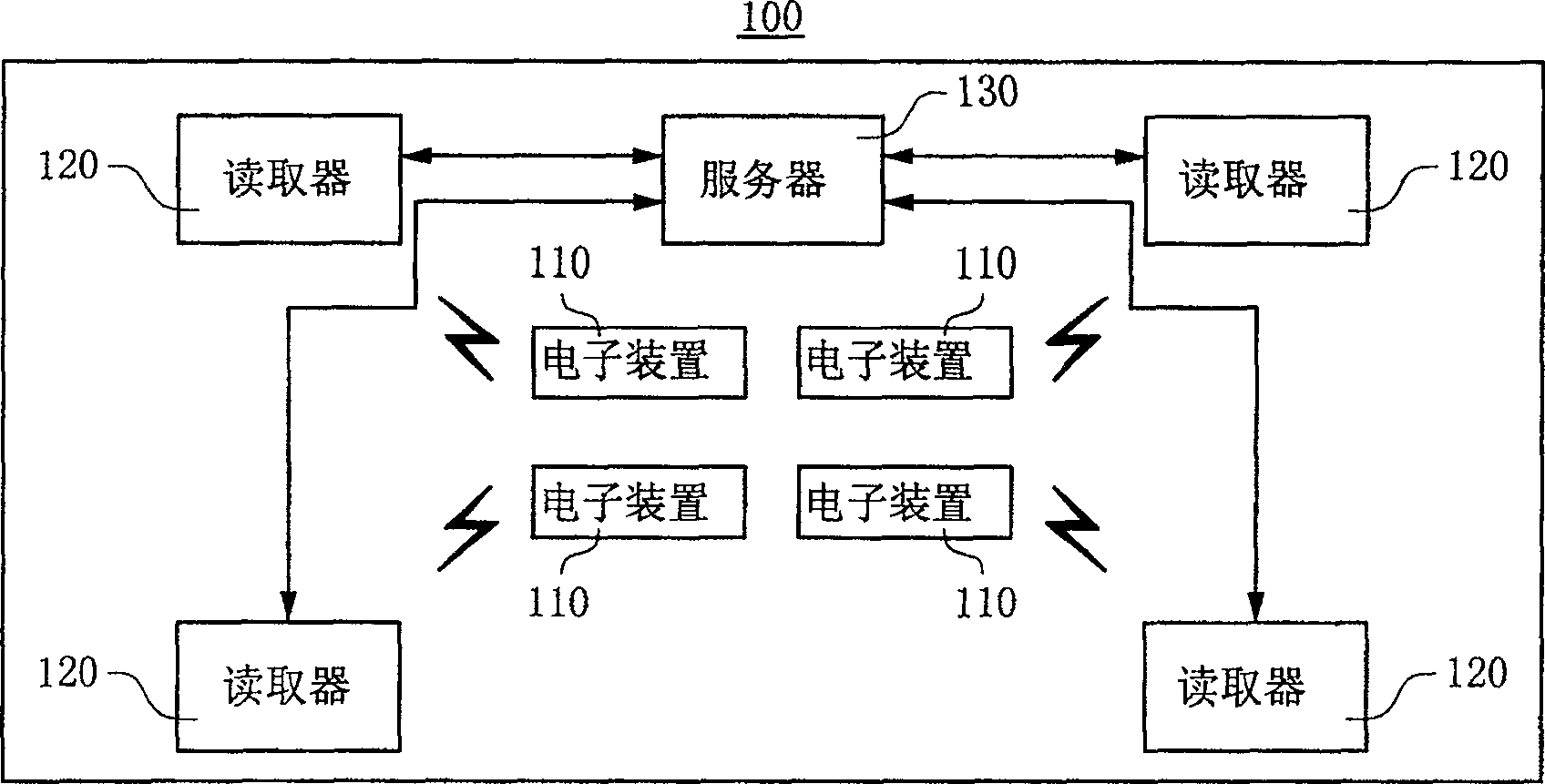
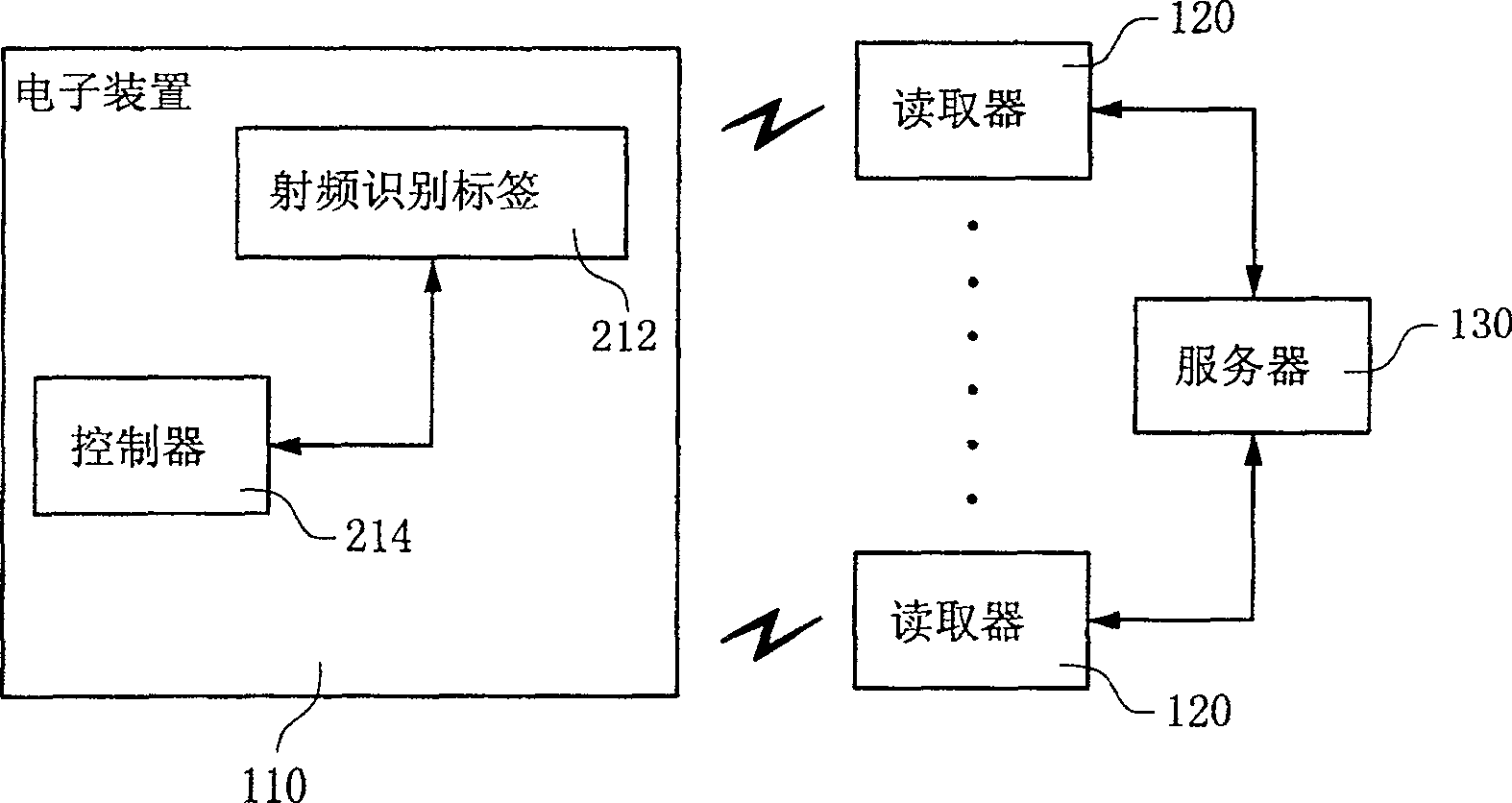
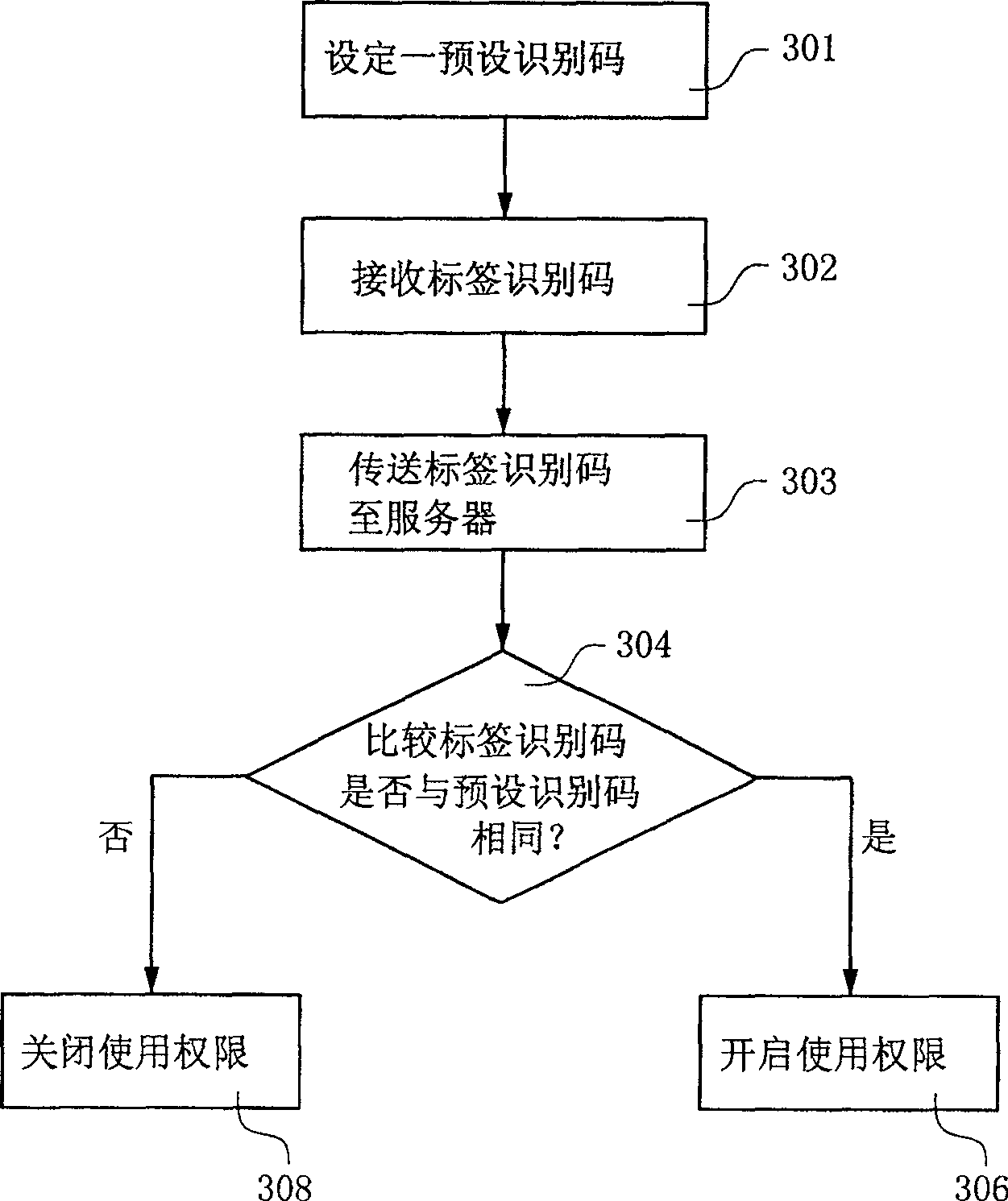

Product anti-theft system and method for operating a product anti-theft system
PatentActiveUS12175850B2
Innovation
- A product anti-theft system with a locking mechanism that transitions from a secured to a released state via a release signal received by a signal-receiving unit, eliminating the need for manual unlocking tools, and incorporating an identification signal to ensure secure and authorized release, with a release signal transmission unit defining a spatial region or condition-based release.


Quantum Security Standards and Regulations
The integration of spintronics technology into anti-theft nanodevice security solutions operates within a complex regulatory landscape that lacks comprehensive quantum-specific standards. Current security frameworks primarily address classical cryptographic systems, creating significant gaps when evaluating quantum-enhanced spintronic devices for commercial deployment.
International standardization bodies including ISO/IEC and NIST have begun developing preliminary guidelines for quantum-resistant cryptographic implementations, though these standards remain in draft phases. The ISO/IEC 23837 series addresses quantum cryptography protocols, while NIST's Post-Quantum Cryptography standardization process provides foundational frameworks that indirectly influence spintronic security device evaluation criteria.
Regional regulatory approaches vary considerably across major markets. The European Union's Cybersecurity Act establishes certification schemes for ICT products that could encompass quantum-enhanced security devices, requiring manufacturers to demonstrate compliance with essential cybersecurity requirements. However, specific provisions for spintronic quantum devices remain undefined, necessitating case-by-case regulatory interpretation.
The United States maintains a more fragmented approach through multiple agencies. The National Quantum Initiative Act provides strategic direction but lacks specific technical standards for commercial quantum security devices. Export control regulations under ITAR and EAR classifications significantly impact international collaboration and technology transfer for advanced spintronic security solutions.
Emerging compliance challenges center on quantum key distribution protocols and quantum random number generation standards, both relevant to spintronic anti-theft implementations. The lack of standardized testing methodologies for quantum security claims creates uncertainty for manufacturers seeking regulatory approval and market acceptance.
Industry consortiums including the Quantum Economic Development Consortium and European Quantum Industry Coalition are developing voluntary standards that may influence future regulatory frameworks. These initiatives focus on establishing common evaluation criteria for quantum security performance metrics, interoperability requirements, and certification processes that will likely impact spintronic device commercialization strategies.
International standardization bodies including ISO/IEC and NIST have begun developing preliminary guidelines for quantum-resistant cryptographic implementations, though these standards remain in draft phases. The ISO/IEC 23837 series addresses quantum cryptography protocols, while NIST's Post-Quantum Cryptography standardization process provides foundational frameworks that indirectly influence spintronic security device evaluation criteria.
Regional regulatory approaches vary considerably across major markets. The European Union's Cybersecurity Act establishes certification schemes for ICT products that could encompass quantum-enhanced security devices, requiring manufacturers to demonstrate compliance with essential cybersecurity requirements. However, specific provisions for spintronic quantum devices remain undefined, necessitating case-by-case regulatory interpretation.
The United States maintains a more fragmented approach through multiple agencies. The National Quantum Initiative Act provides strategic direction but lacks specific technical standards for commercial quantum security devices. Export control regulations under ITAR and EAR classifications significantly impact international collaboration and technology transfer for advanced spintronic security solutions.
Emerging compliance challenges center on quantum key distribution protocols and quantum random number generation standards, both relevant to spintronic anti-theft implementations. The lack of standardized testing methodologies for quantum security claims creates uncertainty for manufacturers seeking regulatory approval and market acceptance.
Industry consortiums including the Quantum Economic Development Consortium and European Quantum Industry Coalition are developing voluntary standards that may influence future regulatory frameworks. These initiatives focus on establishing common evaluation criteria for quantum security performance metrics, interoperability requirements, and certification processes that will likely impact spintronic device commercialization strategies.
Spintronic Manufacturing Scalability Assessment
The manufacturing scalability of spintronic devices for anti-theft nanodevice security applications presents both significant opportunities and formidable challenges. Current fabrication processes rely heavily on sophisticated thin-film deposition techniques, including molecular beam epitaxy and sputtering, which enable precise control over magnetic layer thickness and interface quality. These methods, while effective for research and small-scale production, face substantial hurdles when transitioning to high-volume manufacturing scenarios.
Lithographic patterning represents a critical bottleneck in spintronic device fabrication. The requirement for nanoscale precision in defining magnetic tunnel junctions and spin valve structures demands advanced electron beam lithography or extreme ultraviolet lithography systems. These technologies, while capable of achieving the necessary resolution, impose significant cost penalties and throughput limitations that challenge commercial viability for widespread anti-theft device deployment.
Material uniformity across large-area substrates emerges as another fundamental scalability concern. Spintronic devices exhibit extreme sensitivity to interface roughness and compositional variations, particularly in magnetic tunnel junction barriers. Maintaining atomic-level control over these parameters across 300mm wafers requires unprecedented process stability and monitoring capabilities, pushing current manufacturing infrastructure to its limits.
Thermal budget constraints further complicate the manufacturing landscape. Many spintronic materials systems require low-temperature processing to preserve magnetic properties and prevent interdiffusion at critical interfaces. This requirement conflicts with standard semiconductor manufacturing flows and necessitates specialized equipment and process integration strategies that increase complexity and cost.
Yield optimization presents unique challenges due to the multi-layered nature of spintronic devices. Defects in any single magnetic layer can compromise device functionality, creating multiplicative yield loss mechanisms. Statistical process control methodologies must be adapted to address the specific failure modes associated with magnetic materials, including domain wall pinning and exchange coupling variations.
Despite these challenges, emerging manufacturing approaches show promise for addressing scalability concerns. Roll-to-roll processing techniques demonstrate potential for flexible spintronic security devices, while advances in atomic layer deposition enable improved thickness control and conformality. Additionally, the development of CMOS-compatible spintronic materials and processes facilitates integration with existing semiconductor manufacturing infrastructure, potentially reducing barriers to large-scale adoption.
Lithographic patterning represents a critical bottleneck in spintronic device fabrication. The requirement for nanoscale precision in defining magnetic tunnel junctions and spin valve structures demands advanced electron beam lithography or extreme ultraviolet lithography systems. These technologies, while capable of achieving the necessary resolution, impose significant cost penalties and throughput limitations that challenge commercial viability for widespread anti-theft device deployment.
Material uniformity across large-area substrates emerges as another fundamental scalability concern. Spintronic devices exhibit extreme sensitivity to interface roughness and compositional variations, particularly in magnetic tunnel junction barriers. Maintaining atomic-level control over these parameters across 300mm wafers requires unprecedented process stability and monitoring capabilities, pushing current manufacturing infrastructure to its limits.
Thermal budget constraints further complicate the manufacturing landscape. Many spintronic materials systems require low-temperature processing to preserve magnetic properties and prevent interdiffusion at critical interfaces. This requirement conflicts with standard semiconductor manufacturing flows and necessitates specialized equipment and process integration strategies that increase complexity and cost.
Yield optimization presents unique challenges due to the multi-layered nature of spintronic devices. Defects in any single magnetic layer can compromise device functionality, creating multiplicative yield loss mechanisms. Statistical process control methodologies must be adapted to address the specific failure modes associated with magnetic materials, including domain wall pinning and exchange coupling variations.
Despite these challenges, emerging manufacturing approaches show promise for addressing scalability concerns. Roll-to-roll processing techniques demonstrate potential for flexible spintronic security devices, while advances in atomic layer deposition enable improved thickness control and conformality. Additionally, the development of CMOS-compatible spintronic materials and processes facilitates integration with existing semiconductor manufacturing infrastructure, potentially reducing barriers to large-scale adoption.
Unlock deeper insights with PatSnap Eureka Quick Research — get a full tech report to explore trends and direct your research. Try now!
Generate Your Research Report Instantly with AI Agent
Supercharge your innovation with PatSnap Eureka AI Agent Platform!