

How to Utilize Spintronics for Enhanced On-Chip Communication
APR 16, 20269 MIN READ
Generate Your Research Report Instantly with AI Agent
PatSnap Eureka helps you evaluate technical feasibility & market potential.
Spintronics Background and On-Chip Communication Goals
Spintronics, also known as spin electronics, represents a revolutionary paradigm in information processing that exploits the intrinsic spin of electrons alongside their charge properties. This field emerged from fundamental quantum mechanical principles discovered in the late 20th century, particularly the giant magnetoresistance effect identified by Albert Fert and Peter Grünberg in 1988. Unlike conventional electronics that relies solely on electron charge manipulation, spintronics harnesses both spin-up and spin-down states of electrons to encode, process, and transmit information.
The evolution of spintronics has progressed through several critical phases, beginning with basic magnetoresistive phenomena and advancing to sophisticated spin-based devices. Early developments focused on magnetic storage applications, leading to the commercialization of magnetoresistive random-access memory and spin-transfer torque devices. Contemporary research has expanded into spin logic circuits, spin transistors, and spin-based interconnects, demonstrating the technology's potential beyond storage applications.
Current technological trends indicate a convergence toward integrating spintronic components into mainstream semiconductor architectures. The field has witnessed significant breakthroughs in spin injection efficiency, spin coherence length extension, and room-temperature operation of spin devices. Recent advances in two-dimensional materials, topological insulators, and magnetic tunnel junctions have opened new avenues for practical spintronic implementations in computing systems.
The primary objective of utilizing spintronics for enhanced on-chip communication centers on addressing the fundamental limitations of conventional electronic interconnects. As semiconductor scaling approaches physical boundaries, traditional copper-based interconnects face increasing challenges including power dissipation, signal integrity degradation, and bandwidth limitations. Spintronics offers promising solutions through non-volatile data transmission, reduced power consumption, and immunity to electromagnetic interference.
Key technical goals include developing spin-based communication channels that can operate at frequencies exceeding current electronic limits while maintaining signal fidelity across chip-scale distances. The integration aims to achieve seamless compatibility with existing CMOS processes, enabling hybrid architectures that leverage both charge and spin-based functionalities. Additionally, the technology targets significant reductions in interconnect power consumption, potentially eliminating the need for complex signal amplification and regeneration circuits.
The ultimate vision encompasses creating intelligent communication networks where spin states can be manipulated, routed, and processed simultaneously, enabling new paradigms in parallel processing and distributed computing architectures within single chip environments.
The evolution of spintronics has progressed through several critical phases, beginning with basic magnetoresistive phenomena and advancing to sophisticated spin-based devices. Early developments focused on magnetic storage applications, leading to the commercialization of magnetoresistive random-access memory and spin-transfer torque devices. Contemporary research has expanded into spin logic circuits, spin transistors, and spin-based interconnects, demonstrating the technology's potential beyond storage applications.
Current technological trends indicate a convergence toward integrating spintronic components into mainstream semiconductor architectures. The field has witnessed significant breakthroughs in spin injection efficiency, spin coherence length extension, and room-temperature operation of spin devices. Recent advances in two-dimensional materials, topological insulators, and magnetic tunnel junctions have opened new avenues for practical spintronic implementations in computing systems.
The primary objective of utilizing spintronics for enhanced on-chip communication centers on addressing the fundamental limitations of conventional electronic interconnects. As semiconductor scaling approaches physical boundaries, traditional copper-based interconnects face increasing challenges including power dissipation, signal integrity degradation, and bandwidth limitations. Spintronics offers promising solutions through non-volatile data transmission, reduced power consumption, and immunity to electromagnetic interference.
Key technical goals include developing spin-based communication channels that can operate at frequencies exceeding current electronic limits while maintaining signal fidelity across chip-scale distances. The integration aims to achieve seamless compatibility with existing CMOS processes, enabling hybrid architectures that leverage both charge and spin-based functionalities. Additionally, the technology targets significant reductions in interconnect power consumption, potentially eliminating the need for complex signal amplification and regeneration circuits.
The ultimate vision encompasses creating intelligent communication networks where spin states can be manipulated, routed, and processed simultaneously, enabling new paradigms in parallel processing and distributed computing architectures within single chip environments.
Market Demand for Advanced On-Chip Communication Solutions
The semiconductor industry faces unprecedented challenges in meeting the escalating demands for faster, more efficient on-chip communication systems. As Moore's Law approaches its physical limits, traditional copper-based interconnects are encountering significant bottlenecks in terms of power consumption, signal integrity, and bandwidth limitations. The exponential growth in data processing requirements, driven by artificial intelligence, machine learning, and high-performance computing applications, has created an urgent need for revolutionary communication architectures that can sustain the performance trajectory expected by the market.
Data centers and cloud computing infrastructure represent the most immediate and substantial market drivers for advanced on-chip communication solutions. These facilities consume enormous amounts of energy, with interconnect power consumption accounting for a significant portion of total chip power budgets. The demand for energy-efficient alternatives has intensified as organizations seek to reduce operational costs while maintaining competitive performance levels. Spintronics-based communication systems offer promising solutions by potentially reducing power consumption through non-volatile operation and eliminating the need for continuous current flow to maintain data states.
The automotive industry's transition toward autonomous vehicles and advanced driver assistance systems has generated substantial demand for high-bandwidth, low-latency on-chip communication. These applications require real-time processing of massive sensor data streams, necessitating communication architectures that can handle multiple parallel data channels without compromising system reliability. Traditional interconnect technologies struggle to meet these stringent requirements while maintaining the automotive industry's cost and reliability standards.
Consumer electronics markets, particularly smartphones and tablets, continue to drive demand for compact, power-efficient communication solutions. The integration of multiple processors, graphics units, and specialized accelerators within single chips requires sophisticated interconnect architectures capable of managing complex data flows while minimizing power consumption to extend battery life. The market's expectation for seamless multimedia experiences and instantaneous application responses places additional pressure on communication system performance.
Emerging applications in quantum computing, neuromorphic processors, and edge computing devices represent nascent but rapidly growing market segments. These specialized computing paradigms require communication architectures fundamentally different from conventional approaches, creating opportunities for innovative solutions like spintronic interconnects that can potentially offer unique advantages in terms of compatibility with quantum states or neural network architectures.
The telecommunications infrastructure modernization, particularly the deployment of fifth-generation networks and beyond, demands high-performance processing capabilities that strain existing on-chip communication technologies. Network equipment manufacturers require solutions that can handle increasing data throughput while maintaining strict latency requirements and energy efficiency standards mandated by telecommunications operators seeking to optimize their infrastructure investments.
Data centers and cloud computing infrastructure represent the most immediate and substantial market drivers for advanced on-chip communication solutions. These facilities consume enormous amounts of energy, with interconnect power consumption accounting for a significant portion of total chip power budgets. The demand for energy-efficient alternatives has intensified as organizations seek to reduce operational costs while maintaining competitive performance levels. Spintronics-based communication systems offer promising solutions by potentially reducing power consumption through non-volatile operation and eliminating the need for continuous current flow to maintain data states.
The automotive industry's transition toward autonomous vehicles and advanced driver assistance systems has generated substantial demand for high-bandwidth, low-latency on-chip communication. These applications require real-time processing of massive sensor data streams, necessitating communication architectures that can handle multiple parallel data channels without compromising system reliability. Traditional interconnect technologies struggle to meet these stringent requirements while maintaining the automotive industry's cost and reliability standards.
Consumer electronics markets, particularly smartphones and tablets, continue to drive demand for compact, power-efficient communication solutions. The integration of multiple processors, graphics units, and specialized accelerators within single chips requires sophisticated interconnect architectures capable of managing complex data flows while minimizing power consumption to extend battery life. The market's expectation for seamless multimedia experiences and instantaneous application responses places additional pressure on communication system performance.
Emerging applications in quantum computing, neuromorphic processors, and edge computing devices represent nascent but rapidly growing market segments. These specialized computing paradigms require communication architectures fundamentally different from conventional approaches, creating opportunities for innovative solutions like spintronic interconnects that can potentially offer unique advantages in terms of compatibility with quantum states or neural network architectures.
The telecommunications infrastructure modernization, particularly the deployment of fifth-generation networks and beyond, demands high-performance processing capabilities that strain existing on-chip communication technologies. Network equipment manufacturers require solutions that can handle increasing data throughput while maintaining strict latency requirements and energy efficiency standards mandated by telecommunications operators seeking to optimize their infrastructure investments.
Current State and Challenges of Spintronic Devices
Spintronic devices have emerged as promising candidates for next-generation on-chip communication systems, leveraging electron spin rather than charge for information processing and transmission. Current spintronic technologies demonstrate significant potential in addressing the growing demands for high-speed, low-power interconnects in modern semiconductor architectures. However, the field faces substantial technical hurdles that limit widespread commercial adoption.
The present state of spintronic device development centers around several key technologies, including spin valves, magnetic tunnel junctions (MTJs), and spin-orbit torque devices. These components have achieved notable progress in laboratory settings, with spin injection efficiencies reaching up to 85% in certain material systems and spin diffusion lengths extending several micrometers in optimized channels. Current spintronic interconnects demonstrate data transmission rates comparable to conventional electronic systems while consuming significantly less power.
Manufacturing scalability represents one of the most pressing challenges facing spintronic device implementation. The fabrication of high-quality magnetic materials with precise control over interfacial properties requires sophisticated deposition techniques and stringent process conditions. Maintaining spin coherence across device dimensions becomes increasingly difficult as feature sizes shrink to nanometer scales, leading to reduced signal integrity and increased error rates.
Material compatibility issues pose another significant obstacle in spintronic device integration. The thermal budget constraints of CMOS processing limit the selection of magnetic materials and annealing procedures, often resulting in suboptimal magnetic properties. Interface engineering between ferromagnetic and non-magnetic layers remains challenging, as atomic-scale defects can dramatically impact spin transport efficiency.
Spin relaxation mechanisms continue to limit device performance, particularly in silicon-based systems where spin-orbit coupling and hyperfine interactions reduce spin lifetimes. Current research efforts focus on identifying materials with longer spin coherence times and developing novel device architectures that minimize spin decoherence effects.
Temperature stability and reliability concerns also constrain practical applications. Many spintronic devices exhibit temperature-dependent behavior that affects their operational characteristics, while long-term reliability data remains limited. The magnetic properties of spintronic components can degrade under thermal cycling and electrical stress, raising questions about their suitability for mission-critical applications.
Despite these challenges, recent breakthroughs in two-dimensional materials, topological insulators, and antiferromagnetic systems offer new pathways for overcoming current limitations. Advanced characterization techniques and computational modeling continue to provide deeper insights into spin transport phenomena, enabling more targeted device optimization strategies.
The present state of spintronic device development centers around several key technologies, including spin valves, magnetic tunnel junctions (MTJs), and spin-orbit torque devices. These components have achieved notable progress in laboratory settings, with spin injection efficiencies reaching up to 85% in certain material systems and spin diffusion lengths extending several micrometers in optimized channels. Current spintronic interconnects demonstrate data transmission rates comparable to conventional electronic systems while consuming significantly less power.
Manufacturing scalability represents one of the most pressing challenges facing spintronic device implementation. The fabrication of high-quality magnetic materials with precise control over interfacial properties requires sophisticated deposition techniques and stringent process conditions. Maintaining spin coherence across device dimensions becomes increasingly difficult as feature sizes shrink to nanometer scales, leading to reduced signal integrity and increased error rates.
Material compatibility issues pose another significant obstacle in spintronic device integration. The thermal budget constraints of CMOS processing limit the selection of magnetic materials and annealing procedures, often resulting in suboptimal magnetic properties. Interface engineering between ferromagnetic and non-magnetic layers remains challenging, as atomic-scale defects can dramatically impact spin transport efficiency.
Spin relaxation mechanisms continue to limit device performance, particularly in silicon-based systems where spin-orbit coupling and hyperfine interactions reduce spin lifetimes. Current research efforts focus on identifying materials with longer spin coherence times and developing novel device architectures that minimize spin decoherence effects.
Temperature stability and reliability concerns also constrain practical applications. Many spintronic devices exhibit temperature-dependent behavior that affects their operational characteristics, while long-term reliability data remains limited. The magnetic properties of spintronic components can degrade under thermal cycling and electrical stress, raising questions about their suitability for mission-critical applications.
Despite these challenges, recent breakthroughs in two-dimensional materials, topological insulators, and antiferromagnetic systems offer new pathways for overcoming current limitations. Advanced characterization techniques and computational modeling continue to provide deeper insights into spin transport phenomena, enabling more targeted device optimization strategies.
Existing Spintronic Solutions for Chip Communication
01 Spin-based signal modulation and transmission techniques
Technologies that utilize spin states of electrons or magnetic materials to encode and transmit information in communication systems. These methods leverage spin polarization, spin torque, and magnetic tunnel junctions to modulate signals, enabling enhanced data transmission rates and reduced power consumption. The spin-dependent properties allow for novel modulation schemes that can improve signal integrity and bandwidth efficiency in spintronic communication devices.- Spin-based signal modulation and transmission techniques: Technologies that utilize spin states of electrons or magnetic materials to modulate and transmit communication signals. These methods leverage spin polarization, spin torque effects, and magnetic tunnel junctions to encode and transfer information with improved signal integrity and reduced power consumption compared to conventional charge-based systems.
- Spintronic devices for wireless communication enhancement: Implementation of spintronic components in wireless communication systems to enhance signal processing capabilities. These devices exploit spin-dependent transport phenomena and magnetoresistive effects to improve receiver sensitivity, signal-to-noise ratio, and overall communication range in wireless networks.
- Spin wave-based information transmission: Utilization of spin waves or magnons as information carriers in communication systems. This approach enables low-loss signal propagation through magnetic materials, allowing for efficient data transmission with minimal energy dissipation and potential for high-frequency operation in compact device architectures.
- Spintronic oscillators and frequency generation: Development of spin-torque oscillators and related spintronic devices for generating stable frequency signals in communication applications. These oscillators provide tunable frequency output, phase-locking capabilities, and integration potential for use in transmitters, receivers, and frequency synthesis circuits.
- Magnetic memory integration for communication systems: Integration of spintronic memory elements such as magnetic random access memory into communication devices to enhance data buffering, signal processing, and system performance. These non-volatile memory solutions offer fast access times, high endurance, and low power operation for improved communication system efficiency.
02 Magnetic resonance and spin wave propagation for communication
Approaches that exploit spin wave dynamics and magnetic resonance phenomena to facilitate information transfer. These techniques use the propagation of spin waves through magnetic media as carriers of data, offering advantages in terms of wavelength scalability and integration density. The methods enable non-charge-based communication channels that can operate at high frequencies with minimal energy dissipation, suitable for next-generation communication architectures.Expand Specific Solutions03 Spintronic devices for signal processing and amplification
Devices incorporating spin-dependent transport phenomena to process and amplify communication signals. These components utilize giant magnetoresistance, spin Hall effect, or spin Seebeck effect to achieve signal enhancement and noise reduction. The integration of such devices in communication systems can improve signal-to-noise ratios, extend transmission distances, and enable more efficient signal regeneration without conventional electronic amplification.Expand Specific Solutions04 Spin-orbit coupling mechanisms for enhanced data encoding
Technologies that harness spin-orbit interactions to create advanced data encoding schemes in communication systems. These mechanisms enable multi-level encoding, increased information density, and improved error correction capabilities. By exploiting the coupling between electron spin and orbital motion, these approaches provide additional degrees of freedom for information representation, leading to higher spectral efficiency and more robust communication protocols.Expand Specific Solutions05 Integrated spintronic communication architectures and interfaces
System-level designs that integrate spintronic components with conventional communication infrastructure to enhance overall performance. These architectures include spin-based transceivers, hybrid spin-charge conversion interfaces, and spintronic network nodes. The integration strategies focus on compatibility with existing communication standards while leveraging spintronic advantages such as non-volatility, low power operation, and high-speed switching to create more efficient and scalable communication networks.Expand Specific Solutions
Key Players in Spintronics and Semiconductor Industry
The spintronics field for enhanced on-chip communication is in its early-to-mid development stage, representing a nascent but rapidly evolving market with significant growth potential. Current market size remains limited as the technology transitions from research laboratories to commercial applications. The competitive landscape spans major semiconductor manufacturers like Intel Corp., Samsung Electronics, and SK hynix, alongside telecommunications giants such as Huawei Technologies and NEC Corp. Leading research institutions including Tsinghua University, University of California, and Korea Advanced Institute of Science & Technology are driving fundamental breakthroughs. Technology maturity varies significantly across players, with established companies like Intel and Samsung leveraging existing semiconductor expertise while academic institutions focus on theoretical foundations. The convergence of traditional electronics manufacturers with cutting-edge research entities suggests an intensifying race toward practical spintronic solutions for next-generation computing architectures.
Intel Corp.
Technical Solution: Intel has developed spin-based logic devices utilizing spin-transfer torque (STT) and spin-orbit torque (SOT) mechanisms for on-chip communication enhancement. Their approach focuses on integrating magnetic tunnel junctions (MTJs) with CMOS technology to create hybrid spintronic-electronic circuits. The company has demonstrated spin wave propagation techniques that enable low-power signal transmission across chip interconnects, reducing energy consumption by up to 100x compared to conventional electrical interconnects. Intel's spintronic communication architecture leverages magnon-based information transfer, where data is encoded in spin wave phases and amplitudes, allowing for parallel data streams and reduced crosstalk in dense interconnect networks.
Strengths: Established CMOS integration expertise, strong R&D capabilities, industry leadership in processor design. Weaknesses: Limited commercial spintronic products, high development costs, manufacturing complexity challenges.
Huawei Technologies Co., Ltd.
Technical Solution: Huawei has invested in spintronic-based on-chip communication through their development of spin wave multiplexers and demultiplexers for data routing applications. Their technology utilizes yttrium iron garnet (YIG) waveguides integrated with silicon photonic platforms to create hybrid spin-photonic communication channels. The company has demonstrated spin wave interference patterns for signal processing and developed voltage-controlled magnetic anisotropy (VCMA) devices for spin wave generation and detection. Huawei's approach emphasizes low-power consumption and high-frequency operation capabilities, targeting applications in 5G infrastructure and AI processing chips where efficient inter-core communication is critical.
Strengths: Strong investment in emerging technologies, comprehensive semiconductor ecosystem, focus on next-generation communication systems. Weaknesses: Geopolitical restrictions affecting technology access, limited fundamental research compared to specialized institutions.
Core Spintronic Patents for On-Chip Data Transfer
Spintronics wireless communication system for simultaneously modulating multiband frequency and amplitude
PatentWO2015023028A1
Innovation
- A multi-band spintronic wireless communication system utilizing spin-torque transfer devices with short oscillation settling times and adjustable frequency characteristics, enabling simultaneous modulation of multiple frequencies and amplitudes through spin-torque transmission elements, matching networks, and an antenna, which reduces power consumption and system size.


Spintronic device and information transmitting method
PatentActiveUS20110075476A1
Innovation
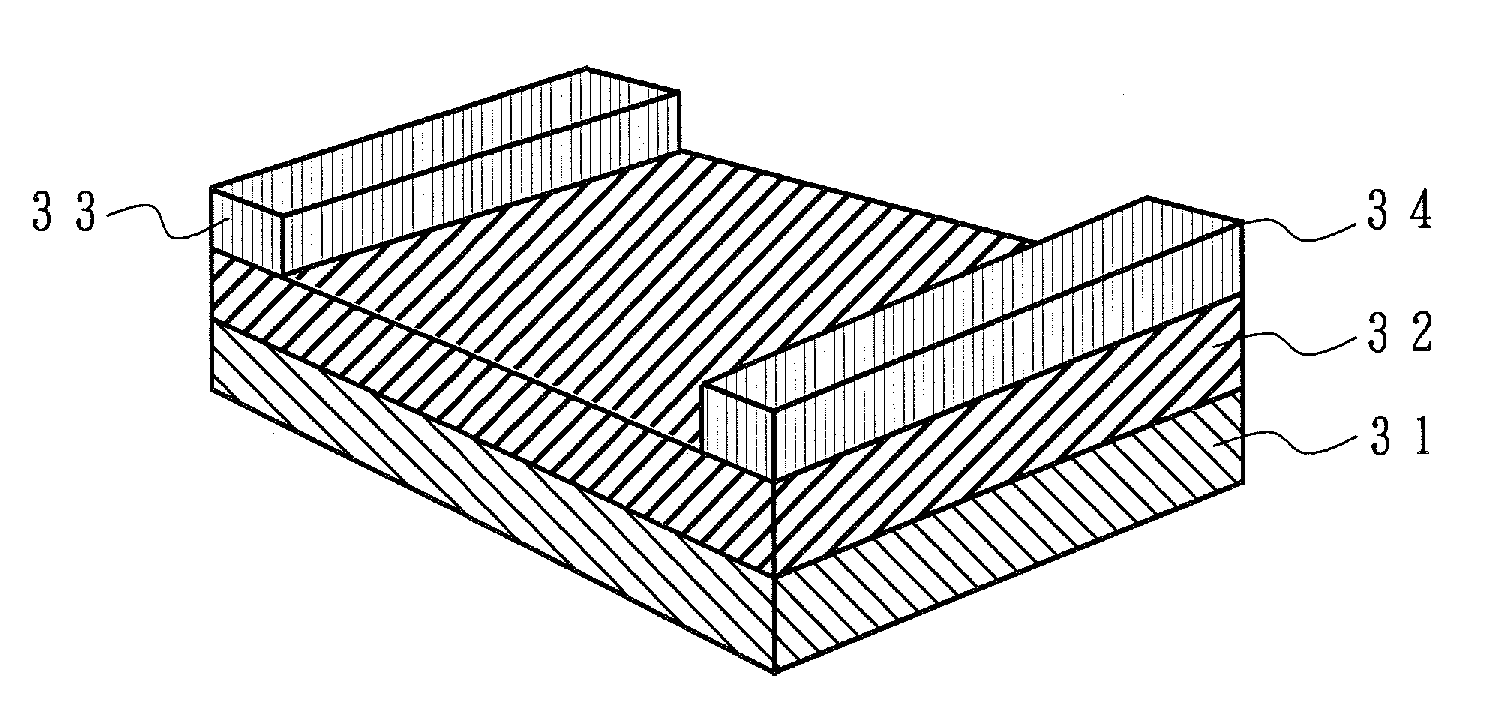
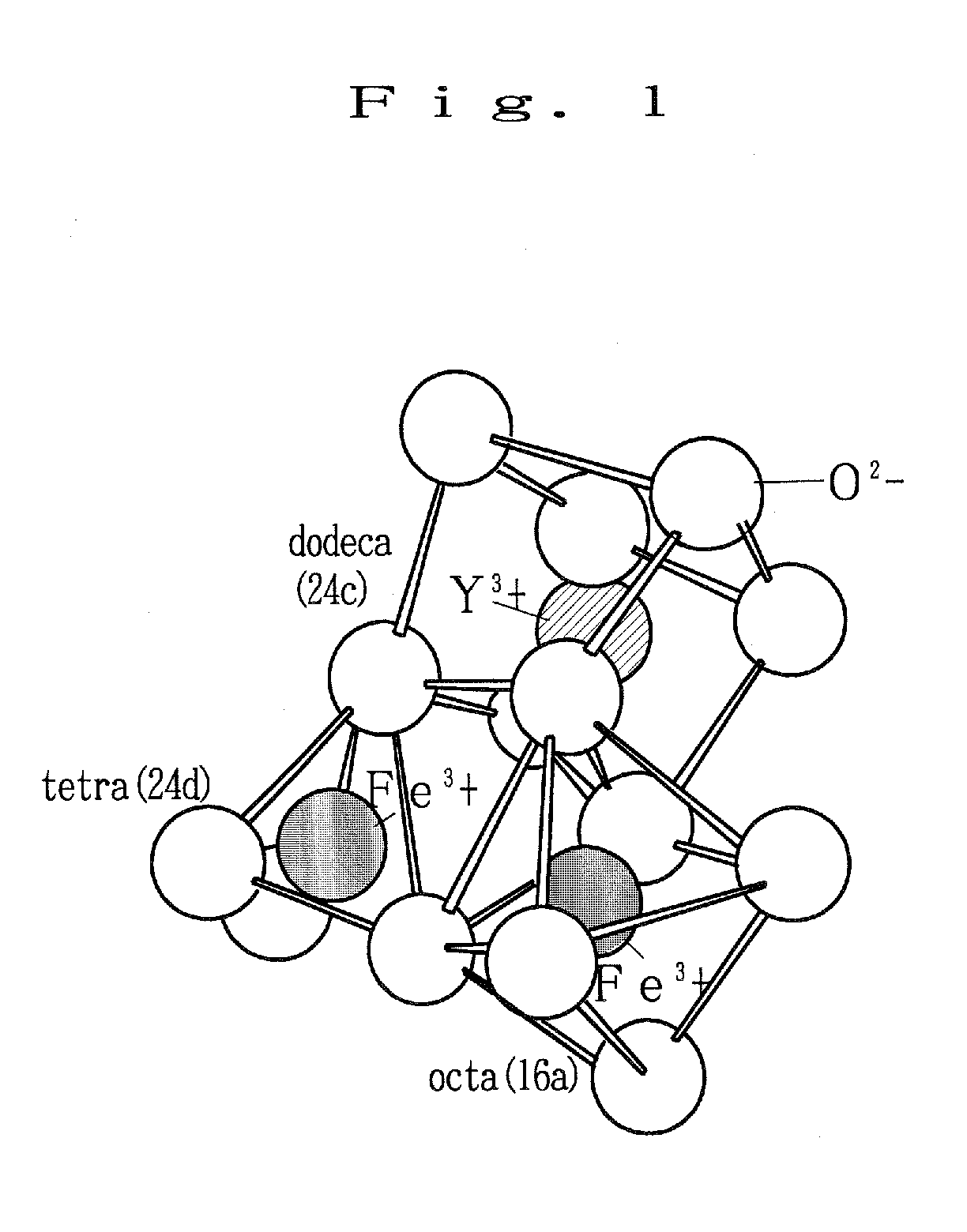
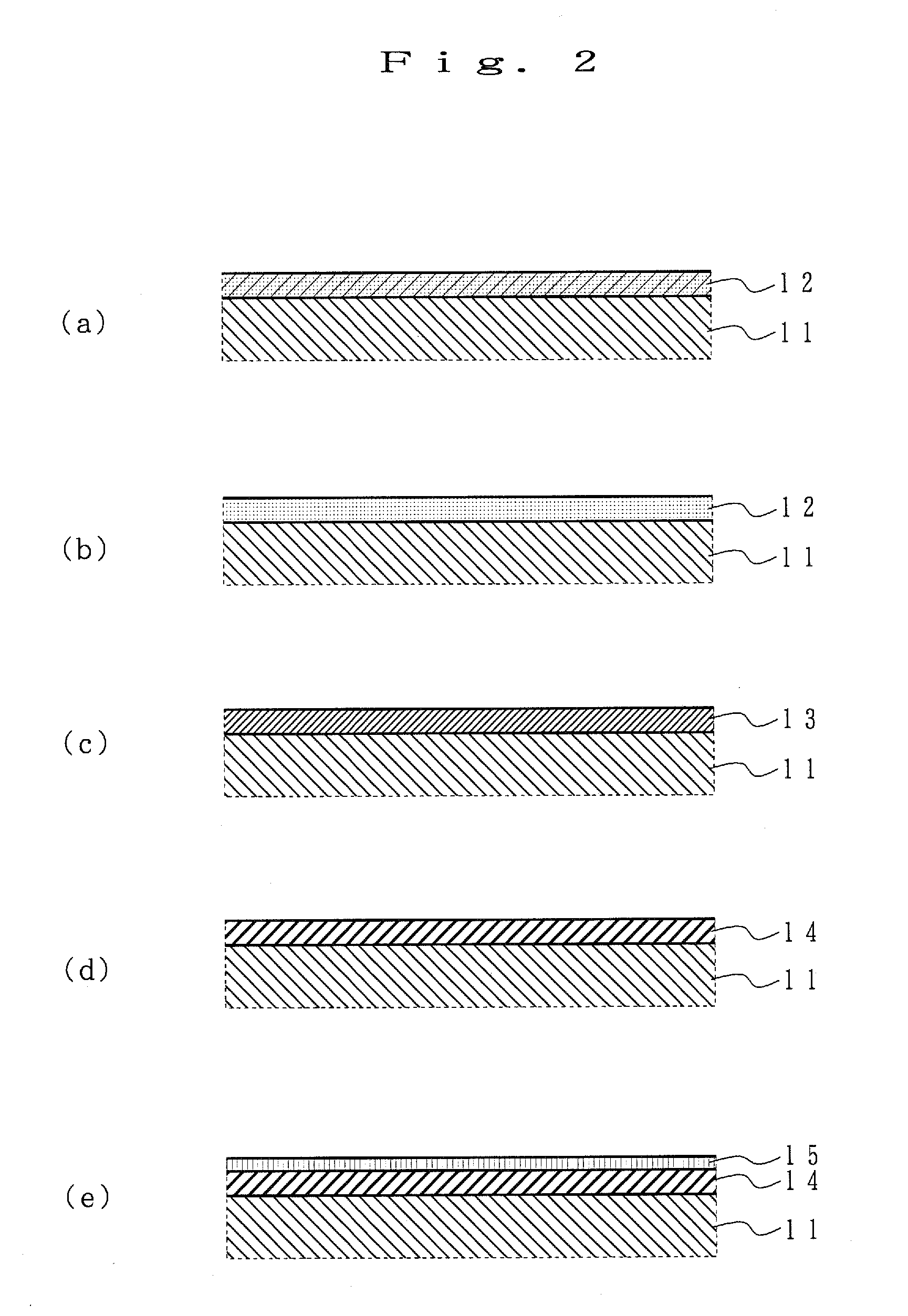
- A spintronic device with a magnetic dielectric layer and metal electrodes made of elements with strong spin-orbit coupling, such as Pt, Au, Pd, Ag, or Bi, is used to inject and convert spin-wave spin current, leveraging spin-Hall and inverse spin-Hall effects for low-loss transmission.

Manufacturing Standards for Spintronic Devices
The establishment of comprehensive manufacturing standards for spintronic devices represents a critical foundation for the successful implementation of spin-based on-chip communication systems. Current standardization efforts focus on defining precise material specifications, fabrication tolerances, and performance benchmarks that ensure consistent device behavior across different manufacturing facilities and production batches.
Material purity standards constitute the cornerstone of spintronic device manufacturing, with specifications requiring magnetic materials to maintain specific crystalline structures and minimal impurity levels below 0.1 parts per million. These stringent requirements are essential for preserving spin coherence and achieving predictable magnetoresistance ratios in tunnel junctions and spin valves used in communication circuits.
Dimensional control standards address the nanoscale precision required for spintronic components, establishing tolerances of ±2 nanometers for critical layer thicknesses and ±5 nanometers for lateral feature dimensions. These specifications ensure consistent switching characteristics and signal integrity across device arrays, particularly important for maintaining synchronization in high-speed communication protocols.
Interface quality standards define surface roughness limits below 0.3 nanometers RMS and specify acceptable defect densities for magnetic tunnel junctions. These parameters directly impact spin injection efficiency and signal-to-noise ratios in communication channels, making standardized measurement protocols essential for quality assurance.
Thermal stability requirements establish operating temperature ranges and define maximum annealing temperatures during fabrication processes. Standards specify that devices must maintain stable magnetic properties within ±5% variation across temperature ranges from -40°C to 125°C, ensuring reliable operation in diverse computing environments.
Electrical characterization standards outline standardized testing procedures for measuring key parameters including tunnel magnetoresistance ratios, switching fields, and endurance cycles. These protocols enable consistent performance evaluation and facilitate technology transfer between research institutions and manufacturing facilities.
Packaging and integration standards address the unique requirements of spintronic devices, including electromagnetic shielding specifications and thermal management protocols. These standards ensure that spin-based communication systems maintain signal integrity when integrated with conventional CMOS circuitry, establishing guidelines for minimizing crosstalk and preserving spin polarization during signal transmission.
Material purity standards constitute the cornerstone of spintronic device manufacturing, with specifications requiring magnetic materials to maintain specific crystalline structures and minimal impurity levels below 0.1 parts per million. These stringent requirements are essential for preserving spin coherence and achieving predictable magnetoresistance ratios in tunnel junctions and spin valves used in communication circuits.
Dimensional control standards address the nanoscale precision required for spintronic components, establishing tolerances of ±2 nanometers for critical layer thicknesses and ±5 nanometers for lateral feature dimensions. These specifications ensure consistent switching characteristics and signal integrity across device arrays, particularly important for maintaining synchronization in high-speed communication protocols.
Interface quality standards define surface roughness limits below 0.3 nanometers RMS and specify acceptable defect densities for magnetic tunnel junctions. These parameters directly impact spin injection efficiency and signal-to-noise ratios in communication channels, making standardized measurement protocols essential for quality assurance.
Thermal stability requirements establish operating temperature ranges and define maximum annealing temperatures during fabrication processes. Standards specify that devices must maintain stable magnetic properties within ±5% variation across temperature ranges from -40°C to 125°C, ensuring reliable operation in diverse computing environments.
Electrical characterization standards outline standardized testing procedures for measuring key parameters including tunnel magnetoresistance ratios, switching fields, and endurance cycles. These protocols enable consistent performance evaluation and facilitate technology transfer between research institutions and manufacturing facilities.
Packaging and integration standards address the unique requirements of spintronic devices, including electromagnetic shielding specifications and thermal management protocols. These standards ensure that spin-based communication systems maintain signal integrity when integrated with conventional CMOS circuitry, establishing guidelines for minimizing crosstalk and preserving spin polarization during signal transmission.
Energy Efficiency Benefits of Spintronic Communication
Spintronic communication systems demonstrate remarkable energy efficiency advantages compared to conventional electronic interconnects, primarily through their unique ability to manipulate electron spin states rather than relying solely on charge transport. Traditional copper-based interconnects suffer from significant resistive losses and require substantial power for signal amplification across chip distances. In contrast, spintronic devices can maintain coherent spin information over extended distances with minimal energy dissipation, as spin currents experience lower scattering rates than charge currents.
The fundamental energy savings in spintronic communication stem from the reduced switching energy required for spin-based logic operations. Spin transfer torque mechanisms enable data transmission and processing with switching energies potentially orders of magnitude lower than CMOS transistors. This efficiency gain becomes particularly pronounced in high-frequency operations where conventional systems experience increased dynamic power consumption due to capacitive charging and discharging cycles.
Spintronic interconnects eliminate the need for power-hungry repeaters and amplifiers that are essential in long-distance on-chip communication using traditional copper wires. The inherent properties of spin waves allow signal propagation without the exponential decay characteristic of electrical signals, maintaining signal integrity across chip dimensions without intermediate power injection. This capability translates to substantial reductions in overall system power consumption, especially in large-scale integrated circuits.
The non-volatile nature of many spintronic devices contributes additional energy benefits by eliminating standby power requirements. Unlike conventional SRAM-based communication buffers that require continuous power to maintain data integrity, spintronic memory elements can retain information without power supply, reducing leakage currents and enabling more aggressive power management strategies including complete power gating of communication subsystems during idle periods.
Thermal management benefits emerge from the reduced power density in spintronic communication systems. Lower heat generation minimizes cooling requirements and prevents thermal-induced performance degradation that typically necessitates additional power overhead in conventional systems. The reduced thermal stress also enables higher integration densities without proportional increases in cooling infrastructure, creating compound energy efficiency improvements across the entire system architecture.
The fundamental energy savings in spintronic communication stem from the reduced switching energy required for spin-based logic operations. Spin transfer torque mechanisms enable data transmission and processing with switching energies potentially orders of magnitude lower than CMOS transistors. This efficiency gain becomes particularly pronounced in high-frequency operations where conventional systems experience increased dynamic power consumption due to capacitive charging and discharging cycles.
Spintronic interconnects eliminate the need for power-hungry repeaters and amplifiers that are essential in long-distance on-chip communication using traditional copper wires. The inherent properties of spin waves allow signal propagation without the exponential decay characteristic of electrical signals, maintaining signal integrity across chip dimensions without intermediate power injection. This capability translates to substantial reductions in overall system power consumption, especially in large-scale integrated circuits.
The non-volatile nature of many spintronic devices contributes additional energy benefits by eliminating standby power requirements. Unlike conventional SRAM-based communication buffers that require continuous power to maintain data integrity, spintronic memory elements can retain information without power supply, reducing leakage currents and enabling more aggressive power management strategies including complete power gating of communication subsystems during idle periods.
Thermal management benefits emerge from the reduced power density in spintronic communication systems. Lower heat generation minimizes cooling requirements and prevents thermal-induced performance degradation that typically necessitates additional power overhead in conventional systems. The reduced thermal stress also enables higher integration densities without proportional increases in cooling infrastructure, creating compound energy efficiency improvements across the entire system architecture.
Unlock deeper insights with PatSnap Eureka Quick Research — get a full tech report to explore trends and direct your research. Try now!
Generate Your Research Report Instantly with AI Agent
Supercharge your innovation with PatSnap Eureka AI Agent Platform!