

Spintronics in Space Applications: Radiation Hardening Study
APR 16, 20269 MIN READ
Generate Your Research Report Instantly with AI Agent
PatSnap Eureka helps you evaluate technical feasibility & market potential.
Spintronics Space Applications Background and Objectives
Spintronics, an emerging field that exploits both the charge and spin properties of electrons, has gained significant attention in the aerospace industry due to its potential to revolutionize space-based electronic systems. Traditional electronics in space applications face severe challenges from cosmic radiation, extreme temperatures, and the need for ultra-low power consumption. The harsh space environment demands electronic components that can maintain functionality while withstanding high-energy particle bombardment and electromagnetic interference.
The evolution of spintronics technology traces back to the discovery of giant magnetoresistance in the late 1980s, which laid the foundation for modern spin-based devices. Over the past three decades, the field has progressed from basic magnetoresistive sensors to sophisticated spin-transfer torque devices and magnetic tunnel junctions. Recent advances in materials science, particularly in the development of topological insulators and two-dimensional magnetic materials, have opened new possibilities for space-grade spintronic applications.
Current space missions rely heavily on radiation-hardened silicon-based electronics, which are expensive, power-hungry, and limited in their operational capabilities under extreme conditions. The increasing complexity of space missions, including deep space exploration, satellite constellations, and Mars colonization initiatives, necessitates more robust and efficient electronic solutions. Spintronic devices offer inherent advantages such as non-volatility, radiation tolerance, and ultra-low power operation, making them ideal candidates for next-generation space electronics.
The primary objective of investigating spintronics for space applications centers on developing radiation-hardened spintronic devices that can operate reliably in the space environment. This includes understanding how cosmic radiation affects spin-dependent transport mechanisms, magnetic anisotropy, and device switching characteristics. Key technical goals encompass achieving radiation tolerance levels exceeding 1 Mrad total ionizing dose while maintaining device performance parameters within acceptable ranges.
Another critical objective involves optimizing spintronic device architectures specifically for space applications, including magnetic random access memory, spin-based logic circuits, and magnetic sensors. The research aims to establish design guidelines for space-qualified spintronic systems that can withstand temperature cycling, vacuum conditions, and long-term mission requirements. Additionally, the development of comprehensive testing methodologies and qualification standards for spintronic space components represents a fundamental goal for enabling widespread adoption in future space missions.
The evolution of spintronics technology traces back to the discovery of giant magnetoresistance in the late 1980s, which laid the foundation for modern spin-based devices. Over the past three decades, the field has progressed from basic magnetoresistive sensors to sophisticated spin-transfer torque devices and magnetic tunnel junctions. Recent advances in materials science, particularly in the development of topological insulators and two-dimensional magnetic materials, have opened new possibilities for space-grade spintronic applications.
Current space missions rely heavily on radiation-hardened silicon-based electronics, which are expensive, power-hungry, and limited in their operational capabilities under extreme conditions. The increasing complexity of space missions, including deep space exploration, satellite constellations, and Mars colonization initiatives, necessitates more robust and efficient electronic solutions. Spintronic devices offer inherent advantages such as non-volatility, radiation tolerance, and ultra-low power operation, making them ideal candidates for next-generation space electronics.
The primary objective of investigating spintronics for space applications centers on developing radiation-hardened spintronic devices that can operate reliably in the space environment. This includes understanding how cosmic radiation affects spin-dependent transport mechanisms, magnetic anisotropy, and device switching characteristics. Key technical goals encompass achieving radiation tolerance levels exceeding 1 Mrad total ionizing dose while maintaining device performance parameters within acceptable ranges.
Another critical objective involves optimizing spintronic device architectures specifically for space applications, including magnetic random access memory, spin-based logic circuits, and magnetic sensors. The research aims to establish design guidelines for space-qualified spintronic systems that can withstand temperature cycling, vacuum conditions, and long-term mission requirements. Additionally, the development of comprehensive testing methodologies and qualification standards for spintronic space components represents a fundamental goal for enabling widespread adoption in future space missions.
Market Demand for Radiation-Hardened Spintronic Devices
The space industry's growing reliance on electronic systems has created substantial demand for radiation-hardened spintronic devices. Traditional semiconductor-based electronics face significant challenges in space environments due to cosmic radiation, solar particle events, and trapped radiation in planetary magnetospheres. These harsh conditions cause single-event upsets, total ionizing dose effects, and displacement damage that can compromise mission-critical systems.
Spintronic devices offer inherent advantages for space applications through their non-volatile memory characteristics and potential radiation tolerance. The magnetic storage mechanism in spintronic systems provides natural immunity to certain types of radiation-induced failures that plague conventional CMOS technologies. This fundamental advantage positions spintronic devices as attractive alternatives for space-qualified electronics.
The satellite constellation market represents the largest demand driver for radiation-hardened spintronic devices. Commercial satellite operators require reliable memory and processing components that can withstand years of radiation exposure while maintaining data integrity. Low Earth orbit satellites face particularly challenging radiation environments due to passage through the South Atlantic Anomaly and polar regions with enhanced particle flux.
Deep space exploration missions constitute another significant market segment demanding advanced radiation-hardened electronics. Missions to Jupiter, Saturn, and beyond encounter intense radiation fields that exceed typical Earth-orbital conditions by several orders of magnitude. Spintronic devices capable of operating in these extreme environments could enable more sophisticated scientific instruments and autonomous navigation systems.
Military and defense space applications drive demand for highly reliable, radiation-tolerant electronics with enhanced security features. Spintronic devices offer potential advantages in cryptographic applications and secure data storage, where radiation-induced bit flips could compromise sensitive information. The inherent physical unclonable function capabilities of certain spintronic structures provide additional security benefits.
The emerging commercial space economy, including space manufacturing and asteroid mining ventures, requires cost-effective radiation-hardened solutions. Traditional radiation-hardening approaches often involve expensive shielding or redundant systems that increase launch costs. Spintronic devices with intrinsic radiation tolerance could reduce system complexity and mass while improving reliability.
Market growth is further accelerated by the miniaturization trend in space systems. CubeSats and small satellite platforms have limited space and power budgets, making compact, low-power spintronic devices particularly attractive. The ability to integrate memory and logic functions in radiation-tolerant spintronic circuits addresses multiple design constraints simultaneously.
Spintronic devices offer inherent advantages for space applications through their non-volatile memory characteristics and potential radiation tolerance. The magnetic storage mechanism in spintronic systems provides natural immunity to certain types of radiation-induced failures that plague conventional CMOS technologies. This fundamental advantage positions spintronic devices as attractive alternatives for space-qualified electronics.
The satellite constellation market represents the largest demand driver for radiation-hardened spintronic devices. Commercial satellite operators require reliable memory and processing components that can withstand years of radiation exposure while maintaining data integrity. Low Earth orbit satellites face particularly challenging radiation environments due to passage through the South Atlantic Anomaly and polar regions with enhanced particle flux.
Deep space exploration missions constitute another significant market segment demanding advanced radiation-hardened electronics. Missions to Jupiter, Saturn, and beyond encounter intense radiation fields that exceed typical Earth-orbital conditions by several orders of magnitude. Spintronic devices capable of operating in these extreme environments could enable more sophisticated scientific instruments and autonomous navigation systems.
Military and defense space applications drive demand for highly reliable, radiation-tolerant electronics with enhanced security features. Spintronic devices offer potential advantages in cryptographic applications and secure data storage, where radiation-induced bit flips could compromise sensitive information. The inherent physical unclonable function capabilities of certain spintronic structures provide additional security benefits.
The emerging commercial space economy, including space manufacturing and asteroid mining ventures, requires cost-effective radiation-hardened solutions. Traditional radiation-hardening approaches often involve expensive shielding or redundant systems that increase launch costs. Spintronic devices with intrinsic radiation tolerance could reduce system complexity and mass while improving reliability.
Market growth is further accelerated by the miniaturization trend in space systems. CubeSats and small satellite platforms have limited space and power budgets, making compact, low-power spintronic devices particularly attractive. The ability to integrate memory and logic functions in radiation-tolerant spintronic circuits addresses multiple design constraints simultaneously.
Current State and Radiation Challenges in Spintronics
Spintronics technology has emerged as a promising alternative to conventional charge-based electronics, leveraging electron spin rather than charge for information processing and storage. Current spintronic devices demonstrate superior energy efficiency, non-volatility, and high-speed operation compared to traditional semiconductor technologies. Major commercial applications include magnetic random access memory (MRAM), spin-transfer torque devices, and magnetic sensors, with research extending into spin logic circuits and quantum computing applications.
The fundamental principles of spintronics rely on spin-dependent transport phenomena, including giant magnetoresistance (GMR), tunnel magnetoresistance (TMR), and spin-orbit coupling effects. These mechanisms enable the creation of devices such as magnetic tunnel junctions (MTJs), spin valves, and spin field-effect transistors. Current state-of-the-art spintronic devices achieve TMR ratios exceeding 600% at room temperature and demonstrate switching speeds in the sub-nanosecond range.
However, the space environment presents unprecedented challenges for spintronic devices due to intense radiation exposure. High-energy particles, including protons, heavy ions, and electrons, can significantly alter the magnetic properties of spintronic materials through displacement damage and ionization effects. These radiation-induced modifications can degrade device performance by altering magnetic anisotropy, coercivity, and spin polarization characteristics.
Displacement damage occurs when energetic particles knock atoms from their lattice positions, creating defects that can act as spin scattering centers and reduce spin coherence length. This phenomenon is particularly problematic for materials with high spin polarization, such as Heusler alloys and half-metallic ferromagnets, where even small concentrations of defects can dramatically reduce spin-dependent transport properties.
Total ionizing dose effects represent another critical concern, as accumulated charge in insulating layers can shift device operating parameters and create unwanted electric fields that interfere with spin manipulation. In magnetic tunnel junctions, radiation-induced charge trapping in the tunnel barrier can alter the TMR ratio and increase device resistance, potentially leading to read/write errors in memory applications.
Single event effects pose additional risks, where individual high-energy particles can cause temporary or permanent changes in magnetic domain configurations. These events can trigger unwanted switching in magnetic memory elements or induce transient errors in spin logic circuits, compromising system reliability in mission-critical space applications.
Current radiation hardening approaches for spintronic devices focus on material engineering, device design optimization, and error correction strategies. Research efforts concentrate on developing radiation-tolerant magnetic materials, implementing redundant device architectures, and establishing comprehensive testing protocols under simulated space radiation conditions to ensure reliable operation throughout extended mission durations.
The fundamental principles of spintronics rely on spin-dependent transport phenomena, including giant magnetoresistance (GMR), tunnel magnetoresistance (TMR), and spin-orbit coupling effects. These mechanisms enable the creation of devices such as magnetic tunnel junctions (MTJs), spin valves, and spin field-effect transistors. Current state-of-the-art spintronic devices achieve TMR ratios exceeding 600% at room temperature and demonstrate switching speeds in the sub-nanosecond range.
However, the space environment presents unprecedented challenges for spintronic devices due to intense radiation exposure. High-energy particles, including protons, heavy ions, and electrons, can significantly alter the magnetic properties of spintronic materials through displacement damage and ionization effects. These radiation-induced modifications can degrade device performance by altering magnetic anisotropy, coercivity, and spin polarization characteristics.
Displacement damage occurs when energetic particles knock atoms from their lattice positions, creating defects that can act as spin scattering centers and reduce spin coherence length. This phenomenon is particularly problematic for materials with high spin polarization, such as Heusler alloys and half-metallic ferromagnets, where even small concentrations of defects can dramatically reduce spin-dependent transport properties.
Total ionizing dose effects represent another critical concern, as accumulated charge in insulating layers can shift device operating parameters and create unwanted electric fields that interfere with spin manipulation. In magnetic tunnel junctions, radiation-induced charge trapping in the tunnel barrier can alter the TMR ratio and increase device resistance, potentially leading to read/write errors in memory applications.
Single event effects pose additional risks, where individual high-energy particles can cause temporary or permanent changes in magnetic domain configurations. These events can trigger unwanted switching in magnetic memory elements or induce transient errors in spin logic circuits, compromising system reliability in mission-critical space applications.
Current radiation hardening approaches for spintronic devices focus on material engineering, device design optimization, and error correction strategies. Research efforts concentrate on developing radiation-tolerant magnetic materials, implementing redundant device architectures, and establishing comprehensive testing protocols under simulated space radiation conditions to ensure reliable operation throughout extended mission durations.
Existing Radiation Hardening Solutions for Spintronics
01 Spintronic memory devices with radiation tolerance
Spintronic memory devices such as magnetic tunnel junctions (MTJs) and spin-transfer torque memory (STT-MRAM) exhibit inherent radiation hardness due to their non-charge-based storage mechanism. These devices utilize electron spin rather than charge to store information, making them less susceptible to radiation-induced soft errors and single-event upsets. The magnetic storage elements maintain data integrity even when exposed to high-energy particles, providing superior radiation tolerance compared to conventional semiconductor memories.- Spintronic memory devices with radiation tolerance: Spintronic memory devices such as magnetic tunnel junctions (MTJs) and spin-transfer torque memory (STT-MRAM) exhibit inherent radiation hardness due to their non-charge-based storage mechanism. These devices utilize electron spin rather than charge to store information, making them less susceptible to radiation-induced soft errors and single-event upsets. The magnetic storage elements maintain data integrity even when exposed to high-energy particles, providing superior radiation tolerance compared to conventional semiconductor memories.
- Radiation-hardened spintronic logic circuits: Spintronic logic devices can be designed with enhanced radiation hardness by exploiting the robustness of magnetic states against ionizing radiation. These circuits utilize spin-based switching mechanisms that are inherently immune to transient radiation effects. The implementation of spin logic gates and spin-based computational elements provides a pathway for developing radiation-tolerant electronics suitable for space applications and nuclear environments.
- Material engineering for radiation-resistant spintronic devices: The selection and engineering of magnetic materials and barrier layers in spintronic structures can significantly enhance radiation hardness. Specific material compositions and multilayer structures can be optimized to minimize radiation-induced degradation of magnetic properties and tunnel magnetoresistance. Advanced material systems including rare-earth-free magnets and oxide barriers demonstrate improved stability under radiation exposure.
- Shielding and structural design for spintronic radiation hardening: Architectural approaches to radiation hardening include the implementation of redundancy schemes, error correction mechanisms, and protective shielding structures specifically designed for spintronic devices. Device layout optimization and the integration of radiation-absorbing layers can mitigate the effects of high-energy particles. These design strategies complement the intrinsic radiation tolerance of spintronic elements to achieve enhanced overall system reliability.
- Testing and characterization of spintronic devices under radiation: Comprehensive testing methodologies have been developed to evaluate the radiation hardness of spintronic devices under various radiation environments. These include exposure to gamma rays, neutrons, heavy ions, and proton beams to simulate space and nuclear conditions. Characterization techniques measure changes in magnetic properties, resistance states, and switching characteristics to quantify radiation effects and validate hardening strategies.
02 Radiation-hardened spintronic logic circuits
Spintronic logic devices can be designed with enhanced radiation hardness by exploiting the robustness of magnetic states against ionizing radiation. These circuits utilize spin-based switching mechanisms that are inherently immune to transient radiation effects. The implementation of spin logic gates and spin-based computational elements provides a pathway for developing radiation-tolerant processing units suitable for space and nuclear applications.Expand Specific Solutions03 Material engineering for radiation-resistant spintronic structures
The selection and engineering of magnetic materials and barrier layers in spintronic devices can significantly enhance radiation hardness. Specific material compositions and multilayer structures can be optimized to minimize radiation-induced degradation of magnetic properties and tunneling magnetoresistance. Advanced material systems including rare-earth-free magnets and oxide barriers demonstrate improved stability under radiation exposure.Expand Specific Solutions04 Shielding and packaging techniques for spintronic devices
Radiation hardening of spintronic systems can be achieved through specialized packaging and shielding approaches. These techniques include the integration of radiation-absorbing materials, optimized device geometries, and protective encapsulation methods that reduce the impact of ionizing particles on spintronic components. Multi-layer shielding structures and hermetic packaging solutions provide additional protection while maintaining device performance.Expand Specific Solutions05 Testing and qualification methods for radiation-hardened spintronics
Specialized testing protocols and qualification procedures have been developed to evaluate the radiation tolerance of spintronic devices. These methods include exposure to various radiation sources such as gamma rays, neutrons, and heavy ions to simulate space and nuclear environments. Characterization techniques assess parameters including magnetic switching behavior, resistance changes, and data retention under radiation stress to ensure device reliability in harsh environments.Expand Specific Solutions
Key Players in Space-Grade Spintronic Device Industry
The spintronics in space applications market is in its early development stage, representing a nascent but promising sector within the broader space electronics industry. The market remains relatively small with limited commercial deployment, primarily driven by research initiatives and proof-of-concept studies. Technology maturity varies significantly across key players, with established aerospace giants like Boeing and BAE Systems leveraging their radiation-hardened electronics expertise, while semiconductor leaders Intel and Honeywell contribute advanced materials knowledge. Academic institutions including Ohio State University, École Polytechnique Fédérale de Lausanne, and Nanyang Technological University are pioneering fundamental research in spintronic device physics and radiation tolerance mechanisms. Research organizations like Commissariat à l'énergie atomique provide critical materials characterization capabilities, while technology transfer entities such as Ramot at Tel Aviv University facilitate commercialization pathways for emerging spintronic innovations targeting space-qualified applications.
BAE Systems Information & Electronic Sys Integration, Inc.
Technical Solution: BAE Systems has developed comprehensive radiation-hardened spintronic solutions for aerospace and defense applications, with particular emphasis on magnetic memory devices for spacecraft electronics. Their technology incorporates advanced magnetic materials and device structures designed to withstand total ionizing dose effects and single-event phenomena in space environments. The company's spintronic devices feature enhanced magnetic anisotropy and thermal stability to maintain performance under extreme radiation conditions. BAE Systems has integrated these components into flight-qualified electronic systems, demonstrating successful operation in low Earth orbit and geostationary satellite missions with extended operational lifetimes.
Strengths: Extensive space qualification experience and proven flight heritage. Weaknesses: Limited commercial market presence and higher unit costs due to specialized manufacturing.
Honeywell International Technologies Ltd.
Technical Solution: Honeywell has pioneered radiation-tolerant spintronic sensor technologies for space navigation and attitude control systems. Their magnetic field sensors utilize giant magnetoresistance (GMR) and tunneling magnetoresistance (TMR) effects with specialized radiation-hardening design modifications. The company has developed proprietary magnetic shielding techniques and redundant sensor architectures to ensure reliable operation in high-radiation space environments. Honeywell's spintronic devices demonstrate superior sensitivity and stability compared to conventional Hall effect sensors, enabling precise spacecraft orientation control and magnetic field measurements during extended space missions including interplanetary exploration.
Strengths: Strong aerospace heritage and comprehensive system integration capabilities. Weaknesses: Focus primarily on sensor applications rather than memory devices, limiting broader spintronic portfolio.
Core Innovations in Radiation-Resistant Spintronic Materials
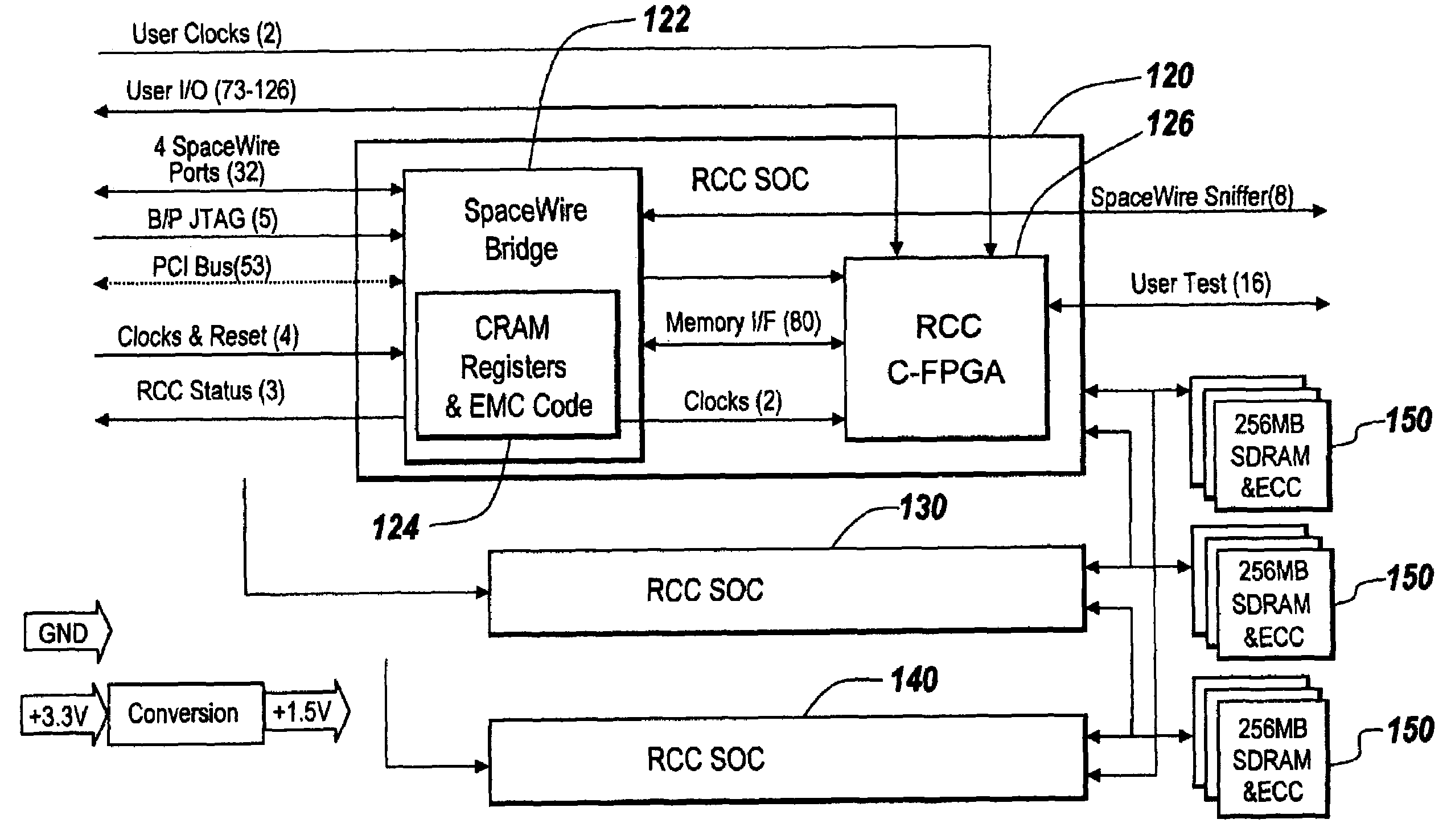
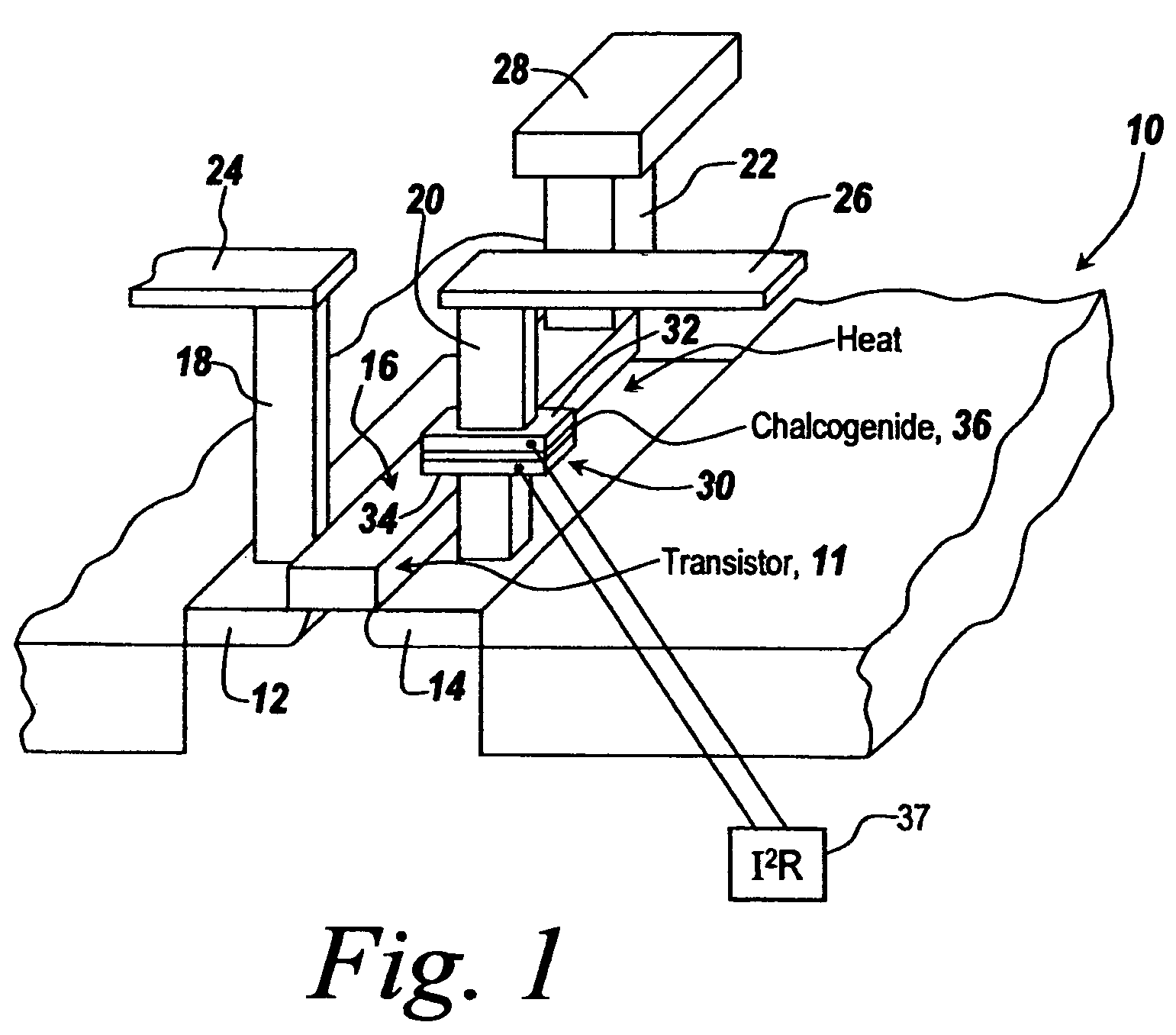
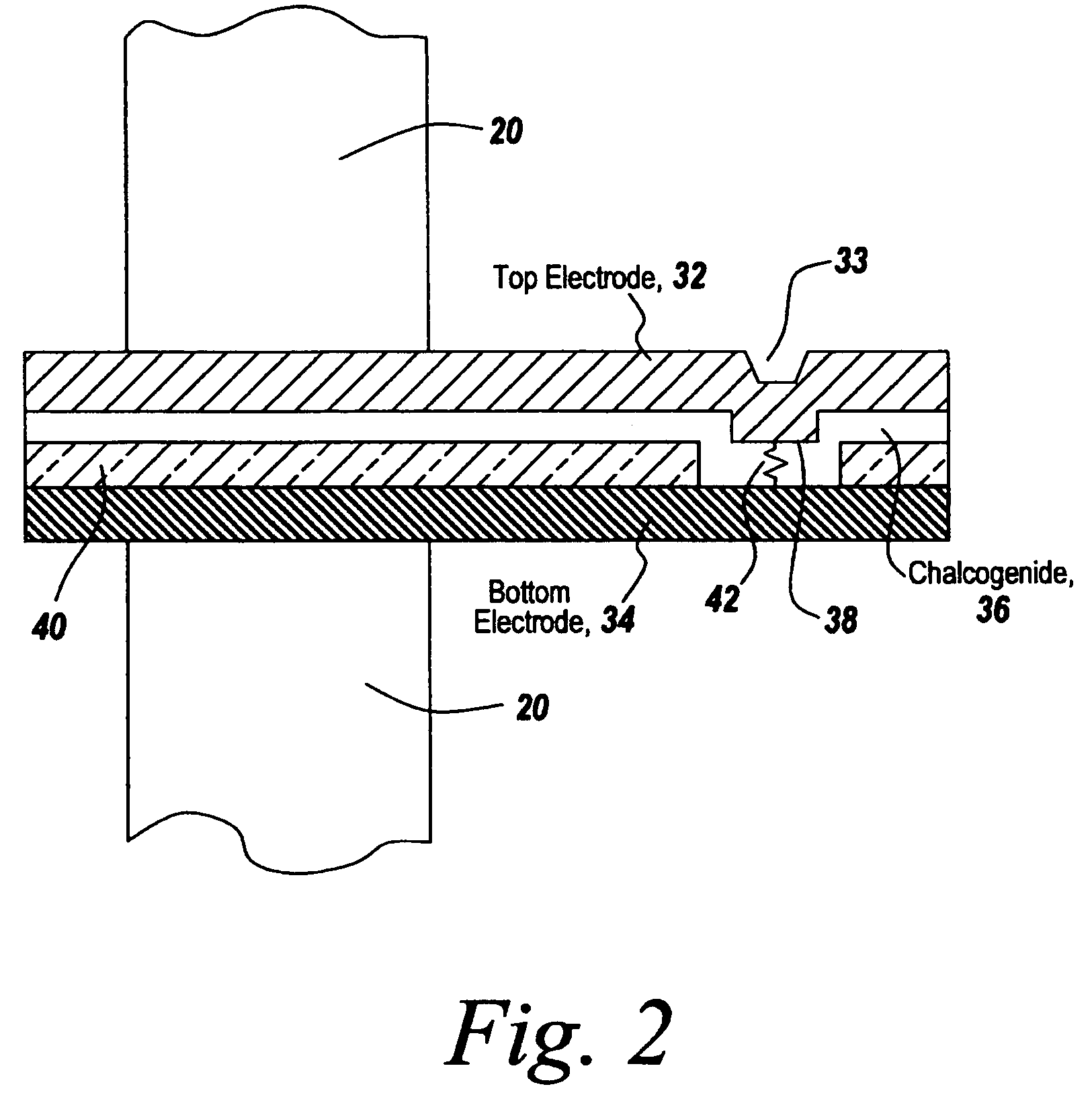
Use of radiation-hardened chalcogenide technology for spaceborne reconfigurable digital processing systems
PatentInactiveUS7337160B2
Innovation
- The use of chalcogenide technology in the form of Chalcogenide Random Access Memories (C-RAMs) provides radiation hardening by leveraging the reversible phase change properties of chalcogenide alloys like GeSbTe, which are impervious to radiation bursts, allowing for non-volatile storage with rapid and repeatable state changes, eliminating the need for high voltage programming and reducing redundancy requirements.

Space Industry Standards and Certification Requirements
The deployment of spintronic devices in space applications necessitates compliance with stringent industry standards and certification requirements that ensure mission-critical reliability in harsh radiation environments. The space industry operates under a comprehensive framework of standards primarily governed by NASA, ESA, JAXA, and military specifications such as MIL-STD-883 and MIL-PRF-38535, which establish baseline requirements for electronic components used in space missions.
For spintronic devices, the most relevant standards include ECSS-Q-ST-60 series for space product assurance of electrical, electronic and electromechanical components, and NASA-STD-4005 for low outgassing materials selection. These standards mandate extensive radiation testing protocols, including Total Ionizing Dose (TID) testing up to mission-specific levels ranging from 10 krad to 1 Mrad, Single Event Effects (SEE) testing with heavy ion bombardment, and displacement damage testing for proton and neutron environments.
The certification process for space-qualified spintronic components requires adherence to AS9100 aerospace quality management systems and ISO 14001 environmental management standards. Component manufacturers must demonstrate compliance through rigorous testing protocols that include thermal cycling from -55°C to +125°C, vibration testing per MIL-STD-202, and long-term reliability assessments extending beyond 15 years of operational life.
Specific to spintronic devices, emerging standards are being developed to address unique failure mechanisms such as magnetic domain stability under radiation exposure and spin coherence degradation. The Consultative Committee for Space Data Systems (CCSDS) is currently drafting guidelines for magnetic memory devices in space applications, while the Space Electronics Working Group is establishing test methodologies for spin-transfer torque devices.
Certification bodies such as the Defense Logistics Agency (DLA) and NASA's Electronic Parts and Packaging Program (NEPP) provide oversight for space-grade component qualification. The qualification process typically spans 18-24 months and requires comprehensive documentation including radiation test reports, failure mode analysis, and statistical reliability projections based on accelerated life testing data.
For spintronic devices, the most relevant standards include ECSS-Q-ST-60 series for space product assurance of electrical, electronic and electromechanical components, and NASA-STD-4005 for low outgassing materials selection. These standards mandate extensive radiation testing protocols, including Total Ionizing Dose (TID) testing up to mission-specific levels ranging from 10 krad to 1 Mrad, Single Event Effects (SEE) testing with heavy ion bombardment, and displacement damage testing for proton and neutron environments.
The certification process for space-qualified spintronic components requires adherence to AS9100 aerospace quality management systems and ISO 14001 environmental management standards. Component manufacturers must demonstrate compliance through rigorous testing protocols that include thermal cycling from -55°C to +125°C, vibration testing per MIL-STD-202, and long-term reliability assessments extending beyond 15 years of operational life.
Specific to spintronic devices, emerging standards are being developed to address unique failure mechanisms such as magnetic domain stability under radiation exposure and spin coherence degradation. The Consultative Committee for Space Data Systems (CCSDS) is currently drafting guidelines for magnetic memory devices in space applications, while the Space Electronics Working Group is establishing test methodologies for spin-transfer torque devices.
Certification bodies such as the Defense Logistics Agency (DLA) and NASA's Electronic Parts and Packaging Program (NEPP) provide oversight for space-grade component qualification. The qualification process typically spans 18-24 months and requires comprehensive documentation including radiation test reports, failure mode analysis, and statistical reliability projections based on accelerated life testing data.
Mission-Critical Reliability Assessment for Spintronic Devices
Mission-critical reliability assessment for spintronic devices in space applications requires comprehensive evaluation frameworks that address the unique operational demands of extraterrestrial environments. Unlike terrestrial applications where device failures may result in service interruptions or economic losses, space-deployed spintronic systems must maintain functionality throughout extended mission durations without possibility of physical repair or replacement.
The assessment methodology encompasses multiple reliability metrics including mean time between failures (MTBF), failure rate analysis, and degradation modeling under combined stress conditions. Spintronic devices face simultaneous exposure to ionizing radiation, extreme temperature cycling, vacuum conditions, and mechanical stress during launch and orbital operations. These environmental factors create complex failure mechanisms that require sophisticated modeling approaches to predict long-term performance.
Critical reliability parameters for space-grade spintronic devices include retention time stability of magnetic tunnel junctions, endurance characteristics under radiation exposure, and thermal cycling resilience. Magnetic random access memory (MRAM) devices, for instance, must demonstrate data retention capabilities exceeding ten years while maintaining error rates below 10^-15 per bit-hour. Spin-based logic devices require even more stringent reliability standards due to their role in mission-critical computational tasks.
Accelerated life testing protocols specifically designed for spintronic components involve exposing devices to elevated radiation doses, temperature extremes, and combined environmental stressors to extrapolate long-term reliability projections. These tests utilize statistical models such as Weibull distribution analysis and Arrhenius acceleration factors to predict device behavior over mission lifespans ranging from five to twenty years.
Redundancy strategies and fault-tolerant architectures play essential roles in achieving mission-critical reliability levels. Error correction codes, redundant storage elements, and self-healing circuit designs help mitigate individual device failures while maintaining overall system functionality. The assessment framework must evaluate not only individual component reliability but also system-level resilience under various failure scenarios.
Qualification standards for space-grade spintronic devices incorporate radiation hardness assurance testing, thermal vacuum cycling, and vibration testing protocols. These standards ensure devices meet stringent reliability requirements while maintaining performance specifications throughout their operational lifetime in the harsh space environment.
The assessment methodology encompasses multiple reliability metrics including mean time between failures (MTBF), failure rate analysis, and degradation modeling under combined stress conditions. Spintronic devices face simultaneous exposure to ionizing radiation, extreme temperature cycling, vacuum conditions, and mechanical stress during launch and orbital operations. These environmental factors create complex failure mechanisms that require sophisticated modeling approaches to predict long-term performance.
Critical reliability parameters for space-grade spintronic devices include retention time stability of magnetic tunnel junctions, endurance characteristics under radiation exposure, and thermal cycling resilience. Magnetic random access memory (MRAM) devices, for instance, must demonstrate data retention capabilities exceeding ten years while maintaining error rates below 10^-15 per bit-hour. Spin-based logic devices require even more stringent reliability standards due to their role in mission-critical computational tasks.
Accelerated life testing protocols specifically designed for spintronic components involve exposing devices to elevated radiation doses, temperature extremes, and combined environmental stressors to extrapolate long-term reliability projections. These tests utilize statistical models such as Weibull distribution analysis and Arrhenius acceleration factors to predict device behavior over mission lifespans ranging from five to twenty years.
Redundancy strategies and fault-tolerant architectures play essential roles in achieving mission-critical reliability levels. Error correction codes, redundant storage elements, and self-healing circuit designs help mitigate individual device failures while maintaining overall system functionality. The assessment framework must evaluate not only individual component reliability but also system-level resilience under various failure scenarios.
Qualification standards for space-grade spintronic devices incorporate radiation hardness assurance testing, thermal vacuum cycling, and vibration testing protocols. These standards ensure devices meet stringent reliability requirements while maintaining performance specifications throughout their operational lifetime in the harsh space environment.
Unlock deeper insights with PatSnap Eureka Quick Research — get a full tech report to explore trends and direct your research. Try now!
Generate Your Research Report Instantly with AI Agent
Supercharge your innovation with PatSnap Eureka AI Agent Platform!