Comparative Study: NMP Vs. Water-Based Electrode Processing
AUG 27, 20259 MIN READ
Generate Your Research Report Instantly with AI Agent
Patsnap Eureka helps you evaluate technical feasibility & market potential.
NMP vs. Water-Based Electrode Processing: Background & Objectives
Electrode manufacturing processes have undergone significant evolution since the commercialization of lithium-ion batteries in the early 1990s. Traditionally, N-Methyl-2-pyrrolidone (NMP) has been the dominant solvent used in electrode slurry preparation due to its excellent dispersing properties and compatibility with polyvinylidene fluoride (PVDF) binder. However, growing environmental concerns, stringent regulations, and economic pressures have driven the industry to explore alternative processing methods, particularly water-based electrode processing.
NMP, while effective, presents several challenges. It is classified as a reproductive toxin under the European REACH regulation, requires expensive recovery systems, and contributes significantly to the carbon footprint of battery production. The solvent accounts for approximately 40% of the energy consumption in electrode manufacturing, with recovery processes adding substantial operational costs. These factors have accelerated research into water-based alternatives that could potentially reduce environmental impact while maintaining or improving electrode performance.
The technical evolution in this field has followed a trajectory from optimization of NMP-based processes toward development of water-compatible binders and additives. Early water-based systems suffered from poor dispersion of active materials, inadequate adhesion, and compromised electrochemical performance. Recent advancements have focused on overcoming these limitations through innovative binder systems, surface modification of active materials, and refined processing techniques.
The primary objective of this comparative study is to evaluate the technical feasibility, economic viability, and environmental sustainability of transitioning from NMP to water-based electrode processing. Specifically, we aim to assess the impact on electrode microstructure, electrochemical performance, production efficiency, and overall battery life cycle. Additionally, we seek to identify the key technical barriers that must be overcome to enable widespread industrial adoption of water-based processing.
Current market trends indicate a growing interest in sustainable battery manufacturing, driven by both regulatory pressures and consumer demand for environmentally friendly products. Major battery manufacturers and automotive companies have announced initiatives to reduce carbon emissions across their supply chains, making water-based electrode processing an attractive option for meeting these sustainability goals.
The technological landscape is evolving rapidly, with research institutions and industry players filing patents related to water-based electrode formulations at an increasing rate. This study aims to provide a comprehensive assessment of the state-of-the-art in both processing methods, highlighting recent breakthroughs and persistent challenges that will shape the future direction of electrode manufacturing technology.
NMP, while effective, presents several challenges. It is classified as a reproductive toxin under the European REACH regulation, requires expensive recovery systems, and contributes significantly to the carbon footprint of battery production. The solvent accounts for approximately 40% of the energy consumption in electrode manufacturing, with recovery processes adding substantial operational costs. These factors have accelerated research into water-based alternatives that could potentially reduce environmental impact while maintaining or improving electrode performance.
The technical evolution in this field has followed a trajectory from optimization of NMP-based processes toward development of water-compatible binders and additives. Early water-based systems suffered from poor dispersion of active materials, inadequate adhesion, and compromised electrochemical performance. Recent advancements have focused on overcoming these limitations through innovative binder systems, surface modification of active materials, and refined processing techniques.
The primary objective of this comparative study is to evaluate the technical feasibility, economic viability, and environmental sustainability of transitioning from NMP to water-based electrode processing. Specifically, we aim to assess the impact on electrode microstructure, electrochemical performance, production efficiency, and overall battery life cycle. Additionally, we seek to identify the key technical barriers that must be overcome to enable widespread industrial adoption of water-based processing.
Current market trends indicate a growing interest in sustainable battery manufacturing, driven by both regulatory pressures and consumer demand for environmentally friendly products. Major battery manufacturers and automotive companies have announced initiatives to reduce carbon emissions across their supply chains, making water-based electrode processing an attractive option for meeting these sustainability goals.
The technological landscape is evolving rapidly, with research institutions and industry players filing patents related to water-based electrode formulations at an increasing rate. This study aims to provide a comprehensive assessment of the state-of-the-art in both processing methods, highlighting recent breakthroughs and persistent challenges that will shape the future direction of electrode manufacturing technology.
Market Demand Analysis for Sustainable Battery Manufacturing
The global battery manufacturing industry is witnessing a significant shift towards sustainable production methods, driven by increasing environmental regulations, consumer awareness, and corporate sustainability goals. Traditional electrode manufacturing processes rely heavily on N-Methyl-2-pyrrolidone (NMP) as a solvent, which presents considerable environmental and health concerns. This has created a growing market demand for alternative water-based electrode processing technologies.
Market research indicates that the global lithium-ion battery manufacturing market, valued at approximately $41.1 billion in 2021, is projected to reach $116.6 billion by 2030. Within this expanding market, sustainable manufacturing processes are gaining substantial traction. Environmental regulations, particularly in Europe and parts of Asia, are increasingly restricting the use of toxic solvents like NMP, creating immediate market pressure for alternatives.
Consumer electronics and electric vehicle manufacturers are primary drivers of this demand shift. Major automotive companies have publicly committed to reducing their carbon footprint across supply chains, with battery production representing a significant portion of their environmental impact. Tesla, Volkswagen, and BMW have all announced initiatives to source batteries produced through more sustainable manufacturing processes.
The economic factors also strongly favor water-based processing. NMP is expensive, requires costly recovery systems, and necessitates stringent safety measures. Water-based alternatives can reduce processing costs by 10-15% while simultaneously decreasing environmental impact. This dual benefit of cost reduction and sustainability improvement creates a compelling value proposition for manufacturers.
Regional market analysis reveals varying adoption rates. Europe leads in demand for sustainable battery manufacturing due to strict regulatory frameworks like REACH (Registration, Evaluation, Authorization and Restriction of Chemicals). North America follows with growing interest driven by corporate sustainability initiatives, while Asia-Pacific markets show mixed adoption patterns with China accelerating green manufacturing technologies to address severe pollution concerns.
Investment trends further confirm this market direction, with venture capital funding for sustainable battery manufacturing technologies increasing by 43% between 2019 and 2021. Battery manufacturers are responding by allocating greater R&D resources to water-based electrode processing, with industry leaders like LG Chem, CATL, and Samsung SDI all developing commercial-scale water-based manufacturing lines.
Market forecasts suggest that water-based electrode processing could capture 30% of new production capacity installations by 2025, growing to potentially 60% by 2030 as technology matures and performance gaps with NMP-based processes narrow.
Market research indicates that the global lithium-ion battery manufacturing market, valued at approximately $41.1 billion in 2021, is projected to reach $116.6 billion by 2030. Within this expanding market, sustainable manufacturing processes are gaining substantial traction. Environmental regulations, particularly in Europe and parts of Asia, are increasingly restricting the use of toxic solvents like NMP, creating immediate market pressure for alternatives.
Consumer electronics and electric vehicle manufacturers are primary drivers of this demand shift. Major automotive companies have publicly committed to reducing their carbon footprint across supply chains, with battery production representing a significant portion of their environmental impact. Tesla, Volkswagen, and BMW have all announced initiatives to source batteries produced through more sustainable manufacturing processes.
The economic factors also strongly favor water-based processing. NMP is expensive, requires costly recovery systems, and necessitates stringent safety measures. Water-based alternatives can reduce processing costs by 10-15% while simultaneously decreasing environmental impact. This dual benefit of cost reduction and sustainability improvement creates a compelling value proposition for manufacturers.
Regional market analysis reveals varying adoption rates. Europe leads in demand for sustainable battery manufacturing due to strict regulatory frameworks like REACH (Registration, Evaluation, Authorization and Restriction of Chemicals). North America follows with growing interest driven by corporate sustainability initiatives, while Asia-Pacific markets show mixed adoption patterns with China accelerating green manufacturing technologies to address severe pollution concerns.
Investment trends further confirm this market direction, with venture capital funding for sustainable battery manufacturing technologies increasing by 43% between 2019 and 2021. Battery manufacturers are responding by allocating greater R&D resources to water-based electrode processing, with industry leaders like LG Chem, CATL, and Samsung SDI all developing commercial-scale water-based manufacturing lines.
Market forecasts suggest that water-based electrode processing could capture 30% of new production capacity installations by 2025, growing to potentially 60% by 2030 as technology matures and performance gaps with NMP-based processes narrow.
Technical Challenges in Electrode Processing Methods
Despite significant advancements in lithium-ion battery manufacturing, electrode processing remains a critical challenge that directly impacts battery performance, cost, and environmental sustainability. The traditional N-Methyl-2-pyrrolidone (NMP) solvent-based electrode processing faces several technical hurdles that limit further optimization of battery production.
The primary challenge with NMP-based processing is its toxicity and environmental impact. NMP is classified as a reproductive toxicant under REACH regulations, requiring stringent handling protocols and specialized equipment for vapor recovery. These safety measures significantly increase manufacturing complexity and cost, while still posing potential health risks to workers.
Energy consumption presents another major obstacle. NMP-based electrodes require extensive drying at high temperatures (120-150°C) for prolonged periods to remove the high-boiling-point solvent (202°C). This energy-intensive process accounts for approximately 15-20% of the total energy consumption in battery manufacturing, directly affecting production costs and carbon footprint.
Recovery and recycling of NMP introduces additional technical difficulties. While closed-loop systems can recapture up to 95% of NMP, the recovery process requires sophisticated distillation equipment and adds complexity to production lines. The recovered NMP often contains impurities that may affect electrode quality if not properly purified.
Water-based processing, while environmentally preferable, presents its own set of technical challenges. Water's high surface tension (72.8 mN/m compared to NMP's 40.7 mN/m) creates wetting issues with hydrophobic materials like carbon black and graphite. This leads to poor dispersion of active materials and conductive additives, ultimately affecting electrode homogeneity and performance.
The hydrophilic nature of common binders used in water-based systems (such as carboxymethyl cellulose and styrene-butadiene rubber) creates compatibility issues with hydrophobic active materials. This incompatibility often necessitates the use of surfactants, which can remain in the final electrode and potentially degrade battery performance during cycling.
Drying control presents significant challenges in water-based processing. Water's high surface tension can cause binder migration during drying, creating non-uniform distribution of components throughout the electrode. Additionally, the high latent heat of vaporization of water requires careful thermal management to prevent defects like cracking and delamination.
Electrode calendering, a critical step for achieving target porosity and adhesion, becomes more challenging with water-processed electrodes due to different mechanical properties of aqueous binders compared to PVDF used in NMP systems. This often results in different microstructural characteristics that can affect ion transport and electrode kinetics.
The primary challenge with NMP-based processing is its toxicity and environmental impact. NMP is classified as a reproductive toxicant under REACH regulations, requiring stringent handling protocols and specialized equipment for vapor recovery. These safety measures significantly increase manufacturing complexity and cost, while still posing potential health risks to workers.
Energy consumption presents another major obstacle. NMP-based electrodes require extensive drying at high temperatures (120-150°C) for prolonged periods to remove the high-boiling-point solvent (202°C). This energy-intensive process accounts for approximately 15-20% of the total energy consumption in battery manufacturing, directly affecting production costs and carbon footprint.
Recovery and recycling of NMP introduces additional technical difficulties. While closed-loop systems can recapture up to 95% of NMP, the recovery process requires sophisticated distillation equipment and adds complexity to production lines. The recovered NMP often contains impurities that may affect electrode quality if not properly purified.
Water-based processing, while environmentally preferable, presents its own set of technical challenges. Water's high surface tension (72.8 mN/m compared to NMP's 40.7 mN/m) creates wetting issues with hydrophobic materials like carbon black and graphite. This leads to poor dispersion of active materials and conductive additives, ultimately affecting electrode homogeneity and performance.
The hydrophilic nature of common binders used in water-based systems (such as carboxymethyl cellulose and styrene-butadiene rubber) creates compatibility issues with hydrophobic active materials. This incompatibility often necessitates the use of surfactants, which can remain in the final electrode and potentially degrade battery performance during cycling.
Drying control presents significant challenges in water-based processing. Water's high surface tension can cause binder migration during drying, creating non-uniform distribution of components throughout the electrode. Additionally, the high latent heat of vaporization of water requires careful thermal management to prevent defects like cracking and delamination.
Electrode calendering, a critical step for achieving target porosity and adhesion, becomes more challenging with water-processed electrodes due to different mechanical properties of aqueous binders compared to PVDF used in NMP systems. This often results in different microstructural characteristics that can affect ion transport and electrode kinetics.
Current Solvent Systems for Electrode Manufacturing
01 NMP-based electrode processing methods
N-Methyl-2-pyrrolidone (NMP) is a traditional solvent used in electrode processing due to its excellent ability to dissolve binders like PVDF. NMP-based methods typically involve mixing active materials, conductive additives, and binders in NMP to form a slurry that is then coated onto current collectors. While effective for creating high-quality electrodes, NMP is toxic, expensive, and environmentally harmful, requiring specialized recovery systems and strict handling protocols. Despite these drawbacks, NMP processing often yields electrodes with superior electrical conductivity and mechanical strength compared to water-based alternatives.- NMP-based electrode processing methods: N-Methyl-2-pyrrolidone (NMP) is a traditional solvent used in electrode processing due to its excellent solubility properties. NMP-based methods typically involve dissolving binders like PVDF and dispersing active materials to form a homogeneous slurry. This approach offers advantages in terms of electrode uniformity and adhesion strength. However, NMP is classified as a substance of very high concern due to its environmental and health impacts, which has led to increasing regulatory restrictions on its use in manufacturing processes.
- Water-based electrode processing methods: Water-based electrode processing has emerged as an environmentally friendly alternative to NMP-based methods. These processes utilize water-soluble binders such as carboxymethyl cellulose (CMC) and styrene-butadiene rubber (SBR). Water-based methods significantly reduce VOC emissions and processing costs while improving workplace safety. The challenges include longer drying times, potential oxidation of certain electrode materials, and sometimes lower adhesion strength compared to NMP-based electrodes.
- Processing efficiency comparison between NMP and water-based methods: When comparing processing efficiency, NMP-based methods typically offer faster processing times due to better wetting properties and more efficient slurry formation. However, water-based methods provide significant advantages in terms of energy consumption, as they require lower drying temperatures. Water-based processing also enables higher solid content in slurries, potentially reducing the number of coating passes required. The overall production cost is generally lower for water-based methods when considering solvent recovery systems required for NMP processes.
- Equipment and machinery for electrode processing: Specialized equipment has been developed to optimize both NMP and water-based electrode processing. These include advanced mixing systems that ensure homogeneous slurry preparation, precision coating machines for consistent electrode thickness, and energy-efficient drying systems. Some equipment is specifically designed to address the challenges of water-based processing, such as controlled atmosphere chambers to prevent oxidation and specialized drying systems that can handle the higher latent heat of water evaporation compared to NMP.
- Hybrid and novel electrode processing approaches: Innovative approaches combining aspects of both NMP and water-based processing have emerged to maximize efficiency while minimizing environmental impact. These include the use of co-solvent systems, where small amounts of organic solvents are added to water-based slurries to improve wetting and dispersion. Other novel methods include dry electrode manufacturing techniques that eliminate liquid solvents entirely, and the use of environmentally friendly alternative solvents that offer performance comparable to NMP without the associated health and environmental concerns.
02 Water-based electrode processing methods
Water-based electrode processing has emerged as an environmentally friendly alternative to NMP-based methods. These processes use water-soluble binders such as carboxymethyl cellulose (CMC) and styrene-butadiene rubber (SBR). Water-based processing significantly reduces environmental impact, improves workplace safety, and lowers production costs by eliminating the need for solvent recovery systems. However, challenges include longer drying times, potential oxidation of certain electrode materials, and sometimes inferior adhesion properties compared to NMP-based electrodes. Recent advancements have focused on improving the performance of water-based electrodes through binder optimization and processing modifications.Expand Specific Solutions03 Comparative efficiency of NMP vs. water-based processing
When comparing NMP and water-based electrode processing methods, several efficiency factors must be considered. NMP-based processing typically requires higher energy consumption for solvent recovery and longer drying times at lower temperatures to prevent binder degradation. Water-based processing offers faster production cycles with higher throughput potential and reduced energy costs, despite sometimes requiring longer initial drying times. Water-based methods also eliminate the need for expensive solvent recovery systems, reducing capital and operational expenses. However, NMP-based methods often provide better electrode performance and consistency, particularly for certain chemistries, which may offset some efficiency disadvantages in high-performance applications.Expand Specific Solutions04 Equipment and automation for electrode processing
Specialized equipment and automation systems have been developed for both NMP and water-based electrode processing to improve efficiency and quality. These include advanced mixing systems that ensure homogeneous slurry preparation, precision coating machines with controlled thickness application, and specialized drying equipment optimized for different solvents. Automated process control systems monitor and adjust parameters such as viscosity, temperature, and coating speed in real-time. For NMP processing, closed-loop solvent recovery systems are essential, while water-based processing requires humidity-controlled environments and specialized drying protocols. Recent innovations include in-line quality monitoring systems and AI-driven process optimization to maximize throughput and minimize defects.Expand Specific Solutions05 Novel hybrid and solvent-free electrode processing methods
Beyond traditional NMP and water-based methods, novel hybrid and solvent-free approaches are emerging to address efficiency challenges in electrode manufacturing. These include dry electrode manufacturing techniques that eliminate solvents entirely, reducing drying time and energy consumption. Semi-aqueous processing uses minimal amounts of organic solvents mixed with water to balance performance and environmental concerns. Other innovations include radiation-curable binders, electrostatic dry powder coating, and direct deposition methods. These novel approaches aim to combine the performance advantages of NMP-based electrodes with the environmental and cost benefits of water-based processing, potentially revolutionizing battery manufacturing efficiency.Expand Specific Solutions
Key Industry Players in Battery Manufacturing
The electrode processing technology landscape is evolving from NMP-based to water-based solutions, currently in a transition phase. The market is expanding rapidly, driven by growing battery demand across automotive and energy storage sectors. While NMP-based processing remains dominant due to established infrastructure, water-based technologies are gaining momentum for environmental and cost benefits. Leading players demonstrate varying technical maturity: Applied Materials and Mitsubishi Chemical Engineering offer advanced commercial solutions, while Livent and Allegro Energy focus on innovative water-based formulations. Research institutions like Northeastern University and Swiss Federal Institute of Technology are advancing fundamental breakthroughs, while Asian manufacturers including Sinopec and LG Energy Solution are scaling industrial implementation.
Applied Materials, Inc.
Technical Solution: Applied Materials has developed an integrated manufacturing solution called SmartFactory™ that optimizes both NMP-based and water-based electrode processing for lithium-ion batteries. Their dual-capability approach allows manufacturers to select the optimal process based on specific electrode chemistry requirements. For water-based processing, Applied Materials has engineered specialized coating and drying equipment that addresses the unique challenges of aqueous slurries, including precise humidity control systems that maintain ±2% relative humidity throughout the process. Their technology incorporates advanced in-line quality monitoring tools that analyze electrode microstructure in real-time, enabling immediate process adjustments to maintain consistency. Applied Materials' comparative studies have demonstrated that optimized water-based processing can achieve energy densities within 5% of NMP-based electrodes while reducing processing costs by approximately 25%. Their system includes proprietary solvent recovery technologies for both NMP and water-based processes, maximizing resource efficiency regardless of the chosen method.
Strengths: Comprehensive manufacturing expertise spanning both NMP and water-based processing; advanced process control and quality monitoring capabilities; flexible solutions adaptable to various electrode chemistries. Weaknesses: Capital-intensive equipment solutions may present barriers for smaller manufacturers; requires significant technical expertise to optimize process parameters; primarily focused on equipment rather than material formulations.
Allegro Energy Pty Ltd.
Technical Solution: Allegro Energy has developed a revolutionary water-based electrode processing technology called AquaLith™ that completely eliminates the need for NMP solvents in lithium-ion battery manufacturing. Their proprietary system utilizes a novel combination of water-soluble polymeric binders and specialized dispersants that enable stable aqueous slurries with high solid content (up to 65% compared to typical 55% for NMP systems). The technology incorporates a unique pre-treatment process for active materials that enhances their compatibility with water-based processing while preserving electrochemical performance. Allegro's water-based electrodes have demonstrated cycling stability within 3% of NMP-processed counterparts while reducing manufacturing energy consumption by approximately 40%. Their process is compatible with existing coating equipment, requiring minimal capital investment for manufacturers transitioning from NMP-based systems. The company has successfully scaled this technology from laboratory to pilot production, processing electrodes at speeds comparable to conventional methods.
Strengths: Complete elimination of toxic NMP solvents; significant reduction in energy consumption and processing costs; compatible with existing manufacturing infrastructure. Weaknesses: May require specialized material pre-treatments for optimal performance; potential challenges with moisture-sensitive electrode components; relatively new technology with limited long-term performance data in commercial applications.
Critical Patents in Water-Based Electrode Processing
NMP purification system in electrode production process
PatentInactiveJP2013018748A
Innovation
- An NMP purification system utilizing a vapor permeation device with a zeolite membrane, combined with desalination and filtration devices, to dehydrate and purify NMP, replacing traditional distillation methods.


Improved process for selective production of n-methyl-2-pyrrolidone (nmp)
PatentActiveJP2018522903A
Innovation
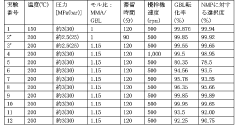
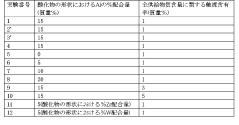
- A one-step catalytic process using a modified catalyst with Al, Zr, or W oxides on a support like SiO2/Al2O3 in a CSTR, operating at milder conditions (2-3 MPa, 130-250°C) with MMA and GBL in aqueous form, achieving high selectivity (>99%) and conversion (>98%) of GBL to NMP, allowing catalyst recycling without frequent regeneration.
Environmental Impact Assessment
The environmental impact of electrode manufacturing processes represents a critical consideration in the battery industry's sustainability efforts. NMP (N-Methyl-2-pyrrolidone) based electrode processing has been the conventional approach for decades, but its significant environmental footprint has raised serious concerns among regulators, manufacturers, and consumers alike.
NMP is classified as a reproductive toxin with high persistence in the environment. Its production, use, and disposal contribute to air pollution, water contamination, and soil degradation. The solvent requires energy-intensive recovery systems that capture only 80-95% of emissions, with the remainder released into the atmosphere. Additionally, NMP manufacturing itself generates substantial greenhouse gas emissions, estimated at 3.5-4.2 kg CO2 equivalent per kg of NMP produced.
Water-based electrode processing emerges as a significantly more environmentally friendly alternative. Life cycle assessments indicate that water-based systems can reduce the carbon footprint of electrode manufacturing by 39-51% compared to NMP-based processes. The elimination of toxic solvent emissions directly improves air quality in manufacturing facilities and surrounding communities.
Energy consumption patterns differ markedly between the two approaches. NMP-based processing requires extensive drying and recovery systems that consume approximately 1.5-2.3 times more energy than water-based alternatives. This translates to approximately 7.2-9.5 kWh per kg of electrode material for NMP systems versus 3.8-5.1 kWh for water-based processing.
Regulatory frameworks worldwide are increasingly restricting NMP usage. The European Union's REACH regulations have classified NMP as a Substance of Very High Concern, while similar restrictions are emerging in North America and Asia. These regulatory pressures create additional compliance costs for manufacturers continuing to use NMP-based processes.
Water-based processing does present certain environmental challenges, including increased water consumption and potential aquatic contamination from additives. However, closed-loop water recycling systems can mitigate these impacts, recovering up to 95% of process water. The remaining environmental footprint is substantially lower than that of NMP-based alternatives.
Economic analyses reveal that transitioning to water-based processing can reduce environmental compliance costs by 30-45% over a five-year period. These savings derive from eliminated hazardous waste disposal fees, reduced emissions control requirements, and lower insurance premiums associated with handling hazardous materials.
NMP is classified as a reproductive toxin with high persistence in the environment. Its production, use, and disposal contribute to air pollution, water contamination, and soil degradation. The solvent requires energy-intensive recovery systems that capture only 80-95% of emissions, with the remainder released into the atmosphere. Additionally, NMP manufacturing itself generates substantial greenhouse gas emissions, estimated at 3.5-4.2 kg CO2 equivalent per kg of NMP produced.
Water-based electrode processing emerges as a significantly more environmentally friendly alternative. Life cycle assessments indicate that water-based systems can reduce the carbon footprint of electrode manufacturing by 39-51% compared to NMP-based processes. The elimination of toxic solvent emissions directly improves air quality in manufacturing facilities and surrounding communities.
Energy consumption patterns differ markedly between the two approaches. NMP-based processing requires extensive drying and recovery systems that consume approximately 1.5-2.3 times more energy than water-based alternatives. This translates to approximately 7.2-9.5 kWh per kg of electrode material for NMP systems versus 3.8-5.1 kWh for water-based processing.
Regulatory frameworks worldwide are increasingly restricting NMP usage. The European Union's REACH regulations have classified NMP as a Substance of Very High Concern, while similar restrictions are emerging in North America and Asia. These regulatory pressures create additional compliance costs for manufacturers continuing to use NMP-based processes.
Water-based processing does present certain environmental challenges, including increased water consumption and potential aquatic contamination from additives. However, closed-loop water recycling systems can mitigate these impacts, recovering up to 95% of process water. The remaining environmental footprint is substantially lower than that of NMP-based alternatives.
Economic analyses reveal that transitioning to water-based processing can reduce environmental compliance costs by 30-45% over a five-year period. These savings derive from eliminated hazardous waste disposal fees, reduced emissions control requirements, and lower insurance premiums associated with handling hazardous materials.
Cost-Benefit Analysis of Processing Methods
The economic implications of electrode processing methods represent a critical factor in battery manufacturing decisions. NMP-based processing has been the industry standard for decades, with established supply chains and optimized equipment that benefit from economies of scale. Initial capital investment for NMP processing lines is typically 15-20% lower than water-based alternatives due to the maturity of the technology and wider availability of equipment.
However, operational costs reveal a different picture. NMP processing requires significant expenditure on solvent recovery systems (approximately $1-2 million for medium-scale operations), specialized ventilation, and safety equipment to manage the toxic solvent. Additionally, energy costs for NMP drying and recovery can account for 30-40% of processing energy consumption, as temperatures of 120-140°C are required for effective drying.
Water-based processing demonstrates compelling long-term economic advantages despite higher initial investment. The elimination of expensive solvent recovery systems reduces maintenance costs by approximately 25-30%. Energy consumption for water-based drying is typically 15-25% higher than NMP due to water's higher heat of vaporization, but this is offset by the absence of solvent recovery energy requirements.
Regulatory compliance costs represent another significant differential. NMP is subject to increasingly stringent regulations worldwide, including the European REACH restrictions and similar measures in North America and Asia. Companies using NMP face rising compliance costs estimated at $50,000-$200,000 annually depending on production volume, including specialized waste disposal, environmental monitoring, and worker safety protocols.
Insurance premiums for facilities using NMP typically run 15-30% higher than water-based processing facilities due to increased fire hazards and health risks. Furthermore, the environmental liability associated with potential NMP contamination events can extend into millions of dollars, representing a significant financial risk factor.
When analyzing total cost of ownership over a 10-year period, water-based processing demonstrates a 12-18% cost advantage for new installations, with the break-even point typically occurring within 3-4 years of operation. For existing facilities, conversion costs must be carefully evaluated against projected operational savings, with typical ROI periods of 4-6 years depending on production volume and regional energy costs.
The economic calculus is further influenced by regional factors, with stricter environmental regulations in Europe and parts of Asia accelerating the financial advantages of water-based processing compared to regions with less stringent controls. As global sustainability initiatives expand, this regulatory gap is expected to narrow, further enhancing the economic case for water-based electrode processing technologies.
However, operational costs reveal a different picture. NMP processing requires significant expenditure on solvent recovery systems (approximately $1-2 million for medium-scale operations), specialized ventilation, and safety equipment to manage the toxic solvent. Additionally, energy costs for NMP drying and recovery can account for 30-40% of processing energy consumption, as temperatures of 120-140°C are required for effective drying.
Water-based processing demonstrates compelling long-term economic advantages despite higher initial investment. The elimination of expensive solvent recovery systems reduces maintenance costs by approximately 25-30%. Energy consumption for water-based drying is typically 15-25% higher than NMP due to water's higher heat of vaporization, but this is offset by the absence of solvent recovery energy requirements.
Regulatory compliance costs represent another significant differential. NMP is subject to increasingly stringent regulations worldwide, including the European REACH restrictions and similar measures in North America and Asia. Companies using NMP face rising compliance costs estimated at $50,000-$200,000 annually depending on production volume, including specialized waste disposal, environmental monitoring, and worker safety protocols.
Insurance premiums for facilities using NMP typically run 15-30% higher than water-based processing facilities due to increased fire hazards and health risks. Furthermore, the environmental liability associated with potential NMP contamination events can extend into millions of dollars, representing a significant financial risk factor.
When analyzing total cost of ownership over a 10-year period, water-based processing demonstrates a 12-18% cost advantage for new installations, with the break-even point typically occurring within 3-4 years of operation. For existing facilities, conversion costs must be carefully evaluated against projected operational savings, with typical ROI periods of 4-6 years depending on production volume and regional energy costs.
The economic calculus is further influenced by regional factors, with stricter environmental regulations in Europe and parts of Asia accelerating the financial advantages of water-based processing compared to regions with less stringent controls. As global sustainability initiatives expand, this regulatory gap is expected to narrow, further enhancing the economic case for water-based electrode processing technologies.
Unlock deeper insights with Patsnap Eureka Quick Research — get a full tech report to explore trends and direct your research. Try now!
Generate Your Research Report Instantly with AI Agent
Supercharge your innovation with Patsnap Eureka AI Agent Platform!