

Compare PCA Pump Responses under Varying Temperatures
MAR 7, 20269 MIN READ
Generate Your Research Report Instantly with AI Agent
Patsnap Eureka helps you evaluate technical feasibility & market potential.
PCA Pump Temperature Response Background and Objectives
Patient-Controlled Analgesia (PCA) pumps represent a critical advancement in pain management technology, enabling patients to self-administer predetermined doses of analgesic medications within clinically established safety parameters. These sophisticated medical devices have evolved from basic mechanical systems to complex electronic platforms incorporating multiple safety mechanisms, dose tracking capabilities, and environmental monitoring features.
The operational reliability of PCA pumps across varying environmental conditions has emerged as a paramount concern in modern healthcare delivery. Temperature fluctuations in clinical environments, ranging from standard room conditions to extreme scenarios in emergency transport, surgical suites, and storage facilities, can significantly impact pump performance characteristics. These variations affect multiple system components including electronic circuits, mechanical actuators, fluid dynamics, and medication stability.
Current healthcare standards mandate that medical devices maintain consistent performance across specified temperature ranges, typically spanning from 10°C to 40°C for operational conditions and -25°C to 70°C for storage. However, real-world clinical environments often present temperature challenges that exceed these parameters, particularly in ambulatory care, home healthcare settings, and during patient transport scenarios.
The technological evolution of PCA pumps has introduced increasingly sophisticated temperature compensation mechanisms and environmental monitoring systems. Modern devices incorporate thermal sensors, adaptive algorithms, and automated calibration features designed to maintain dosing accuracy regardless of ambient conditions. Understanding how these systems respond to temperature variations is essential for ensuring patient safety and therapeutic efficacy.
Research objectives in this domain focus on establishing comprehensive performance baselines across temperature ranges, identifying critical failure points, and developing enhanced environmental resilience strategies. The comparative analysis of pump responses under varying thermal conditions serves multiple purposes: validating manufacturer specifications, informing clinical protocols, and guiding future device development initiatives.
The significance of temperature response characterization extends beyond basic device functionality to encompass medication delivery precision, battery performance optimization, and long-term reliability assessment. These factors directly impact patient outcomes, healthcare costs, and regulatory compliance requirements, making temperature response analysis a fundamental component of PCA pump technology advancement.
The operational reliability of PCA pumps across varying environmental conditions has emerged as a paramount concern in modern healthcare delivery. Temperature fluctuations in clinical environments, ranging from standard room conditions to extreme scenarios in emergency transport, surgical suites, and storage facilities, can significantly impact pump performance characteristics. These variations affect multiple system components including electronic circuits, mechanical actuators, fluid dynamics, and medication stability.
Current healthcare standards mandate that medical devices maintain consistent performance across specified temperature ranges, typically spanning from 10°C to 40°C for operational conditions and -25°C to 70°C for storage. However, real-world clinical environments often present temperature challenges that exceed these parameters, particularly in ambulatory care, home healthcare settings, and during patient transport scenarios.
The technological evolution of PCA pumps has introduced increasingly sophisticated temperature compensation mechanisms and environmental monitoring systems. Modern devices incorporate thermal sensors, adaptive algorithms, and automated calibration features designed to maintain dosing accuracy regardless of ambient conditions. Understanding how these systems respond to temperature variations is essential for ensuring patient safety and therapeutic efficacy.
Research objectives in this domain focus on establishing comprehensive performance baselines across temperature ranges, identifying critical failure points, and developing enhanced environmental resilience strategies. The comparative analysis of pump responses under varying thermal conditions serves multiple purposes: validating manufacturer specifications, informing clinical protocols, and guiding future device development initiatives.
The significance of temperature response characterization extends beyond basic device functionality to encompass medication delivery precision, battery performance optimization, and long-term reliability assessment. These factors directly impact patient outcomes, healthcare costs, and regulatory compliance requirements, making temperature response analysis a fundamental component of PCA pump technology advancement.
Market Demand for Temperature-Stable PCA Systems
The healthcare industry's growing emphasis on patient safety and treatment efficacy has intensified demand for temperature-stable Patient-Controlled Analgesia (PCA) systems. Modern healthcare facilities increasingly recognize that temperature variations can significantly impact drug delivery accuracy and patient outcomes, driving the need for robust PCA pumps that maintain consistent performance across diverse environmental conditions.
Hospital environments present unique temperature challenges, from air-conditioned operating rooms to warmer patient wards, emergency transport vehicles, and outdoor medical facilities. These varying thermal conditions can affect pump mechanisms, drug viscosity, and electronic components, potentially compromising dosing precision. Healthcare providers are actively seeking PCA systems that demonstrate reliable performance regardless of ambient temperature fluctuations.
The aging global population and rising prevalence of chronic pain conditions are expanding the overall PCA market. Simultaneously, regulatory bodies are implementing stricter standards for medical device performance under environmental stress conditions. These factors collectively create substantial market pressure for manufacturers to develop temperature-resilient PCA technologies that meet both clinical efficacy requirements and regulatory compliance standards.
Critical care and surgical departments represent primary market segments driving demand for temperature-stable systems. These high-acuity environments require absolute reliability in pain management delivery, where temperature-induced performance variations could compromise patient care. Emergency medical services and military medical applications also constitute growing market segments, as these scenarios often involve extreme temperature exposures requiring robust equipment performance.
Market research indicates increasing procurement specifications that explicitly require temperature stability testing and certification. Healthcare purchasing decisions now frequently incorporate environmental performance criteria alongside traditional factors like accuracy, safety features, and cost-effectiveness. This shift reflects growing awareness among clinical decision-makers regarding the relationship between environmental conditions and device reliability.
The competitive landscape shows manufacturers investing heavily in temperature compensation technologies, thermal management systems, and environmental testing capabilities. Market differentiation increasingly depends on demonstrating superior performance across temperature ranges, with some vendors positioning temperature stability as a key competitive advantage in their marketing strategies and product development roadmaps.
Hospital environments present unique temperature challenges, from air-conditioned operating rooms to warmer patient wards, emergency transport vehicles, and outdoor medical facilities. These varying thermal conditions can affect pump mechanisms, drug viscosity, and electronic components, potentially compromising dosing precision. Healthcare providers are actively seeking PCA systems that demonstrate reliable performance regardless of ambient temperature fluctuations.
The aging global population and rising prevalence of chronic pain conditions are expanding the overall PCA market. Simultaneously, regulatory bodies are implementing stricter standards for medical device performance under environmental stress conditions. These factors collectively create substantial market pressure for manufacturers to develop temperature-resilient PCA technologies that meet both clinical efficacy requirements and regulatory compliance standards.
Critical care and surgical departments represent primary market segments driving demand for temperature-stable systems. These high-acuity environments require absolute reliability in pain management delivery, where temperature-induced performance variations could compromise patient care. Emergency medical services and military medical applications also constitute growing market segments, as these scenarios often involve extreme temperature exposures requiring robust equipment performance.
Market research indicates increasing procurement specifications that explicitly require temperature stability testing and certification. Healthcare purchasing decisions now frequently incorporate environmental performance criteria alongside traditional factors like accuracy, safety features, and cost-effectiveness. This shift reflects growing awareness among clinical decision-makers regarding the relationship between environmental conditions and device reliability.
The competitive landscape shows manufacturers investing heavily in temperature compensation technologies, thermal management systems, and environmental testing capabilities. Market differentiation increasingly depends on demonstrating superior performance across temperature ranges, with some vendors positioning temperature stability as a key competitive advantage in their marketing strategies and product development roadmaps.
Current State and Temperature Challenges in PCA Pumps
Patient-Controlled Analgesia (PCA) pumps represent a critical component in modern pain management systems, enabling patients to self-administer predetermined doses of analgesic medications. These sophisticated medical devices have evolved significantly since their introduction in the 1970s, incorporating advanced microprocessor controls, safety mechanisms, and precise fluid delivery systems. Current PCA pump technology relies on complex mechanical and electronic components that must operate reliably across diverse clinical environments.
The contemporary landscape of PCA pump technology encompasses several major design architectures, including syringe-based systems, cassette-based pumps, and elastomeric devices. Leading manufacturers have developed proprietary solutions that integrate multiple safety features such as anti-free-flow mechanisms, tamper-resistant programming interfaces, and comprehensive alarm systems. These devices must maintain accuracy within ±5% of programmed delivery rates while operating continuously for extended periods.
Temperature variations present substantial challenges to PCA pump performance and reliability. Ambient temperature fluctuations in healthcare facilities, ranging from 18°C to 30°C, can significantly impact the viscosity of administered medications, particularly opioid solutions and local anesthetics. Higher temperatures reduce fluid viscosity, potentially leading to faster flow rates and compromised dosing accuracy, while lower temperatures increase viscosity and may cause flow restrictions or pump occlusion alarms.
Electronic components within PCA pumps exhibit temperature-dependent behavior that affects overall system performance. Microprocessor timing circuits, pressure sensors, and motor control systems demonstrate varying response characteristics across temperature ranges. Battery performance also degrades at temperature extremes, potentially compromising backup power capabilities during critical operations. These thermal effects can result in inconsistent drug delivery patterns and unreliable safety monitoring functions.
Medication stability represents another critical temperature-related challenge in PCA pump applications. Many analgesic formulations demonstrate reduced potency or chemical degradation when exposed to elevated temperatures for extended periods. Conversely, cold storage requirements for certain medications may conflict with optimal pump operating conditions, creating complex logistical challenges for clinical staff.
Current industry standards, including IEC 60601-2-24 specifications, establish temperature testing requirements for infusion pumps, mandating performance verification across operating ranges of 10°C to 40°C. However, real-world clinical environments often present more complex thermal conditions, including radiant heat from warming devices, air conditioning variations, and transport between different temperature zones, necessitating more comprehensive temperature response characterization for optimal patient safety and therapeutic efficacy.
The contemporary landscape of PCA pump technology encompasses several major design architectures, including syringe-based systems, cassette-based pumps, and elastomeric devices. Leading manufacturers have developed proprietary solutions that integrate multiple safety features such as anti-free-flow mechanisms, tamper-resistant programming interfaces, and comprehensive alarm systems. These devices must maintain accuracy within ±5% of programmed delivery rates while operating continuously for extended periods.
Temperature variations present substantial challenges to PCA pump performance and reliability. Ambient temperature fluctuations in healthcare facilities, ranging from 18°C to 30°C, can significantly impact the viscosity of administered medications, particularly opioid solutions and local anesthetics. Higher temperatures reduce fluid viscosity, potentially leading to faster flow rates and compromised dosing accuracy, while lower temperatures increase viscosity and may cause flow restrictions or pump occlusion alarms.
Electronic components within PCA pumps exhibit temperature-dependent behavior that affects overall system performance. Microprocessor timing circuits, pressure sensors, and motor control systems demonstrate varying response characteristics across temperature ranges. Battery performance also degrades at temperature extremes, potentially compromising backup power capabilities during critical operations. These thermal effects can result in inconsistent drug delivery patterns and unreliable safety monitoring functions.
Medication stability represents another critical temperature-related challenge in PCA pump applications. Many analgesic formulations demonstrate reduced potency or chemical degradation when exposed to elevated temperatures for extended periods. Conversely, cold storage requirements for certain medications may conflict with optimal pump operating conditions, creating complex logistical challenges for clinical staff.
Current industry standards, including IEC 60601-2-24 specifications, establish temperature testing requirements for infusion pumps, mandating performance verification across operating ranges of 10°C to 40°C. However, real-world clinical environments often present more complex thermal conditions, including radiant heat from warming devices, air conditioning variations, and transport between different temperature zones, necessitating more comprehensive temperature response characterization for optimal patient safety and therapeutic efficacy.
Existing Temperature Compensation Solutions for PCA Pumps
01 PCA pump control systems and response mechanisms
Patient-controlled analgesia (PCA) pumps incorporate sophisticated control systems that manage drug delivery based on patient requests. These systems include microprocessors and control circuits that process patient input signals and determine appropriate dosing responses. The control mechanisms ensure safe delivery by implementing lockout intervals, dose limits, and monitoring functions to prevent overdose while providing effective pain management.- PCA pump control systems and response mechanisms: Patient-controlled analgesia (PCA) pumps incorporate sophisticated control systems that manage drug delivery based on patient requests. These systems include microprocessors and control circuits that process patient input signals and determine appropriate dosing responses. The control mechanisms ensure safe delivery by implementing lockout intervals, dose limits, and monitoring functions to prevent overdosing while providing effective pain management.
- Safety features and alarm systems in PCA pumps: PCA pumps are equipped with multiple safety features including alarm systems that alert healthcare providers to various conditions such as occlusion, low battery, empty reservoir, or system malfunctions. These safety mechanisms include pressure sensors, flow monitors, and error detection algorithms that continuously monitor pump operation and drug delivery to ensure patient safety and proper functioning of the device.
- User interface and input mechanisms for PCA pumps: The user interface of PCA pumps includes patient-accessible input devices such as buttons or switches that allow patients to request medication doses. These interfaces are designed to be simple and intuitive while preventing accidental activation. The systems also include displays and indicators that provide feedback to both patients and healthcare providers about pump status, dosing history, and operational parameters.
- Dose delivery and infusion rate control: PCA pumps utilize precise mechanisms to control medication delivery rates and bolus doses in response to patient requests. These systems employ programmable parameters including bolus dose volume, background infusion rates, and maximum dose limits. The pumps use accurate flow control mechanisms such as syringe drivers or peristaltic pumps to ensure consistent and reliable drug delivery according to prescribed protocols.
- Data recording and communication capabilities: Modern PCA pumps include data logging and communication features that record patient usage patterns, dosing history, and system events. These capabilities enable healthcare providers to monitor treatment effectiveness and adjust therapy as needed. The systems may incorporate wireless communication, network connectivity, or data storage functions that facilitate integration with hospital information systems and enable remote monitoring of pump performance and patient compliance.
02 Safety features and alarm systems in PCA pumps
Advanced safety mechanisms are integrated into PCA pump designs to protect patients during analgesic administration. These include alarm systems that alert healthcare providers to various conditions such as occlusion, low battery, empty reservoir, or programming errors. The safety features also encompass automatic shut-off mechanisms, dose verification systems, and fail-safe protocols that activate when abnormal conditions are detected.Expand Specific Solutions03 User interface and programming systems for PCA devices
PCA pumps feature user-friendly interfaces that allow healthcare professionals to program dosing parameters and patients to request medication. These interfaces include display screens, input buttons, and intuitive menu systems for setting bolus doses, continuous infusion rates, and lockout intervals. Modern designs incorporate touchscreens and wireless connectivity for remote monitoring and programming capabilities.Expand Specific Solutions04 Mechanical pump mechanisms and fluid delivery systems
The core mechanical components of PCA pumps include precision pumping mechanisms that accurately deliver medication. These systems utilize various technologies such as peristaltic pumps, syringe drivers, or volumetric pumps to ensure consistent and reliable drug administration. The mechanical designs incorporate pressure sensors, flow regulators, and anti-free-flow devices to maintain accurate delivery rates and prevent unintended medication release.Expand Specific Solutions05 Data logging and monitoring capabilities
Modern PCA pumps include comprehensive data recording and monitoring functions that track medication delivery history, patient requests, and system performance. These capabilities enable healthcare providers to review usage patterns, assess pain management effectiveness, and ensure compliance with prescribed protocols. The systems store information such as timestamps of doses delivered, rejected requests due to lockout periods, and total medication consumed over specified time periods.Expand Specific Solutions
Key Players in PCA Pump and Temperature Management Industry
The PCA pump technology sector is experiencing significant growth driven by increasing demand for patient-controlled analgesia systems and temperature-sensitive medical applications. The industry is in a mature development phase with established players across petrochemical, automotive, and medical device sectors. Market expansion is fueled by healthcare digitization and precision medicine trends. Technology maturity varies significantly among key players: established giants like ExxonMobil Chemical Patents, DuPont de Nemours, and Toyota Motor Corp. demonstrate advanced materials science capabilities, while Medtronic leads in medical device integration. Chinese companies including China Petroleum & Chemical Corp. and Sinopec subsidiaries are rapidly advancing through substantial R&D investments. Academic institutions like University of Kansas and University of Florida contribute fundamental research, while specialized firms like ARKRAY and Applied Biosystems focus on precision instrumentation. The competitive landscape shows convergence between traditional chemical manufacturers and medical technology companies, indicating cross-industry innovation in temperature-responsive pump systems.
Applied Biosystems LLC
Technical Solution: Applied Biosystems has developed sophisticated pump systems for analytical instrumentation that excel in temperature-variable environments. Their pumps feature integrated thermal management systems with active cooling and heating elements to maintain optimal operating temperatures. The systems employ advanced flow control algorithms that account for temperature-dependent changes in fluid viscosity and density. Their pumps are equipped with multi-point temperature sensing and can automatically adjust pump speed, pressure, and timing parameters to compensate for thermal variations. The technology includes predictive maintenance features that monitor temperature-related wear patterns.
Strengths: Advanced thermal management, predictive maintenance capabilities, high reliability in analytical applications. Weaknesses: Specialized for analytical instruments, high maintenance requirements, limited scalability for different applications.
Life Technologies Corp.
Technical Solution: Life Technologies has engineered precision fluid handling systems for laboratory applications that demonstrate exceptional temperature stability in pump performance. Their peristaltic and syringe pump systems incorporate temperature-controlled chambers and real-time monitoring capabilities to ensure consistent flow rates across varying thermal conditions. The pumps utilize advanced materials with low thermal expansion coefficients and employ software algorithms that compensate for temperature-induced changes in fluid properties. Their systems are designed to operate reliably in temperature ranges from -10°C to 60°C while maintaining flow rate accuracy within ±2% deviation.
Strengths: High precision and accuracy, wide temperature operating range, excellent for research applications. Weaknesses: Primarily designed for laboratory use, limited clinical applications, requires specialized training.
Core Innovations in Temperature-Resistant PCA Technologies
System and method for optimizing control of PCA and PCEA system
PatentActiveUS7871394B2
Innovation
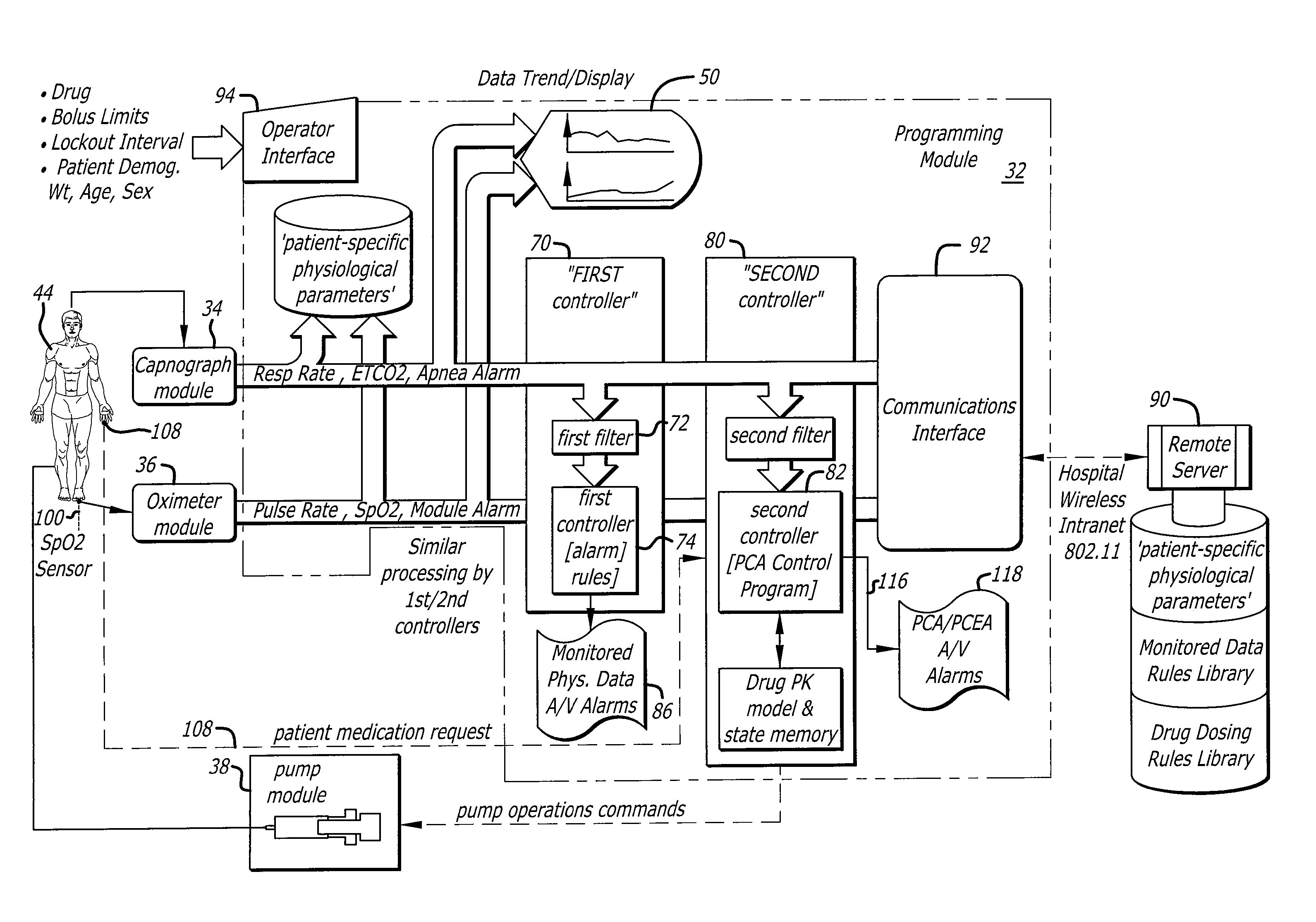
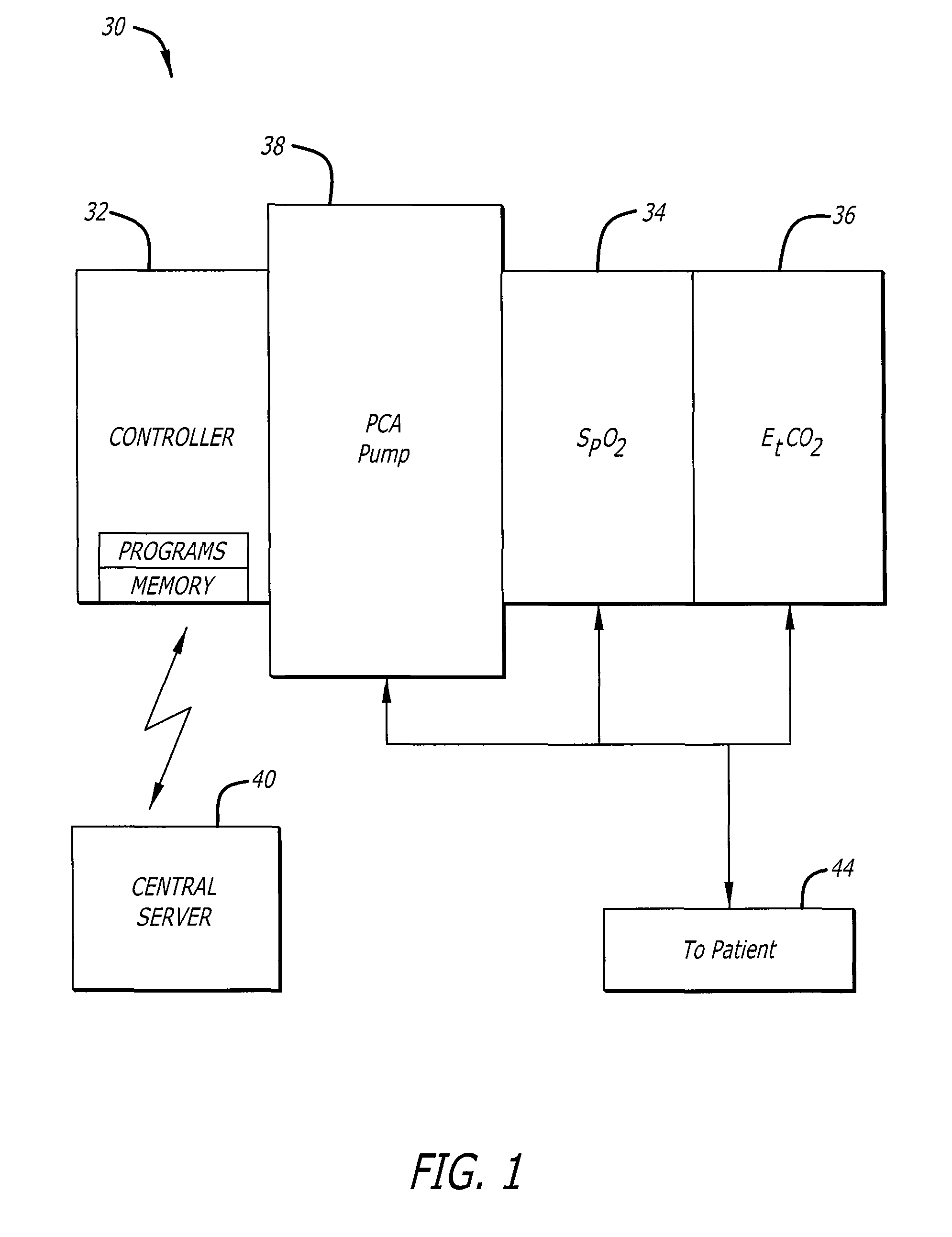
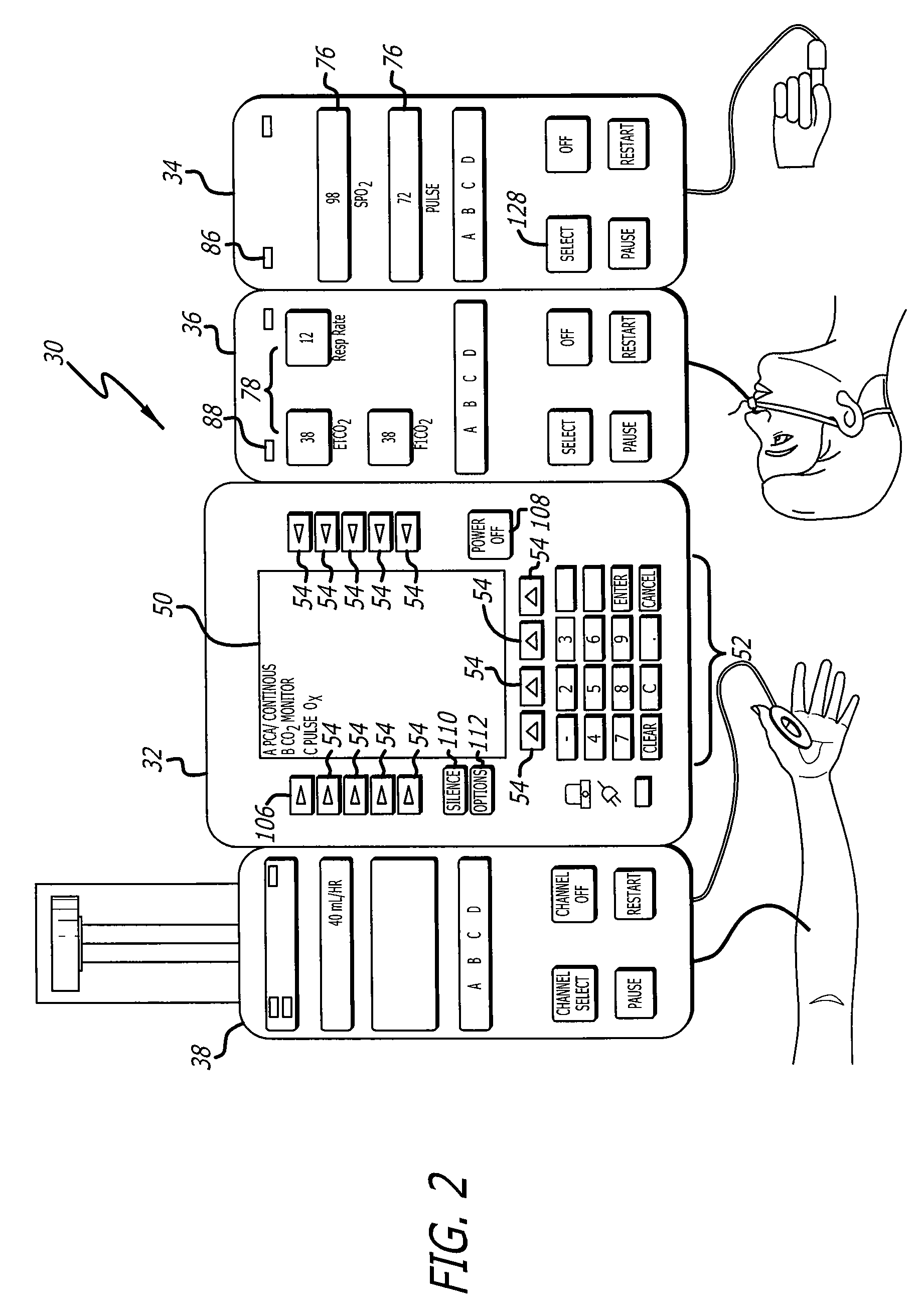
- A system and method that utilize a second controller to process physiological signals and request signals differently from the first controller, filtering data with techniques like moving averages and adaptive filters, and incorporating pharmacokinetic modeling to optimize PCA device operation, allowing for automatic inhibition of medication delivery during potential respiratory depression while minimizing false alarms.

Patient-controlled analgesia with patient monitoring system and method
PatentInactiveUS20050177096A1
Innovation
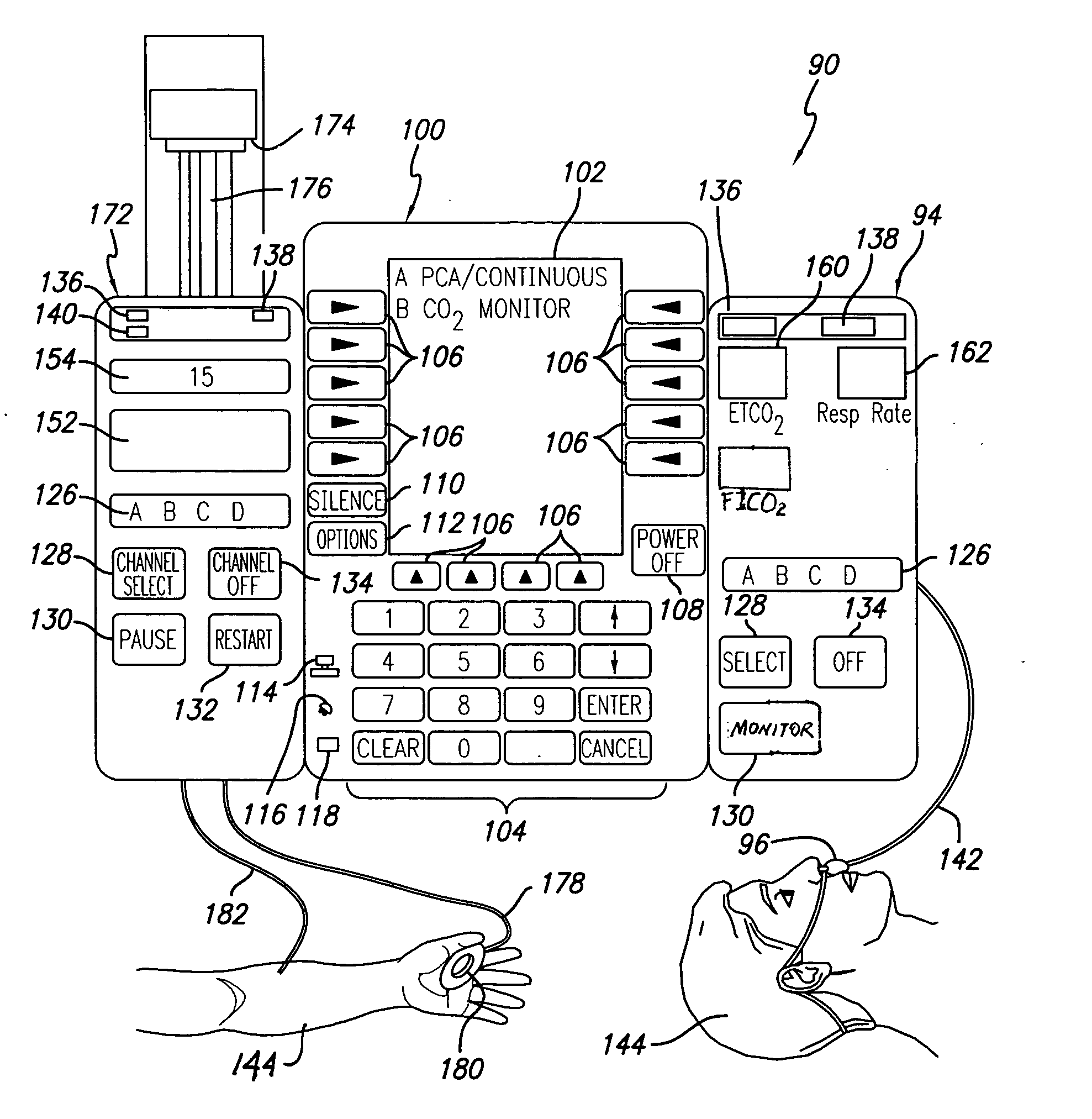
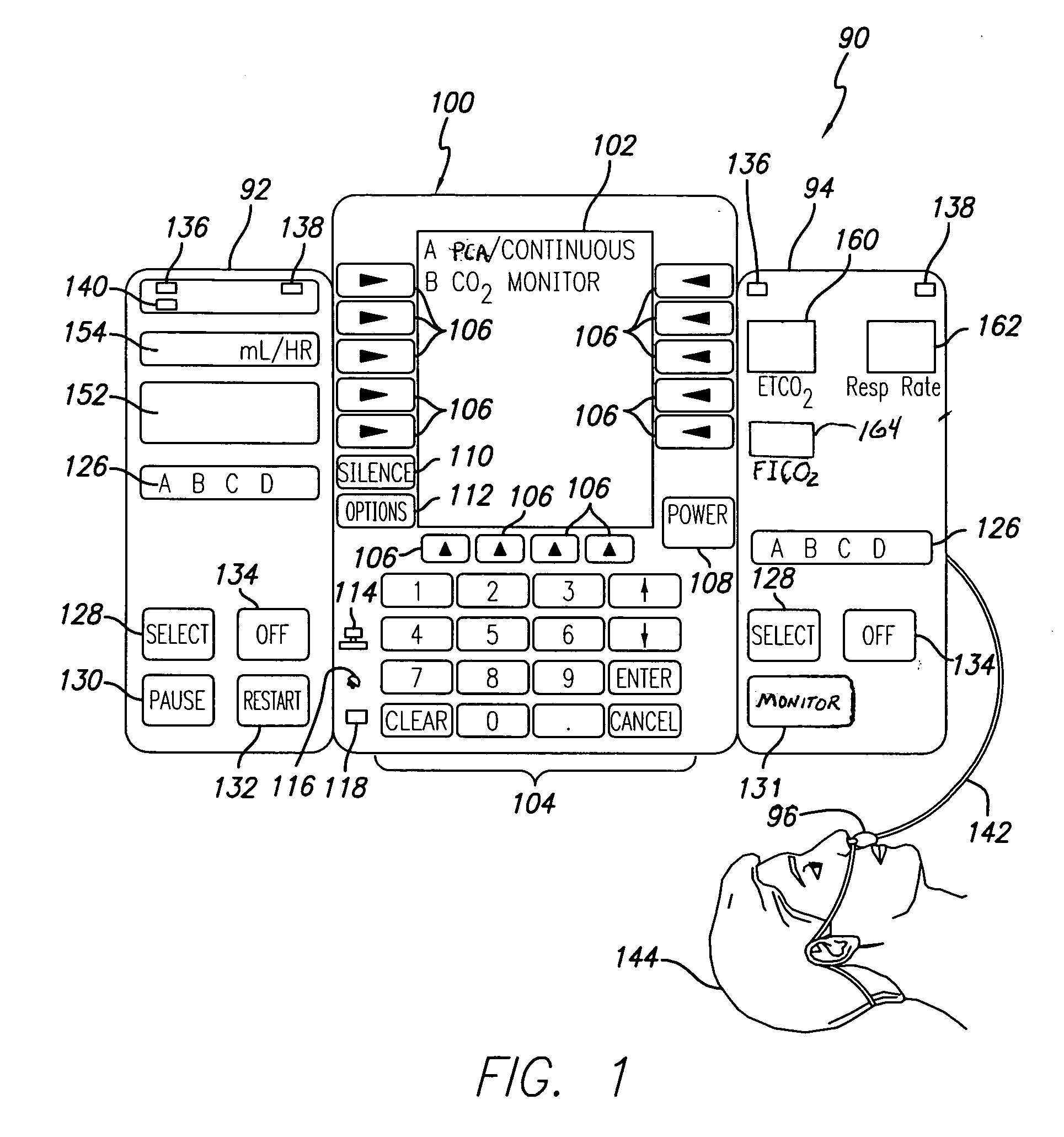
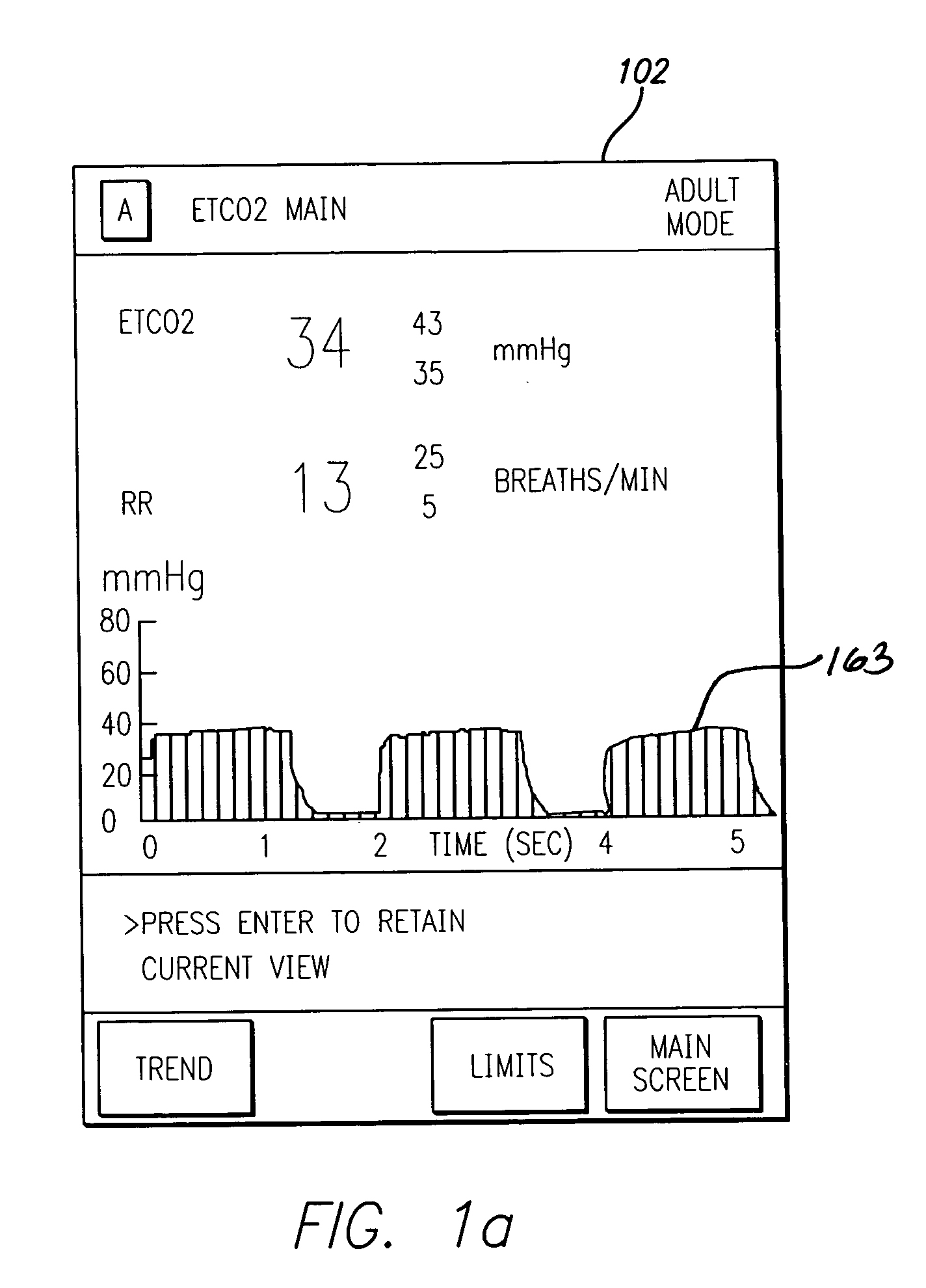
- A patient care system that includes a pump, a controller, and a monitor unit that adjusts medical fluid delivery based on physiological parameters like ETCO2 and SpO2, automatically suspending or adjusting infusion to prevent overdose and providing graphical trends for clinician analysis.

Medical Device Regulations for Temperature Performance
Medical device regulations for temperature performance establish comprehensive frameworks governing how PCA pumps must operate across specified thermal ranges. The FDA's 21 CFR Part 820 Quality System Regulation mandates that manufacturers demonstrate consistent device performance under environmental conditions that reflect real-world usage scenarios. These regulations require extensive validation testing to prove that temperature variations do not compromise drug delivery accuracy, flow rate precision, or patient safety mechanisms.
International standards such as IEC 60601-2-24 specifically address infusion pumps and syringe pumps, establishing mandatory temperature operating ranges typically between 10°C to 40°C for normal operation and 5°C to 50°C for storage conditions. The standard requires manufacturers to conduct thermal cycling tests, demonstrating that PCA pumps maintain calibrated performance parameters throughout these temperature extremes. Compliance testing must verify that occlusion detection, air-in-line sensors, and dose accuracy remain within specified tolerances regardless of ambient temperature fluctuations.
European Medical Device Regulation (MDR 2017/745) imposes additional requirements for temperature performance documentation, mandating clinical evaluation data that demonstrates safe operation across diverse environmental conditions. Manufacturers must provide comprehensive risk analysis addressing potential failure modes related to temperature-induced component degradation, battery performance variations, and medication viscosity changes that could affect pump operation.
The ISO 14971 risk management standard requires systematic evaluation of temperature-related hazards, including thermal expansion effects on mechanical components, electronic circuit stability, and drug compatibility issues. Regulatory submissions must include detailed thermal characterization studies showing how temperature variations impact critical performance parameters such as bolus delivery accuracy, basal rate consistency, and alarm system reliability.
Recent regulatory updates emphasize post-market surveillance requirements, mandating ongoing monitoring of temperature-related device failures and adverse events. Manufacturers must establish robust quality management systems that track performance degradation patterns across different climatic regions and healthcare environments, ensuring continued regulatory compliance throughout the product lifecycle.
International standards such as IEC 60601-2-24 specifically address infusion pumps and syringe pumps, establishing mandatory temperature operating ranges typically between 10°C to 40°C for normal operation and 5°C to 50°C for storage conditions. The standard requires manufacturers to conduct thermal cycling tests, demonstrating that PCA pumps maintain calibrated performance parameters throughout these temperature extremes. Compliance testing must verify that occlusion detection, air-in-line sensors, and dose accuracy remain within specified tolerances regardless of ambient temperature fluctuations.
European Medical Device Regulation (MDR 2017/745) imposes additional requirements for temperature performance documentation, mandating clinical evaluation data that demonstrates safe operation across diverse environmental conditions. Manufacturers must provide comprehensive risk analysis addressing potential failure modes related to temperature-induced component degradation, battery performance variations, and medication viscosity changes that could affect pump operation.
The ISO 14971 risk management standard requires systematic evaluation of temperature-related hazards, including thermal expansion effects on mechanical components, electronic circuit stability, and drug compatibility issues. Regulatory submissions must include detailed thermal characterization studies showing how temperature variations impact critical performance parameters such as bolus delivery accuracy, basal rate consistency, and alarm system reliability.
Recent regulatory updates emphasize post-market surveillance requirements, mandating ongoing monitoring of temperature-related device failures and adverse events. Manufacturers must establish robust quality management systems that track performance degradation patterns across different climatic regions and healthcare environments, ensuring continued regulatory compliance throughout the product lifecycle.
Clinical Safety Standards for Temperature-Variable PCA Delivery
Clinical safety standards for temperature-variable PCA delivery systems represent a critical framework ensuring patient safety across diverse thermal environments. These standards encompass comprehensive protocols that address the unique challenges posed by temperature fluctuations on medication delivery accuracy, device reliability, and patient outcomes. The regulatory landscape requires rigorous validation of PCA pump performance under varying temperature conditions, establishing clear boundaries for safe operation.
Temperature-induced variations in PCA pump responses necessitate specific safety protocols that account for medication viscosity changes, flow rate alterations, and electronic component performance degradation. Clinical safety standards mandate continuous monitoring systems that can detect temperature-related deviations in real-time, triggering appropriate alerts and corrective measures. These standards require validation testing across temperature ranges typically encountered in clinical settings, from air-conditioned intensive care units to warmer general wards.
Patient safety protocols must address the physiological implications of temperature-variable drug delivery, particularly concerning medication bioavailability and therapeutic efficacy. Standards require healthcare providers to implement temperature compensation algorithms that automatically adjust delivery parameters based on ambient conditions. Documentation requirements include comprehensive logging of temperature conditions, pump responses, and any safety interventions implemented during treatment periods.
Quality assurance measures within these safety standards demand regular calibration procedures that verify pump accuracy across specified temperature ranges. Clinical institutions must establish maintenance protocols that include temperature stress testing and performance verification following exposure to extreme conditions. Staff training requirements encompass recognition of temperature-related pump malfunctions and appropriate emergency response procedures.
Risk mitigation strategies embedded in these standards include redundant safety mechanisms, such as backup power systems for temperature control and alternative delivery methods during equipment failures. The standards also mandate clear contraindications for PCA use in environments where temperature control cannot be adequately maintained, ensuring patient safety remains the paramount consideration in all clinical scenarios.
Temperature-induced variations in PCA pump responses necessitate specific safety protocols that account for medication viscosity changes, flow rate alterations, and electronic component performance degradation. Clinical safety standards mandate continuous monitoring systems that can detect temperature-related deviations in real-time, triggering appropriate alerts and corrective measures. These standards require validation testing across temperature ranges typically encountered in clinical settings, from air-conditioned intensive care units to warmer general wards.
Patient safety protocols must address the physiological implications of temperature-variable drug delivery, particularly concerning medication bioavailability and therapeutic efficacy. Standards require healthcare providers to implement temperature compensation algorithms that automatically adjust delivery parameters based on ambient conditions. Documentation requirements include comprehensive logging of temperature conditions, pump responses, and any safety interventions implemented during treatment periods.
Quality assurance measures within these safety standards demand regular calibration procedures that verify pump accuracy across specified temperature ranges. Clinical institutions must establish maintenance protocols that include temperature stress testing and performance verification following exposure to extreme conditions. Staff training requirements encompass recognition of temperature-related pump malfunctions and appropriate emergency response procedures.
Risk mitigation strategies embedded in these standards include redundant safety mechanisms, such as backup power systems for temperature control and alternative delivery methods during equipment failures. The standards also mandate clear contraindications for PCA use in environments where temperature control cannot be adequately maintained, ensuring patient safety remains the paramount consideration in all clinical scenarios.
Unlock deeper insights with Patsnap Eureka Quick Research — get a full tech report to explore trends and direct your research. Try now!
Generate Your Research Report Instantly with AI Agent
Supercharge your innovation with Patsnap Eureka AI Agent Platform!