

Optimize PCA Pump Data Logging for Compliance
MAR 7, 20269 MIN READ
Generate Your Research Report Instantly with AI Agent
Patsnap Eureka helps you evaluate technical feasibility & market potential.
PCA Pump Data Logging Background and Compliance Goals
Patient-Controlled Analgesia (PCA) pumps represent a critical advancement in pain management technology, enabling patients to self-administer predetermined doses of analgesic medications within clinically established safety parameters. These sophisticated medical devices have evolved from basic mechanical systems to complex computerized platforms capable of precise drug delivery, comprehensive monitoring, and detailed data capture. The integration of advanced microprocessors and embedded software has transformed PCA pumps into intelligent medical systems that not only deliver therapeutic interventions but also generate extensive operational data essential for clinical decision-making and regulatory compliance.
The regulatory landscape surrounding PCA pump operations has become increasingly stringent, driven by patient safety concerns and the need for comprehensive medication administration tracking. Healthcare institutions must demonstrate adherence to multiple regulatory frameworks, including FDA guidelines for medical device data integrity, Joint Commission standards for medication management, and CMS requirements for documentation accuracy. These regulations mandate detailed logging of drug administration events, pump programming changes, alarm conditions, and system malfunctions to ensure patient safety and enable thorough clinical auditing.
Current compliance requirements encompass real-time data capture of critical parameters including medication delivery timestamps, dosage amounts, patient demand attempts, clinician programming modifications, and system alert conditions. Healthcare facilities must maintain these records for extended periods, often spanning multiple years, while ensuring data integrity, accessibility, and protection against unauthorized modifications. The challenge intensifies when considering the need for seamless integration with electronic health records, pharmacy information systems, and clinical decision support platforms.
The primary technical objectives for optimizing PCA pump data logging center on enhancing data accuracy, improving system reliability, and streamlining compliance reporting processes. Key goals include implementing robust data validation mechanisms to prevent logging errors, developing automated compliance monitoring systems that can identify potential regulatory violations in real-time, and establishing secure data transmission protocols that maintain patient privacy while enabling comprehensive audit trails.
Advanced logging optimization also targets the reduction of manual documentation burdens on clinical staff through intelligent data aggregation and automated report generation. The integration of predictive analytics capabilities aims to identify patterns in pump usage that may indicate potential safety concerns or opportunities for therapeutic optimization, ultimately supporting evidence-based clinical decision-making while maintaining strict regulatory compliance standards.
The regulatory landscape surrounding PCA pump operations has become increasingly stringent, driven by patient safety concerns and the need for comprehensive medication administration tracking. Healthcare institutions must demonstrate adherence to multiple regulatory frameworks, including FDA guidelines for medical device data integrity, Joint Commission standards for medication management, and CMS requirements for documentation accuracy. These regulations mandate detailed logging of drug administration events, pump programming changes, alarm conditions, and system malfunctions to ensure patient safety and enable thorough clinical auditing.
Current compliance requirements encompass real-time data capture of critical parameters including medication delivery timestamps, dosage amounts, patient demand attempts, clinician programming modifications, and system alert conditions. Healthcare facilities must maintain these records for extended periods, often spanning multiple years, while ensuring data integrity, accessibility, and protection against unauthorized modifications. The challenge intensifies when considering the need for seamless integration with electronic health records, pharmacy information systems, and clinical decision support platforms.
The primary technical objectives for optimizing PCA pump data logging center on enhancing data accuracy, improving system reliability, and streamlining compliance reporting processes. Key goals include implementing robust data validation mechanisms to prevent logging errors, developing automated compliance monitoring systems that can identify potential regulatory violations in real-time, and establishing secure data transmission protocols that maintain patient privacy while enabling comprehensive audit trails.
Advanced logging optimization also targets the reduction of manual documentation burdens on clinical staff through intelligent data aggregation and automated report generation. The integration of predictive analytics capabilities aims to identify patterns in pump usage that may indicate potential safety concerns or opportunities for therapeutic optimization, ultimately supporting evidence-based clinical decision-making while maintaining strict regulatory compliance standards.
Market Demand for Enhanced PCA Pump Data Management
The healthcare industry is experiencing unprecedented demand for enhanced Patient-Controlled Analgesia (PCA) pump data management systems, driven by increasingly stringent regulatory requirements and the growing emphasis on patient safety protocols. Healthcare facilities worldwide are recognizing that traditional data logging approaches are insufficient to meet modern compliance standards, creating a substantial market opportunity for advanced data management solutions.
Regulatory bodies such as the FDA, EMA, and various national health authorities have implemented more rigorous documentation requirements for controlled substance administration and patient monitoring. These regulations mandate comprehensive audit trails, real-time data capture, and long-term data retention capabilities that exceed the functionality of legacy PCA systems. Healthcare providers face significant compliance risks and potential penalties when their current systems fail to meet these evolving standards.
The market demand is particularly pronounced in acute care settings, including hospitals, surgical centers, and intensive care units, where PCA pumps are extensively utilized for post-operative pain management and chronic pain treatment. These facilities require robust data logging systems that can seamlessly integrate with electronic health records, provide real-time alerts for anomalies, and generate comprehensive compliance reports for regulatory audits.
Economic pressures within healthcare systems are simultaneously driving demand for more efficient data management solutions. Healthcare administrators seek systems that can reduce manual documentation burden on nursing staff while improving accuracy and completeness of patient data. The potential for reduced liability exposure through enhanced documentation capabilities represents a significant value proposition for healthcare organizations.
Technological advancement expectations from healthcare providers are creating additional market pull. Modern healthcare facilities demand cloud-based solutions with advanced analytics capabilities, mobile accessibility, and interoperability with existing hospital information systems. The integration of artificial intelligence and machine learning for predictive analytics and anomaly detection has become a key differentiator in procurement decisions.
The aging global population and increasing prevalence of chronic pain conditions are expanding the overall PCA pump market, consequently driving demand for sophisticated data management capabilities. Healthcare systems are investing in comprehensive pain management programs that require detailed patient outcome tracking and treatment optimization, necessitating advanced data logging and analysis capabilities beyond basic compliance requirements.
Regulatory bodies such as the FDA, EMA, and various national health authorities have implemented more rigorous documentation requirements for controlled substance administration and patient monitoring. These regulations mandate comprehensive audit trails, real-time data capture, and long-term data retention capabilities that exceed the functionality of legacy PCA systems. Healthcare providers face significant compliance risks and potential penalties when their current systems fail to meet these evolving standards.
The market demand is particularly pronounced in acute care settings, including hospitals, surgical centers, and intensive care units, where PCA pumps are extensively utilized for post-operative pain management and chronic pain treatment. These facilities require robust data logging systems that can seamlessly integrate with electronic health records, provide real-time alerts for anomalies, and generate comprehensive compliance reports for regulatory audits.
Economic pressures within healthcare systems are simultaneously driving demand for more efficient data management solutions. Healthcare administrators seek systems that can reduce manual documentation burden on nursing staff while improving accuracy and completeness of patient data. The potential for reduced liability exposure through enhanced documentation capabilities represents a significant value proposition for healthcare organizations.
Technological advancement expectations from healthcare providers are creating additional market pull. Modern healthcare facilities demand cloud-based solutions with advanced analytics capabilities, mobile accessibility, and interoperability with existing hospital information systems. The integration of artificial intelligence and machine learning for predictive analytics and anomaly detection has become a key differentiator in procurement decisions.
The aging global population and increasing prevalence of chronic pain conditions are expanding the overall PCA pump market, consequently driving demand for sophisticated data management capabilities. Healthcare systems are investing in comprehensive pain management programs that require detailed patient outcome tracking and treatment optimization, necessitating advanced data logging and analysis capabilities beyond basic compliance requirements.
Current State and Challenges in PCA Data Logging Systems
Patient-Controlled Analgesia (PCA) pump data logging systems currently operate within a complex regulatory landscape that demands comprehensive documentation for compliance with healthcare standards such as FDA regulations, Joint Commission requirements, and institutional protocols. These systems must capture critical parameters including medication delivery rates, patient activation attempts, successful doses administered, and temporal patterns of usage to ensure both patient safety and regulatory adherence.
The existing data logging infrastructure in most healthcare facilities relies on a combination of embedded pump memory systems and centralized monitoring platforms. Modern PCA pumps typically store limited historical data locally, ranging from 24 to 72 hours of operational records, while transmitting real-time information to hospital information systems through wireless networks or direct connections. However, this distributed approach creates significant challenges in maintaining data integrity and ensuring complete audit trails.
Data standardization represents a major obstacle in current PCA logging systems. Different manufacturers employ proprietary data formats and communication protocols, making it difficult to achieve seamless integration across multi-vendor environments. The lack of universal standards for data structure, timestamp synchronization, and parameter definitions creates inconsistencies that complicate compliance reporting and cross-platform analysis.
Storage and retrieval mechanisms present additional technical challenges. Many facilities struggle with inadequate data retention policies, insufficient backup systems, and limited query capabilities that hinder efficient compliance reporting. The volume of data generated by multiple PCA pumps operating continuously requires robust database management systems capable of handling high-frequency data ingestion while maintaining query performance for regulatory audits.
Security and privacy concerns further complicate the current landscape. PCA data logging systems must balance accessibility for clinical staff and compliance officers with strict protection of patient health information under HIPAA regulations. Current implementations often lack sophisticated access controls and encryption mechanisms, creating potential vulnerabilities in data transmission and storage processes.
Real-time monitoring capabilities remain inconsistent across existing systems. While some advanced platforms provide immediate alerts for compliance deviations or unusual usage patterns, many facilities rely on retrospective analysis that may delay identification of critical issues. This reactive approach limits the effectiveness of quality assurance programs and increases the risk of regulatory violations going undetected until formal audits occur.
The existing data logging infrastructure in most healthcare facilities relies on a combination of embedded pump memory systems and centralized monitoring platforms. Modern PCA pumps typically store limited historical data locally, ranging from 24 to 72 hours of operational records, while transmitting real-time information to hospital information systems through wireless networks or direct connections. However, this distributed approach creates significant challenges in maintaining data integrity and ensuring complete audit trails.
Data standardization represents a major obstacle in current PCA logging systems. Different manufacturers employ proprietary data formats and communication protocols, making it difficult to achieve seamless integration across multi-vendor environments. The lack of universal standards for data structure, timestamp synchronization, and parameter definitions creates inconsistencies that complicate compliance reporting and cross-platform analysis.
Storage and retrieval mechanisms present additional technical challenges. Many facilities struggle with inadequate data retention policies, insufficient backup systems, and limited query capabilities that hinder efficient compliance reporting. The volume of data generated by multiple PCA pumps operating continuously requires robust database management systems capable of handling high-frequency data ingestion while maintaining query performance for regulatory audits.
Security and privacy concerns further complicate the current landscape. PCA data logging systems must balance accessibility for clinical staff and compliance officers with strict protection of patient health information under HIPAA regulations. Current implementations often lack sophisticated access controls and encryption mechanisms, creating potential vulnerabilities in data transmission and storage processes.
Real-time monitoring capabilities remain inconsistent across existing systems. While some advanced platforms provide immediate alerts for compliance deviations or unusual usage patterns, many facilities rely on retrospective analysis that may delay identification of critical issues. This reactive approach limits the effectiveness of quality assurance programs and increases the risk of regulatory violations going undetected until formal audits occur.
Existing PCA Data Logging Optimization Approaches
01 Data logging and storage systems for PCA pumps
PCA (Patient-Controlled Analgesia) pumps can be equipped with data logging systems that record and store operational data such as dosage delivery, patient requests, and pump status. These systems enable comprehensive tracking of medication administration over time, allowing healthcare providers to monitor patient usage patterns and ensure proper medication delivery. The logged data can be stored in internal memory or external storage devices for later retrieval and analysis.- Data logging and storage systems for PCA pumps: PCA (Patient-Controlled Analgesia) pumps incorporate data logging systems to record and store operational parameters, drug delivery events, and patient interactions. These systems utilize memory modules to capture time-stamped data including dosage amounts, delivery times, patient requests, and system alerts. The logged data can be stored in non-volatile memory for later retrieval and analysis, enabling healthcare providers to monitor treatment efficacy and patient compliance.
- Wireless data transmission and remote monitoring: Modern PCA pumps feature wireless communication capabilities that enable real-time data transmission to central monitoring stations or electronic medical record systems. These systems utilize protocols such as Bluetooth, Wi-Fi, or proprietary wireless technologies to transmit logged data including infusion rates, cumulative doses, and alarm conditions. Remote monitoring capabilities allow healthcare professionals to track multiple patients simultaneously and receive alerts for critical events without being physically present at the bedside.
- Security and data integrity features: PCA pump data logging systems incorporate security measures to ensure data integrity and prevent unauthorized access or tampering. These features include encryption of stored and transmitted data, authentication protocols for user access, and audit trails that record all system interactions. The systems maintain tamper-evident logs that can detect and record any attempts to modify historical data, ensuring compliance with regulatory requirements and maintaining the chain of custody for medical records.
- User interface and data visualization: PCA pumps provide user interfaces that display logged data in accessible formats for healthcare providers. These interfaces include graphical displays showing trends in medication delivery, patient usage patterns, and historical data over specified time periods. The systems allow users to query specific data points, generate reports, and export data for further analysis. Touch screens and intuitive navigation systems facilitate easy access to logged information at the point of care.
- Alarm logging and event tracking: PCA pump data logging systems maintain comprehensive records of all alarm conditions and system events. These logs capture information about occlusions, air-in-line detections, low battery warnings, programming errors, and other operational alerts. Each event is time-stamped and includes contextual information such as the pump's operational state at the time of the alarm. This event tracking enables root cause analysis of incidents and supports quality improvement initiatives in pain management protocols.
02 Remote monitoring and wireless data transmission
Advanced PCA pump systems incorporate wireless communication capabilities to transmit logged data to remote monitoring stations or central databases. This allows healthcare professionals to access real-time or historical pump data without physical access to the device. The wireless transmission can utilize various protocols and enables continuous monitoring of multiple pumps simultaneously, improving patient safety and enabling prompt intervention when needed.Expand Specific Solutions03 Event recording and alarm logging
PCA pumps can record specific events and alarms that occur during operation, including occlusion alerts, low battery warnings, programming errors, and unauthorized access attempts. This event logging functionality creates an audit trail that helps identify potential issues, supports troubleshooting, and provides documentation for regulatory compliance. The system timestamps each event and stores relevant contextual information for comprehensive incident analysis.Expand Specific Solutions04 Data analysis and reporting interfaces
PCA pump data logging systems include software interfaces that enable healthcare providers to analyze logged data and generate reports. These interfaces can display trends in medication usage, identify patterns in patient behavior, and provide statistical summaries of pump performance. The reporting capabilities support clinical decision-making, quality improvement initiatives, and compliance with documentation requirements.Expand Specific Solutions05 Security and data integrity features
Data logging systems for PCA pumps incorporate security measures to protect the integrity and confidentiality of logged information. These features include encryption of stored data, access controls to prevent unauthorized modifications, and mechanisms to detect tampering. The systems ensure that logged data remains accurate and trustworthy for clinical and legal purposes, while complying with healthcare data protection regulations.Expand Specific Solutions
Key Players in PCA Pump and Healthcare Data Solutions
The PCA pump data logging optimization market represents a mature healthcare technology sector experiencing steady growth driven by increasing regulatory compliance requirements and patient safety standards. The industry is in an advanced development stage with established players like Baxter International and Baxter Healthcare SA dominating the medical device segment, leveraging their extensive experience in infusion pump technologies and regulatory expertise. Technology maturity varies significantly across market participants, with industrial automation leaders such as Siemens AG, Honeywell International Technologies, and Fisher-Rosemount Systems demonstrating highly sophisticated data logging and process control capabilities that can be adapted for medical applications. Academic institutions including Tianjin University, Zhejiang University, and Southeast University contribute to advancing sensor technologies and data analytics methodologies. The competitive landscape shows convergence between traditional medical device manufacturers and technology companies, with emerging players like Syrinix Ltd. bringing specialized monitoring solutions while established corporations maintain market leadership through comprehensive compliance frameworks and proven reliability in critical healthcare applications.
Baxter International, Inc.
Technical Solution: Baxter has developed comprehensive PCA pump data logging systems that integrate real-time monitoring with automated compliance reporting capabilities. Their Smart Pump technology features advanced data capture mechanisms that continuously record infusion parameters, alarm events, medication administration records, and user interactions. The system employs encrypted data storage with tamper-evident logging to ensure data integrity for regulatory compliance. Their solution includes automated report generation for Joint Commission requirements and FDA compliance audits, with cloud-based analytics for trend analysis and proactive safety monitoring.
Strengths: Market leader in infusion therapy with extensive regulatory expertise and proven compliance track record. Weaknesses: Proprietary system may limit integration with third-party healthcare IT systems.
Honeywell International Technologies Ltd.
Technical Solution: Honeywell's approach to PCA pump data logging optimization leverages their industrial IoT expertise and safety-critical systems experience. Their solution integrates advanced sensor technologies with secure data acquisition systems designed for healthcare compliance requirements. The platform features real-time data validation, automated backup systems, and comprehensive audit trail generation. Their technology includes predictive analytics for equipment reliability and automated compliance reporting tools that streamline regulatory documentation processes while ensuring data accuracy and security.
Strengths: Strong background in safety-critical systems and industrial automation with proven reliability in regulated industries. Weaknesses: May require significant customization to meet specific healthcare compliance requirements and integration challenges with existing hospital systems.
Core Technologies for Compliance-Ready Data Logging
Electronic device for collecting drug injection information according to use of patient-controlled analgesia (PCA) device, control method therefor, and system
PatentPendingUS20250090751A1
Innovation
- An electronic device with a communicator, input device, and controller that connects to the PCA device to transmit drug injection data to a network, enabling real-time monitoring and storage of drug usage history, improving patient care and medical research through remote data collection.


Jet injector with data logging system for use in compliance and dose monitoring programs
PatentInactiveUS20050020969A1
Innovation
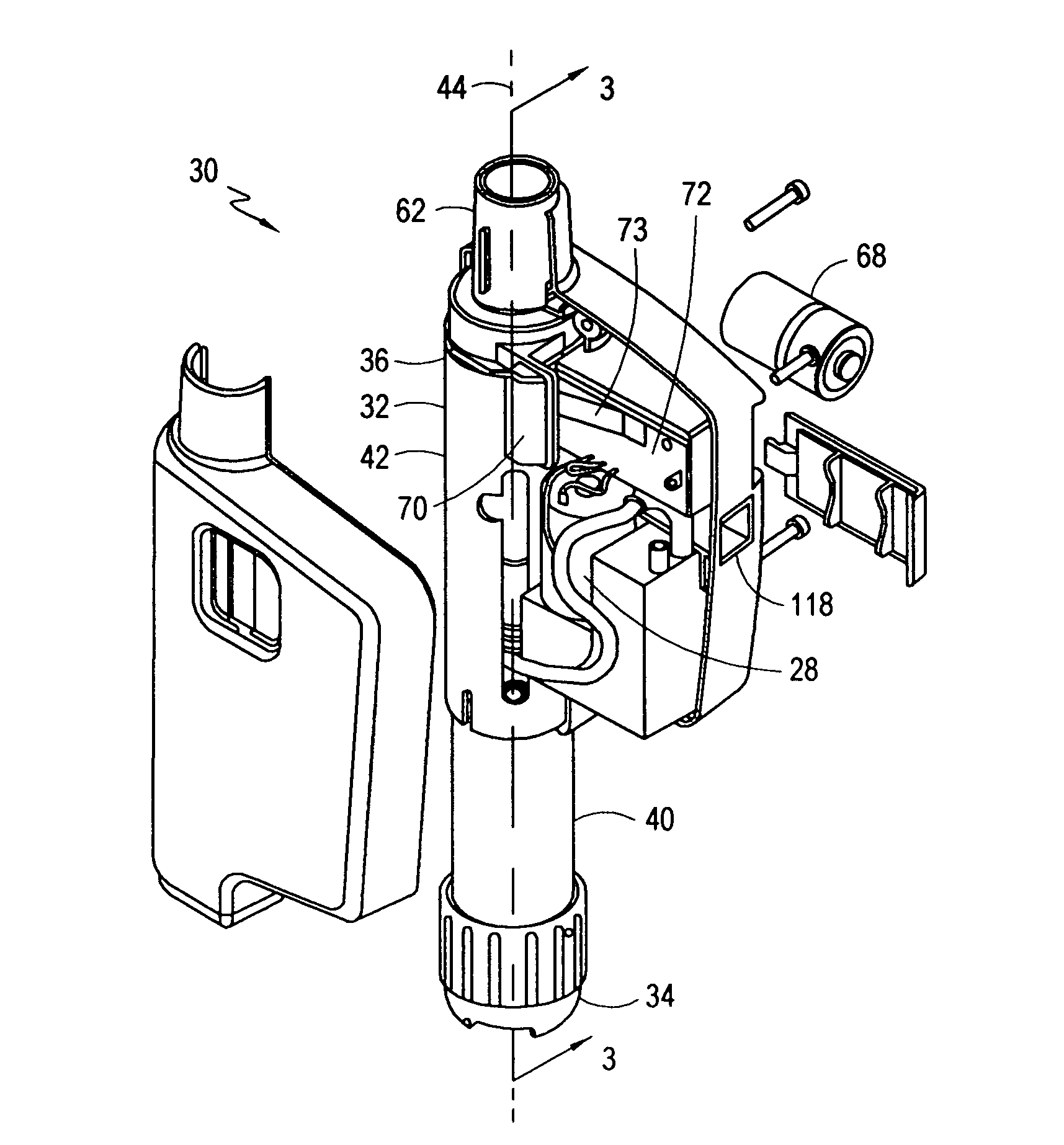
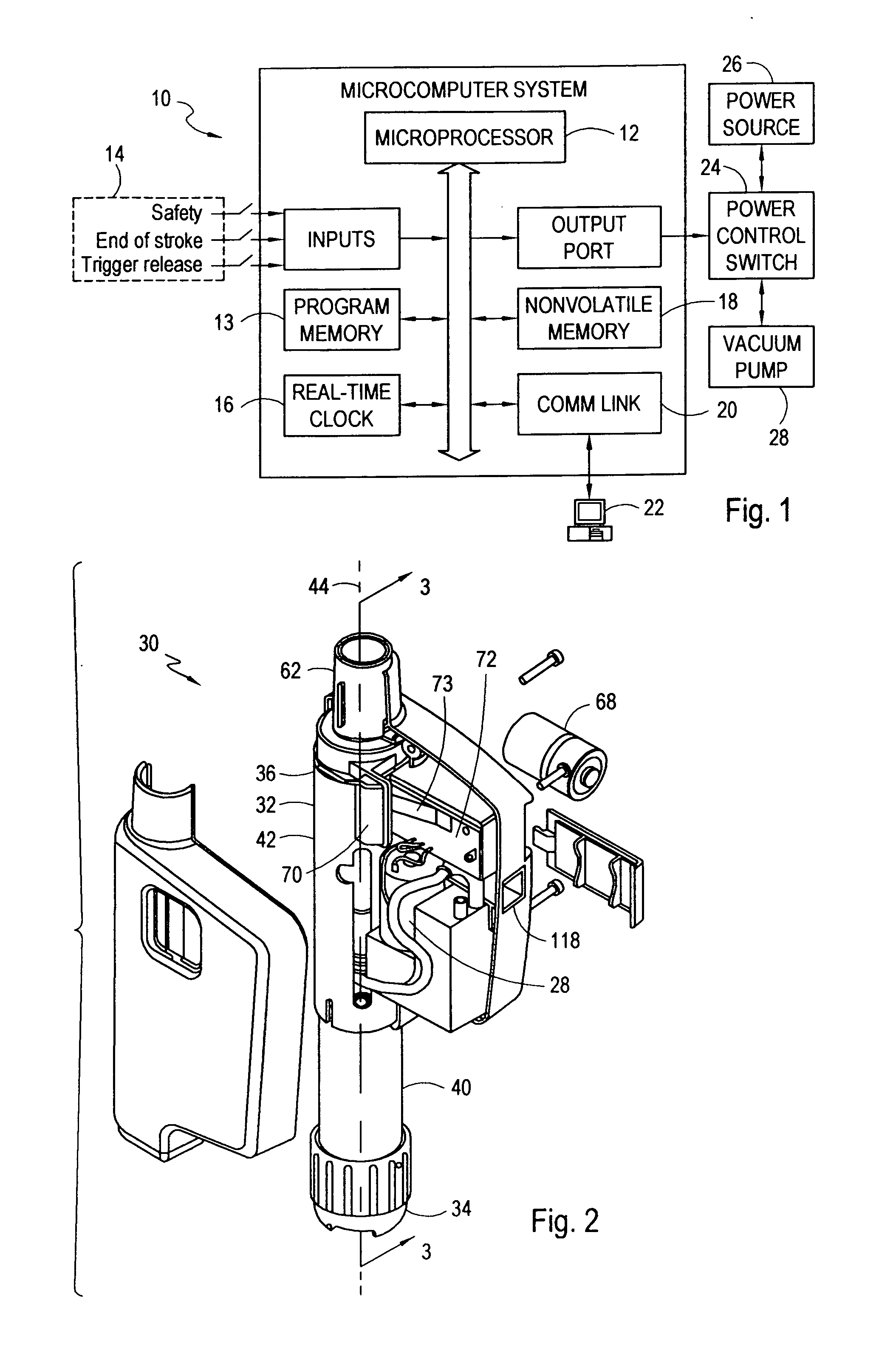
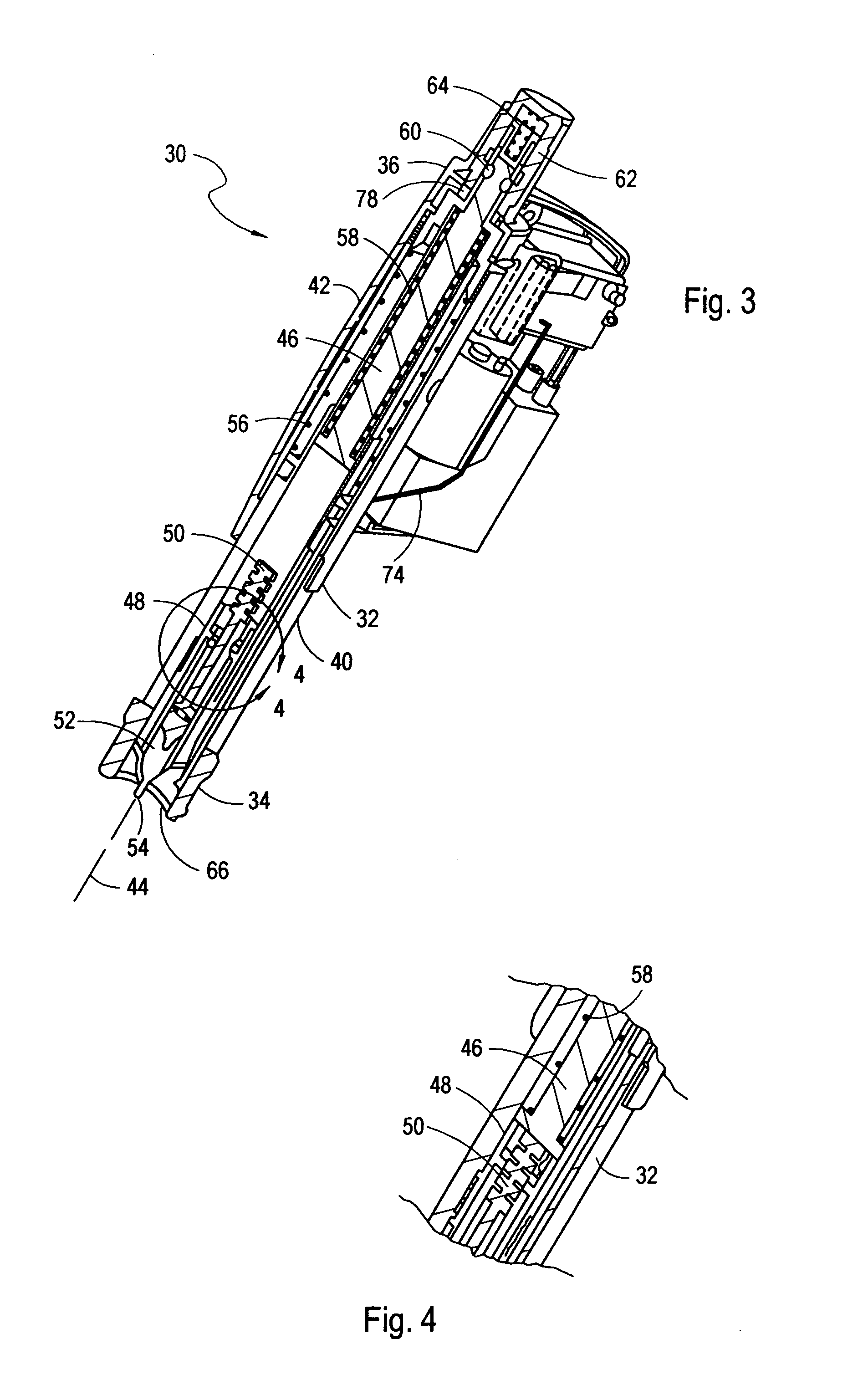
- A data logging system integrated with the jet injector that records and distinguishes between valid and invalid injections, includes a vacuum control system, and communicates with a personal computer to store and analyze injection data, preventing invalid injections by ensuring the injector is positioned against the skin before use.

Regulatory Framework for Medical Device Data Compliance
The regulatory framework governing medical device data compliance for PCA pumps operates within a complex multi-jurisdictional environment where patient safety and data integrity are paramount concerns. In the United States, the Food and Drug Administration (FDA) establishes comprehensive guidelines under the Code of Federal Regulations Title 21, specifically sections 820.30 and 820.75, which mandate rigorous design controls and production quality assurance for Class II medical devices including PCA pumps. These regulations require manufacturers to implement robust data logging systems that capture critical operational parameters, medication delivery records, and system performance metrics with tamper-evident storage mechanisms.
The European Union's Medical Device Regulation (MDR 2017/745) imposes equally stringent requirements, emphasizing post-market surveillance and clinical evaluation through continuous data collection. Under Article 61 of the MDR, manufacturers must establish a comprehensive quality management system that includes detailed documentation of device performance data, adverse event reporting, and periodic safety update reports. The regulation specifically addresses data integrity requirements, mandating that logged information must be attributable, legible, contemporaneous, original, and accurate, commonly referred to as the ALCOA principles.
International harmonization efforts through ISO 14155 and IEC 62304 provide standardized frameworks for clinical investigation of medical devices and medical device software lifecycle processes respectively. These standards establish minimum requirements for data collection protocols, electronic record keeping, and audit trail maintenance that directly impact PCA pump data logging architectures. The ISO 27799 standard further addresses health informatics security management, requiring encryption protocols and access control mechanisms for sensitive patient data.
Compliance obligations extend beyond technical specifications to encompass operational procedures including staff training, system validation, and regular compliance auditing. Regulatory bodies increasingly emphasize risk-based approaches to quality management, requiring manufacturers to demonstrate through documented evidence that their data logging systems can reliably capture, store, and retrieve critical safety information throughout the device lifecycle. Recent guidance documents from both FDA and European Medicines Agency highlight the importance of cybersecurity considerations in medical device data management, mandating robust protection against unauthorized access and data manipulation threats.
The European Union's Medical Device Regulation (MDR 2017/745) imposes equally stringent requirements, emphasizing post-market surveillance and clinical evaluation through continuous data collection. Under Article 61 of the MDR, manufacturers must establish a comprehensive quality management system that includes detailed documentation of device performance data, adverse event reporting, and periodic safety update reports. The regulation specifically addresses data integrity requirements, mandating that logged information must be attributable, legible, contemporaneous, original, and accurate, commonly referred to as the ALCOA principles.
International harmonization efforts through ISO 14155 and IEC 62304 provide standardized frameworks for clinical investigation of medical devices and medical device software lifecycle processes respectively. These standards establish minimum requirements for data collection protocols, electronic record keeping, and audit trail maintenance that directly impact PCA pump data logging architectures. The ISO 27799 standard further addresses health informatics security management, requiring encryption protocols and access control mechanisms for sensitive patient data.
Compliance obligations extend beyond technical specifications to encompass operational procedures including staff training, system validation, and regular compliance auditing. Regulatory bodies increasingly emphasize risk-based approaches to quality management, requiring manufacturers to demonstrate through documented evidence that their data logging systems can reliably capture, store, and retrieve critical safety information throughout the device lifecycle. Recent guidance documents from both FDA and European Medicines Agency highlight the importance of cybersecurity considerations in medical device data management, mandating robust protection against unauthorized access and data manipulation threats.
Data Security and Privacy in PCA Pump Systems
Data security and privacy considerations in PCA pump systems represent critical aspects of modern healthcare technology implementation, particularly as these devices increasingly integrate with hospital networks and electronic health record systems. The sensitive nature of patient-controlled analgesia data, including medication dosing patterns, patient response metrics, and physiological parameters, necessitates robust protection mechanisms to ensure compliance with healthcare privacy regulations such as HIPAA, GDPR, and other regional data protection frameworks.
The architecture of secure PCA pump data logging systems must incorporate multiple layers of protection, beginning with device-level encryption for data at rest and in transit. Advanced encryption standards, including AES-256 encryption protocols, are becoming standard requirements for protecting logged data from unauthorized access. Authentication mechanisms, such as multi-factor authentication and role-based access controls, ensure that only authorized healthcare personnel can access sensitive patient information stored within the pump's memory systems.
Network security protocols play a crucial role in maintaining data integrity during transmission between PCA pumps and central monitoring systems. Secure communication channels utilizing TLS encryption, VPN tunneling, and network segmentation help prevent data interception and unauthorized system access. The implementation of blockchain technology is emerging as a potential solution for creating immutable audit trails of data access and modifications, enhancing accountability and compliance verification processes.
Privacy-by-design principles are increasingly being integrated into PCA pump development, ensuring that data minimization, purpose limitation, and consent management are built into the core system architecture. This includes implementing automated data anonymization features, configurable data retention policies, and granular consent management systems that allow patients to control how their data is collected, stored, and shared across healthcare networks.
Compliance monitoring capabilities within PCA pump systems must address both technical and regulatory requirements, including automated compliance reporting, real-time security monitoring, and incident response protocols. The integration of artificial intelligence and machine learning algorithms enables proactive threat detection and anomaly identification, helping healthcare organizations maintain continuous compliance while protecting patient privacy in an increasingly connected healthcare environment.
The architecture of secure PCA pump data logging systems must incorporate multiple layers of protection, beginning with device-level encryption for data at rest and in transit. Advanced encryption standards, including AES-256 encryption protocols, are becoming standard requirements for protecting logged data from unauthorized access. Authentication mechanisms, such as multi-factor authentication and role-based access controls, ensure that only authorized healthcare personnel can access sensitive patient information stored within the pump's memory systems.
Network security protocols play a crucial role in maintaining data integrity during transmission between PCA pumps and central monitoring systems. Secure communication channels utilizing TLS encryption, VPN tunneling, and network segmentation help prevent data interception and unauthorized system access. The implementation of blockchain technology is emerging as a potential solution for creating immutable audit trails of data access and modifications, enhancing accountability and compliance verification processes.
Privacy-by-design principles are increasingly being integrated into PCA pump development, ensuring that data minimization, purpose limitation, and consent management are built into the core system architecture. This includes implementing automated data anonymization features, configurable data retention policies, and granular consent management systems that allow patients to control how their data is collected, stored, and shared across healthcare networks.
Compliance monitoring capabilities within PCA pump systems must address both technical and regulatory requirements, including automated compliance reporting, real-time security monitoring, and incident response protocols. The integration of artificial intelligence and machine learning algorithms enables proactive threat detection and anomaly identification, helping healthcare organizations maintain continuous compliance while protecting patient privacy in an increasingly connected healthcare environment.
Unlock deeper insights with Patsnap Eureka Quick Research — get a full tech report to explore trends and direct your research. Try now!
Generate Your Research Report Instantly with AI Agent
Supercharge your innovation with Patsnap Eureka AI Agent Platform!