

PCA Pump vs Transdermal Systems: User Satisfaction
MAR 7, 20269 MIN READ
Generate Your Research Report Instantly with AI Agent
Patsnap Eureka helps you evaluate technical feasibility & market potential.
PCA Pump vs Transdermal Drug Delivery Background and Goals
Patient-controlled analgesia (PCA) pumps and transdermal drug delivery systems represent two fundamentally different approaches to pain management, each with distinct technological foundations and clinical applications. PCA pumps, first introduced in the 1970s, utilize programmable infusion technology to deliver precise doses of analgesic medications intravenously, allowing patients to self-administer pain relief within predetermined safety parameters. Transdermal systems, developed in the 1980s, employ passive or active drug permeation through the skin barrier to achieve systemic therapeutic effects over extended periods.
The evolution of these technologies has been driven by the critical need to optimize patient outcomes while minimizing healthcare provider burden. PCA pumps emerged from the recognition that traditional scheduled dosing often resulted in inadequate pain control and patient dissatisfaction. The technology has progressed from basic mechanical devices to sophisticated electronic systems incorporating wireless connectivity, advanced safety algorithms, and comprehensive data logging capabilities.
Transdermal delivery systems have similarly evolved from simple matrix patches to complex multi-layered systems incorporating penetration enhancers, microneedles, and iontophoretic mechanisms. This progression reflects ongoing efforts to expand the range of deliverable drugs and improve bioavailability across diverse patient populations.
Current technological objectives focus on enhancing user satisfaction through improved ease of use, reduced side effects, and better therapeutic outcomes. For PCA pumps, key goals include developing more intuitive user interfaces, implementing predictive algorithms for personalized dosing, and integrating real-time monitoring capabilities. Advanced safety features such as biometric authentication and automated drug recognition systems are being pursued to prevent medication errors.
Transdermal system development targets expanding drug compatibility, improving patch adhesion and comfort, and developing smart patches with integrated sensors for therapeutic drug monitoring. Emerging goals include creating patient-specific delivery profiles and incorporating feedback mechanisms to optimize drug release rates based on individual physiological responses.
The convergence of these technologies with digital health platforms represents a significant strategic direction, aiming to create comprehensive pain management ecosystems that provide healthcare providers with detailed patient data while empowering patients with greater control over their treatment experience.
The evolution of these technologies has been driven by the critical need to optimize patient outcomes while minimizing healthcare provider burden. PCA pumps emerged from the recognition that traditional scheduled dosing often resulted in inadequate pain control and patient dissatisfaction. The technology has progressed from basic mechanical devices to sophisticated electronic systems incorporating wireless connectivity, advanced safety algorithms, and comprehensive data logging capabilities.
Transdermal delivery systems have similarly evolved from simple matrix patches to complex multi-layered systems incorporating penetration enhancers, microneedles, and iontophoretic mechanisms. This progression reflects ongoing efforts to expand the range of deliverable drugs and improve bioavailability across diverse patient populations.
Current technological objectives focus on enhancing user satisfaction through improved ease of use, reduced side effects, and better therapeutic outcomes. For PCA pumps, key goals include developing more intuitive user interfaces, implementing predictive algorithms for personalized dosing, and integrating real-time monitoring capabilities. Advanced safety features such as biometric authentication and automated drug recognition systems are being pursued to prevent medication errors.
Transdermal system development targets expanding drug compatibility, improving patch adhesion and comfort, and developing smart patches with integrated sensors for therapeutic drug monitoring. Emerging goals include creating patient-specific delivery profiles and incorporating feedback mechanisms to optimize drug release rates based on individual physiological responses.
The convergence of these technologies with digital health platforms represents a significant strategic direction, aiming to create comprehensive pain management ecosystems that provide healthcare providers with detailed patient data while empowering patients with greater control over their treatment experience.
Market Demand for Patient-Controlled Analgesia Solutions
The global patient-controlled analgesia market demonstrates robust growth driven by increasing surgical procedures, rising prevalence of chronic pain conditions, and growing awareness of personalized pain management approaches. Healthcare systems worldwide are experiencing heightened demand for effective pain control solutions that balance therapeutic efficacy with patient autonomy and safety considerations.
Hospital-based acute care settings represent the primary demand driver for PCA solutions, particularly in post-surgical recovery units, intensive care departments, and oncology wards. The aging population demographic significantly influences market expansion, as elderly patients require more sophisticated pain management protocols during extended hospital stays and complex medical procedures.
Chronic pain management applications are emerging as a substantial growth segment, with patients seeking long-term solutions that provide consistent relief while maintaining quality of life. This patient population increasingly values treatment modalities that offer flexibility, discretion, and minimal interference with daily activities, creating distinct preferences between pump-based and transdermal delivery systems.
Healthcare cost containment pressures are reshaping demand patterns, with institutions seeking PCA solutions that demonstrate clear economic benefits through reduced nursing workload, shorter hospital stays, and improved patient throughput. The total cost of ownership considerations now heavily influence procurement decisions beyond initial device acquisition costs.
Regulatory environments across major markets are evolving to support innovative PCA technologies while maintaining stringent safety standards. Recent regulatory approvals for advanced transdermal systems and smart pump technologies are expanding available treatment options and driving competitive dynamics within the market.
Patient preference studies indicate growing demand for non-invasive delivery methods, particularly among populations with needle phobia or those requiring extended treatment durations. This trend is creating market opportunities for transdermal systems that can deliver adequate analgesic levels without the complexity and infection risks associated with intravenous access.
The home healthcare segment represents an emerging demand frontier, as healthcare systems explore cost-effective alternatives to prolonged hospital stays. Patients and caregivers increasingly seek PCA solutions suitable for supervised home use, driving innovation in user-friendly interfaces and remote monitoring capabilities.
Hospital-based acute care settings represent the primary demand driver for PCA solutions, particularly in post-surgical recovery units, intensive care departments, and oncology wards. The aging population demographic significantly influences market expansion, as elderly patients require more sophisticated pain management protocols during extended hospital stays and complex medical procedures.
Chronic pain management applications are emerging as a substantial growth segment, with patients seeking long-term solutions that provide consistent relief while maintaining quality of life. This patient population increasingly values treatment modalities that offer flexibility, discretion, and minimal interference with daily activities, creating distinct preferences between pump-based and transdermal delivery systems.
Healthcare cost containment pressures are reshaping demand patterns, with institutions seeking PCA solutions that demonstrate clear economic benefits through reduced nursing workload, shorter hospital stays, and improved patient throughput. The total cost of ownership considerations now heavily influence procurement decisions beyond initial device acquisition costs.
Regulatory environments across major markets are evolving to support innovative PCA technologies while maintaining stringent safety standards. Recent regulatory approvals for advanced transdermal systems and smart pump technologies are expanding available treatment options and driving competitive dynamics within the market.
Patient preference studies indicate growing demand for non-invasive delivery methods, particularly among populations with needle phobia or those requiring extended treatment durations. This trend is creating market opportunities for transdermal systems that can deliver adequate analgesic levels without the complexity and infection risks associated with intravenous access.
The home healthcare segment represents an emerging demand frontier, as healthcare systems explore cost-effective alternatives to prolonged hospital stays. Patients and caregivers increasingly seek PCA solutions suitable for supervised home use, driving innovation in user-friendly interfaces and remote monitoring capabilities.
Current State and Challenges of PCA and Transdermal Systems
Patient-controlled analgesia (PCA) pumps represent a well-established technology in pain management, utilizing programmable infusion devices that allow patients to self-administer predetermined doses of analgesic medications. Current PCA systems predominantly employ intravenous delivery mechanisms, featuring sophisticated safety protocols including lockout intervals, maximum dose limits, and continuous monitoring capabilities. These systems have demonstrated clinical efficacy in postoperative and chronic pain management scenarios, with widespread adoption across hospital settings globally.
Transdermal drug delivery systems have evolved significantly from simple passive patches to advanced active delivery mechanisms. Contemporary transdermal technologies encompass iontophoresis-based systems, microneedle arrays, and electroporation devices that enhance drug penetration through the skin barrier. These systems offer non-invasive administration routes and sustained drug release profiles, making them attractive alternatives for pain management applications.
Despite technological maturity, both systems face substantial implementation challenges. PCA pumps encounter issues related to device complexity, requiring extensive patient education and clinical supervision. Programming errors, mechanical failures, and catheter-related complications represent significant safety concerns. Additionally, the invasive nature of intravenous access creates infection risks and limits patient mobility, directly impacting user satisfaction and quality of life.
Transdermal systems confront fundamental physiological barriers, particularly the stratum corneum's resistance to drug permeation. Skin irritation, adhesion problems, and variable absorption rates due to individual skin characteristics pose ongoing challenges. Temperature fluctuations, physical activity, and application site variations can significantly affect drug delivery consistency, leading to unpredictable therapeutic outcomes.
User acceptance remains a critical challenge for both technologies. PCA pumps often overwhelm patients with complex interfaces and multiple operational parameters, while concerns about self-medication errors create anxiety. Transdermal systems, although less intimidating, suffer from aesthetic concerns, skin sensitivity reactions, and frequent application site rotations that disrupt daily routines.
Current technological limitations include inadequate real-time feedback mechanisms in both systems. PCA pumps lack intuitive user interfaces that provide clear medication status information, while transdermal systems offer minimal indication of drug delivery effectiveness or system functionality. Integration with digital health platforms remains limited, preventing comprehensive pain management tracking and personalized therapy optimization.
The regulatory landscape presents additional complexities, with stringent approval processes for novel delivery mechanisms and safety protocols. Manufacturing scalability issues, particularly for advanced transdermal technologies, contribute to higher costs and limited market penetration. These factors collectively impact the development of user-centric solutions that prioritize patient satisfaction alongside clinical efficacy.
Transdermal drug delivery systems have evolved significantly from simple passive patches to advanced active delivery mechanisms. Contemporary transdermal technologies encompass iontophoresis-based systems, microneedle arrays, and electroporation devices that enhance drug penetration through the skin barrier. These systems offer non-invasive administration routes and sustained drug release profiles, making them attractive alternatives for pain management applications.
Despite technological maturity, both systems face substantial implementation challenges. PCA pumps encounter issues related to device complexity, requiring extensive patient education and clinical supervision. Programming errors, mechanical failures, and catheter-related complications represent significant safety concerns. Additionally, the invasive nature of intravenous access creates infection risks and limits patient mobility, directly impacting user satisfaction and quality of life.
Transdermal systems confront fundamental physiological barriers, particularly the stratum corneum's resistance to drug permeation. Skin irritation, adhesion problems, and variable absorption rates due to individual skin characteristics pose ongoing challenges. Temperature fluctuations, physical activity, and application site variations can significantly affect drug delivery consistency, leading to unpredictable therapeutic outcomes.
User acceptance remains a critical challenge for both technologies. PCA pumps often overwhelm patients with complex interfaces and multiple operational parameters, while concerns about self-medication errors create anxiety. Transdermal systems, although less intimidating, suffer from aesthetic concerns, skin sensitivity reactions, and frequent application site rotations that disrupt daily routines.
Current technological limitations include inadequate real-time feedback mechanisms in both systems. PCA pumps lack intuitive user interfaces that provide clear medication status information, while transdermal systems offer minimal indication of drug delivery effectiveness or system functionality. Integration with digital health platforms remains limited, preventing comprehensive pain management tracking and personalized therapy optimization.
The regulatory landscape presents additional complexities, with stringent approval processes for novel delivery mechanisms and safety protocols. Manufacturing scalability issues, particularly for advanced transdermal technologies, contribute to higher costs and limited market penetration. These factors collectively impact the development of user-centric solutions that prioritize patient satisfaction alongside clinical efficacy.
Existing User Satisfaction Assessment Solutions
01 Patient-controlled analgesia (PCA) pump design and usability improvements
Innovations in PCA pump design focus on enhancing user interface, ease of operation, and safety features to improve patient and healthcare provider satisfaction. These improvements include intuitive controls, clear displays, simplified programming, and ergonomic designs that reduce user error and increase confidence in device operation. Enhanced feedback mechanisms and alarm systems also contribute to better user experience and medication delivery accuracy.- Patient-controlled analgesia (PCA) pump design and usability improvements: Innovations in PCA pump design focus on enhancing user interface, ease of operation, and safety features to improve patient and healthcare provider satisfaction. These improvements include intuitive controls, clear displays, simplified programming, and ergonomic designs that reduce user errors and increase confidence in device operation. Enhanced feedback mechanisms and alarm systems also contribute to better user experience and medication delivery accuracy.
- Transdermal drug delivery system optimization for patient comfort: Transdermal systems are designed with features that enhance patient comfort and satisfaction, including improved adhesion properties, reduced skin irritation, flexible materials that conform to body contours, and discreet profiles. These design considerations aim to increase patient compliance by minimizing discomfort during wear time and ensuring consistent drug delivery without causing adverse skin reactions or limiting daily activities.
- Smart monitoring and feedback systems for drug delivery devices: Integration of electronic monitoring, wireless connectivity, and real-time feedback systems in drug delivery devices allows for better tracking of medication administration, patient adherence, and system performance. These smart features enable remote monitoring by healthcare providers, automatic dose recording, alert notifications for missed doses or system malfunctions, and data collection for treatment optimization, thereby improving overall user satisfaction and therapeutic outcomes.
- Safety mechanisms and error prevention in medication delivery systems: Advanced safety features incorporated into medication delivery systems include lockout intervals, dose limits, anti-tampering mechanisms, and fail-safe designs that prevent overdose or underdose situations. These safety enhancements reduce the risk of medication errors, increase user confidence, and provide peace of mind for both patients and healthcare providers. Authentication systems and secure access controls further ensure that only authorized users can operate or modify device settings.
- Portable and wearable drug delivery systems for improved mobility: Development of compact, lightweight, and wearable drug delivery devices enables patients to maintain normal daily activities while receiving continuous medication. These portable systems feature rechargeable batteries, reduced device profiles, and secure attachment methods that allow for discreet wear under clothing. The enhanced mobility and independence provided by these devices significantly improve patient quality of life and satisfaction with treatment regimens.
02 Transdermal drug delivery system optimization for patient comfort
Transdermal systems are designed with features that enhance patient comfort and satisfaction, including improved adhesion properties, reduced skin irritation, flexible materials that conform to body contours, and discreet profiles. These design considerations aim to increase patient compliance by minimizing discomfort during wear, reducing application site reactions, and allowing normal daily activities without device interference.Expand Specific Solutions03 Smart monitoring and feedback systems for drug delivery devices
Integration of electronic monitoring, wireless connectivity, and real-time feedback systems in drug delivery devices enables better tracking of medication administration, patient adherence, and therapeutic outcomes. These systems can provide alerts, usage data, and communication with healthcare providers, thereby increasing user satisfaction through improved safety monitoring, personalized therapy adjustments, and enhanced sense of control over treatment.Expand Specific Solutions04 Pain management efficacy and dosing control in PCA systems
Advanced PCA systems incorporate sophisticated dosing algorithms, lockout intervals, and bolus delivery options that allow patients to self-administer pain medication within safe parameters. These features improve satisfaction by providing timely pain relief, reducing wait times for medication, and giving patients a sense of autonomy in managing their pain while maintaining safety through programmed limits and healthcare provider oversight.Expand Specific Solutions05 Wearable and portable drug delivery system innovations
Development of compact, lightweight, and wearable drug delivery devices enhances patient mobility and quality of life. These portable systems allow continuous or on-demand medication delivery without restricting patient movement or requiring hospitalization. Features such as rechargeable batteries, small form factors, and secure attachment methods contribute to higher user satisfaction by enabling normal activities while receiving therapy.Expand Specific Solutions
Key Players in PCA Pump and Transdermal System Industry
The PCA pump versus transdermal systems market represents a mature yet evolving segment within drug delivery technology, currently valued in the billions globally and experiencing steady growth driven by patient preference for non-invasive alternatives. The industry has reached technological maturity with established players like Baxter International and CareFusion dominating PCA pump systems through advanced infusion technologies, while companies such as LTS LOHMANN Therapie-Systeme AG and ALZA Corp (Johnson & Johnson subsidiary) lead transdermal patch innovations. Major pharmaceutical companies including Novo Nordisk, Grünenthal GmbH, and Boehringer Ingelheim have developed sophisticated delivery platforms, with emerging players like Corium focusing on specialized CNS applications. The competitive landscape shows increasing consolidation as companies like 3M Innovative Properties and Dow Silicones contribute materials science expertise, while user satisfaction studies increasingly favor transdermal systems for chronic pain management due to improved patient compliance and reduced healthcare provider burden.
Baxter International, Inc.
Technical Solution: Baxter has developed advanced PCA pump systems with integrated safety features including dose limits, lockout intervals, and comprehensive patient monitoring capabilities. Their PCA pumps feature user-friendly interfaces with clear displays and simple button operations that enhance patient satisfaction through intuitive control mechanisms. The company's systems incorporate smart dosing algorithms that help optimize pain management while minimizing side effects, contributing to improved patient outcomes and satisfaction scores in clinical studies[1][3].
Strengths: Market-leading safety features and proven clinical efficacy in hospital settings. Weaknesses: Higher cost compared to basic systems and requires specialized training for healthcare staff.
Novo Nordisk A/S
Technical Solution: Novo Nordisk has developed user-friendly drug delivery devices including pen injectors and patch systems that prioritize patient satisfaction through ergonomic design and ease of use. Their delivery systems feature intuitive operation mechanisms, clear dose indicators, and comfortable application methods that significantly improve patient adherence and satisfaction scores. The company conducts extensive user experience research to optimize device design, resulting in high patient preference ratings compared to traditional injection methods in diabetes and hormone therapy applications[11][13][15].
Strengths: Strong focus on user experience design and extensive clinical validation in chronic disease management. Weaknesses: Primarily focused on specific therapeutic areas like diabetes, limiting broader application scope.
Core Innovations in Patient Experience Optimization
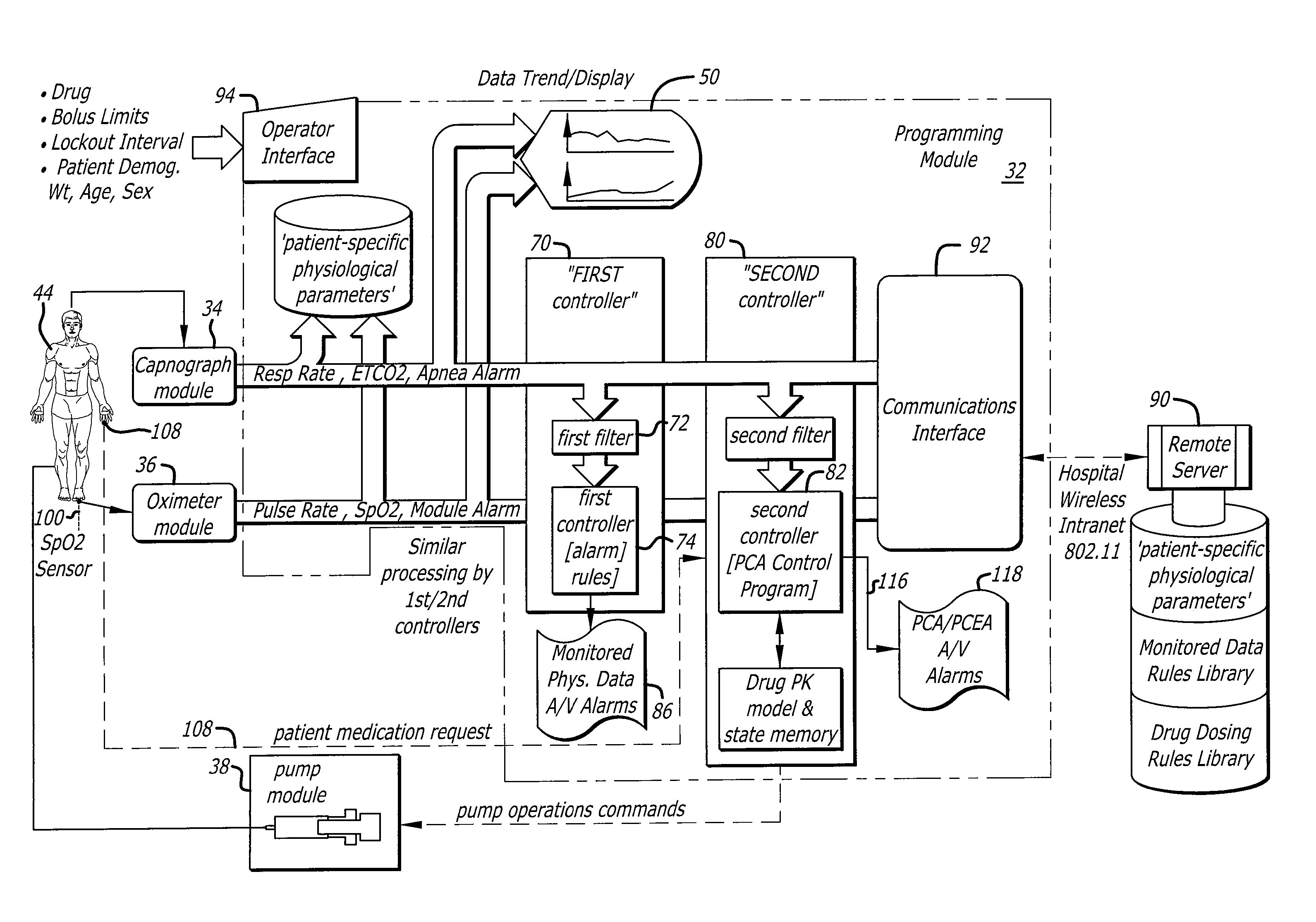
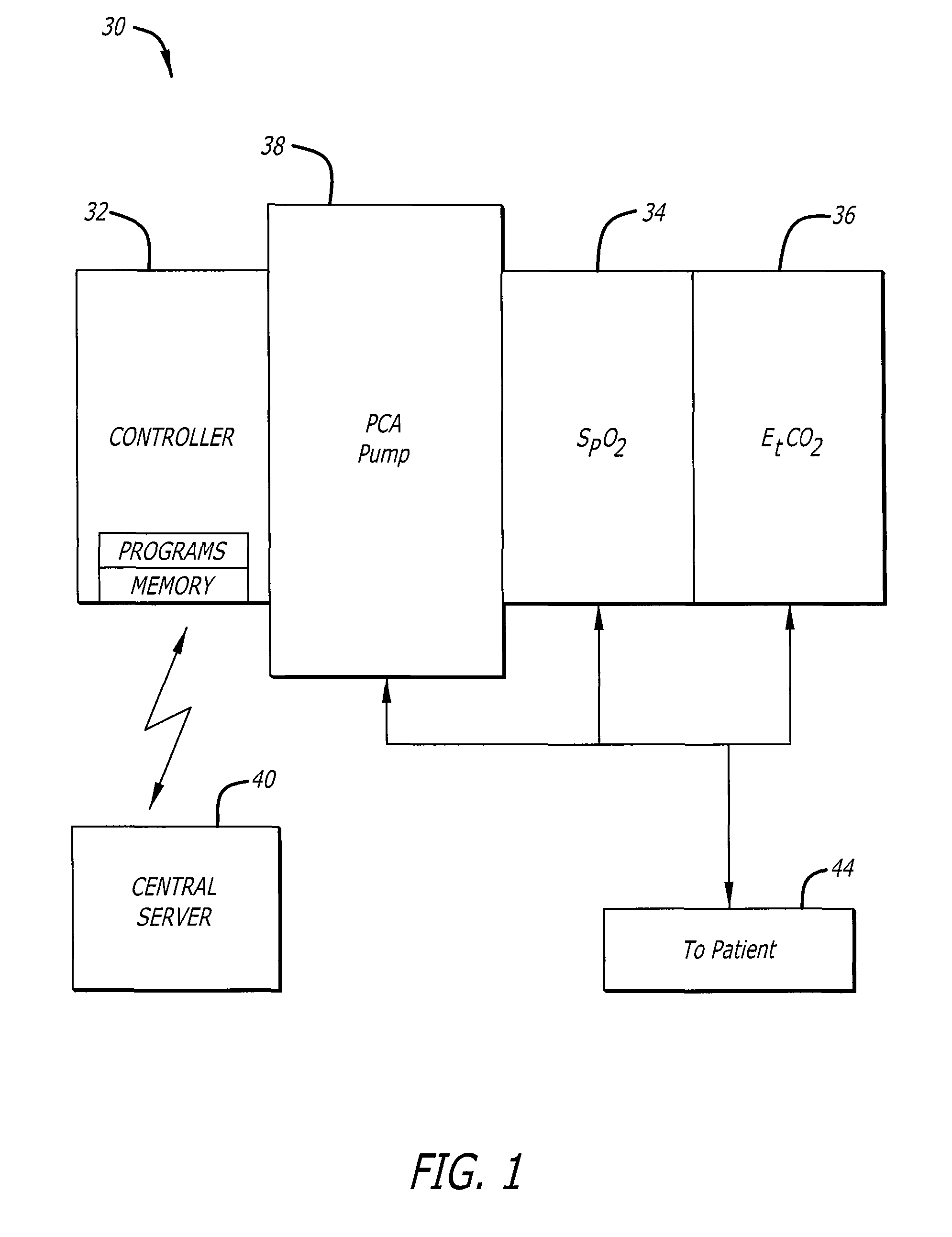
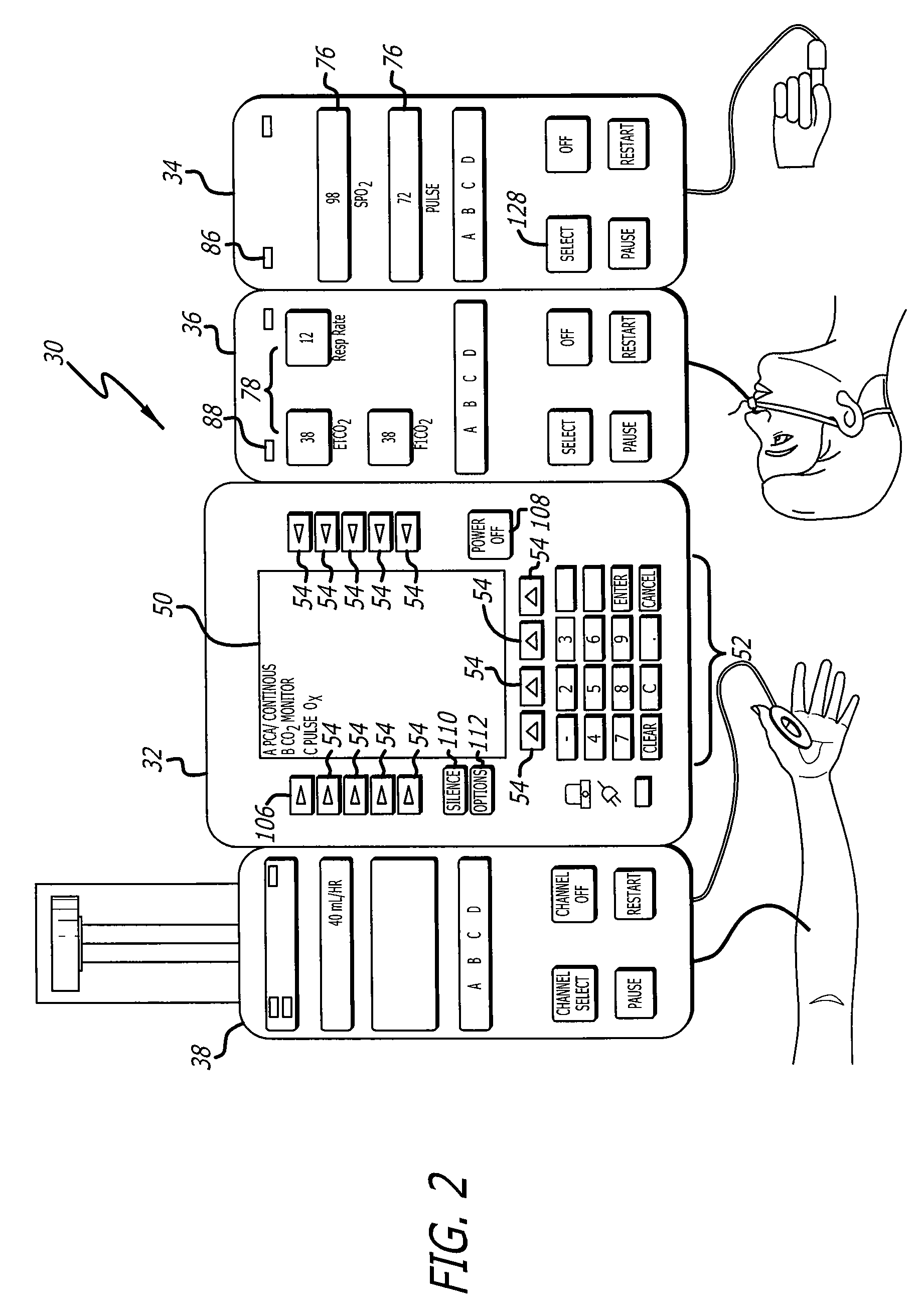
System and method for optimizing control of PCA and PCEA system
PatentActiveUS7871394B2
Innovation
- A system and method that utilize a second controller to process physiological signals and request signals differently from the first controller, filtering data with techniques like moving averages and adaptive filters, and incorporating pharmacokinetic modeling to optimize PCA device operation, allowing for automatic inhibition of medication delivery during potential respiratory depression while minimizing false alarms.

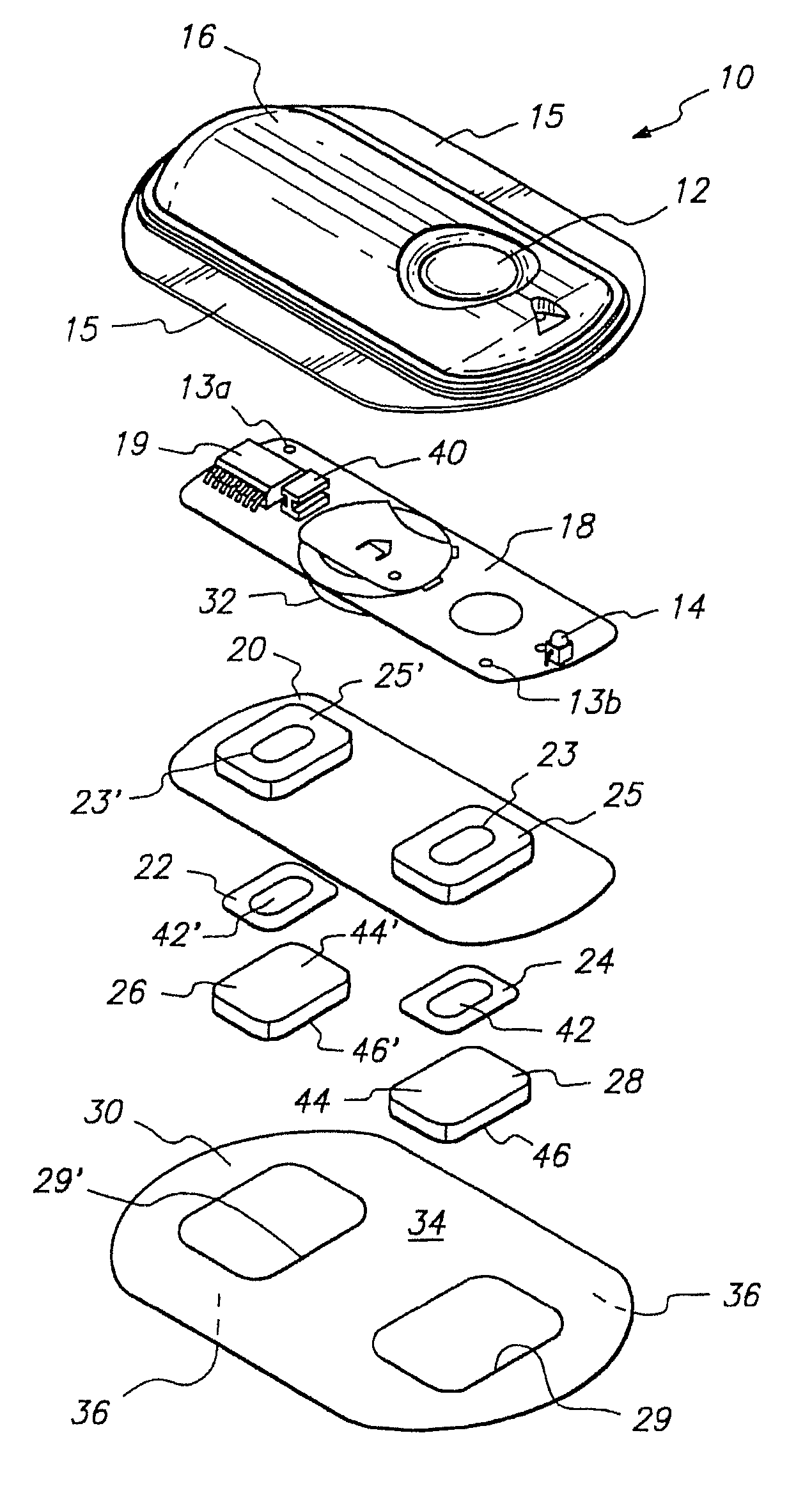
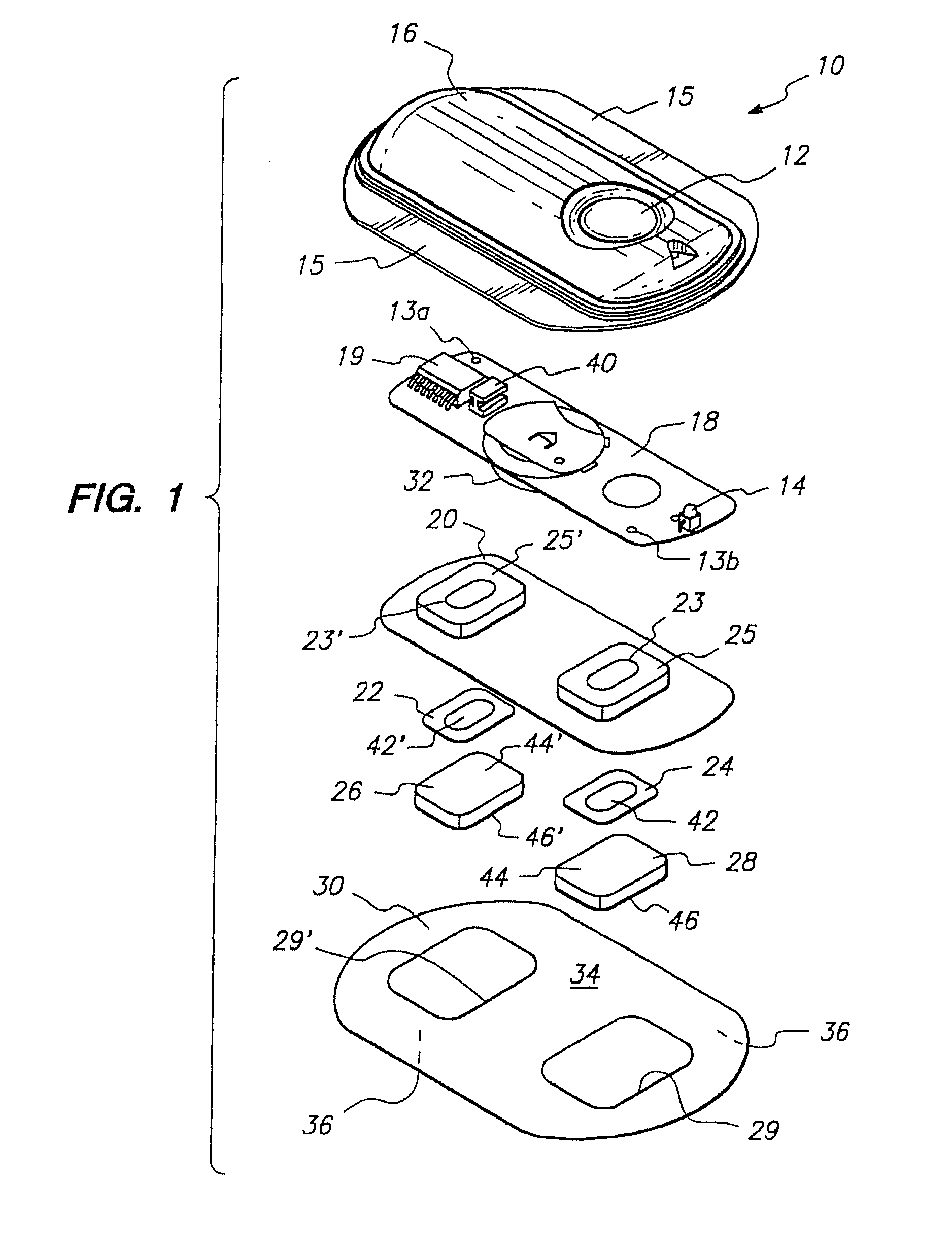
Device for transdermal electrotransport delivery of fentanyl and sufentanil
PatentInactiveUS20060275352A1
Innovation
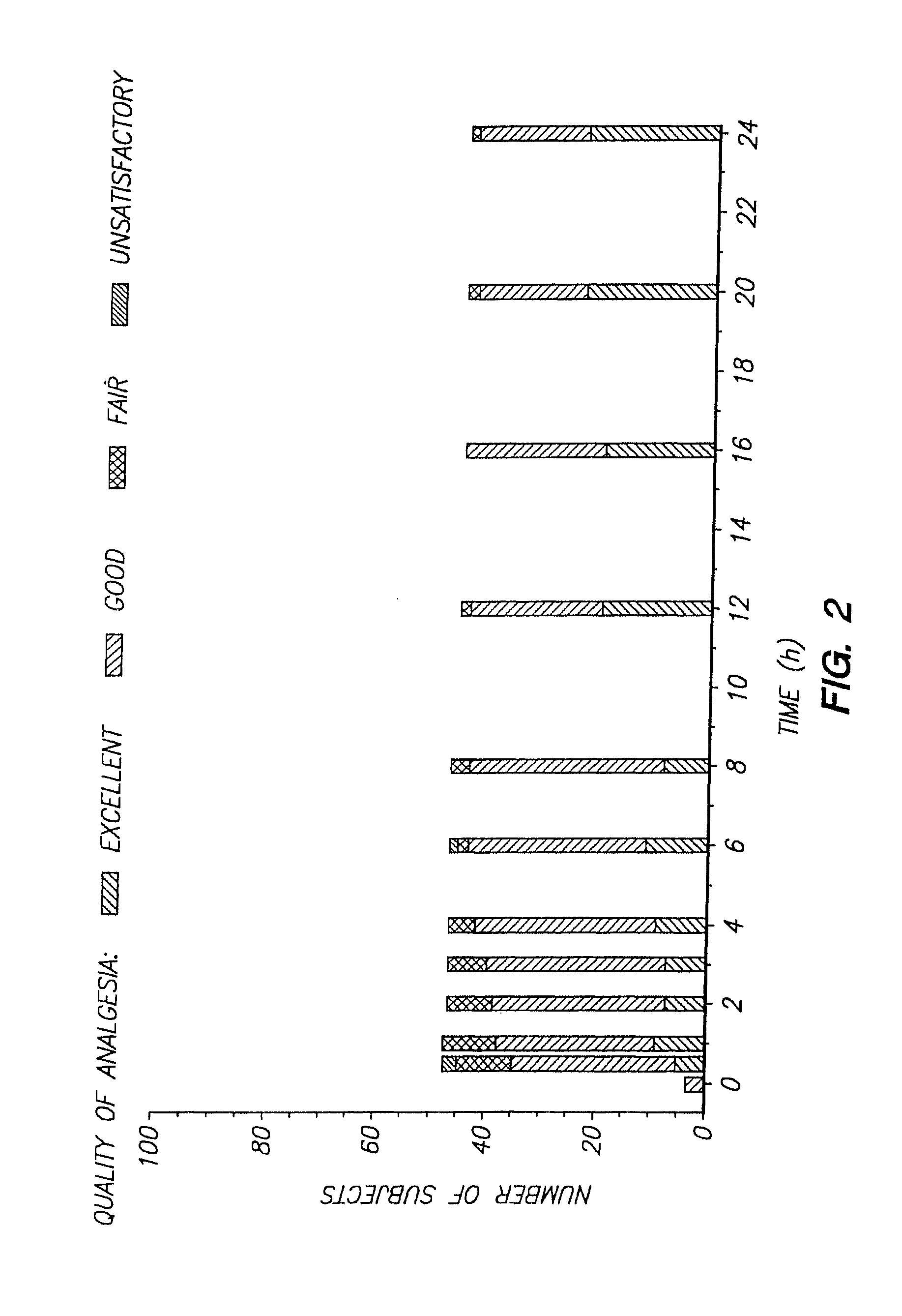
- A self-contained, patient-controlled transdermal electrotransport device using a hydrogel formulation with a fentanyl or sufentanil salt in an aqueous solution, delivered through a hydrophilic polymer matrix with a silver anodic donor reservoir and silver chloride cathodic counter electrode, allowing for multiple doses over 24 hours, enabling efficient and controlled analgesic delivery through intact skin.

Clinical Trial Requirements for Patient Satisfaction Studies
Patient satisfaction studies comparing PCA pumps and transdermal systems require adherence to stringent clinical trial protocols established by regulatory authorities such as the FDA, EMA, and ICH guidelines. These studies must be designed as randomized controlled trials with appropriate blinding mechanisms to minimize bias in subjective satisfaction assessments. The primary endpoint typically involves validated patient-reported outcome measures (PROMs) such as the Treatment Satisfaction Questionnaire for Medication (TSQM) or disease-specific satisfaction scales.
Regulatory frameworks mandate that patient satisfaction studies demonstrate statistical power calculations with adequate sample sizes to detect clinically meaningful differences between delivery systems. The study population must be clearly defined with specific inclusion and exclusion criteria, ensuring participants represent the target patient demographic for both PCA pumps and transdermal systems. Stratification by factors such as age, disease severity, and prior treatment experience is often required to ensure balanced comparison groups.
Ethical considerations play a crucial role in trial design, requiring comprehensive informed consent processes that clearly explain the differences between delivery methods, potential risks, and the subjective nature of satisfaction assessments. Institutional Review Board approval is mandatory, with particular attention to vulnerable populations who may be enrolled in pain management studies.
Data collection protocols must incorporate validated instruments for measuring satisfaction domains including treatment effectiveness, convenience, side effects, and overall preference. The timing of assessments requires careful consideration, with baseline measurements, interim evaluations during treatment periods, and follow-up assessments to capture satisfaction changes over time. Cross-over study designs are frequently employed to allow within-patient comparisons while controlling for individual variability in satisfaction responses.
Quality assurance measures must address the subjective nature of satisfaction data through standardized interview techniques, consistent questionnaire administration, and robust data monitoring procedures. Statistical analysis plans should predefine methods for handling missing data, multiple comparisons, and subgroup analyses to ensure regulatory acceptance of satisfaction outcomes in comparative effectiveness evaluations.
Regulatory frameworks mandate that patient satisfaction studies demonstrate statistical power calculations with adequate sample sizes to detect clinically meaningful differences between delivery systems. The study population must be clearly defined with specific inclusion and exclusion criteria, ensuring participants represent the target patient demographic for both PCA pumps and transdermal systems. Stratification by factors such as age, disease severity, and prior treatment experience is often required to ensure balanced comparison groups.
Ethical considerations play a crucial role in trial design, requiring comprehensive informed consent processes that clearly explain the differences between delivery methods, potential risks, and the subjective nature of satisfaction assessments. Institutional Review Board approval is mandatory, with particular attention to vulnerable populations who may be enrolled in pain management studies.
Data collection protocols must incorporate validated instruments for measuring satisfaction domains including treatment effectiveness, convenience, side effects, and overall preference. The timing of assessments requires careful consideration, with baseline measurements, interim evaluations during treatment periods, and follow-up assessments to capture satisfaction changes over time. Cross-over study designs are frequently employed to allow within-patient comparisons while controlling for individual variability in satisfaction responses.
Quality assurance measures must address the subjective nature of satisfaction data through standardized interview techniques, consistent questionnaire administration, and robust data monitoring procedures. Statistical analysis plans should predefine methods for handling missing data, multiple comparisons, and subgroup analyses to ensure regulatory acceptance of satisfaction outcomes in comparative effectiveness evaluations.
Healthcare Economics Impact on Drug Delivery System Adoption
Healthcare economics plays a pivotal role in determining the adoption patterns of drug delivery systems, particularly when comparing Patient-Controlled Analgesia (PCA) pumps and transdermal systems. The economic impact extends beyond initial procurement costs to encompass comprehensive total cost of ownership models that healthcare institutions must carefully evaluate.
Initial capital expenditure represents a significant consideration for healthcare facilities. PCA pumps require substantial upfront investment ranging from $3,000 to $8,000 per unit, along with associated infrastructure costs for programming systems and security measures. Conversely, transdermal systems eliminate capital equipment requirements, presenting a more accessible entry point for resource-constrained healthcare environments.
Operational cost structures differ markedly between these delivery modalities. PCA systems incur ongoing expenses through specialized cartridges, tubing sets, and maintenance contracts, typically adding $50-150 per patient episode. Transdermal patches present a more predictable cost model, with per-patch pricing ranging from $15-75 depending on medication and dosage requirements, enabling more accurate budget forecasting.
Staffing implications significantly influence economic viability. PCA pumps demand specialized nursing training, continuous monitoring protocols, and technical support capabilities, translating to increased labor costs and potential overtime expenses. Transdermal systems require minimal staff intervention once applied, reducing nursing workload and associated personnel costs while improving workflow efficiency.
Reimbursement landscapes vary considerably across different healthcare markets and insurance frameworks. Many insurance providers demonstrate preference for transdermal systems due to their cost-effectiveness and reduced complication rates, leading to more favorable reimbursement ratios. PCA systems often face scrutiny regarding medical necessity documentation and appropriate utilization protocols.
Risk mitigation costs represent an often-overlooked economic factor. PCA pumps carry inherent risks of programming errors, medication overdoses, and device malfunctions, potentially resulting in adverse events that generate significant liability exposure and associated costs. Transdermal systems present lower risk profiles, reducing insurance premiums and potential litigation expenses.
Healthcare institutions increasingly adopt value-based care models that emphasize patient outcomes relative to treatment costs. This paradigm shift favors delivery systems demonstrating superior patient satisfaction scores, reduced readmission rates, and improved quality metrics. Economic evaluation frameworks now incorporate patient-reported outcome measures and long-term care continuity considerations, influencing adoption decisions beyond traditional cost-benefit analyses.
Initial capital expenditure represents a significant consideration for healthcare facilities. PCA pumps require substantial upfront investment ranging from $3,000 to $8,000 per unit, along with associated infrastructure costs for programming systems and security measures. Conversely, transdermal systems eliminate capital equipment requirements, presenting a more accessible entry point for resource-constrained healthcare environments.
Operational cost structures differ markedly between these delivery modalities. PCA systems incur ongoing expenses through specialized cartridges, tubing sets, and maintenance contracts, typically adding $50-150 per patient episode. Transdermal patches present a more predictable cost model, with per-patch pricing ranging from $15-75 depending on medication and dosage requirements, enabling more accurate budget forecasting.
Staffing implications significantly influence economic viability. PCA pumps demand specialized nursing training, continuous monitoring protocols, and technical support capabilities, translating to increased labor costs and potential overtime expenses. Transdermal systems require minimal staff intervention once applied, reducing nursing workload and associated personnel costs while improving workflow efficiency.
Reimbursement landscapes vary considerably across different healthcare markets and insurance frameworks. Many insurance providers demonstrate preference for transdermal systems due to their cost-effectiveness and reduced complication rates, leading to more favorable reimbursement ratios. PCA systems often face scrutiny regarding medical necessity documentation and appropriate utilization protocols.
Risk mitigation costs represent an often-overlooked economic factor. PCA pumps carry inherent risks of programming errors, medication overdoses, and device malfunctions, potentially resulting in adverse events that generate significant liability exposure and associated costs. Transdermal systems present lower risk profiles, reducing insurance premiums and potential litigation expenses.
Healthcare institutions increasingly adopt value-based care models that emphasize patient outcomes relative to treatment costs. This paradigm shift favors delivery systems demonstrating superior patient satisfaction scores, reduced readmission rates, and improved quality metrics. Economic evaluation frameworks now incorporate patient-reported outcome measures and long-term care continuity considerations, influencing adoption decisions beyond traditional cost-benefit analyses.
Unlock deeper insights with Patsnap Eureka Quick Research — get a full tech report to explore trends and direct your research. Try now!
Generate Your Research Report Instantly with AI Agent
Supercharge your innovation with Patsnap Eureka AI Agent Platform!