Decoding the Rationale for PEMF Therapy in Health Optimization
AUG 11, 20258 MIN READ
Generate Your Research Report Instantly with AI Agent
Patsnap Eureka helps you evaluate technical feasibility & market potential.
PEMF Therapy Evolution
Pulsed Electromagnetic Field (PEMF) therapy has undergone significant evolution since its inception in the mid-20th century. Initially developed for bone healing, PEMF therapy has expanded its applications to various health optimization areas. The therapy's evolution can be traced through several key milestones and technological advancements.
In the 1950s, Dr. Fukada and Dr. Yasuda discovered the piezoelectric effect in bone, laying the foundation for PEMF therapy. This discovery led to the development of the first PEMF devices in the 1970s, primarily used for non-union fracture healing. The early devices were large, cumbersome, and limited in their applications.
The 1980s and 1990s saw a surge in PEMF research, expanding its potential beyond bone healing. Studies began to explore its effects on pain management, wound healing, and tissue regeneration. This period also marked the beginning of miniaturization efforts, making PEMF devices more portable and accessible for home use.
The turn of the millennium brought about significant technological advancements in PEMF therapy. Digital control systems and more sophisticated waveform generation techniques allowed for precise manipulation of electromagnetic fields. This precision enabled researchers to target specific cellular mechanisms and optimize therapeutic outcomes.
In the 2010s, PEMF therapy entered a new era of personalization and integration with other health technologies. Wearable PEMF devices emerged, allowing for continuous, low-intensity treatments. Additionally, the integration of PEMF with biofeedback systems and smartphone apps provided users with real-time monitoring and adjustment capabilities.
Recent years have seen a focus on understanding the molecular mechanisms underlying PEMF therapy's effects. Research has delved into its impact on cellular signaling pathways, gene expression, and mitochondrial function. This deeper understanding has led to more targeted and effective PEMF protocols for various health conditions.
The evolution of PEMF therapy has also been marked by improvements in safety and regulatory standards. As the technology gained wider acceptance, regulatory bodies developed guidelines for PEMF device manufacturing and usage, ensuring consumer safety and treatment efficacy.
Looking ahead, the future of PEMF therapy is likely to involve further miniaturization, increased precision in field generation, and integration with artificial intelligence for personalized treatment protocols. Emerging research in nanotechnology and bioelectronics may also lead to novel PEMF delivery methods, potentially enhancing its effectiveness and expanding its applications in health optimization.
In the 1950s, Dr. Fukada and Dr. Yasuda discovered the piezoelectric effect in bone, laying the foundation for PEMF therapy. This discovery led to the development of the first PEMF devices in the 1970s, primarily used for non-union fracture healing. The early devices were large, cumbersome, and limited in their applications.
The 1980s and 1990s saw a surge in PEMF research, expanding its potential beyond bone healing. Studies began to explore its effects on pain management, wound healing, and tissue regeneration. This period also marked the beginning of miniaturization efforts, making PEMF devices more portable and accessible for home use.
The turn of the millennium brought about significant technological advancements in PEMF therapy. Digital control systems and more sophisticated waveform generation techniques allowed for precise manipulation of electromagnetic fields. This precision enabled researchers to target specific cellular mechanisms and optimize therapeutic outcomes.
In the 2010s, PEMF therapy entered a new era of personalization and integration with other health technologies. Wearable PEMF devices emerged, allowing for continuous, low-intensity treatments. Additionally, the integration of PEMF with biofeedback systems and smartphone apps provided users with real-time monitoring and adjustment capabilities.
Recent years have seen a focus on understanding the molecular mechanisms underlying PEMF therapy's effects. Research has delved into its impact on cellular signaling pathways, gene expression, and mitochondrial function. This deeper understanding has led to more targeted and effective PEMF protocols for various health conditions.
The evolution of PEMF therapy has also been marked by improvements in safety and regulatory standards. As the technology gained wider acceptance, regulatory bodies developed guidelines for PEMF device manufacturing and usage, ensuring consumer safety and treatment efficacy.
Looking ahead, the future of PEMF therapy is likely to involve further miniaturization, increased precision in field generation, and integration with artificial intelligence for personalized treatment protocols. Emerging research in nanotechnology and bioelectronics may also lead to novel PEMF delivery methods, potentially enhancing its effectiveness and expanding its applications in health optimization.
Health Optimization Demand
The demand for health optimization has been steadily increasing in recent years, driven by a growing awareness of preventive healthcare and a desire for improved quality of life. This trend has created a significant market for innovative therapies and technologies that promise to enhance overall well-being, with Pulsed Electromagnetic Field (PEMF) therapy emerging as a notable contender in this space.
Consumer interest in non-invasive, drug-free approaches to health maintenance has fueled the exploration of PEMF therapy. This technology, which uses low-frequency electromagnetic fields to stimulate cellular repair and regeneration, aligns well with the current shift towards holistic health solutions. The global wellness industry, valued at over $4 trillion, has seen a surge in demand for products and services that offer comprehensive health benefits, positioning PEMF therapy as a potentially lucrative segment within this market.
The aging population in many developed countries has also contributed to the growing demand for health optimization technologies. As individuals seek to maintain their vitality and independence well into their later years, therapies like PEMF that claim to address a wide range of age-related health concerns have gained traction. This demographic shift has created a substantial consumer base for health optimization products, with PEMF devices being marketed as tools for managing chronic pain, improving sleep quality, and enhancing overall cellular function.
Athletes and fitness enthusiasts represent another significant market segment driving the demand for PEMF therapy. The promise of accelerated recovery, reduced inflammation, and improved performance has made PEMF devices increasingly popular in sports medicine and personal training settings. This trend is reflected in the growing adoption of PEMF technology by professional sports teams and high-performance training facilities.
The corporate wellness sector has also shown interest in PEMF therapy as part of broader employee health initiatives. Companies looking to reduce healthcare costs and improve productivity are exploring innovative solutions to support employee well-being, creating opportunities for PEMF technology to penetrate the workplace wellness market.
Despite the growing demand, the PEMF therapy market faces challenges in terms of consumer education and regulatory approval. Many potential users remain unfamiliar with the technology and its purported benefits, necessitating significant investment in marketing and public awareness campaigns. Additionally, varying regulatory standards across different regions pose challenges for global market expansion, requiring manufacturers to navigate complex approval processes to bring their products to market.
Consumer interest in non-invasive, drug-free approaches to health maintenance has fueled the exploration of PEMF therapy. This technology, which uses low-frequency electromagnetic fields to stimulate cellular repair and regeneration, aligns well with the current shift towards holistic health solutions. The global wellness industry, valued at over $4 trillion, has seen a surge in demand for products and services that offer comprehensive health benefits, positioning PEMF therapy as a potentially lucrative segment within this market.
The aging population in many developed countries has also contributed to the growing demand for health optimization technologies. As individuals seek to maintain their vitality and independence well into their later years, therapies like PEMF that claim to address a wide range of age-related health concerns have gained traction. This demographic shift has created a substantial consumer base for health optimization products, with PEMF devices being marketed as tools for managing chronic pain, improving sleep quality, and enhancing overall cellular function.
Athletes and fitness enthusiasts represent another significant market segment driving the demand for PEMF therapy. The promise of accelerated recovery, reduced inflammation, and improved performance has made PEMF devices increasingly popular in sports medicine and personal training settings. This trend is reflected in the growing adoption of PEMF technology by professional sports teams and high-performance training facilities.
The corporate wellness sector has also shown interest in PEMF therapy as part of broader employee health initiatives. Companies looking to reduce healthcare costs and improve productivity are exploring innovative solutions to support employee well-being, creating opportunities for PEMF technology to penetrate the workplace wellness market.
Despite the growing demand, the PEMF therapy market faces challenges in terms of consumer education and regulatory approval. Many potential users remain unfamiliar with the technology and its purported benefits, necessitating significant investment in marketing and public awareness campaigns. Additionally, varying regulatory standards across different regions pose challenges for global market expansion, requiring manufacturers to navigate complex approval processes to bring their products to market.
PEMF Tech Challenges
Pulsed Electromagnetic Field (PEMF) therapy faces several technical challenges that hinder its widespread adoption and optimization for health applications. One of the primary obstacles is the lack of standardization in PEMF devices and treatment protocols. The wide variety of devices available in the market, each with different frequencies, intensities, and waveforms, makes it difficult to establish consistent and reproducible results across studies and clinical applications.
Another significant challenge is the limited understanding of the precise mechanisms by which PEMF therapy influences cellular and physiological processes. While numerous studies have demonstrated positive effects on various health conditions, the underlying biological pathways and optimal parameters for specific therapeutic outcomes remain unclear. This knowledge gap impedes the development of targeted and personalized PEMF treatments.
The dosimetry of PEMF therapy presents a technical hurdle, as accurately measuring and controlling the electromagnetic field exposure at the cellular level is complex. Factors such as tissue depth, body composition, and the presence of implants can affect the distribution and penetration of the electromagnetic fields, making it challenging to ensure consistent and effective treatment delivery.
Furthermore, the design and engineering of PEMF devices face technical constraints related to power consumption, portability, and long-term durability. Developing compact, energy-efficient devices that can deliver precise and stable electromagnetic fields over extended periods remains an ongoing challenge for manufacturers.
The integration of PEMF therapy with other treatment modalities and existing medical technologies poses interoperability challenges. Ensuring compatibility with diagnostic imaging equipment, implantable medical devices, and other therapeutic interventions requires careful consideration of potential electromagnetic interference and safety concerns.
Additionally, the development of advanced monitoring and feedback systems for PEMF therapy is a technical challenge. Creating real-time measurement and adjustment capabilities to optimize treatment parameters based on individual patient responses could significantly enhance the efficacy and personalization of PEMF therapy.
Lastly, the regulatory landscape for PEMF devices presents hurdles in terms of clinical validation and approval processes. Demonstrating safety and efficacy across diverse applications and patient populations requires extensive research and standardized evaluation methods, which can be time-consuming and resource-intensive for device manufacturers and researchers in the field.
Another significant challenge is the limited understanding of the precise mechanisms by which PEMF therapy influences cellular and physiological processes. While numerous studies have demonstrated positive effects on various health conditions, the underlying biological pathways and optimal parameters for specific therapeutic outcomes remain unclear. This knowledge gap impedes the development of targeted and personalized PEMF treatments.
The dosimetry of PEMF therapy presents a technical hurdle, as accurately measuring and controlling the electromagnetic field exposure at the cellular level is complex. Factors such as tissue depth, body composition, and the presence of implants can affect the distribution and penetration of the electromagnetic fields, making it challenging to ensure consistent and effective treatment delivery.
Furthermore, the design and engineering of PEMF devices face technical constraints related to power consumption, portability, and long-term durability. Developing compact, energy-efficient devices that can deliver precise and stable electromagnetic fields over extended periods remains an ongoing challenge for manufacturers.
The integration of PEMF therapy with other treatment modalities and existing medical technologies poses interoperability challenges. Ensuring compatibility with diagnostic imaging equipment, implantable medical devices, and other therapeutic interventions requires careful consideration of potential electromagnetic interference and safety concerns.
Additionally, the development of advanced monitoring and feedback systems for PEMF therapy is a technical challenge. Creating real-time measurement and adjustment capabilities to optimize treatment parameters based on individual patient responses could significantly enhance the efficacy and personalization of PEMF therapy.
Lastly, the regulatory landscape for PEMF devices presents hurdles in terms of clinical validation and approval processes. Demonstrating safety and efficacy across diverse applications and patient populations requires extensive research and standardized evaluation methods, which can be time-consuming and resource-intensive for device manufacturers and researchers in the field.
Current PEMF Solutions
01 PEMF devices for targeted therapy
Pulsed Electromagnetic Field (PEMF) therapy devices are designed for targeted health optimization. These devices can be customized to deliver specific electromagnetic frequencies to different parts of the body, addressing various health concerns and promoting overall wellness. The technology allows for precise control of field strength, pulse duration, and frequency to optimize therapeutic effects.- PEMF devices for targeted therapy: Pulsed Electromagnetic Field (PEMF) therapy devices are designed for targeted health optimization. These devices can be customized to deliver specific frequencies and intensities of electromagnetic fields to different parts of the body, addressing various health concerns and promoting overall wellness.
- PEMF therapy for pain management and tissue healing: PEMF therapy is utilized for managing pain and accelerating tissue healing. The electromagnetic fields stimulate cellular repair processes, reduce inflammation, and improve blood circulation, leading to faster recovery from injuries and chronic pain conditions.
- Integration of PEMF therapy with wearable devices: Wearable PEMF devices are being developed to provide continuous, non-invasive therapy. These devices can be integrated into clothing or accessories, allowing users to receive treatment while going about their daily activities, thus optimizing the health benefits of PEMF therapy.
- PEMF therapy for mental health and cognitive function: PEMF therapy is being explored for its potential benefits in mental health and cognitive function optimization. The electromagnetic fields may influence neurotransmitter activity and brain wave patterns, potentially improving mood, reducing stress, and enhancing cognitive performance.
- Combination of PEMF therapy with other treatment modalities: PEMF therapy is being combined with other treatment modalities to enhance overall health optimization. This may include integration with nutritional supplements, light therapy, or other complementary therapies to create comprehensive wellness programs tailored to individual needs.
02 Integration of PEMF with other therapies
PEMF therapy can be integrated with other treatment modalities for enhanced health optimization. This combination approach may include pairing PEMF with light therapy, sound therapy, or traditional medical treatments. The synergistic effects of these combined therapies can potentially lead to improved outcomes in various health conditions and overall wellness.Expand Specific Solutions03 PEMF for cellular regeneration and healing
PEMF therapy is utilized to stimulate cellular regeneration and accelerate healing processes. The electromagnetic fields can influence cellular metabolism, enhance blood circulation, and promote the production of growth factors. This application of PEMF is particularly beneficial for wound healing, tissue repair, and managing chronic conditions.Expand Specific Solutions04 PEMF systems for sleep and stress management
Specialized PEMF systems are developed for improving sleep quality and managing stress. These systems often use lower frequency electromagnetic fields to promote relaxation, regulate circadian rhythms, and enhance overall sleep patterns. The therapy aims to reduce stress-related symptoms and improve mental well-being.Expand Specific Solutions05 Portable and wearable PEMF devices
Advancements in PEMF technology have led to the development of portable and wearable devices for continuous health optimization. These compact devices allow users to receive PEMF therapy throughout the day, targeting specific areas or providing whole-body treatment. The portability enhances accessibility and integration of PEMF therapy into daily routines.Expand Specific Solutions
PEMF Industry Leaders
The competitive landscape for Pulsed Electromagnetic Field (PEMF) therapy in health optimization is evolving rapidly. The industry is in a growth phase, with increasing market size driven by rising awareness of non-invasive treatment options. The global PEMF therapy market is expected to expand significantly in the coming years, fueled by technological advancements and growing applications in various health conditions. Companies like Venus Concept Ltd., Regenesis Biomedical, Inc., and SofPulse, Inc. are at the forefront of developing PEMF devices, indicating a moderate level of technological maturity. However, the involvement of research institutions such as the National University of Singapore and Swiss Federal Institute of Technology suggests ongoing innovation and potential for further advancements in this field. The diverse range of players, including established medical device companies and emerging startups, points to a competitive and dynamic market environment.
Venus Concept Ltd.
Technical Solution: Venus Concept has developed a proprietary PEMF technology called Venus Pulse™. This technology utilizes precise electromagnetic pulses to penetrate deep into the tissue, promoting cellular health and regeneration. The system operates at specific frequencies and intensities tailored for different therapeutic applications. Venus Concept's PEMF devices incorporate advanced software algorithms to optimize treatment parameters based on individual patient needs. The company has also integrated their PEMF technology with other modalities such as radiofrequency and magnetic pulse therapy for synergistic effects[1][3].
Strengths: Customizable treatment parameters, integration with other therapies. Weaknesses: Limited to specific applications, may require specialized training for optimal use.
Regenesis Biomedical, Inc.
Technical Solution: Regenesis Biomedical has developed the Provant® Therapy System, a PEMF device specifically designed for post-operative pain and edema management. The system utilizes a proprietary dual-field PEMF technology that generates both electric and magnetic fields to penetrate deep into tissues. Provant® operates at a fixed frequency of 27.12 MHz, which has been shown to effectively modulate cellular activity and promote healing. The device delivers short treatment sessions of 30 minutes, making it convenient for patient use. Regenesis has conducted extensive clinical trials to validate the efficacy of their PEMF technology in various medical applications[2][5].
Strengths: FDA-cleared for specific indications, proven clinical efficacy. Weaknesses: Limited frequency options, may not be suitable for all PEMF applications.
Key PEMF Innovations
Treatment of conditions susceptible to pulsed electromagnetic field therapy
PatentActiveUS20170354830A1
Innovation
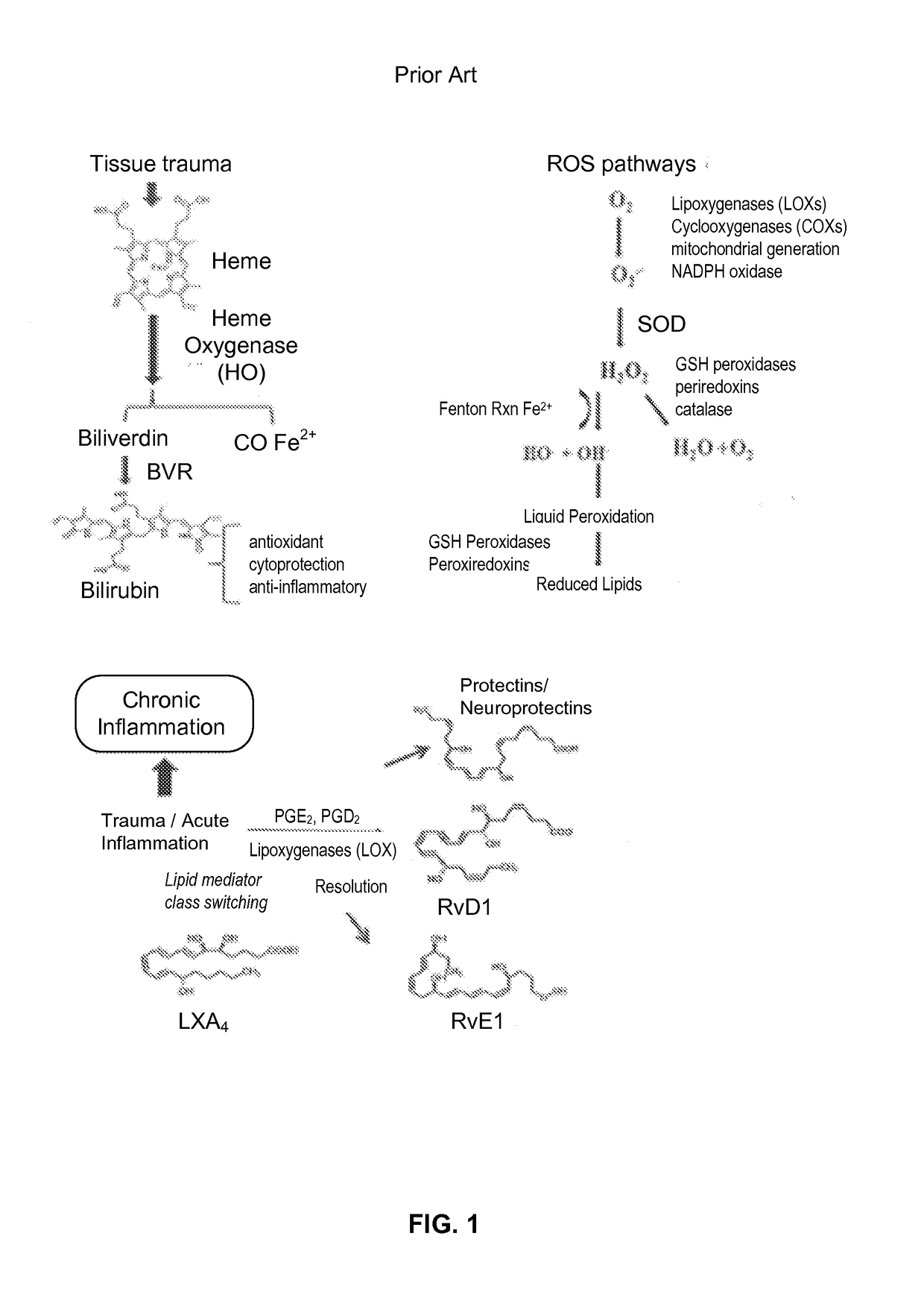
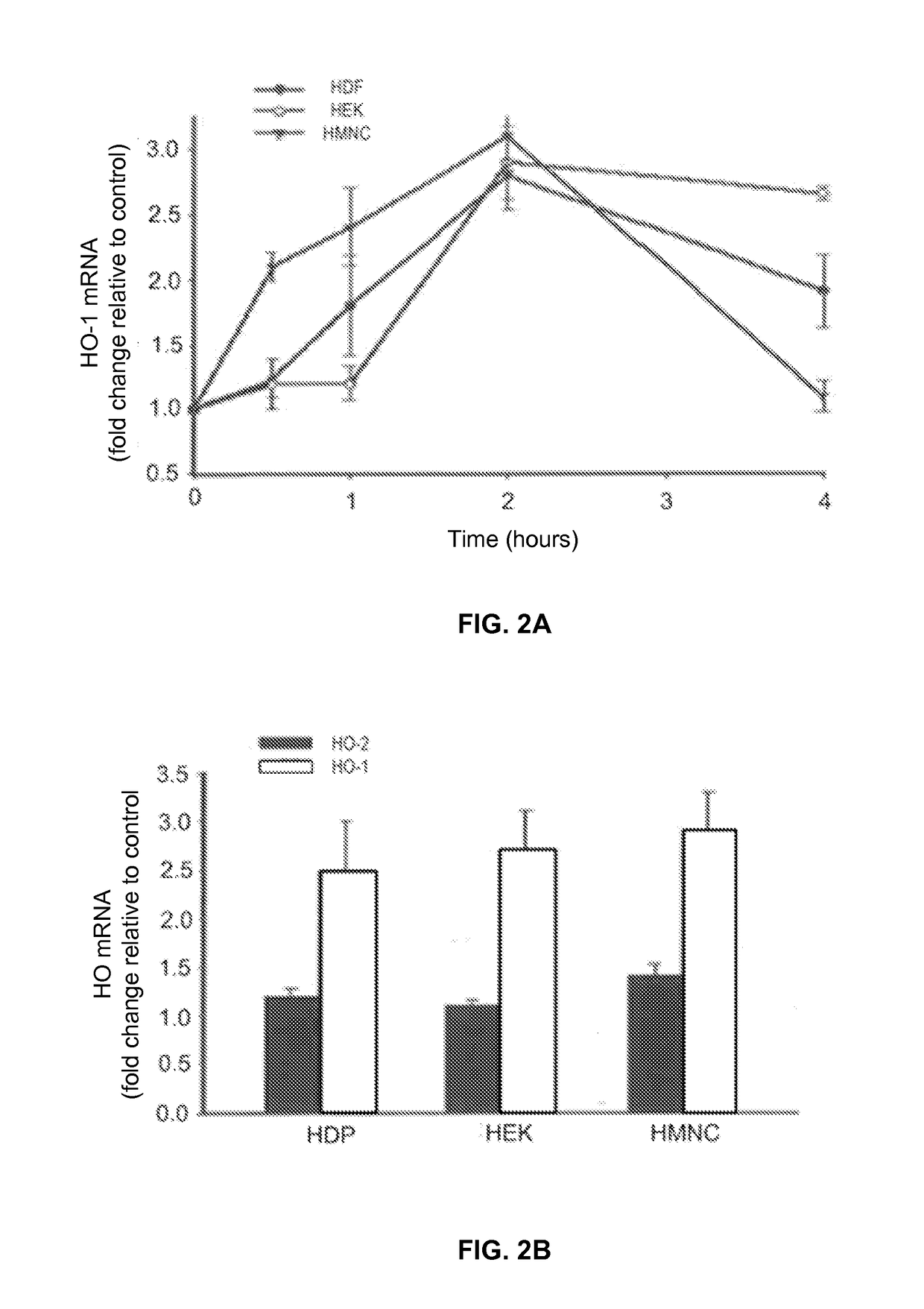
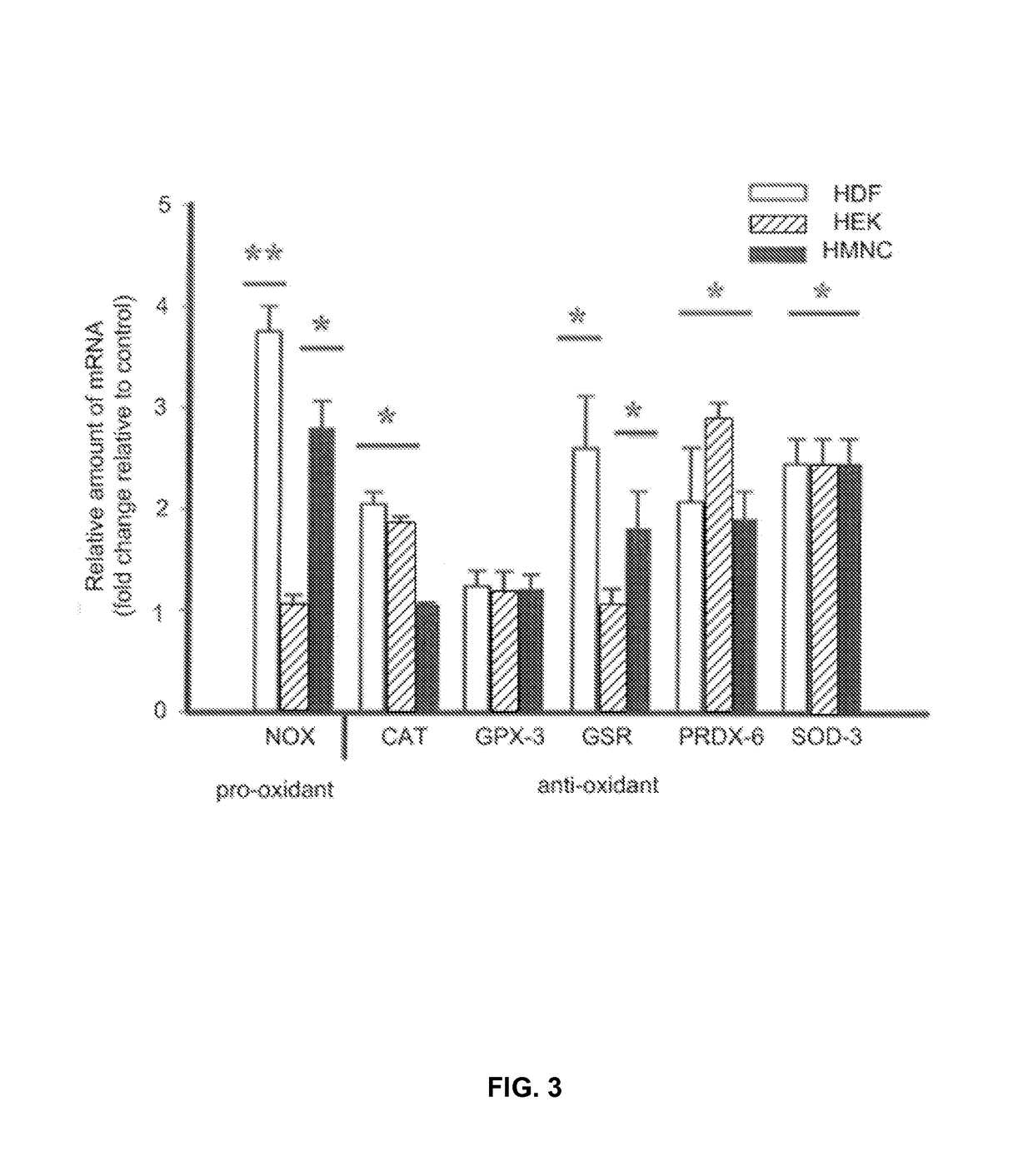
- PEMF therapy is administered to modulate gene expression associated with inflammation pathways, including heme oxygenase, antioxidant enzymes, lipid mediator biosynthesis, and cytokines, using specific parameters such as electric field strength, pulse rate, and duration to produce measurable clinical effects on pain, nerve function, and wound healing.
A pulsed electromagnetic field apparatus and method for generating frequencies
PatentWO2024127242A1
Innovation
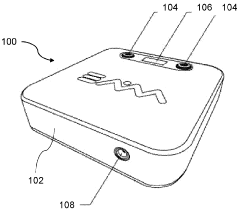
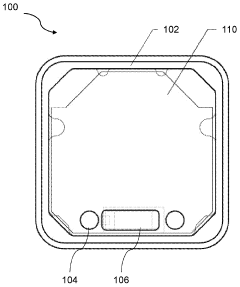
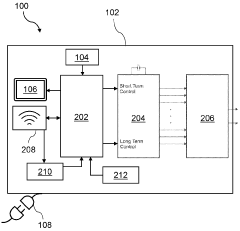
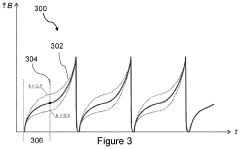
- A PEMF apparatus with a pulse generator and electromagnetic field generation means that uses modified sawtooth waveforms with pre-stress and relaxation periods, and quasi-sine signals with pulse width modulation, along with a feedback circuit for frequency stability and precision, and a bifilar antenna for scalar wave generation.
PEMF Safety Standards
The establishment of safety standards for Pulsed Electromagnetic Field (PEMF) therapy is crucial to ensure its safe and effective application in health optimization. These standards are primarily developed and enforced by regulatory bodies such as the Food and Drug Administration (FDA) in the United States and the European Medicines Agency (EMA) in Europe.
PEMF safety standards typically focus on several key aspects. Firstly, they regulate the intensity and frequency of electromagnetic fields used in PEMF devices. The maximum allowable field strength is usually set at a level that is considered safe for human exposure, based on extensive scientific research and clinical trials. This helps prevent potential adverse effects from overexposure to electromagnetic fields.
Secondly, these standards address the duration of exposure. Guidelines are provided for both single-session exposure times and cumulative daily exposure limits. These recommendations are designed to maximize therapeutic benefits while minimizing any potential risks associated with prolonged exposure to electromagnetic fields.
Another critical component of PEMF safety standards is the quality and reliability of the devices themselves. Manufacturers are required to adhere to strict quality control measures and undergo rigorous testing processes to ensure their products meet safety and performance standards. This includes evaluating the consistency of field generation, the accuracy of frequency and intensity settings, and the overall durability of the device.
PEMF safety standards also encompass electromagnetic compatibility (EMC) requirements. This ensures that PEMF devices do not interfere with other electronic medical equipment or implanted devices such as pacemakers. Specific guidelines are provided for the use of PEMF therapy in patients with implanted electronic devices or metal implants.
Furthermore, these standards outline contraindications and precautions for PEMF therapy. They provide guidance on when PEMF therapy should be avoided or used with caution, such as during pregnancy or in individuals with certain medical conditions. This helps healthcare providers make informed decisions about the appropriateness of PEMF therapy for individual patients.
Lastly, PEMF safety standards emphasize the importance of proper user education and training. They require manufacturers to provide comprehensive user manuals and guidelines for the safe operation of PEMF devices. This includes instructions on proper electrode placement, recommended treatment protocols, and potential side effects to watch for.
PEMF safety standards typically focus on several key aspects. Firstly, they regulate the intensity and frequency of electromagnetic fields used in PEMF devices. The maximum allowable field strength is usually set at a level that is considered safe for human exposure, based on extensive scientific research and clinical trials. This helps prevent potential adverse effects from overexposure to electromagnetic fields.
Secondly, these standards address the duration of exposure. Guidelines are provided for both single-session exposure times and cumulative daily exposure limits. These recommendations are designed to maximize therapeutic benefits while minimizing any potential risks associated with prolonged exposure to electromagnetic fields.
Another critical component of PEMF safety standards is the quality and reliability of the devices themselves. Manufacturers are required to adhere to strict quality control measures and undergo rigorous testing processes to ensure their products meet safety and performance standards. This includes evaluating the consistency of field generation, the accuracy of frequency and intensity settings, and the overall durability of the device.
PEMF safety standards also encompass electromagnetic compatibility (EMC) requirements. This ensures that PEMF devices do not interfere with other electronic medical equipment or implanted devices such as pacemakers. Specific guidelines are provided for the use of PEMF therapy in patients with implanted electronic devices or metal implants.
Furthermore, these standards outline contraindications and precautions for PEMF therapy. They provide guidance on when PEMF therapy should be avoided or used with caution, such as during pregnancy or in individuals with certain medical conditions. This helps healthcare providers make informed decisions about the appropriateness of PEMF therapy for individual patients.
Lastly, PEMF safety standards emphasize the importance of proper user education and training. They require manufacturers to provide comprehensive user manuals and guidelines for the safe operation of PEMF devices. This includes instructions on proper electrode placement, recommended treatment protocols, and potential side effects to watch for.
PEMF Clinical Evidence
The clinical evidence supporting Pulsed Electromagnetic Field (PEMF) therapy in health optimization has been growing steadily over the past few decades. Numerous studies have demonstrated the potential benefits of PEMF across various medical conditions and wellness applications.
In the field of orthopedics, PEMF therapy has shown promising results in bone healing and fracture repair. A systematic review published in the Journal of Orthopaedic Surgery and Research (2018) analyzed 15 randomized controlled trials, concluding that PEMF significantly accelerated bone union in acute fractures and non-unions. The study reported an average reduction in healing time of 37% compared to conventional treatments.
For pain management, PEMF has demonstrated efficacy in both acute and chronic conditions. A double-blind, placebo-controlled study published in Pain Research and Management (2016) investigated the effects of PEMF on osteoarthritis-related pain. The results showed a significant reduction in pain scores and improved functionality in the PEMF group compared to the placebo group after a 12-week treatment period.
In the realm of neurological disorders, PEMF therapy has shown potential in managing symptoms of multiple sclerosis (MS). A randomized, double-blind clinical trial published in the Multiple Sclerosis Journal (2019) reported improvements in fatigue, cognitive function, and quality of life among MS patients receiving PEMF therapy over a 12-week period.
PEMF has also been studied for its effects on cardiovascular health. A clinical trial published in the Journal of Cardiovascular Translational Research (2017) investigated the impact of PEMF on endothelial function in patients with coronary artery disease. The study reported significant improvements in flow-mediated dilation, a marker of endothelial health, after four weeks of PEMF treatment.
In the field of sports medicine, PEMF therapy has shown promise in accelerating recovery and reducing inflammation. A randomized controlled trial published in the Journal of Athletic Training (2020) examined the effects of PEMF on delayed onset muscle soreness (DOMS) in athletes. The study found that PEMF treatment significantly reduced pain and improved muscle function compared to the control group.
While these studies provide encouraging evidence for the efficacy of PEMF therapy, it is important to note that more large-scale, long-term clinical trials are needed to fully establish its therapeutic potential across various health conditions. Additionally, further research is required to optimize treatment protocols and understand the underlying mechanisms of action.
In the field of orthopedics, PEMF therapy has shown promising results in bone healing and fracture repair. A systematic review published in the Journal of Orthopaedic Surgery and Research (2018) analyzed 15 randomized controlled trials, concluding that PEMF significantly accelerated bone union in acute fractures and non-unions. The study reported an average reduction in healing time of 37% compared to conventional treatments.
For pain management, PEMF has demonstrated efficacy in both acute and chronic conditions. A double-blind, placebo-controlled study published in Pain Research and Management (2016) investigated the effects of PEMF on osteoarthritis-related pain. The results showed a significant reduction in pain scores and improved functionality in the PEMF group compared to the placebo group after a 12-week treatment period.
In the realm of neurological disorders, PEMF therapy has shown potential in managing symptoms of multiple sclerosis (MS). A randomized, double-blind clinical trial published in the Multiple Sclerosis Journal (2019) reported improvements in fatigue, cognitive function, and quality of life among MS patients receiving PEMF therapy over a 12-week period.
PEMF has also been studied for its effects on cardiovascular health. A clinical trial published in the Journal of Cardiovascular Translational Research (2017) investigated the impact of PEMF on endothelial function in patients with coronary artery disease. The study reported significant improvements in flow-mediated dilation, a marker of endothelial health, after four weeks of PEMF treatment.
In the field of sports medicine, PEMF therapy has shown promise in accelerating recovery and reducing inflammation. A randomized controlled trial published in the Journal of Athletic Training (2020) examined the effects of PEMF on delayed onset muscle soreness (DOMS) in athletes. The study found that PEMF treatment significantly reduced pain and improved muscle function compared to the control group.
While these studies provide encouraging evidence for the efficacy of PEMF therapy, it is important to note that more large-scale, long-term clinical trials are needed to fully establish its therapeutic potential across various health conditions. Additionally, further research is required to optimize treatment protocols and understand the underlying mechanisms of action.
Unlock deeper insights with Patsnap Eureka Quick Research — get a full tech report to explore trends and direct your research. Try now!
Generate Your Research Report Instantly with AI Agent
Supercharge your innovation with Patsnap Eureka AI Agent Platform!