

Exploring PEMF Therapy's Role in Immunomodulation
AUG 11, 20259 MIN READ
Generate Your Research Report Instantly with AI Agent
PatSnap Eureka helps you evaluate technical feasibility & market potential.
PEMF Therapy Background
Pulsed Electromagnetic Field (PEMF) therapy has emerged as a promising non-invasive treatment modality in recent decades. Its origins can be traced back to the mid-20th century when scientists began exploring the effects of electromagnetic fields on biological systems. The therapy involves the application of low-frequency electromagnetic fields to various parts of the body, aiming to promote healing and alleviate various health conditions.
The fundamental principle behind PEMF therapy is based on the concept that all living cells possess an electrical charge. By exposing these cells to pulsed electromagnetic fields, the therapy aims to influence cellular functions and promote natural healing processes. This approach has garnered significant attention in both medical and scientific communities due to its potential to address a wide range of health issues without the need for invasive procedures or pharmaceutical interventions.
Over the years, PEMF therapy has been investigated for its potential benefits in various medical applications, including pain management, bone healing, wound repair, and more recently, immunomodulation. The therapy's ability to penetrate deep into tissues and interact with cells at a molecular level has made it an intriguing subject for researchers exploring novel approaches to enhancing immune system function.
The evolution of PEMF technology has been marked by continuous improvements in device design, field strength control, and treatment protocols. Early PEMF devices were often large and cumbersome, limiting their practical applications. However, advancements in electronics and materials science have led to the development of more compact, portable, and user-friendly PEMF devices, making the therapy more accessible for both clinical and home use.
As research in the field has progressed, scientists have begun to unravel the complex mechanisms through which PEMF therapy interacts with biological systems. Studies have shown that PEMF can influence various cellular processes, including ion transport, cell membrane permeability, and gene expression. These findings have opened up new avenues for exploring PEMF's potential in modulating immune responses and addressing immune-related disorders.
The growing interest in PEMF therapy's role in immunomodulation stems from the increasing recognition of the immune system's complexity and its involvement in various health conditions. As traditional approaches to immune system modulation often come with significant side effects or limited efficacy, PEMF therapy offers a potentially safer and more targeted alternative. This has led to a surge in research efforts aimed at understanding how PEMF can be harnessed to enhance immune function, reduce inflammation, and potentially treat autoimmune disorders.
The fundamental principle behind PEMF therapy is based on the concept that all living cells possess an electrical charge. By exposing these cells to pulsed electromagnetic fields, the therapy aims to influence cellular functions and promote natural healing processes. This approach has garnered significant attention in both medical and scientific communities due to its potential to address a wide range of health issues without the need for invasive procedures or pharmaceutical interventions.
Over the years, PEMF therapy has been investigated for its potential benefits in various medical applications, including pain management, bone healing, wound repair, and more recently, immunomodulation. The therapy's ability to penetrate deep into tissues and interact with cells at a molecular level has made it an intriguing subject for researchers exploring novel approaches to enhancing immune system function.
The evolution of PEMF technology has been marked by continuous improvements in device design, field strength control, and treatment protocols. Early PEMF devices were often large and cumbersome, limiting their practical applications. However, advancements in electronics and materials science have led to the development of more compact, portable, and user-friendly PEMF devices, making the therapy more accessible for both clinical and home use.
As research in the field has progressed, scientists have begun to unravel the complex mechanisms through which PEMF therapy interacts with biological systems. Studies have shown that PEMF can influence various cellular processes, including ion transport, cell membrane permeability, and gene expression. These findings have opened up new avenues for exploring PEMF's potential in modulating immune responses and addressing immune-related disorders.
The growing interest in PEMF therapy's role in immunomodulation stems from the increasing recognition of the immune system's complexity and its involvement in various health conditions. As traditional approaches to immune system modulation often come with significant side effects or limited efficacy, PEMF therapy offers a potentially safer and more targeted alternative. This has led to a surge in research efforts aimed at understanding how PEMF can be harnessed to enhance immune function, reduce inflammation, and potentially treat autoimmune disorders.
Market Analysis
The market for PEMF (Pulsed Electromagnetic Field) therapy in immunomodulation is experiencing significant growth, driven by increasing awareness of its potential benefits and a growing demand for non-invasive treatment options. The global PEMF therapy market was valued at approximately $500 million in 2020 and is projected to reach over $1 billion by 2027, with a compound annual growth rate (CAGR) of around 12%.
The rising prevalence of chronic diseases and autoimmune disorders has been a key factor in driving market demand. As more patients seek alternative therapies to manage their conditions, PEMF therapy has gained traction due to its potential to modulate immune responses without the side effects associated with traditional pharmacological interventions.
The healthcare sector represents the largest market segment for PEMF therapy, with hospitals, clinics, and rehabilitation centers being the primary end-users. However, there is a growing trend towards home-use devices, which is expected to create new opportunities in the consumer market.
Geographically, North America currently dominates the PEMF therapy market, accounting for approximately 40% of the global market share. This is attributed to the region's advanced healthcare infrastructure, high healthcare expenditure, and early adoption of innovative medical technologies. Europe follows closely, with a market share of around 30%, driven by increasing research activities and supportive regulatory frameworks.
The Asia-Pacific region is anticipated to witness the fastest growth in the coming years, with a CAGR exceeding 15%. This growth is fueled by rising healthcare awareness, improving healthcare infrastructure, and increasing disposable incomes in countries like China and India.
Key market players in the PEMF therapy sector include OMI, Bemer Group, and EarthPulse. These companies are investing heavily in research and development to enhance the efficacy of PEMF devices for immunomodulation and expand their application areas.
Despite the positive market outlook, challenges remain. The lack of standardized protocols for PEMF therapy in immunomodulation and the need for more extensive clinical evidence to support its efficacy are potential barriers to market growth. Additionally, the high cost of advanced PEMF devices may limit adoption in emerging markets.
Looking ahead, the integration of PEMF therapy with other treatment modalities, such as regenerative medicine and personalized healthcare, is expected to create new market opportunities. The development of portable and user-friendly PEMF devices for home use is also likely to drive market expansion in the consumer segment.
The rising prevalence of chronic diseases and autoimmune disorders has been a key factor in driving market demand. As more patients seek alternative therapies to manage their conditions, PEMF therapy has gained traction due to its potential to modulate immune responses without the side effects associated with traditional pharmacological interventions.
The healthcare sector represents the largest market segment for PEMF therapy, with hospitals, clinics, and rehabilitation centers being the primary end-users. However, there is a growing trend towards home-use devices, which is expected to create new opportunities in the consumer market.
Geographically, North America currently dominates the PEMF therapy market, accounting for approximately 40% of the global market share. This is attributed to the region's advanced healthcare infrastructure, high healthcare expenditure, and early adoption of innovative medical technologies. Europe follows closely, with a market share of around 30%, driven by increasing research activities and supportive regulatory frameworks.
The Asia-Pacific region is anticipated to witness the fastest growth in the coming years, with a CAGR exceeding 15%. This growth is fueled by rising healthcare awareness, improving healthcare infrastructure, and increasing disposable incomes in countries like China and India.
Key market players in the PEMF therapy sector include OMI, Bemer Group, and EarthPulse. These companies are investing heavily in research and development to enhance the efficacy of PEMF devices for immunomodulation and expand their application areas.
Despite the positive market outlook, challenges remain. The lack of standardized protocols for PEMF therapy in immunomodulation and the need for more extensive clinical evidence to support its efficacy are potential barriers to market growth. Additionally, the high cost of advanced PEMF devices may limit adoption in emerging markets.
Looking ahead, the integration of PEMF therapy with other treatment modalities, such as regenerative medicine and personalized healthcare, is expected to create new market opportunities. The development of portable and user-friendly PEMF devices for home use is also likely to drive market expansion in the consumer segment.
Current Challenges
Despite the growing interest in Pulsed Electromagnetic Field (PEMF) therapy for immunomodulation, several significant challenges persist in fully understanding and harnessing its potential. One of the primary obstacles is the lack of standardization in PEMF parameters across studies. The wide variability in frequency, intensity, waveform, and duration of exposure makes it difficult to compare results and draw definitive conclusions about the therapy's efficacy.
Another challenge lies in the complex nature of the immune system itself. The intricate interplay between various immune cells, cytokines, and signaling pathways makes it challenging to isolate and quantify the specific effects of PEMF on individual components of the immune system. This complexity also contributes to the difficulty in establishing clear dose-response relationships and optimal treatment protocols.
The mechanism of action by which PEMF influences immune function remains incompletely understood. While several theories have been proposed, including effects on ion channels, cell membrane potential, and intracellular signaling pathways, the exact molecular mechanisms underlying PEMF's immunomodulatory effects require further elucidation. This gap in knowledge hinders the development of targeted and optimized PEMF therapies for specific immune-related conditions.
Additionally, there is a notable lack of large-scale, well-designed clinical trials investigating the long-term effects and safety of PEMF therapy on the immune system. Most studies to date have been small-scale or preclinical, limiting the generalizability and clinical applicability of their findings. The absence of robust clinical evidence makes it challenging to establish PEMF therapy as a mainstream treatment option for immune-related disorders.
Furthermore, the potential for PEMF therapy to interact with other treatments or medications commonly used in managing immune-related conditions remains largely unexplored. This gap in knowledge raises concerns about potential synergistic or antagonistic effects when PEMF is combined with conventional immunomodulatory therapies.
Lastly, the development of reliable and cost-effective PEMF devices for clinical and home use presents a technological challenge. Current devices vary widely in their specifications and quality, making it difficult to ensure consistent and reproducible results across different settings. The need for user-friendly, standardized, and affordable PEMF devices that can deliver precise and controllable electromagnetic fields is crucial for advancing research and clinical applications in this field.
Another challenge lies in the complex nature of the immune system itself. The intricate interplay between various immune cells, cytokines, and signaling pathways makes it challenging to isolate and quantify the specific effects of PEMF on individual components of the immune system. This complexity also contributes to the difficulty in establishing clear dose-response relationships and optimal treatment protocols.
The mechanism of action by which PEMF influences immune function remains incompletely understood. While several theories have been proposed, including effects on ion channels, cell membrane potential, and intracellular signaling pathways, the exact molecular mechanisms underlying PEMF's immunomodulatory effects require further elucidation. This gap in knowledge hinders the development of targeted and optimized PEMF therapies for specific immune-related conditions.
Additionally, there is a notable lack of large-scale, well-designed clinical trials investigating the long-term effects and safety of PEMF therapy on the immune system. Most studies to date have been small-scale or preclinical, limiting the generalizability and clinical applicability of their findings. The absence of robust clinical evidence makes it challenging to establish PEMF therapy as a mainstream treatment option for immune-related disorders.
Furthermore, the potential for PEMF therapy to interact with other treatments or medications commonly used in managing immune-related conditions remains largely unexplored. This gap in knowledge raises concerns about potential synergistic or antagonistic effects when PEMF is combined with conventional immunomodulatory therapies.
Lastly, the development of reliable and cost-effective PEMF devices for clinical and home use presents a technological challenge. Current devices vary widely in their specifications and quality, making it difficult to ensure consistent and reproducible results across different settings. The need for user-friendly, standardized, and affordable PEMF devices that can deliver precise and controllable electromagnetic fields is crucial for advancing research and clinical applications in this field.
PEMF Solutions
01 PEMF therapy for immune system modulation
Pulsed electromagnetic field (PEMF) therapy can be used to modulate the immune system. This approach involves applying specific electromagnetic fields to the body, which can influence various immune responses, potentially enhancing the body's natural defense mechanisms or regulating overactive immune responses.- PEMF therapy for immune system modulation: Pulsed electromagnetic field (PEMF) therapy can be used to modulate the immune system. This approach involves applying specific electromagnetic frequencies to stimulate or regulate immune responses, potentially helping to treat various immune-related conditions or enhance overall immune function.
- PEMF devices for targeted immune cell activation: Specialized PEMF devices can be designed to target and activate specific immune cells. These devices may use precise electromagnetic frequencies to stimulate T-cells, B-cells, or other immune components, potentially enhancing the body's ability to fight infections or modulate autoimmune responses.
- Combination of PEMF therapy with other immunomodulatory treatments: PEMF therapy can be combined with other immunomodulatory treatments to enhance overall effectiveness. This may include using PEMF in conjunction with pharmaceuticals, nutraceuticals, or other therapeutic approaches to achieve synergistic effects on immune function.
- PEMF-based wearable devices for continuous immune support: Wearable PEMF devices can be developed to provide continuous immune support. These devices may be designed for long-term use, emitting specific electromagnetic frequencies to maintain optimal immune function throughout daily activities.
- PEMF protocols for specific immune-related conditions: Tailored PEMF protocols can be developed for specific immune-related conditions. These protocols may involve precise combinations of frequency, intensity, and duration of electromagnetic field exposure to address particular immune dysfunctions or diseases.
02 PEMF devices for targeted immune response
Specialized PEMF devices can be designed to target specific areas of the body or particular immune responses. These devices may use different frequencies, intensities, or waveforms to achieve desired immunomodulatory effects, allowing for more precise and tailored treatments.Expand Specific Solutions03 Combination of PEMF with other therapies for enhanced immunomodulation
PEMF therapy can be combined with other treatment modalities, such as pharmaceuticals or natural compounds, to enhance its immunomodulatory effects. This synergistic approach may lead to more effective outcomes in managing immune-related conditions or improving overall immune function.Expand Specific Solutions04 PEMF for treating specific immune-related disorders
PEMF therapy can be applied to treat specific immune-related disorders, such as autoimmune diseases, inflammatory conditions, or immunodeficiencies. The therapy may help regulate immune responses, reduce inflammation, or stimulate the production of specific immune cells or factors.Expand Specific Solutions05 Wearable PEMF devices for continuous immunomodulation
Wearable or portable PEMF devices can be developed to provide continuous or intermittent immunomodulation. These devices allow for more convenient and long-term application of PEMF therapy, potentially leading to sustained effects on the immune system and improved patient compliance.Expand Specific Solutions
Key Industry Players
The field of PEMF therapy in immunomodulation is in an early developmental stage, with growing interest but limited market penetration. The global market for PEMF devices is projected to expand significantly in the coming years, driven by increasing research into its therapeutic potential. While the technology is not yet fully mature, companies like Venus Concept Ltd. and SofPulse, Inc. are at the forefront of commercializing PEMF devices. Academic institutions such as the National University of Singapore and Northwestern University are contributing to the scientific understanding of PEMF's immunomodulatory effects. The competitive landscape is diverse, with both established medical device manufacturers and innovative startups vying for market share in this emerging field.
SofPulse, Inc.
Technical Solution: SofPulse has developed a portable PEMF therapy device specifically designed for immunomodulation in inflammatory conditions. Their technology utilizes low-frequency, low-intensity electromagnetic fields to stimulate the body's natural anti-inflammatory responses[1]. The SofPulse device is designed to be user-friendly and can be used at home, making it accessible for long-term treatment regimens. Clinical studies have shown that the SofPulse PEMF therapy can reduce pro-inflammatory cytokine levels and increase anti-inflammatory mediators in various conditions, including post-surgical recovery and chronic inflammatory disorders[2]. The company's approach focuses on non-invasive, drug-free treatment options that can complement or potentially replace traditional immunosuppressive therapies[3].
Strengths: Portable and user-friendly design, potential for home use, non-pharmacological approach. Weaknesses: May have limited efficacy in severe immune disorders, potential for inconsistent results due to user variability, need for long-term compliance for optimal effects.
National University of Singapore
Technical Solution: The National University of Singapore (NUS) has been at the forefront of PEMF therapy research for immunomodulation, particularly in the context of cancer immunotherapy. Their team has developed a novel PEMF system that can enhance the efficacy of immune checkpoint inhibitors by modulating the tumor microenvironment[1]. Studies conducted at NUS have shown that specific PEMF parameters can increase T-cell infiltration into tumors and reduce immunosuppressive cell populations[2]. The university's research also extends to the use of PEMF therapy in treating autoimmune disorders, with promising results in animal models of multiple sclerosis and rheumatoid arthritis[3]. NUS researchers have pioneered the use of computational modeling to predict optimal PEMF parameters for different immune-related conditions, potentially accelerating the development of personalized treatment protocols.
Strengths: Cutting-edge research in cancer immunotherapy, integration of computational modeling, potential for broad applications in immune-related disorders. Weaknesses: Early-stage research may require extensive clinical validation, potential challenges in translating complex protocols to clinical practice, need for specialized expertise to implement.
Immunomodulation Mechanisms
A pulsed electromagnetic field apparatus and method for generating frequencies
PatentWO2024127242A1
Innovation
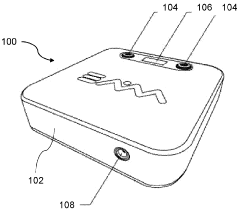
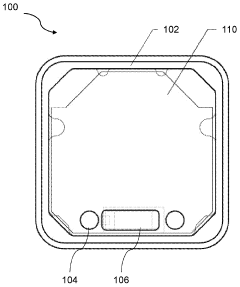
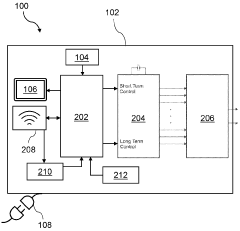
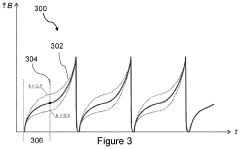
- A PEMF apparatus with a pulse generator and electromagnetic field generation means that uses modified sawtooth waveforms with pre-stress and relaxation periods, and quasi-sine signals with pulse width modulation, along with a feedback circuit for frequency stability and precision, and a bifilar antenna for scalar wave generation.
Pulsed electromagnetic field (PEMF) therapy whole body wellness device to increase cells energy, strengthen immune system and promote cell regeneration
PatentInactiveIN201814011740A
Innovation
- A self-contained portable PEMF device, PEMF-DS100, generates pulsed electromagnetic fields that penetrate the body through the hands and feet, utilizing Multiple-Wave Oscillation technology to synchronize cellular vibrations, enhance energy potential, and promote self-healing, while being designed to avoid adaptation and maintain effectiveness over time.
Regulatory Framework
The regulatory framework surrounding Pulsed Electromagnetic Field (PEMF) therapy and its application in immunomodulation is complex and varies significantly across different regions. In the United States, the Food and Drug Administration (FDA) plays a crucial role in overseeing PEMF devices. Currently, several PEMF devices have received FDA clearance for specific medical applications, such as bone healing and pain management. However, the use of PEMF for immunomodulation is still considered investigational and requires further clinical evidence for regulatory approval.
In the European Union, PEMF devices fall under the Medical Device Regulation (MDR). Manufacturers must demonstrate compliance with safety and performance requirements, including clinical evaluation and risk management. The CE marking process ensures that PEMF devices meet these standards before they can be marketed within the EU. However, specific regulations regarding PEMF for immunomodulation may vary among member states.
Japan's Pharmaceuticals and Medical Devices Agency (PMDA) regulates medical devices, including PEMF therapy equipment. The approval process involves rigorous safety and efficacy evaluations, with a focus on clinical data. As with other regions, the use of PEMF for immunomodulation would likely require substantial clinical evidence to gain regulatory approval.
In China, the National Medical Products Administration (NMPA) oversees medical device regulations. PEMF devices would need to undergo clinical trials and obtain NMPA approval before entering the market. The regulatory pathway for novel applications like immunomodulation may require additional scrutiny and evidence.
Globally, the International Electrotechnical Commission (IEC) provides standards for electromagnetic compatibility and safety of medical electrical equipment, which are relevant to PEMF devices. Compliance with these standards is often a prerequisite for regulatory approval in many countries.
As research into PEMF's role in immunomodulation progresses, regulatory bodies may need to adapt their frameworks to accommodate this emerging application. This could involve developing new guidelines for clinical trials, establishing specific safety parameters, and defining efficacy criteria for immunomodulatory effects. Manufacturers and researchers must work closely with regulatory agencies to navigate these evolving requirements and ensure compliance throughout the development process.
The regulatory landscape for PEMF therapy in immunomodulation is likely to evolve as more scientific evidence emerges. Harmonization efforts between different regulatory bodies could facilitate the global adoption of PEMF technology for this application, potentially streamlining the approval process across multiple markets. However, the path to regulatory acceptance will require robust clinical data demonstrating both safety and efficacy in modulating immune responses.
In the European Union, PEMF devices fall under the Medical Device Regulation (MDR). Manufacturers must demonstrate compliance with safety and performance requirements, including clinical evaluation and risk management. The CE marking process ensures that PEMF devices meet these standards before they can be marketed within the EU. However, specific regulations regarding PEMF for immunomodulation may vary among member states.
Japan's Pharmaceuticals and Medical Devices Agency (PMDA) regulates medical devices, including PEMF therapy equipment. The approval process involves rigorous safety and efficacy evaluations, with a focus on clinical data. As with other regions, the use of PEMF for immunomodulation would likely require substantial clinical evidence to gain regulatory approval.
In China, the National Medical Products Administration (NMPA) oversees medical device regulations. PEMF devices would need to undergo clinical trials and obtain NMPA approval before entering the market. The regulatory pathway for novel applications like immunomodulation may require additional scrutiny and evidence.
Globally, the International Electrotechnical Commission (IEC) provides standards for electromagnetic compatibility and safety of medical electrical equipment, which are relevant to PEMF devices. Compliance with these standards is often a prerequisite for regulatory approval in many countries.
As research into PEMF's role in immunomodulation progresses, regulatory bodies may need to adapt their frameworks to accommodate this emerging application. This could involve developing new guidelines for clinical trials, establishing specific safety parameters, and defining efficacy criteria for immunomodulatory effects. Manufacturers and researchers must work closely with regulatory agencies to navigate these evolving requirements and ensure compliance throughout the development process.
The regulatory landscape for PEMF therapy in immunomodulation is likely to evolve as more scientific evidence emerges. Harmonization efforts between different regulatory bodies could facilitate the global adoption of PEMF technology for this application, potentially streamlining the approval process across multiple markets. However, the path to regulatory acceptance will require robust clinical data demonstrating both safety and efficacy in modulating immune responses.
Safety Considerations
Safety considerations are paramount when exploring the use of Pulsed Electromagnetic Field (PEMF) therapy for immunomodulation. While PEMF therapy has shown promising results in various medical applications, including potential benefits for the immune system, it is crucial to address potential risks and establish appropriate safety protocols.
One of the primary safety concerns is the potential for electromagnetic interference with other medical devices. Patients with implanted electronic devices, such as pacemakers or defibrillators, may be at risk of device malfunction due to the electromagnetic fields generated by PEMF therapy. Therefore, thorough screening of patients' medical histories and existing implants is essential before initiating treatment.
The intensity and frequency of the electromagnetic fields used in PEMF therapy must be carefully controlled to ensure they remain within safe limits. Excessive exposure to electromagnetic fields could potentially lead to adverse effects on cellular function or tissue damage. Establishing standardized protocols for PEMF therapy, including guidelines for field strength, duration, and frequency of treatments, is crucial to minimize these risks.
Long-term effects of PEMF therapy on the immune system and overall health require further investigation. While short-term studies have shown promising results, the potential consequences of prolonged or repeated exposure to PEMF therapy are not yet fully understood. Conducting comprehensive longitudinal studies to assess the long-term safety profile of PEMF therapy for immunomodulation is essential.
Contraindications for PEMF therapy must be clearly defined and communicated to healthcare providers and patients. Certain conditions, such as pregnancy, active bleeding, or specific types of cancer, may preclude the use of PEMF therapy. Developing a comprehensive list of contraindications and potential risk factors will help ensure patient safety and appropriate treatment selection.
Regulatory oversight and standardization of PEMF devices and treatment protocols are necessary to ensure consistent safety standards across different manufacturers and healthcare providers. Establishing guidelines for device certification, maintenance, and operator training will help minimize the risk of equipment-related accidents or misuse.
Patient education and informed consent are critical components of PEMF therapy safety. Patients should be fully informed about the potential benefits, risks, and limitations of PEMF therapy for immunomodulation. Clear communication of expected outcomes, potential side effects, and alternative treatment options will enable patients to make informed decisions about their care.
Monitoring and reporting systems for adverse events related to PEMF therapy should be implemented to facilitate ongoing safety assessments and rapid response to any emerging concerns. This proactive approach will help identify and address potential safety issues promptly, ensuring the continued safe use of PEMF therapy in clinical practice.
One of the primary safety concerns is the potential for electromagnetic interference with other medical devices. Patients with implanted electronic devices, such as pacemakers or defibrillators, may be at risk of device malfunction due to the electromagnetic fields generated by PEMF therapy. Therefore, thorough screening of patients' medical histories and existing implants is essential before initiating treatment.
The intensity and frequency of the electromagnetic fields used in PEMF therapy must be carefully controlled to ensure they remain within safe limits. Excessive exposure to electromagnetic fields could potentially lead to adverse effects on cellular function or tissue damage. Establishing standardized protocols for PEMF therapy, including guidelines for field strength, duration, and frequency of treatments, is crucial to minimize these risks.
Long-term effects of PEMF therapy on the immune system and overall health require further investigation. While short-term studies have shown promising results, the potential consequences of prolonged or repeated exposure to PEMF therapy are not yet fully understood. Conducting comprehensive longitudinal studies to assess the long-term safety profile of PEMF therapy for immunomodulation is essential.
Contraindications for PEMF therapy must be clearly defined and communicated to healthcare providers and patients. Certain conditions, such as pregnancy, active bleeding, or specific types of cancer, may preclude the use of PEMF therapy. Developing a comprehensive list of contraindications and potential risk factors will help ensure patient safety and appropriate treatment selection.
Regulatory oversight and standardization of PEMF devices and treatment protocols are necessary to ensure consistent safety standards across different manufacturers and healthcare providers. Establishing guidelines for device certification, maintenance, and operator training will help minimize the risk of equipment-related accidents or misuse.
Patient education and informed consent are critical components of PEMF therapy safety. Patients should be fully informed about the potential benefits, risks, and limitations of PEMF therapy for immunomodulation. Clear communication of expected outcomes, potential side effects, and alternative treatment options will enable patients to make informed decisions about their care.
Monitoring and reporting systems for adverse events related to PEMF therapy should be implemented to facilitate ongoing safety assessments and rapid response to any emerging concerns. This proactive approach will help identify and address potential safety issues promptly, ensuring the continued safe use of PEMF therapy in clinical practice.
Unlock deeper insights with PatSnap Eureka Quick Research — get a full tech report to explore trends and direct your research. Try now!
Generate Your Research Report Instantly with AI Agent
Supercharge your innovation with PatSnap Eureka AI Agent Platform!