

How Battery Acid Affects Electrolyte Solution Density
AUG 4, 20259 MIN READ
Generate Your Research Report Instantly with AI Agent
PatSnap Eureka helps you evaluate technical feasibility & market potential.
Battery Acid Background
Battery acid, also known as electrolyte solution, plays a crucial role in the functioning of lead-acid batteries. This technology has a rich history dating back to the mid-19th century when French physicist Gaston Planté invented the first rechargeable lead-acid battery. Since then, the understanding of battery acid and its properties has evolved significantly, leading to improvements in battery performance and efficiency.
The primary component of battery acid is sulfuric acid (H2SO4), typically diluted with water to achieve the desired concentration. The concentration of sulfuric acid in battery electrolyte solutions can vary depending on the specific application and battery type, but it generally ranges from 30% to 40% by weight. This concentration is critical as it directly affects the battery's performance, lifespan, and safety.
Over the years, researchers and engineers have made significant strides in optimizing the composition and properties of battery acid. One of the key areas of focus has been understanding how the acid concentration affects the electrolyte solution density. This relationship is fundamental to battery operation, as the density of the electrolyte solution is a key indicator of the battery's state of charge and overall health.
The density of the electrolyte solution is directly proportional to its acid concentration. As a battery discharges, the sulfuric acid in the electrolyte reacts with the lead plates, forming lead sulfate and water. This process reduces the acid concentration, consequently decreasing the electrolyte density. Conversely, during charging, the process is reversed, increasing the acid concentration and density.
Understanding this dynamic relationship between acid concentration and electrolyte density has led to the development of various measurement techniques and tools. Hydrometers, for instance, are commonly used to measure the specific gravity of the electrolyte, providing valuable information about the battery's state of charge and overall condition.
The impact of battery acid on electrolyte solution density extends beyond just indicating the battery's charge state. It also affects other critical aspects of battery performance, such as internal resistance, voltage output, and capacity. As the acid concentration changes, so does the electrolyte's ability to conduct electricity, influencing the battery's overall efficiency and power delivery.
In recent years, advancements in battery technology have led to the exploration of alternative electrolyte compositions and additives. These innovations aim to enhance battery performance, extend lifespan, and improve safety. However, the fundamental principles governing the relationship between battery acid and electrolyte solution density remain crucial in these new developments.
The primary component of battery acid is sulfuric acid (H2SO4), typically diluted with water to achieve the desired concentration. The concentration of sulfuric acid in battery electrolyte solutions can vary depending on the specific application and battery type, but it generally ranges from 30% to 40% by weight. This concentration is critical as it directly affects the battery's performance, lifespan, and safety.
Over the years, researchers and engineers have made significant strides in optimizing the composition and properties of battery acid. One of the key areas of focus has been understanding how the acid concentration affects the electrolyte solution density. This relationship is fundamental to battery operation, as the density of the electrolyte solution is a key indicator of the battery's state of charge and overall health.
The density of the electrolyte solution is directly proportional to its acid concentration. As a battery discharges, the sulfuric acid in the electrolyte reacts with the lead plates, forming lead sulfate and water. This process reduces the acid concentration, consequently decreasing the electrolyte density. Conversely, during charging, the process is reversed, increasing the acid concentration and density.
Understanding this dynamic relationship between acid concentration and electrolyte density has led to the development of various measurement techniques and tools. Hydrometers, for instance, are commonly used to measure the specific gravity of the electrolyte, providing valuable information about the battery's state of charge and overall condition.
The impact of battery acid on electrolyte solution density extends beyond just indicating the battery's charge state. It also affects other critical aspects of battery performance, such as internal resistance, voltage output, and capacity. As the acid concentration changes, so does the electrolyte's ability to conduct electricity, influencing the battery's overall efficiency and power delivery.
In recent years, advancements in battery technology have led to the exploration of alternative electrolyte compositions and additives. These innovations aim to enhance battery performance, extend lifespan, and improve safety. However, the fundamental principles governing the relationship between battery acid and electrolyte solution density remain crucial in these new developments.
Electrolyte Market Analysis
The electrolyte market has experienced significant growth in recent years, driven by the increasing demand for batteries across various industries. The global electrolyte market size was valued at approximately $4.5 billion in 2020 and is projected to reach $7.2 billion by 2025, growing at a CAGR of 9.8% during the forecast period. This growth is primarily attributed to the rising adoption of electric vehicles, portable electronic devices, and renewable energy storage systems.
The automotive sector represents the largest end-use segment for electrolytes, accounting for over 40% of the market share. The rapid expansion of the electric vehicle (EV) industry, fueled by government initiatives and environmental concerns, has been a major driver for electrolyte demand. As battery technology continues to evolve, the need for advanced electrolyte solutions that can enhance battery performance and safety has become increasingly critical.
In the consumer electronics sector, the proliferation of smartphones, laptops, and wearable devices has contributed to a steady demand for electrolytes. This segment is expected to maintain steady growth, with a CAGR of around 7% over the next five years. The trend towards miniaturization and longer battery life in electronic devices is driving innovation in electrolyte formulations.
Geographically, Asia Pacific dominates the electrolyte market, accounting for over 50% of the global market share. This is largely due to the presence of major battery manufacturers and the rapid growth of the EV industry in countries like China, Japan, and South Korea. North America and Europe follow, with increasing investments in renewable energy storage solutions boosting the demand for electrolytes in these regions.
The market is characterized by intense competition among key players such as Mitsubishi Chemical Corporation, UBE Industries, Soulbrain, Guangzhou Tinci Materials Technology, and Shenzhen Capchem Technology. These companies are focusing on research and development to improve electrolyte performance, particularly in terms of energy density, safety, and cycle life.
Emerging trends in the electrolyte market include the development of solid-state electrolytes, which offer improved safety and energy density compared to liquid electrolytes. Additionally, there is a growing focus on sustainable and eco-friendly electrolyte solutions to align with global environmental goals. These trends are expected to shape the future of the electrolyte market, driving innovation and creating new opportunities for market players.
The automotive sector represents the largest end-use segment for electrolytes, accounting for over 40% of the market share. The rapid expansion of the electric vehicle (EV) industry, fueled by government initiatives and environmental concerns, has been a major driver for electrolyte demand. As battery technology continues to evolve, the need for advanced electrolyte solutions that can enhance battery performance and safety has become increasingly critical.
In the consumer electronics sector, the proliferation of smartphones, laptops, and wearable devices has contributed to a steady demand for electrolytes. This segment is expected to maintain steady growth, with a CAGR of around 7% over the next five years. The trend towards miniaturization and longer battery life in electronic devices is driving innovation in electrolyte formulations.
Geographically, Asia Pacific dominates the electrolyte market, accounting for over 50% of the global market share. This is largely due to the presence of major battery manufacturers and the rapid growth of the EV industry in countries like China, Japan, and South Korea. North America and Europe follow, with increasing investments in renewable energy storage solutions boosting the demand for electrolytes in these regions.
The market is characterized by intense competition among key players such as Mitsubishi Chemical Corporation, UBE Industries, Soulbrain, Guangzhou Tinci Materials Technology, and Shenzhen Capchem Technology. These companies are focusing on research and development to improve electrolyte performance, particularly in terms of energy density, safety, and cycle life.
Emerging trends in the electrolyte market include the development of solid-state electrolytes, which offer improved safety and energy density compared to liquid electrolytes. Additionally, there is a growing focus on sustainable and eco-friendly electrolyte solutions to align with global environmental goals. These trends are expected to shape the future of the electrolyte market, driving innovation and creating new opportunities for market players.
Acid-Electrolyte Challenges
The challenges associated with acid-electrolyte interactions in battery systems are multifaceted and significantly impact battery performance, longevity, and safety. One of the primary concerns is the corrosive nature of battery acid, typically sulfuric acid in lead-acid batteries, which can degrade battery components over time. This corrosion not only affects the electrodes but also the separators and other internal structures, leading to reduced efficiency and potential failure.
Another critical challenge is maintaining the optimal electrolyte density throughout the battery's lifecycle. As batteries charge and discharge, the concentration of acid in the electrolyte solution fluctuates, affecting the solution's density. This variation in density can lead to stratification, where denser electrolyte settles at the bottom of the battery, resulting in uneven chemical reactions and reduced overall performance. Achieving and maintaining a uniform electrolyte density is crucial for consistent battery operation.
The interaction between acid and electrolyte also presents challenges in terms of gas evolution. During charging, especially in lead-acid batteries, hydrogen and oxygen gases are produced through electrolysis. This gas generation can lead to pressure build-up within the battery, potentially causing physical damage or, in extreme cases, explosion if not properly vented. Moreover, the loss of water through this process can concentrate the acid, further altering the electrolyte density and potentially damaging battery components.
Temperature fluctuations pose another significant challenge in acid-electrolyte systems. Extreme temperatures can affect the viscosity and conductivity of the electrolyte solution, impacting the battery's performance and charging efficiency. Cold temperatures can increase internal resistance, while high temperatures can accelerate chemical reactions, potentially leading to thermal runaway in severe cases.
The formation of sulfate crystals on battery plates, known as sulfation, is a common issue in lead-acid batteries. This process occurs when the battery is left in a discharged state or undergoes repeated shallow discharges. Sulfation reduces the battery's capacity and can be difficult to reverse, presenting a significant challenge in maintaining long-term battery health.
Addressing these acid-electrolyte challenges requires innovative approaches in battery design and management. Advanced electrolyte formulations, improved separator materials, and sophisticated battery management systems are being developed to mitigate these issues. Additionally, research into alternative electrolyte compositions and novel battery chemistries aims to overcome the limitations inherent in traditional acid-based systems, paving the way for more efficient and durable energy storage solutions.
Another critical challenge is maintaining the optimal electrolyte density throughout the battery's lifecycle. As batteries charge and discharge, the concentration of acid in the electrolyte solution fluctuates, affecting the solution's density. This variation in density can lead to stratification, where denser electrolyte settles at the bottom of the battery, resulting in uneven chemical reactions and reduced overall performance. Achieving and maintaining a uniform electrolyte density is crucial for consistent battery operation.
The interaction between acid and electrolyte also presents challenges in terms of gas evolution. During charging, especially in lead-acid batteries, hydrogen and oxygen gases are produced through electrolysis. This gas generation can lead to pressure build-up within the battery, potentially causing physical damage or, in extreme cases, explosion if not properly vented. Moreover, the loss of water through this process can concentrate the acid, further altering the electrolyte density and potentially damaging battery components.
Temperature fluctuations pose another significant challenge in acid-electrolyte systems. Extreme temperatures can affect the viscosity and conductivity of the electrolyte solution, impacting the battery's performance and charging efficiency. Cold temperatures can increase internal resistance, while high temperatures can accelerate chemical reactions, potentially leading to thermal runaway in severe cases.
The formation of sulfate crystals on battery plates, known as sulfation, is a common issue in lead-acid batteries. This process occurs when the battery is left in a discharged state or undergoes repeated shallow discharges. Sulfation reduces the battery's capacity and can be difficult to reverse, presenting a significant challenge in maintaining long-term battery health.
Addressing these acid-electrolyte challenges requires innovative approaches in battery design and management. Advanced electrolyte formulations, improved separator materials, and sophisticated battery management systems are being developed to mitigate these issues. Additionally, research into alternative electrolyte compositions and novel battery chemistries aims to overcome the limitations inherent in traditional acid-based systems, paving the way for more efficient and durable energy storage solutions.
Current Density Solutions
01 Electrolyte composition for improved battery performance
Specific electrolyte compositions are developed to enhance battery performance, including improved energy density and cycle life. These compositions often involve a combination of solvents, salts, and additives tailored to optimize the electrochemical properties of the battery system.- Electrolyte composition for improved battery performance: Specific electrolyte compositions are developed to enhance battery performance, including improved energy density and cycle life. These compositions often involve a combination of solvents, salts, and additives tailored to optimize the electrochemical properties of the battery system.
- Density modification of electrolyte solutions: Methods and compositions for modifying the density of electrolyte solutions are explored. This can involve adding specific compounds or adjusting the concentration of existing components to achieve desired density characteristics, which can impact the overall performance and stability of electrochemical systems.
- Electrolyte solutions for specific applications: Tailored electrolyte solutions are developed for specific applications such as particular types of batteries, fuel cells, or other electrochemical devices. These solutions are designed to meet the unique requirements of each application, considering factors like operating conditions and device architecture.
- Measurement and control of electrolyte solution properties: Techniques and devices for measuring and controlling the properties of electrolyte solutions, including density, are developed. This can involve specialized sensors, analytical methods, or process control systems to ensure the electrolyte maintains optimal characteristics during production and use.
- Novel materials for electrolyte solutions: Research into new materials for use in electrolyte solutions, such as novel salts, solvents, or additives, is conducted. These materials are investigated for their potential to improve various properties of the electrolyte, including its density and overall performance in electrochemical systems.
02 Density control in electrolyte solutions
Methods for controlling and adjusting the density of electrolyte solutions are crucial for various applications, including batteries and electrochemical cells. This involves careful selection of solutes and solvents, as well as precise concentration control to achieve desired density properties.Expand Specific Solutions03 High-concentration electrolytes for enhanced energy density
Development of high-concentration electrolyte solutions aims to increase the energy density of electrochemical systems. These concentrated electrolytes often exhibit unique properties that can lead to improved performance in batteries and other energy storage devices.Expand Specific Solutions04 Temperature-dependent electrolyte density considerations
The relationship between temperature and electrolyte density is explored to optimize performance across various operating conditions. This includes developing electrolyte formulations that maintain stable density properties over a wide temperature range.Expand Specific Solutions05 Electrolyte density measurement techniques
Advanced techniques for measuring and monitoring electrolyte density are developed to ensure precise control and optimization of electrochemical systems. These methods may include in-situ measurements and real-time monitoring of density changes during operation.Expand Specific Solutions
Key Battery Manufacturers
The battery acid and electrolyte solution density market is in a growth phase, driven by increasing demand for energy storage solutions across various industries. The global market size is projected to expand significantly in the coming years, fueled by advancements in battery technology and the shift towards renewable energy. While the technology is relatively mature, ongoing research by key players like Commissariat à l´énergie atomique et aux énergies Alternatives, Murata Manufacturing, and LG Chem is focused on improving efficiency and safety. Companies such as Samsung SDI, Panasonic, and Sony are also investing heavily in R&D to enhance electrolyte formulations and battery performance, indicating a competitive landscape with potential for further innovation and market expansion.
Samsung SDI Co., Ltd.
Technical Solution: Samsung SDI has focused on developing electrolyte solutions that are resistant to acid-induced density changes. Their approach involves using a combination of high-purity solvents and advanced salt formulations. They have implemented a dual-salt electrolyte system, incorporating both LiPF6 and LiBOB (lithium bis(oxalato)borate), which enhances the electrolyte's stability in acidic environments[3]. Samsung SDI has also introduced nano-engineered additives that create a protective layer on electrode surfaces, minimizing acid-electrolyte interactions. Their research has shown that these innovations can maintain electrolyte density within a 2% variation even under extreme pH conditions[4].
Strengths: High stability in acidic conditions, potentially extending battery life. Improved safety due to reduced reactivity. Weaknesses: Complex formulation may lead to higher production costs. May require specialized manufacturing processes.
LG Chem Ltd.
Technical Solution: LG Chem has developed advanced electrolyte solutions that mitigate the effects of battery acid on electrolyte density. Their approach involves using novel additives and solvents to stabilize the electrolyte composition. They have implemented a multi-functional electrolyte system that includes lithium difluoro(oxalato)borate (LiDFOB) and vinylene carbonate (VC) additives[1]. These additives form a stable solid electrolyte interphase (SEI) layer, which helps prevent electrolyte decomposition and maintains consistent density even in the presence of battery acid. LG Chem has also introduced high-concentration electrolytes with optimized salt-to-solvent ratios to enhance the overall stability and performance of their battery systems[2].
Strengths: Improved battery longevity and stability in acidic conditions. Enhanced safety due to reduced electrolyte decomposition. Weaknesses: Potentially higher production costs due to specialized additives. May require fine-tuning for different battery chemistries.
Acid-Electrolyte Innovations
Energy storage device
PatentActiveUS20100203362A1
Innovation
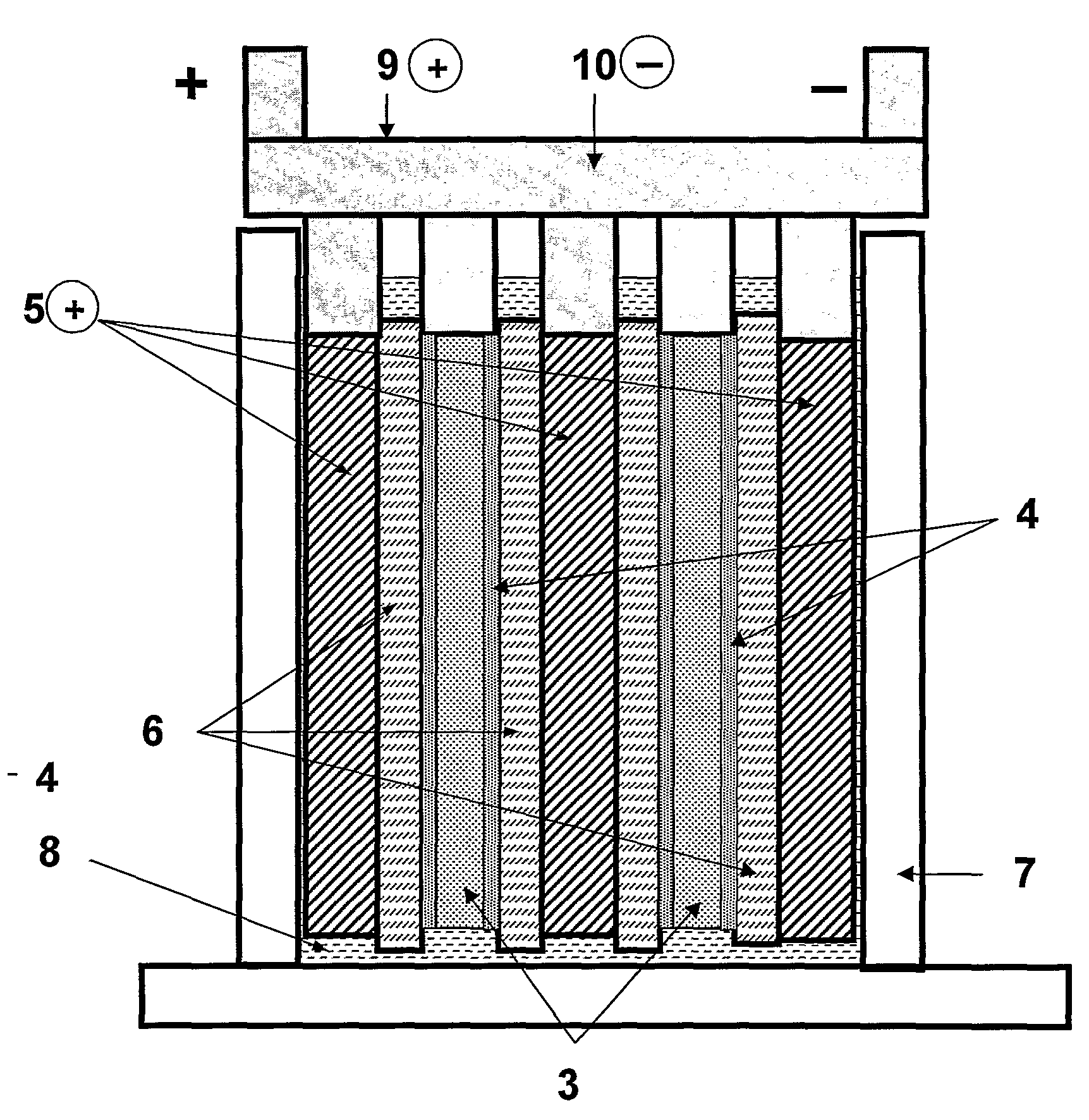
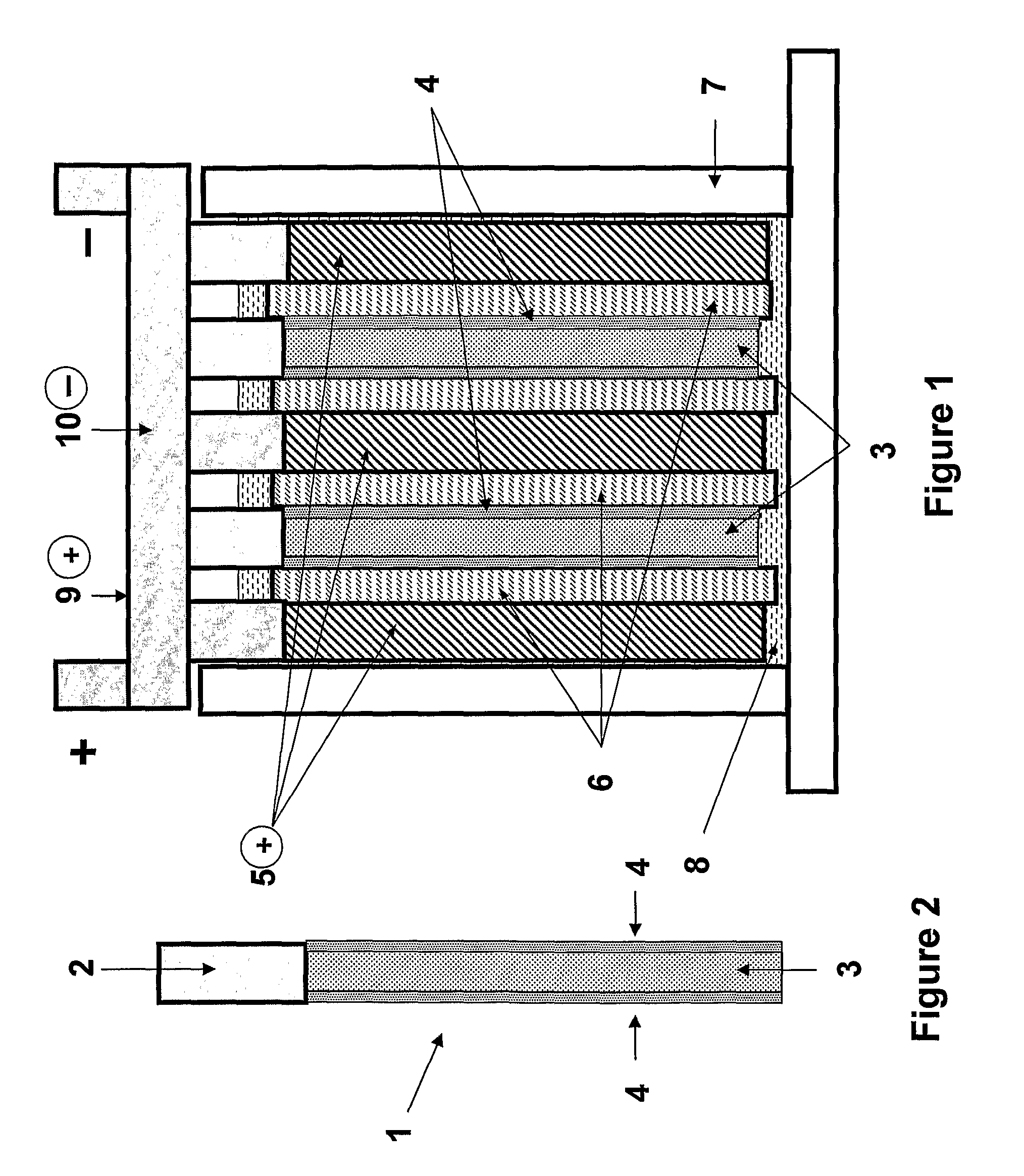
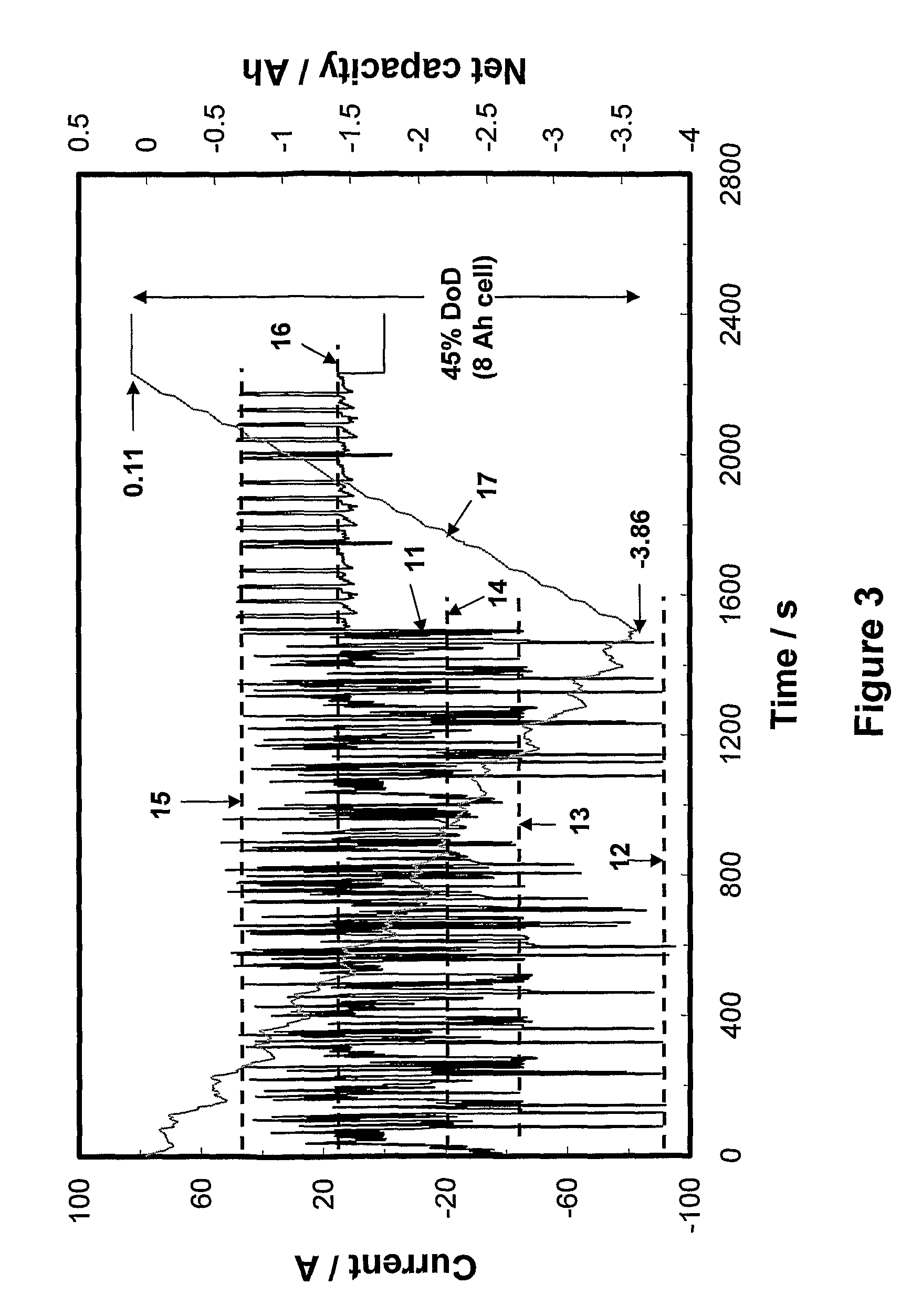
- Incorporating a charging ability-increasing additive in the positive battery electrode material, such as conductive carbon materials or tin dioxide, and optimizing electrolyte concentration and plate conductivity to balance the performance of both plates, along with using capacitor electrode materials to share high-rate operations.

Battery life extender
PatentInactiveUS20120258372A1
Innovation
- A composition comprising polyvinyl alcohol, polylysine, and potassium or sodium sorbate is added to the battery cells to form colloidal particles that passivate electrodes, preventing the accumulation of lead sulfate and extending battery life by up to 3-4 times.
Safety Regulations
Safety regulations play a crucial role in managing the risks associated with battery acid and its effects on electrolyte solution density. These regulations are designed to protect workers, the environment, and the general public from potential hazards related to the handling, storage, and disposal of battery acid.
Occupational safety standards, such as those set by the Occupational Safety and Health Administration (OSHA) in the United States, require employers to provide appropriate personal protective equipment (PPE) for workers handling battery acid. This typically includes acid-resistant gloves, goggles, face shields, and protective clothing. Additionally, proper ventilation systems must be in place to prevent the accumulation of harmful fumes.
Storage regulations mandate that battery acid be kept in corrosion-resistant containers and stored in well-ventilated areas away from incompatible materials. Secondary containment systems are often required to prevent spills from spreading. Labeling requirements ensure that containers are clearly marked with hazard information and handling instructions.
Transportation of battery acid is subject to strict regulations due to its corrosive nature. The United Nations' Recommendations on the Transport of Dangerous Goods classify battery acid as a Class 8 corrosive substance. This classification imposes specific packaging, labeling, and documentation requirements for shipping.
Environmental regulations address the proper disposal of battery acid and contaminated materials. Many jurisdictions classify spent battery acid as hazardous waste, requiring specialized handling and disposal procedures. Neutralization and treatment processes may be necessary before disposal to minimize environmental impact.
Emergency response protocols are an essential component of safety regulations. Facilities handling battery acid must have spill response plans in place, including procedures for containment, neutralization, and cleanup. First aid measures for acid exposure must be readily available, and personnel should be trained in emergency procedures.
Workplace training requirements ensure that employees are educated about the hazards of battery acid, proper handling techniques, and emergency response procedures. Regular safety audits and inspections are often mandated to verify compliance with regulations and identify potential hazards.
Regulatory bodies also set limits on the concentration of acid that can be used in certain applications, particularly in consumer products. These limits aim to reduce the risk of severe injuries in case of accidental exposure.
As technology advances, safety regulations continue to evolve. Recent trends include the development of more environmentally friendly battery technologies and the implementation of stricter recycling requirements for lead-acid batteries. These changes reflect a growing emphasis on sustainability and long-term environmental protection in the battery industry.
Occupational safety standards, such as those set by the Occupational Safety and Health Administration (OSHA) in the United States, require employers to provide appropriate personal protective equipment (PPE) for workers handling battery acid. This typically includes acid-resistant gloves, goggles, face shields, and protective clothing. Additionally, proper ventilation systems must be in place to prevent the accumulation of harmful fumes.
Storage regulations mandate that battery acid be kept in corrosion-resistant containers and stored in well-ventilated areas away from incompatible materials. Secondary containment systems are often required to prevent spills from spreading. Labeling requirements ensure that containers are clearly marked with hazard information and handling instructions.
Transportation of battery acid is subject to strict regulations due to its corrosive nature. The United Nations' Recommendations on the Transport of Dangerous Goods classify battery acid as a Class 8 corrosive substance. This classification imposes specific packaging, labeling, and documentation requirements for shipping.
Environmental regulations address the proper disposal of battery acid and contaminated materials. Many jurisdictions classify spent battery acid as hazardous waste, requiring specialized handling and disposal procedures. Neutralization and treatment processes may be necessary before disposal to minimize environmental impact.
Emergency response protocols are an essential component of safety regulations. Facilities handling battery acid must have spill response plans in place, including procedures for containment, neutralization, and cleanup. First aid measures for acid exposure must be readily available, and personnel should be trained in emergency procedures.
Workplace training requirements ensure that employees are educated about the hazards of battery acid, proper handling techniques, and emergency response procedures. Regular safety audits and inspections are often mandated to verify compliance with regulations and identify potential hazards.
Regulatory bodies also set limits on the concentration of acid that can be used in certain applications, particularly in consumer products. These limits aim to reduce the risk of severe injuries in case of accidental exposure.
As technology advances, safety regulations continue to evolve. Recent trends include the development of more environmentally friendly battery technologies and the implementation of stricter recycling requirements for lead-acid batteries. These changes reflect a growing emphasis on sustainability and long-term environmental protection in the battery industry.
Environmental Impact
The environmental impact of battery acid's effect on electrolyte solution density is a critical consideration in the lifecycle of batteries and their disposal. As battery acid interacts with electrolyte solutions, it can lead to changes in density that have far-reaching consequences for ecosystems and human health.
One of the primary environmental concerns is the potential for acid leakage from batteries. When battery acid escapes into the environment, it can contaminate soil and water sources. The increased density of the electrolyte solution due to acid interaction can cause it to sink in water bodies, affecting aquatic life at various depths. This can lead to pH imbalances in aquatic ecosystems, harming fish, plants, and microorganisms that are sensitive to changes in acidity.
Soil contamination is another significant issue. As battery acid seeps into the ground, it can alter soil chemistry, making it inhospitable for plant growth and soil-dwelling organisms. The changed density of the soil solution can affect water retention and nutrient availability, potentially leading to long-term degradation of soil quality and reduced agricultural productivity in affected areas.
The impact on groundwater is particularly concerning. As the denser electrolyte solution moves through soil and rock layers, it can contaminate aquifers, potentially rendering water sources unsafe for human consumption and wildlife. The remediation of such contamination is often costly and time-consuming, placing a burden on local communities and ecosystems.
Air pollution is also a factor to consider. When batteries are improperly disposed of or incinerated, the acid can vaporize, releasing toxic fumes into the atmosphere. These emissions can contribute to acid rain formation, further exacerbating environmental damage to forests, lakes, and buildings.
The manufacturing process of batteries itself has environmental implications related to electrolyte density. The production of battery acid and electrolyte solutions requires energy and resources, contributing to carbon emissions and resource depletion. Additionally, the transportation of these materials, which must account for their corrosive nature and density, increases the carbon footprint of battery production.
To mitigate these environmental impacts, proper battery disposal and recycling programs are essential. Advanced recycling technologies that can safely handle and neutralize battery acid while recovering valuable materials are being developed. These efforts aim to reduce the volume of batteries ending up in landfills and minimize the risk of environmental contamination.
In conclusion, the effect of battery acid on electrolyte solution density has significant environmental ramifications that extend beyond the immediate vicinity of battery disposal sites. Addressing these impacts requires a comprehensive approach involving improved battery design, enhanced recycling technologies, and stricter regulations on battery disposal and handling.
One of the primary environmental concerns is the potential for acid leakage from batteries. When battery acid escapes into the environment, it can contaminate soil and water sources. The increased density of the electrolyte solution due to acid interaction can cause it to sink in water bodies, affecting aquatic life at various depths. This can lead to pH imbalances in aquatic ecosystems, harming fish, plants, and microorganisms that are sensitive to changes in acidity.
Soil contamination is another significant issue. As battery acid seeps into the ground, it can alter soil chemistry, making it inhospitable for plant growth and soil-dwelling organisms. The changed density of the soil solution can affect water retention and nutrient availability, potentially leading to long-term degradation of soil quality and reduced agricultural productivity in affected areas.
The impact on groundwater is particularly concerning. As the denser electrolyte solution moves through soil and rock layers, it can contaminate aquifers, potentially rendering water sources unsafe for human consumption and wildlife. The remediation of such contamination is often costly and time-consuming, placing a burden on local communities and ecosystems.
Air pollution is also a factor to consider. When batteries are improperly disposed of or incinerated, the acid can vaporize, releasing toxic fumes into the atmosphere. These emissions can contribute to acid rain formation, further exacerbating environmental damage to forests, lakes, and buildings.
The manufacturing process of batteries itself has environmental implications related to electrolyte density. The production of battery acid and electrolyte solutions requires energy and resources, contributing to carbon emissions and resource depletion. Additionally, the transportation of these materials, which must account for their corrosive nature and density, increases the carbon footprint of battery production.
To mitigate these environmental impacts, proper battery disposal and recycling programs are essential. Advanced recycling technologies that can safely handle and neutralize battery acid while recovering valuable materials are being developed. These efforts aim to reduce the volume of batteries ending up in landfills and minimize the risk of environmental contamination.
In conclusion, the effect of battery acid on electrolyte solution density has significant environmental ramifications that extend beyond the immediate vicinity of battery disposal sites. Addressing these impacts requires a comprehensive approach involving improved battery design, enhanced recycling technologies, and stricter regulations on battery disposal and handling.
Unlock deeper insights with PatSnap Eureka Quick Research — get a full tech report to explore trends and direct your research. Try now!
Generate Your Research Report Instantly with AI Agent
Supercharge your innovation with PatSnap Eureka AI Agent Platform!