
How Brain-Computer Interfaces Improve Chronic Disease Management
MAR 5, 202610 MIN READ
Generate Your Research Report Instantly with AI Agent
Patsnap Eureka helps you evaluate technical feasibility & market potential.
BCI Technology Background and Chronic Disease Goals
Brain-Computer Interface technology represents a revolutionary convergence of neuroscience, engineering, and computational sciences that has evolved significantly since its conceptual origins in the 1970s. The foundational work by Jacques Vidal established the theoretical framework for direct communication pathways between the brain and external devices, bypassing traditional neuromuscular channels. This technology has progressed through distinct phases, from early invasive electrode-based systems to sophisticated non-invasive approaches utilizing electroencephalography, functional magnetic resonance imaging, and emerging optical techniques.
The evolution of BCI systems has been marked by critical technological milestones, including the development of real-time signal processing algorithms, machine learning integration for pattern recognition, and miniaturization of hardware components. Contemporary BCI platforms demonstrate unprecedented capabilities in decoding neural signals with millisecond precision, enabling seamless translation of brain activity into actionable commands for external devices or therapeutic interventions.
Current technological trends indicate a shift toward hybrid BCI systems that combine multiple signal acquisition modalities, wireless transmission capabilities, and cloud-based processing architectures. The integration of artificial intelligence and deep learning algorithms has substantially enhanced signal classification accuracy and reduced training requirements for end-users. Advanced signal processing techniques, including independent component analysis and common spatial patterns, have improved noise reduction and feature extraction from complex neural data streams.
The primary objectives for BCI applications in chronic disease management encompass several transformative goals. Foremost among these is the establishment of continuous, objective monitoring systems that can detect physiological and neurological changes preceding symptomatic manifestations. This capability enables proactive intervention strategies rather than reactive treatment approaches, potentially preventing disease exacerbations and reducing healthcare costs.
Another critical objective involves developing personalized therapeutic protocols through real-time neural feedback mechanisms. BCI systems aim to provide patients with direct control over their physiological states, enabling self-regulation of symptoms through neurofeedback training and brain-controlled therapeutic devices. This approach particularly benefits conditions such as epilepsy, depression, chronic pain, and motor disorders where traditional pharmaceutical interventions may prove insufficient or produce adverse side effects.
The technology also targets enhanced quality of life outcomes by restoring lost functionalities through neural prosthetics and assistive technologies. For patients with neurodegenerative diseases, BCI systems offer potential pathways for maintaining independence and communication capabilities as their conditions progress. Long-term objectives include developing fully implantable, biocompatible systems capable of providing decades of reliable operation while minimizing maintenance requirements and maximizing patient safety.
The evolution of BCI systems has been marked by critical technological milestones, including the development of real-time signal processing algorithms, machine learning integration for pattern recognition, and miniaturization of hardware components. Contemporary BCI platforms demonstrate unprecedented capabilities in decoding neural signals with millisecond precision, enabling seamless translation of brain activity into actionable commands for external devices or therapeutic interventions.
Current technological trends indicate a shift toward hybrid BCI systems that combine multiple signal acquisition modalities, wireless transmission capabilities, and cloud-based processing architectures. The integration of artificial intelligence and deep learning algorithms has substantially enhanced signal classification accuracy and reduced training requirements for end-users. Advanced signal processing techniques, including independent component analysis and common spatial patterns, have improved noise reduction and feature extraction from complex neural data streams.
The primary objectives for BCI applications in chronic disease management encompass several transformative goals. Foremost among these is the establishment of continuous, objective monitoring systems that can detect physiological and neurological changes preceding symptomatic manifestations. This capability enables proactive intervention strategies rather than reactive treatment approaches, potentially preventing disease exacerbations and reducing healthcare costs.
Another critical objective involves developing personalized therapeutic protocols through real-time neural feedback mechanisms. BCI systems aim to provide patients with direct control over their physiological states, enabling self-regulation of symptoms through neurofeedback training and brain-controlled therapeutic devices. This approach particularly benefits conditions such as epilepsy, depression, chronic pain, and motor disorders where traditional pharmaceutical interventions may prove insufficient or produce adverse side effects.
The technology also targets enhanced quality of life outcomes by restoring lost functionalities through neural prosthetics and assistive technologies. For patients with neurodegenerative diseases, BCI systems offer potential pathways for maintaining independence and communication capabilities as their conditions progress. Long-term objectives include developing fully implantable, biocompatible systems capable of providing decades of reliable operation while minimizing maintenance requirements and maximizing patient safety.
Market Demand for BCI-Enabled Healthcare Solutions
The global healthcare market is experiencing unprecedented demand for innovative solutions to address the growing burden of chronic diseases, which affect billions of people worldwide and consume substantial healthcare resources. Brain-computer interfaces represent a transformative technology that addresses critical gaps in current chronic disease management approaches, particularly in areas where traditional treatments have shown limited effectiveness or accessibility challenges.
Neurological conditions such as epilepsy, Parkinson's disease, depression, and chronic pain disorders create substantial market opportunities for BCI-enabled solutions. These conditions often require continuous monitoring and personalized treatment adjustments that current healthcare systems struggle to provide efficiently. The demand is particularly acute for solutions that can offer real-time physiological monitoring, predictive analytics for symptom management, and closed-loop therapeutic interventions.
Healthcare providers are increasingly seeking technologies that can reduce hospital readmissions, improve patient outcomes, and optimize resource allocation. BCI systems address these needs by enabling continuous patient monitoring outside clinical settings, providing early warning systems for disease exacerbations, and facilitating personalized treatment protocols based on individual neural patterns and responses.
The aging global population significantly amplifies market demand, as chronic disease prevalence increases with age. Healthcare systems worldwide face mounting pressure to deliver cost-effective care while managing growing patient populations with complex, long-term conditions. BCI technologies offer potential solutions through remote monitoring capabilities, reduced need for frequent clinical visits, and improved medication compliance through automated delivery systems.
Regulatory frameworks are evolving to accommodate BCI medical devices, creating clearer pathways for market entry and adoption. This regulatory clarity is driving increased investment and development activities, further expanding market opportunities. Healthcare reimbursement models are also beginning to recognize the value proposition of BCI-enabled chronic disease management, particularly in cases where traditional treatments have proven inadequate or where long-term cost savings can be demonstrated through improved patient outcomes and reduced healthcare utilization.
The market demand extends beyond direct patient care to include healthcare data analytics, where BCI-generated neural data provides unprecedented insights into disease progression patterns and treatment effectiveness, enabling more sophisticated population health management strategies.
Neurological conditions such as epilepsy, Parkinson's disease, depression, and chronic pain disorders create substantial market opportunities for BCI-enabled solutions. These conditions often require continuous monitoring and personalized treatment adjustments that current healthcare systems struggle to provide efficiently. The demand is particularly acute for solutions that can offer real-time physiological monitoring, predictive analytics for symptom management, and closed-loop therapeutic interventions.
Healthcare providers are increasingly seeking technologies that can reduce hospital readmissions, improve patient outcomes, and optimize resource allocation. BCI systems address these needs by enabling continuous patient monitoring outside clinical settings, providing early warning systems for disease exacerbations, and facilitating personalized treatment protocols based on individual neural patterns and responses.
The aging global population significantly amplifies market demand, as chronic disease prevalence increases with age. Healthcare systems worldwide face mounting pressure to deliver cost-effective care while managing growing patient populations with complex, long-term conditions. BCI technologies offer potential solutions through remote monitoring capabilities, reduced need for frequent clinical visits, and improved medication compliance through automated delivery systems.
Regulatory frameworks are evolving to accommodate BCI medical devices, creating clearer pathways for market entry and adoption. This regulatory clarity is driving increased investment and development activities, further expanding market opportunities. Healthcare reimbursement models are also beginning to recognize the value proposition of BCI-enabled chronic disease management, particularly in cases where traditional treatments have proven inadequate or where long-term cost savings can be demonstrated through improved patient outcomes and reduced healthcare utilization.
The market demand extends beyond direct patient care to include healthcare data analytics, where BCI-generated neural data provides unprecedented insights into disease progression patterns and treatment effectiveness, enabling more sophisticated population health management strategies.
Current BCI State and Chronic Disease Challenges
Brain-Computer Interface technology has evolved significantly over the past two decades, transitioning from experimental laboratory setups to increasingly sophisticated clinical applications. Current BCI systems primarily utilize electroencephalography (EEG), electrocorticography (ECoG), and implanted microelectrode arrays to capture neural signals. These technologies have demonstrated varying degrees of success in motor control applications, with invasive systems achieving higher signal fidelity but presenting greater surgical risks and maintenance challenges.
The technical maturity of BCI systems remains heterogeneous across different application domains. Non-invasive EEG-based systems offer safer deployment but suffer from limited signal resolution and susceptibility to artifacts. Invasive approaches provide superior signal quality and bandwidth but face significant hurdles including biocompatibility issues, signal degradation over time, and the need for regular maintenance procedures. Current processing algorithms rely heavily on machine learning techniques, yet they often require extensive calibration periods and struggle with signal variability across users and sessions.
Chronic disease management presents a complex landscape of interconnected challenges that traditional healthcare approaches struggle to address comprehensively. Neurological conditions such as epilepsy, Parkinson's disease, and stroke-related disabilities require continuous monitoring and adaptive treatment strategies. Current management protocols often rely on periodic clinical assessments and patient self-reporting, which provide limited real-time insights into disease progression and treatment efficacy.
The integration of BCI technology into chronic disease management faces several critical technical barriers. Signal stability over extended periods remains problematic, particularly for implanted systems where tissue responses can degrade electrode performance. Power consumption and wireless data transmission requirements pose additional constraints for long-term monitoring applications. Furthermore, the complexity of neural signal interpretation in pathological states adds layers of difficulty to algorithm development and validation.
Regulatory frameworks for BCI-based medical devices are still evolving, creating uncertainty around approval pathways and clinical trial requirements. The FDA and European regulatory bodies have established preliminary guidelines, but comprehensive standards for chronic disease applications remain underdeveloped. This regulatory ambiguity slows innovation cycles and increases development costs for potential solutions.
Patient acceptance and usability represent significant non-technical challenges. Chronic disease patients often exhibit varying levels of technological literacy and may resist adopting complex monitoring systems. The psychological burden of continuous neural monitoring raises privacy concerns and potential impacts on quality of life. Additionally, healthcare provider training and infrastructure requirements for BCI-based management systems present substantial implementation barriers that must be addressed for widespread adoption.
The technical maturity of BCI systems remains heterogeneous across different application domains. Non-invasive EEG-based systems offer safer deployment but suffer from limited signal resolution and susceptibility to artifacts. Invasive approaches provide superior signal quality and bandwidth but face significant hurdles including biocompatibility issues, signal degradation over time, and the need for regular maintenance procedures. Current processing algorithms rely heavily on machine learning techniques, yet they often require extensive calibration periods and struggle with signal variability across users and sessions.
Chronic disease management presents a complex landscape of interconnected challenges that traditional healthcare approaches struggle to address comprehensively. Neurological conditions such as epilepsy, Parkinson's disease, and stroke-related disabilities require continuous monitoring and adaptive treatment strategies. Current management protocols often rely on periodic clinical assessments and patient self-reporting, which provide limited real-time insights into disease progression and treatment efficacy.
The integration of BCI technology into chronic disease management faces several critical technical barriers. Signal stability over extended periods remains problematic, particularly for implanted systems where tissue responses can degrade electrode performance. Power consumption and wireless data transmission requirements pose additional constraints for long-term monitoring applications. Furthermore, the complexity of neural signal interpretation in pathological states adds layers of difficulty to algorithm development and validation.
Regulatory frameworks for BCI-based medical devices are still evolving, creating uncertainty around approval pathways and clinical trial requirements. The FDA and European regulatory bodies have established preliminary guidelines, but comprehensive standards for chronic disease applications remain underdeveloped. This regulatory ambiguity slows innovation cycles and increases development costs for potential solutions.
Patient acceptance and usability represent significant non-technical challenges. Chronic disease patients often exhibit varying levels of technological literacy and may resist adopting complex monitoring systems. The psychological burden of continuous neural monitoring raises privacy concerns and potential impacts on quality of life. Additionally, healthcare provider training and infrastructure requirements for BCI-based management systems present substantial implementation barriers that must be addressed for widespread adoption.
Current BCI Solutions for Chronic Disease Management
01 Brain signal acquisition and processing systems for disease monitoring
Brain-computer interface systems utilize specialized hardware and algorithms to acquire, process, and analyze brain signals such as EEG for continuous monitoring of chronic disease states. These systems employ signal processing techniques including filtering, feature extraction, and pattern recognition to identify biomarkers associated with disease progression or symptom changes. The processed neural data enables real-time assessment of patient conditions and can trigger alerts or interventions when abnormal patterns are detected.- Brain signal acquisition and processing systems for disease monitoring: Brain-computer interface systems utilize specialized hardware and algorithms to acquire, process, and analyze brain signals such as EEG for continuous monitoring of chronic disease states. These systems employ signal processing techniques including filtering, feature extraction, and pattern recognition to identify biomarkers associated with disease progression or symptom changes. The processed neural data enables real-time assessment of patient conditions and can trigger alerts or interventions when abnormal patterns are detected.
- Neurofeedback-based therapeutic interventions: Brain-computer interfaces provide neurofeedback mechanisms that enable patients with chronic diseases to modulate their brain activity through visual or auditory feedback. This approach allows patients to learn self-regulation techniques for managing symptoms such as chronic pain, anxiety, or motor dysfunction. The systems adapt training protocols based on individual patient responses and disease characteristics, creating personalized therapeutic regimens that can be administered remotely or in clinical settings.
- Wearable and portable BCI devices for long-term monitoring: Compact and wearable brain-computer interface devices enable continuous monitoring of patients with chronic conditions in daily life settings. These portable systems incorporate wireless communication, low-power consumption designs, and comfortable electrode configurations suitable for extended wear. The devices collect longitudinal neural data that provides insights into disease patterns, treatment efficacy, and lifestyle factors affecting chronic disease management.
- AI-driven predictive analytics for disease progression: Advanced machine learning and artificial intelligence algorithms analyze brain signal data collected through BCIs to predict disease progression, symptom exacerbation, or treatment response in chronic disease patients. These predictive models integrate multiple data sources including neural patterns, clinical parameters, and patient-reported outcomes to generate risk scores and personalized recommendations. The systems enable proactive intervention strategies and optimize treatment timing for improved disease management outcomes.
- Closed-loop therapeutic systems with automated intervention: Closed-loop brain-computer interface systems automatically detect disease-related neural patterns and deliver targeted interventions without manual operation. These systems combine real-time brain signal monitoring with therapeutic modalities such as electrical stimulation, drug delivery control, or adaptive device adjustments. The automated feedback mechanism ensures timely responses to physiological changes, maintaining optimal therapeutic parameters and reducing the burden of chronic disease self-management on patients.
02 Neurofeedback-based therapeutic interventions
Brain-computer interfaces enable neurofeedback training protocols where patients learn to modulate their brain activity patterns to manage chronic disease symptoms. The system provides real-time feedback about neural states, allowing patients to develop self-regulation skills through operant conditioning. This approach has applications in managing pain, anxiety, depression, and other symptoms associated with chronic conditions by training patients to achieve desired brain states that correlate with symptom relief.Expand Specific Solutions03 Closed-loop stimulation systems for symptom control
Advanced brain-computer interfaces incorporate closed-loop control mechanisms that automatically deliver therapeutic stimulation based on detected neural patterns. These systems continuously monitor brain activity and apply electrical or magnetic stimulation when specific disease-related signatures are identified. The adaptive nature of closed-loop systems allows for personalized treatment that responds dynamically to changing patient conditions, optimizing therapeutic efficacy while minimizing side effects.Expand Specific Solutions04 Remote patient monitoring and telemedicine integration
Brain-computer interface systems designed for chronic disease management incorporate wireless connectivity and cloud-based platforms to enable remote monitoring by healthcare providers. These systems transmit neural data and health metrics to centralized databases where they can be analyzed for trends and anomalies. Integration with telemedicine platforms allows clinicians to adjust treatment protocols remotely, conduct virtual consultations based on objective neural data, and provide timely interventions without requiring in-person visits.Expand Specific Solutions05 Wearable and portable BCI devices for daily use
Development of compact, user-friendly brain-computer interface devices enables continuous monitoring and management of chronic diseases in daily life settings. These wearable systems feature ergonomic designs, long battery life, and simplified user interfaces that allow patients to use them independently without clinical supervision. The portability aspect ensures that disease management can be maintained across various environments and activities, improving patient compliance and quality of life while generating comprehensive longitudinal data.Expand Specific Solutions
Key Players in BCI and Digital Health Industry
The brain-computer interface (BCI) market for chronic disease management is in its early commercialization stage, transitioning from research-driven development to clinical applications. The market shows significant growth potential, driven by increasing chronic disease prevalence and technological advances, though current market size remains relatively small compared to traditional medical devices. Technology maturity varies considerably across the competitive landscape. Academic institutions like Carnegie Mellon University, University of Washington, and Cornell University are advancing foundational BCI research, while Chinese universities including Tianjin University and Beijing University of Technology contribute to neural signal processing innovations. Commercial players demonstrate varying maturity levels: Medtronic represents established medical device expertise entering BCI applications, Neurolutions focuses specifically on BCI rehabilitation systems, and SmartStent develops minimally invasive neural interfaces. Research organizations like HRL Laboratories and IMEC provide critical technological infrastructure. The sector exhibits a collaborative ecosystem where academic research institutions partner with specialized BCI companies and established medical device manufacturers to accelerate clinical translation and regulatory approval processes.
Neurolutions, Inc.
Technical Solution: Neurolutions specializes in developing brain-computer interface systems specifically designed for stroke rehabilitation and chronic neurological recovery. Their flagship IpsiHand system uses EEG signals to detect motor intent from the unaffected hemisphere of the brain and translates these signals into functional electrical stimulation of paralyzed muscles. This closed-loop BCI system enables patients with chronic stroke-related disabilities to regain motor function through neuroplasticity-driven rehabilitation. The technology provides real-time feedback and adaptive training protocols, allowing for personalized therapy sessions that can be conducted in clinical settings or at home, significantly improving long-term management of chronic motor impairments resulting from stroke or traumatic brain injury.
Strengths: FDA-approved for stroke rehabilitation, proven clinical efficacy, focus on neuroplasticity enhancement. Weaknesses: Limited to motor rehabilitation applications, requires consistent patient training, relatively new market presence.
Koninklijke Philips NV
Technical Solution: Philips has developed non-invasive brain-computer interface technologies focused on chronic disease monitoring and management through advanced neuroimaging and signal processing. Their solutions include EEG-based brain monitoring systems that can detect early signs of neurological deterioration in chronic conditions, sleep disorder management systems that use brain activity patterns to optimize treatment protocols, and cognitive assessment tools for dementia and Alzheimer's disease management. The company's BCI technology emphasizes patient comfort and ease of use, incorporating machine learning algorithms to interpret complex brain signals and provide actionable insights for healthcare providers managing chronic neurological and psychiatric conditions.
Strengths: Non-invasive approach, strong healthcare ecosystem integration, advanced signal processing capabilities. Weaknesses: Limited to monitoring rather than direct therapeutic intervention, lower signal resolution compared to invasive methods.
Core BCI Innovations for Healthcare Applications
Brain- computer interface system and method
PatentWO2011123059A1
Innovation
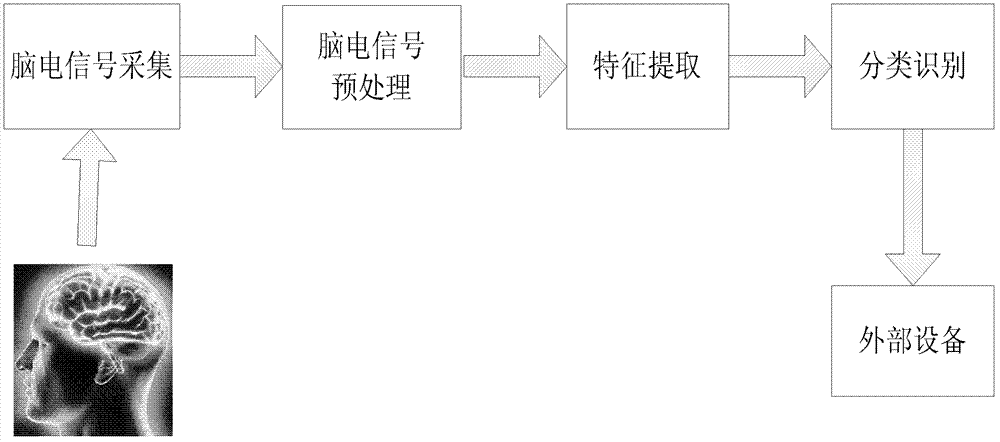
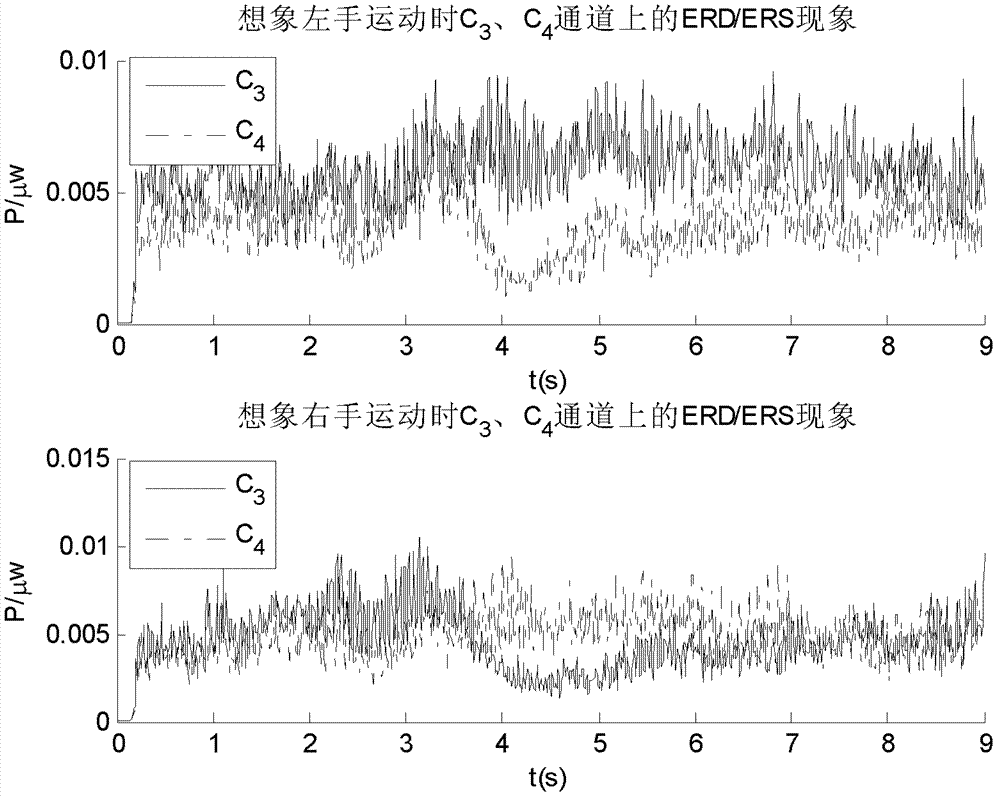
- A non-invasive EEG-based BCI system that processes EEG signals using a trained classification algorithm to detect motor imagery and movement, providing both visual and tactile feedback through a stimulation element, allowing for personalized rehabilitation and improved detection of motor intent in a home environment.


Electroencephalography signal characteristic extraction method based on small training samples
PatentInactiveCN102306303B
Innovation
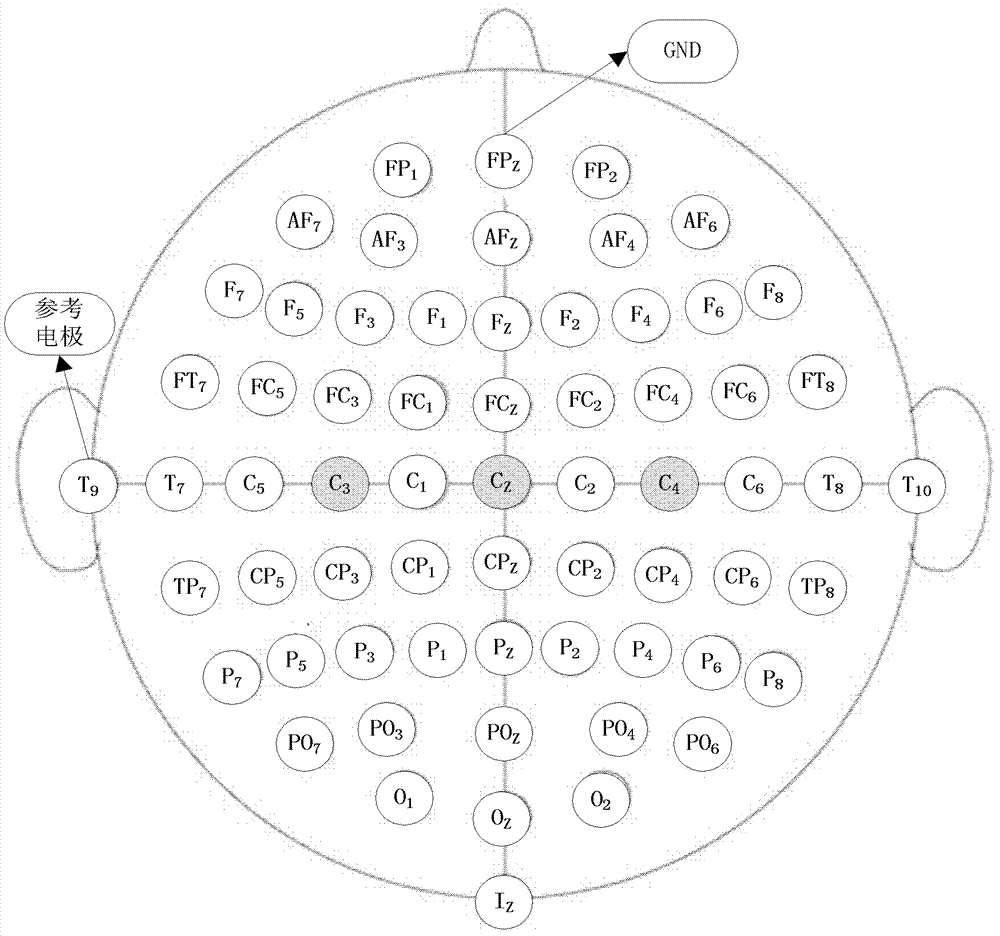
- Using the regularization parameters ρ and σ, combined with the CSSD method, the R-CSSD decomposition algorithm is constructed. The training samples of the target experimenter and the training samples of the auxiliary experimenter are combined to construct a regularized spatial filter and combined with the KNN classifier for Feature extraction and classification of EEG signals.

Medical Device Regulations for BCI Systems
The regulatory landscape for brain-computer interface systems in chronic disease management presents a complex framework that varies significantly across global jurisdictions. In the United States, the FDA classifies BCI devices under multiple categories depending on their intended use, with most therapeutic BCIs falling under Class II or Class III medical devices requiring extensive premarket approval processes. The agency has established specific guidance documents for neurological devices, emphasizing the need for comprehensive clinical trials demonstrating both safety and efficacy in chronic disease applications.
European regulatory frameworks under the Medical Device Regulation (MDR) impose stringent requirements for BCI systems, particularly those intended for long-term implantation in chronic disease patients. The CE marking process requires detailed technical documentation, clinical evidence, and post-market surveillance plans. Notified bodies must evaluate the risk-benefit profile of these devices, considering the invasive nature of many BCI implementations and their interaction with critical neurological functions.
Key regulatory challenges include establishing standardized protocols for neural signal acquisition, data privacy protection, and cybersecurity measures. Regulatory bodies require manufacturers to demonstrate robust data encryption methods and secure communication protocols, given the sensitive nature of neural data and potential vulnerabilities in wireless transmission systems. The FDA's recent draft guidance on software as medical devices (SaMD) particularly impacts BCI systems that rely heavily on machine learning algorithms for signal processing and disease management.
International harmonization efforts through ISO standards, particularly ISO 14155 for clinical investigation of medical devices, provide frameworks for conducting BCI clinical trials. However, the unique characteristics of neural interfaces necessitate specialized protocols addressing issues such as neural plasticity, long-term biocompatibility, and adaptive algorithm performance over extended periods.
Regulatory pathways increasingly emphasize real-world evidence collection and adaptive trial designs to accommodate the personalized nature of BCI therapy in chronic disease management. Post-market surveillance requirements mandate continuous monitoring of device performance, adverse events, and long-term patient outcomes, creating comprehensive databases that inform future regulatory decisions and device improvements.
European regulatory frameworks under the Medical Device Regulation (MDR) impose stringent requirements for BCI systems, particularly those intended for long-term implantation in chronic disease patients. The CE marking process requires detailed technical documentation, clinical evidence, and post-market surveillance plans. Notified bodies must evaluate the risk-benefit profile of these devices, considering the invasive nature of many BCI implementations and their interaction with critical neurological functions.
Key regulatory challenges include establishing standardized protocols for neural signal acquisition, data privacy protection, and cybersecurity measures. Regulatory bodies require manufacturers to demonstrate robust data encryption methods and secure communication protocols, given the sensitive nature of neural data and potential vulnerabilities in wireless transmission systems. The FDA's recent draft guidance on software as medical devices (SaMD) particularly impacts BCI systems that rely heavily on machine learning algorithms for signal processing and disease management.
International harmonization efforts through ISO standards, particularly ISO 14155 for clinical investigation of medical devices, provide frameworks for conducting BCI clinical trials. However, the unique characteristics of neural interfaces necessitate specialized protocols addressing issues such as neural plasticity, long-term biocompatibility, and adaptive algorithm performance over extended periods.
Regulatory pathways increasingly emphasize real-world evidence collection and adaptive trial designs to accommodate the personalized nature of BCI therapy in chronic disease management. Post-market surveillance requirements mandate continuous monitoring of device performance, adverse events, and long-term patient outcomes, creating comprehensive databases that inform future regulatory decisions and device improvements.
Patient Privacy and Data Security in BCI Healthcare
Patient privacy and data security represent critical challenges in the implementation of brain-computer interfaces for chronic disease management. BCI systems collect highly sensitive neural data that provides unprecedented insights into patients' cognitive states, emotional responses, and physiological conditions. This intimate level of biological information requires robust protection mechanisms that exceed traditional healthcare data security standards.
The neural signals captured by BCI devices contain unique biometric identifiers that could potentially be used for unauthorized identification or behavioral prediction. Unlike conventional medical data, brain signals reveal patterns of thought, intention, and mental state, making their protection paramount for maintaining patient autonomy and preventing potential misuse by third parties.
Current regulatory frameworks struggle to address the specific privacy concerns associated with neural data. Traditional healthcare privacy laws like HIPAA were not designed to handle the continuous, real-time nature of BCI data streams or the potential for extracting unintended information from neural signals. This regulatory gap creates uncertainty for both healthcare providers and technology developers regarding compliance requirements.
Data encryption and secure transmission protocols form the foundation of BCI security architecture. Advanced cryptographic methods, including homomorphic encryption, enable computation on encrypted neural data without exposing raw signals. Multi-layered authentication systems ensure that only authorized healthcare personnel can access patient neural information, while blockchain technology offers potential solutions for creating immutable audit trails of data access.
Patient consent mechanisms must evolve to address the unique characteristics of neural data collection. Traditional informed consent models may be insufficient when dealing with continuous brain monitoring that could inadvertently capture thoughts or emotions beyond the intended medical scope. Dynamic consent frameworks allow patients to modify their data sharing preferences in real-time as their treatment progresses.
The integration of artificial intelligence in BCI systems introduces additional privacy considerations. Machine learning algorithms trained on neural data could potentially retain patient information even after anonymization attempts. Federated learning approaches enable model training without centralizing sensitive neural data, while differential privacy techniques add mathematical guarantees for patient anonymity in large datasets.
Cross-border data transfer regulations significantly impact BCI healthcare applications, particularly for patients receiving care across different jurisdictions. International variations in neural data protection standards create compliance challenges for global healthcare providers and may limit the effectiveness of collaborative research efforts in chronic disease management.
The neural signals captured by BCI devices contain unique biometric identifiers that could potentially be used for unauthorized identification or behavioral prediction. Unlike conventional medical data, brain signals reveal patterns of thought, intention, and mental state, making their protection paramount for maintaining patient autonomy and preventing potential misuse by third parties.
Current regulatory frameworks struggle to address the specific privacy concerns associated with neural data. Traditional healthcare privacy laws like HIPAA were not designed to handle the continuous, real-time nature of BCI data streams or the potential for extracting unintended information from neural signals. This regulatory gap creates uncertainty for both healthcare providers and technology developers regarding compliance requirements.
Data encryption and secure transmission protocols form the foundation of BCI security architecture. Advanced cryptographic methods, including homomorphic encryption, enable computation on encrypted neural data without exposing raw signals. Multi-layered authentication systems ensure that only authorized healthcare personnel can access patient neural information, while blockchain technology offers potential solutions for creating immutable audit trails of data access.
Patient consent mechanisms must evolve to address the unique characteristics of neural data collection. Traditional informed consent models may be insufficient when dealing with continuous brain monitoring that could inadvertently capture thoughts or emotions beyond the intended medical scope. Dynamic consent frameworks allow patients to modify their data sharing preferences in real-time as their treatment progresses.
The integration of artificial intelligence in BCI systems introduces additional privacy considerations. Machine learning algorithms trained on neural data could potentially retain patient information even after anonymization attempts. Federated learning approaches enable model training without centralizing sensitive neural data, while differential privacy techniques add mathematical guarantees for patient anonymity in large datasets.
Cross-border data transfer regulations significantly impact BCI healthcare applications, particularly for patients receiving care across different jurisdictions. International variations in neural data protection standards create compliance challenges for global healthcare providers and may limit the effectiveness of collaborative research efforts in chronic disease management.
Unlock deeper insights with Patsnap Eureka Quick Research — get a full tech report to explore trends and direct your research. Try now!
Generate Your Research Report Instantly with AI Agent
Supercharge your innovation with Patsnap Eureka AI Agent Platform!