How CMOS Battery Drives Comprehensive Adaptive Technology Development?
JUL 22, 20259 MIN READ
Generate Your Research Report Instantly with AI Agent
PatSnap Eureka helps you evaluate technical feasibility & market potential.
CMOS Battery Evolution
The evolution of CMOS battery technology has been a crucial driver in the development of comprehensive adaptive technologies. Initially introduced in the 1980s, CMOS batteries were primarily used to maintain system clock and BIOS settings in personal computers. However, their role has expanded significantly over the years, becoming an integral component in various electronic devices and systems.
In the early stages, CMOS batteries were simple coin-cell lithium batteries with limited capacity and functionality. As technology progressed, these batteries underwent substantial improvements in terms of energy density, longevity, and reliability. The advent of rechargeable CMOS batteries marked a significant milestone, allowing for more sustainable and efficient power management in electronic devices.
The miniaturization trend in electronics has greatly influenced CMOS battery evolution. Manufacturers have developed increasingly compact batteries without compromising performance, enabling the integration of CMOS technology into smaller devices such as wearables and IoT sensors. This size reduction has been accompanied by advancements in battery chemistry, resulting in enhanced power output and extended operational life.
Another critical aspect of CMOS battery evolution has been the development of intelligent power management systems. These systems optimize battery usage, prolong battery life, and enable devices to adapt to varying power requirements. The integration of smart charging technologies and power-saving modes has further enhanced the efficiency and versatility of CMOS batteries.
The evolution of CMOS batteries has also been closely tied to the advancement of semiconductor technology. As CMOS circuits have become more energy-efficient, the demands on CMOS batteries have shifted, leading to the development of batteries that can provide stable, low-power output over extended periods. This synergy between battery and semiconductor technologies has been instrumental in enabling the creation of increasingly sophisticated and adaptive electronic systems.
Recent years have seen a focus on environmental sustainability in CMOS battery design. Manufacturers are exploring eco-friendly materials and production processes, as well as improving recyclability. This shift towards green technology aligns with global efforts to reduce electronic waste and minimize the environmental impact of battery production and disposal.
The ongoing evolution of CMOS batteries continues to push the boundaries of what is possible in adaptive technologies. From powering advanced AI algorithms in edge computing devices to enabling long-term operation of autonomous sensors, CMOS batteries play a pivotal role in driving innovation across various technological domains. As we look to the future, the continued development of CMOS battery technology promises to unlock new possibilities in energy-efficient, adaptive, and intelligent electronic systems.
In the early stages, CMOS batteries were simple coin-cell lithium batteries with limited capacity and functionality. As technology progressed, these batteries underwent substantial improvements in terms of energy density, longevity, and reliability. The advent of rechargeable CMOS batteries marked a significant milestone, allowing for more sustainable and efficient power management in electronic devices.
The miniaturization trend in electronics has greatly influenced CMOS battery evolution. Manufacturers have developed increasingly compact batteries without compromising performance, enabling the integration of CMOS technology into smaller devices such as wearables and IoT sensors. This size reduction has been accompanied by advancements in battery chemistry, resulting in enhanced power output and extended operational life.
Another critical aspect of CMOS battery evolution has been the development of intelligent power management systems. These systems optimize battery usage, prolong battery life, and enable devices to adapt to varying power requirements. The integration of smart charging technologies and power-saving modes has further enhanced the efficiency and versatility of CMOS batteries.
The evolution of CMOS batteries has also been closely tied to the advancement of semiconductor technology. As CMOS circuits have become more energy-efficient, the demands on CMOS batteries have shifted, leading to the development of batteries that can provide stable, low-power output over extended periods. This synergy between battery and semiconductor technologies has been instrumental in enabling the creation of increasingly sophisticated and adaptive electronic systems.
Recent years have seen a focus on environmental sustainability in CMOS battery design. Manufacturers are exploring eco-friendly materials and production processes, as well as improving recyclability. This shift towards green technology aligns with global efforts to reduce electronic waste and minimize the environmental impact of battery production and disposal.
The ongoing evolution of CMOS batteries continues to push the boundaries of what is possible in adaptive technologies. From powering advanced AI algorithms in edge computing devices to enabling long-term operation of autonomous sensors, CMOS batteries play a pivotal role in driving innovation across various technological domains. As we look to the future, the continued development of CMOS battery technology promises to unlock new possibilities in energy-efficient, adaptive, and intelligent electronic systems.
Market Demand Analysis
The market demand for CMOS battery-driven adaptive technologies has been steadily increasing across various sectors. This growth is primarily fueled by the rising need for more efficient, reliable, and long-lasting power solutions in electronic devices and systems. The CMOS battery, traditionally used to maintain system clock and BIOS settings, is now being leveraged to drive comprehensive adaptive technologies, opening up new avenues for innovation and market expansion.
In the consumer electronics sector, there is a growing demand for devices with extended battery life and improved power management capabilities. CMOS battery-driven adaptive technologies are being integrated into smartphones, laptops, and wearables to optimize power consumption and enhance overall device performance. This trend is expected to continue as consumers increasingly prioritize longer-lasting and more energy-efficient devices.
The automotive industry has also shown significant interest in CMOS battery-driven adaptive technologies. With the rise of electric and hybrid vehicles, there is a pressing need for advanced power management systems that can efficiently distribute and conserve energy. CMOS battery-driven solutions are being explored to improve battery life, optimize charging cycles, and enhance overall vehicle performance.
In the industrial and manufacturing sectors, the demand for CMOS battery-driven adaptive technologies is driven by the need for more reliable and efficient power solutions in automation systems, sensors, and IoT devices. These technologies are being utilized to extend the operational life of industrial equipment, reduce maintenance costs, and improve overall system reliability.
The healthcare industry is another key market for CMOS battery-driven adaptive technologies. Medical devices, such as implantable devices and portable diagnostic equipment, require long-lasting and reliable power sources. CMOS battery-driven solutions are being developed to extend device longevity, improve power management, and enhance patient care.
The telecommunications sector is also experiencing increased demand for CMOS battery-driven adaptive technologies. As 5G networks continue to expand, there is a growing need for more efficient power management solutions in network infrastructure and devices. CMOS battery-driven technologies are being explored to optimize power consumption in base stations, improve network reliability, and extend the life of telecommunications equipment.
Market analysts project that the global market for CMOS battery-driven adaptive technologies will experience substantial growth in the coming years. This growth is expected to be driven by advancements in battery technology, increasing adoption of IoT devices, and the ongoing push for more energy-efficient solutions across industries. As research and development in this field continue to progress, new applications and market opportunities are likely to emerge, further expanding the potential for CMOS battery-driven adaptive technologies.
In the consumer electronics sector, there is a growing demand for devices with extended battery life and improved power management capabilities. CMOS battery-driven adaptive technologies are being integrated into smartphones, laptops, and wearables to optimize power consumption and enhance overall device performance. This trend is expected to continue as consumers increasingly prioritize longer-lasting and more energy-efficient devices.
The automotive industry has also shown significant interest in CMOS battery-driven adaptive technologies. With the rise of electric and hybrid vehicles, there is a pressing need for advanced power management systems that can efficiently distribute and conserve energy. CMOS battery-driven solutions are being explored to improve battery life, optimize charging cycles, and enhance overall vehicle performance.
In the industrial and manufacturing sectors, the demand for CMOS battery-driven adaptive technologies is driven by the need for more reliable and efficient power solutions in automation systems, sensors, and IoT devices. These technologies are being utilized to extend the operational life of industrial equipment, reduce maintenance costs, and improve overall system reliability.
The healthcare industry is another key market for CMOS battery-driven adaptive technologies. Medical devices, such as implantable devices and portable diagnostic equipment, require long-lasting and reliable power sources. CMOS battery-driven solutions are being developed to extend device longevity, improve power management, and enhance patient care.
The telecommunications sector is also experiencing increased demand for CMOS battery-driven adaptive technologies. As 5G networks continue to expand, there is a growing need for more efficient power management solutions in network infrastructure and devices. CMOS battery-driven technologies are being explored to optimize power consumption in base stations, improve network reliability, and extend the life of telecommunications equipment.
Market analysts project that the global market for CMOS battery-driven adaptive technologies will experience substantial growth in the coming years. This growth is expected to be driven by advancements in battery technology, increasing adoption of IoT devices, and the ongoing push for more energy-efficient solutions across industries. As research and development in this field continue to progress, new applications and market opportunities are likely to emerge, further expanding the potential for CMOS battery-driven adaptive technologies.
Technical Challenges
The development of CMOS battery-driven adaptive technologies faces several significant challenges that require innovative solutions. One of the primary obstacles is the limited power capacity of CMOS batteries, which constrains the scope and duration of adaptive functionalities. This limitation necessitates the development of ultra-low-power circuits and energy-efficient algorithms to maximize the battery's lifespan while maintaining optimal performance.
Another critical challenge lies in the integration of diverse sensor technologies with CMOS battery systems. The need for seamless communication between various sensors and the adaptive control mechanisms demands sophisticated interface designs and robust data processing capabilities. This integration must be achieved without significantly increasing power consumption or compromising the overall system reliability.
The miniaturization of adaptive technology components presents a formidable challenge, particularly in applications where space is at a premium. Balancing the need for compact form factors with the requirements for adequate power storage and efficient heat dissipation requires innovative approaches in circuit design and thermal management.
Ensuring long-term stability and reliability of CMOS battery-driven adaptive systems is another significant hurdle. Environmental factors such as temperature fluctuations, humidity, and electromagnetic interference can impact both battery performance and the functionality of adaptive circuits. Developing resilient designs that can withstand these external influences while maintaining consistent operation is crucial for widespread adoption.
The dynamic nature of adaptive technologies also poses challenges in terms of real-time processing and decision-making capabilities. As the complexity of adaptive algorithms increases, so does the computational demand, potentially straining the limited resources of CMOS battery-powered systems. Striking a balance between sophisticated adaptive functionalities and power efficiency remains a key area of focus for researchers and engineers.
Furthermore, the scalability of CMOS battery-driven adaptive technologies across different application domains presents its own set of challenges. Adapting these technologies to diverse environments, from consumer electronics to industrial applications, requires flexible and modular designs that can be easily customized without compromising core functionalities or energy efficiency.
Lastly, the environmental impact and sustainability of CMOS batteries in adaptive technologies cannot be overlooked. As these technologies become more prevalent, addressing concerns related to battery disposal, recycling, and the use of eco-friendly materials becomes increasingly important. Developing green alternatives and implementing circular economy principles in the design and production of these systems represents a significant challenge for the industry.
Another critical challenge lies in the integration of diverse sensor technologies with CMOS battery systems. The need for seamless communication between various sensors and the adaptive control mechanisms demands sophisticated interface designs and robust data processing capabilities. This integration must be achieved without significantly increasing power consumption or compromising the overall system reliability.
The miniaturization of adaptive technology components presents a formidable challenge, particularly in applications where space is at a premium. Balancing the need for compact form factors with the requirements for adequate power storage and efficient heat dissipation requires innovative approaches in circuit design and thermal management.
Ensuring long-term stability and reliability of CMOS battery-driven adaptive systems is another significant hurdle. Environmental factors such as temperature fluctuations, humidity, and electromagnetic interference can impact both battery performance and the functionality of adaptive circuits. Developing resilient designs that can withstand these external influences while maintaining consistent operation is crucial for widespread adoption.
The dynamic nature of adaptive technologies also poses challenges in terms of real-time processing and decision-making capabilities. As the complexity of adaptive algorithms increases, so does the computational demand, potentially straining the limited resources of CMOS battery-powered systems. Striking a balance between sophisticated adaptive functionalities and power efficiency remains a key area of focus for researchers and engineers.
Furthermore, the scalability of CMOS battery-driven adaptive technologies across different application domains presents its own set of challenges. Adapting these technologies to diverse environments, from consumer electronics to industrial applications, requires flexible and modular designs that can be easily customized without compromising core functionalities or energy efficiency.
Lastly, the environmental impact and sustainability of CMOS batteries in adaptive technologies cannot be overlooked. As these technologies become more prevalent, addressing concerns related to battery disposal, recycling, and the use of eco-friendly materials becomes increasingly important. Developing green alternatives and implementing circular economy principles in the design and production of these systems represents a significant challenge for the industry.
Current CMOS Solutions
01 CMOS battery backup systems
CMOS batteries are used to maintain system settings and real-time clock information when the main power is off. These backup systems ensure that critical data is preserved and the computer can start up properly when powered on again.- CMOS battery power management: Systems and methods for managing power in CMOS batteries, including techniques for monitoring battery voltage, implementing power-saving modes, and extending battery life through efficient power distribution and consumption in electronic devices.
- CMOS battery replacement and backup systems: Innovations in CMOS battery replacement procedures and backup power systems to maintain critical data and settings during battery changes or failures, ensuring continuous operation of electronic devices and preserving system configurations.
- Integration of CMOS batteries in semiconductor devices: Advancements in integrating CMOS batteries within semiconductor devices and integrated circuits, focusing on miniaturization, improved performance, and enhanced reliability of power sources for memory and real-time clock functions.
- CMOS battery monitoring and diagnostics: Development of sophisticated monitoring and diagnostic systems for CMOS batteries, including voltage level detection, remaining life prediction, and early warning mechanisms for potential battery failures in electronic devices.
- CMOS battery charging and energy harvesting: Innovative approaches to charging CMOS batteries and implementing energy harvesting techniques, aimed at prolonging battery life and reducing the frequency of battery replacements in various electronic applications.
02 CMOS battery monitoring and management
Systems and methods for monitoring CMOS battery voltage levels, detecting low battery conditions, and managing battery replacement or recharging. These solutions help prevent data loss and system failures due to depleted CMOS batteries.Expand Specific Solutions03 CMOS battery integration in semiconductor devices
Techniques for integrating CMOS batteries directly into semiconductor devices or packages. This integration can lead to more compact designs, improved reliability, and potentially longer battery life for maintaining CMOS settings.Expand Specific Solutions04 Alternative power sources for CMOS memory
Exploration of alternative power sources or energy harvesting techniques to supplement or replace traditional CMOS batteries. These innovations aim to extend the lifespan of CMOS memory backup and reduce the need for battery replacements.Expand Specific Solutions05 CMOS battery-related circuit designs
Specialized circuit designs for interfacing with CMOS batteries, including voltage regulators, charge pumps, and power management ICs. These circuits optimize power delivery, extend battery life, and improve overall system reliability.Expand Specific Solutions
Key Industry Players
The development of CMOS battery-driven adaptive technology is in its growth phase, with a rapidly expanding market due to increasing demand for energy-efficient and intelligent electronic devices. The global market size for this technology is projected to reach significant figures in the coming years. Technologically, it's advancing rapidly, with major players like Texas Instruments, IBM, and Samsung Electronics leading innovation. These companies are investing heavily in R&D to improve battery life, performance, and integration capabilities. Other key contributors include TSMC, GlobalFoundries, and Qualcomm, focusing on semiconductor manufacturing and mobile technologies. The competitive landscape is intense, with both established tech giants and specialized firms like Atmel Corp. and MediaTek vying for market share.
Texas Instruments Incorporated
Technical Solution: Texas Instruments (TI) has developed advanced CMOS battery management solutions that drive comprehensive adaptive technology development. Their BQ series of battery management ICs incorporate sophisticated algorithms for accurate state-of-charge estimation, cell balancing, and protection features[1]. TI's adaptive power management technology allows for dynamic adjustment of power consumption based on system demands, enhancing overall efficiency. They have also introduced ultra-low-power CMOS circuits that can operate on harvested energy, enabling self-powered IoT devices[2]. TI's focus on integrating analog and digital functionalities in their CMOS designs has led to more compact and energy-efficient solutions for a wide range of applications, from consumer electronics to industrial systems[3].
Strengths: Industry-leading battery management solutions, extensive product portfolio, and strong focus on energy efficiency. Weaknesses: High competition in the semiconductor market and potential vulnerability to economic cycles affecting the electronics industry.
Taiwan Semiconductor Manufacturing Co., Ltd.
Technical Solution: TSMC has been at the forefront of CMOS technology development, driving advancements in comprehensive adaptive technologies. Their cutting-edge process nodes, such as the 5nm and 3nm technologies, enable the production of highly efficient and powerful chips suitable for adaptive systems[4]. TSMC's CMOS technology innovations include the development of FinFET structures and more recently, nanosheet transistors, which significantly improve power efficiency and performance[5]. They have also made strides in integrating RF and mixed-signal capabilities into their CMOS processes, facilitating the development of adaptive communication systems. TSMC's advanced packaging technologies, like InFO and CoWoS, allow for heterogeneous integration, enabling more complex and adaptive system-on-chip (SoC) designs[6].
Strengths: World-leading semiconductor foundry with cutting-edge process nodes and advanced packaging technologies. Weaknesses: High capital expenditure requirements and geopolitical risks due to its strategic importance in the global semiconductor supply chain.
Core CMOS Innovations
Semiconductor device and method for making same
PatentInactiveCN1612357A
Innovation
- By forming a series of epitaxial layers and trench structures on the substrate, a free surface is provided to remove differential rows and reduce the defect density in the channel area. Specific steps include forming a first epitaxial layer, a second epitaxial layer and a third epitaxial layer on a substrate, forming trenches on these layers, using annealing and planarization processes to remove the disparity of the crystal structure, and finally in the trenches Fill in insulating material to create isolation areas.


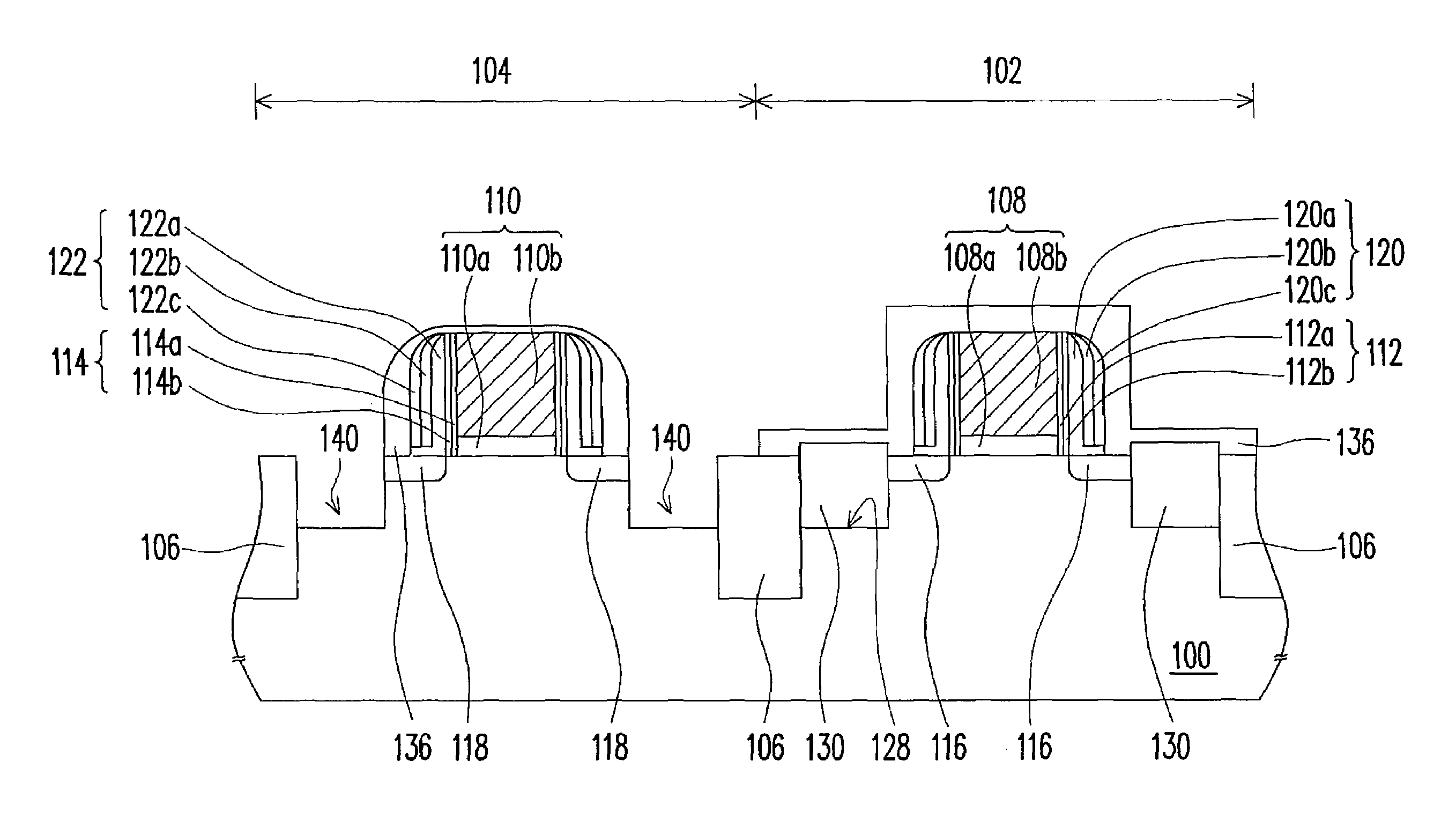
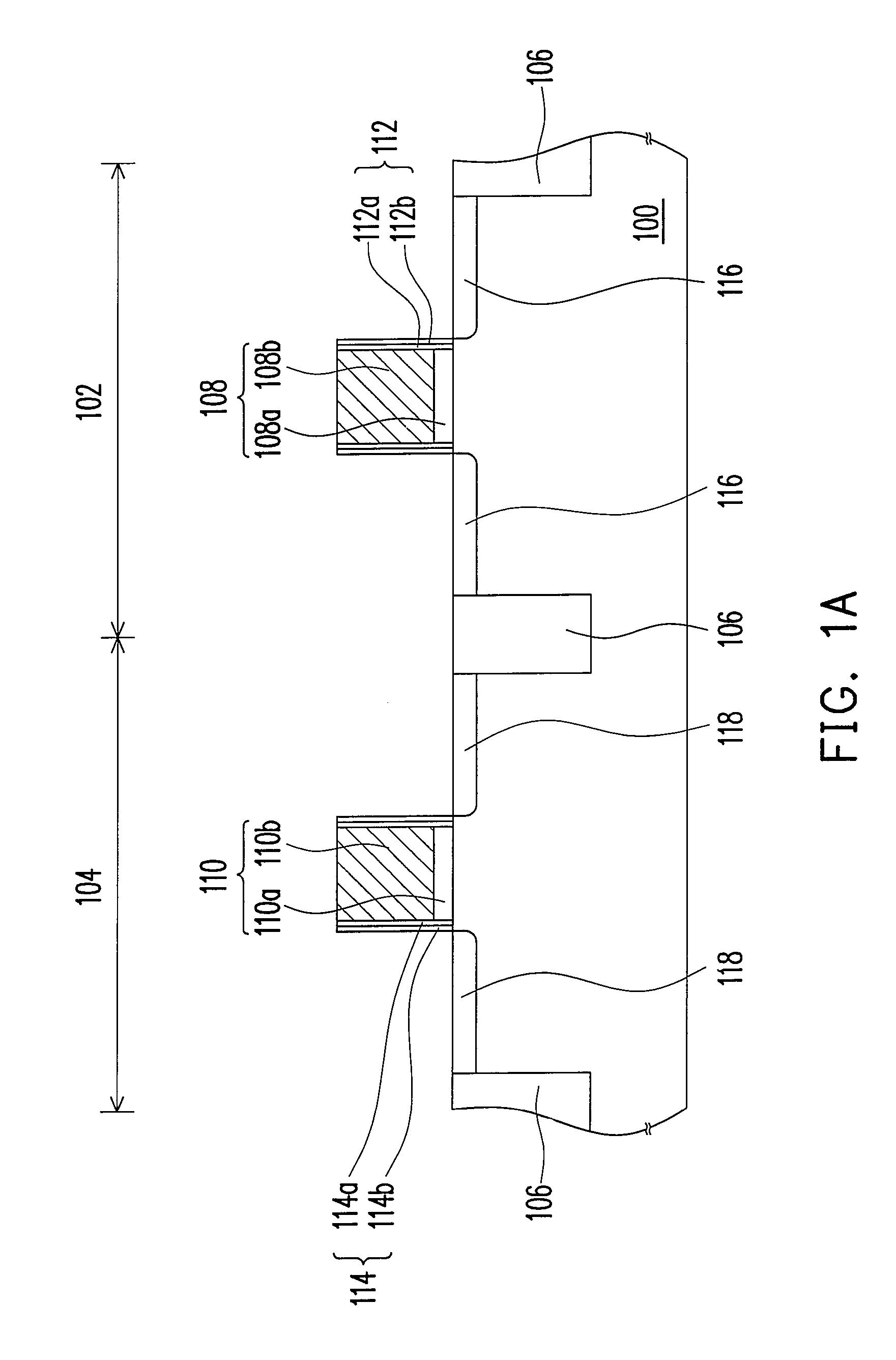
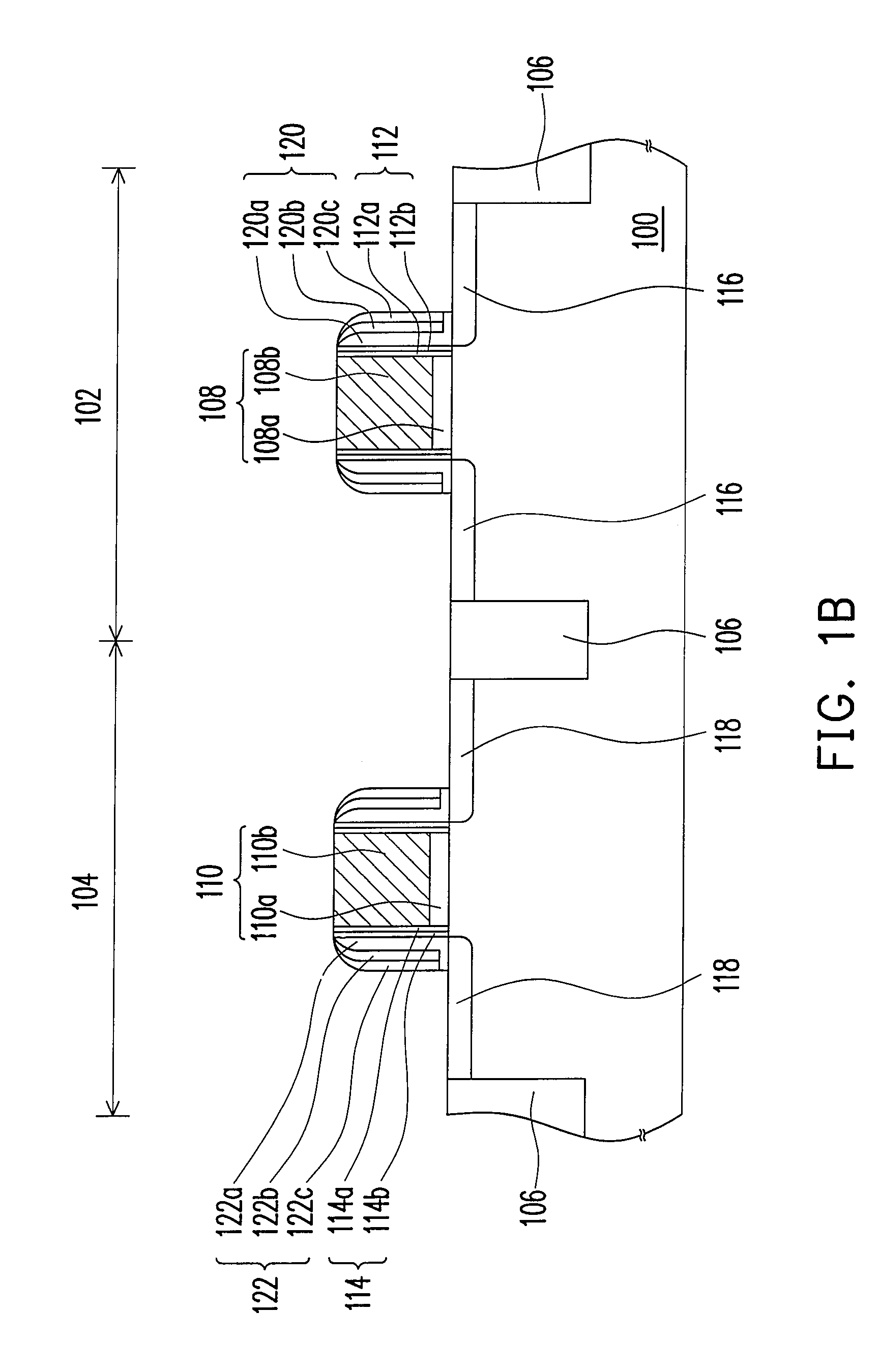
Complementary metal-oxide-semiconductor device and fabricating method thereof
PatentActiveUS7402496B2
Innovation
- A method involving the use of a carbon-containing oxynitride passivation layer with a low etching rate, formed through low-pressure chemical-vapor deposition, is employed to prevent the improper removal of the passivation layer during device manufacturing, and a thermal process is applied to densify the passivation layer, reducing the etching rate and avoiding the formation of poly bumps.
Energy Efficiency
The development of CMOS battery-driven adaptive technologies has significantly contributed to energy efficiency in modern electronic devices. These advancements have led to substantial improvements in power management and overall system performance.
CMOS batteries, typically small lithium cells, play a crucial role in maintaining system settings and real-time clock information when the main power source is disconnected. This persistent storage of critical data enables devices to quickly resume operation, reducing the energy required for system initialization. The longevity and reliability of CMOS batteries have been enhanced through improved manufacturing processes and materials, resulting in extended device lifespans and reduced maintenance requirements.
The integration of CMOS batteries with adaptive technologies has revolutionized energy management in electronic systems. Adaptive voltage scaling (AVS) and dynamic frequency scaling (DFS) techniques, powered by CMOS batteries, allow devices to adjust their operating parameters based on workload and environmental conditions. This dynamic adaptation optimizes power consumption without compromising performance, leading to significant energy savings across various applications.
Furthermore, CMOS battery-driven adaptive technologies have enabled the development of sophisticated power gating mechanisms. These systems can selectively shut down inactive components or entire subsystems, dramatically reducing standby power consumption. The ability to rapidly wake up dormant sections when needed, facilitated by the CMOS battery's constant power supply, ensures minimal impact on user experience while maximizing energy efficiency.
In portable devices, CMOS battery-driven adaptive technologies have been instrumental in extending battery life. By intelligently managing power states and optimizing system resources, these technologies have allowed manufacturers to create devices that operate for longer periods between charges. This not only enhances user convenience but also reduces the overall energy footprint of mobile computing.
The synergy between CMOS batteries and adaptive technologies has also paved the way for more efficient thermal management solutions. By dynamically adjusting system parameters based on temperature readings, these technologies can prevent overheating while maintaining optimal performance. This approach not only conserves energy but also prolongs the lifespan of electronic components, reducing electronic waste and associated environmental impacts.
As the demand for energy-efficient computing continues to grow, CMOS battery-driven adaptive technologies are expected to play an increasingly important role. Future developments in this field may include more sophisticated predictive algorithms for power management, further miniaturization of CMOS batteries, and integration with renewable energy sources for enhanced sustainability.
CMOS batteries, typically small lithium cells, play a crucial role in maintaining system settings and real-time clock information when the main power source is disconnected. This persistent storage of critical data enables devices to quickly resume operation, reducing the energy required for system initialization. The longevity and reliability of CMOS batteries have been enhanced through improved manufacturing processes and materials, resulting in extended device lifespans and reduced maintenance requirements.
The integration of CMOS batteries with adaptive technologies has revolutionized energy management in electronic systems. Adaptive voltage scaling (AVS) and dynamic frequency scaling (DFS) techniques, powered by CMOS batteries, allow devices to adjust their operating parameters based on workload and environmental conditions. This dynamic adaptation optimizes power consumption without compromising performance, leading to significant energy savings across various applications.
Furthermore, CMOS battery-driven adaptive technologies have enabled the development of sophisticated power gating mechanisms. These systems can selectively shut down inactive components or entire subsystems, dramatically reducing standby power consumption. The ability to rapidly wake up dormant sections when needed, facilitated by the CMOS battery's constant power supply, ensures minimal impact on user experience while maximizing energy efficiency.
In portable devices, CMOS battery-driven adaptive technologies have been instrumental in extending battery life. By intelligently managing power states and optimizing system resources, these technologies have allowed manufacturers to create devices that operate for longer periods between charges. This not only enhances user convenience but also reduces the overall energy footprint of mobile computing.
The synergy between CMOS batteries and adaptive technologies has also paved the way for more efficient thermal management solutions. By dynamically adjusting system parameters based on temperature readings, these technologies can prevent overheating while maintaining optimal performance. This approach not only conserves energy but also prolongs the lifespan of electronic components, reducing electronic waste and associated environmental impacts.
As the demand for energy-efficient computing continues to grow, CMOS battery-driven adaptive technologies are expected to play an increasingly important role. Future developments in this field may include more sophisticated predictive algorithms for power management, further miniaturization of CMOS batteries, and integration with renewable energy sources for enhanced sustainability.
Sustainability Impact
The integration of CMOS battery technology into comprehensive adaptive systems has significant implications for sustainability. This technology's low power consumption and long lifespan contribute to reduced electronic waste and energy usage. CMOS batteries, typically lasting 3-5 years, enable devices to maintain critical settings and time-keeping functions without constant power draw from main sources. This longevity reduces the frequency of battery replacements, thereby minimizing the environmental impact associated with battery production and disposal.
Furthermore, the adaptive capabilities driven by CMOS batteries allow for more efficient energy management in various electronic systems. By maintaining system configurations and enabling quick start-ups, these batteries help reduce overall power consumption in devices ranging from personal computers to industrial control systems. This energy efficiency translates to lower carbon emissions over the lifecycle of electronic products.
The sustainability impact extends to the manufacturing process as well. CMOS batteries are typically small and require fewer raw materials compared to larger power sources. Their production process is relatively less resource-intensive, aligning with sustainable manufacturing practices. Additionally, the stability provided by CMOS batteries in maintaining system integrity contributes to the longevity of electronic devices, potentially reducing the rate of hardware obsolescence and replacement.
In the context of adaptive technology development, CMOS batteries play a crucial role in enabling smart power management features. These features allow devices to adapt their power consumption based on usage patterns and environmental conditions, further enhancing energy efficiency. For instance, in IoT devices and smart home systems, CMOS-backed adaptive technologies can optimize energy use by fine-tuning device operations according to real-time needs.
The sustainability benefits also manifest in the realm of data centers and server farms. CMOS batteries in these environments support uninterrupted operation of critical systems, reducing the need for energy-intensive cold starts and minimizing data loss risks. This reliability contributes to more sustainable data management practices and reduces the environmental footprint of digital infrastructure.
Looking forward, the continued development of CMOS battery technology promises even greater sustainability impacts. Innovations in materials science and battery chemistry may lead to CMOS batteries with extended lifespans and improved performance, further reducing waste and resource consumption. As adaptive technologies become more sophisticated, the role of CMOS batteries in driving sustainable, energy-efficient solutions is likely to expand, contributing to broader environmental conservation efforts in the tech industry.
Furthermore, the adaptive capabilities driven by CMOS batteries allow for more efficient energy management in various electronic systems. By maintaining system configurations and enabling quick start-ups, these batteries help reduce overall power consumption in devices ranging from personal computers to industrial control systems. This energy efficiency translates to lower carbon emissions over the lifecycle of electronic products.
The sustainability impact extends to the manufacturing process as well. CMOS batteries are typically small and require fewer raw materials compared to larger power sources. Their production process is relatively less resource-intensive, aligning with sustainable manufacturing practices. Additionally, the stability provided by CMOS batteries in maintaining system integrity contributes to the longevity of electronic devices, potentially reducing the rate of hardware obsolescence and replacement.
In the context of adaptive technology development, CMOS batteries play a crucial role in enabling smart power management features. These features allow devices to adapt their power consumption based on usage patterns and environmental conditions, further enhancing energy efficiency. For instance, in IoT devices and smart home systems, CMOS-backed adaptive technologies can optimize energy use by fine-tuning device operations according to real-time needs.
The sustainability benefits also manifest in the realm of data centers and server farms. CMOS batteries in these environments support uninterrupted operation of critical systems, reducing the need for energy-intensive cold starts and minimizing data loss risks. This reliability contributes to more sustainable data management practices and reduces the environmental footprint of digital infrastructure.
Looking forward, the continued development of CMOS battery technology promises even greater sustainability impacts. Innovations in materials science and battery chemistry may lead to CMOS batteries with extended lifespans and improved performance, further reducing waste and resource consumption. As adaptive technologies become more sophisticated, the role of CMOS batteries in driving sustainable, energy-efficient solutions is likely to expand, contributing to broader environmental conservation efforts in the tech industry.
Unlock deeper insights with PatSnap Eureka Quick Research — get a full tech report to explore trends and direct your research. Try now!
Generate Your Research Report Instantly with AI Agent
Supercharge your innovation with PatSnap Eureka AI Agent Platform!