

How CMOS Battery Fuels Energy-Efficient Data Centers?
JUL 22, 20259 MIN READ
Generate Your Research Report Instantly with AI Agent
PatSnap Eureka helps you evaluate technical feasibility & market potential.
CMOS Battery Evolution
The evolution of CMOS battery technology in data centers has been a crucial factor in the pursuit of energy efficiency. Initially developed for personal computers to maintain system settings, CMOS batteries have undergone significant transformations to meet the demanding requirements of modern data centers.
In the early stages, CMOS batteries were simple coin cell batteries, primarily used to power the real-time clock and maintain BIOS settings. As data centers grew in scale and complexity, the role of CMOS batteries expanded. They began to support more critical functions, such as maintaining server configurations and ensuring rapid system recovery after power outages.
The transition from traditional lead-acid batteries to lithium-ion technology marked a significant milestone in CMOS battery evolution. This shift brought about improvements in energy density, longer lifespan, and reduced environmental impact. Lithium-ion CMOS batteries offered higher reliability and reduced maintenance requirements, aligning with the operational demands of large-scale data centers.
As data centers became more energy-conscious, CMOS battery technology adapted to support power management features. Advanced power states and sleep modes were introduced, allowing servers to conserve energy during periods of low activity while maintaining essential system information. This development contributed significantly to overall data center energy efficiency.
The integration of smart battery management systems represents another key evolutionary step. These systems enable real-time monitoring of battery health, predictive maintenance, and optimized charging cycles. By providing accurate data on battery performance and lifespan, they help data center operators make informed decisions about battery replacement and system maintenance, further enhancing operational efficiency.
Recent advancements have focused on improving the sustainability of CMOS batteries. Manufacturers are exploring eco-friendly materials and production processes to reduce the environmental footprint of these components. Additionally, efforts are being made to enhance the recyclability of CMOS batteries, addressing end-of-life concerns in data center operations.
The miniaturization of CMOS batteries has also played a crucial role in their evolution. As server designs become more compact and dense, smaller yet more powerful CMOS batteries have been developed. This trend has allowed for better space utilization within data centers without compromising on battery performance or reliability.
Looking ahead, the evolution of CMOS batteries is likely to continue in parallel with advancements in data center technology. Future developments may include the integration of energy harvesting techniques, allowing CMOS batteries to recharge using ambient energy sources within the data center environment. This could potentially lead to self-sustaining power systems for critical server components, further enhancing energy efficiency and reliability in data center operations.
In the early stages, CMOS batteries were simple coin cell batteries, primarily used to power the real-time clock and maintain BIOS settings. As data centers grew in scale and complexity, the role of CMOS batteries expanded. They began to support more critical functions, such as maintaining server configurations and ensuring rapid system recovery after power outages.
The transition from traditional lead-acid batteries to lithium-ion technology marked a significant milestone in CMOS battery evolution. This shift brought about improvements in energy density, longer lifespan, and reduced environmental impact. Lithium-ion CMOS batteries offered higher reliability and reduced maintenance requirements, aligning with the operational demands of large-scale data centers.
As data centers became more energy-conscious, CMOS battery technology adapted to support power management features. Advanced power states and sleep modes were introduced, allowing servers to conserve energy during periods of low activity while maintaining essential system information. This development contributed significantly to overall data center energy efficiency.
The integration of smart battery management systems represents another key evolutionary step. These systems enable real-time monitoring of battery health, predictive maintenance, and optimized charging cycles. By providing accurate data on battery performance and lifespan, they help data center operators make informed decisions about battery replacement and system maintenance, further enhancing operational efficiency.
Recent advancements have focused on improving the sustainability of CMOS batteries. Manufacturers are exploring eco-friendly materials and production processes to reduce the environmental footprint of these components. Additionally, efforts are being made to enhance the recyclability of CMOS batteries, addressing end-of-life concerns in data center operations.
The miniaturization of CMOS batteries has also played a crucial role in their evolution. As server designs become more compact and dense, smaller yet more powerful CMOS batteries have been developed. This trend has allowed for better space utilization within data centers without compromising on battery performance or reliability.
Looking ahead, the evolution of CMOS batteries is likely to continue in parallel with advancements in data center technology. Future developments may include the integration of energy harvesting techniques, allowing CMOS batteries to recharge using ambient energy sources within the data center environment. This could potentially lead to self-sustaining power systems for critical server components, further enhancing energy efficiency and reliability in data center operations.
Data Center Energy Demand
Data centers have become the backbone of our digital economy, powering everything from cloud computing to artificial intelligence. As these facilities grow in size and complexity, their energy consumption has skyrocketed, making them significant contributors to global electricity demand. The International Energy Agency reports that data centers now account for approximately 1% of global electricity use, with projections indicating this figure could rise to 3-13% by 2030.
The surge in energy demand is driven by several factors. First, the exponential growth of data generation and processing requirements has led to a proliferation of data centers worldwide. The global datasphere is expected to grow from 33 zettabytes in 2018 to 175 zettabytes by 2025, necessitating more powerful and energy-intensive computing infrastructure.
Moreover, the advent of emerging technologies such as 5G, Internet of Things (IoT), and edge computing is further amplifying the need for data center capacity. These technologies require low-latency, high-bandwidth connections, often leading to the establishment of smaller, distributed data centers closer to end-users, each with its own energy demands.
The energy consumption profile of data centers is multifaceted. While servers and storage systems are the primary consumers, cooling systems also account for a significant portion of energy use. In traditional data centers, cooling can consume up to 40% of the total energy budget. This has led to increased focus on energy-efficient cooling technologies and innovative data center designs.
Power Usage Effectiveness (PUE), a metric used to determine data center energy efficiency, has been steadily improving. The global average PUE has decreased from 2.5 in 2007 to about 1.59 in 2020. However, despite these improvements, the absolute energy consumption continues to rise due to the rapid expansion of data center infrastructure.
The financial implications of data center energy demand are substantial. Energy costs can account for up to 70% of a data center's operating expenses. This economic pressure, coupled with growing environmental concerns, has spurred the industry to seek innovative solutions for energy efficiency. From advanced cooling techniques to the use of renewable energy sources, data center operators are exploring various avenues to reduce their energy footprint while meeting the ever-growing demand for data processing and storage capabilities.
The surge in energy demand is driven by several factors. First, the exponential growth of data generation and processing requirements has led to a proliferation of data centers worldwide. The global datasphere is expected to grow from 33 zettabytes in 2018 to 175 zettabytes by 2025, necessitating more powerful and energy-intensive computing infrastructure.
Moreover, the advent of emerging technologies such as 5G, Internet of Things (IoT), and edge computing is further amplifying the need for data center capacity. These technologies require low-latency, high-bandwidth connections, often leading to the establishment of smaller, distributed data centers closer to end-users, each with its own energy demands.
The energy consumption profile of data centers is multifaceted. While servers and storage systems are the primary consumers, cooling systems also account for a significant portion of energy use. In traditional data centers, cooling can consume up to 40% of the total energy budget. This has led to increased focus on energy-efficient cooling technologies and innovative data center designs.
Power Usage Effectiveness (PUE), a metric used to determine data center energy efficiency, has been steadily improving. The global average PUE has decreased from 2.5 in 2007 to about 1.59 in 2020. However, despite these improvements, the absolute energy consumption continues to rise due to the rapid expansion of data center infrastructure.
The financial implications of data center energy demand are substantial. Energy costs can account for up to 70% of a data center's operating expenses. This economic pressure, coupled with growing environmental concerns, has spurred the industry to seek innovative solutions for energy efficiency. From advanced cooling techniques to the use of renewable energy sources, data center operators are exploring various avenues to reduce their energy footprint while meeting the ever-growing demand for data processing and storage capabilities.
CMOS Battery Challenges
CMOS batteries, while crucial for maintaining system configurations and real-time clock functions in data centers, face several significant challenges that impact their effectiveness and reliability in energy-efficient operations. One of the primary issues is the limited lifespan of these batteries, typically ranging from 3 to 5 years. This relatively short lifecycle necessitates frequent replacements, leading to increased maintenance costs and potential system disruptions during battery changes.
The environmental impact of CMOS batteries is another pressing concern. Most of these batteries contain lithium, which poses disposal challenges due to its reactive nature and potential environmental hazards. As data centers strive for greater sustainability, the need for more eco-friendly power solutions becomes increasingly apparent.
Temperature sensitivity presents another hurdle for CMOS batteries in data center environments. These batteries can be adversely affected by the high temperatures often found in server rooms, potentially leading to reduced capacity and shortened lifespan. This sensitivity requires careful thermal management strategies, which can add complexity to data center design and operations.
Power consumption, although minimal compared to other components, remains a consideration in ultra-efficient data center designs. Even the small current draw from CMOS batteries contributes to the overall power budget, prompting research into more energy-efficient alternatives or supplementary power sources.
Reliability issues also plague CMOS batteries, particularly in mission-critical data center operations. Battery failure can lead to loss of system settings, time synchronization problems, and in some cases, system instability. This risk necessitates robust monitoring systems and redundancy measures, adding layers of complexity to data center management.
The physical size of CMOS batteries presents challenges in the trend towards more compact and dense server designs. As data centers push for higher computing power per square foot, every component, including the CMOS battery, comes under scrutiny for potential size reduction without compromising functionality.
Lastly, the integration of CMOS batteries with emerging technologies in data centers poses compatibility challenges. As new server architectures and power management systems evolve, ensuring seamless interaction with traditional CMOS battery systems becomes increasingly complex, potentially limiting innovation in certain areas of data center design.
These multifaceted challenges underscore the need for continued research and development in CMOS battery technology and alternative solutions. As data centers evolve to meet growing demands for energy efficiency and reliability, addressing these issues becomes crucial for maintaining optimal performance and sustainability in modern computing environments.
The environmental impact of CMOS batteries is another pressing concern. Most of these batteries contain lithium, which poses disposal challenges due to its reactive nature and potential environmental hazards. As data centers strive for greater sustainability, the need for more eco-friendly power solutions becomes increasingly apparent.
Temperature sensitivity presents another hurdle for CMOS batteries in data center environments. These batteries can be adversely affected by the high temperatures often found in server rooms, potentially leading to reduced capacity and shortened lifespan. This sensitivity requires careful thermal management strategies, which can add complexity to data center design and operations.
Power consumption, although minimal compared to other components, remains a consideration in ultra-efficient data center designs. Even the small current draw from CMOS batteries contributes to the overall power budget, prompting research into more energy-efficient alternatives or supplementary power sources.
Reliability issues also plague CMOS batteries, particularly in mission-critical data center operations. Battery failure can lead to loss of system settings, time synchronization problems, and in some cases, system instability. This risk necessitates robust monitoring systems and redundancy measures, adding layers of complexity to data center management.
The physical size of CMOS batteries presents challenges in the trend towards more compact and dense server designs. As data centers push for higher computing power per square foot, every component, including the CMOS battery, comes under scrutiny for potential size reduction without compromising functionality.
Lastly, the integration of CMOS batteries with emerging technologies in data centers poses compatibility challenges. As new server architectures and power management systems evolve, ensuring seamless interaction with traditional CMOS battery systems becomes increasingly complex, potentially limiting innovation in certain areas of data center design.
These multifaceted challenges underscore the need for continued research and development in CMOS battery technology and alternative solutions. As data centers evolve to meet growing demands for energy efficiency and reliability, addressing these issues becomes crucial for maintaining optimal performance and sustainability in modern computing environments.
Current CMOS Solutions
01 Power management techniques for CMOS batteries
Various power management techniques are employed to improve the energy efficiency of CMOS batteries. These include implementing sleep modes, dynamic voltage scaling, and intelligent power gating to reduce power consumption during idle periods or low-activity states. Advanced power management circuits and algorithms are used to optimize battery usage and extend its lifespan.- Power management techniques for CMOS batteries: Various power management techniques are employed to improve the energy efficiency of CMOS batteries. These include implementing sleep modes, dynamic voltage scaling, and intelligent power gating to reduce power consumption during idle periods or low-activity states. Advanced power management controllers optimize battery usage by selectively powering down non-essential components and adjusting clock frequencies based on system load.
- Low-power CMOS circuit design: Energy-efficient CMOS circuits are designed using techniques such as subthreshold operation, adiabatic switching, and multi-threshold voltage transistors. These approaches minimize power dissipation in both active and standby modes, extending battery life. Advanced circuit topologies and layout techniques are employed to reduce parasitic capacitances and leakage currents, further enhancing energy efficiency.
- Battery chemistry and material improvements: Advancements in battery chemistry and materials contribute to increased energy density and improved efficiency of CMOS batteries. Novel electrode materials, electrolyte compositions, and separator designs enhance charge/discharge cycles, reduce self-discharge rates, and improve overall battery performance. These innovations result in longer-lasting and more energy-efficient power sources for CMOS devices.
- Intelligent charging and discharging algorithms: Sophisticated charging and discharging algorithms are developed to optimize CMOS battery performance. These algorithms adapt to usage patterns, environmental conditions, and battery health to maximize energy efficiency. Techniques such as pulse charging, trickle charging, and smart cut-off mechanisms are employed to extend battery life and improve overall system efficiency.
- Energy harvesting and hybrid power systems: Integration of energy harvesting technologies and hybrid power systems enhances the energy efficiency of CMOS batteries. These systems combine traditional battery power with renewable energy sources such as solar, thermal, or kinetic energy. Advanced power management units efficiently distribute and store harvested energy, reducing reliance on primary batteries and improving overall system efficiency.
02 Low-power CMOS circuit design
Designing CMOS circuits with a focus on low power consumption is crucial for improving battery energy efficiency. This involves using advanced transistor technologies, optimizing circuit topologies, and implementing power-aware design techniques. Subthreshold operation and adiabatic switching are some of the methods used to minimize power dissipation in CMOS circuits.Expand Specific Solutions03 Energy harvesting for CMOS batteries
Integrating energy harvesting technologies with CMOS batteries can significantly improve their energy efficiency. This approach involves capturing and converting ambient energy sources such as light, heat, or vibration into electrical energy to supplement or recharge the CMOS battery. Micro-scale energy harvesters and efficient power management circuits are key components of this technology.Expand Specific Solutions04 Advanced battery materials and structures
Developing new materials and structures for CMOS batteries can lead to improved energy efficiency. This includes the use of novel electrode materials, electrolytes, and battery architectures that offer higher energy density, faster charging rates, and longer cycle life. Nano-structured materials and solid-state battery technologies are among the promising approaches being explored.Expand Specific Solutions05 Intelligent battery management systems
Implementing smart battery management systems can optimize the performance and energy efficiency of CMOS batteries. These systems use advanced algorithms and sensors to monitor battery health, predict remaining capacity, and adjust charging and discharging patterns. Machine learning techniques are also being applied to improve battery management strategies and extend battery life.Expand Specific Solutions
Key CMOS Battery Players
The CMOS battery technology for energy-efficient data centers is in an early growth stage, with increasing market potential as data center energy consumption becomes a critical concern. The global market size for this technology is expanding, driven by the growing demand for sustainable data center solutions. While the technology is still evolving, several key players are making significant advancements. Companies like IEIT Systems, Hon Hai Precision Industry, and Dell Products LP are at the forefront, developing innovative CMOS battery solutions. Other major contributors include Hewlett Packard Enterprise, Lenovo, and IBM, leveraging their extensive experience in data center technologies to enhance CMOS battery efficiency. The competitive landscape is dynamic, with both established tech giants and specialized firms like Inertech IP and Cloud Storage New Energy Technology contributing to rapid technological progress.
Dell Products LP
Technical Solution: Dell has developed a comprehensive CMOS battery solution for energy-efficient data centers. Their approach focuses on integrating advanced power management techniques with optimized CMOS designs to minimize energy consumption. Dell's technology incorporates intelligent power capping and dynamic power allocation algorithms that adjust server power states based on real-time workload demands[1]. They have also implemented advanced CMOS battery designs with improved charge retention and lower self-discharge rates, extending the lifespan of critical data center components[2]. Additionally, Dell has developed a sophisticated power monitoring and analytics platform that provides detailed insights into energy consumption patterns, enabling data center operators to identify and address inefficiencies proactively[3]. The company has also integrated their CMOS battery solutions with renewable energy sources and energy storage systems to create more sustainable and resilient data center infrastructures[4].
Strengths: Advanced power management, improved battery technology, and comprehensive analytics. Weaknesses: Potential complexity in implementation and higher initial costs for full system integration.
Hewlett Packard Enterprise Development LP
Technical Solution: HPE has developed innovative CMOS battery solutions for energy-efficient data centers. Their approach includes implementing advanced power management techniques and utilizing low-power CMOS designs. HPE's technology incorporates dynamic voltage and frequency scaling (DVFS) to optimize power consumption based on workload demands[1]. They have also integrated energy-efficient CMOS batteries with improved charge retention and lower self-discharge rates, extending the lifespan of critical components in data center servers[2]. Additionally, HPE has implemented intelligent power capping mechanisms that allow for precise control of power allocation across server clusters, ensuring optimal energy utilization[3].
Strengths: Advanced power management, extended component lifespan, and precise power allocation. Weaknesses: Potential higher initial costs and complexity in implementation.
CMOS Battery Innovations
Host computer
PatentInactiveUS20120043993A1
Innovation
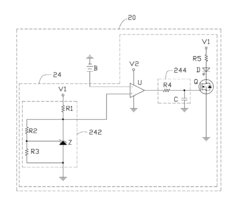
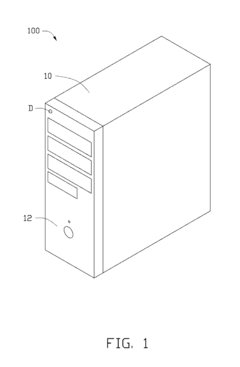
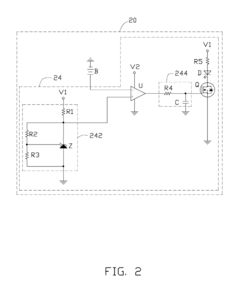
- Incorporating a voltage detection circuit within the host computer that includes a comparator, electronic switch, alarm unit, reference voltage generating circuit, and delay circuit to detect and alert the user when the battery voltage falls below a certain threshold, using a light emitting diode as an alarm unit.
Metal-Insulator-Metal (MIM) Capacitor Within Topmost Thick Inter-Metal Dielectric Layers
PatentActiveUS20150187866A1
Innovation
- The method involves forming MIM capacitors within the topmost thick inter-metal dielectric layers of semiconductor chips, using a process that integrates the capacitors between two adjacent metal layers without adding additional IMD sub-layers, utilizing high-k dielectric materials and conductive electrodes like TaN or TiN, and employing standard CMOS logic process layers for structural stability and planarization.


Green Data Center Policies
Green data center policies have become increasingly important as organizations strive to reduce their environmental impact and operational costs. These policies encompass a wide range of initiatives aimed at improving energy efficiency, reducing carbon emissions, and promoting sustainable practices in data center operations.
One of the key aspects of green data center policies is the implementation of energy-efficient technologies and practices. This includes the use of advanced cooling systems, such as free cooling and liquid cooling, which can significantly reduce energy consumption compared to traditional air conditioning methods. Additionally, the adoption of high-efficiency power distribution and uninterruptible power supply (UPS) systems helps minimize power losses and improve overall energy efficiency.
Data center infrastructure management (DCIM) tools play a crucial role in green data center policies. These systems provide real-time monitoring and analysis of power usage, temperature, and other environmental factors, allowing operators to optimize resource allocation and identify areas for improvement. By leveraging DCIM solutions, organizations can make data-driven decisions to enhance energy efficiency and reduce waste.
Green data center policies also emphasize the importance of renewable energy sources. Many companies are investing in on-site renewable energy generation, such as solar panels or wind turbines, to power their data centers. Others are partnering with utility providers to source clean energy through power purchase agreements (PPAs) or renewable energy certificates (RECs).
The design and construction of data center facilities are also influenced by green policies. Modern green data centers incorporate sustainable building materials, energy-efficient lighting systems, and optimized layouts to maximize airflow and minimize heat buildup. Some organizations are even exploring innovative concepts like underwater or underground data centers to leverage natural cooling resources and reduce energy consumption.
E-waste management is another critical component of green data center policies. Proper disposal and recycling of outdated equipment, as well as the use of modular and easily upgradable hardware, help minimize electronic waste and extend the lifespan of data center infrastructure.
Lastly, green data center policies often include employee training and awareness programs to promote sustainable practices among staff. This ensures that energy-saving measures are consistently implemented and that all team members are aligned with the organization's environmental goals.
One of the key aspects of green data center policies is the implementation of energy-efficient technologies and practices. This includes the use of advanced cooling systems, such as free cooling and liquid cooling, which can significantly reduce energy consumption compared to traditional air conditioning methods. Additionally, the adoption of high-efficiency power distribution and uninterruptible power supply (UPS) systems helps minimize power losses and improve overall energy efficiency.
Data center infrastructure management (DCIM) tools play a crucial role in green data center policies. These systems provide real-time monitoring and analysis of power usage, temperature, and other environmental factors, allowing operators to optimize resource allocation and identify areas for improvement. By leveraging DCIM solutions, organizations can make data-driven decisions to enhance energy efficiency and reduce waste.
Green data center policies also emphasize the importance of renewable energy sources. Many companies are investing in on-site renewable energy generation, such as solar panels or wind turbines, to power their data centers. Others are partnering with utility providers to source clean energy through power purchase agreements (PPAs) or renewable energy certificates (RECs).
The design and construction of data center facilities are also influenced by green policies. Modern green data centers incorporate sustainable building materials, energy-efficient lighting systems, and optimized layouts to maximize airflow and minimize heat buildup. Some organizations are even exploring innovative concepts like underwater or underground data centers to leverage natural cooling resources and reduce energy consumption.
E-waste management is another critical component of green data center policies. Proper disposal and recycling of outdated equipment, as well as the use of modular and easily upgradable hardware, help minimize electronic waste and extend the lifespan of data center infrastructure.
Lastly, green data center policies often include employee training and awareness programs to promote sustainable practices among staff. This ensures that energy-saving measures are consistently implemented and that all team members are aligned with the organization's environmental goals.
CMOS Battery Recycling
CMOS battery recycling is a critical aspect of sustainable data center operations and environmental responsibility. As data centers continue to grow in size and number, the proper disposal and recycling of CMOS batteries become increasingly important. These batteries, while small, contain valuable materials that can be recovered and reused, reducing the environmental impact of electronic waste.
The recycling process for CMOS batteries typically involves several steps. First, the batteries are collected from decommissioned or upgraded server equipment. They are then sorted and categorized based on their chemical composition. The most common types of CMOS batteries are lithium coin cells, which contain lithium, steel, and other metals.
Once sorted, the batteries undergo a mechanical separation process. This involves shredding or crushing the batteries to break them down into their component parts. The resulting materials are then separated using various techniques such as magnetic separation, density separation, and chemical processes. This allows for the recovery of valuable metals like lithium, cobalt, and nickel.
The recovered materials can be used in the production of new batteries or other electronic components, creating a circular economy for these resources. This not only reduces the demand for raw materials but also minimizes the environmental impact of mining and processing new resources.
Implementing effective CMOS battery recycling programs in data centers requires collaboration between data center operators, equipment manufacturers, and specialized recycling facilities. Many large tech companies have established partnerships with recycling firms to ensure proper handling of their electronic waste, including CMOS batteries.
However, challenges remain in the recycling process. The small size of CMOS batteries can make them difficult to identify and separate from other electronic waste. Additionally, the relatively low volume of CMOS batteries compared to other types of electronic waste can make dedicated recycling programs less economically viable.
To address these challenges, some companies are exploring innovative approaches to CMOS battery recycling. These include developing automated sorting systems that can identify and separate small batteries more efficiently, as well as researching new recycling technologies that can handle mixed electronic waste streams more effectively.
As data centers continue to evolve and focus on energy efficiency and sustainability, CMOS battery recycling will likely become an increasingly important consideration in their overall environmental strategy. By implementing comprehensive recycling programs, data centers can contribute to resource conservation, reduce their environmental footprint, and potentially realize cost savings through the recovery of valuable materials.
The recycling process for CMOS batteries typically involves several steps. First, the batteries are collected from decommissioned or upgraded server equipment. They are then sorted and categorized based on their chemical composition. The most common types of CMOS batteries are lithium coin cells, which contain lithium, steel, and other metals.
Once sorted, the batteries undergo a mechanical separation process. This involves shredding or crushing the batteries to break them down into their component parts. The resulting materials are then separated using various techniques such as magnetic separation, density separation, and chemical processes. This allows for the recovery of valuable metals like lithium, cobalt, and nickel.
The recovered materials can be used in the production of new batteries or other electronic components, creating a circular economy for these resources. This not only reduces the demand for raw materials but also minimizes the environmental impact of mining and processing new resources.
Implementing effective CMOS battery recycling programs in data centers requires collaboration between data center operators, equipment manufacturers, and specialized recycling facilities. Many large tech companies have established partnerships with recycling firms to ensure proper handling of their electronic waste, including CMOS batteries.
However, challenges remain in the recycling process. The small size of CMOS batteries can make them difficult to identify and separate from other electronic waste. Additionally, the relatively low volume of CMOS batteries compared to other types of electronic waste can make dedicated recycling programs less economically viable.
To address these challenges, some companies are exploring innovative approaches to CMOS battery recycling. These include developing automated sorting systems that can identify and separate small batteries more efficiently, as well as researching new recycling technologies that can handle mixed electronic waste streams more effectively.
As data centers continue to evolve and focus on energy efficiency and sustainability, CMOS battery recycling will likely become an increasingly important consideration in their overall environmental strategy. By implementing comprehensive recycling programs, data centers can contribute to resource conservation, reduce their environmental footprint, and potentially realize cost savings through the recovery of valuable materials.
Unlock deeper insights with PatSnap Eureka Quick Research — get a full tech report to explore trends and direct your research. Try now!
Generate Your Research Report Instantly with AI Agent
Supercharge your innovation with PatSnap Eureka AI Agent Platform!